

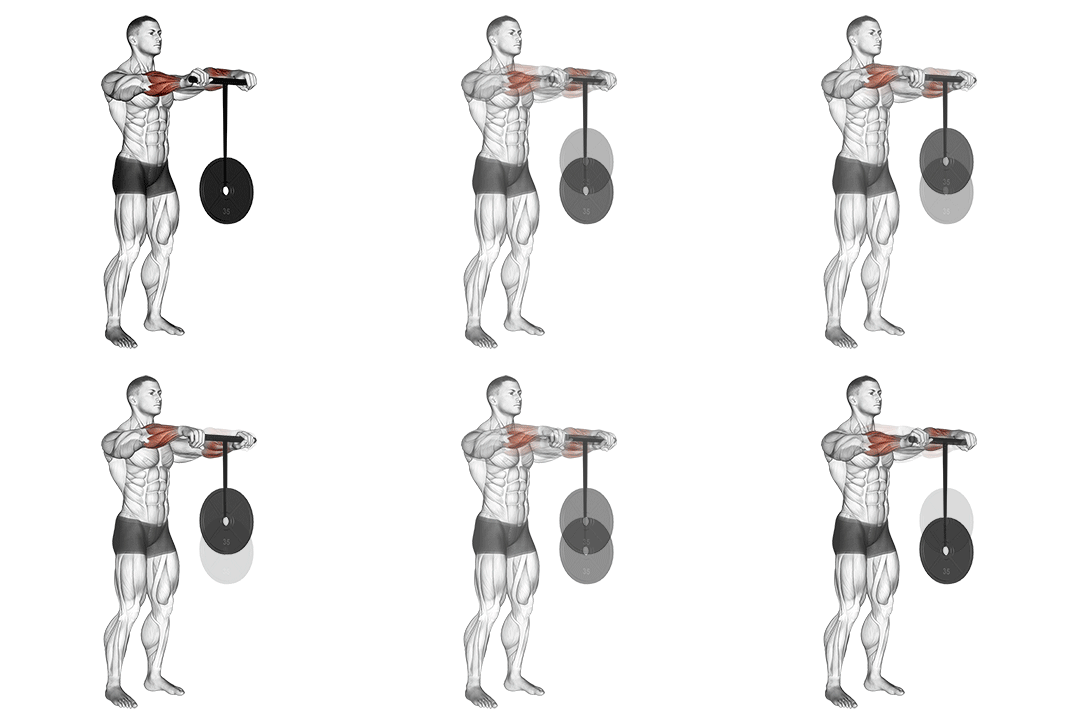
10 Best Standing Olympic Plate Hand Squeeze Alternatives for Home Gyms
The Standing Olympic Plate Hand Squeeze is done standing. Ranked closest by our scoring: the Weighted Standing Hand Squeeze, the Plate Pinch and the Farmer's Walk.
Updated Ranked by our 12-factor similarity model How it works
Original Exercise: Standing Olympic Plate Hand Squeeze
- Primary muscle
- Forearms
- Equipment
- Other
- Difficulty
- Beginner
- Type
- Isolation
Secondary muscles: Biceps
How to perform Standing Olympic Plate Hand Squeeze
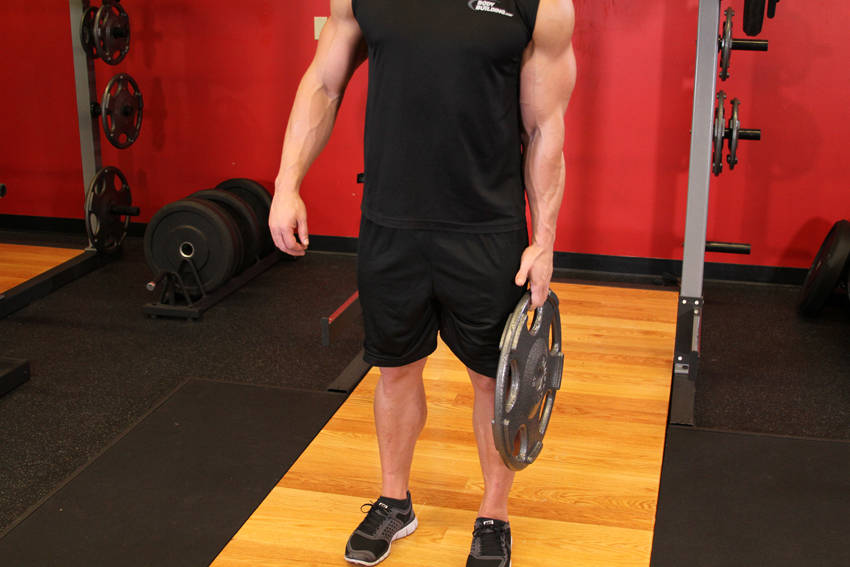
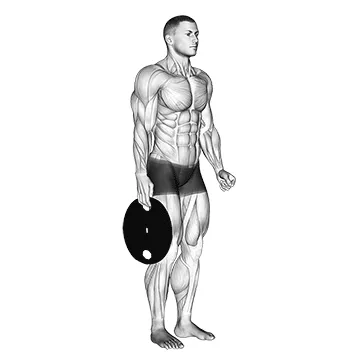
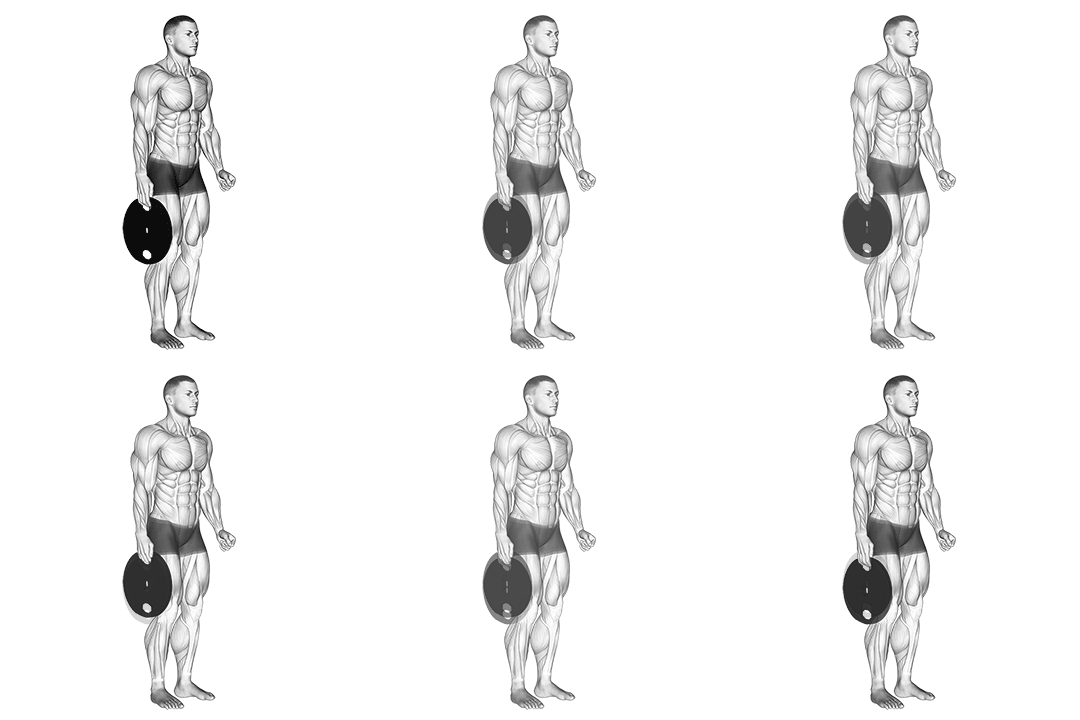
- To begin, stand straight while holding a weight plate by the ridge at arm's length in each hand using a neutral grip (palms facing in). You feet should be shoulder width apart from each other. This will be your starting position.
- Lower the plates until the fingers are nearly extended but can still hold weights. Inhale as you lower the plates.
- Now raise the plates back to the starting position as you exhale by closing your hands.
- Repeat for the recommended amount of repetitions prescribed in your program.
Ranked Standing Olympic Plate Hand Squeeze Alternatives
10 substitutes, ranked by how closely each one matches the Standing Olympic Plate Hand Squeeze on movement pattern, muscles worked, equipment and body position. The higher the score, the less you change. Open "How to perform this exercise" on a card for the steps; every card title links to that exercise's own alternatives page.
Best match 1. Weighted Standing Hand Squeeze
90% match- Forearms
- Weighted
- Beginner
- Isolation
It still works the forearms, through a different movement.
How to perform this exercise
- Stand with your feet shoulder-width apart and hold a weight in each hand.
- Extend your arms straight in front of you, palms facing each other.
- Squeeze your hands together as hard as you can, engaging your forearms.
- Hold the squeeze for a few seconds, then release.
- Repeat for the desired number of repetitions.
Sets and reps: Carry for 20 to 30 metres and repeat for 3 or 4 rounds.
Why this matches
- Primary muscle: forearms, the same as the Standing Olympic Plate Hand Squeeze
- Equipment: free weights, the same as the Standing Olympic Plate Hand Squeeze
- Body position: standing, the same as the Standing Olympic Plate Hand Squeeze
2. Plate Pinch
80% match- Forearms
- Other
- Beginner
- Isolation
Pick this when you want a harder version that still works the forearms.
How to perform this exercise
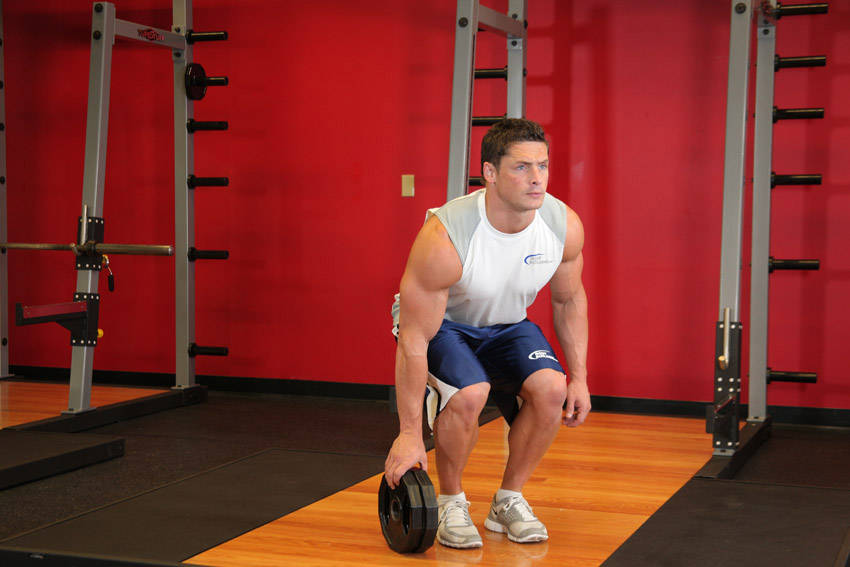
- Grab two wide-rimmed plates and put them together with the smooth sides facing outward
- Use your fingers to grip the outside part of the plate and your thumb for the other side thus holding both plates together. This is the starting position.
- Squeeze the plate with your fingers and thumb. Hold this position for as long as you can.
- Repeat for the recommended amount of sets prescribed in your program.
- Switch arms and repeat the movements.
Sets and reps: Hold for 20 to 30 seconds, 3 sets.
Why this matches
- Primary muscle: forearms, the same as the Standing Olympic Plate Hand Squeeze
- Body position: standing, the same as the Standing Olympic Plate Hand Squeeze
3. Farmer's Walk
79% match- Forearms
- Other
- Intermediate
- Compound
How to perform this exercise
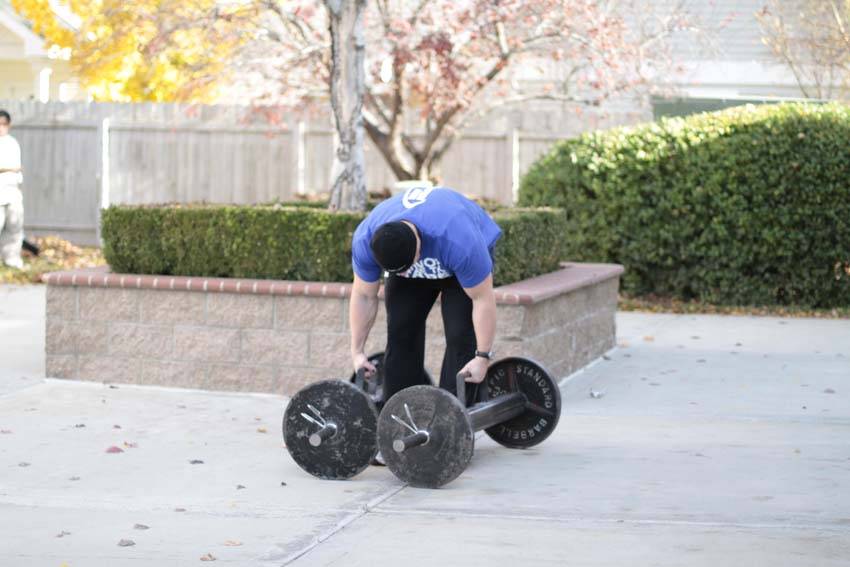
- There are various implements that can be used for the farmers walk. These can also be performed with heavy dumbbells or short bars if these implements aren't available. Begin by standing between the implements.
- After gripping the handles, lift them up by driving through your heels, keeping your back straight and your head up.
- Walk taking short, quick steps, and don't forget to breathe. Move for a given distance, typically 50-100 feet, as fast as possible.
Sets and reps: Hold for 20 to 30 seconds, 3 sets.
Why this matches
- Primary muscle: forearms, the same as the Standing Olympic Plate Hand Squeeze
- Body position: standing, the same as the Standing Olympic Plate Hand Squeeze
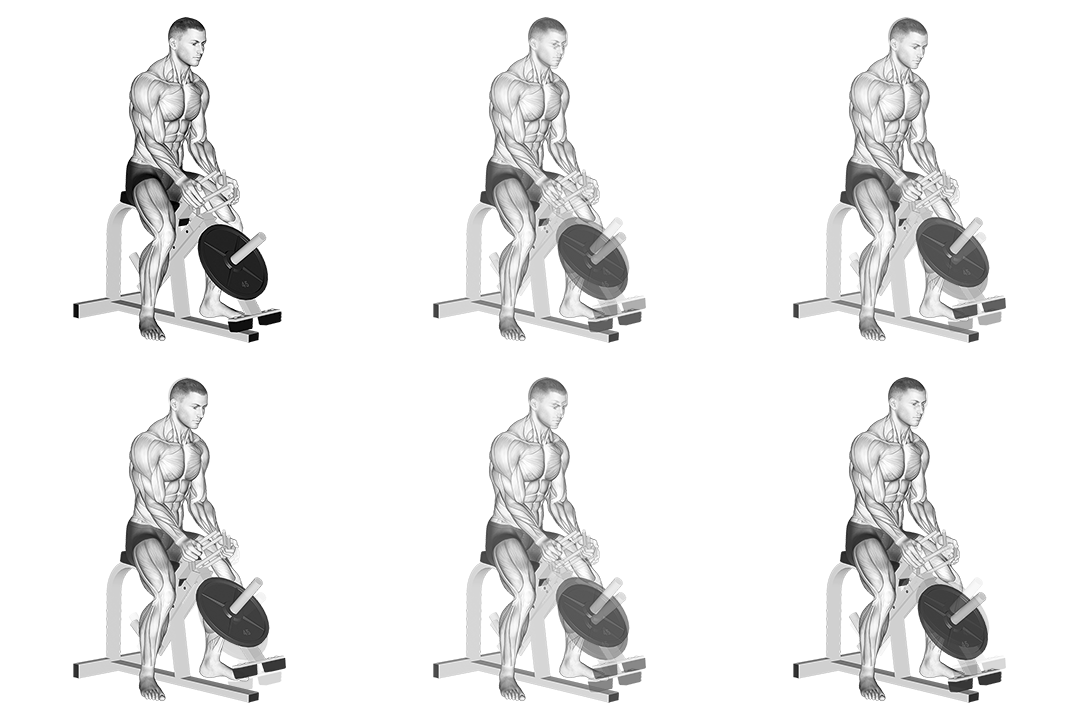
4. Lever Gripper Hands
78% match- Forearms
- Lever
- Beginner
- Isolation
Pick this when you want to work the forearms with less balance to manage.
How to perform this exercise
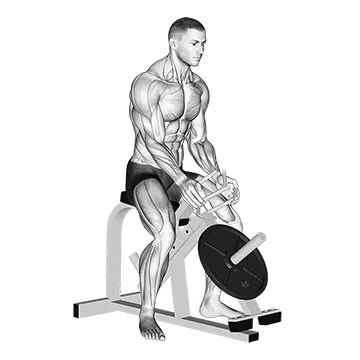
- Adjust the seat height and grip the handles of the leverage machine.
- Keep your back straight and your feet flat on the ground.
- Exhale and squeeze the handles, contracting your forearms.
- Hold the contraction for a second, then slowly release and return to the starting position.
- Repeat for the desired number of repetitions.
Sets and reps: Carry for 20 to 30 metres and repeat for 3 or 4 rounds.
Why this matches
- Primary muscle: forearms, the same as the Standing Olympic Plate Hand Squeeze
- Equipment: a machine, not free weights
- Body position: standing, the same as the Standing Olympic Plate Hand Squeeze
- Balance: easier to stay steady on than the Standing Olympic Plate Hand Squeeze
- Forearms
- Barbell
- Beginner
- Isolation
How to perform this exercise
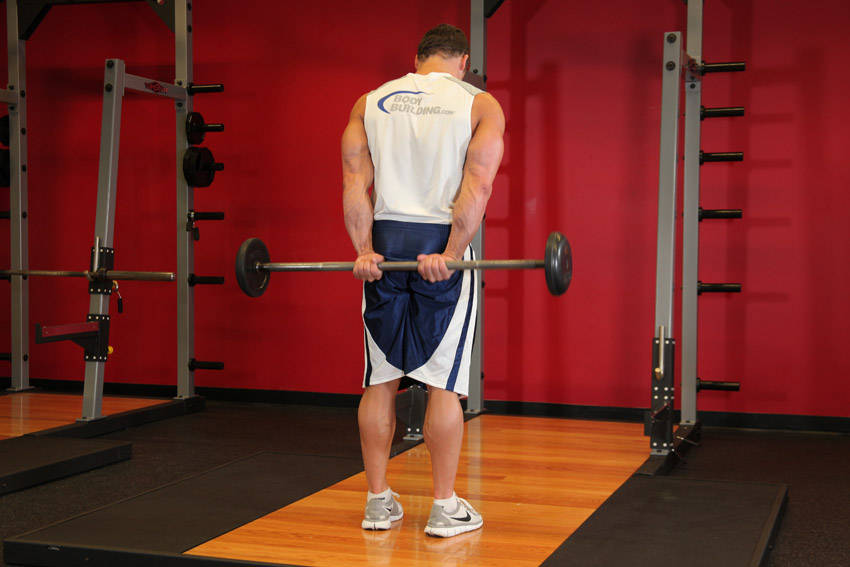
- Start by standing straight and holding a barbell behind your glutes at arm's length while using a pronated grip (palms will be facing back away from the glutes) and having your hands shoulder width apart from each other.
- You should be looking straight forward while your feet are shoulder width apart from each other. This is the starting position.
- While exhaling, slowly elevate the barbell up by curling your wrist in a semi-circular motion towards the ceiling. Note: Your wrist should be the only body part moving for this exercise.
- Hold the contraction for a second and lower the barbell back down to the starting position while inhaling.
- Repeat for the recommended amount of repetitions.
- When finished, lower the barbell down to the squat rack or the floor by bending the knees. Tip: It is easiest to either pick it up from a squat rack or have a partner hand it to you.
Sets and reps: 3 sets of 10 to 15 reps.
Why this matches
- Primary muscle: forearms, the same as the Standing Olympic Plate Hand Squeeze
- Equipment: free weights, the same as the Standing Olympic Plate Hand Squeeze
- Body position: standing, the same as the Standing Olympic Plate Hand Squeeze
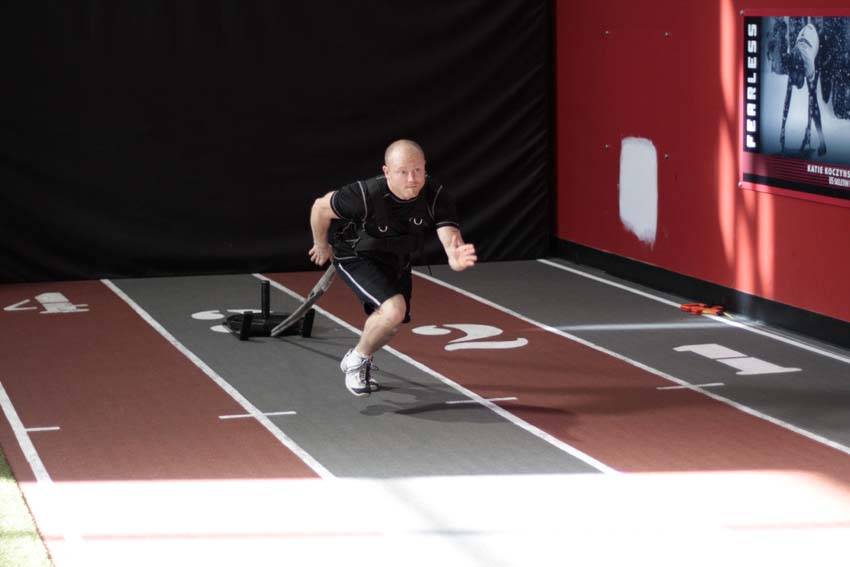
6. Sled Drag - Harness
59% match- Quads
- Sled
- Intermediate
- Compound
A looser match: it works the quads rather than the forearms.
How to perform this exercise
- To begin, load the sled with the desired weight and attach the pulling strap. You can pull with handles, use a harness, or attach the pulling strap to a weight belt.
- Whether pulling forwards or backwards, lean in the direction of travel and progress by extending through the hips and knees.
Sets and reps: Carry for 20 to 30 metres and repeat for 3 or 4 rounds.
Why this matches
- Primary muscle: quads, not forearms
- Body position: standing, the same as the Standing Olympic Plate Hand Squeeze
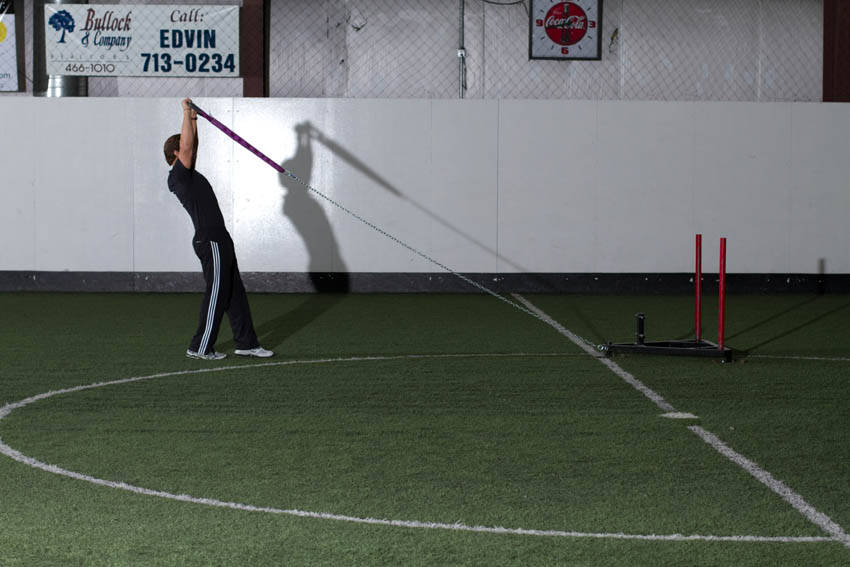
7. Sled Overhead Backward Walk
58% match- Delts
- Sled
- Advanced
- Compound
A looser match: it works the delts rather than the forearms.
How to perform this exercise
- Attach dual handles to a sled connected by a rope or chain. Load the sled to a light weight.
- Face the sled, backing up until there is some tension in the line. Hold your hands directly above your head with your elbows extended. This will be your starting position.
- Walk backwards, keeping your arms raised above your head. Avoid jerky movements.
Sets and reps: Carry for 20 to 30 metres and repeat for 3 or 4 rounds.
Why this matches
- Primary muscle: delts, not forearms
- Body position: standing, the same as the Standing Olympic Plate Hand Squeeze
- Balance: harder to stay steady on than the Standing Olympic Plate Hand Squeeze
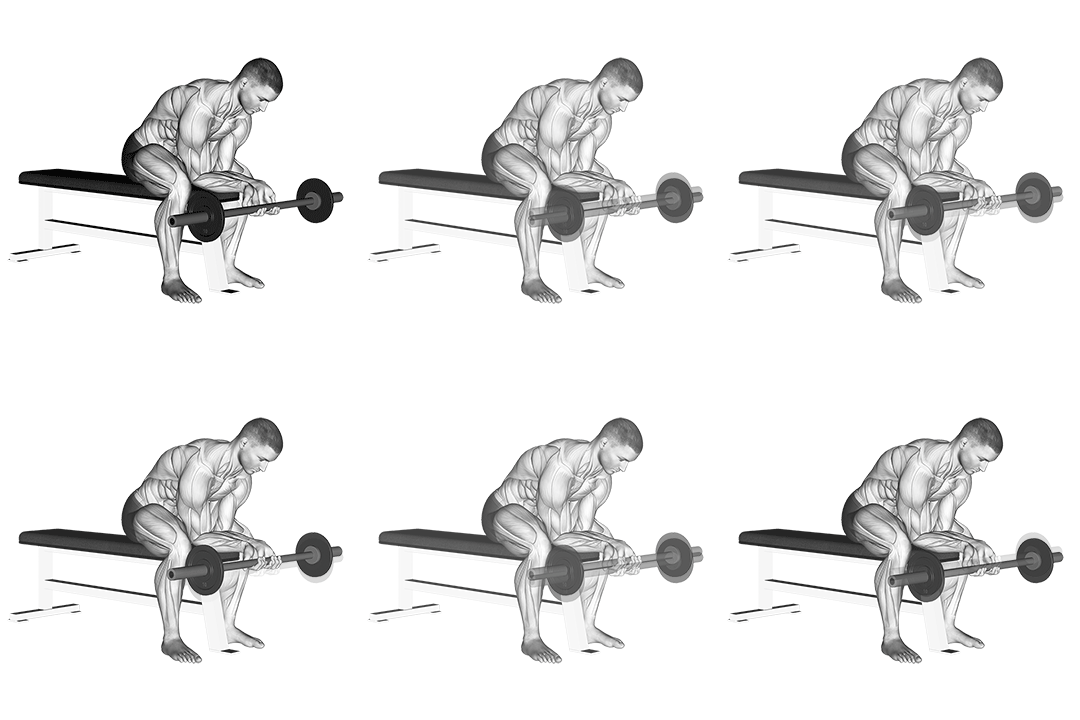
8. Finger Curls
57% match- Forearms
- Barbell
- Beginner
- Isolation
How to perform this exercise
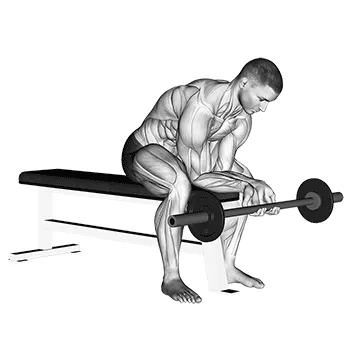
- Sit on a bench with your feet flat on the ground and hold a barbell with an underhand grip, palms facing up.
- Rest your forearms on your thighs, allowing your wrists to hang off the edge.
- Slowly curl your fingers towards your palms, squeezing the barbell tightly.
- Hold the contraction for a moment, then slowly release your fingers back to the starting position.
- Repeat for the desired number of repetitions.
Sets and reps: 3 sets of 10 to 15 reps.
Why this matches
- Primary muscle: forearms, the same as the Standing Olympic Plate Hand Squeeze
- Equipment: free weights, the same as the Standing Olympic Plate Hand Squeeze
- Body position: standing, the same as the Standing Olympic Plate Hand Squeeze
9. Wrist Rollerer
56% match- Forearms
- Weighted
- Intermediate
- Isolation
How to perform this exercise
- Attach a weight to one end of a rope or bar.
- Hold the other end of the rope or bar with both hands, palms facing down.
- Stand with your feet shoulder-width apart and your arms fully extended in front of you.
- Slowly roll the weight up towards your hands by flexing your wrists.
- Pause for a moment at the top, then slowly lower the weight back down to the starting position.
- Repeat for the desired number of repetitions.
Sets and reps: 3 sets of 10 to 15 reps.
Why this matches
- Primary muscle: forearms, the same as the Standing Olympic Plate Hand Squeeze
- Equipment: free weights, the same as the Standing Olympic Plate Hand Squeeze
- Body position: standing, the same as the Standing Olympic Plate Hand Squeeze
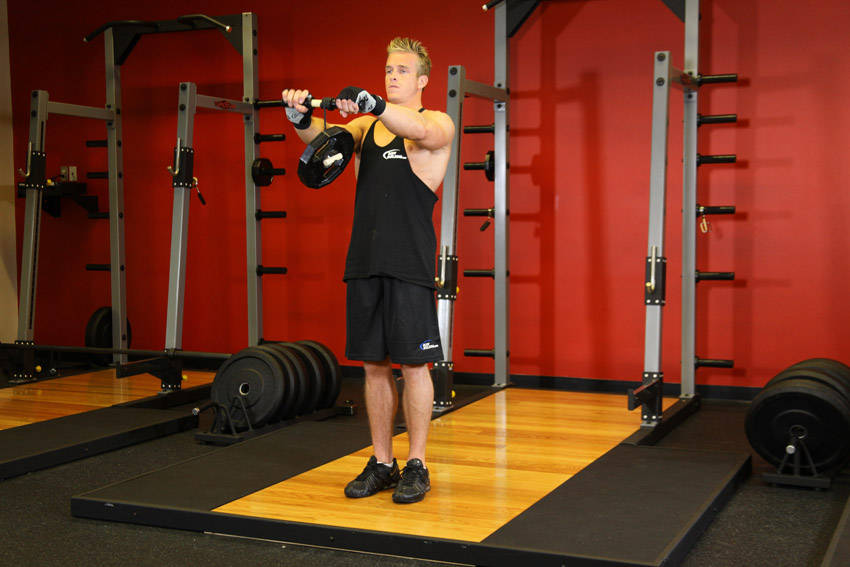
10. Wrist Roller
55% match- Forearms
- Other
- Intermediate
- Isolation
How to perform this exercise
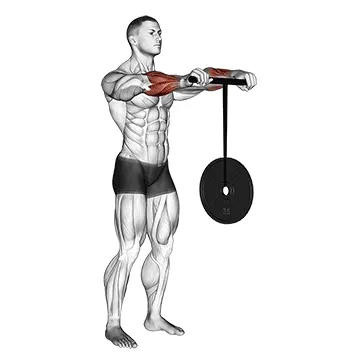
- To begin, stand straight up grabbing a wrist roller using a pronated grip (palms facing down). Your feet should be shoulder width apart.
- Slowly lift both arms until they are fully extended and parallel to the floor in front of you. Note: Make sure the rope is not wrapped around the roller. Your entire body should be stationary except for the forearms. This is the starting position.
- Rotate one wrist at a time in an upward motion to bring the weight up to the bar by rolling the rope around the roller.
- Once the weight has reached the bar, slowly begin to lower the weight back down by rotating the wrist in a downward motion until the weight reaches the starting position.
- Repeat for the prescribed amount of repetitions in your program.
Sets and reps: 3 sets of 10 to 15 reps.
Why this matches
- Primary muscle: forearms, the same as the Standing Olympic Plate Hand Squeeze
- Body position: standing, the same as the Standing Olympic Plate Hand Squeeze
- Balance: easier to stay steady on than the Standing Olympic Plate Hand Squeeze
Why You Might Need a Standing Olympic Plate Hand Squeeze Alternative
You might substitute the Standing Olympic Plate Hand Squeeze because of wrist pain, lack of plates, or the need for progressive overload and variety. The plate squeeze emphasizes intrinsic hand muscles and finger flexors with a static pinch position; alternatives change loading patterns, wrist rollers create sustained tensile demand on wrist flexors and extensors, while farmer carries tax grip under axial load. Choose alternatives when you need unilateral work, safer joint positions, or easier load progression. Cue: maintain a neutral wrist and active finger flexion to protect tendons and maximize forearm activation.
How to Choose the Right Standing Olympic Plate Hand Squeeze Substitute
Select a substitute based on equipment, pain tolerance, and the quality of muscle activation you want. If you lack plates, use dumbbell wrist curls or a wrist roller to load wrist flexors through a full range; cue a slow 2–3 second lowering phase to increase eccentric stress. For grip endurance and functional transfer, choose farmer carries with a tall posture and tight scapular retraction to recruit forearm flexors under axial load. Prioritize exercises that let you progress load, control wrist angle, and maintain consistent finger flexor engagement.
Standing Olympic Plate Hand Squeeze FAQ
What muscles does Standing Olympic Plate Hand Squeeze work?
It primarily targets the finger flexors and intrinsic hand muscles while also engaging wrist flexors and forearm flexors. The static pinch increases isometric tension in the flexor digitorum and improves neuromuscular control of the grip.
Can I build muscle without doing Standing Olympic Plate Hand Squeeze?
Yes, you can build forearm size and strength with alternatives like wrist curls, wrist rollers, plate pinches, and farmer carries that allow progressive overload. Focus on controlled eccentric phases and maintain full finger flexion to maximize hypertrophic stimulus.
Find Alternatives for Any Exercise
Search the exercise database and filter the ranked substitutes by the equipment you own.
Similarity scores compare exercise metadata such as movement pattern, muscles, equipment and body position. They are not a safety rating or a check that you own the equipment. Learn about our methodology