

10 Best Trap Bar Deadlift Alternatives for When You Lack a Trap Bar
If you can’t use a trap bar, choose exercises that preserve the hip-hinge and vertical torso elements that drive glute activation. Top replacements include Romanian deadlifts, conventional deadlifts, sumo deadlifts, barbell hip thrusts and Bulgarian split squats. Cue: hinge at the hips, keep a neutral spine, and drive through the heels.
Original Exercise: Trap Bar Deadlift
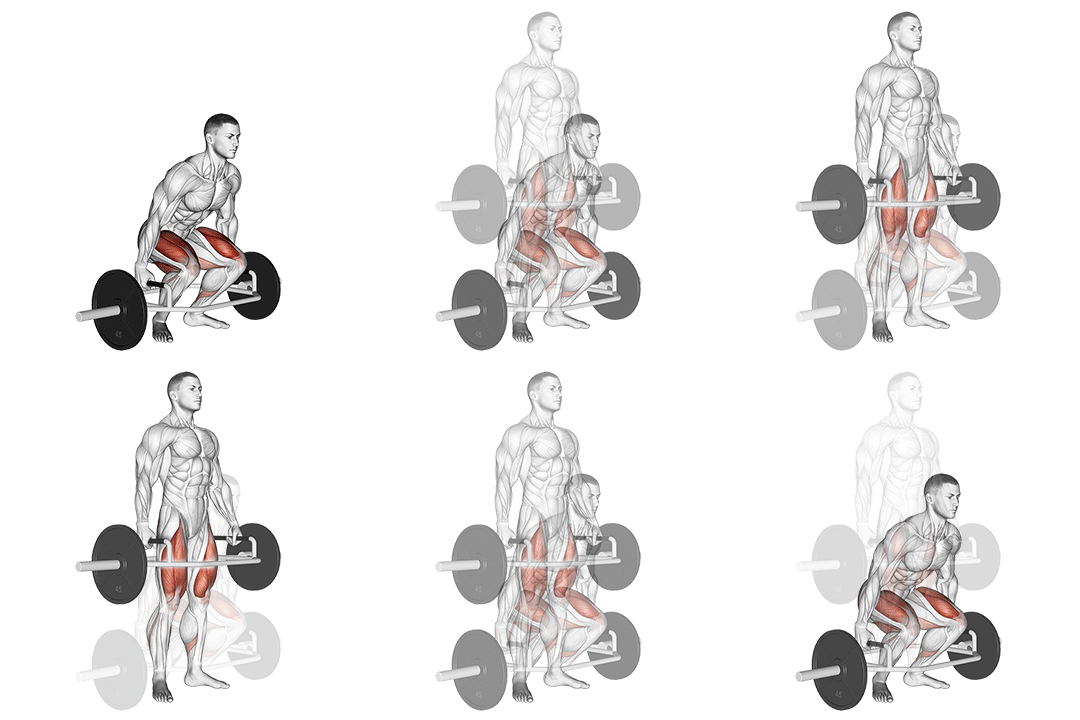
How to Perform Trap Bar Deadlift
- Stand with your feet shoulder-width apart and the trap bar on the ground in front of you.
- Bend at the hips and knees to lower yourself down and grip the handles of the trap bar with an overhand grip.
- Keep your back straight and chest up as you begin to lift the trap bar off the ground by extending your hips and knees.
- As you lift, focus on driving through your heels and squeezing your glutes at the top of the movement.
- Lower the trap bar back down to the ground by bending at the hips and knees, keeping your back straight throughout the movement.
- Repeat for the desired number of repetitions.
Best Trap Bar Deadlift Alternatives
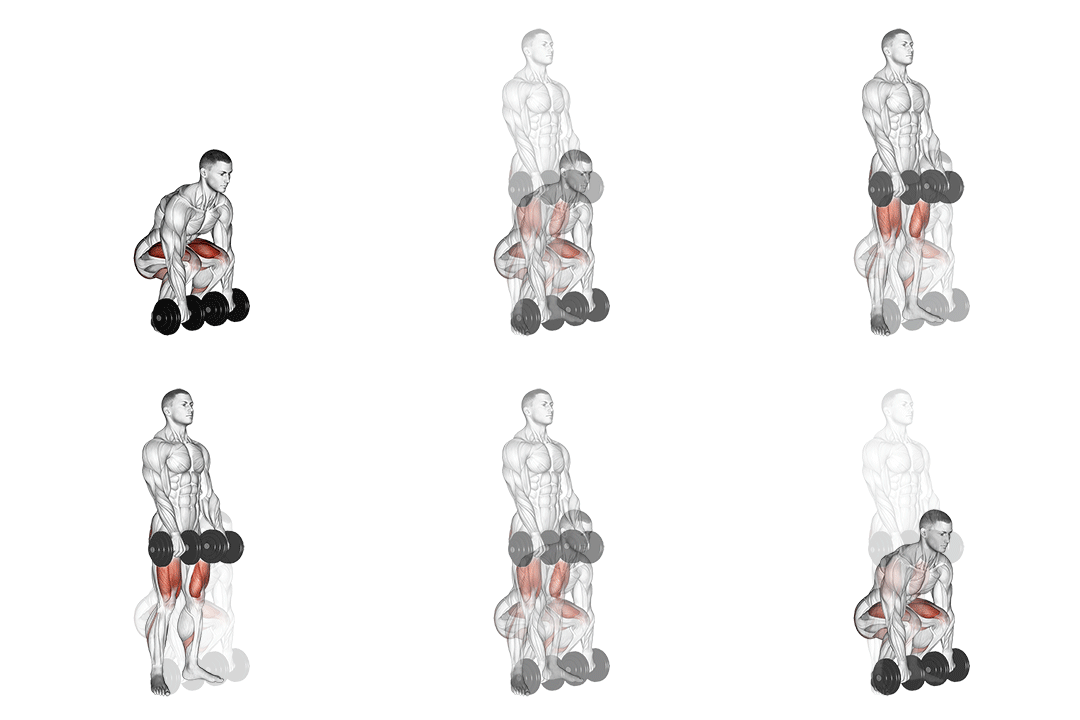
1. Dumbbell Deadlift
94.2% MatchHow to perform this exercise
- Stand with your feet shoulder-width apart, toes pointing forward.
- Hold a dumbbell in each hand, palms facing your body, arms extended downwards.
- Bend at your hips and knees, lowering the dumbbells towards the ground while keeping your back straight.
- Push through your heels and extend your hips and knees, lifting the dumbbells back up to the starting position.
- Repeat for the desired number of repetitions.
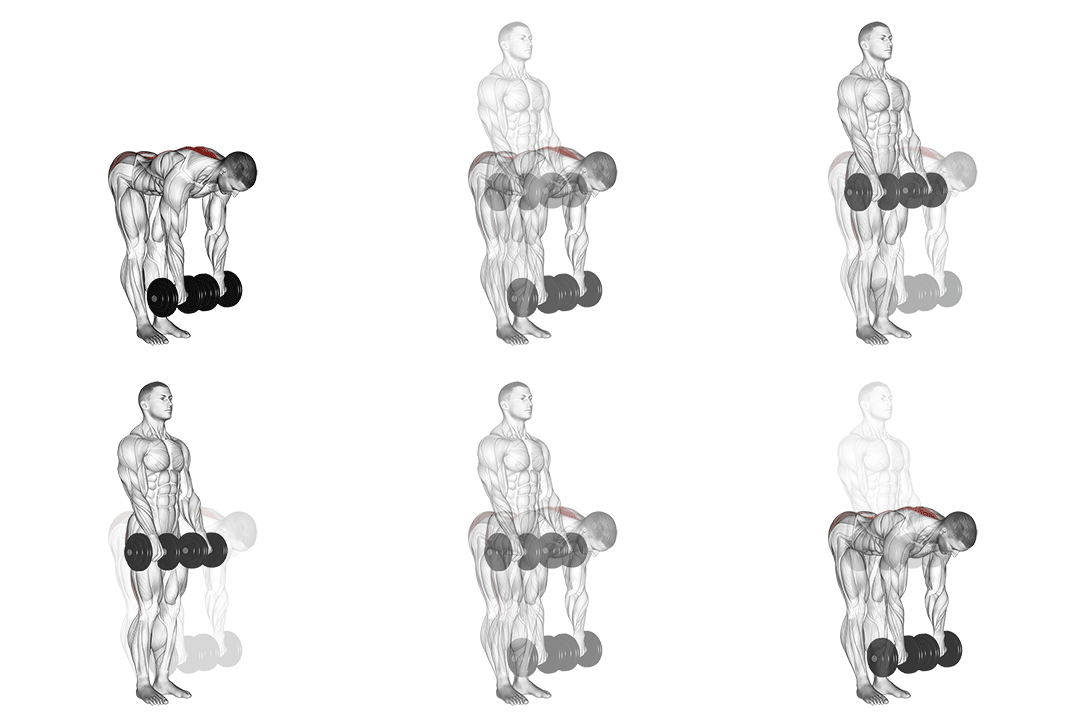
2. Dumbbell Straight Leg Deadlift
91.4% MatchHow to perform this exercise
- Stand with your feet shoulder-width apart, holding a dumbbell in each hand with an overhand grip.
- Keeping your back straight and your core engaged, hinge at the hips and lower the dumbbells towards the ground, allowing your torso to lean forward.
- Continue lowering the dumbbells until you feel a stretch in your hamstrings, keeping your knees slightly bent.
- Pause for a moment at the bottom, then engage your glutes and hamstrings to lift your torso back up to the starting position.
- Repeat for the desired number of repetitions.
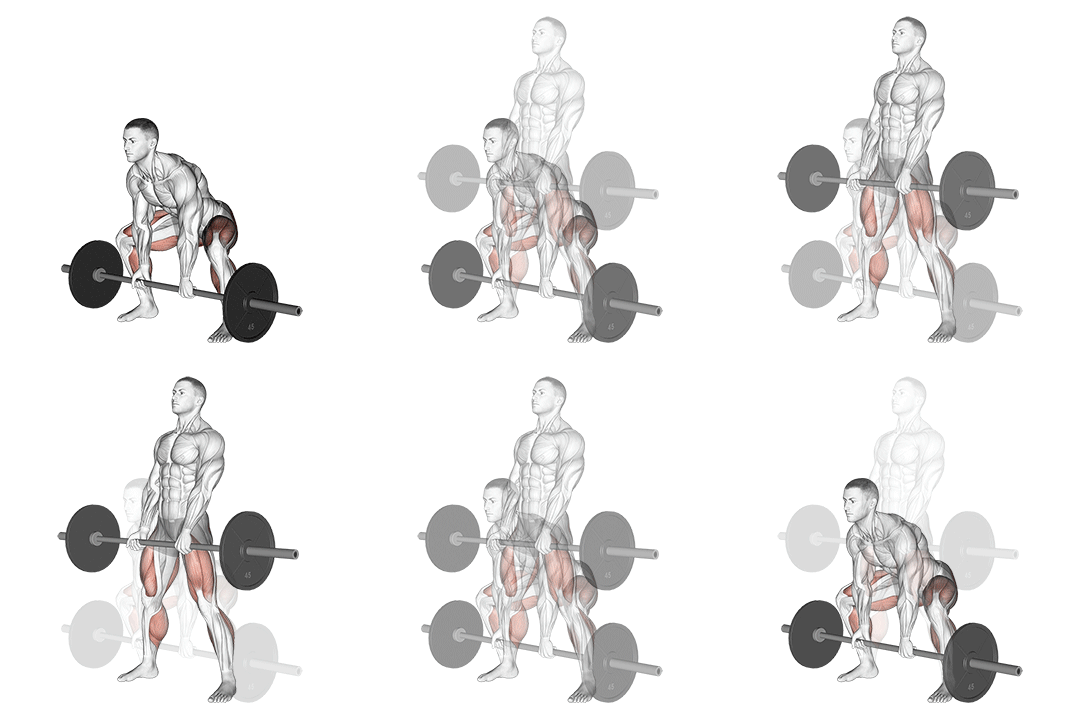
3. Barbell Sumo Deadlift
89.7% MatchHow to perform this exercise
- Stand with your feet wider than shoulder-width apart, toes pointing outwards.
- Place a barbell on the ground in front of you, centered between your feet.
- Bend your knees and lower your hips, keeping your back straight and chest up, to grip the barbell with an overhand grip.
- Engage your core and drive through your heels to lift the barbell off the ground, extending your hips and knees simultaneously.
- As you lift, keep your chest up and back straight, and push your hips forward to fully engage your glutes.
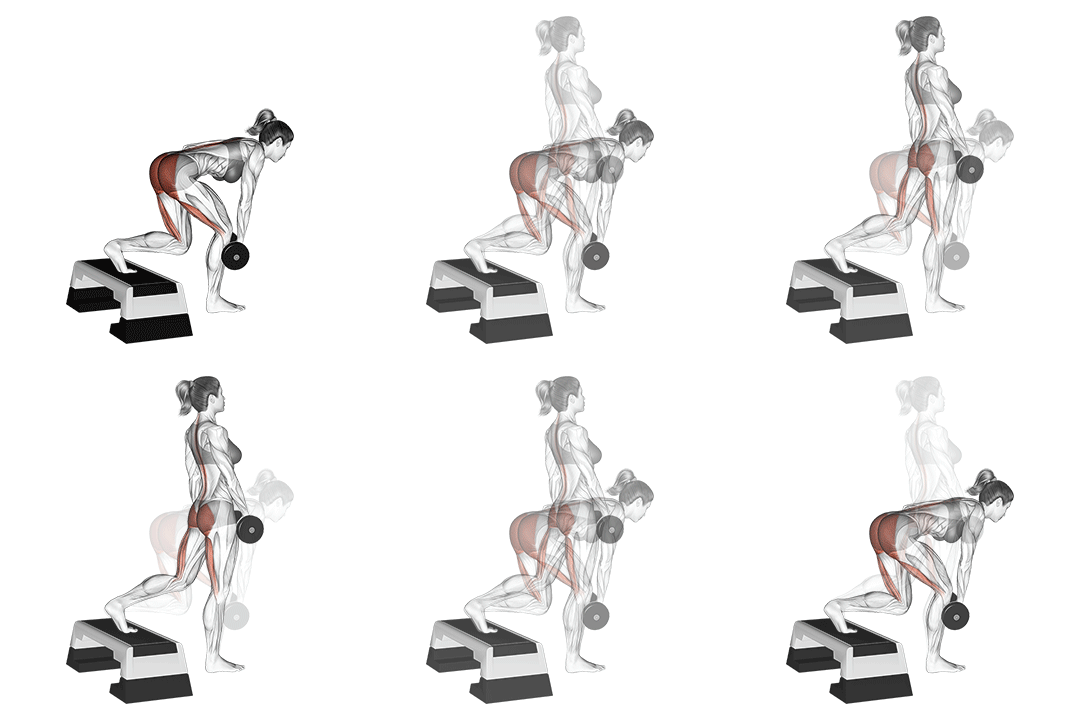
4. Dumbbell Single Leg Deadlift With Stepbox Support
89.6% MatchHow to perform this exercise
- Stand with your feet hip-width apart, holding a dumbbell in your right hand.
- Place your left foot on a stepbox or elevated surface behind you.
- Keeping your back straight and core engaged, hinge forward at the hips, lowering the dumbbell towards the ground.
- As you lower the dumbbell, simultaneously lift your left leg behind you, maintaining a straight line from head to heel.
- Lower the dumbbell until you feel a stretch in your right hamstring, then return to the starting position.
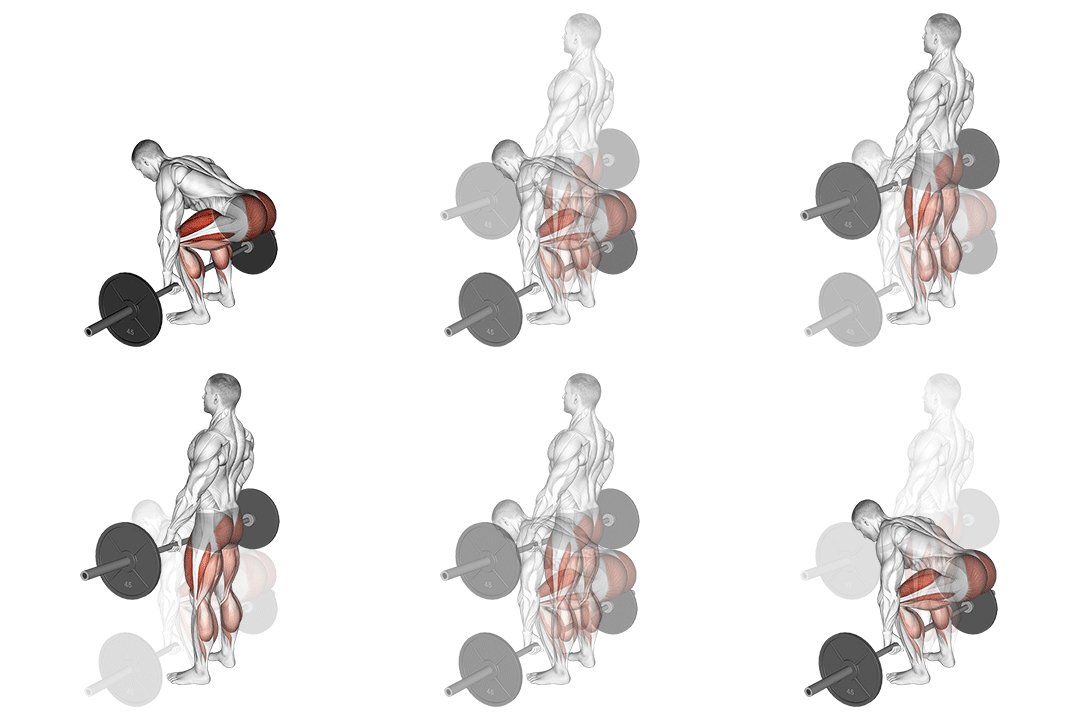
5. Barbell Deadlift
89.1% MatchHow to perform this exercise
- Stand with your feet shoulder-width apart and the barbell on the ground in front of you.
- Bend your knees and hinge at the hips to lower your torso and grip the barbell with an overhand grip, hands slightly wider than shoulder-width apart.
- Keep your back straight and chest lifted as you drive through your heels to lift the barbell off the ground, extending your hips and knees.
- As you stand up straight, squeeze your glutes and keep your core engaged.
- Lower the barbell back down to the ground by bending at the hips and knees, keeping your back straight.
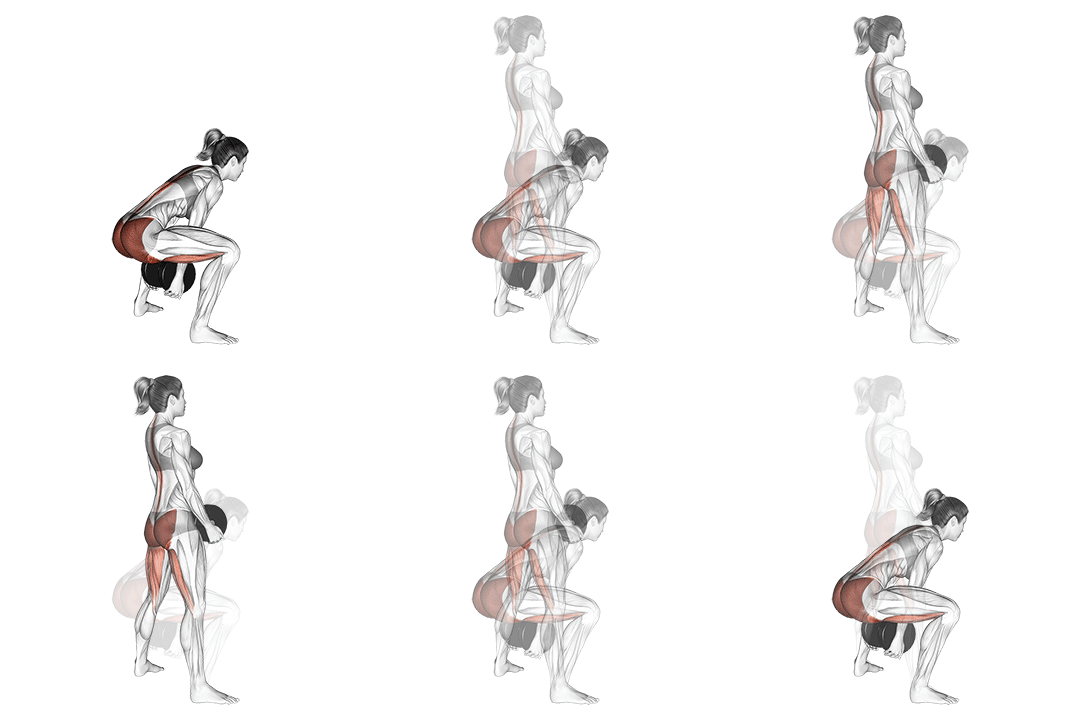
6. Dumbbell Sumo Pull Through
88.7% MatchHow to perform this exercise
- Stand with your feet wider than shoulder-width apart, toes pointed outwards.
- Hold a dumbbell with both hands in front of your body, arms extended.
- Bend your knees and lower your hips down into a squat position, keeping your back straight.
- Lower the dumbbell down between your legs, keeping your arms straight.
- Drive through your heels and extend your hips forward, pulling the dumbbell up and in front of your body.
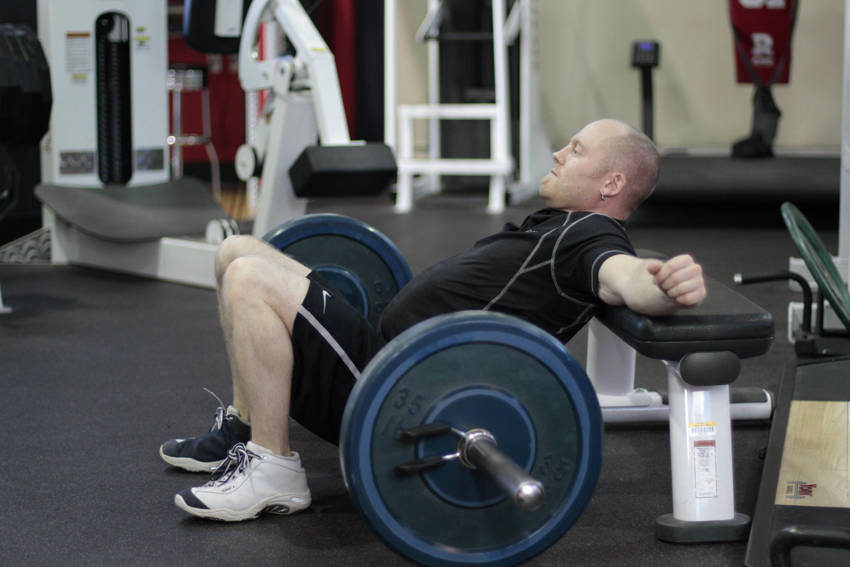
7. Barbell Hip Thrust
88% MatchHow to perform this exercise
- Begin seated on the ground with a bench directly behind you. Have a loaded barbell over your legs. Using a fat bar or having a pad on the bar can greatly reduce the discomfort caused by this exercise.
- Roll the bar so that it is directly above your hips, and lean back against the bench so that your shoulder blades are near the top of it.
- Begin the movement by driving through your feet, extending your hips vertically through the bar. Your weight should be supported by your shoulder blades and your feet. Extend as far as possible, then reverse the motion to return to the starting position.
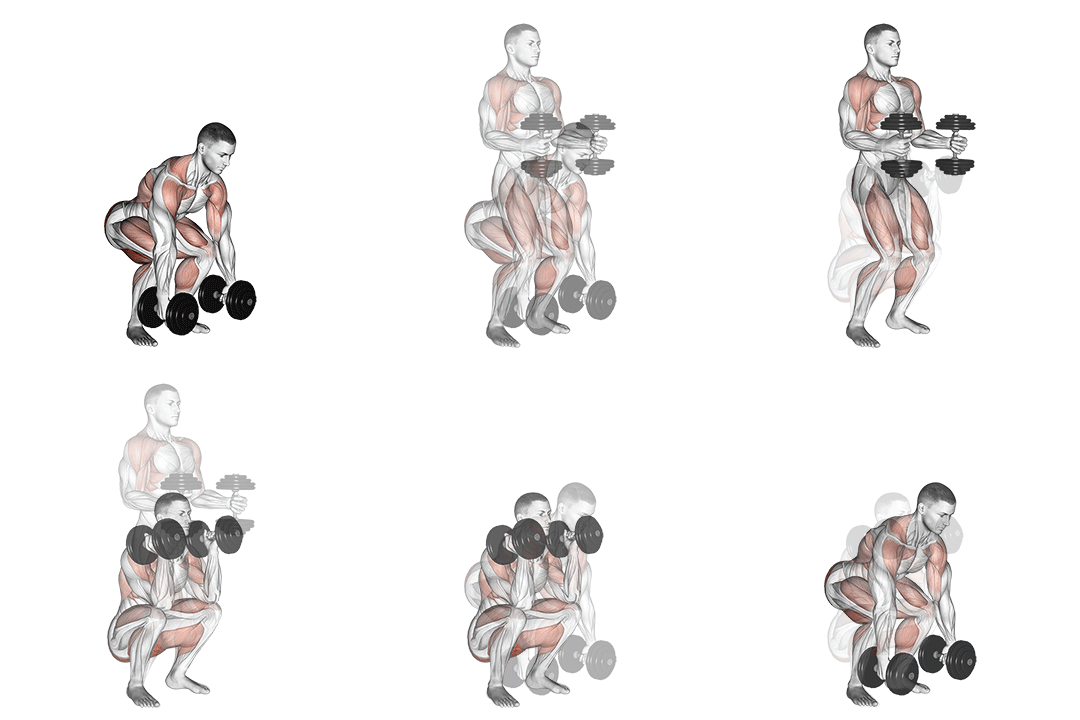
8. Dumbbell Clean
87.8% MatchHow to perform this exercise
- Stand with your feet shoulder-width apart, holding a dumbbell in each hand with an overhand grip.
- Bend your knees and lower your hips into a squat position, keeping your back straight and chest up.
- Explosively extend your hips and knees, driving through your heels to jump off the ground.
- As you jump, shrug your shoulders and pull the dumbbells up towards your shoulders, keeping them close to your body.
- Catch the dumbbells at shoulder height, with your elbows pointing forward and your palms facing up.
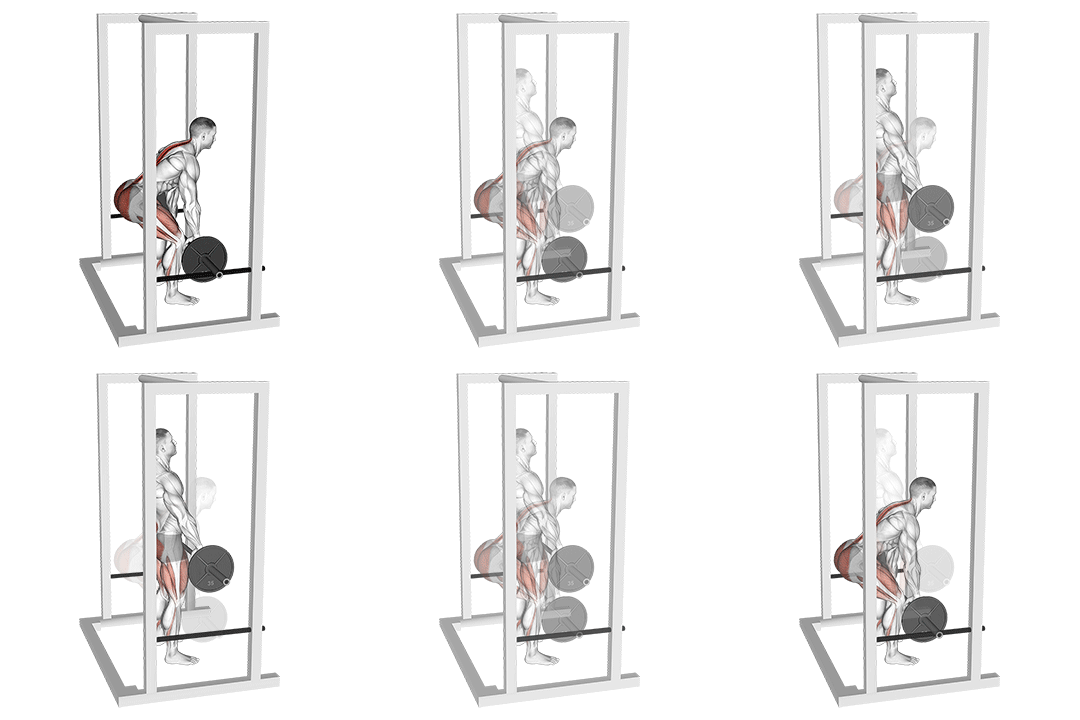
9. Barbell Rack Pull
85.7% MatchHow to perform this exercise
- Set up a barbell on a rack at knee height.
- Stand with your feet shoulder-width apart, toes pointing slightly outwards.
- Bend at the hips and knees to lower yourself down and grip the barbell with an overhand grip, hands shoulder-width apart.
- Engage your core and lift the barbell by extending your hips and knees, pulling your shoulders back and squeezing your glutes at the top.
- Lower the barbell back down to the starting position by bending at the hips and knees.
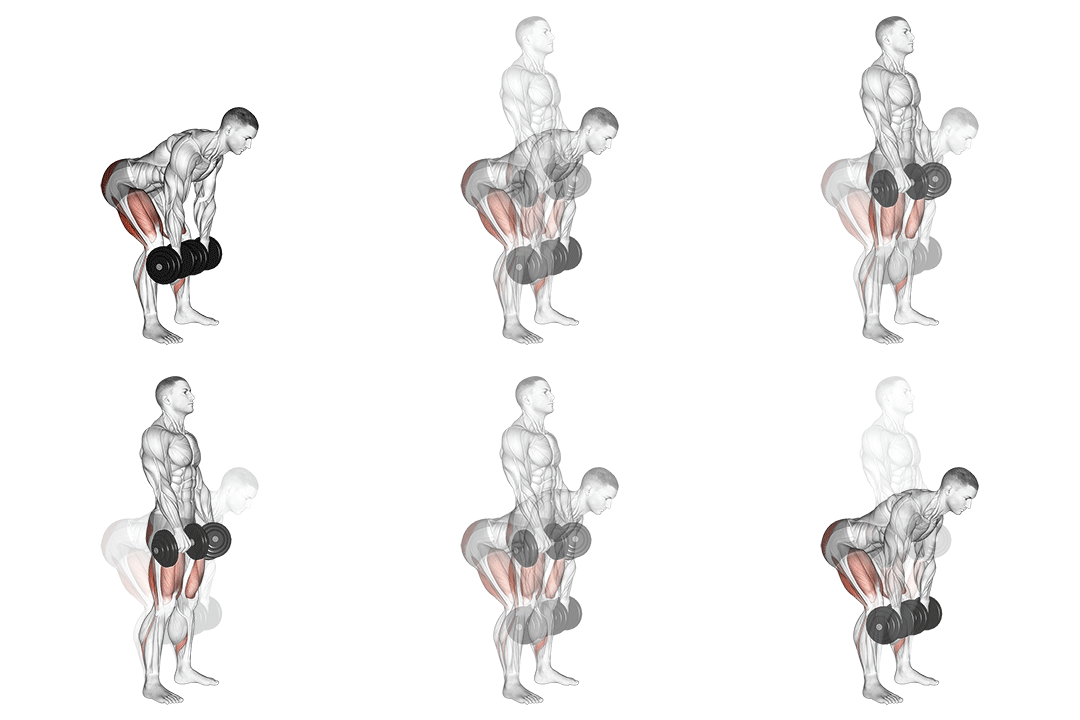
10. Dumbbell Romanian Deadlift
84.1% MatchHow to perform this exercise
- Stand with your feet shoulder-width apart, holding a dumbbell in each hand with an overhand grip.
- Keeping your back straight and your core engaged, hinge at the hips and lower the dumbbells towards the ground, allowing your knees to bend slightly.
- Lower the dumbbells until you feel a stretch in your hamstrings, then push through your heels and engage your glutes to return to the starting position.
- Repeat for the desired number of repetitions.
Why You Might Need a Trap Bar Deadlift Alternative
You might substitute the trap bar because you lack equipment, have shoulder or grip limitations, or need a different loading pattern to protect a low back. Alternatives let you maintain glute-dominant hip extension while altering joint angles and bar path. For example, barbell Romanian deadlifts emphasize eccentric hamstring lengthening and glute-ham tie-in; hip thrusts concentrate peak glute contraction with less spinal shear. Technique cue: push hips back, feel stretch in the posterior chain, then explosively extend the hips while keeping ribs down to maximize glute recruitment.
How to Choose the Right Substitute
Pick a substitute based on movement pattern, equipment, and limiting factor. If you want the same bilateral, neutral-grip feel, use a barbell deadlift with a slightly narrower stance and cue a vertical shin at the start. For pure glute isolation pick hip thrusts—pause and squeeze at lockout. If single-leg control or balance is the issue, choose Bulgarian split squats and focus on driving the front heel to load the glute. Assess joint tolerance: sumo deadlifts reduce lumbar shear and increase glute and adductor recruitment compared with conventional pulls.
Frequently Asked Questions
What muscles does Trap Bar Deadlift work?
The trap bar deadlift primarily targets the glutes, hamstrings, and quadriceps while stressing the posterior chain and spinal erectors. Because the handles sit at your sides, you get a more upright torso and greater knee extension, which increases quad and glute contribution compared with a conventional deadlift.
What is the best bodyweight alternative to Trap Bar Deadlift?
For a bodyweight option, use single-leg Romanian deadlifts (hip hinges) performed slowly to emphasize eccentric control and glute activation. Cue: keep a neutral spine, hinge from the hips, and push the standing heel into the floor to feel glute engagement throughout the movement.
Can I build muscle without doing Trap Bar Deadlift?
Yes—you can build equal or greater glute and upper-leg muscle by selecting alternatives that match the hip-hinge and loading stimulus, such as barbell Romanian deadlifts, hip thrusts, and heavy split squats. Focus on progressive overload, full hip extension, and intentional eccentric tempo to drive muscle hypertrophy.
More Exercise Alternatives
Find Alternatives for Any Exercise
Use our free tool to discover the best substitute exercises based on your available equipment and goals.
Try the Exercise Substitution Finder →