

10 Best V-bar Pulldown Alternatives for Building Lats
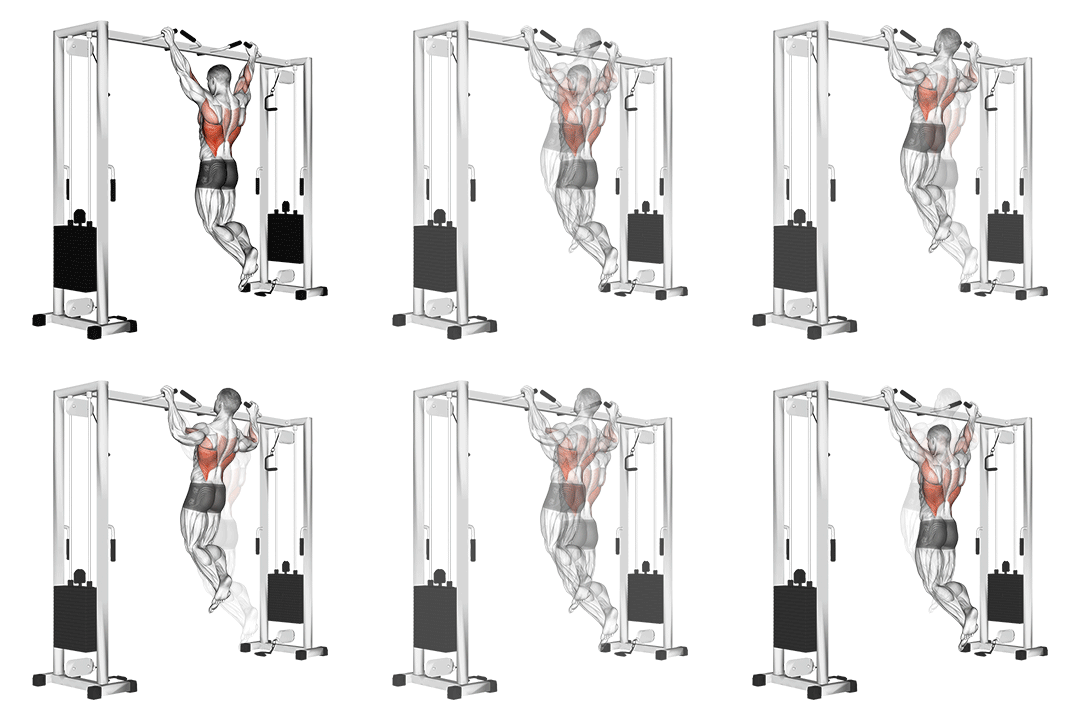
The V-bar Pulldown is done seated with a cable machine. Ranked closest by our scoring: the Reverse Grip Pull-up, the Close Grip Chin-up and the Chin-up.
Updated Ranked by our 12-factor similarity model How it works
Original Exercise: V-bar Pulldown
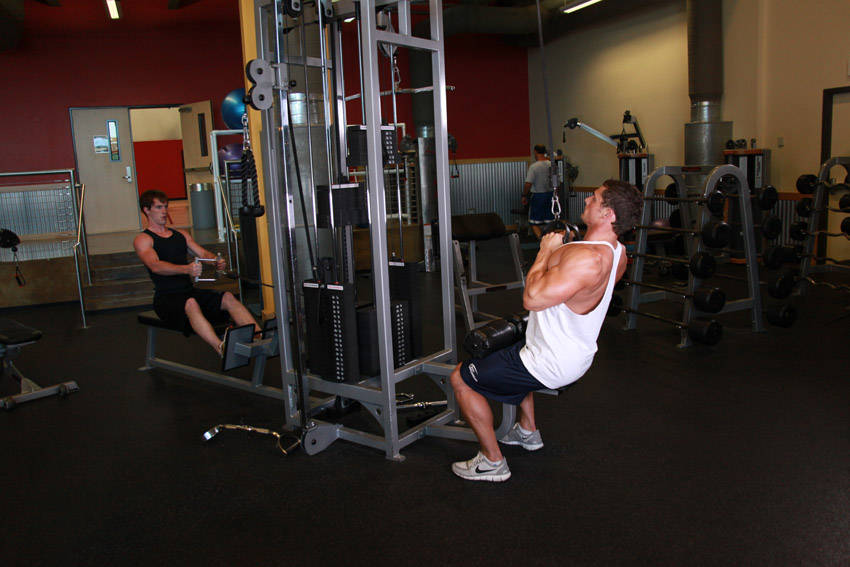
- Primary muscle
- Lats
- Equipment
- Cable
- Difficulty
- Intermediate
- Type
- Compound
Secondary muscles: Biceps, Middle Back, Shoulders
How to perform V-bar Pulldown
- Sit down on a pull-down machine with a V-Bar attached to the top pulley.
- Adjust the knee pad of the machine to fit your height. These pads will prevent your body from being raised by the resistance attached to the bar.
- Grab the V-bar with the palms facing each other (a neutral grip). Stick your chest out and lean yourself back slightly (around 30-degrees) in order to better engage the lats. This will be your starting position.
- Using your lats, pull the bar down as you squeeze your shoulder blades. Continue until your chest nearly touches the V-bar. Exhale as you execute this motion. Tip: Keep the torso stationary throughout the movement.
- After a second hold on the contracted position, slowly bring the bar back to the starting position as you breathe in.
- Repeat for the prescribed number of repetitions.
Ranked V-bar Pulldown Alternatives
10 substitutes, ranked by how closely each one matches the V-bar Pulldown on movement pattern, muscles worked, equipment and body position. The higher the score, the less you change. Open "How to perform this exercise" on a card for the steps; every card title links to that exercise's own alternatives page.
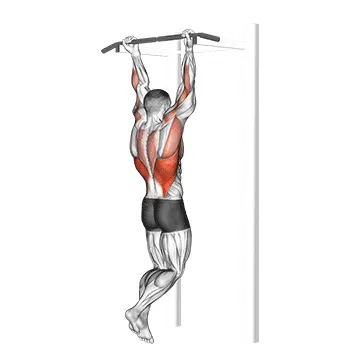
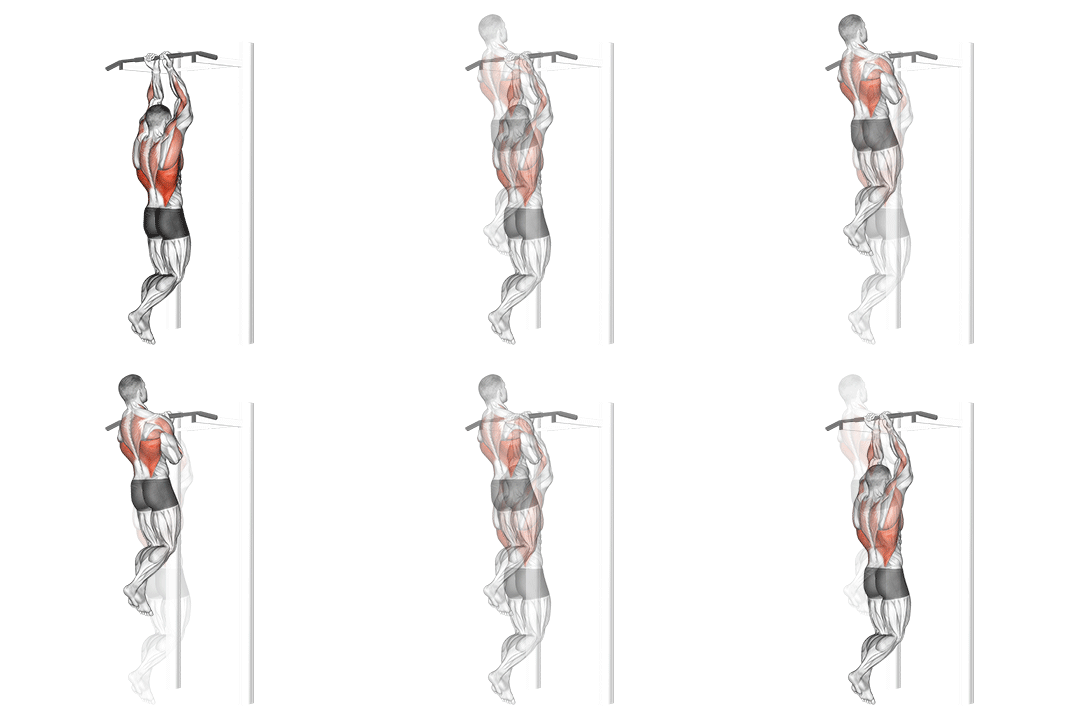
Best match 1. Reverse Grip Pull-up
65% match- Lats
- Bodyweight
- Intermediate
- Compound
Use this when you have nothing to train with, because it works the lats with bodyweight alone.
How to perform this exercise
- Grab the pull-up bar with an underhand grip, hands shoulder-width apart.
- Hang from the bar with your arms fully extended and your body straight.
- Engage your back muscles and pull your body up towards the bar, leading with your chest.
- Continue pulling until your chin is above the bar.
- Pause for a moment at the top, then slowly lower your body back down to the starting position.
- Repeat for the desired number of repetitions.
Sets and reps: 3 or 4 sets of 6 to 10 reps.
Why this matches
- Primary muscle: lats, the same as the V-bar Pulldown
- Equipment: bodyweight only, not a cable
- Body position: hanging, not seated
- Balance: harder to stay steady on than the V-bar Pulldown
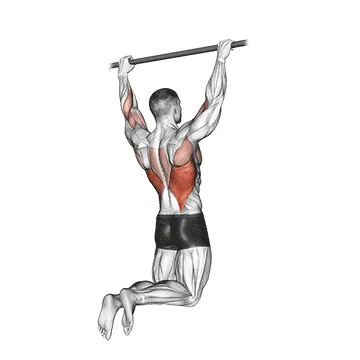
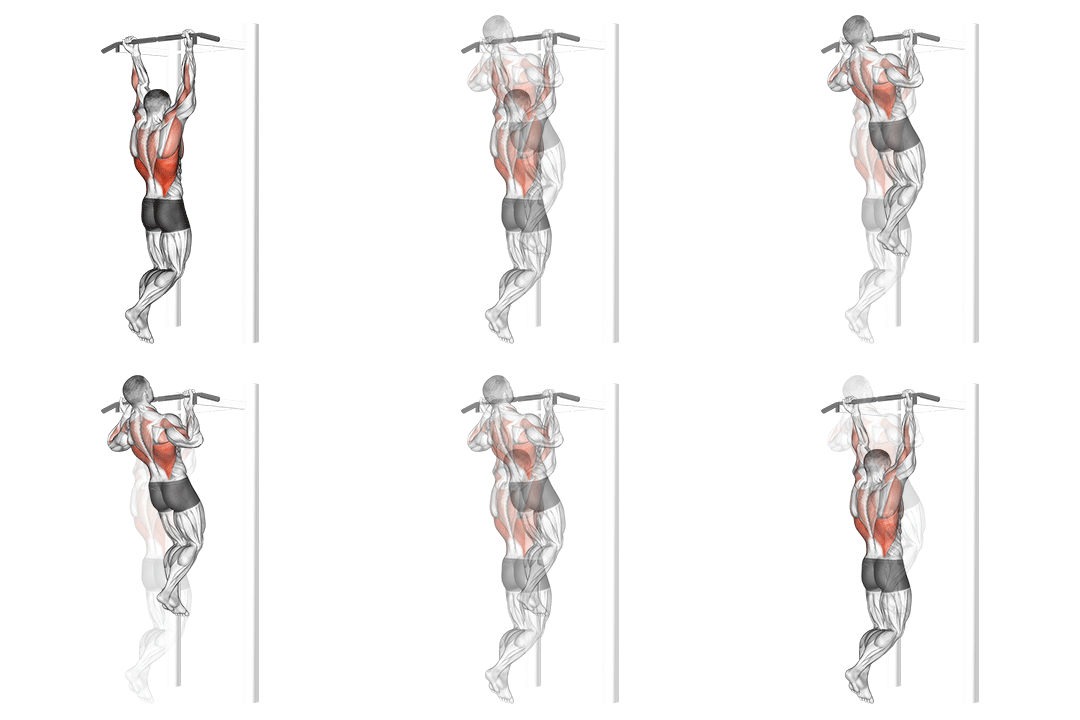
2. Close Grip Chin-up
65% match- Lats
- Bodyweight
- Advanced
- Compound
How to perform this exercise
- Grab the pull-up bar with your palms facing towards you and your hands shoulder-width apart.
- Hang from the bar with your arms fully extended and your feet off the ground.
- Engage your back muscles and pull your body up towards the bar, keeping your elbows close to your body.
- Continue pulling until your chin is above the bar.
- Pause for a moment at the top, then slowly lower your body back down to the starting position.
- Repeat for the desired number of repetitions.
Sets and reps: 3 or 4 sets of 6 to 10 reps.
Why this matches
- Primary muscle: lats, the same as the V-bar Pulldown
- Equipment: bodyweight only, not a cable
- Body position: hanging, not seated
- Balance: harder to stay steady on than the V-bar Pulldown
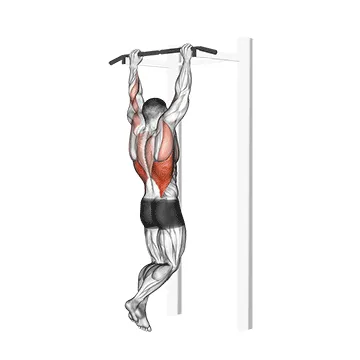
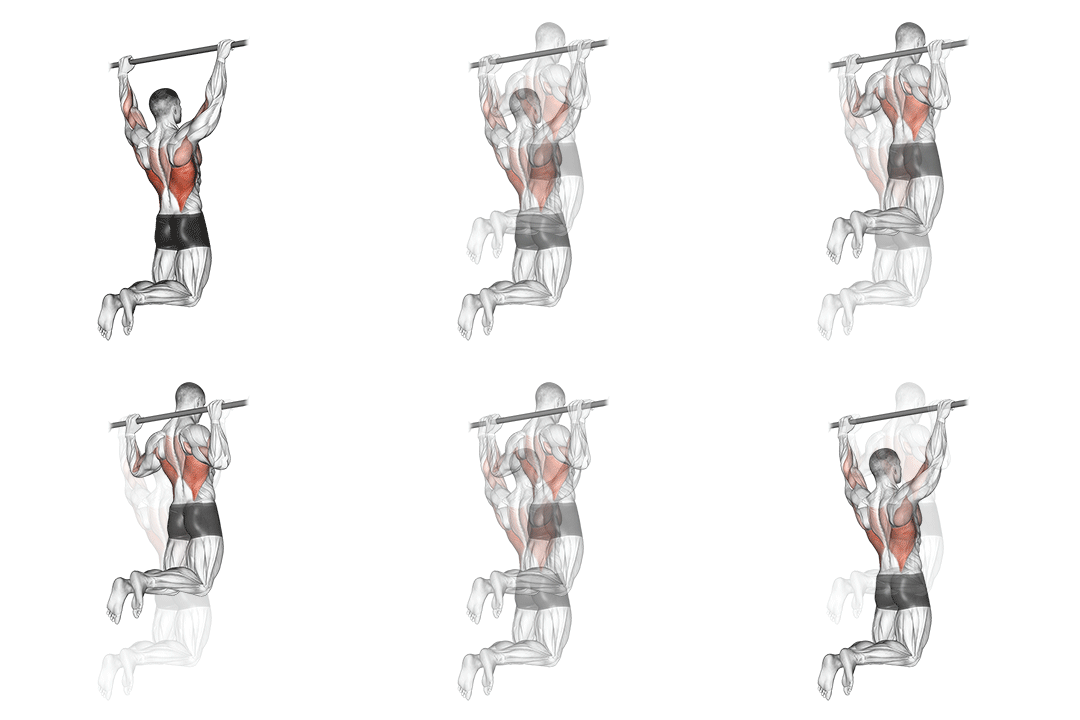
3. Chin-up
65% match- Lats
- Bodyweight
- Intermediate
- Compound
How to perform this exercise
- Hang from a pull-up bar with your palms facing towards you and your hands shoulder-width apart.
- Engage your core and pull your body up towards the bar, leading with your chest.
- Continue pulling until your chin is above the bar.
- Pause for a moment at the top, then slowly lower your body back down to the starting position.
- Repeat for the desired number of repetitions.
Sets and reps: 3 or 4 sets of 6 to 10 reps.
Why this matches
- Primary muscle: lats, the same as the V-bar Pulldown
- Equipment: bodyweight only, not a cable
- Body position: hanging, not seated
- Balance: harder to stay steady on than the V-bar Pulldown
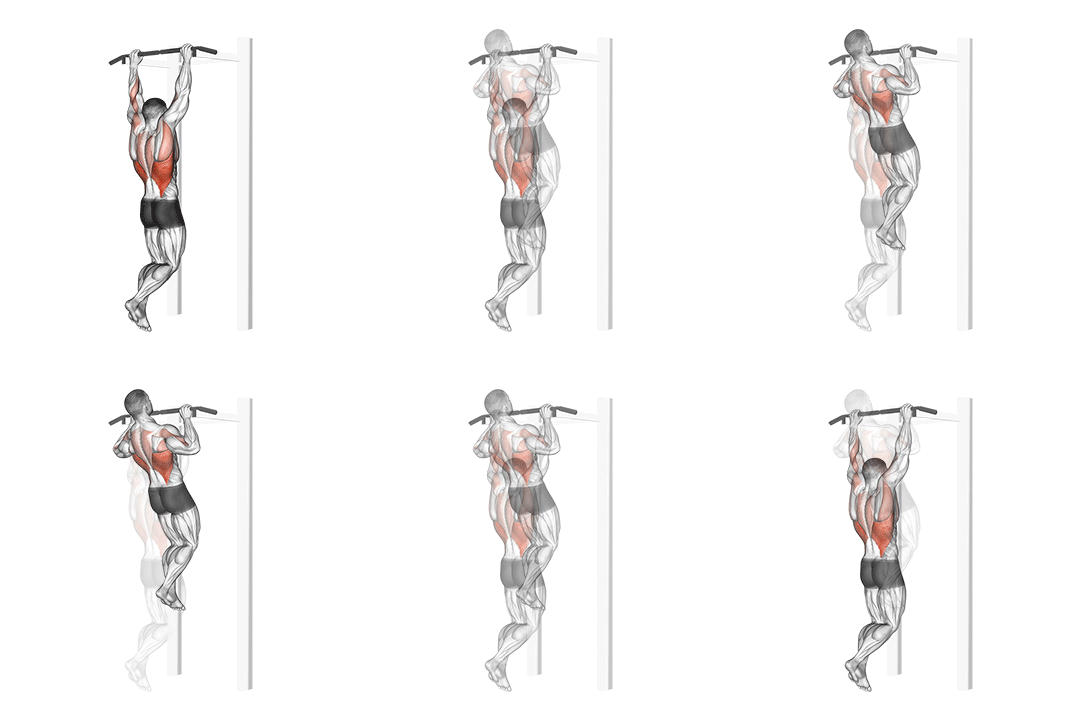
4. Rear Pull-up
63% match- Lats
- Bodyweight
- Intermediate
- Compound
How to perform this exercise
- Grab the pull-up bar with an overhand grip, slightly wider than shoulder-width apart.
- Hang from the bar with your arms fully extended and your body straight.
- Engage your back muscles and pull your body up towards the bar, keeping your elbows close to your body.
- Continue pulling until your chin is above the bar.
- Pause for a moment at the top, then slowly lower your body back down to the starting position.
- Repeat for the desired number of repetitions.
Sets and reps: 3 or 4 sets of 6 to 10 reps.
Why this matches
- Primary muscle: lats, the same as the V-bar Pulldown
- Equipment: bodyweight only, not a cable
- Body position: hanging, not seated
- Balance: harder to stay steady on than the V-bar Pulldown
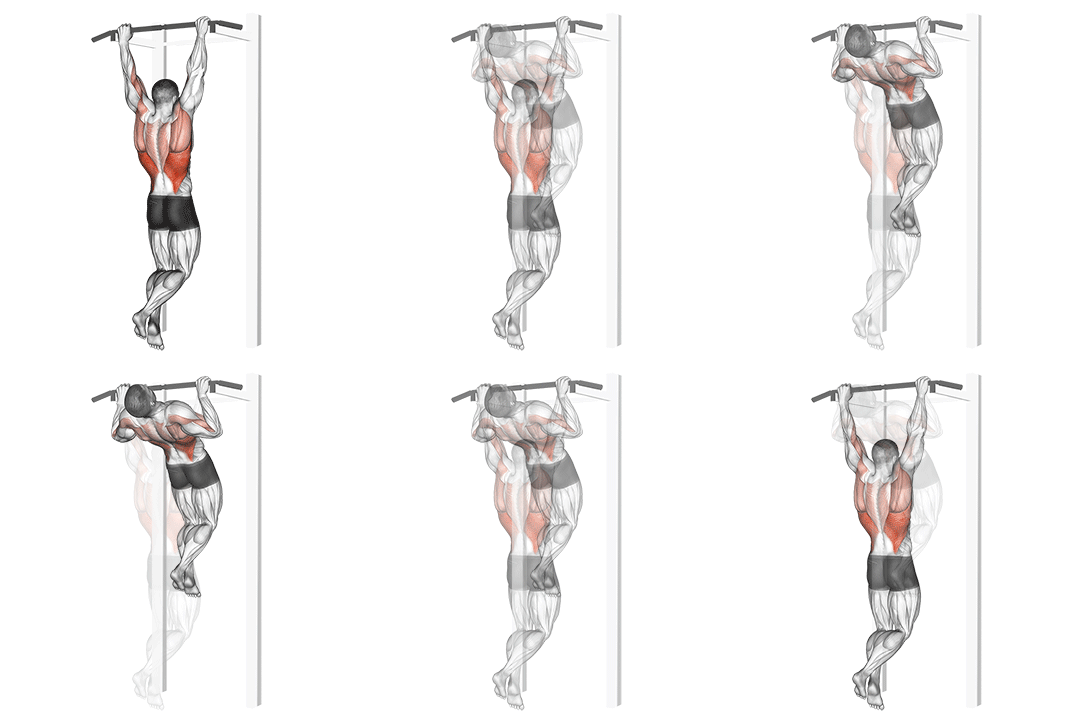
5. Gironda Sternum Chin
63% match- Lats
- Bodyweight
- Advanced
- Compound
How to perform this exercise
- Stand facing a high bar with your feet shoulder-width apart.
- Reach up and grab the bar with an overhand grip, slightly wider than shoulder-width apart.
- Hang from the bar with your arms fully extended and your body straight.
- Engage your lats and biceps to pull your chest up towards the bar, leading with your sternum.
- Pause for a moment at the top, then slowly lower yourself back down to the starting position.
- Repeat for the desired number of repetitions.
Sets and reps: 3 or 4 sets of 6 to 10 reps.
Why this matches
- Primary muscle: lats, the same as the V-bar Pulldown
- Equipment: bodyweight only, not a cable
- Body position: hanging, not seated
- Balance: harder to stay steady on than the V-bar Pulldown
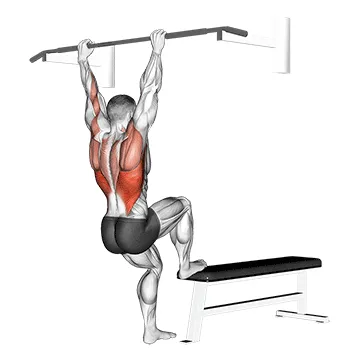
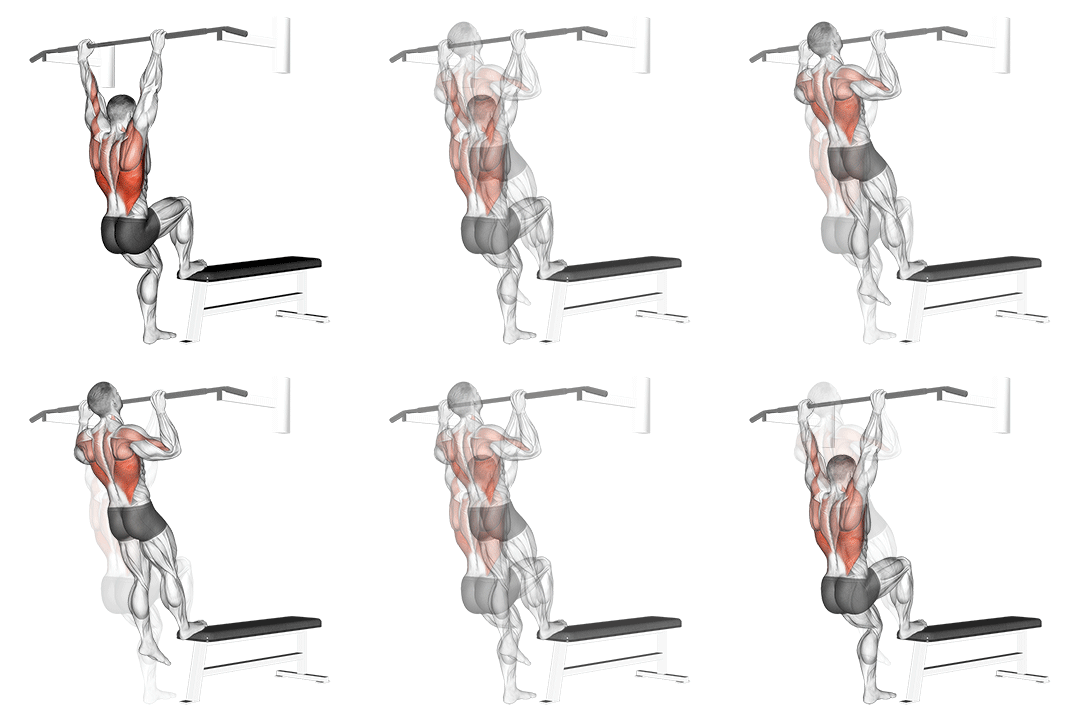
6. Bench Pull-ups
63% match- Lats
- Bodyweight
- Intermediate
- Compound
How to perform this exercise
- Position yourself under a bar or a sturdy horizontal surface that is at chest height.
- Grab the bar or surface with an overhand grip, slightly wider than shoulder-width apart.
- Hang with your arms fully extended and your body straight.
- Pull your chest towards the bar or surface by squeezing your shoulder blades together and bending your elbows.
- Continue pulling until your chin is above the bar or surface.
- Lower yourself back down to the starting position with control.
- Repeat for the desired number of repetitions.
Sets and reps: 3 or 4 sets of 6 to 10 reps.
Why this matches
- Primary muscle: lats, the same as the V-bar Pulldown
- Equipment: bodyweight only, not a cable
- Body position: hanging, not seated
- Balance: harder to stay steady on than the V-bar Pulldown
7. Pull Up (Neutral Grip)
63% match- Lats
- Bodyweight
- Advanced
- Compound
How to perform this exercise
- Hang from a pull-up bar with a neutral grip (palms facing each other) and your arms fully extended.
- Engage your core and squeeze your shoulder blades together.
- Pull your body up towards the bar by bending your elbows and driving your elbows down towards your hips.
- Continue pulling until your chin is above the bar.
- Pause for a moment at the top, then slowly lower your body back down to the starting position with control.
- Repeat for the desired number of repetitions.
Sets and reps: 3 or 4 sets of 6 to 10 reps.
Why this matches
- Primary muscle: lats, the same as the V-bar Pulldown
- Equipment: bodyweight only, not a cable
- Body position: hanging, not seated
- Balance: harder to stay steady on than the V-bar Pulldown
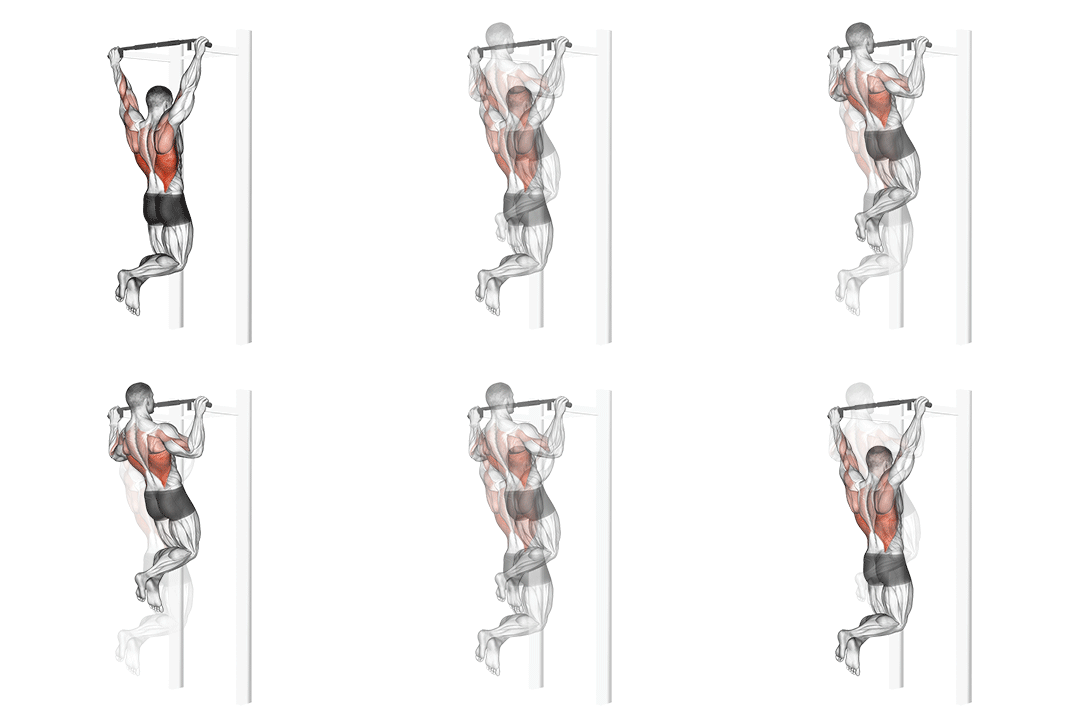
8. Pull-up
63% match- Lats
- Bodyweight
- Advanced
- Compound
How to perform this exercise
- Hang from a pull-up bar with your palms facing away from you and your arms fully extended.
- Engage your core and squeeze your shoulder blades together.
- Pull your body up towards the bar by bending your elbows and bringing your chest towards the bar.
- Pause at the top of the movement, then slowly lower your body back down to the starting position.
- Repeat for the desired number of repetitions.
Sets and reps: 3 or 4 sets of 6 to 10 reps.
Why this matches
- Primary muscle: lats, the same as the V-bar Pulldown
- Equipment: bodyweight only, not a cable
- Body position: hanging, not seated
- Balance: harder to stay steady on than the V-bar Pulldown
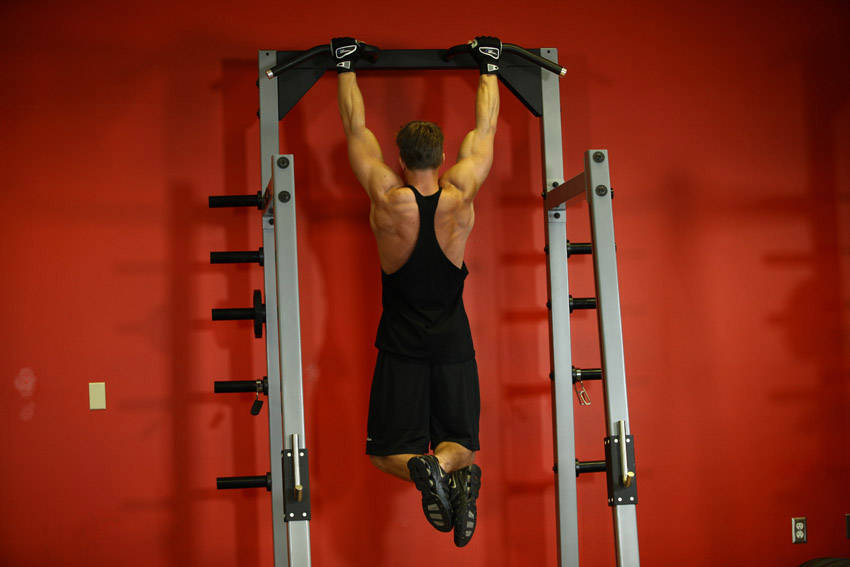
9. Pullups
63% match- Lats
- Bodyweight
- Intermediate
- Compound
How to perform this exercise
- Grab the pull-up bar with the palms facing forward using the prescribed grip. Note on grips: For a wide grip, your hands need to be spaced out at a distance wider than your shoulder width. For a medium grip, your hands need to be spaced out at a distance equal to your shoulder width and for a close grip at a distance smaller than your shoulder width.
- As you have both arms extended in front of you holding the bar at the chosen grip width, bring your torso back around 30 degrees or so while creating a curvature on your lower back and sticking your chest out. This is your starting position.
- Pull your torso up until the bar touches your upper chest by drawing the shoulders and the upper arms down and back. Exhale as you perform this portion of the movement. Tip: Concentrate on squeezing the back muscles once you reach the full contracted position. The upper torso should remain stationary as it moves through space and only the arms should move. The forearms should do no other work other than hold the bar.
- After a second on the contracted position, start to inhale and slowly lower your torso back to the starting position when your arms are fully extended and the lats are fully stretched.
- Repeat this motion for the prescribed amount of repetitions.
Sets and reps: 3 or 4 sets of 6 to 10 reps.
Why this matches
- Primary muscle: lats, the same as the V-bar Pulldown
- Equipment: bodyweight only, not a cable
- Body position: hanging, not seated
- Balance: harder to stay steady on than the V-bar Pulldown
10. Rocky Pull-up Pulldown
63% match- Lats
- Bodyweight
- Advanced
- Compound
How to perform this exercise
- Stand in front of a pull-up bar with your feet shoulder-width apart.
- Reach up and grab the bar with an overhand grip, slightly wider than shoulder-width apart.
- Hang from the bar with your arms fully extended and your body straight.
- Engage your back muscles and pull your body up towards the bar, leading with your chest.
- Pause for a moment at the top, then slowly lower your body back down to the starting position.
- Repeat for the desired number of repetitions.
Sets and reps: 3 or 4 sets of 6 to 10 reps.
Why this matches
- Primary muscle: lats, the same as the V-bar Pulldown
- Equipment: bodyweight only, not a cable
- Body position: hanging, not seated
- Balance: harder to stay steady on than the V-bar Pulldown
Why You Might Need a V-bar Pulldown Alternative
You may substitute the V-bar pulldown for several reasons: lack of a cable V-bar, shoulder or wrist pain, the need for unilateral work, or to vary stimulus for growth. Choose movements that preserve the key biomechanical actions, shoulder extension, humeral adduction, and scapular depression, to keep lat activation high. For example, a neutral-grip pull-up emphasizes vertical pulling with high lat and teres major involvement, while a single-arm cable row replicates the elbow path and allows you to adjust torso angle to emphasize lat fibers. Use cues like "lead with the elbow" and "hold scapular retraction" to avoid biceps-dominant pulling.
How to Choose the Right V-bar Pulldown Substitute
Match the substitute to the movement pattern and equipment you have. If you need a vertical pull that mimics V-bar elbow adduction, pick a close-grip lat pulldown or neutral pull-up and cue "drive elbows down and in." If you only have rows available, pick a chest-supported or single-arm cable row and cue "long spine, pull elbow past torso" to bias the lats. Consider loading capacity, unilateral vs bilateral work, and whether your shoulder tolerates overhead loading; choose exercises that let you maintain scapular control and full shoulder extension to maximize lat tension.
V-bar Pulldown FAQ
What muscles does V-bar Pulldown work?
The V-bar pulldown primarily targets the latissimus dorsi, with assistance from the teres major, posterior deltoid, and biceps brachii. It emphasizes shoulder extension and humeral adduction while requiring scapular depression and retraction for full lat recruitment; cue pull-elbows-down for better activation.
What is the best bodyweight alternative to V-bar Pulldown?
A neutral-grip pull-up is the top bodyweight substitute because it replicates vertical pulling and elbow adduction that load the lats. Cue a full scapular pull-down before bending the elbows and avoid letting the shoulders shrug to keep the lats doing the work.
Can I build muscle without doing V-bar Pulldown?
Yes, you can build equal or greater lat mass using other compound pulls like bent-over rows, single-arm cable rows, and pull-ups. Focus on progressive overload, maintain scapular retraction, and use elbow-driven pulling cues to ensure the lats receive the primary stimulus.
Find Alternatives for Any Exercise
Search the exercise database and filter the ranked substitutes by the equipment you own.
Similarity scores compare exercise metadata such as movement pattern, muscles, equipment and body position. They are not a safety rating or a check that you own the equipment. Learn about our methodology