

10 Best Weighted Ball Hyperextension Alternatives for Back Strength
If you can’t perform a Weighted Ball Hyperextension, use exercises that load the erector spinae via hip-hinge or controlled spinal extension. Try Romanian deadlifts, back extensions on a Roman chair, reverse hypers, glute-ham raises, or prone back raises. Cue: brace your core, hinge at the hips, and maintain a neutral spine to protect lumbar mechanics.
Original Exercise: Weighted Ball Hyperextension
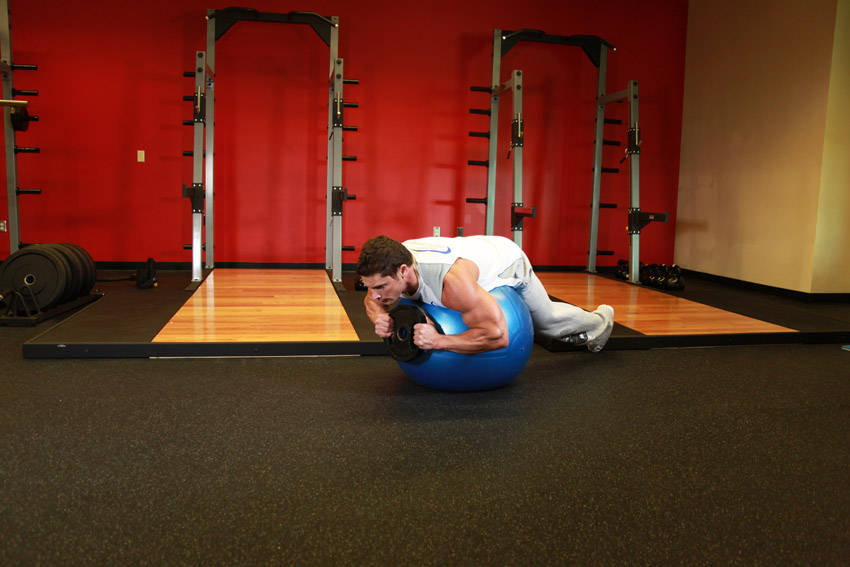
How to Perform Weighted Ball Hyperextension
- To begin, lie down on an exercise ball with your torso pressing against the ball and parallel to the floor. The ball of your feet should be pressed against the floor to help keep you balanced. Place a weighted plate under your chin or behind your neck. This is the starting position.
- Slowly raise your torso up by bending at the waist and lower back. Remember to exhale during this movement.
- Hold the contraction on your lower back for a second and lower your torso back down to the starting position while inhaling.
- Repeat for the recommended amount of repetitions prescribed in your program.
Pro Tips
- Category: Strength
- Force: Pull
- Movement type: Compound
Ranked Weighted Ball Hyperextension Alternatives
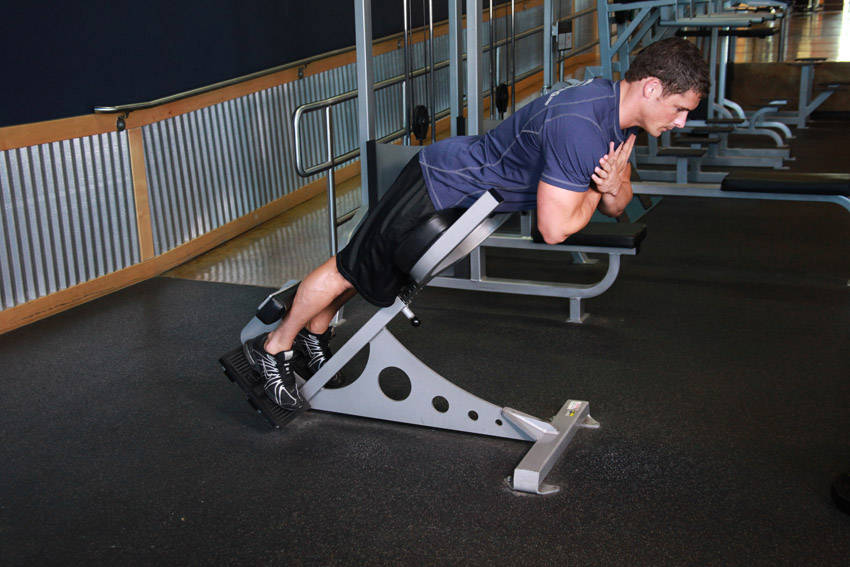
1. Hyperextensions (Back Extensions)
67.3% MatchHow to perform this exercise
- Lie face down on a hyperextension bench, tucking your ankles securely under the footpads.
- Adjust the upper pad if possible so your upper thighs lie flat across the wide pad, leaving enough room for you to bend at the waist without any restriction.
- With your body straight, cross your arms in front of you (my preference) or behind your head. This will be your starting position. Tip: You can also hold a weight plate for extra resistance in front of you under your crossed arms.
- Start bending forward slowly at the waist as far as you can while keeping your back flat. Inhale as you perform this movement. Keep moving forward until you feel a nice stretch on the hamstrings and you can no longer keep going without a rounding of the back. Tip: Never round the back as you perform this exercise. Also, some people can go farther than others. The key thing is that you go as far as your body allows you to without rounding the back.
- Slowly raise your torso back to the initial position as you inhale. Tip: Avoid the temptation to arch your back past a straight line. Also, do not swing the torso at any time in order to protect the back from injury.
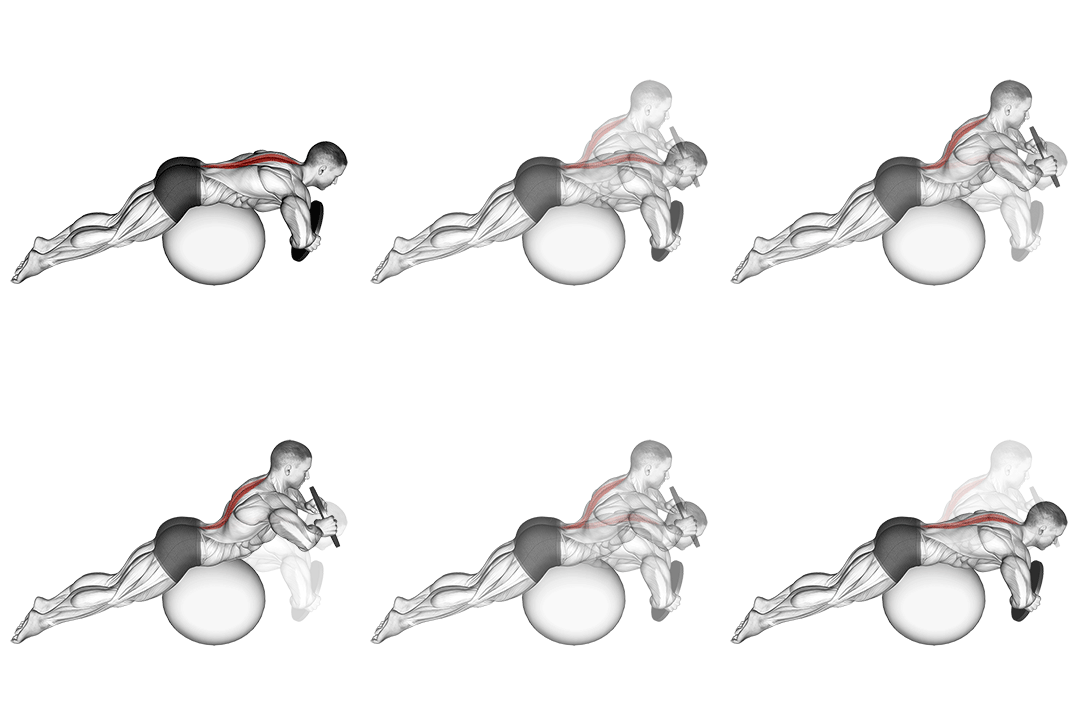
2. Weighted Hyperextension (on Stability Ball)
56.4% MatchHow to perform this exercise
- Position yourself face down on a stability ball with your hips resting on the ball and your feet against a wall for stability.
- Place your hands behind your head or cross them over your chest.
- Engage your core and slowly lift your upper body off the ball, extending your back until your body forms a straight line.
- Pause for a moment at the top, then slowly lower your upper body back down to the starting position.
- Repeat for the desired number of repetitions.
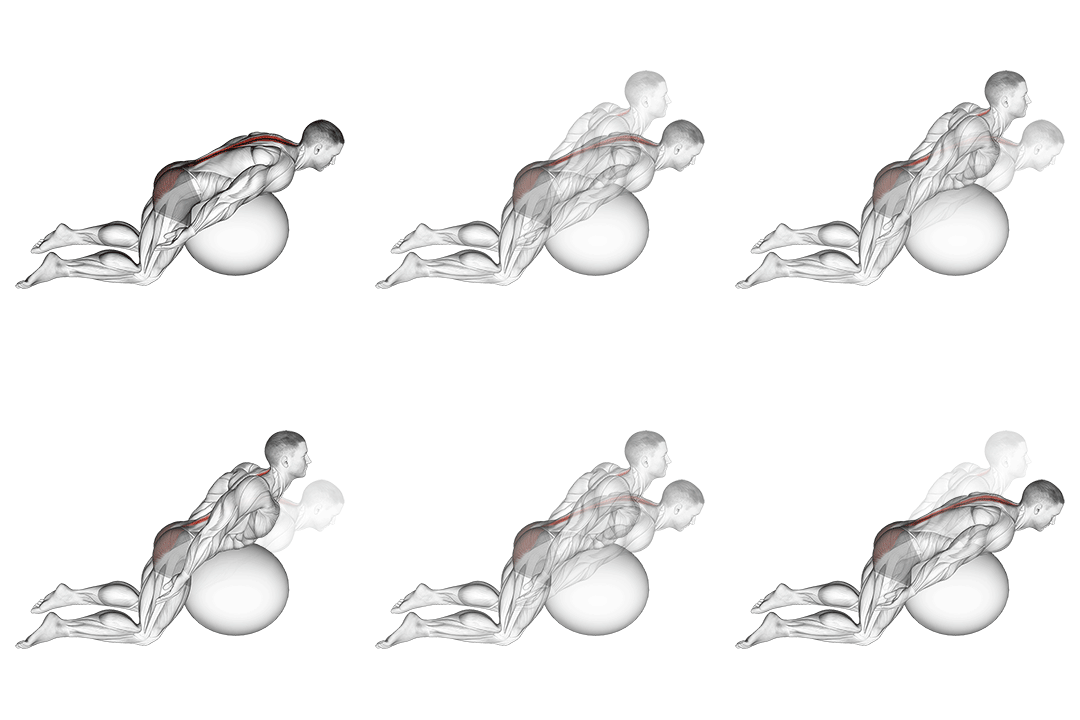
3. Exercise Ball Back Extension With Arms Extended
56% MatchHow to perform this exercise
- Place the stability ball on the ground and lie face down on top of it, with your hips resting on the ball and your feet against a wall for stability.
- Extend your arms straight out in front of you, with your palms facing down.
- Engage your core and slowly lift your upper body off the ball, keeping your back straight and your neck in line with your spine.
- Pause for a moment at the top, then slowly lower your upper body back down to the starting position.
- Repeat for the desired number of repetitions.
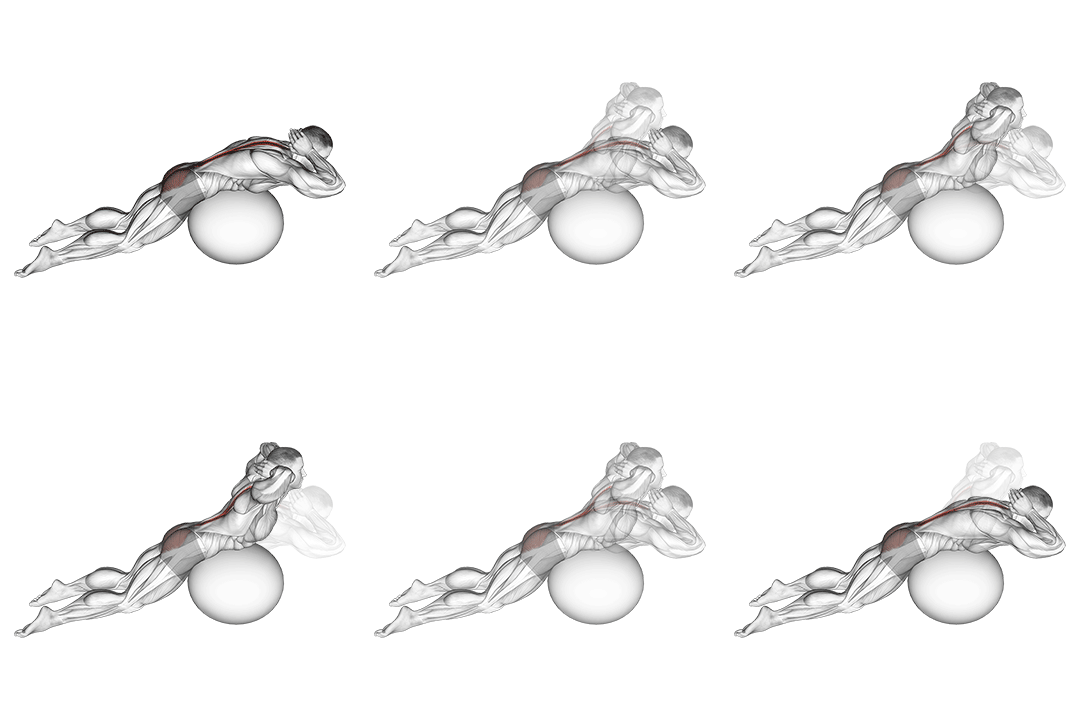
4. Exercise Ball Back Extension With Hands Behind Head
56% MatchHow to perform this exercise
- Place the stability ball on the ground and lie face down on top of it with your hips resting on the ball.
- Position your feet against a wall or other stable surface for support.
- Cross your arms behind your head, with your hands touching the back of your head.
- Engage your core and slowly lift your upper body off the ball, extending your back until your body forms a straight line from your head to your hips.
- Pause for a moment at the top of the movement, then slowly lower your upper body back down to the starting position.
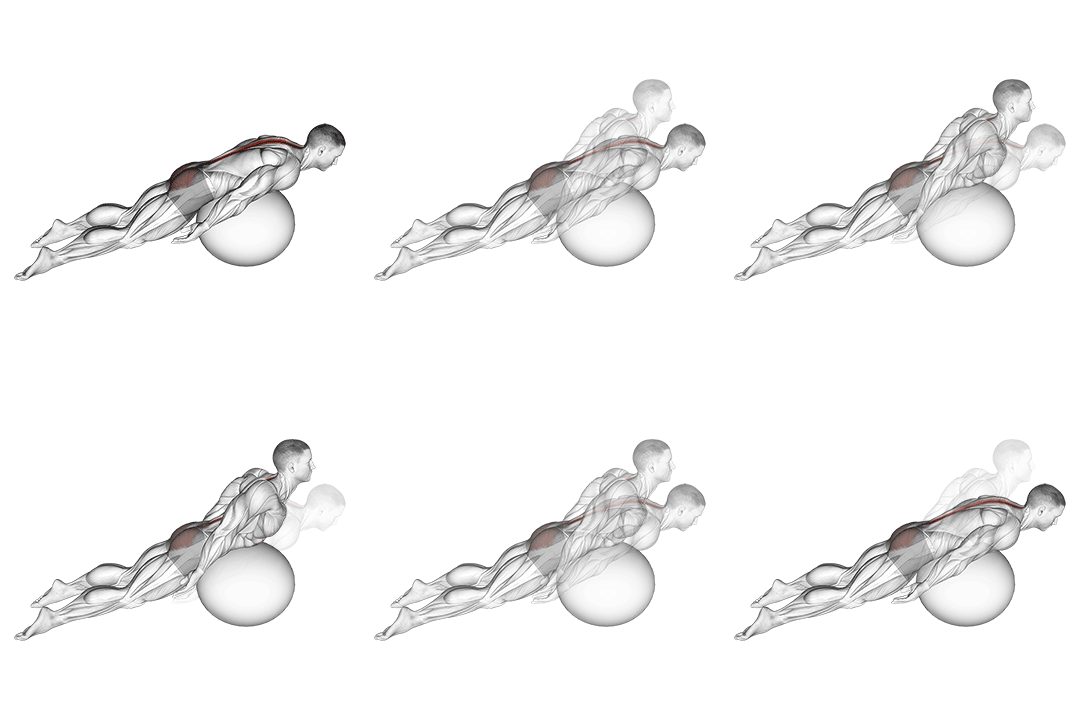
5. Exercise Ball Back Extension With Knees Off Ground
54.7% MatchHow to perform this exercise
- Place the stability ball on the ground and lie face down on top of it, with your hips resting on the ball and your feet against a wall for stability.
- Position your hands behind your head or crossed over your chest.
- Engage your core and slowly lift your upper body off the ball, extending your back until your body forms a straight line from your head to your heels.
- Pause for a moment at the top, then slowly lower your upper body back down to the starting position.
- Repeat for the desired number of repetitions.
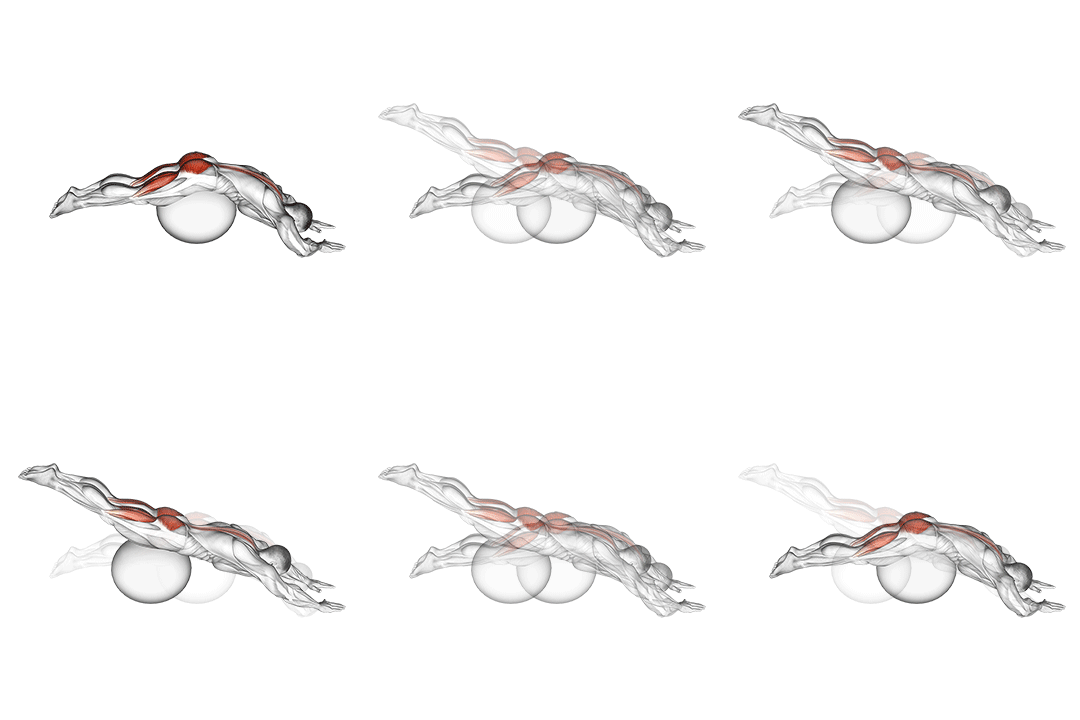
6. Reverse Hyper Extension (on Stability Ball)
54.4% MatchHow to perform this exercise
- Lie face down on a stability ball with your hips resting on the ball and your legs extended straight behind you.
- Place your hands on the ground in front of you for stability.
- Engaging your glutes and hamstrings, lift your legs up towards the ceiling as high as you can.
- Pause for a moment at the top, then slowly lower your legs back down to the starting position.
- Repeat for the desired number of repetitions.
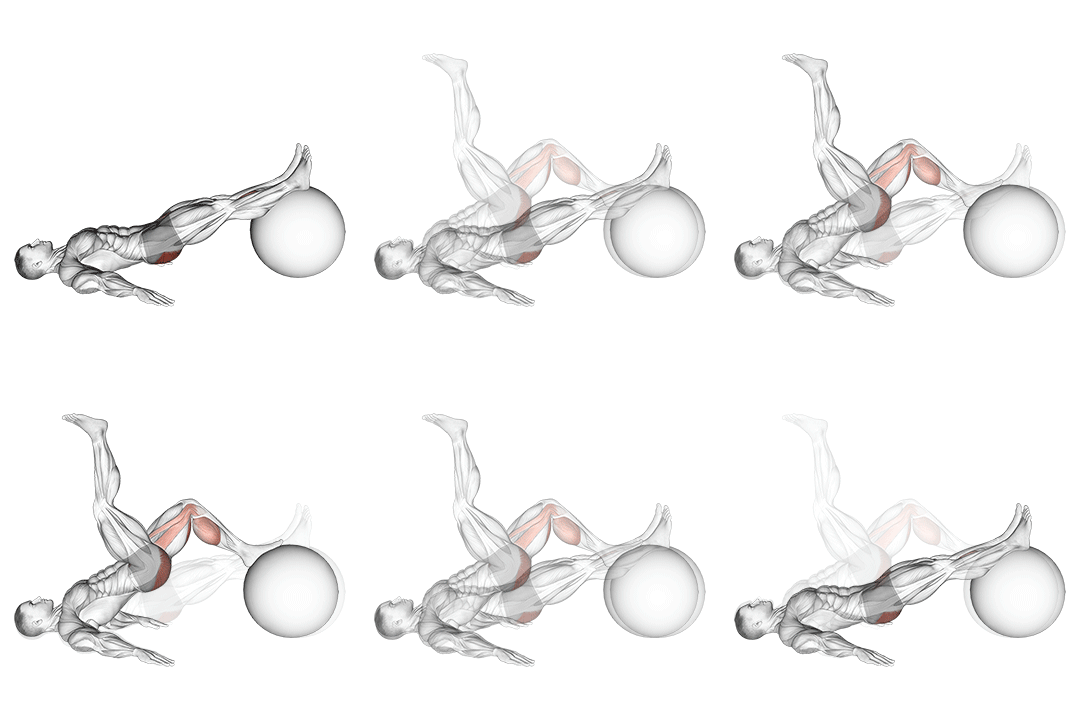
7. Exercise Ball One Legged Diagonal Kick Hamstring Curl
51.7% MatchHow to perform this exercise
- Start by lying on your back with your legs extended and your heels resting on top of the stability ball.
- Place your arms by your sides for stability.
- Engage your glutes and core muscles to lift your hips off the ground, creating a straight line from your shoulders to your heels.
- Bend your right knee and bring it towards your chest, keeping your left leg extended and your foot flexed.
- Kick your right leg diagonally across your body, extending it fully and engaging your hamstrings.
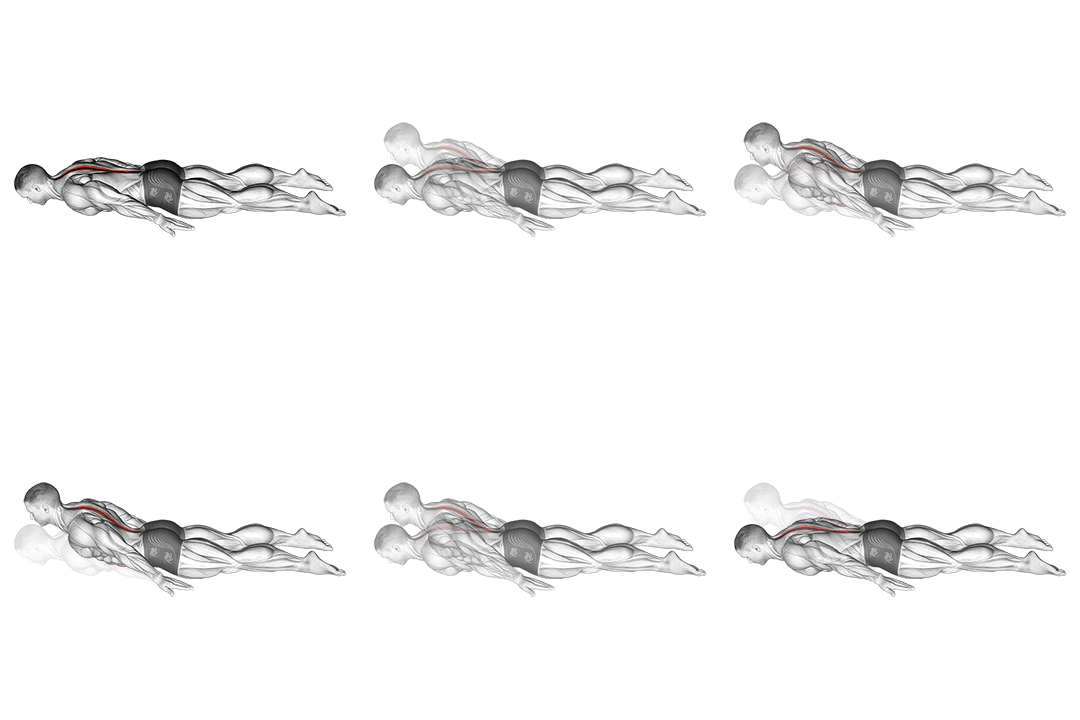
8. Lower Back Curl
50% MatchHow to perform this exercise
- Lie flat on your stomach with your legs extended and your arms by your sides.
- Engage your glutes and hamstrings, and slowly lift your upper body off the ground, curling your back upwards.
- Pause for a moment at the top, then slowly lower your upper body back down to the starting position.
- Repeat for the desired number of repetitions.
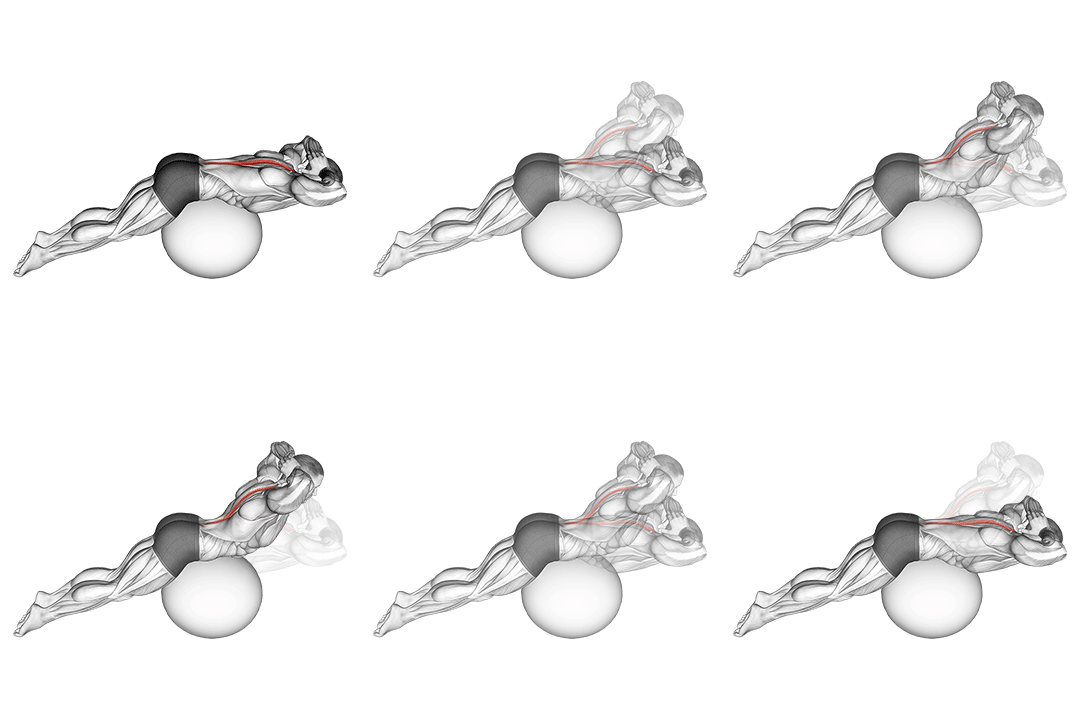
9. Back Extension On Exercise Ball
49.9% MatchHow to perform this exercise
- Place the stability ball on the ground and lie face down on top of it, with your hips resting on the ball and your feet against a wall or other stable surface.
- Position your hands behind your head or crossed over your chest.
- Engage your core and slowly lift your upper body off the ball, extending your back until your body forms a straight line from your head to your heels.
- Pause for a moment at the top, then slowly lower your upper body back down to the starting position.
- Repeat for the desired number of repetitions.
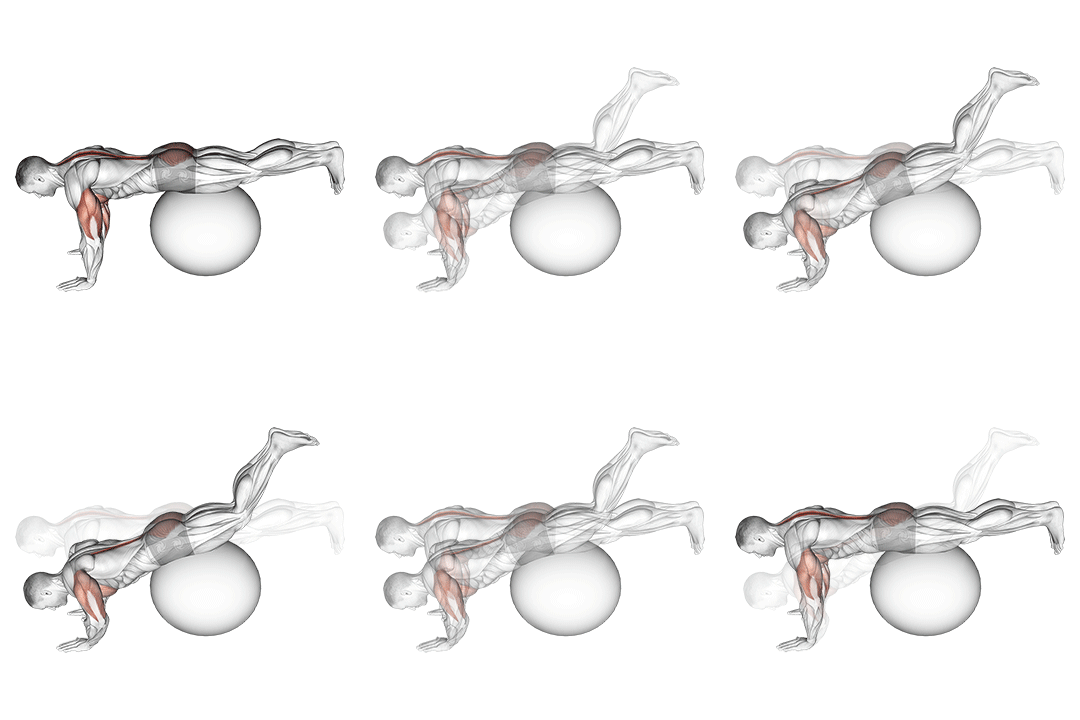
10. Exercise Ball Prone Leg Raise
49.4% MatchHow to perform this exercise
- Lie face down on a mat with your legs extended and your toes resting on top of the stability ball.
- Place your hands on the ground, shoulder-width apart, and engage your core muscles.
- Keeping your legs straight, slowly lift them off the ground, using your lower back and glutes to raise them as high as possible.
- Pause for a moment at the top, then slowly lower your legs back down to the starting position.
- Repeat for the desired number of repetitions.
Why You Might Need a Weighted Ball Hyperextension Alternative
You may substitute the Weighted Ball Hyperextension for several reasons: a stability ball isn’t available, lumbar pain flares with unsupported spinal extension, or you need a different loading progression. Alternatives let you emphasize hip-hinge mechanics or isolate the erector spinae using equipment that changes load vectors. For rehab, choose low-range spinal extension like reverse hypers to reduce compressive shear; cue: avoid excessive lumbar flexion and lead movement with the hips. For strength, use heavier hip-hinge patterns (Romanian deadlift) to recruit hamstrings and glutes alongside the erectors while maintaining safe spinal alignment.
How to Choose the Right Substitute
Select a substitute based on equipment, spinal tolerance, and the movement pattern you want to train. If you need isolation of the lumbar extensors, choose prone back raises or Roman chair extensions with slow eccentric control and a neutral spine cue. If you want posterior-chain strength, pick Romanian deadlifts or single-leg RDLs to bias hamstrings and glutes while the erectors act isometrically. For lower-load rehab, use reverse hypers to reduce compressive forces and emphasize eccentric control. Monitor where you feel work, erector spinae activation indicates a good lumbar-targeted substitute; hip-dominant soreness signals posterior-chain emphasis.
Frequently Asked Questions
What muscles does Weighted Ball Hyperextension work?
Weighted Ball Hyperextension primarily targets the erector spinae (lumbar extensors) with secondary tension in the glutes and hamstrings. The movement emphasizes spinal extension and posterior chain isometric control to resist flexion under load.
What is the best bodyweight alternative to Weighted Ball Hyperextension?
The best bodyweight option is the prone back extension (superman or floor back raise). Lie face down, slightly lift the chest and legs a few inches while squeezing glutes and keeping the neck neutral; this cues erector spinae activation without added compression.
Can I build muscle without doing Weighted Ball Hyperextension?
Yes. You can build lumbar strength and size with alternatives like Romanian deadlifts, reverse hypers, and Roman chair back extensions. Use progressive overload, proper hip-hinge mechanics, and ensure the erector spinae experiences sufficient time under tension to stimulate growth.
More Exercise Alternatives
Find Alternatives for Any Exercise
Use the exercise substitution finder to compare ranked alternatives for your available equipment and training preference.
Try the Exercise Substitution Finder →