

10 Best Weighted Side Bend (on Stability Ball) Alternatives for Home & Gym
What can you do instead of Weighted Side Bend (on Stability Ball)? Use standing dumbbell side bends, cable woodchoppers, Russian twists on a bench, side planks with hip dips, or seated barbell side bends. Focus on controlled lateral flexion, keep hips square, brace the core, and initiate movement from the obliques rather than the lower back.
Original Exercise: Weighted Side Bend (on Stability Ball)
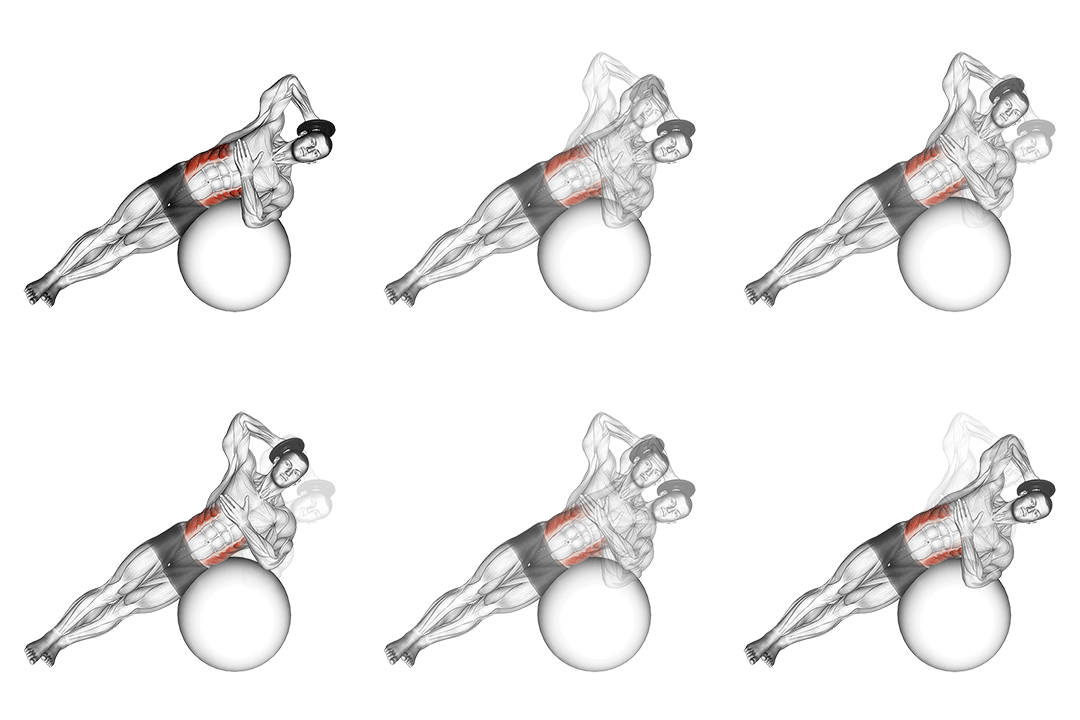
How to Perform Weighted Side Bend (on Stability Ball)
- Sit on a stability ball with your feet shoulder-width apart and flat on the ground.
- Hold a weight in one hand and place your other hand on your hip.
- Engage your core and slowly bend sideways towards the weighted side, keeping your back straight.
- Pause for a moment at the bottom, then slowly return to the starting position.
- Repeat for the desired number of repetitions, then switch sides.
Best Weighted Side Bend (on Stability Ball) Alternatives
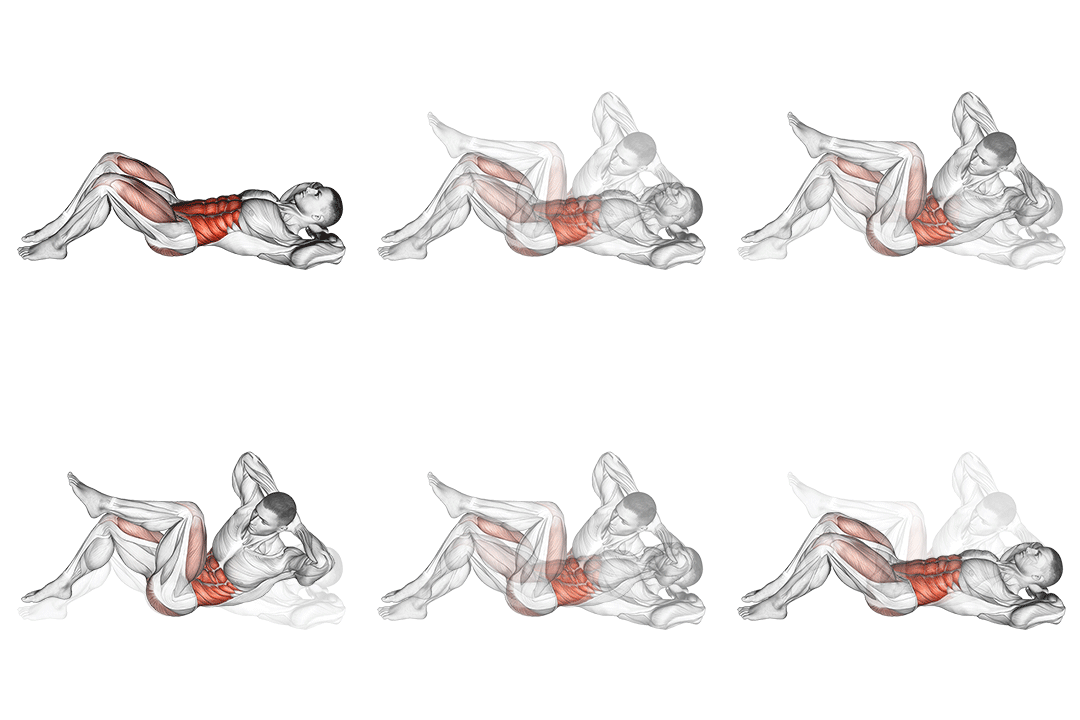
1. Cross Body Crunch
76.1% MatchHow to perform this exercise
- Lie flat on your back with your knees bent and feet flat on the ground.
- Place your hands behind your head with your elbows pointing outwards.
- Engaging your abs, lift your upper body off the ground and twist to bring your right elbow towards your left knee.
- Pause for a moment at the top, then slowly lower your upper body back down to the starting position.
- Repeat on the other side, bringing your left elbow towards your right knee.
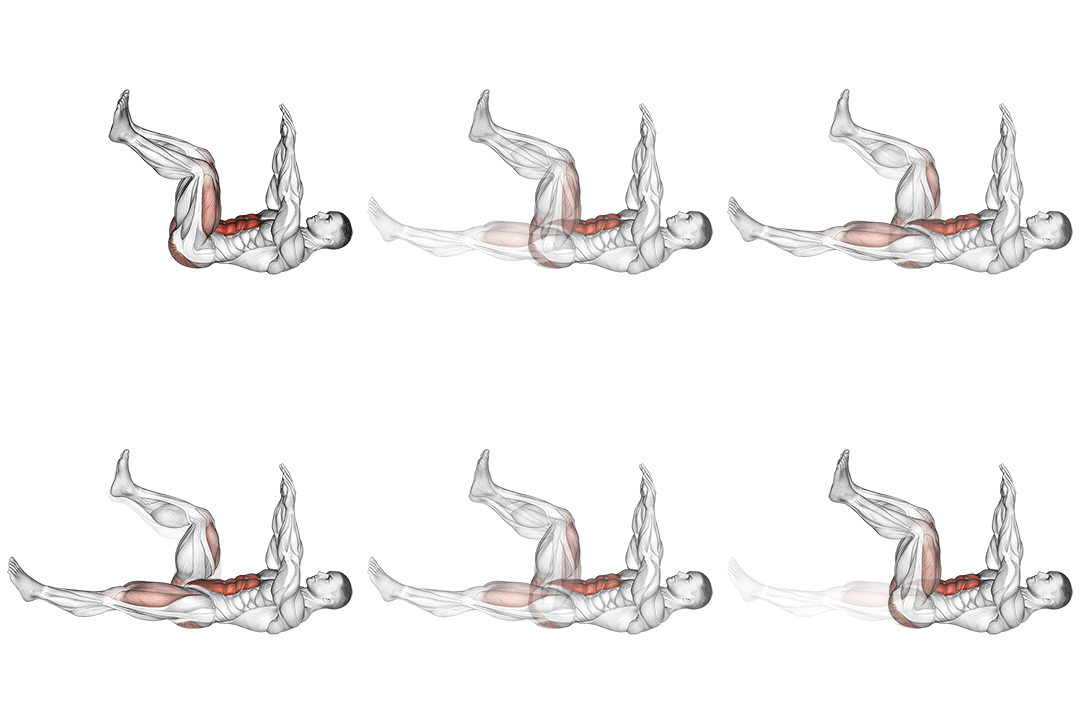
2. Dead Bug
74.6% MatchHow to perform this exercise
- Lie flat on your back with your arms extended towards the ceiling.
- Bend your knees and lift your legs off the ground, creating a 90-degree angle at your hips and knees.
- Engage your core and lower back to press your lower back into the ground.
- Slowly lower your right arm and left leg towards the ground, keeping them straight and hovering just above the floor.
- Pause for a moment, then return to the starting position.
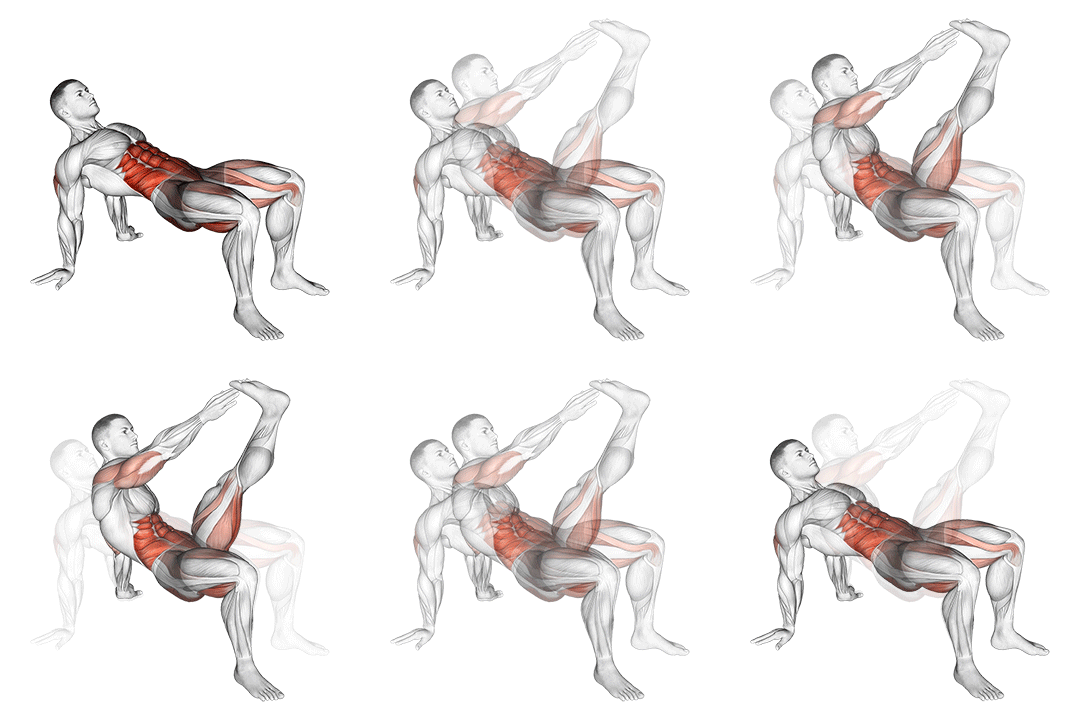
3. Crab Twist Toe Touch
74.1% MatchHow to perform this exercise
- Start by sitting on the ground with your knees bent and feet flat on the floor.
- Place your hands behind you, fingers pointing towards your feet, and lift your hips off the ground.
- Extend one leg straight out in front of you while simultaneously reaching your opposite hand towards your toes.
- Return to the starting position and repeat on the other side.
- Continue alternating sides for the desired number of repetitions.
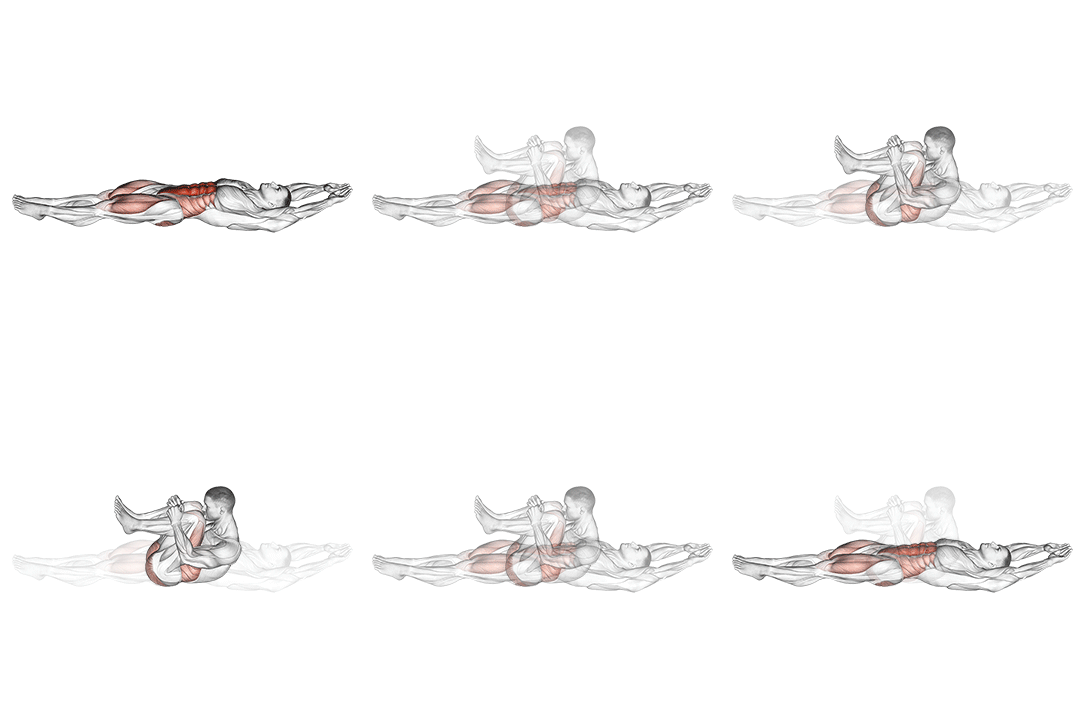
4. Cocoons
73.7% MatchHow to perform this exercise
- Lie flat on your back with your knees bent and feet flat on the ground.
- Place your hands behind your head with your elbows pointing outwards.
- Engaging your abs, slowly lift your upper body off the ground, curling forward until your torso is at a 45-degree angle.
- Pause for a moment at the top, then slowly lower your upper body back down to the starting position.
- Repeat for the desired number of repetitions.
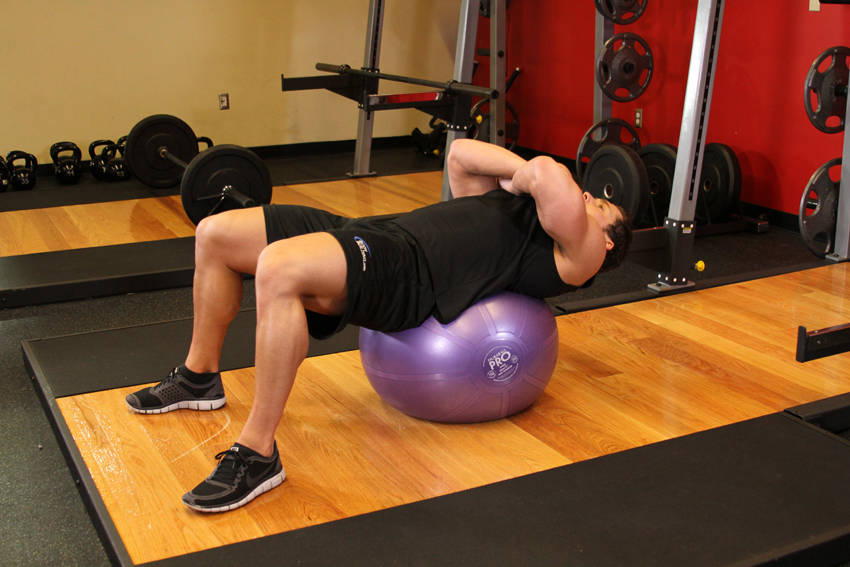
5. Exercise Ball Crunch
71.2% MatchHow to perform this exercise
- Lie on an exercise ball with your lower back curvature pressed against the spherical surface of the ball. Your feet should be bent at the knee and pressed firmly against the floor. The upper torso should be hanging off the top of the ball. The arms should either be kept alongside the body or crossed on top of your chest as these positions avoid neck strains (as opposed to the hands behind the back of the head position).
- Lower your torso into a stretch position keeping the neck stationary at all times. This will be your starting position.
- With the hips stationary, flex the waist by contracting the abdominals and curl the shoulders and trunk upward until you feel a nice contraction on your abdominals. The arms should simply slide up the side of your legs if you have them at the side or just stay on top of your chest if you have them crossed. The lower back should always stay in contact with the ball. Exhale as you perform this movement and hold the contraction for a second.
- As you inhale, go back to the starting position.
- Repeat for the recommended amount of repetitions.
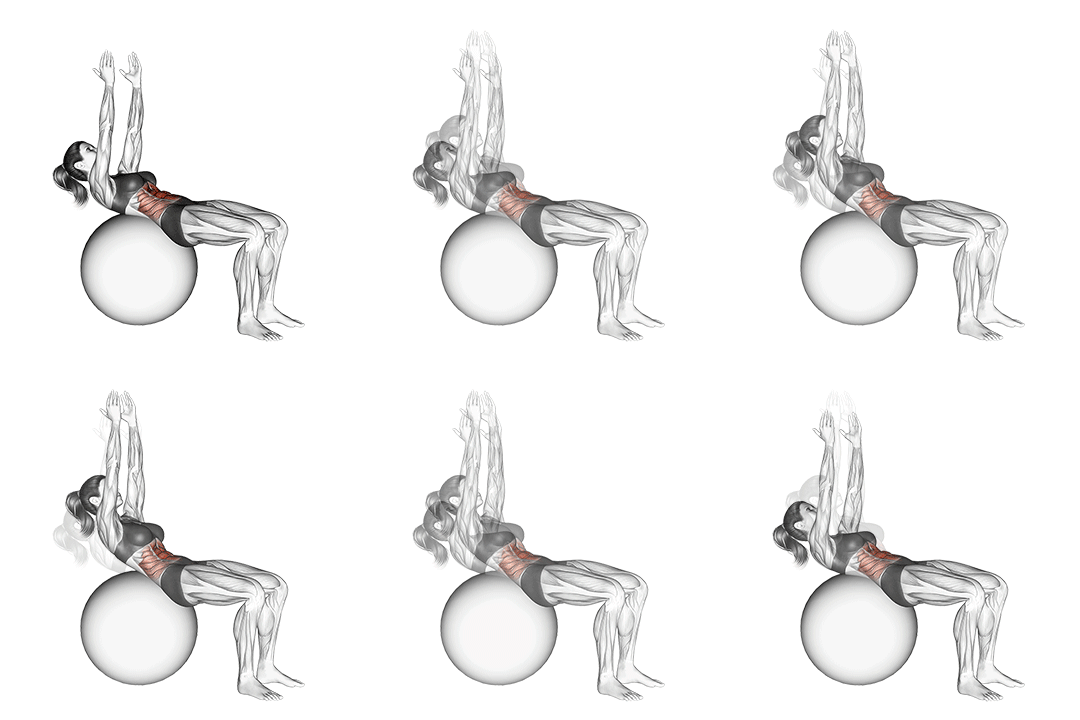
6. Crunch (on Stability Ball, Arms Straight)
71.2% MatchHow to perform this exercise
- Sit on the stability ball with your feet flat on the ground and your knees bent at a 90-degree angle.
- Lie back on the ball until your lower back is supported and your upper body is parallel to the floor.
- Place your hands behind your head or cross them over your chest.
- Engage your abs and lift your upper body off the ball, curling your shoulders towards your hips.
- Pause for a moment at the top, then slowly lower your upper body back down to the starting position.
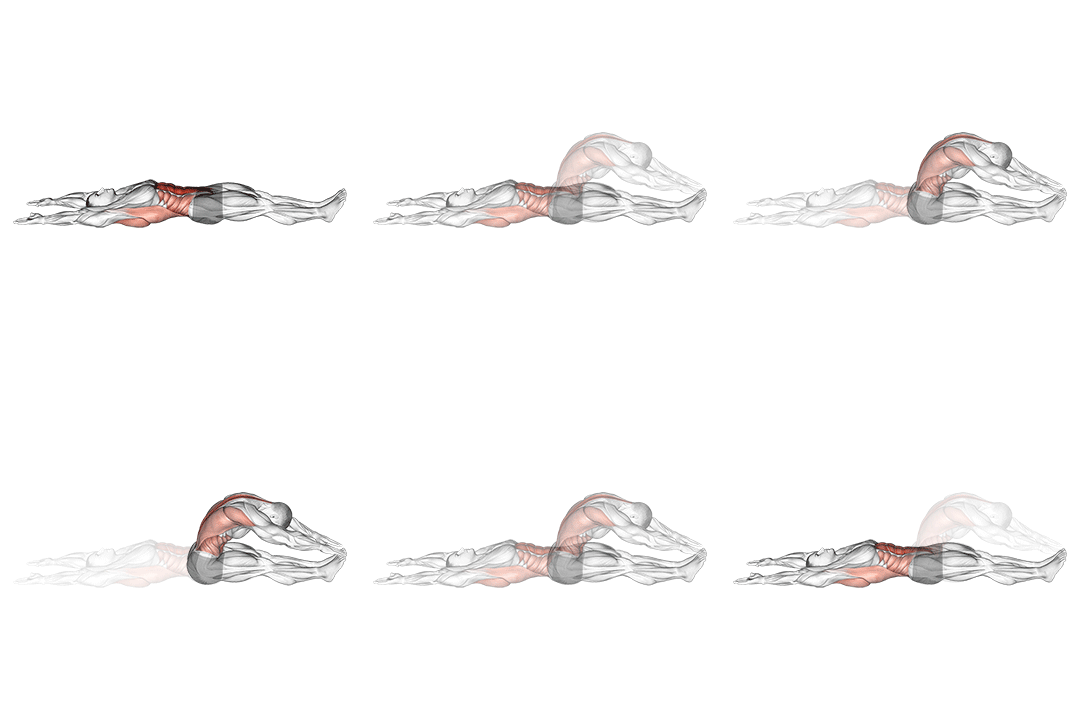
7. Arms Overhead Full Sit-up (male)
70.8% MatchHow to perform this exercise
- Lie flat on your back with your knees bent and feet flat on the ground.
- Extend your arms overhead, keeping them straight.
- Engaging your abs, slowly lift your upper body off the ground, curling forward until your torso is upright.
- Pause for a moment at the top, then slowly lower your upper body back down to the starting position.
- Repeat for the desired number of repetitions.
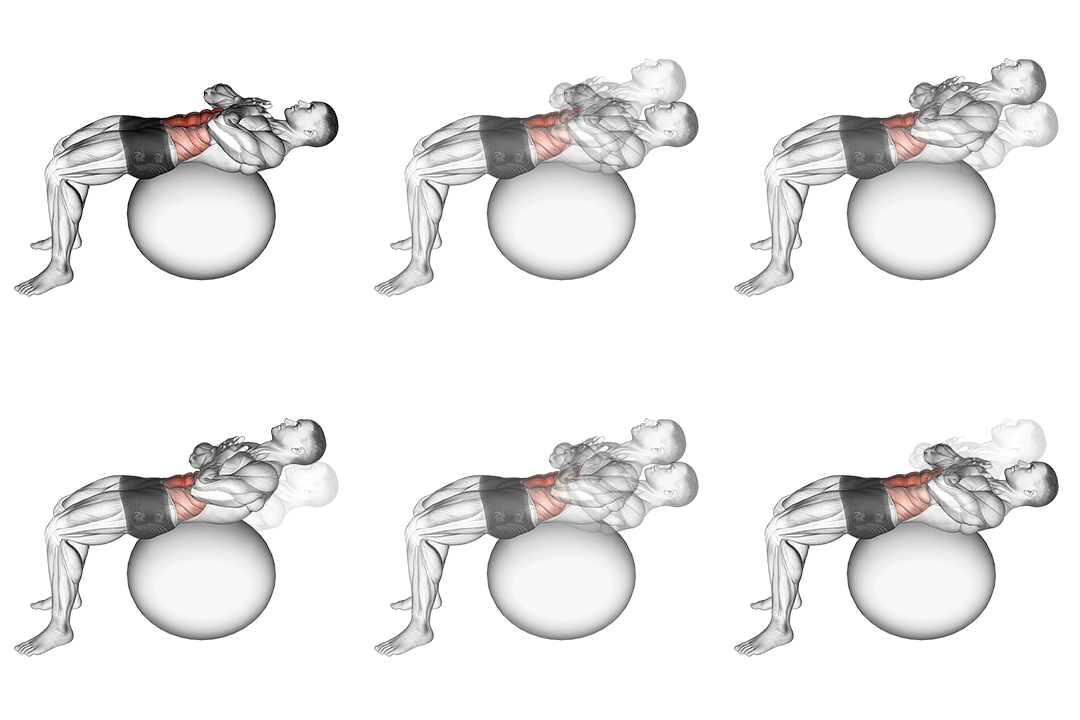
8. Crunch (on Stability Ball)
70.7% MatchHow to perform this exercise
- Sit on the stability ball with your feet flat on the ground and your knees bent at a 90-degree angle.
- Lie back on the ball until your lower back is supported and your upper body is parallel to the floor.
- Place your hands behind your head or across your chest.
- Engage your abs and lift your upper body towards your knees, curling your torso forward.
- Pause for a moment at the top of the movement, then slowly lower your upper body back down to the starting position.
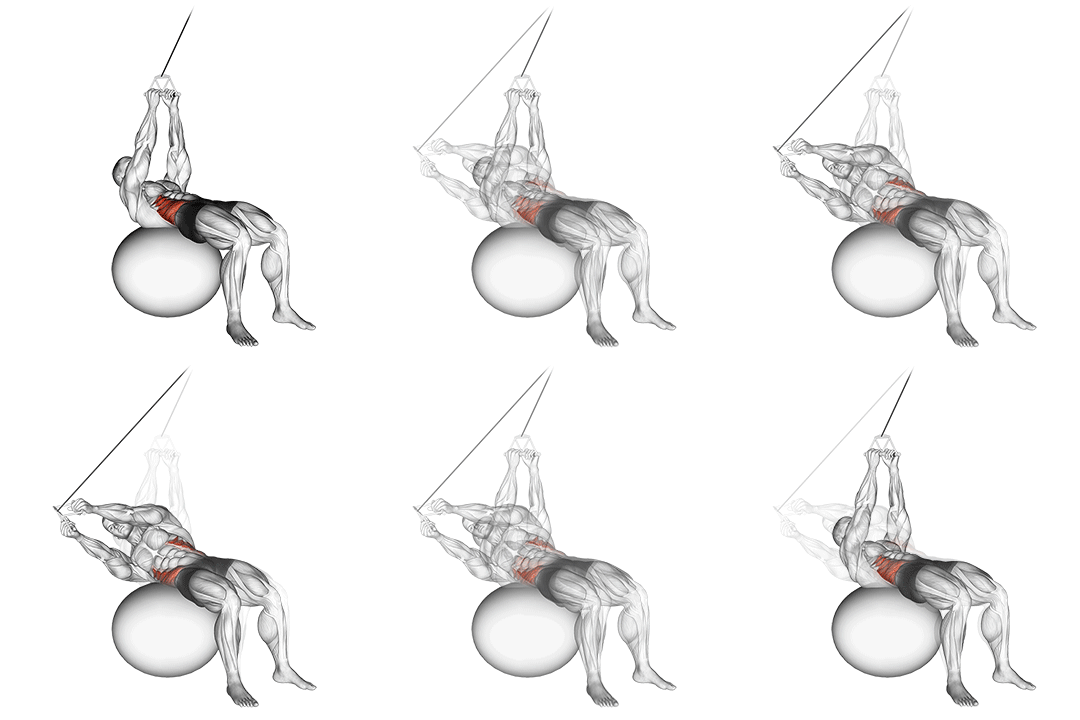
9. Cable Russian Twists (on Stability Ball)
70.4% MatchHow to perform this exercise
- Sit on a stability ball with your feet flat on the ground and your knees bent at a 90-degree angle.
- Hold the cable handle with both hands and extend your arms straight out in front of you.
- Lean back slightly while keeping your back straight and your core engaged.
- Twist your torso to the right, bringing the cable handle towards your right hip.
- Pause for a moment, then twist your torso to the left, bringing the cable handle towards your left hip.
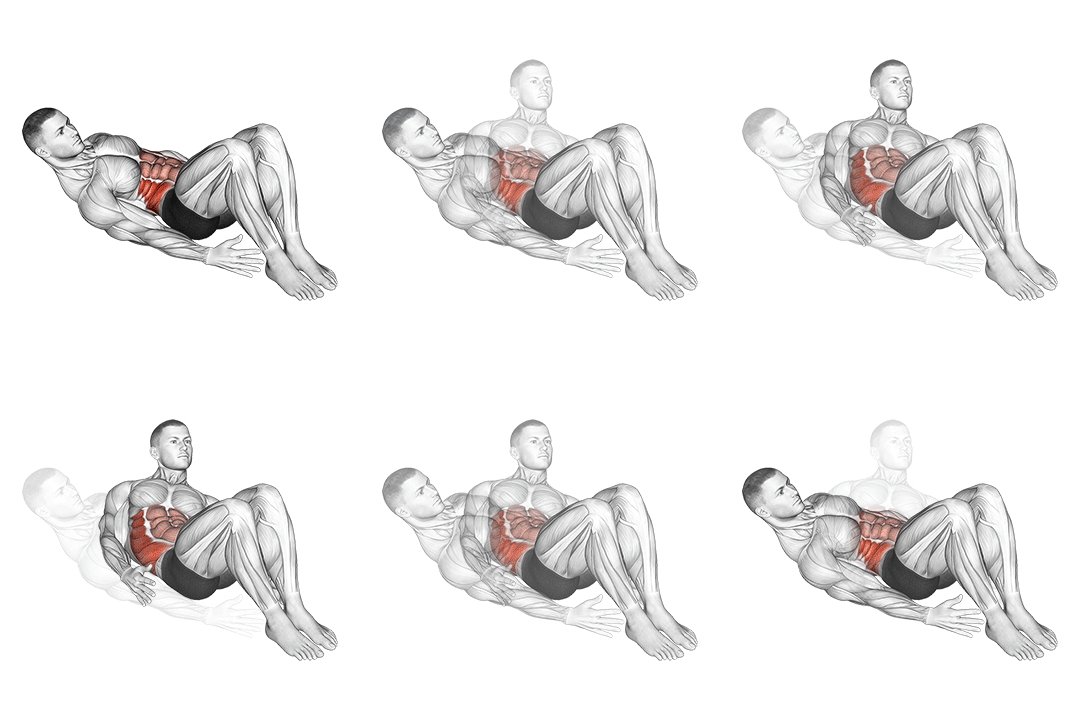
10. Alternate Heel Touchers
69.6% MatchHow to perform this exercise
- Lie flat on your back with your knees bent and feet flat on the ground.
- Extend your arms straight out to the sides, parallel to the ground.
- Engaging your abs, lift your shoulders off the ground and reach your right hand towards your right heel.
- Return to the starting position and repeat on the left side, reaching your left hand towards your left heel.
- Continue alternating sides for the desired number of repetitions.
Why You Might Need a Weighted Side Bend (on Stability Ball) Alternative
You may substitute the stability-ball weighted side bend because of lower-back pain, balance limitations, lack of equipment, or a need for greater overload. The stability ball increases demand on spinal stabilizers and balance; that can aggravate lumbar shear in some lifters. Alternatives let you load the obliques more safely or emphasize rotation versus pure lateral flexion. When selecting a replacement, maintain lateral flexion cues: move the ribcage toward the hip, avoid torso rotation, and keep the pelvis stable so the obliques, not the lumbar extensors, absorb the load.
How to Choose the Right Substitute
Choose a substitute based on the movement plane, loading options, and stability requirements. If you need isolation of lateral flexion, pick standing or seated side bends and keep hips square while you pull the rib cage toward the iliac crest. For anti-rotation or dynamic power, choose cable woodchoppers with a controlled diagonal pull. If low-back sensitivity is the issue, prioritize side-plank variations that load the obliques isometrically while limiting lumbar shear. Progress with heavier loads, slower tempo, or added range of motion, and always cue core bracing and neutral spine.
Frequently Asked Questions
What muscles does Weighted Side Bend (on Stability Ball) work?
The move primarily targets the external and internal obliques through spinal lateral flexion and the quadratus lumborum for stabilization. The rectus abdominis and erector spinae assist to control torso position; keep the ribs anchored and pull the ribcage toward the hip to emphasize oblique activation.
What is the best bodyweight alternative to Weighted Side Bend (on Stability Ball)?
A side plank with hip dips is the top bodyweight substitute because it loads the obliques without dynamic lumbar shear. Stack your feet, brace the core, drop the hips toward the floor, and lift using the obliques while keeping the shoulder stacked over the elbow.
Can I build muscle without doing Weighted Side Bend (on Stability Ball)?
Yes. You can hypertrophy the obliques using progressive overload via weighted side bends, cable woodchoppers, or heavy unilateral carries. Focus on increasing load, time under tension, and full range of lateral flexion while maintaining hip stability and a neutral spine.
More Exercise Alternatives
Find Alternatives for Any Exercise
Use our free tool to discover the best substitute exercises based on your available equipment and goals.
Try the Exercise Substitution Finder →