


Weight loss percentage is the weight you have lost as a share of your starting weight: start minus current, divided by start, times 100. Lose 15 lb from 160 lb and you have lost 9.4%. It is the score The Biggest Loser ranked contestants on, and the measure the 2013 US obesity guideline uses to set a first goal of 5 to 10%. Enter your two weights and, if you know it, the weeks you have been going.
Example: started at 160 lb, now 145 lb
9.38%of your starting weight lost
Inside the 5 to 10% that the 2013 US obesity guideline sets as a first goal, to reach within 6 months.
The guideline covers adults with overweight or obesity. If you started at a healthy weight, treat the bands as a description of your loss. Enter your own numbers above to replace this example.
Weight lost
15.0 lb
From 160 lb to 145 lb.
Shaded: the 5 to 10% first goal. Tick: 3%, the low end of the guideline's clinically meaningful range.
| Weight lost | What the 2013 US obesity guideline says |
|---|---|
| Under 2% | Counted as weight stable |
| 2 to 3% | Short of the 3% mark |
| 3 to 5% | Clinically meaningful benefits, if kept off |
| 5 to 10% | The first goal, within 6 months |
| Over 10% | Larger losses bring larger benefits |
- Next stepCalorie deficit calculatorA daily calorie target and a date for your next goal weight.
- Next stepBMI calculatorWhere your current weight sits for your height.
Formula: weight loss % = (start - current) / start x 100 = (160 - 145) / 160 x 100 = 9.38%. The percentage is the same in pounds or kilograms, and it counts all weight, whether fat, muscle or water.
Using the Weight Loss Percentage Calculator
Using the calculator is straightforward:
- Pick US or Metric.
- Enter the weight you started at and your weight today.
- Optional: enter how many weeks you have been going, to see your average loss a week.
- Press Work out my weight loss. The result shows the percentage, the pounds or kilograms lost, and where that sits against the 2013 US obesity guideline bands.
What your weight loss percentage counts: fat, muscle and water
When we talk about weight loss, we’re referring to overall weight loss, not just fat loss. Weight loss can include a combination of fat, muscle, and water weight. Each individual’s weight loss journey is unique, and the composition of weight lost can vary based on factors like diet, exercise, and metabolism.
It’s important to make lifestyle changes that promote healthy weight loss. Incorporating resistance training, regular exercise, and a balanced diet can ensure you’re losing weight in a sustainable and healthy manner. Progressive weight loss helps maintain muscle mass, supports hormonal balance, and promotes overall health.
Generally, it’s recommended to lose no more than 1-2 pounds per week for safe and sustainable weight loss. This gradual approach helps preserve muscle tissue and minimizes the risk of nutrient deficiencies. However, individuals with a higher starting weight may experience faster weight loss initially.
Sticking to a routine and making consistent progress is key. Achieving a healthy weight can reduce the risk of various health conditions, including diabetes, heart disease, and more.
Track Your Progress with Our Body Measurement Tracker
While the scale provides valuable information, it doesn’t always tell the whole story. Body measurements can reveal changes in muscle mass, body composition, and fat loss that weight alone might miss.
Benefits of Tracking Body Measurements:
- See Comprehensive Progress: Monitor changes in your waist, hips, arms, and more.
- Stay Motivated: Recognize improvements even when weight loss plateaus.
- Adjust Your Plan: Use the data to tailor your diet and exercise program effectively.
Download our free Body Measurement Tracker here and start tracking your journey today!
Eating to keep muscle while the percentage falls
Preserving muscle tissue during weight loss is crucial, which means adequate protein consumption is essential. Protein is the primary muscle-building macronutrient and plays a significant role in metabolism. Maintaining muscle mass helps the body burn more calories, even at rest.
The more muscle you have, the higher your resting metabolic rate, allowing you to burn more calories throughout the day. This can enhance weight loss when combined with a caloric deficit, which means eating fewer calories than your body uses.
Try our Calorie Calculator to determine how many calories you need to eat every day to achieve your weight goal.
Research shows that sufficient protein intake can:
- Boost metabolism by increasing the thermic effect of food (the energy required to digest and process nutrients) (1).
- Promote satiety, helping you feel fuller longer and reducing overall calorie intake (2).
- Increase fat oxidation, aiding in the utilization of fat for energy (3).
- Regulate hormones related to appetite and weight management.
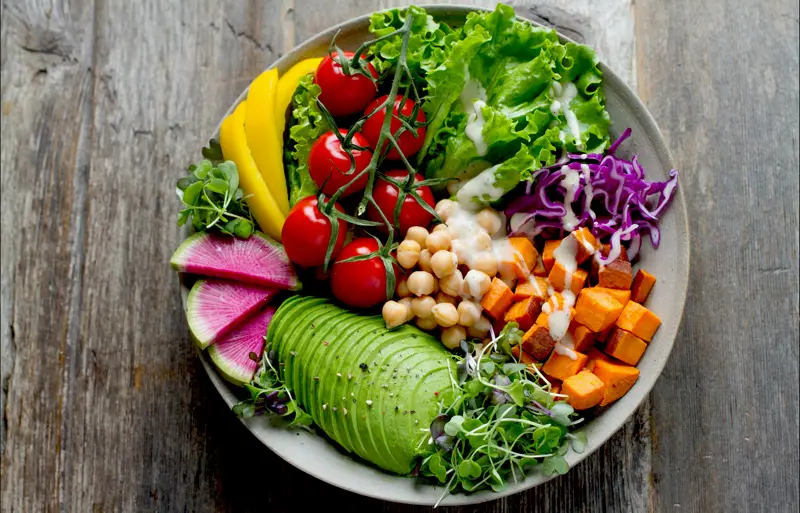
One study found that increasing protein intake to 30% of daily calories led to significant weight loss due to reduced overall calorie consumption (4).
For personalized protein recommendations, consider using our Protein Calculator:
Check out our Protein Calculator to learn how much protein you need to consume daily based on your goals.
The Role of Low-Carb Dieting in Weight Loss
Low-carbohydrate diets have shown effectiveness in promoting initial weight loss. These diets typically involve reducing carbohydrate intake and increasing protein and healthy fats, which can lead to:
- Improved insulin sensitivity, allowing the body to utilize fat more effectively for energy (5).
- Increased satiety due to higher protein and fat consumption, which can reduce overall calorie intake.
- Favorable changes in hunger hormones, potentially decreasing appetite.
While low-carb diets can be effective in the first 6-12 months, their long-term effectiveness is comparable to other diets when it comes to sustained weight loss (6, 7).
Regardless of the diet you choose, it’s essential to:
- Ensure adequate nutrient intake to maintain overall health.
- Incorporate a variety of foods, including vegetables, lean proteins (if not vegetarian or vegan), healthy fats, and low-glycemic carbohydrates.
- Consult with a healthcare professional or a registered dietitian for personalized guidance.
Activity and your weight loss percentage
Exercise and physical activity are vital components of a successful weight loss plan. Regular activity helps:
- Increase the number of calories you burn, allowing for greater flexibility in your diet.
- Build and preserve muscle mass, which enhances your resting metabolic rate.
- Improve cardiovascular health and overall well-being.

Strength training, cardiovascular exercises, and daily activities that keep you moving contribute to a healthier lifestyle. Additionally, exercise can lead to excess post-exercise oxygen consumption (EPOC), where your body continues to burn calories after the workout, especially following high-intensity training (8).
Here’s a handy tool that’ll calculate calories burned based on the exercise of your choice.
Weight loss percentage FAQ
What is the weight loss percentage formula?
Weight lost divided by starting weight, times 100. Losing 15 lb from a starting weight of 160 lb is 15 ÷ 160 × 100 = 9.38%.
What is the weight loss percentage calculator?
It’s a simple tool that allows you to find out the overall percentage of weight loss you have achieved.
Example: If you weigh 150 pounds and lose 10 pounds, your weight loss percentage is: (10 lbs ÷ 150 lbs) × 100 = 6.67%
Keep in mind, the result is relative to your overall body weight. So, someone who weighs less or more and sheds the same number of pounds will have a different percentage.
Can the weight loss percentage calculator help me to lose weight?
While the calculator itself won’t help you lose weight, it can motivate you by tracking your progress. We’ve also provided useful weight loss information above to help you make informed lifestyle changes.
Is the weight loss percentage calculator accurate?
Yes, it’s accurate based on the mathematical calculation of your weight loss percentage relative to your starting weight.
Tracking your weight loss percentage
Tracking your weight loss percentage can be a valuable tool in your weight loss journey. It provides a clear picture of your progress relative to your starting point, helping you stay motivated and on track. Remember to combine healthy nutrition, adequate protein intake, and regular physical activity for the best results.
Ready to take the next step? Use our Weight Loss Percentage Calculator now and keep moving towards your goals!
Also, try our comprehensive Weight Loss Calculator for more personalized insights!
References
- Halton, T. L., & Hu, F. B. (2004). The effects of high protein diets on thermogenesis, satiety and weight loss: a critical review. Journal of the American College of Nutrition, 23(5), 373-385. Link.
- Weigle, D. S., et al. (2005). A high-protein diet induces sustained reductions in appetite, ad libitum caloric intake, and body weight despite compensatory changes in diurnal plasma leptin and ghrelin concentrations. The American Journal of Clinical Nutrition, 82(1), 41-48. Link.
- Paddon-Jones, D., & Leidy, H. (2014). Dietary protein and muscle in older persons. Current Opinion in Clinical Nutrition and Metabolic Care, 17(1), 5-11. Link.
- Foster, G. D., et al. (2003). A randomized trial of a low-carbohydrate diet for obesity. The New England Journal of Medicine, 348(21), 2082-2090. Link.
- Feinman, R. D., et al. (2015). Dietary carbohydrate restriction as the first approach in diabetes management: Critical review and evidence base. Nutrition, 31(1), 1-13. Link.
- Sacks, F. M., et al. (2009). Comparison of weight-loss diets with different compositions of fat, protein, and carbohydrates. The New England Journal of Medicine, 360(9), 859-873. Link.
- Jensen, M. D., et al. (2013). 2013 AHA/ACC/TOS guideline for the management of overweight and obesity in adults. Circulation, 129(25 Suppl 2), S102-S138. Link.
- LaForgia, J., Withers, R. T., & Gore, C. J. (2006). Effects of exercise intensity and duration on the excess post-exercise oxygen consumption. Journal of Sports Sciences, 24(12), 1247-1264. Link.