Last updated: June 2026. FitnessVolt rebuilt this guide with current supplement evidence, safety warnings, a new ingredient decision matrix, updated internal links, and new editorial visuals.
Fat burners can help a small number of people train harder, feel less hungry, or make a calorie deficit easier to follow. They do not melt body fat on their own. The useful question is not “Do fat burners work?” It is “Which ingredients have a realistic effect, what is the risk, and when is the money better spent on food, sleep, or coaching?”
Most fat-loss supplements sit in a messy middle ground. Caffeine can slightly increase energy expenditure and training output. Green tea extract may produce a small average weight-loss effect, but not enough to rescue a poor diet. Capsaicinoids may nudge appetite or thermogenesis. Many flashy blends, especially proprietary stimulant stacks, make claims that go far beyond the evidence.
Key Facts
- Best-supported ingredient: Caffeine has the strongest practical case because it can improve alertness, training performance, and short-term energy expenditure.
- Biggest misconception: A fat burner does not create fat loss unless total calorie intake stays below total energy expenditure.
- Highest-risk category: Stimulant-heavy blends, especially products that hide doses behind proprietary blends or appear in FDA weight-loss product notifications.
- Best use case: Short-term appetite, energy, or training support for healthy adults who already have protein, steps, resistance training, and sleep in place.
What Is A Fat Burner?
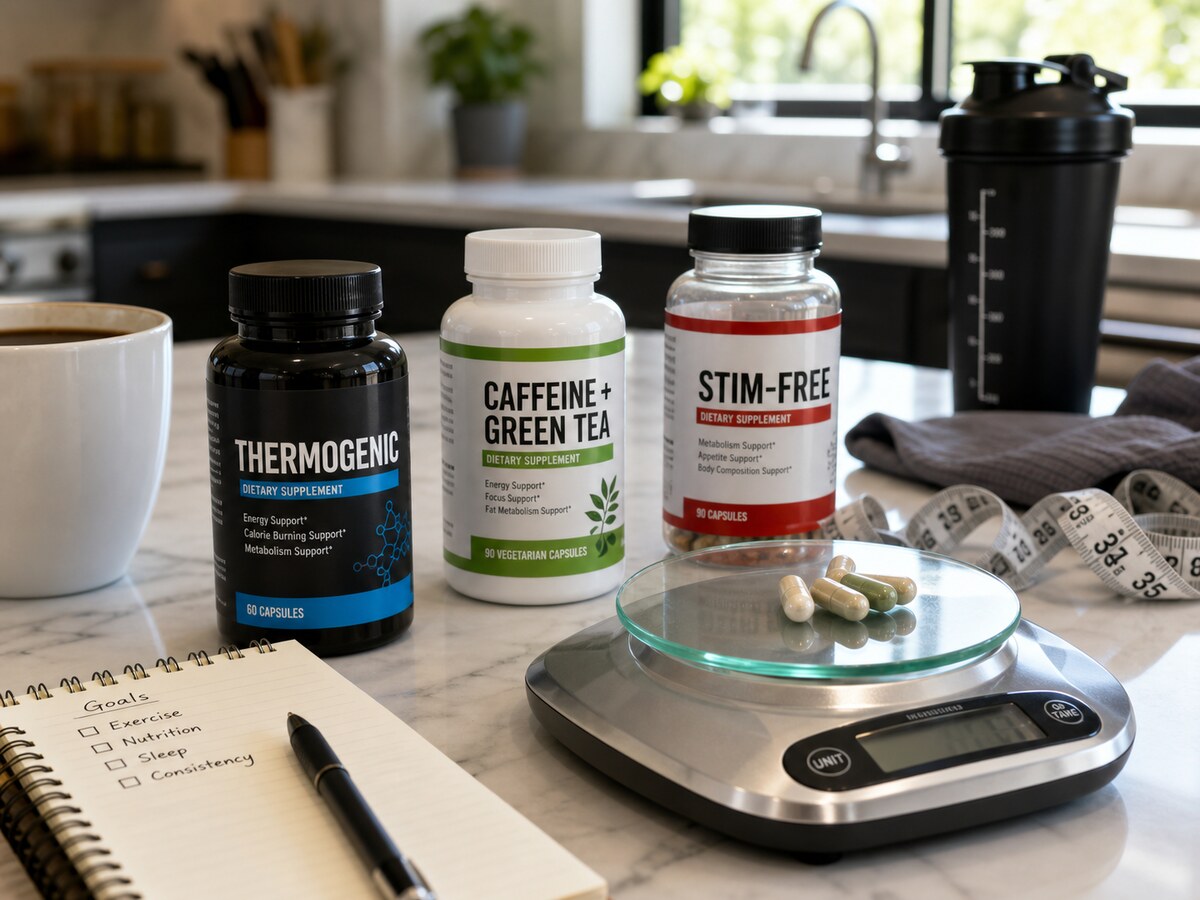
A fat burner is a supplement marketed to increase calorie burning, reduce appetite, improve workout energy, alter fat metabolism, or make dieting feel easier. Some formulas are simple caffeine products. Others combine stimulants, tea extracts, fibers, carnitine, CLA, capsaicin, bitter orange, yohimbine, herbal extracts, and minerals.
The problem is the name. “Fat burner” sounds like a product that directly burns stored body fat. In real life, body fat goes down when you sustain a calorie deficit long enough for your body to use stored energy. Supplements can only influence the inputs around that process: appetite, energy, movement, training quality, adherence, and sometimes a very small change in energy expenditure.
Before buying one, estimate your baseline with the FitnessVolt TDEE calculator. If your calorie target is not set, the supplement decision is premature. A pill cannot fix a deficit you have not built.
Do Fat Burners Actually Work?
Some ingredients can produce a measurable but modest effect. That is different from saying commercial fat-burner products reliably cause meaningful fat loss. Studies usually test single ingredients or controlled doses. Store-bought products often combine multiple ingredients, underdose the useful ones, overdo stimulants, or hide amounts in a proprietary blend.
The most honest answer is this: a fat burner may help if it makes your diet easier to follow, but it should never be the foundation of the diet. If body weight, waist measurement, strength, steps, and hunger are not being tracked, you will not know whether the product helped or whether normal water-weight swings made it look useful.
| Ingredient Or Category | Evidence Quality | Likely Benefit | Main Caution | FitnessVolt Take |
|---|---|---|---|---|
| Caffeine | Moderate | Energy, alertness, training output, small thermogenic effect | Anxiety, sleep disruption, blood pressure, stacking with coffee or pre-workout | Useful for some healthy adults, but total daily caffeine matters more than the label promise. |
| Green tea extract | Mixed to modest | Small average effect on weight or maintenance in reviews | Concentrated extracts can stress the liver in susceptible users | Reasonable only if doses are clear and expectations stay conservative. |
| Capsaicin or capsinoids | Limited but plausible | May slightly affect appetite or energy expenditure | GI irritation, heartburn, low practical impact | Food-first spicy meals are often a better low-risk test than capsules. |
| L-carnitine | Mixed | May help some groups more than trained lean lifters | GI side effects, unrealistic marketing | Not a general-purpose fat burner. See our deeper L-carnitine evidence guide. |
| CLA | Mixed and unimpressive | Small body-composition effects in some analyses | GI issues, possible metabolic concerns in some contexts | Usually not worth prioritizing over protein, steps, or a better diet setup. |
| Bitter orange or synephrine blends | Mixed with safety concerns | Stimulant-like energy and possible appetite effects | Heart rate, blood pressure, stimulant stacking, medication interactions | Skip unless a qualified clinician says it fits your health profile. |
| Proprietary blends | Weak by default | Impossible to judge when doses are hidden | Undisclosed stimulant load, weak dosing, label games | Avoid. If the label hides amounts, you cannot assess risk or value. |
The Ingredients With The Best Case
Caffeine has the strongest everyday case because people can feel its effect and research supports small changes in energy expenditure and weight outcomes. The practical benefit is usually not magic metabolism. It is better training focus, less perceived fatigue, and a short window where hunger feels easier to manage.
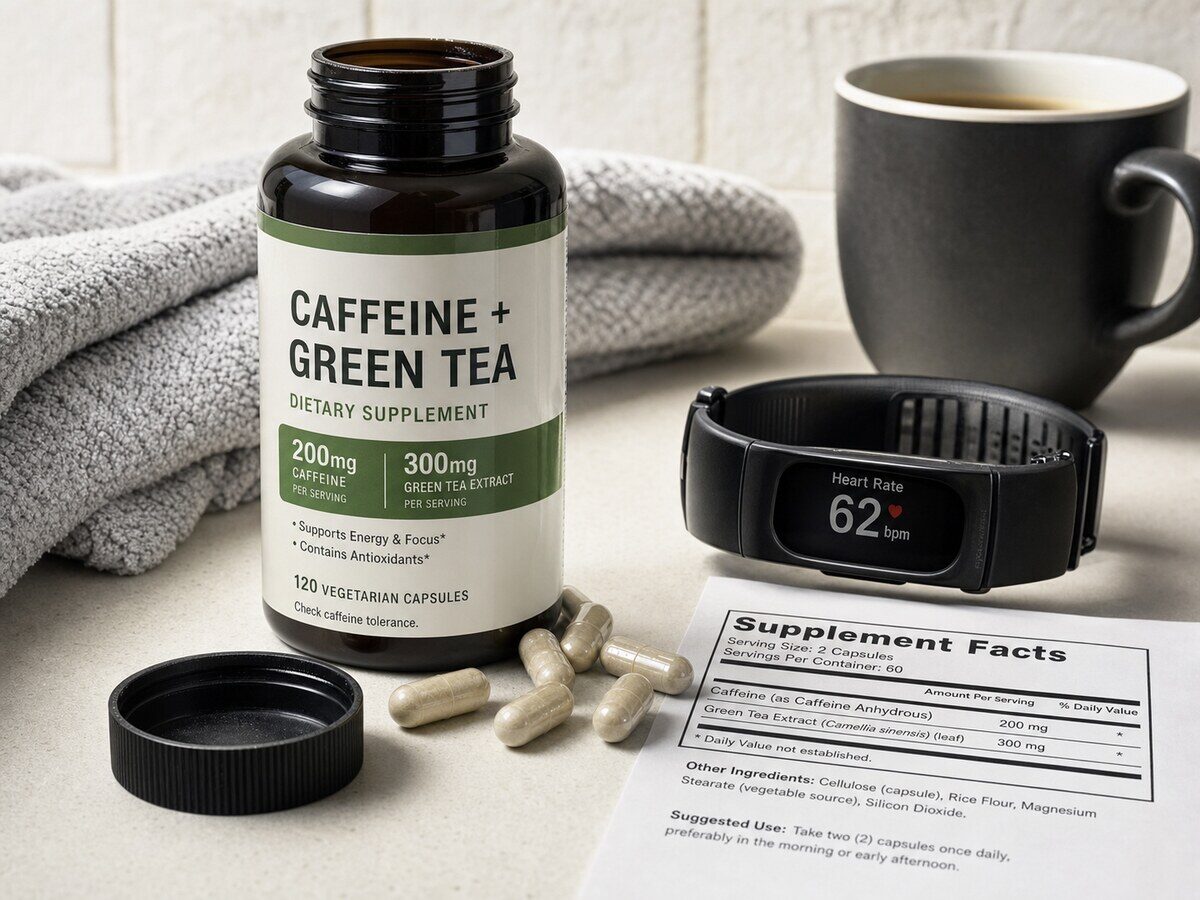
That benefit has a ceiling. More caffeine is not better once it hurts sleep, raises anxiety, or makes you jittery. A fat burner with 200 milligrams of caffeine plus coffee plus a pre-workout can quietly turn into a high-stimulant day. If your sleep gets worse, the supplement may damage the exact behavior that makes fat loss easier.
Green tea extract deserves a more cautious rating. Reviews suggest any average effect is small. Some people respond better than others, and the benefit depends on dose, caffeine status, and adherence. The safety note matters: brewed tea and concentrated extract are not the same risk category. Concentrated extracts deserve more respect, especially if you already have liver concerns or take medication.
Capsaicin and capsinoids have a plausible mechanism, but the real-world impact is small. If spicy meals reduce snacking for you, that is useful. If capsules give you reflux or stomach discomfort, the tradeoff is poor. Small edges only matter when they are easy to sustain.
The Ingredients That Are Usually Overhyped
Many ingredients sound scientific because they appear in metabolism pathways. That does not mean taking them as a supplement produces visible fat loss in trained adults. L-carnitine is involved in fatty acid transport, but that does not make a capsule a shortcut to fat oxidation during a diet. CLA has body-composition research, but the average effect is not impressive enough for most lifters to prioritize it.
Green coffee extract, raspberry ketones, garcinia cambogia, and generic “metabolism complexes” usually deserve skepticism. Some have preliminary evidence, some have inconsistent trials, and some became popular because of television or affiliate marketing rather than strong outcomes. If the product page spends more time on transformation language than clear dose, study design, and safety context, treat that as a warning.
For a food-first approach, use our fat-loss foods guide before buying another bottle. High-protein meals, high-fiber carbs, fruit, vegetables, and planned snacks beat most appetite-control capsules because they solve hunger while adding nutrition.
Safety Rules Before You Take A Fat Burner
Safety starts with the label. If you cannot identify the stimulant dose, skip it. If the product combines caffeine, green tea extract, synephrine, yohimbine, and “energy matrix” language, assume the stimulant load is higher than the front label suggests.
- Check total caffeine: Count coffee, pre-workout, energy drinks, tea, and capsules in the same daily total.
- Avoid hidden-dose blends: Proprietary blends make risk assessment impossible.
- Do not combine stimulants casually: Fat burners, pre-workouts, decongestants, and high-caffeine drinks can stack.
- Stop for warning signs: Chest pain, faintness, severe anxiety, irregular heartbeat, intense headache, or unusual shortness of breath are stop-now signals.
- Ask before using if health risk is present: High blood pressure, heart rhythm issues, pregnancy, anxiety disorder, liver disease, kidney disease, eating disorder history, or medication use changes the risk profile.
- Watch FDA alerts: FDA weight-loss product notifications repeatedly identify products sold for weight loss that contain hidden or undeclared drug ingredients.
Also check the timing. A product that helps you feel less hungry at 3 p.m. but keeps you awake at midnight is a bad fat-loss tool. Poor sleep increases hunger, reduces training quality, and makes the next day harder. If the formula contains stimulants, take it early or skip it.
Who Should Skip Fat Burners?
Skip fat burners if your diet is chaotic, sleep is short, caffeine intake is already high, or you have not tracked a basic weight trend. The supplement cannot tell you whether your calorie deficit exists. It also cannot make an aggressive deficit healthy if you are losing strength, feeling cold, bingeing at night, or fighting constant hunger.
| Situation | Better First Move | Why It Beats A Fat Burner |
|---|---|---|
| You do not know your calorie intake | Track 7 days of food and body weight | You need a baseline before judging any product. |
| You sleep under 6 hours | Fix bedtime, caffeine cutoff, and light exposure | Stimulants may worsen the biggest fat-loss bottleneck. |
| You miss protein targets | Build 3 protein-forward meals | Protein helps satiety and muscle retention during a deficit. |
| You are already anxious or jittery | Choose stim-free habits and talk to a clinician | Most fat burners add stress to the system. |
| Your weight loss has stalled | Use a plateau audit before adding supplements | A stall usually needs calorie, activity, water, or adherence review. |
If you want a supplement comparison after the basics are handled, our fat burner roundup for men and stim-free fat burner guide can help you sort products by use case. Use those as buying filters, not as permission to skip the fundamentals.
How To Test A Fat Burner Without Fooling Yourself
Run a two-week test, not a vibe check. Keep calories, protein, steps, training plan, and weigh-in routine stable. Add only one product. Track hunger, energy, sleep, resting heart rate, mood, training quality, waist measurement, and average body weight. If you change three variables at once, you will not know what worked.
Use a simple decision rule. Keep the product only if it produces a clear benefit without side effects. A clear benefit might be fewer evening cravings, better workout focus, or easier adherence to the calorie target. A clear failure is worse sleep, jitters, headaches, higher anxiety, or no measurable improvement after two weeks.
Fat Burner Myth And Fact Check
| Claim | What The Evidence Supports | Practical Verdict |
|---|---|---|
| “This burns fat without dieting.” | Fat loss still requires a calorie deficit. | False. Marketing language, not physiology. |
| “Thermogenesis means major weight loss.” | Thermogenic effects are usually small. | Maybe useful as a tiny edge, not a strategy. |
| “Natural means safe.” | Natural stimulants and extracts can still cause side effects. | False. Dose, health status, and combinations matter. |
| “Stim-free means risk-free.” | Stim-free formulas can still cause GI issues, interact with medication, or waste money. | Lower stimulant risk, not automatic approval. |
| “More ingredients means stronger.” | Complex blends often hide weak doses or increase side-effect risk. | Prefer transparent dosing over crowded labels. |
How Fat Burners Fit With Training And Diet
The best fat-loss stack is not a stack. It is a repeatable week: protein target, calorie target, resistance training, steps, sleep, and enough flexibility to avoid rebound eating. A supplement can sit on top of that only after the base is stable.
For most lifters, the order of operations is clear. First, set calories and protein. Second, lift 3 to 5 days per week and keep steps consistent. Third, solve meal structure and hunger. Fourth, use caffeine strategically if it improves workouts and does not hurt sleep. Only then should a dedicated fat burner enter the conversation.
If you are new to supplements, start with the basics in our basic supplements for lifters guide. Creatine, protein powder, caffeine, electrolytes, and vitamin D when needed usually have a better evidence-to-cost ratio than most branded fat-loss blends.
What To Buy, If You Still Want One
Buy the least complicated product that matches the job. If you want training energy, a measured caffeine product may be enough. If you want appetite support, food structure and fiber usually beat stimulant escalation. If you want a stim-free product, avoid anything that relies on vague “detox,” “hormone reset,” or “metabolic activation” language.
Use this buying filter:
- The label lists every active ingredient and dose.
- The caffeine amount is clear per serving.
- The product does not promise effortless fat loss.
- The company provides third-party testing or at least transparent manufacturing information.
- You can explain exactly what you expect it to improve: hunger, energy, or adherence.
- You have a stop rule for side effects.
Bottom Line
Fat burners are optional tools, not fat-loss engines. Caffeine has the strongest practical case. Green tea extract and capsaicinoids may help a little. Many other ingredients are overhyped, underdosed, or not worth the tradeoff. If the product hides doses, stacks stimulants, or claims you can lose fat without changing behavior, skip it.
The best outcome is boring: a modest calorie deficit, high protein, consistent lifting, enough steps, and sleep that does not collapse under stimulant use. Get those right first. Then, if a transparent supplement makes the process easier without side effects, it can earn a place.
Sources
- NIH Office of Dietary Supplements: Dietary Supplements for Weight Loss, health professional fact sheet.
- NIH Office of Dietary Supplements: Dietary Supplements for Weight Loss, consumer fact sheet.
- FDA: Weight loss product notifications.
- FDA: Dietary supplements information for consumers.
- Tabrizi et al. Caffeine intake and weight loss systematic review and dose-response meta-analysis.
- Jurgens et al. Green tea for weight loss and weight maintenance in overweight or obese adults.
- Full text: Green tea for weight loss and weight maintenance.
- Whiting et al. Capsaicinoids and capsinoids systematic review.
- Pooyandjoo et al. L-carnitine weight loss systematic review and meta-analysis.
- Shahinfar et al. Nutraceuticals and body weight network meta-analysis.
- Asbaghi et al. CLA supplementation systematic review and dose-response meta-analysis.
- Kanchanasurakit et al. Green coffee chlorogenic acid and body weight systematic review.
- Kulawik et al. p-Synephrine toxicity and pharmacological activity review.
- FDA: Dietary supplements.
- NCCIH: Green tea.
- NCCIH: Bitter orange.
- NCCIH: Garcinia cambogia.
- FDA: Information for consumers on using dietary supplements.