
Fitness Volt
  • Calculadora de Fitness
No Result
View All Result
Fitness Volt
  • Calculadora de Fitness
No Result
View All Result
Fitness Volt
No Result
View All Result
Home » Calculadora de Fitness
Fact Checked
Fact Checked
This article was written by one of our team of experienced writers, and fact-checked by our experts or our editors. The numbers in parentheses (e.g., 1, 2, 3, etc.) throughout the article are reference links to peer-reviewed studies.
Our team of experts includes a board-certified physician, nutritionists, dietitians, certified personal trainers, strength training experts, and exercise specialists.
Read Our Editorial Process

Test de Somatotipo: ¿Eres Endomorfo, Mesomorfo o Ectomorfo? Descúbrelo Gratis

¿A qué tipo de cuerpo perteneces? Descúbrelo con nuestro test y optimiza tu entrenamiento y nutrición para alcanzar tus metas fitness.

Written by Matthew Magnante, ACE and Ash, ACE, MSc

Updated by Tom Miller, CSCS

Translated by Andrea Rojas

Last Updated on23 septiembre, 2024 | 8:30 PM EDT

Add us on Google

BODY TYPES QUIZ

1 of 9

Please choose a option

Traits

  • Endomorph 0.00%
  • Mesomorph 0.00%
  • Ectomorph 0.00%

Endomorph 0.00%

The endomorph body type is associated with a larger frame (bigger joints, wider hips, and a larger ribcage), higher body fat percentage, and many times, plenty of muscle too.

Endomorphs don't need to eat as many calories to gain weight compared to the ectomorph or mesomorph, due to having a slower metabolism.

While this body type may struggle to shed pounds, a consistent caloric deficit (eating fewer calories than what the body needs to maintain its weight) diet, exercise, and willpower are key to dropping excess body fat, and achieving a fit body if that's your goal.

Related:The Top 20 Simple Weight Loss Tips

Endomorphs should take care to not do many high-impact activities such as running and jumping as excess body weight can be very bad for the joints.

Also read: How to Lose Weight Without Dieting – And Keep it Off!

Mesomorph 0.00%

The mesomorph body type is often envied by the other two because it naturally tends to carry a good amount of muscle mass and less body fat.

These individuals can typically gain and lose weight without as much of a struggle but are not excused from gaining too much fat or getting too thin due to diet and lifestyle changes.

Appearance-wise, the mesomorph usually has wider shoulders, a narrower waist, and fuller, rounder muscle bellies. They're oftentimes decently muscled even without training. However, there are thin or skinny mesomorphs, especially during their youth.

A lot of those with a mesomorphic body type will see results with substandard training and diet. However, it's best to follow a proper routine to maximize results.

Build Your Program: How to Design the Perfect Training Plan

Ectomorph 0.00%

The ectomorph body type has a tougher time trying to gain weight, whether in the form of muscle or fat, compared to the other two body types. Consequently, they're often referred to as "hardgainers".

Want to bulk up for faster size gains? Try out this bulking meal plan.

Usually, this is because they have faster metabolisms that cause them to burn calories or energy at a faster rate.

In order to build muscle or fat tissue, the body needs more calories than what it uses for basic bodily functions (breathing, nutrient processing, etc) when in a rested state, which is referred to as metabolic rate.

Get BIG With Our Ultimate Bulking Workout Plan

As a result, they have to either eat more, do less physical activity, or both. Many ectomorphs can eat nonstop and yet still struggle to gain a pound. Although, the solution is to eat more, which is easier said than done especially if they have a small appetite (oftentimes the case).

They often appear thin, long, narrow with smaller frames and joints and tend to have shorter torsos and longer legs. Calves and forearms usually stand out but rather because of their thinness.

Learn to train for your body type.

Ectomorph 0.00%

The ectomorph body type has a tougher time trying to gain weight, whether in the form of muscle or fat, compared to the other two body types. Consequently, they're often referred to as "hardgainers".

Want to bulk up for faster size gains? Try out this bulking meal plan.

Usually, this is because they have faster metabolisms that cause them to burn calories or energy at a faster rate.

In order to build muscle or fat tissue, the body needs more calories than what it uses for basic bodily functions (breathing, nutrient processing, etc) when in a rested state, which is referred to as metabolic rate.

Get BIG With Our Ultimate Bulking Workout Plan

As a result, they have to either eat more, do less physical activity, or both. Many ectomorphs can eat nonstop and yet still struggle to gain a pound. Although, the solution is to eat more, which is easier said than done especially if they have a small appetite (oftentimes the case).

They often appear thin, long, narrow with smaller frames and joints and tend to have shorter torsos and longer legs. Calves and forearms usually stand out but rather because of their thinness.

Learn to train for your body type.

Endomorph 0.00%

The endomorph body type is associated with a larger frame (bigger joints, wider hips, and a larger ribcage), higher body fat percentage, and many times, plenty of muscle too.

Endomorphs don't need to eat as many calories to gain weight compared to the ectomorph or mesomorph, due to having a slower metabolism.

While this body type may struggle to shed pounds, a consistent caloric deficit (eating fewer calories than what the body needs to maintain its weight) diet, exercise, and willpower are key to dropping excess body fat, and achieving a fit body if that's your goal.

Related:The Top 20 Simple Weight Loss Tips

Endomorphs should take care to not do many high-impact activities such as running and jumping as excess body weight can be very bad for the joints.

Also read: How to Lose Weight Without Dieting – And Keep it Off!

Mesomorph 0.00%

The mesomorph body type is often envied by the other two because it naturally tends to carry a good amount of muscle mass and less body fat.

These individuals can typically gain and lose weight without as much of a struggle but are not excused from gaining too much fat or getting too thin due to diet and lifestyle changes.

Appearance-wise, the mesomorph usually has wider shoulders, a narrower waist, and fuller, rounder muscle bellies. They're oftentimes decently muscled even without training. However, there are thin or skinny mesomorphs, especially during their youth.

A lot of those with a mesomorphic body type will see results with substandard training and diet. However, it's best to follow a proper routine to maximize results.

Build Your Program: How to Design the Perfect Training Plan

Mesomorph 0.00%

The mesomorph body type is often envied by the other two because it naturally tends to carry a good amount of muscle mass and less body fat.

These individuals can typically gain and lose weight without as much of a struggle but are not excused from gaining too much fat or getting too thin due to diet and lifestyle changes.

Appearance-wise, the mesomorph usually has wider shoulders, a narrower waist, and fuller, rounder muscle bellies. They're oftentimes decently muscled even without training. However, there are thin or skinny mesomorphs, especially during their youth.

A lot of those with a mesomorphic body type will see results with substandard training and diet. However, it's best to follow a proper routine to maximize results.

Build Your Program: How to Design the Perfect Training Plan

Endomorph 0.00%

The endomorph body type is associated with a larger frame (bigger joints, wider hips, and a larger ribcage), higher body fat percentage, and many times, plenty of muscle too.

Endomorphs don't need to eat as many calories to gain weight compared to the ectomorph or mesomorph, due to having a slower metabolism.

While this body type may struggle to shed pounds, a consistent caloric deficit (eating fewer calories than what the body needs to maintain its weight) diet, exercise, and willpower are key to dropping excess body fat, and achieving a fit body if that's your goal.

Related:The Top 20 Simple Weight Loss Tips

Endomorphs should take care to not do many high-impact activities such as running and jumping as excess body weight can be very bad for the joints.

Also read: How to Lose Weight Without Dieting – And Keep it Off!

Ectomorph 0.00%

The ectomorph body type has a tougher time trying to gain weight, whether in the form of muscle or fat, compared to the other two body types. Consequently, they're often referred to as "hardgainers".

Want to bulk up for faster size gains? Try out this bulking meal plan.

Usually, this is because they have faster metabolisms that cause them to burn calories or energy at a faster rate.

In order to build muscle or fat tissue, the body needs more calories than what it uses for basic bodily functions (breathing, nutrient processing, etc) when in a rested state, which is referred to as metabolic rate.

Get BIG With Our Ultimate Bulking Workout Plan

As a result, they have to either eat more, do less physical activity, or both. Many ectomorphs can eat nonstop and yet still struggle to gain a pound. Although, the solution is to eat more, which is easier said than done especially if they have a small appetite (oftentimes the case).

They often appear thin, long, narrow with smaller frames and joints and tend to have shorter torsos and longer legs. Calves and forearms usually stand out but rather because of their thinness.

Learn to train for your body type.

You can easily embed this Body Type Quiz on your website or blog with one click. Use the below 'Generate Code' tool to get the embedded code.

Copy the below code and paste it in your web page in HTML format anywhere between <body> start and </body> end tag.

Desvele los secretos de su físico con nuestro completo cuestionario sobre el tipo de cuerpo. Determine si es usted endomorfo, mesomorfo, ectomorfo o una combinación única de tipos corporales.

Comprender su somatotipo es crucial para adaptar su viaje de fitness y lograr resultados óptimos. Muchos luchan por progresar debido a un desajuste entre sus rutinas de entrenamiento y las tendencias naturales de su cuerpo. Este artículo proporciona ideas esenciales para ayudarle a maximizar su potencial de fitness.

Teoría del somatotipo: Una perspectiva moderna

De la tipología de Sheldon al análisis moderno

En la década de 1940, el psicólogo William Herbert Sheldon introdujo los somatotipos: ectomorfo, mesomorfo y endomorfo. Sheldon categorizó a los individuos en estos tipos corporales, con el objetivo de comprender la fisiología humana. En términos generales, los endomorfos tienden a tener contexturas más grandes con mayor grasa corporal, los mesomorfos son típicamente atléticos y musculosos, y los ectomorfos suelen ser delgados con estructuras óseas más pequeñas. Aunque innovadora, la teoría de Sheldon ha evolucionado significativamente.

La teoría original de Sheldon incluía algunos elementos controvertidos, como:

  • Asociar los tipos de cuerpo con rasgos de personalidad
  • Utilizar métodos cuestionables para la recopilación de datos
  • Hacer suposiciones inexactas sobre las características físicas

El análisis moderno del somatotipo se centra únicamente en los atributos físicos y las predisposiciones genéticas, descartando estereotipos anticuados y adoptando un enfoque más matizado de la composición corporal.

Comprender los tres somatotipos primarios

Endomorfo: La potencia natural
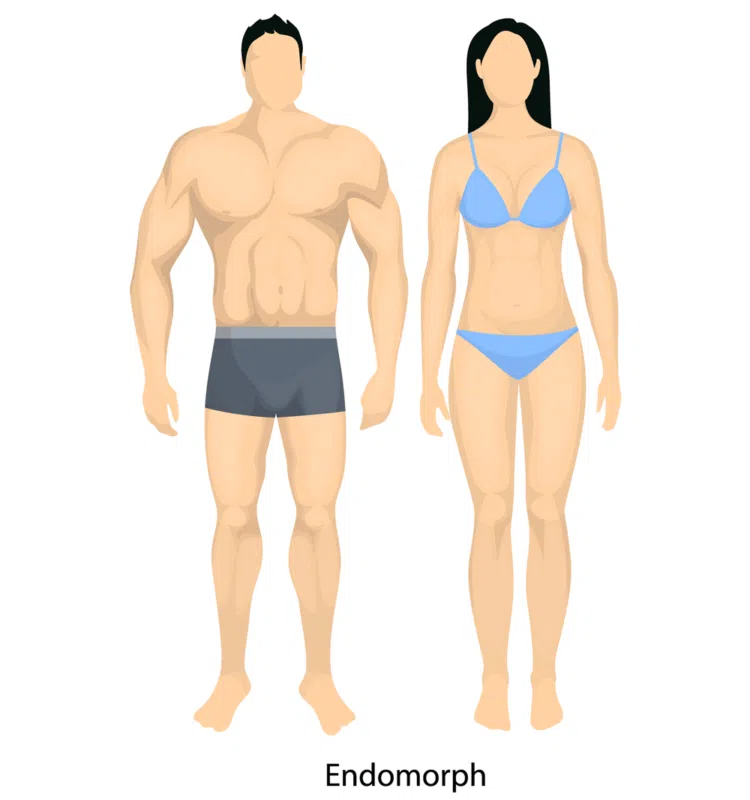
Tipo de cuerpo endomorfo

Get Fitter, Faster

Level Up Your Fitness: Join our 💪 strong community in Fitness Volt Newsletter. Get daily inspiration, expert-backed workouts, nutrition tips, the latest in strength sports, and the support you need to reach your goals. Subscribe for free!

Please wait...
You're In! Let's Crush Your Fitness Goals Together

Expect expert-backed workouts, nutrition advice, the latest in strength sports, and a whole lot of motivation heading your way.

Características clave:

  • Armazón más grande
  • Mayor porcentaje de grasa corporal
  • Importante potencial de desarrollo muscular

Ventajas:

  • Capacidad superior para ganar y mantener masa muscular
  • Sobresale en actividades basadas en la fuerza
  • Adecuado para competiciones de powerlifting y strongman

Desafíos:

  • Puede requerir un esfuerzo adicional para controlar el peso
  • La salud cardiovascular puede necesitar una atención específica

Mesomorfo: El atleta equilibrado
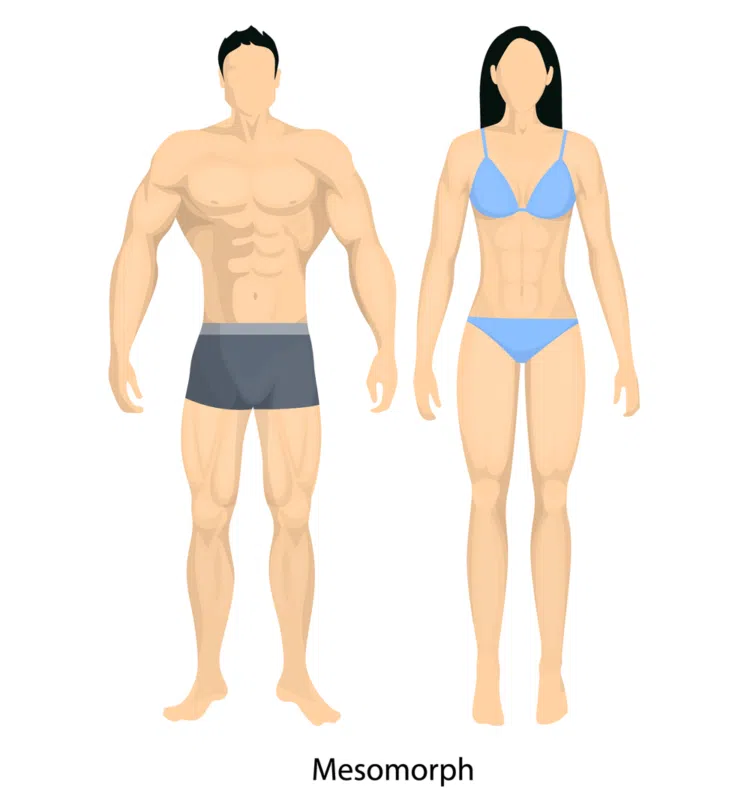
Tipo de cuerpo mesomorfo

Características clave:

  • Complexión atlética
  • Tamaño moderado
  • Proporción equilibrada entre músculo y grasa

Ventajas:

  • Responde rápidamente al entrenamiento de resistencia
  • Mantiene un físico esbelto con menos esfuerzo
  • Versátil para diversos deportes y objetivos de fitness

Desafíos:

  • Puede estancarse sin estímulos de entrenamiento variados
  • Riesgo de dependencia excesiva de las ventajas genéticas

Ectomorfo: La máquina de adelgazar
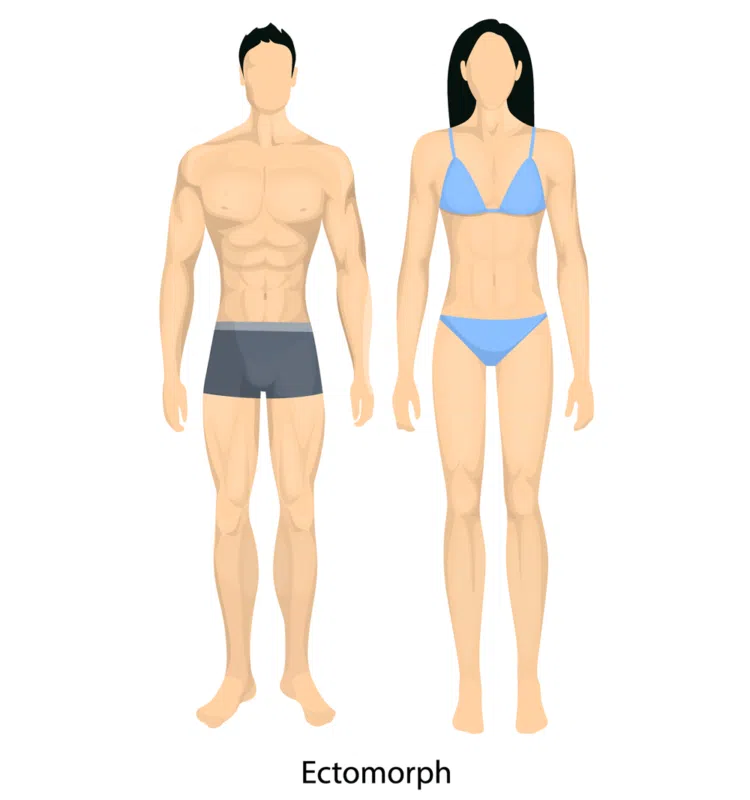
Tipo de cuerpo ectomorfo

Características clave:

  • Complexión delgada
  • Bajo porcentaje de grasa corporal
  • Articulaciones y estructura ósea más pequeñas

Ventajas:

  • Físico naturalmente delgado
  • Excelente definición cuando se gana músculo
  • Potencial para una fuerza relativa impresionante

Desafíos:

  • Dificultad para ganar masa muscular
  • Puede requerir una mayor ingesta calórica para el crecimiento
  • El entrenamiento de resistencia dirigido es crucial para obtener resultados

Más allá de lo básico: Comprender los somatotipos mixtos

Es crucial entender que los somatotipos puros son raros. La mayoría de los individuos presentan una mezcla de características de múltiples tipos corporales. Nuestro cuestionario sobre el tipo de cuerpo tiene en cuenta esta complejidad, proporcionando desgloses porcentuales de su composición única (por ejemplo, 70% ectomorfo, 30% mesomorfo).

Comprender su mezcla única de tipos corporales puede ayudarle a adaptar su enfoque de fitness de forma más eficaz. Por ejemplo, un ecto-mesomorfo podría centrarse en combinar el entrenamiento de fuerza con una nutrición alta en calorías para maximizar las ganancias musculares al tiempo que mantiene un físico delgado.

Varios factores contribuyen a su combinación de tipos corporales:

  • Predisposición genética
  • Hábitos dietéticos
  • Historial de entrenamiento
  • Factores del estilo de vida

Reconocer su mezcla específica es clave para optimizar su enfoque de la forma física y establecer objetivos realistas.

Pruebas científicas: Cómo influyen los somatotipos en el rendimiento y la salud

Comprender la base científica de los somatotipos es crucial para optimizar las estrategias de fitness y los resultados de salud. Investigaciones recientes han proporcionado valiosos conocimientos sobre cómo los diferentes tipos de cuerpo pueden influir en el rendimiento atlético y en los riesgos para la salud, ayudando a las personas a adaptar sus planteamientos de forma más eficaz.

Somatotipos y rendimiento atlético

Investigaciones recientes han arrojado luz sobre cómo influyen los somatotipos en el rendimiento físico:

  1. Fuerza y potencia: Los rasgos mesomórficos muestran una fuerte correlación con un rendimiento anaeróbico superior, destacando en actividades basadas en la fuerza(1).
  2. Fuerza de la parte inferior del cuerpo: Una combinación de características ectomórficas y mesomórficas indica una mayor fuerza en la parte inferior del cuerpo, lo que sugiere una ventaja para ciertos movimientos de potencia.

Somatotipos y consideraciones de salud

Comprender su tipo de cuerpo también puede aportar información sobre posibles riesgos para la salud:

  1. Predisposición a las enfermedades: Los individuos con rasgos mesomórficos o endomórficos dominantes pueden tener una mayor susceptibilidad a enfermedades específicas, potencialmente vinculadas a un mayor peso corporal medio(2).
  2. Variaciones metabólicas: Cada somatotipo puede mostrar respuestas únicas a los cambios dietéticos y al ejercicio, lo que pone de relieve la necesidad de planes de salud personalizados.

Optimizar su forma física en función de su somatotipo

Estrategias centradas en el endomorfo

  • Dé prioridad al entrenamiento en intervalos de alta intensidad (HIIT) para una pérdida de grasa eficaz.
  • Céntrese en los movimientos compuestos para obtener resultados óptimos en el entrenamiento de resistencia.
  • Elija alimentos densos en nutrientes y bajos en calorías para controlar el peso de forma eficaz.

Estrategias de entrenamiento para mesomorfos

  • Implemente un entrenamiento periodizado para superar las mesetas y garantizar un progreso continuo.
  • Equilibre el entrenamiento de fuerza con el ejercicio cardiovascular para un enfoque de fitness completo.
  • Mantenga una ingesta equilibrada de macronutrientes para lograr y mantener una composición corporal ideal.

Maximizar los resultados para los ectomorfos

  • Haga hincapié en la sobrecarga progresiva para un entrenamiento de resistencia y un crecimiento muscular eficaces.
  • Aumente la ingesta calórica con alimentos ricos en nutrientes para favorecer el desarrollo muscular.
  • Dé prioridad a la recuperación para facilitar el crecimiento muscular y evitar el sobreentrenamiento.

Estrategias de fitness para somatotipos mixtos

  • Combine estrategias basadas en sus tipos corporales dominantes para un enfoque a medida.
  • Evalúe y modifique regularmente su estrategia para adaptarse a los cambios en su composición corporal.
  • Céntrese en potenciar los puntos fuertes y abordar los retos de cada tipo de cuerpo de su mezcla.

Más allá de los tipos de cuerpo: Libere su verdadero potencial

Aunque comprender su somatotipo es valioso, es esencial reconocer que la genética es sólo una pieza del rompecabezas. Factores como la nutrición, la constancia en el entrenamiento, la calidad del sueño y el estilo de vida en general desempeñan un papel crucial en la consecución de sus objetivos de forma física.

Recuerde:

  • El tipo de cuerpo es un punto de partida, no un límite definitorio.
  • El esfuerzo constante y el entrenamiento estratégico pueden superar las predisposiciones genéticas.
  • La autoevaluación y la adaptación regulares son esenciales para un éxito sostenido.

Pase a la acción: Descubra su tipo de cuerpo único

¿Listo para optimizar su viaje de fitness? Realice nuestro completo cuestionario sobre el tipo de cuerpo para descubrir su perfil único de somatotipo. Armado con este conocimiento, estará mejor equipado para adaptar sus opciones de entrenamiento, nutrición y estilo de vida para obtener los máximos resultados.

Herramientas útiles para estar en forma: Recursos para mejorar su viaje

Explore estas valiosas herramientas para apoyar sus objetivos de fitness:

  • Calculadora TDEE
  • Calculadora del ciclo de carbohidratos
  • Calculadora de ayuno intermitente
  • Calculadora de ingesta de proteínas
  • Calculadora de macronutrientes
  • Calculadora de aumento de peso
  • Calculadora de pérdida de peso
  • Calculadora de déficit calórico
  • Calculadora de la relación entre hombros y cintura

Profundice en la ciencia del tipo de cuerpo

Amplíe sus conocimientos con estos artículos en profundidad:

  • Guía completa de los tipos de cuerpo masculino (ectomorfos, mesomorfos y endomorfos)
  • Comprender y abordar el físico de los gordos delgados
  • La ciencia de adelgazar: plazos y estrategias

Referencias

  1. Ryan-Stewart H, Faulkner J, Jobson S. La influencia del somatotipo en el rendimiento anaeróbico. PLoS One. 2018 May 22;13(5):e0197761. doi: 10.1371/journal.pone.0197761. PMID: 29787610; PMCID: PMC5963773.
  2. Koleva M, Nacheva A, Boev M. Somatotipo y prevalencia de enfermedades en adultos. Rev Environ Health. 2002 Jan-Mar;17(1):65-84. doi: 10.1515/reveh.2002.17.1.65. PMID: 12088094.

If you have any questions about this article, please feel free to contact Matthew Magnante by leaving a comment below.

Stay on top of the latest fitness news and updates by adding Fitness Volt to your Google News feed: Follow us on Google News You can also follow us on Twitter, Facebook, Instagram, and YouTube for even more content.
Facebook Twitter Reddit Flipboard LinkedIn Pinterest
Categories: Calculadora de Fitness Herramientas
Previous Post

Calculadora de Proteínas: ¿Cuánta proteína necesita al día?

Next Post

Calculadora de Creatina Gratis | Dosis Óptima Según tu Peso

Matthew Magnante, ACE

Matthew Magnante, ACE

Related

No Content Available

Deja un comentario Cancelar respuesta

Tu dirección de correo electrónico no será publicada. Los campos obligatorios están marcados con *

Latest

Calculadora del déficit calórico: Calcule sus necesidades calóricas diarias para perder peso

Calculadora TDEE: Descubre tu Gasto Energético Total Diario

Calculadora 1RM: Calcula tu Máximo de Una Repetición (RM)

Calculadora de Creatina Gratis | Dosis Óptima Según tu Peso

Test de Somatotipo: ¿Eres Endomorfo, Mesomorfo o Ectomorfo? Descúbrelo Gratis

Calculadora de Proteínas: ¿Cuánta proteína necesita al día?

Fitness Volt

At Fitness Volt, our mission is to empower every individual on their fitness journey by providing expert advice, the latest research, and comprehensive resources. Whether you are a beginner or an elite athlete, we are here to support your goals with trustworthy and up-to-date information in strength, fitness, and nutrition. Read more.

For inquiries, please contact us at:
Email: [email protected]

About Us | Careers | Contact Form

Topics

  • Mr. Olympia
  • Bodybuilding
  • Strongman
  • WSM
  • Powerlifting
  • CrossFit
  • Workouts
  • Exercises
  • Training
  • Reviews
  • Nutrition
  • Discussion Forum

More

  • Calculators
  • Fasting
  • Mastering The Deadlift
  • Workout Plans
  • At-Home Workouts
  • Programs
  • Supplements
  • Newsletter
  • Review Process
  • Accessibility
  • Advertise
  • Syndication
  • Sitemap
  • DMCA
  • Copyrights
  • Terms
  • Privacy
  • Cookies
  • Disclaimer

© Copyright 2010 - 2024 Fitness Volt IBC. All Rights Reserved.

No Result
View All Result
  • ¡Vive el Mr. Olympia 2024 en Vivo!
  • Fitness Volt – Español

© Copyright 2010 - 2024 Fitness Volt IBC. All Rights Reserved.