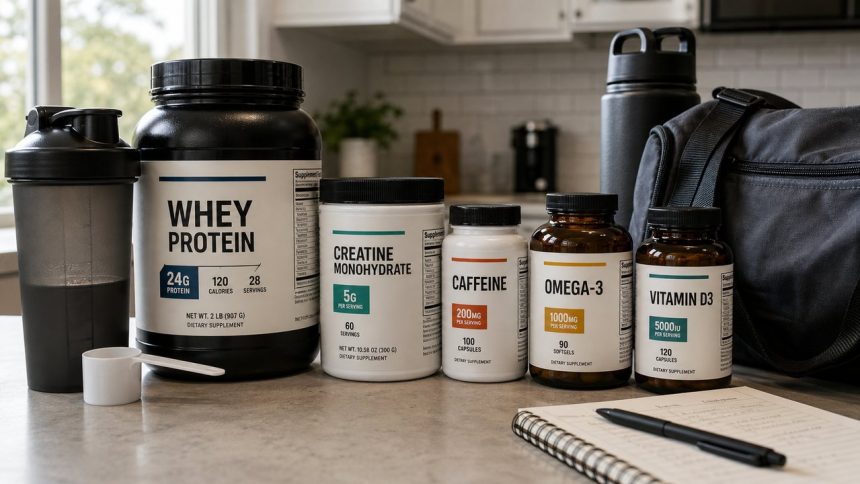
Most lifters do not need a bigger supplement shelf. They need fewer products with better reasons. The supplement aisle is built to make every gap look urgent: energy, pumps, recovery, sleep, hormones, focus, digestion, inflammation, hydration, and the mysterious category of “optimization.” That is how a simple plan turns into twelve tubs and no clear result.
This rewrite replaces the old five-supplement overview with a stricter 2026 filter. A supplement earns a spot only if it solves a defined problem, has human evidence or a clear nutrition rationale, fits your budget, and does not distract from calories, protein, sleep, and progressive training. The basics are not glamorous. That is the point.
The best basic supplements for lifters are the ones that solve common, measurable gaps. Whey or another protein powder helps when food protein falls short. Creatine monohydrate supports strength and power. Caffeine can improve training output. Vitamin D, omega-3, magnesium, or electrolytes only make sense when diet, labs, sweat loss, or intake patterns justify them.
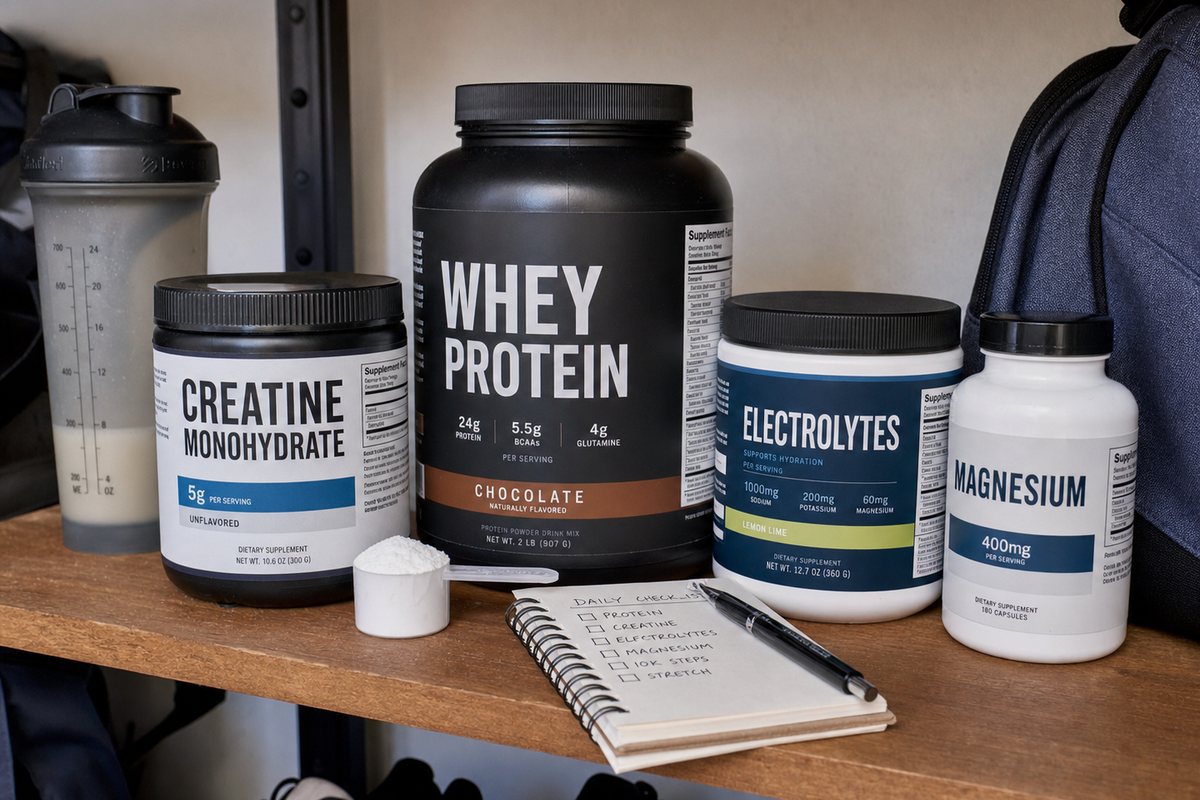
What makes a supplement worth taking?
A supplement is worth taking when it solves a specific bottleneck better than food, sleep, training changes, or a cheaper habit. Protein powder solves convenience. Creatine solves a performance-support gap. Caffeine solves acute alertness and output. Vitamin D solves a low intake or low blood level problem. Random blends solve very little unless the label proves otherwise.
The filter is simple: define the job, check the dose, check the evidence, check the safety issue, and decide how you will know it worked. If the answer is “I just feel like I should take something,” keep your money.
The Supplement Filter
- Problem: What measurable gap does this solve?
- Dose: Does one serving match evidence-based dosing?
- Label: Can you identify the active ingredient and amount?
- Risk: Any stimulant, medication, GI, allergy, or sport-testing issue?
- Exit rule: What result would make you stop buying it?
Is whey protein necessary?
Whey protein is not necessary if you already hit your protein target with food. It becomes useful when meals leave a gap, appetite is low, travel gets messy, or breakfast is consistently too low in protein. For most resistance-trained lifters, a practical daily target is roughly 1.6 to 2.2 grams of protein per kilogram of body weight.
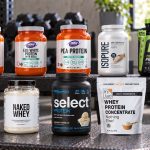
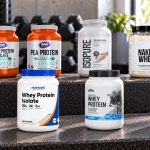
Use powder as a convenience tool, not a diet identity. A scoop in Greek yogurt, oats, or a smoothie can turn a weak meal into a useful one. If dairy bothers you, isolate may sit better than concentrate, and non-dairy protein can work too. Our whey protein guide explains the differences without pretending every tub is the same.
Is creatine monohydrate still the first performance pick?
Creatine monohydrate remains the easiest performance supplement to justify for most strength athletes. It is inexpensive, well-studied, and supports repeated high-intensity effort by helping replenish phosphocreatine. The common daily dose is 3 to 5 grams, with no loading phase required for most readers.
Do not overcomplicate the form. Creatine monohydrate is the default. Gummies, HCl, buffered formulas, and blends may be convenient, but they need to justify price, dose, and label clarity. If a product hides the creatine amount or requires many servings to reach 3 to 5 grams, it is a poor basic choice.
Should you use caffeine before workouts?
Caffeine can improve alertness, perceived effort, and performance, but it is not free recovery. The International Society of Sports Nutrition position stand notes that performance benefits are often seen around 3 to 6 milligrams per kilogram, but many lifters should start much lower to manage jitters, sleep, anxiety, and heart-rate response.
The most underrated caffeine rule is timing. A great pre-workout at 6 p.m. can become a bad sleep supplement by midnight. If caffeine improves today’s session but damages tonight’s recovery, the trade is not automatically worth it. Our pre-workout mistakes guide covers that trap in more detail.
| Supplement | Best Use | Common Dose Check | Skip If |
|---|---|---|---|
| Protein powder | Closing a daily protein gap | 20-30 g protein per serving | You already hit protein with meals |
| Creatine monohydrate | Strength and repeated high-intensity work | 3-5 g daily | You cannot tolerate it after dose changes |
| Caffeine | Acute training energy and focus | Start low before 3-6 mg/kg | It harms sleep, anxiety, or blood pressure |
| Vitamin D | Low intake, low sun, or low lab values | Use lab-informed dosing | You have adequate status already |
| Omega-3 | Low fish intake | EPA/DHA amount matters | You eat fatty fish often or use blood thinners without guidance |
Do lifters need vitamin D?
Lifters need vitamin D when intake, sun exposure, or blood work shows a real gap. Vitamin D matters for bone health, muscle function, and immune function, but more is not always better. The responsible move is to check intake and consider labs, especially if you live at a northern latitude, train indoors, cover most skin, or rarely eat vitamin-D-rich foods.
Do not stack high-dose vitamin D blindly. It is fat-soluble, and excessive intake can create problems. Use the NIH Office of Dietary Supplements fact sheet or clinician guidance for intake limits and lab-based decisions.
Are omega-3 supplements worth it?
Omega-3 supplements are most useful when fatty fish intake is low. The important label detail is EPA and DHA, not just total fish oil. A giant softgel can still provide a small amount of the active omega-3s readers actually care about.
If you eat salmon, sardines, trout, or similar fish twice per week, a supplement may be less urgent. If you never eat fish, an omega-3 product can be reasonable. Check medication interactions, especially blood thinners, and avoid treating omega-3s like a muscle-building supplement. They are a nutrition support tool.
What about magnesium and electrolytes?
Magnesium and electrolytes are context supplements. Magnesium can be useful when intake is low, but it is not a guaranteed sleep or testosterone fix. Electrolytes help most when sweat losses are high, sessions are long, training happens in heat, or the diet is low in sodium because of food choices.
A lifter training for 45 minutes in an air-conditioned gym probably does not need an expensive electrolyte blend every day. A runner, field athlete, outdoor lifter, or heavy sweater in summer may benefit. Match the product to the problem.
Which supplements should beginners skip?
Beginners should skip testosterone boosters, fat burners, BCAA products when protein is adequate, proprietary pump blends with tiny doses, detox products, and anything that promises rapid transformation. Those products often sell urgency instead of measurable value.
Start with food protein, creatine monohydrate, caffeine if tolerated, and lab-informed vitamin or mineral gaps. After that, earn complexity. If you cannot explain what a product does, how much active ingredient it provides, and what result you expect, you are not ready to buy it.
How do you build a supplement stack without wasting money?
Build the stack in layers. First, set calories and protein with the macronutrient calculator. Second, add protein powder only if food falls short. Third, add creatine monohydrate daily. Fourth, use caffeine only when it helps training without hurting sleep. Fifth, consider vitamin D, omega-3, magnesium, or electrolytes based on actual intake, labs, or training conditions.
Run each addition for 4 to 8 weeks before judging it, except caffeine, which is acute. Track a real outcome: protein target hit, reps added, sleep quality maintained, cramps reduced in heat, or blood work corrected. If you cannot track a result, you are probably buying reassurance.
What should you look for on a supplement label?
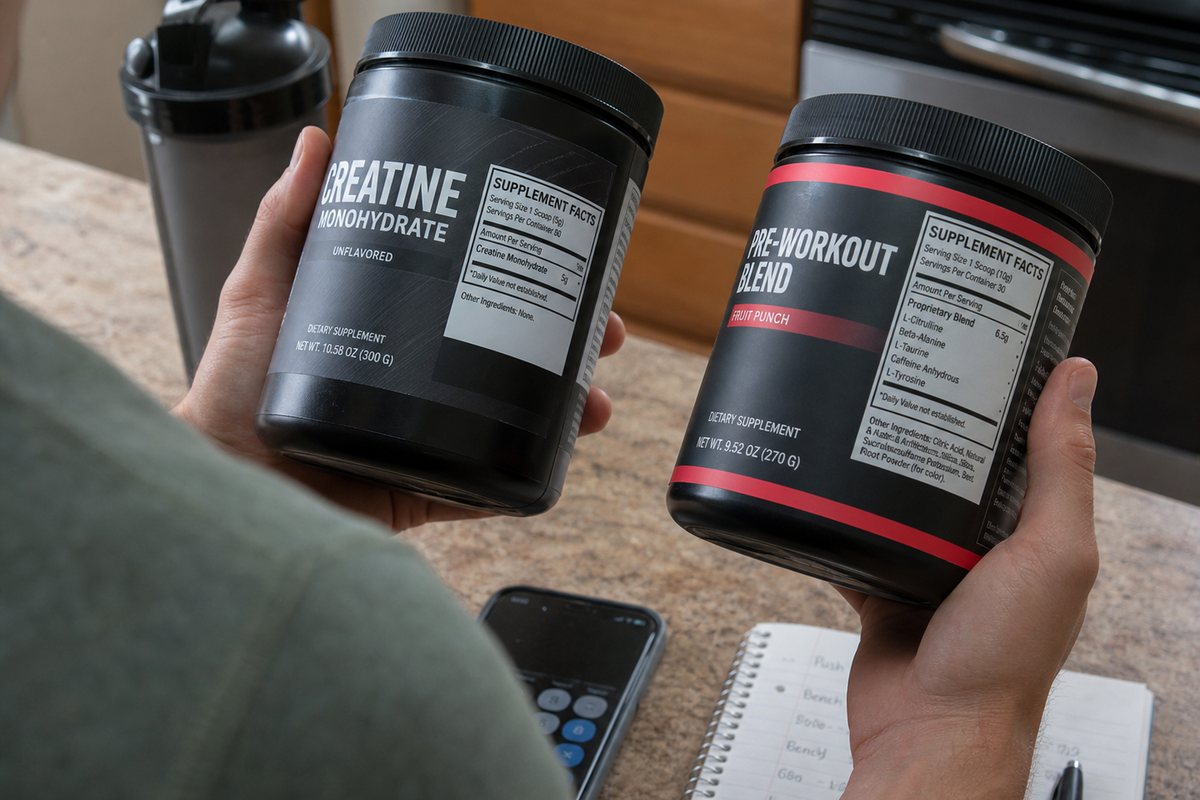
Look for the active ingredient amount, serving size, number of servings, stimulant dose, allergen statement, third-party testing, and whether the formula hides behind a proprietary blend. The label should make the product easier to judge, not harder.
For protein, check grams of protein per serving and protein type. For creatine, check grams of creatine monohydrate per serving. For caffeine, check total caffeine from all sources. For omega-3, check EPA and DHA. For vitamin D, check IU or micrograms and avoid stacking products without realizing it.
How do supplements fit with real training?
Supplements support training; they do not replace it. A perfect creatine routine cannot fix random workouts. A premium protein powder cannot fix a 70-gram daily protein intake. A strong pre-workout cannot fix sleep debt. The boring system still wins.
If your program is the weak link, use our training program guide. If protein is the weak link, use our high-protein foods guide. If you want product-specific help, compare focused review roundups only after you know the ingredient you actually need.
FAQ
What is the number one supplement for muscle growth?
Creatine monohydrate is the easiest performance supplement to justify, while protein powder is most useful when it helps you hit daily protein. Neither works well without progressive resistance training and enough total food.
Do I need BCAAs if I take protein powder?
Most lifters do not need BCAAs when total daily protein is adequate and protein quality is good. Complete proteins already provide essential amino acids, including the branched-chain amino acids.
Are pre-workouts necessary?
No. Pre-workouts are optional caffeine and ingredient blends. They can help energy and focus, but coffee, caffeine tablets, carbs, hydration, and better sleep may solve the same problem more cheaply.
Should I take supplements every day?
Some supplements, such as creatine, work best with daily consistency. Others, such as caffeine, should be used strategically. Vitamins and minerals depend on intake, labs, and clinician guidance.
Bottom line
The best basic supplement stack is short: protein powder if needed, creatine monohydrate, caffeine if tolerated, and targeted nutrients only when there is a real gap. Everything else has to prove its job, dose, safety, and result.
Before buying another tub, write down the problem it solves. If the answer is vague, fix food, sleep, training, and consistency first. A smaller shelf with better reasons will beat a crowded shelf built on hope.
Sources
- Jäger, R., Kerksick, C. M., Campbell, B. I., et al. (2017). International Society of Sports Nutrition Position Stand: protein and exercise. Journal of the International Society of Sports Nutrition. PMID: 28642676.
- Kreider, R. B., Kalman, D. S., Antonio, J., et al. (2017). International Society of Sports Nutrition Position Stand: safety and efficacy of creatine supplementation. Journal of the International Society of Sports Nutrition. PMID: 28615996.
- Guest, N. S., VanDusseldorp, T. A., Nelson, M. T., et al. (2021). International Society of Sports Nutrition Position Stand: caffeine and exercise performance. Journal of the International Society of Sports Nutrition. PMID: 33388079.
- National Institutes of Health Office of Dietary Supplements. (2024). Vitamin D fact sheet for consumers. Accessed June 25, 2026.
- National Institutes of Health Office of Dietary Supplements. (2024). Omega-3 fatty acids fact sheet for consumers. Accessed June 25, 2026.