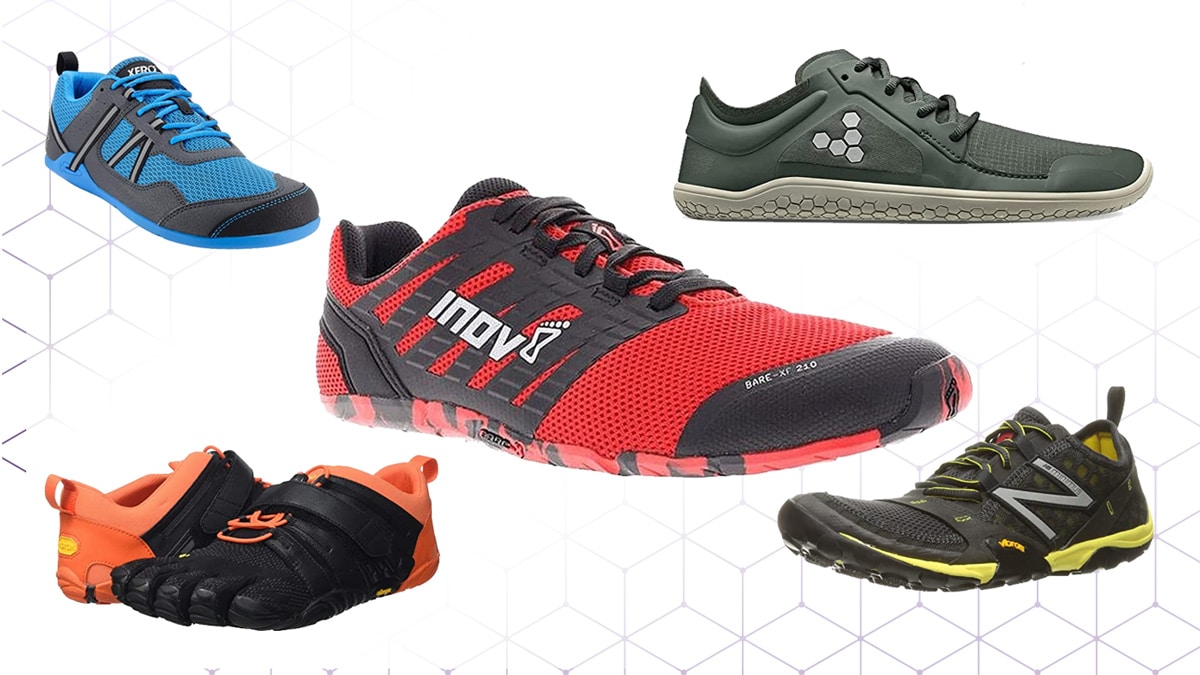
Barefoot shoes can be brilliant for lifting and gym work, but they are not magic injury-proof shoes. The useful promise is simpler: a wide toe box, zero-drop platform, low stack height, and flexible sole can give you better ground feel than thick cushioned trainers. That can be valuable for deadlifts, squats, kettlebell work, balance drills, and short conditioning sessions.
The catch is transition time. If you have spent years in cushioned shoes, your calves, feet, Achilles tendons, and plantar fascia may need weeks or months to adapt. We ranked these shoes for training use, not for instantly replacing every running shoe in your closet.
Quick Picks: Best Barefoot Shoes for Working Out in 2026
- Best overall: Inov-8 Bare-XF 210 V3
- Best for heavy lifts: Vivobarefoot Primus Lite III
- Best toe shoe: Vibram FiveFingers V-Train 2.0
- Best versatile trainer: New Balance Minimus
- Best value durability: Xero Shoes Prio
- Best barefoot feel: Vibram FiveFingers KSO EVO
- Best flexible gym shoe: Merrell Vapor Glove
- Best for short runs and gym days: Xero HFS
- Best breathable knit: Vivobarefoot Geo Racer Knit
- Best budget pick: WHITIN Men’s Cross-Trainer
- Best trail-ready option: Vivobarefoot Primus Trail II FG
How We Tested
We evaluated each shoe across five workout-focused categories: floor feel, lateral stability, toe-box room, sole flexibility, and durability during lifting and conditioning work. We also looked at how each shoe handled deadlifts, squats, lunges, sled work, kettlebell swings, short treadmill intervals, and daily walking.
We scored shoes higher when they had a stable zero-drop platform, a flexible but protective outsole, enough upper security for gym movement, and reliable Amazon availability. We scored them lower if the upper felt sloppy during lateral work, the toe box was narrow, the sole felt too soft for lifting, or the shoe required too many compromises for the price.
Barefoot Shoe Test Data Snapshot
| Shoe | Best for | Ground feel | Toe box | Transition difficulty |
|---|---|---|---|---|
| Inov-8 Bare-XF 210 V3 | All-around gym training | High | Moderate-wide | Moderate |
| Vivobarefoot Primus Lite III | Heavy lifts and daily wear | Very high | Wide | Moderate |
| Vibram V-Train 2.0 | Toe-shoe training | Very high | Toe-separated | High |
| New Balance Minimus | Transitioning from trainers | Moderate | Moderate | Low-moderate |
| Xero Shoes Prio | Durability and value | High | Wide | Moderate |
| Vibram KSO EVO | Maximum barefoot feel | Very high | Toe-separated | High |
| Merrell Vapor Glove | Flexible lifting and walking | Very high | Moderate | Moderate-high |
| Xero HFS | Hybrid gym and short runs | High | Wide | Moderate |
| Vivobarefoot Geo Racer Knit | Breathable daily gym use | Very high | Wide | Moderate |
| WHITIN Cross-Trainer | Budget beginners | Moderate-high | Wide | Low-moderate |
| Vivobarefoot Primus Trail II FG | Trail and outdoor training | Moderate-high | Wide | Moderate |
Our Verdict
Inov-8 Bare-XF 210 V3
The best all-around barefoot-style training shoe here: stable enough for lifting, flexible enough for athletic movement, and secure enough for gym circuits.
Best for: Lifters who want one minimalist shoe for strength training and conditioning
Check Price on AmazonThe 11 Best Barefoot Shoes for Working Out in 2026
1. Inov-8 Bare-XF 210 V3 – Best Overall
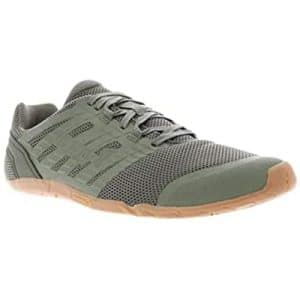
Inov-8 Bare-XF 210 V3
Best OverallPros
- Stable zero-drop platform
- Secure upper for gym circuits
- Better lateral support than ultra-thin barefoot shoes
- Good balance of floor feel and protection
Cons
- Toe box is not as roomy as Vivobarefoot or Xero
- Less barefoot feel than FiveFingers
- Sizing can vary by color
The Bare-XF 210 V3 is the best compromise for most gym users because it feels minimal without becoming flimsy. It gives you enough ground feedback for heavy hinge work and squats, but the upper still locks the foot down when you move laterally or push through conditioning circuits.
Skip this if: you want the widest possible toe box or the most barefoot-like sole on the list.
2. Vivobarefoot Primus Lite III – Best for Heavy Lifts
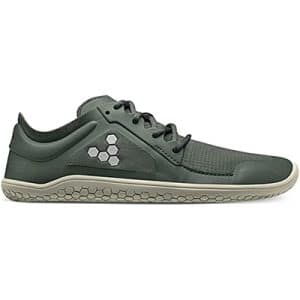
Vivobarefoot Primus Lite III
Best for Heavy LiftsPros
- Wide toe box
- Excellent floor feel
- Light upper
- Stable for deadlifts and squats
Cons
- Expensive
- Minimal cushioning requires transition time
- Not ideal for high-impact plyometrics
The Primus Lite III is the shoe we would pick for lifters who care most about foot spread and floor connection. The wide forefoot gives your toes room to splay under load, and the thin sole makes deadlift setup feel precise.
Skip this if: you want more cushioning for jumps, running intervals, or high-volume HIIT classes.
3. Vibram FiveFingers V-Train 2.0 – Best Toe Shoe
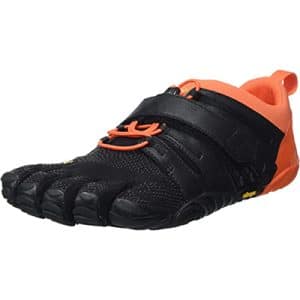
Vibram FiveFingers V-Train 2.0
Best Toe ShoePros
- Individual toe pockets improve ground awareness
- Excellent traction
- Secure strap system
- Great for bodyweight training
Cons
- Toe pockets are polarizing
- Harder to size correctly
- Not subtle for casual wear
The V-Train 2.0 is the most gym-ready FiveFingers option here. It keeps the toe-separated feel Vibram is known for, but adds enough structure and traction for loaded carries, sled work, and machine-free conditioning.
Skip this if: you dislike toe pockets or need a shoe that blends into casual outfits.
4. New Balance Minimus – Best Versatile Trainer
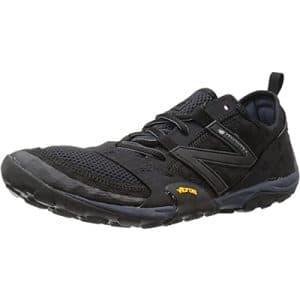
New Balance Minimus
Best Versatile TrainerPros
- Friendlier transition from regular trainers
- More familiar fit than toe shoes
- Good for lifting and short conditioning
- Durable outsole
Cons
- Less barefoot feel than Vivobarefoot or Merrell
- Toe box is not truly wide for every foot
- Some users may want a flatter feel
The Minimus is a smart pick for people who want minimalist training benefits without jumping straight into an ultra-thin shoe. It has enough structure to feel familiar while still being flatter and more connected than most cross-trainers.
Skip this if: you already know you want maximum ground feel and a very wide toe box.
5. Xero Shoes Prio – Best for Durability
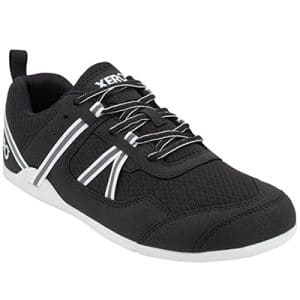
Xero Shoes Prio
Best for DurabilityPros
- Wide toe box
- Durable outsole
- Good value
- Works for lifting, walking, and casual wear
Cons
- More shoe than the thinnest barefoot options
- Upper can feel warm
- Not as sleek as premium picks
The Prio is one of the best value buys in barefoot training because it handles daily wear and gym use without feeling fragile. It is wide, stable, and durable enough for people who want one pair for lifting, walking, and errands.
Skip this if: you want a super-light racing feel or a thin sock-like upper.
6. Vibram FiveFingers KSO EVO – Best Barefoot Feeling
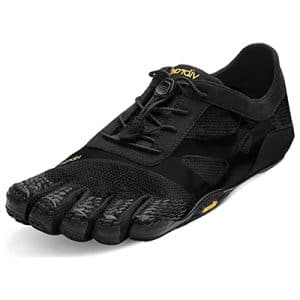
Vibram FiveFingers KSO EVO
Best Barefoot FeelPros
- Extremely flexible
- Very high ground feel
- Lightweight
- Great for balance and bodyweight work
Cons
- Minimal protection
- Requires careful transition
- Toe pockets are not for everyone
The KSO EVO is for people who want the closest thing to training barefoot while still wearing a protective sole. It is excellent for balance, mobility work, and bodyweight training, but it asks more from your feet than most shoes here.
Skip this if: you are new to minimalist footwear or need more protection for loaded gym work.
7. Merrell Vapor Glove – Best for Flexibility
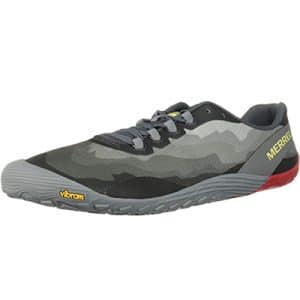
Merrell Vapor Glove
Best Flexible ShoePros
- Very flexible sole
- Light feel
- Good ground feedback
- Easy to wear outside the gym
Cons
- Less lateral lockdown than dedicated trainers
- Thin sole is unforgiving
- Not the best choice for rope climbs or rough surfaces
The Vapor Glove is light, flexible, and comfortable enough to disappear on your foot. It is a strong pick for lifters who want a shoe that bends naturally during lunges, split squats, and mobility-heavy sessions.
Skip this if: your workouts include a lot of lateral cuts, rope climbs, or abrasive gym surfaces.
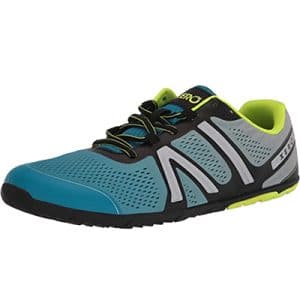
8. Xero HFS – Best for Gym and Short Runs
Xero HFS Running Shoes
Best HybridPros
- Lightweight
- Wide toe box
- Good for walking and short runs
- Works well for general gym days
Cons
- Not enough cushioning for abrupt high-mileage transitions
- Less stable than a pure lifting shoe
- Fit can run long
The HFS is a good hybrid if you want one barefoot-style shoe for lifting, walking, and short easy runs. It is not a maximal running shoe replacement, but it handles mixed training better than the most minimal toe-shoe options.
Skip this if: you plan to jump from cushioned running shoes straight into long runs.
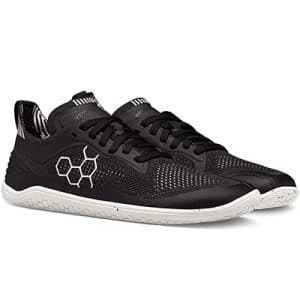
9. Vivobarefoot Geo Racer Knit – Best Breathable Knit
Vivobarefoot Geo Racer Knit
Best Breathable KnitPros
- Breathable upper
- Wide forefoot
- Lightweight
- Strong daily-gym comfort
Cons
- Less secure for explosive lateral work
- Premium price
- Knit upper may not be ideal for rough training
The Geo Racer Knit is the comfort pick for lifters who want a light, breathable barefoot shoe for daily gym use. It is especially pleasant for warm training spaces and lower-impact strength sessions.
Skip this if: you need maximum upper lockdown for aggressive CrossFit-style workouts.
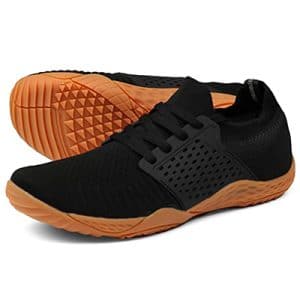
10. WHITIN Men’s Cross-Trainer – Best Value
WHITIN Men's Cross-Trainer
Best ValuePros
- Very affordable
- Wide toe box
- Easy entry point into barefoot shoes
- Good Amazon availability
Cons
- Not as durable as premium picks
- Less refined upper
- Sizing can be inconsistent
WHITIN is the easiest low-cost way to test barefoot training without spending premium-brand money. It is not as polished as Xero, Vivobarefoot, or Inov-8, but the shape and price make it an excellent first experiment.
Skip this if: you already know you love barefoot shoes and want a longer-lasting premium model.
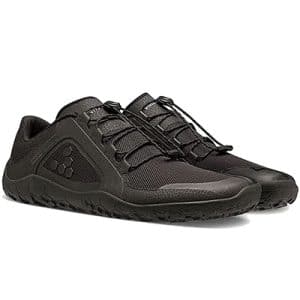
11. Vivobarefoot Primus Trail II FG – Best Trail-Ready Option
Vivobarefoot Primus Trail II FG
Best Trail ReadyPros
- Trail-ready outsole
- Wide toe box
- More protection than road-focused barefoot shoes
- Good for outdoor circuits and hikes
Cons
- Less pure floor feel than Primus Lite
- More expensive than budget trail options
- Overbuilt for indoor-only lifters
The Primus Trail II FG is the best choice here if your training spills outside: hills, trails, outdoor circuits, and rougher surfaces. It keeps the wide barefoot shape but adds enough grip and protection to handle more than smooth gym floors.
Skip this if: you train almost entirely indoors and want the thinnest possible sole.
Who Should Be Careful With Barefoot Shoes?
Do not view barefoot shoes as an instant upgrade if you currently use heavily cushioned shoes for every workout. Start with short lifting sessions, walking, or warm-ups before using them for running or high-volume conditioning. Calf soreness is common during the transition; sharp foot, Achilles, or plantar fascia pain is not something to push through.
Be extra cautious if you have current foot pain, a recent stress fracture, severe overpronation symptoms, neuropathy, diabetes-related foot concerns, or a clinician has told you to use supportive footwear. Barefoot shoes can be useful tools, but they are still tools. The right transition matters more than the shoe.
Products We Tested But Cut
- Ultra-cheap water-shoe lookalikes: rejected because the outsole grip and upper lockdown were not reliable enough for gym work.
- Narrow “minimalist” fashion sneakers: rejected because the toe box did not allow real toe splay under load.
- Max-cushion zero-drop shoes: useful for some runners, but not barefoot enough for this list.
- Older discontinued colorways: skipped when Amazon availability was too inconsistent for readers to buy confidently.
Barefoot Shoe Buying Guide
Zero Drop Is Not the Whole Story
A zero-drop shoe puts the heel and forefoot at the same height, but a good barefoot shoe also needs a wide toe box, flexible sole, and low stack height. Some zero-drop shoes are still heavily cushioned and do not provide much floor feel.
Wide Toe Box Matters for Lifting
During squats, deadlifts, lunges, and carries, your toes naturally spread to create a wider base. A narrow toe box limits that spread and reduces one of the main reasons people choose barefoot shoes in the first place.
Transition Slowly
Start with low-risk training: warm-ups, upper-body days, easy walks, and short lifting sessions. Add volume slowly. If your calves, arches, or Achilles feel beat up, rotate back to regular trainers and build more gradually.
Bottom Line
The Inov-8 Bare-XF 210 V3 is the best all-around barefoot shoe for most gym users because it balances stability, flexibility, and upper security better than the rest. If heavy lifting and toe splay matter most, the Vivobarefoot Primus Lite III is the premium pick. If you want the cheapest sensible entry point, start with the WHITIN Men’s Cross-Trainer.
Whatever you choose, let your feet adapt. Barefoot shoes are best used as a progressive training tool, not a sudden lifestyle overhaul.
Related FitnessVolt Articles
Sources
- Systematic review of barefoot and minimalist footwear strength training
- Minimalist shoe training and foot muscle volume study
- Daily activity in minimal footwear and foot strength study
- Foot core exercises and minimalist footwear systematic review