Beta-alanine is one of the few pre-workout ingredients with a real mechanism, but it still gets oversold. It does not directly build muscle like protein supports muscle protein synthesis. It helps your body build carnosine, which can buffer acidity during hard efforts. That can let some athletes do more quality work in the right training zone.
That distinction matters. If your workouts are mostly heavy singles, beta-alanine is not the first supplement to buy. If you do hard sets, intervals, circuits, or sports efforts that burn for one to four minutes, it becomes more interesting.
Beta-alanine may help performance in repeated high-intensity efforts, especially around 1-4 minutes, by raising muscle carnosine. It does not directly cause muscle growth, but it may support more training volume. Common dosing is about 3.2-6.4 grams per day, split to reduce tingles.
What is beta-alanine?
Beta-alanine is an amino acid that combines with histidine to form carnosine inside muscle. Carnosine helps buffer hydrogen ions during intense exercise, which is one reason beta-alanine is linked to hard efforts that produce that familiar burn.
Your body does not use beta-alanine the same way it uses essential amino acids from protein. It is not a direct building block for new muscle tissue. Think of it as a performance-support ingredient for certain training demands.
Can beta-alanine build more muscle?
Beta-alanine can indirectly support muscle growth if it helps you complete more high-quality work over time. That is the honest answer. More productive reps, better interval output, or improved fatigue resistance can contribute to the training stimulus. The supplement itself is not anabolic in the way marketing often implies.
If calories, protein, progressive overload, and recovery are poor, beta-alanine will not rescue the plan. Our guide to supplements worth taking uses the same filter: supplements earn their place only when the basics are already handled.
What does the research say?
The International Society of Sports Nutrition position stand concluded that beta-alanine supplementation can increase muscle carnosine and may improve exercise performance in specific high-intensity contexts. Meta-analytic work by Saunders and colleagues also supports a performance benefit, with the strongest case in efforts long enough for buffering to matter.
The practical translation is simple: beta-alanine is more useful for repeated sets, metcons, rowing, cycling intervals, combat sports conditioning, and bodybuilding-style density work than for a single maximal deadlift attempt.
Who benefits most?
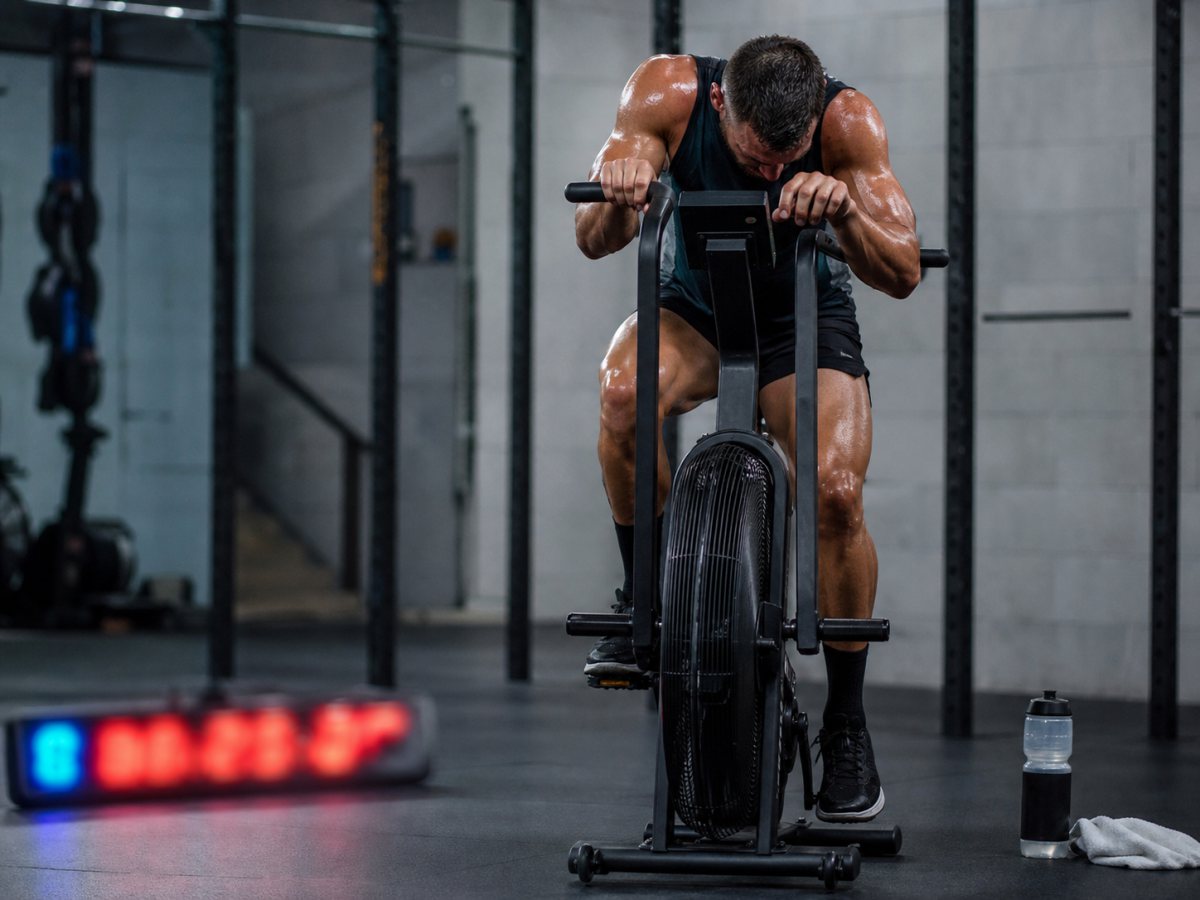
The best candidates are lifters and athletes who regularly hit hard sets of 8-20 reps, repeated sprints, high-output circuits, or conditioning intervals. If your training includes uncomfortable work capacity blocks, beta-alanine has a job to do.
The weakest candidates are people who train casually, skip consistency, or only care about maximal strength in very short efforts. Creatine, caffeine, protein, and a better program usually rank ahead of beta-alanine for those readers.
How much beta-alanine should you take?
Most research and practice center around roughly 3.2-6.4 grams per day. The dose does not need to be slammed before training because beta-alanine works by building carnosine over weeks. Daily consistency matters more than perfect pre-workout timing.
| Goal | Common dose | Practical note |
|---|---|---|
| Start low | 1.6 g twice daily | Good for tolerance testing |
| Standard use | 3.2-4.8 g daily | Works well for most users |
| Higher protocol | Up to 6.4 g daily | Split into smaller doses to reduce tingles |
Why does beta-alanine cause tingles?
The tingling sensation is called paresthesia. It is common, temporary, and dose-related for many users. It does not mean the supplement is working better, and it does not need to be chased. If tingles annoy you, split the dose or use sustained-release products.
Some pre-workouts exploit tingles because users feel something and assume the product is powerful. That is not a good performance metric. Read our pre-workout mistakes guide before judging a formula by sensation.
When should you take it?
Take beta-alanine whenever you can be consistent. Morning, midday, and evening all work. It does not need to be timed exactly before training because carnosine loading is the goal. Pairing it with meals may improve tolerance for some users.
If you already use a pre-workout, check the label so you do not accidentally double-dose. If you prefer simpler training fuel, our pre-workout alternatives guide offers non-stimulant options.
Can you stack beta-alanine with creatine or caffeine?
Yes, beta-alanine can be stacked with creatine or caffeine because they target different performance limits. Creatine supports short high-power efforts. Caffeine supports alertness and perceived effort. Beta-alanine supports buffering in longer hard efforts. The stack only makes sense if the training demands match.
Combination products can be convenient, but labels matter. Our pre-workout with creatine guide is useful when you want performance ingredients without building a supplement shelf from scratch.
Who should skip beta-alanine?
Skip it if you are pregnant, nursing, under medical care without clearance, sensitive to tingles, or already struggling with supplement overload. Also skip it if your budget is limited and you are not yet hitting protein, calories, creatine basics, or a consistent training plan.
Athletes should check current sport rules and batch-tested products. Beta-alanine is not on the WADA prohibited list, but contamination risk is real with low-quality supplements.
What results should you expect?
Expect subtle performance support, not a transformation. You may notice better tolerance for hard sets, intervals, or high-rep finishers after several weeks. You may notice nothing if your training does not depend on that fatigue pathway.
Use a simple test: pick one repeatable workout and track reps, output, rest, and perceived effort for four to eight weeks. If performance improves and nothing else changed dramatically, beta-alanine may be earning its keep.
FitnessVolt bottom line
Beta-alanine is useful, but not magical. It belongs behind protein, creatine, caffeine when appropriate, sleep, and progressive training. Buy it if your sport or workouts include repeated high-intensity efforts. Skip it if you mainly want a muscle-growth shortcut.
The best supplement decision is not “does this work?” It is “does this work for my training problem?” For beta-alanine, that problem is fatigue during hard efforts, not a lack of motivation or a missing meal plan.
How long does beta-alanine take to work?
Beta-alanine is not a same-day stimulant. It works by raising muscle carnosine over time, so most lifters should think in weeks. Some protocols run four to twelve weeks, depending on dose and starting point. If you only take it on random workout days, you are using it like caffeine, which is the wrong model.
Set a four-week minimum trial before judging. Use the same dose daily, track a repeatable conditioning or high-rep performance marker, and keep the rest of the program stable. If your sleep, calories, and training change wildly, you will not know what beta-alanine did.
What workouts are a good test case?
Pick workouts where fatigue accumulates over one to four minutes or repeated hard bouts. Examples include rowing intervals, air bike intervals, high-rep squats, sled pushes, hard accessory supersets, CrossFit-style metcons, combat-sport rounds, and repeated sprint work. These are the places where buffering capacity has a clearer job.
Do not test beta-alanine with a one-rep max. Do not test it by asking whether your arms feel tingly. Test it with output, reps, rest periods, and perceived effort in the same workout repeated over time.
| Training style | Beta-alanine fit | Reason |
|---|---|---|
| Heavy singles | Low | Effort is usually too short |
| Bodybuilding supersets | Moderate | Fatigue and burn can limit volume |
| Intervals and circuits | High | Repeated hard efforts match the mechanism |
| Casual lifting | Low | Consistency and basics matter more |
What side effects matter besides tingles?
Paresthesia is the famous one, but basic tolerance still matters. Some users dislike the sensation enough to skip doses. Others get mild stomach discomfort when taking too much at once. Splitting doses with meals usually solves most practical issues.
Quality control matters too. Use products that are third-party tested when sport rules, drug testing, or contamination risk matter. A clean ingredient can still be a problem if the product is poorly manufactured or bundled with unnecessary stimulants.
How should budget-minded lifters rank beta-alanine?
If money is tight, rank beta-alanine behind food, protein powder when needed, creatine monohydrate, and caffeine if you tolerate it. Those tools solve broader problems. Beta-alanine solves a narrower performance problem. Narrow does not mean useless. It means the supplement has to match the job.
Buy plain beta-alanine only if you know why you want it. If the answer is “my pre-workout has it,” that is not a strategy. If the answer is “my hard intervals fade after the second round,” now the ingredient has a clear test.
Does beta-alanine work better for beginners or advanced lifters?
Beginners usually get more from learning technique, adding consistent volume, and eating enough than from beta-alanine. Their performance is limited by skill, pacing, and program quality before muscle buffering becomes the bottleneck. That does not mean beta-alanine cannot work. It means the return on investment is lower early on.
Advanced lifters and conditioned athletes can make better use of small performance edges because their training is already repeatable. If you know exactly where a set, interval, or circuit falls apart, beta-alanine has a clearer target. The more precise the training problem, the easier it is to judge the supplement.
What should be on the label?
A plain beta-alanine product should list the dose per serving clearly and avoid hiding it in a proprietary blend. If it is part of a pre-workout, check caffeine, yohimbine, niacin, and other ingredients that may affect tolerance. The tingles might come from beta-alanine, but the bad night of sleep might come from the stimulant load.
For tested athletes, third-party certification matters more than flavor or marketing. Look for clear labeling, batch testing when available, and a company that does not make drug-like claims. A boring label is often a better sign than a loud one.
What is the easiest beta-alanine decision rule?
Use beta-alanine when your limiting factor is repeat high-intensity fatigue, not when the limiting factor is poor programming. If your hard sets fail because your lungs and muscles burn before the target muscles are fully trained, it may help. If your sets fail because you skip meals, sleep five hours, or change exercises weekly, fix that first.
The decision rule is intentionally strict because beta-alanine is not expensive but attention is. Every supplement you add should earn a job. For beta-alanine, the job is buffering fatigue during repeat hard efforts. If your current training does not create that problem, save the money or put it toward food.
Sources
- Trexler, E. T., et al. (2015). International society of sports nutrition position stand: beta-alanine. Journal of the International Society of Sports Nutrition.
- Saunders, B., et al. (2017). Beta-alanine supplementation to improve exercise capacity and performance: a systematic review and meta-analysis. British Journal of Sports Medicine.
- Hobson, R. M., et al. (2012). Effects of beta-alanine supplementation on exercise performance: a meta-analysis. Amino Acids.
- World Anti-Doping Agency. (2026). The prohibited list. Accessed June 4, 2026.