

Bodybuilding is complex, as it requires balancing multiple aspects of your life simultaneously. Plus, an athlete must master the three phases of training (bulking, cutting, and maintenance) to achieve their transformation objectives.
You cannot stay in the same phase for too long because it increases the risk of hitting a strength and muscle gain plateau.
As a bodybuilder and personal trainer with almost two decades in the trenches, I can attest that nothing lifts a bodybuilder’s spirits like hearing their coach say, “It’s time to bulk.”
The cutting and maintenance phases are rather straightforward. Don’t get me wrong, dieting down comes with its own set of challenges, but you’re mentally prepared to cut your calories and stick to healthier food options.
These guiderails are removed during the bulking phase, and many athletes incorporate junk food into their diets, aiming to gain weight, strength, and muscle tissue while revving up their metabolism.
The truth is that while these folks might claim they are eating this way to unlock their maximum gaining potential, the reality is that this is rebound eating in action after several months of strict dieting.
I’m here to tell you that healthy eating during the gaining phase can be delicious. In this article, I’ll give you a blueprint for sculpting muscle while staying shredded by giving you a grocery list with foods divided into three categories: lean proteins, complex carbs, and healthy fats. Plus, you’ll also learn how to implement them into your diet with meal prep hacks to save time and keep you consistent.
Why Clean Bulking Matters
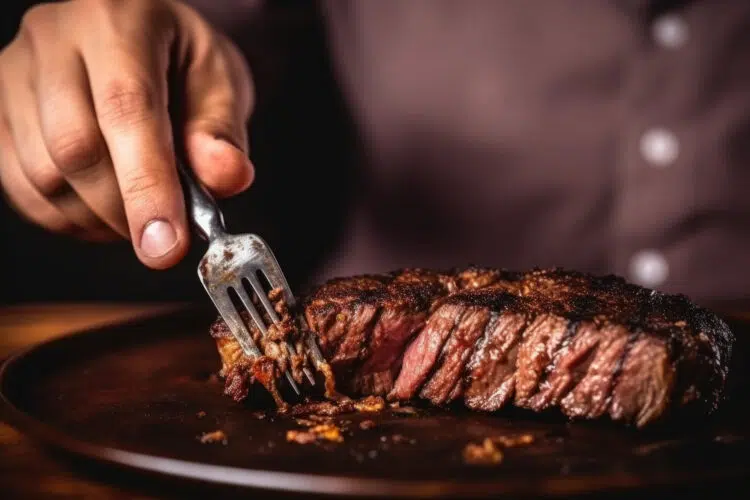
Ever wonder why some bodybuilders sculpt lean, chiseled physiques while others bulk up to look puffy? The answer lies in clean bulking.
For the uninitiated, clean bulking involves fueling your body with nutrient-dense whole foods, like lean proteins (amino acids), complex carbs (energy), and healthy fats (hormone balance), to build muscle without gaining excess fat.
Your body needs precise fuel for triggering hypertrophy after an intense training session. A clean bulking diet delivers just that.
“I’m going to eat and drink whatever I can get my hands on,” is dirty bulking at its peak.
Make no mistake; dirty bulking works, but at what cost? Declining energy levels, visceral fat gain, and increased risk of chronic health issues like hypertension and type 2 diabetes. (1)
On the other hand, clean bulking keeps you in prime shape, helps boost your overall work capacity, and takes you closer to your training objectives, even in the off-season. I think you don’t need any more reasons to believe clean bulking is superior in every aspect, and should be your go-to choice.
The Clean Bulking Grocery List: Overview
Although many understand the importance of choosing clean bulking over dirty, a majority give up as they cannot gain meaningful weight or muscle tissue while eating healthy.
I’ll be the first to admit that finding the right foods and what works for you can take some trial and error. However, I’ve leveraged my experience working with hundreds of clients to build a grocery list that delivers results across the board.
It’s designed for busy lifters who need simple, effective choices to hit their macronutrient goals. The items are broken down into three categories for ease of access and planning.
This grocery list isn’t some over-the-top plan that’s impossible to stick to long-term.
I’ve spent years refining this list and testing it in the kitchen and the gym with my clients, so you can rest assured this works. Besides being practical, it is incredibly affordable, making it suitable for all budgets.
Without further ado, here are the food items that should be a staple in your grocery hauls:
Lean Proteins: The Muscle-Building Foundation
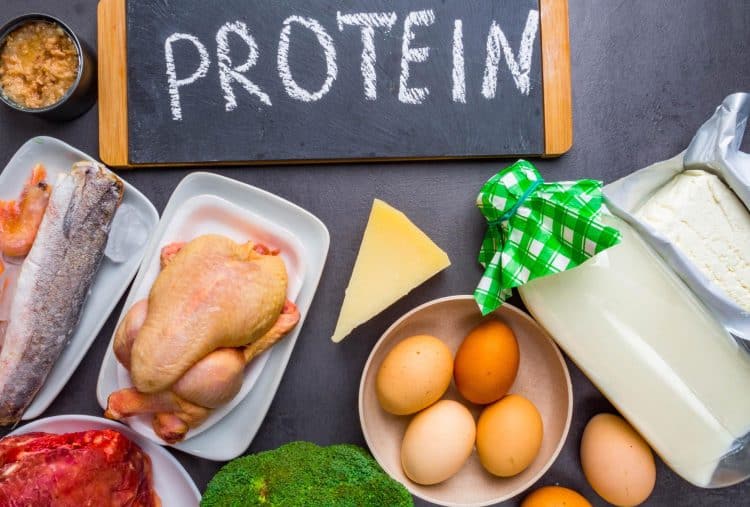
Protein is the building block of muscle and the cornerstone of clean bulking. It helps rebuild muscle tissue after an intense workout, resulting in muscle and strength improvements.
Protein also supports recovery, reduces soreness, and keeps you satiated for extended periods, preventing junk food cravings. You’ll be shooting yourself in the foot if you train hard but don’t meet your daily protein targets.
Coach Tip: Use this total daily energy expenditure (TDEE) calculator to determine your ideal calorie, protein, carb, and fat intake.
Experts recommend aiming for 1 to 2 grams of protein per pound of bodyweight for optimal hypertrophy. (2)
Top Protein Sources For Your Diet
- Chicken breast: A bodybuilding staple, three ounces of this versatile protein source delivers 26 grams of protein.
- Turkey: It’s a low-fat alternative to beef, offering 22 grams of protein.
- Lean beef: Always favor lean ground beef, as it helps avoid excess fat intake. A 93% lean ground beef provides 23 grams.
- Salmon: It packs 22 grams, plus a healthy dose of omega-3s for optimal joint health.
- Tuna: A canned tuna in water yields 20 grams. It’s also one of the most budget-friendly and portable options.
- Eggs: One large egg gives six grams. The yolk contains vitamins and B12 for energy.
- Greek yogurt: A plain, nonfat Greek yogurt delivers 17 grams, making it a perfect choice for snacks.
- Cottage cheese: This is an excellent casein protein source, ensuring a steady supply of the nutrient to all your muscles for an extended period. It offers 14 grams per serving.
- Tofu: One of the best options for plant-based athletes, a half-cup of tofu provides 10 grams of protein.
- Protein powder: It is one of the most convenient sources of protein, with most brands offering 25 grams per scoop.
*The protein contents are for a three-ounce serving of each food item.
Protein-Buying Tips
The quality of these protein sources matters as much as the quantity. For instance, choose grass-fed beef, wild-caught salmon or tuna, free-range eggs, and third-party lab-test whey or casein protein supplements.
Get into the habit of reading food labels before making a purchase decision, and buy in bulk to save cash without sacrificing quality.
Knowing different food options can be incredibly empowering. Not limiting yourself to a few food items in your diet can keep your meals exciting and lower the risk of quitting before achieving your goals.
Complex Carbohydrates: Fuel for Performance
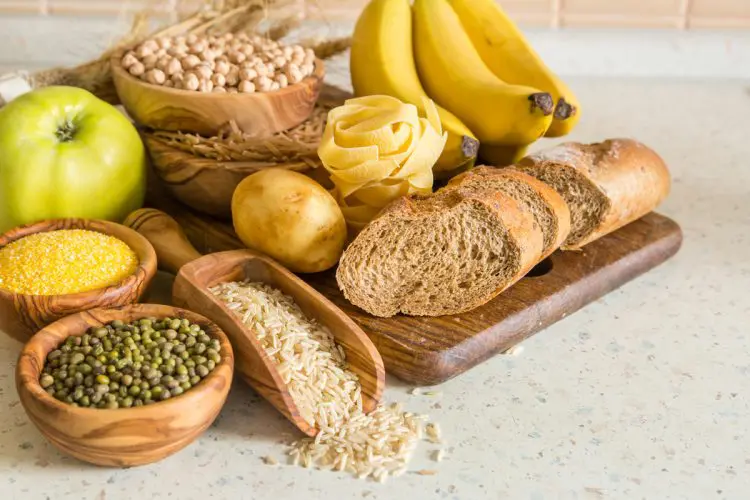
When bulking, the bulk of the calories in an athlete’s diet comes from carbohydrates. Most lifters follow a 40:30:30 split (carbs, protein, and healthy fats) during the off-season to gain size and strength. Some push their carb intake even higher while pulling back the fats to gain muscle density and fullness.
Clean bulking is all about choosing quality carb sources.
Glycogen, derived from carbohydrates, is your body’s primary source of energy. Have you ever noticed your energy levels tanking midset? These are usually when you’ve exhausted your glycogen reserves. This is also why endurance athletes snack on high-carb foods during a workout or competition.
After training, you must restock your glycogen reserves to speed up recovery, so you are ready for the next session.
Many people make the mistake of prioritizing simple carb sources, such as candy and energy drinks, to refuel. However, this is just a quick fix that can hamper your overall recovery.
You must prioritize complex carb sources to ensure a steady supply of energy while avoiding the risk of crashes. These also help support muscle protein synthesis by sparing amino acids for muscle repair.
Best Complex Carb Sources
- Brown rice: Ditch white rice for this variation as it’s more versatile and gets you a better nutritional bang for your buck, delivering 22 grams of carbs per half-cooked cup serving.
- Quinoa: This vegan-friendly food source packs 20 grams of carbs per serving and is a complete source of protein as well.
- Sweet potato: One medium potato delivers 26 grams and is packed with fiber and vitamins.
- Oats: A single serving delivers 27 grams of complex carbs and is perfect for breakfast or pre-workout fuel.
- Whole-grain pasta: A 2-ounce serving yields 40 grams and is one of my go-to choices for post-workout meals.
- Barley: It offers 22 grams and is great for soups or sides
- Legumes: Black beans or lentils pack 20 grams of carbs and are an excellent source of fiber and plant-based protein.
*The carb contents are for a half-cup serving, unless otherwise mentioned.
Portion sizes and timing tips:
Here are a few guidelines for nailing your carb intake:
| Time | Carb Content | Sources |
| Pre-workout | 30-50 grams | 1/2 cup oats with a banana |
| Post-workout | 40-60 grams | Medium sweet potato with chicken breast |
As a rule of thumb, aim for 2-3 grams of carbs per pound of body weight, spread across three to five meals. For a 180-pound lifter, that would equate to 360-540 grams daily.
Healthy Fats: Supporting Hormones and Recovery
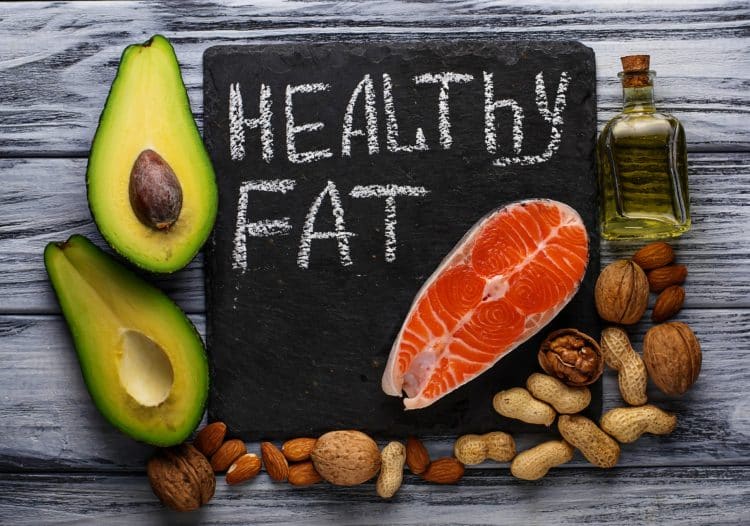
Contrary to what many think, healthy fats don’t increase your risk of weight gain. In fact, they are critical for hormone production and maintaining overall health.
Healthy fats fuel testosterone production, which is a key hormone for strength and muscle gains. They support joint health, reduce inflammation from heavy lifts, and keep you satiated, curbing junk food cravings. They also aid nutrient absorption, supercharging your recovery.
For clean bulking, aim for 20-30% of your daily calories from fat for optimal results.
Most Recommended Healthy Fat Sources
- Avocados: Half an avocado delivers 15 grams of fat, and is packed with monounsaturated fats.
- Almonds: A 1-ounce serving offers 14 grams of fat, plus vitamin E for skin and recovery.
- Walnuts: They pack 18 grams of fat per ounce, with omega-3 for a healthy heart.
- Chia seeds: One tablespoon yields 5 grams along with high doses of fiber.
- Flax seeds: You get 4 grams from a single tablespoon. They are also great for smoothies.
- Olive oil: One tablespoon gives 14 grams. It is also the go-to source for most experts for cooking or dressings.
- Coconut oil: It offers 14 grams of fats per tablespoon, and is perfect for high-heat cooking.
- Fatty fish: A 3-ounce serving has 11 grams and is loaded with omega-3s.
Fats are incredibly calorie-dense, as they pack nine calories per gram, versus four for protein and carbs. Avoid stepping over your daily fat intake goals, or you’ll have to spend a long time on the cardio equipment to repent for it.
You should primarily blend fats into meals for flavor and balance. Drizzle olive oil on roasted veggies, toss chia seeds into your oats, or spread avocado on whole-grain toast for a quick snack.
Meal Planning with the Clean Bulking Grocery List
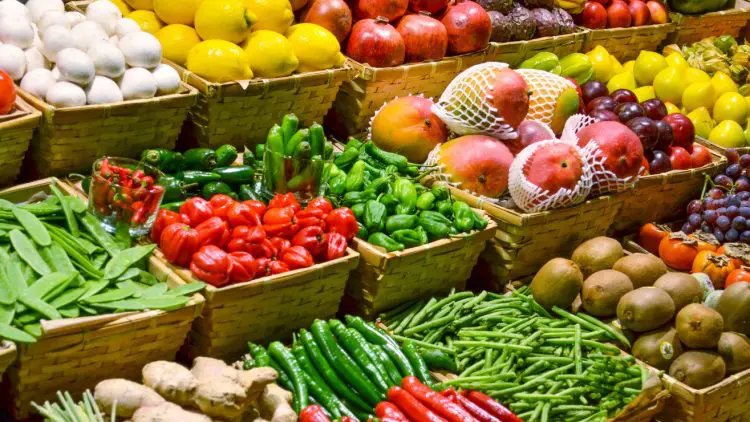
A well-planned clean bulk will not only help you build muscle, but it will also boost your mental toughness and teach you to prioritize long-term results over short-term cravings. That said, here is a sample meal plan for you to try:
Breakfast
- ½ cup oats (27g carbs)
- 2 whole eggs (12g protein)
- 1 tbsp almond butter (7g fat)
Mid-Morning Snack
- 6 oz Greek yogurt (17g protein)
- 1 tbsp chia seeds (5g fat)
Lunch
- 6 oz grilled chicken breast (52g protein)
- 1 cup brown rice (44g carbs)
- ½ avocado (7g fat)
Post-Workout
- 1 scoop whey protein (25g protein)
- 1 medium sweet potato (26g carbs)
Dinner
- 3 oz salmon (22g protein)
- ½ cup quinoa (20g carbs)
- Steamed broccoli (fiber, micronutrients, minimal carbs)
Conclusion
A well-designed, clean bulking diet is as delicious as it is effective. Having the right items in your grocery list can speed up your gains while boosting overall health and well-being.
Make the food items listed above a staple in your diet and customize the meals, recipes, and portion sizes according to your unique lifestyle and goals for achieving every bodybuilder’s dream of building muscle without adding fat. Best of luck!
References:
- Klein S, Gastaldelli A, Yki-Järvinen H, Scherer PE. Why does obesity cause diabetes? Cell Metab. 2022 Jan 4;34(1):11-20. doi: 10.1016/j.cmet.2021.12.012. PMID: 34986330; PMCID: PMC8740746.
- Wu G. Dietary protein intake and human health. Food Funct. 2016 Mar;7(3):1251-65. doi: 10.1039/c5fo01530h. PMID: 26797090.
 You can also follow us on Twitter, Facebook, Instagram, and
YouTube for even more content.
You can also follow us on Twitter, Facebook, Instagram, and
YouTube for even more content.Tip: If you're signed in to Google, tap Follow.