

There was a time when whey protein was considered the undisputed king of sports supplements. However, things are shifting quickly.
Creatine is the new kid on the block and is stealing the limelight from trusted protein powders. Actually, creatine is not that young. It has been around for several decades, but its popularity keeps rising each year.
Adding creatine to your stack can help improve your work capacity, boost your training performance, speed up recovery, and enhance hypertrophy adaptations. (1)
As a personal trainer with almost two decades of hands-on experience, I’ve seen people transform within weeks after starting creatine.
But like with everything else in fitness, there is a lot of confusion and misinformation about creatine, especially how you should be taking it to maximize results. Lifters are always confused between the loading and maintenance phases.
In this article, I will pit both these protocols head-to-head, weighing their pros and cons based on scientific evidence, and give you a clear-cut answer on which one you should be using to get the best bang for your buck.
The Fundamentals of Creatine Supplementation
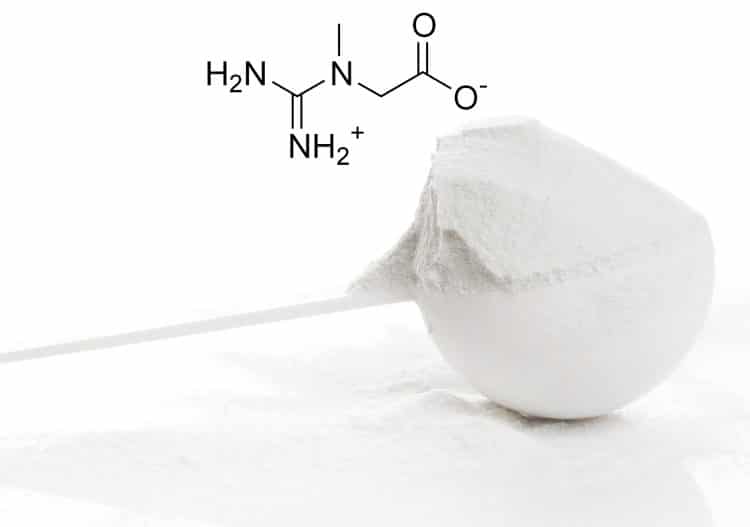
The great thing about creatine is that it is not a synthetic compound. It’s naturally produced in your body from amino acids such as glycine and arginine, mainly in the liver and kidneys, and is stored in your muscles.
You can also get it from foods like red meat and fish, or obviously, through supplements.
Creatine primarily works by amping up adenosine triphosphate (ATP) production, allowing you to crank out more reps (2). Think of ATP as the energy currency for short, explosive efforts. However, during these sessions, ATP breaks down fast, but creatine can help replenish these reserves quickly, boosting your work capacity and overall performance.
So whether you’re training to boost your strength, gain muscle mass, improve your recovery, or go full send in your next HIIT or CrossFit workout, creatine can give you wings.
Things are Getting Complicated
As the creatine trend gathered steam, sports nutrition companies pounced on the opportunity.
Most supplements, when they are launched, are very basic, but that form is usually also the most effective.
Creatine monohydrate is the basic form and is still considered the gold standard for this supplement. It is pure, backed by research from the most well-reputed organizations, and is cheap and effective.
Other versions, like HCL or ethyl ester, promise better absorption, but fall short in trials. If you are just starting out and don’t have super-specific needs, you should stick to monohydrate.
Introduction To the Two Popular Creatine Intake Methods
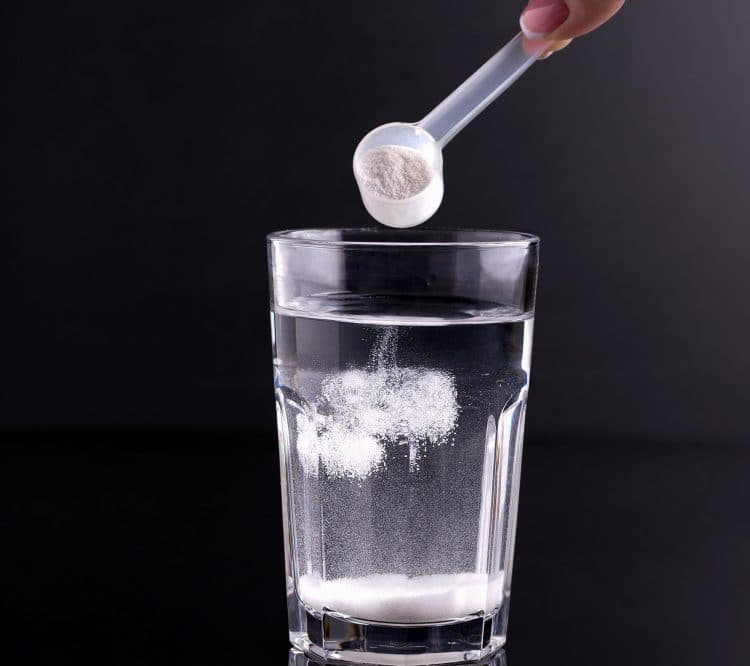
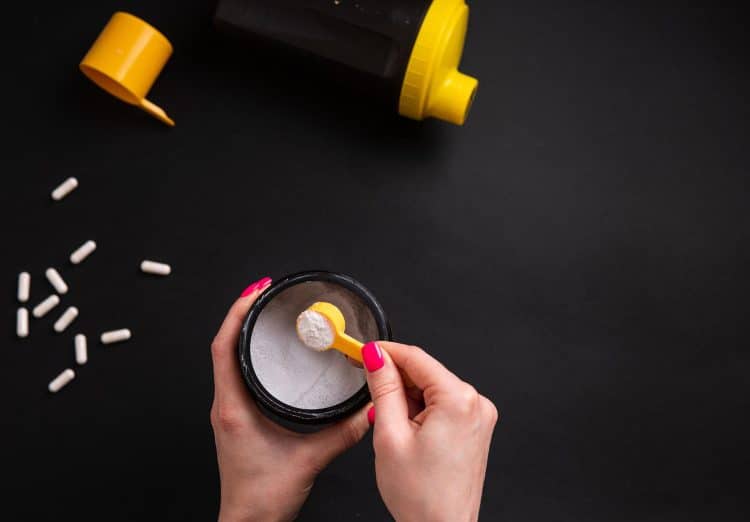
Let’s now get straight to the point. Creatine loading involves slamming 20 grams daily for 5-7 days, split into multiple equal doses throughout the day. Then you drop to 3-5 grams to maintain the creatine levels in your muscles.
This approach saturates your muscles quickly, often in a week or two max, which sparks faster strength gains.
Many of my clients report feeling like the Incredible Hulk within a couple of days of adding this supplement to their routine.
The other approach is much simpler and involves sticking to a 3-5 gram creatine serving from Day One. It usually takes around a month to fill out your muscles’ creatine stores with this approach, but a majority of people prefer this because they don’t want to deal with the muddy texture of this supplement several times throughout the day.
In fact, there is a ton of experimentation happening in the creatine department as several brands have introduced creatine gummies or flavored variants of their hottest-selling products. Nonetheless, most of these products are garbage.
How Muscle Saturation Works: The Science Explained
Your performance during a workout ultimately comes down to how much effort you can put into a session. The creatine levels of your muscles can significantly impact your results.
In healthy individuals who don’t use any supplements, the total muscle creatine average is around 120 mmol per kilogram of dry muscle mass. This can increase up to 160 mmol with supplements, meaning that you are going into each workout at 75% of your capacity.
To maintain these natural levels, you must replenish your creatine reserves by consuming anywhere between 1-3 grams of this supplement daily. You could also do it with your natural diet, but it will become increasingly challenging as most foods contain marginal amounts of creatine.
When you’re using a creatine supplement, muscle saturation involves filling these tanks to maximize output.
An average 70-kilogram (154-pound) person naturally carries about 110 grams of creatine in their muscles without supplementation. When saturated, it can rise to 150-160 grams.
Muscles store creatine mainly as phosphocreatine. And when you hit the saturation cap, any extra just passes through urine in most cases.
Creatine Loading Protocol: The Fast-Track Method
Coach Marcus Hale thinks of creatine loading as a cheat code and uses it at the beginning of each training adaptation phase to speed up his strength and muscle gains and boost recovery.
This shows that creatine loading hits max in 5-7 days, if you’re taking 20 grams daily. (3)
Once you hit these levels at the end of the week, you switch to the maintenance phase, which involves taking 3-5 grams of creatine daily. So essentially, you are then switching to the slow saturation method.
It’s like speeding when the cops are not looking and then slowing down when you are under the radar.
Coach Tip: Closely monitor when you take these multiple creatine doses, as the timing can impact your gut health. I have seen cases where taking creatine post-meal has led to an upset stomach.
Dr. Lena Voss, a sports nutrition expert who has guided Olympic weightlifters for over a decade, explains: “Loading bridges the gap for athletes under tight timelines, delivering measurable strength surges that align with peak performance demands.”
Drawback of the Loading Approach
Although the loading phase can lead to rapid muscle creatine saturation, faster strength boosts, and give you a performance edge, you must also consider its potential drawbacks.
High doses can trigger nausea or diarrhea in some. Experts recommend beginners start with a smaller dose for a week and then switch to the creatine loading phase, if you want to take this route.
Many people also experience 1-3 pounds of temporary bloat as cells pull in fluid. While this is short-term, it is a turn-off for many.
To be honest, the loading phase isn’t always necessary. If your goals stretch months, you might be better off with the following approach:
Slow Saturation Protocol: The Steady and Sustainable Approach
I have tried the loading phase on several occasions, but it has never worked for me. I could never keep up with all these doses along with my busy schedule.
If loading feels a little too much to you, too, the slow saturation approach is what you need.
Frankly, I don’t know why this approach is called the slow protocol.
Any fitness pro would tell you that a month is nothing when it comes to chasing your dream physique, but when it comes to maxing out your muscle creatine levels, 28 days is made out to be a big deal.
The slow saturation approach, also known as the maintenance phase, involves taking 3-5 grams of creatine from Day One. Staying consistent is the most important thing when it comes to making the most of this approach.
You could mix creatine into your morning shake, pre-workout drink, post-workout whey protein shake, or drink it before going to bed.
Furthermore, this gradual build-up dodges the side effects that you might encounter during the loading technique. It is also more cost-effective as you don’t have to consume 140 grams of creatine within a week.
The most important factor is that it delivers the same results as the loading phase over any period longer than four weeks. This makes this approach a no-brainer for me.
Dr. Elena Reyes, who has optimized nutrition for elite cyclists for over 14 years, affirms: “Slow saturation fosters compliance and minimizes risks, allowing athletes to focus on training rather than managing supplement side effects.”
Choosing the Right Protocol: Personalized Recommendations
Now that you know about both these approaches, let’s talk about which is the better one for your unique needs.
Who Should Load:
- Those seeking instant boosts: Serious trainers occasionally need rapid strength jumps, and they could benefit from the loading phase as it floods their muscles with creatine and can support increased training demands.
- Athletes with deadlines: Creatine is turning out to be an excellent supplement for sports athletes as it leads to explosive strength gains (4). If you have a competition looming in under two weeks, the faster phase could help your ambitions.
Who Should Go Slow:
If you are a recreational lifter, you are better off taking the slower path, as you will be getting the same long-term results anyway, so you don’t need to push hard upfront.
Interestingly, if you are a seasoned gym-goer, you might also benefit from the slower saturation approach, as your muscles will already be reacting faster to more challenging loads. This is also the right pick if you are dodging bloat and stomach discomfort.
Here is a small self-assessment quiz I whipped up that will help you make the final decision:
| Goals | Suggestion |
| Are you prepping for a contest? | If yes, load up. |
| Does your stomach rebel against high doses? | Go slow |
| Aim for gains over months, not days? | Slow fits |
| New to lifting? | Start slow to test the waters |
| Health flags like kidney concerns? | Slow, and talk to pros. |
All in all, 80-90% of people should go with the slower saturation approach, in my opinion.
Busting Creatine Myths
Creatine has its fair share of myths, but none have scientific evidence backing them.
The most common misconceptions are that creatine causes bloating and that it’s only for bodybuilders.
Although creatine pulls water into your muscles, which can add temporary puffiness, it fades with time. It does not lead to fat gain but just a fuller look, which is always welcome.
Also, you shouldn’t limit yourself if you are not into resistance training. Creatine can power your workouts even if you are a runner, cyclist, or football player, as it improves recovery and enhances explosive energy production.
Practical Tips and Best Practices for Success
Now that you probably have an idea of which approach you should take, here are a few tips that can unlock your maximum potential.
- Timing: You could consume creatine at any time during the day, but make sure you are consistent. For a slight edge, down it post-workout with carbs, like a banana, as it can spike insulin and shuttle it into muscles faster.
- Hydration: Irrespective of which approach you take, you must ensure that you are drinking enough water throughout the day to support creatine absorption and avoid muscle cramps. Aim for 3 liters of water daily for optimal results.
- Sourcing and Quality: Save your time and money and go with creatine monohydrate. Opt for reputable brands that undergo third-party testing to ensure the best quality.
Conclusion
Whether you opt for the loading or maintenance phase will ultimately come down to your immediate goals. Downing 20 grams of creatine daily might be the right choice if you’re chasing fast strength gains. In almost every other situation, you will be better off sticking with the maintenance phase. Best of luck!
References:
- Gutiérrez-Hellín J, Del Coso J, Franco-Andrés A, Gamonales JM, Espada MC, González-García J, López-Moreno M, Varillas-Delgado D. Creatine Supplementation Beyond Athletics: Benefits of Different Types of Creatine for Women, Vegans, and Clinical Populations-A Narrative Review. Nutrients. 2024 Dec 29;17(1):95. doi: 10.3390/nu17010095. PMID: 39796530; PMCID: PMC11723027.
- Cooper R, Naclerio F, Allgrove J, Jimenez A. Creatine supplementation with specific view to exercise/sports performance: an update. J Int Soc Sports Nutr. 2012 Jul 20;9(1):33. doi: 10.1186/1550-2783-9-33. PMID: 22817979; PMCID: PMC3407788.
 You can also follow us on Twitter, Facebook, Instagram, and
YouTube for even more content.
You can also follow us on Twitter, Facebook, Instagram, and
YouTube for even more content.Tip: If you're signed in to Google, tap Follow.