

Archer Push Up vs Band Bench Press: Complete Comparison Guide
Archer Push Up vs Band Bench Press — two chest-focused compound moves that look similar on paper but load your pecs and stabilizers very differently. You’ll get a direct comparison of primary and secondary muscle activation, equipment needs, difficulty, progression options, and clear technique cues so you can pick the right exercise for your program. I’ll show rep ranges (3–6 for strength, 6–12 for hypertrophy), joint angles and force-vector differences, plus simple progressions and safety tips so you can train smarter and protect your shoulders while maximizing chest growth.
Exercise Comparison
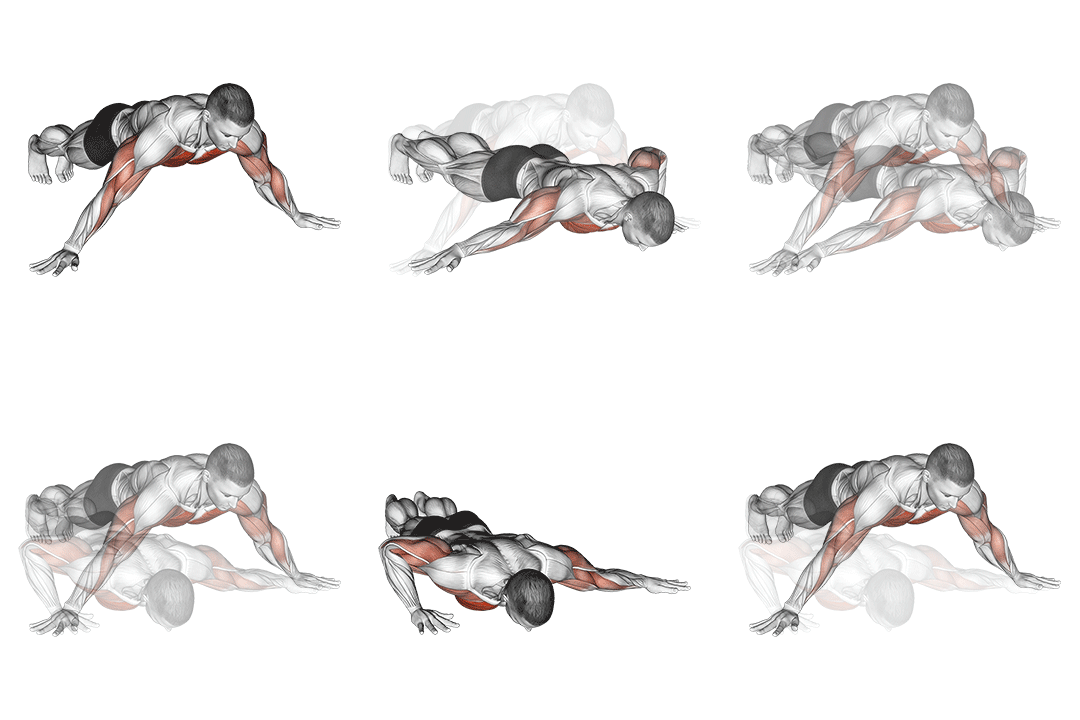
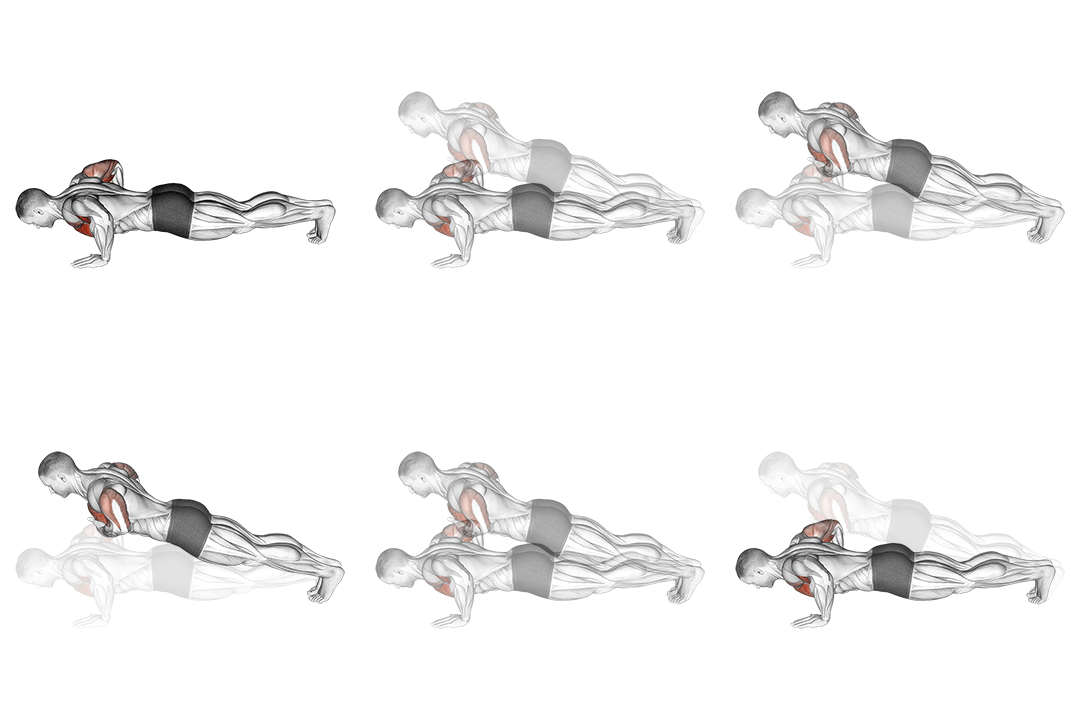
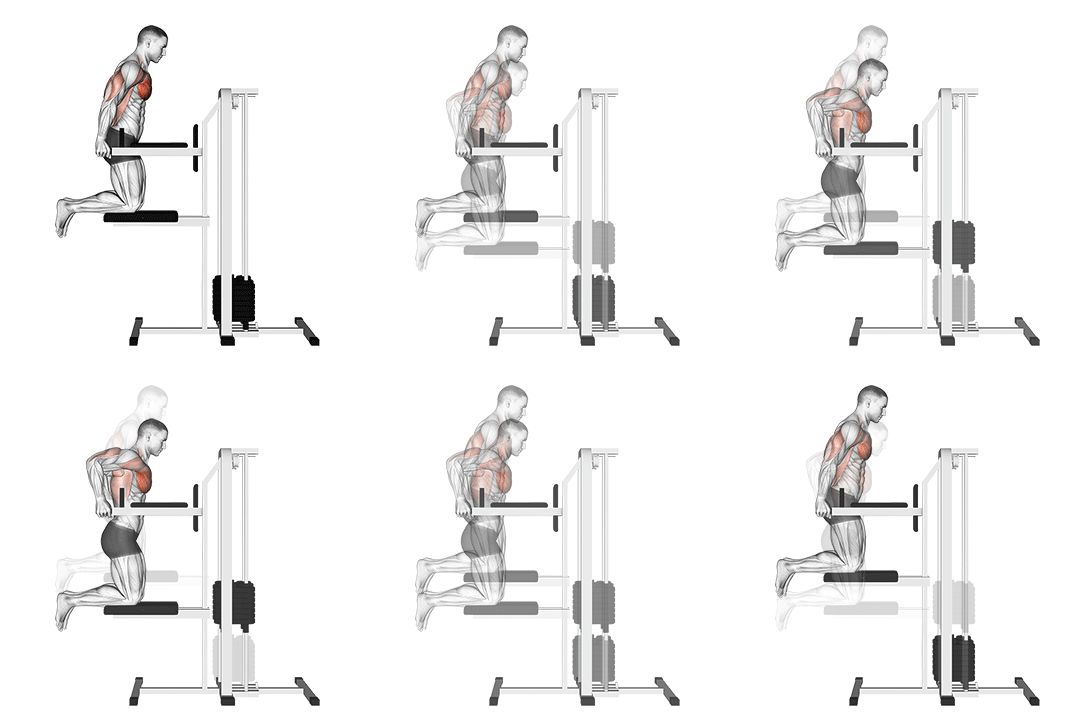
Archer Push Up
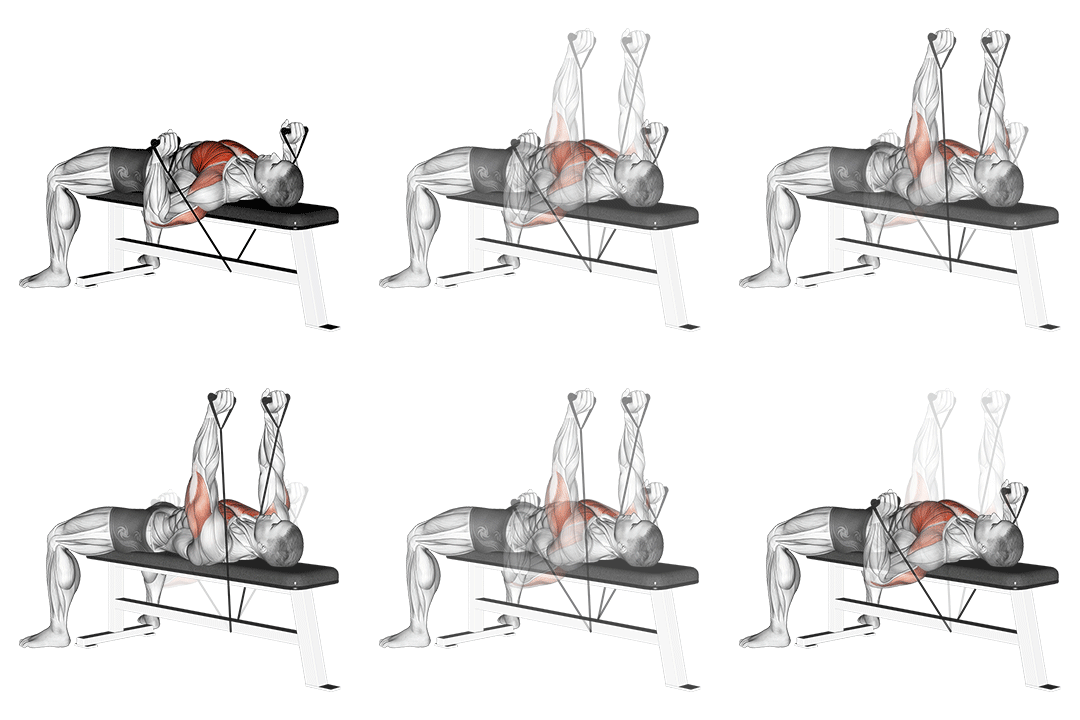
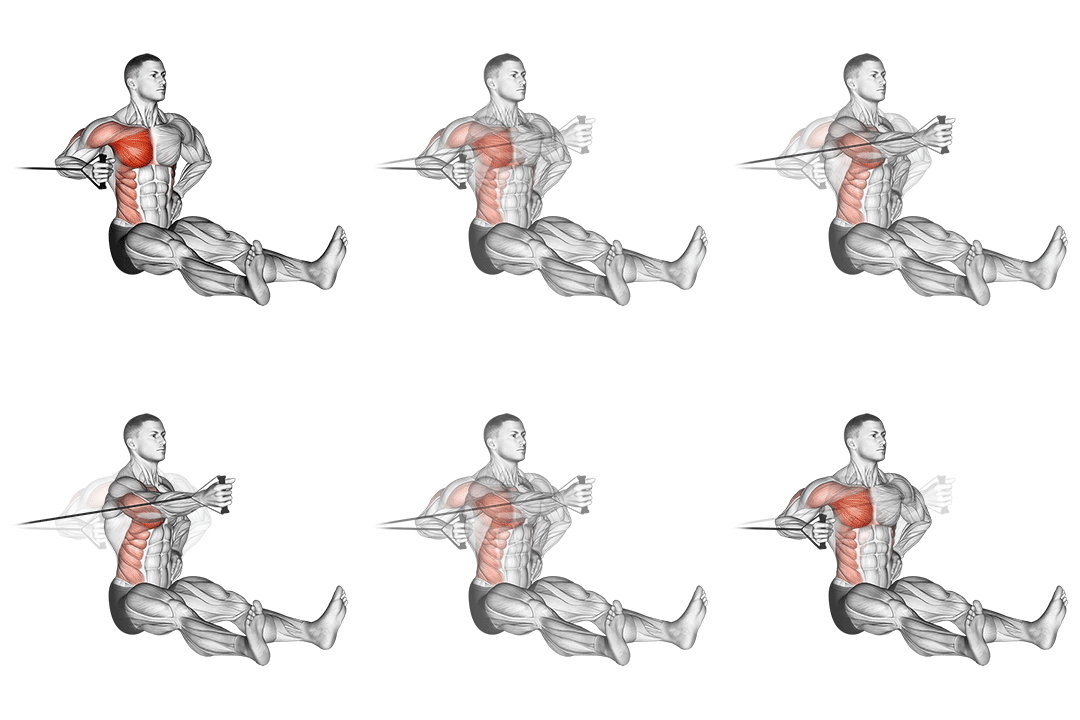
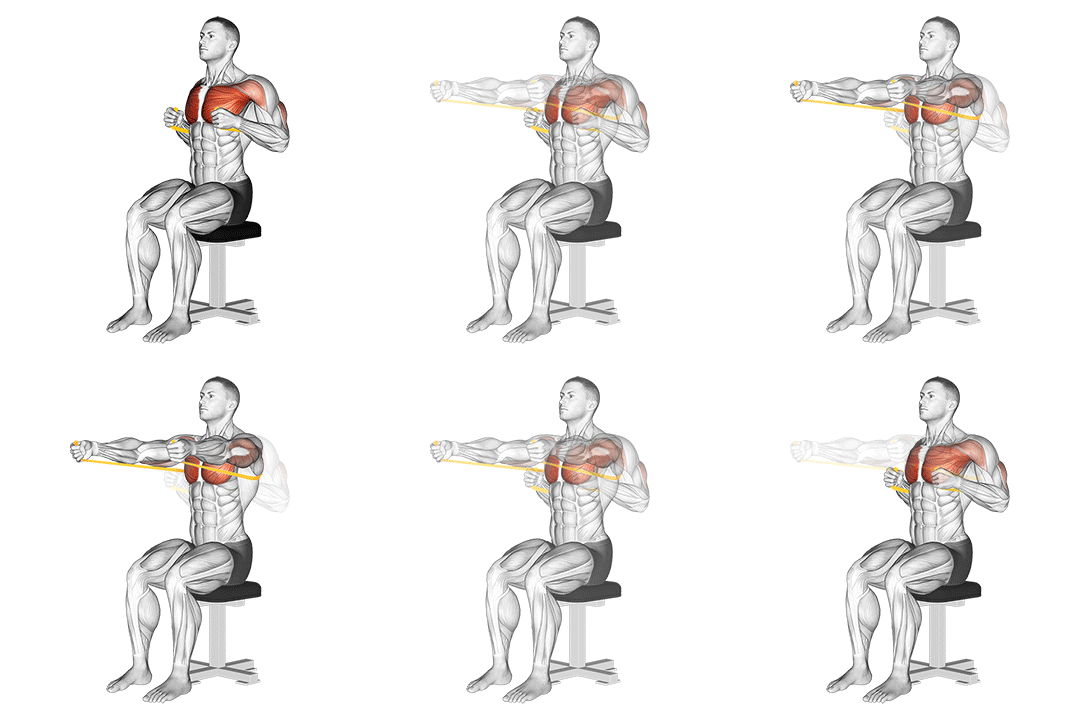
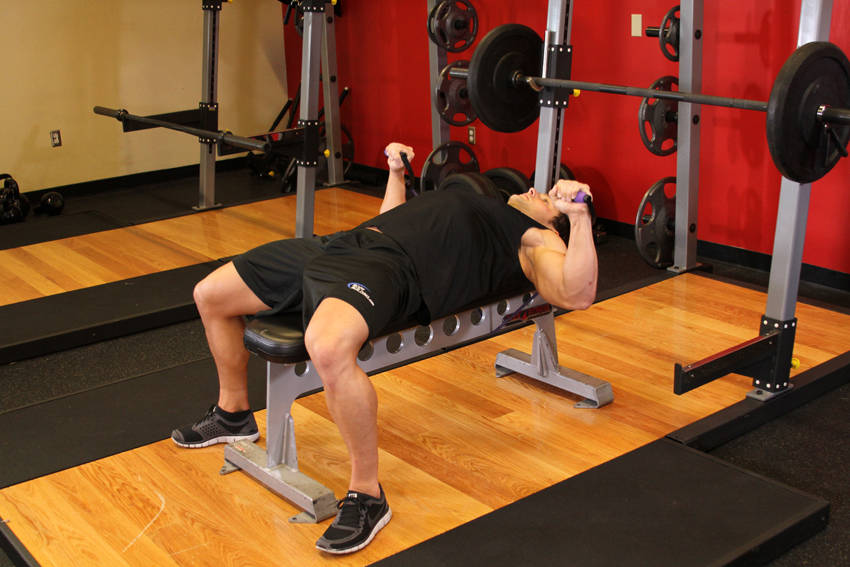
Band Bench Press
Head-to-Head Comparison
| Attribute | Archer Push Up | Band Bench Press |
|---|---|---|
| Target Muscle |
Pectorals
|
Pectorals
|
| Body Part |
Chest
|
Chest
|
| Equipment |
Body-weight
|
Band
|
| Difficulty |
Advanced
|
Intermediate
|
| Movement Type |
Compound
|
Compound
|
| Secondary Muscles |
3
|
2
|
Secondary Muscles Activated
Archer Push Up
Band Bench Press
Visual Comparison
Overview
Archer Push Up vs Band Bench Press — two chest-focused compound moves that look similar on paper but load your pecs and stabilizers very differently. You’ll get a direct comparison of primary and secondary muscle activation, equipment needs, difficulty, progression options, and clear technique cues so you can pick the right exercise for your program. I’ll show rep ranges (3–6 for strength, 6–12 for hypertrophy), joint angles and force-vector differences, plus simple progressions and safety tips so you can train smarter and protect your shoulders while maximizing chest growth.
Key Differences
- Equipment differs: Archer Push Up uses Body-weight, while Band Bench Press requires Band.
- Difficulty levels differ: Archer Push Up is advanced, while Band Bench Press is intermediate.
Pros & Cons
Archer Push Up
+ Pros
- High unilateral load increases strength and balance between sides
- Strong core and anti-rotation recruitment enhances stability
- No equipment required — ideal for bodyweight progressions
- Builds scapular control and muscular coordination
− Cons
- Very advanced; difficult to scale precisely for progressive overload
- High wrist and shoulder stress without solid technique
- Limited maximal external load compared to weighted/ banded presses
Band Bench Press
+ Pros
- Easy to scale: change bands to alter resistance precisely
- Variable resistance improves lockout strength by increasing load as you extend
- Lower technical demand for beginners compared with unilateral bodyweight moves
- Portable and effective for hypertrophy rep ranges (6–12)
− Cons
- Force curve places less load on the pec at the bottom of the range
- Band elasticity can change feel and makes exact loading harder to compare to free weights
- Requires band anchors or bench for optimal setup
When Each Exercise Wins
Band Bench Press is the winner because you can steadily increase resistance and target moderate rep ranges (6–12) with clear progression. The variable tension also increases time under tension near lockout, promoting hypertrophy when paired with controlled eccentrics.
Band Bench Press allows systematic overload across low-rep ranges (3–6) by stacking heavier bands or combining bands with free weights. While the band’s force curve favors lockout strength, you can still build pressing force more reliably than with a bodyweight-only Archer Push Up.
Band Bench Press is easier to scale and teaches a stable horizontal push pattern with less scapular demand. You can safely manipulate load and elbow angle (~30–45°) to protect the shoulder while building pressing mechanics.
Archer Push Up wins for minimal equipment — all you need is a floor and space. For experienced trainees it provides heavy unilateral stimulus and significant core work without buying bands or a bench.
Frequently Asked Questions
Can I do both Archer Push Up and Band Bench Press in the same workout?
Yes. Use one as a heavy compound (band bench for low-rep strength sets) and the other as a high-tension accessory or stability finisher. For example, perform band bench 4x4–6, then finish with 3 sets of controlled Archer Push Up or archer negatives for core and unilateral control.
Which exercise is better for beginners?
Band Bench Press is better for beginners because it’s easier to scale load and control mechanics. Keep elbows about 30–45° from the torso and use lighter bands to teach safe pressing before introducing unilateral bodyweight variations.
How do the muscle activation patterns differ?
Archer Push Up increases unilateral pec and core activation due to a longer lever arm and anti-rotation demand, raising eccentric stress at longer muscle lengths. Band Bench Press follows an ascending resistance curve that shifts peak demand toward the shortened muscle lengths near lockout, changing recruitment timing for triceps and anterior delts.
Can Band Bench Press replace Archer Push Up?
Band Bench Press can replace Archer Push Up for hypertrophy and progressive strength work, but it won’t replicate the same unilateral stability and anti-rotational carryover. If you need single-side control or bodyweight skill, keep Archer variations in your program as accessory work.
Expert Verdict
Choose the Band Bench Press if your priority is controlled progression and systematic overload for hypertrophy or measurable strength gains. It scales across rep ranges (3–6 for strength, 6–12 for size), lets you swap band tensions, and reduces technical barriers. Pick the Archer Push Up when you want raw unilateral overload, improved scapular stability, and a demanding core challenge without equipment; use it for skill work, unilateral control, and accessory strength. For most lifters seeking consistent chest progress, the Band Bench Press is the practical daily choice; use Archer Push Ups as a high-skill supplement or conditioning test.
Also Compare
More comparisons with Archer Push Up
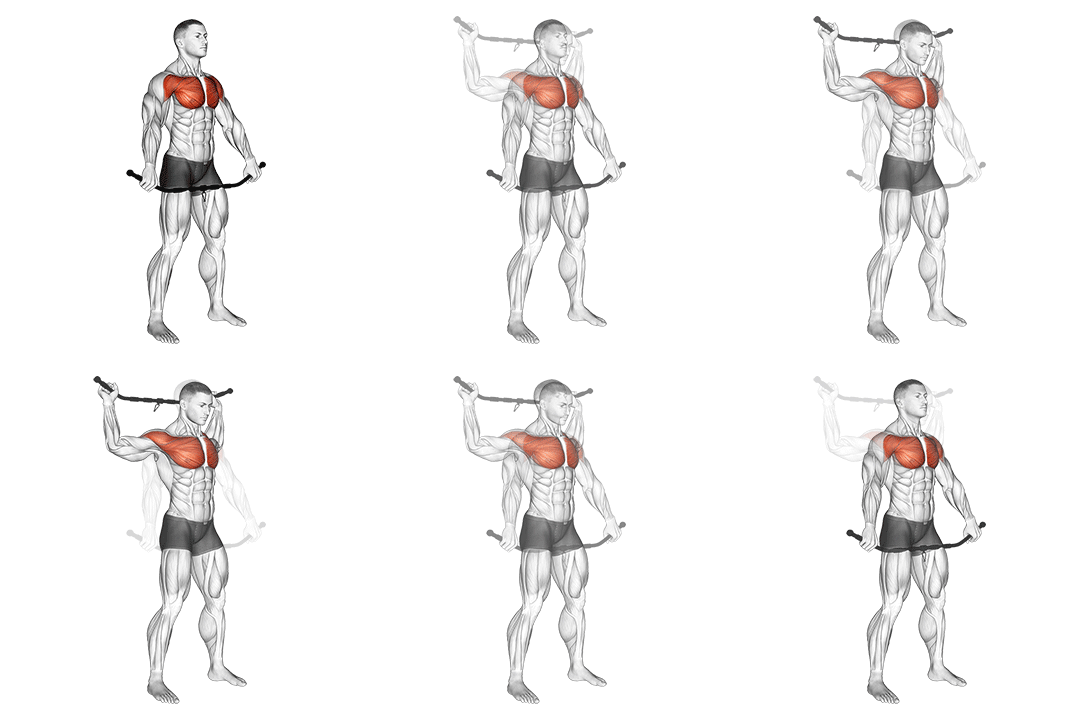
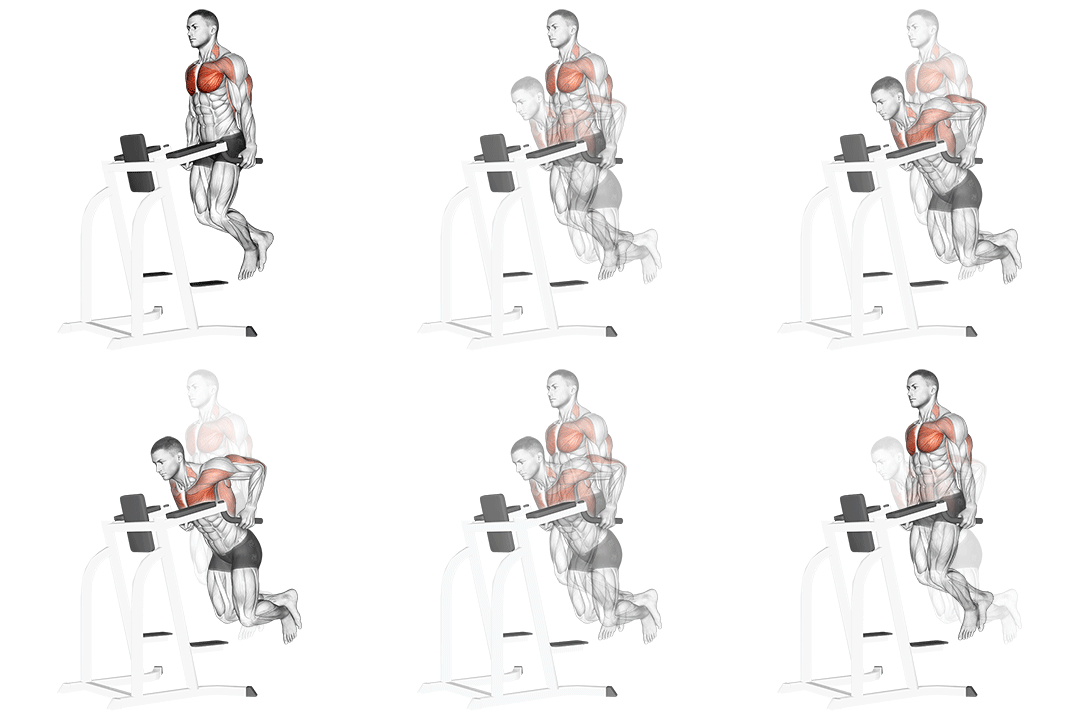
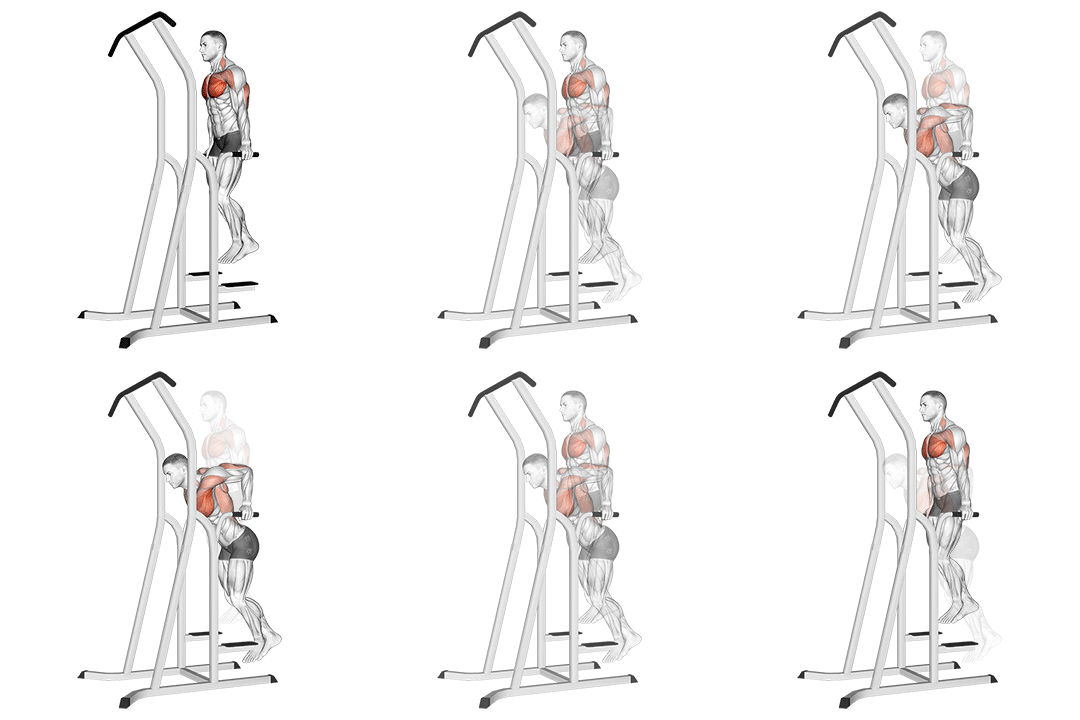
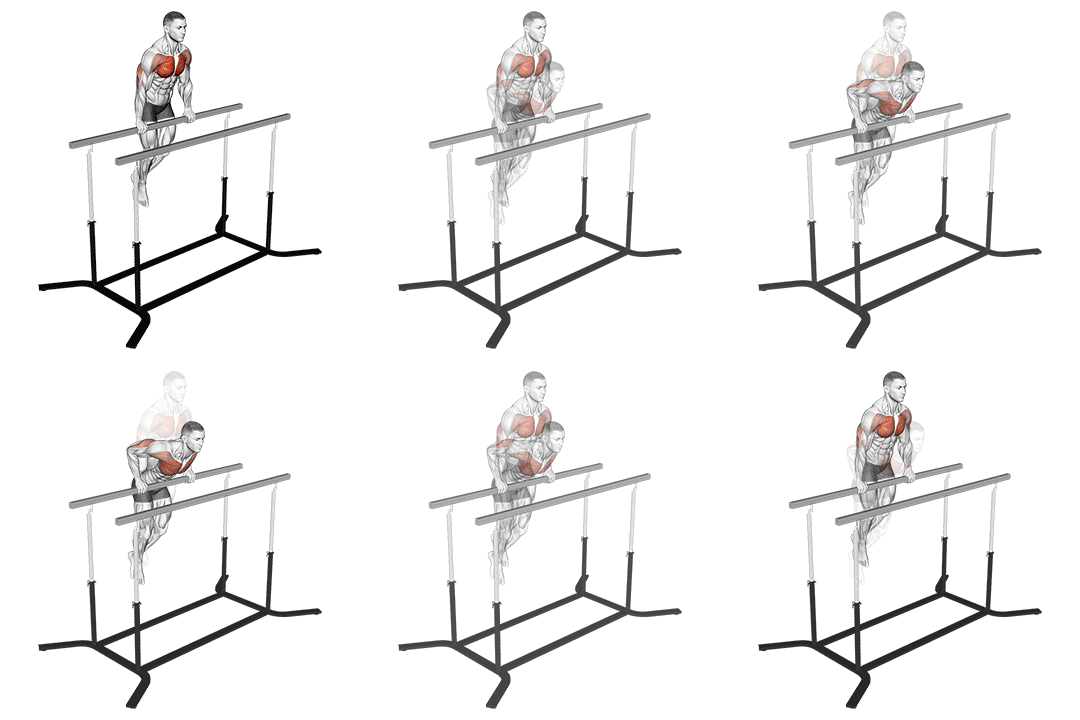
More comparisons with Band Bench Press

Compare More Exercises
Use our free comparison tool to analyze any two exercises head-to-head.
Compare Exercises