

Archer Push Up vs Bench Press - With Bands: Complete Comparison Guide
Archer Push Up vs Bench Press - With Bands puts a high-skill bodyweight unilateral press against an accommodating-resistance compound lift. If you want clear guidance, this comparison walks you through chest activation, secondary muscle recruitment, equipment needs, difficulty, programming ranges (strength and hypertrophy), and practical progressions. I’ll show which exercise loads the pectorals differently, how bands change the force curve, and when to choose one over the other based on your goals, training age, and available gear. Read on for specific cues, rep ranges, and biomechanical reasoning so you can pick the best move for your plan.
Exercise Comparison
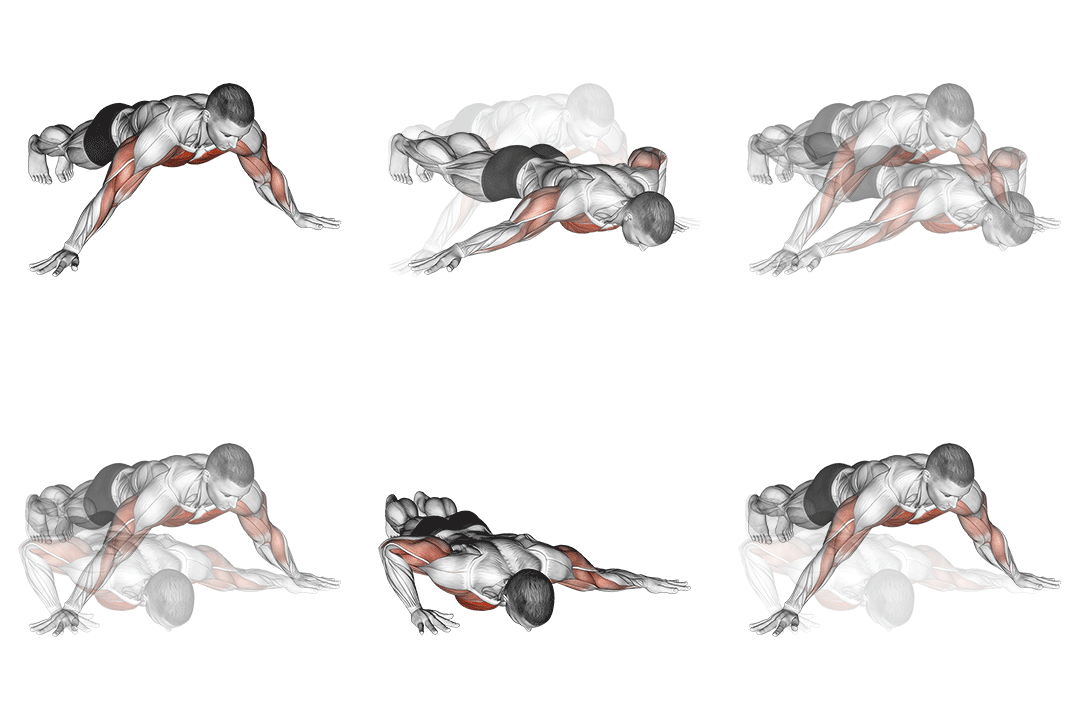
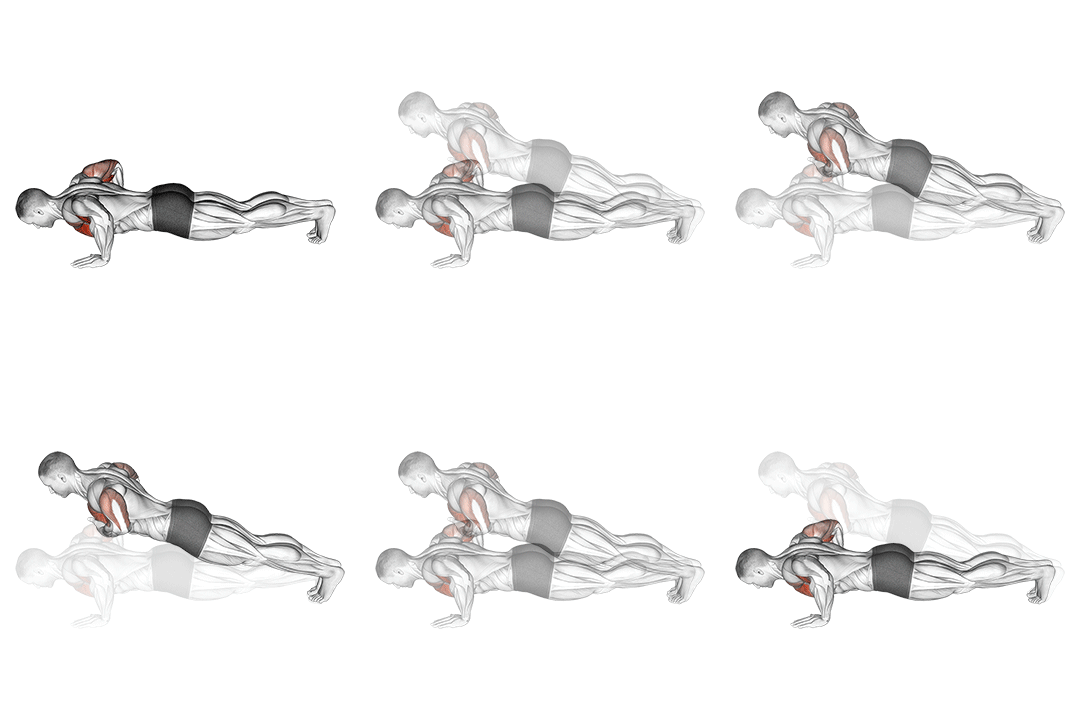
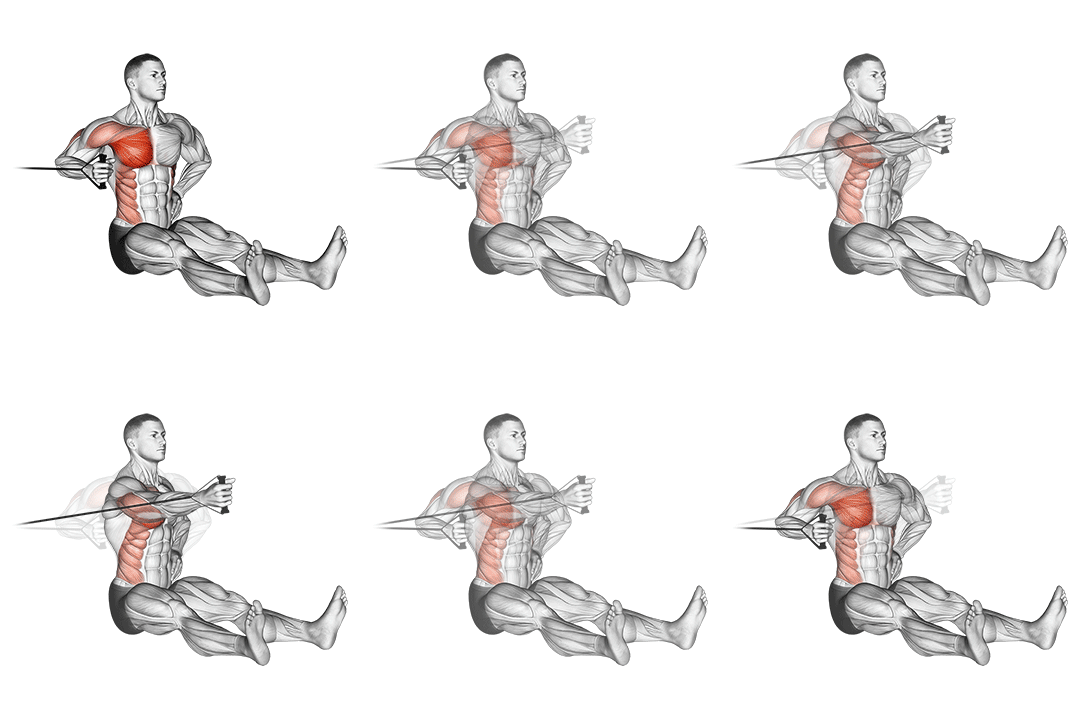
Archer Push Up
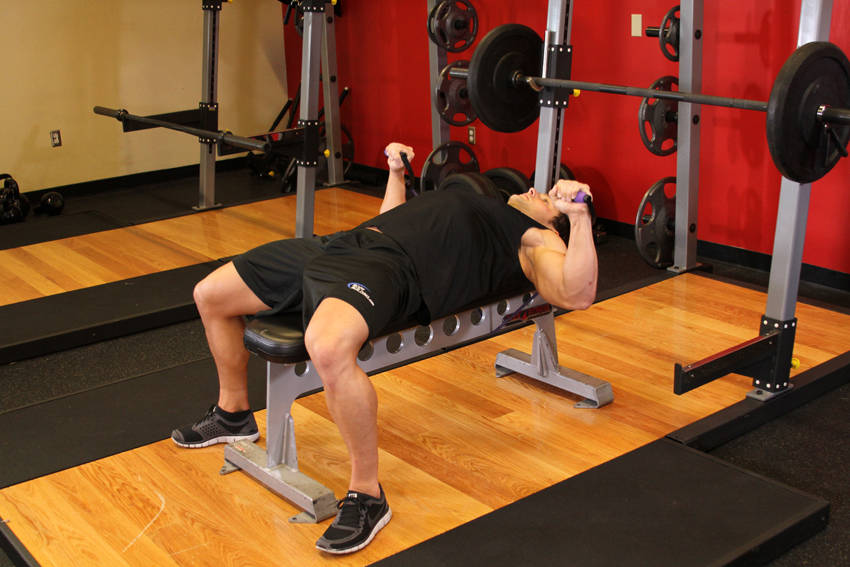
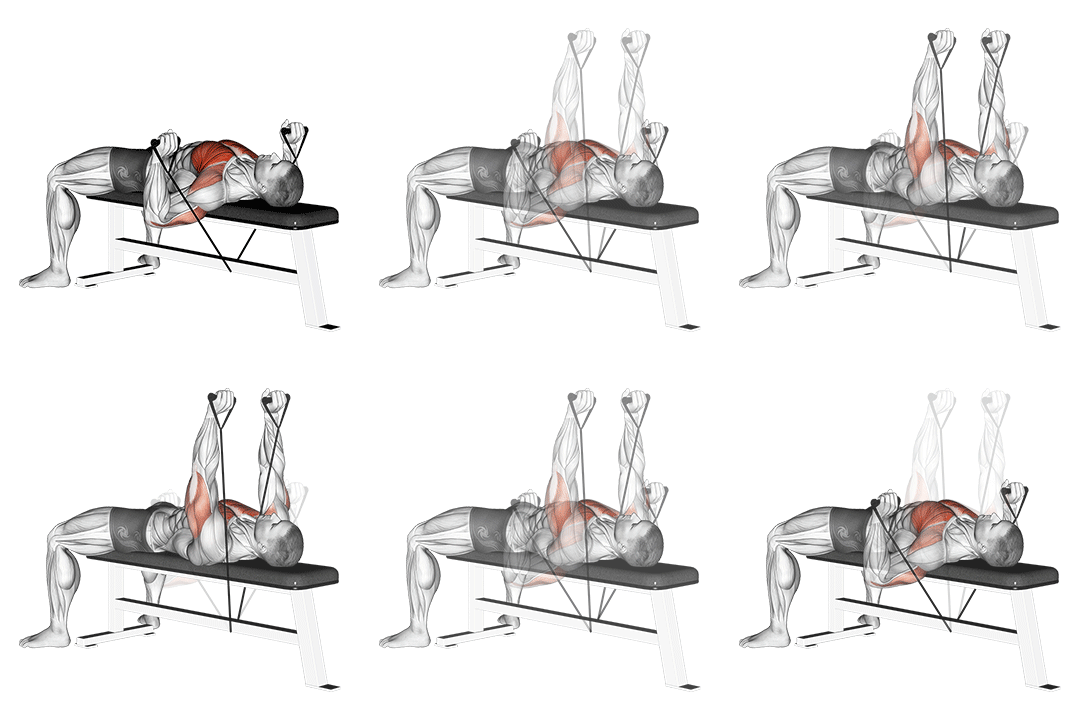
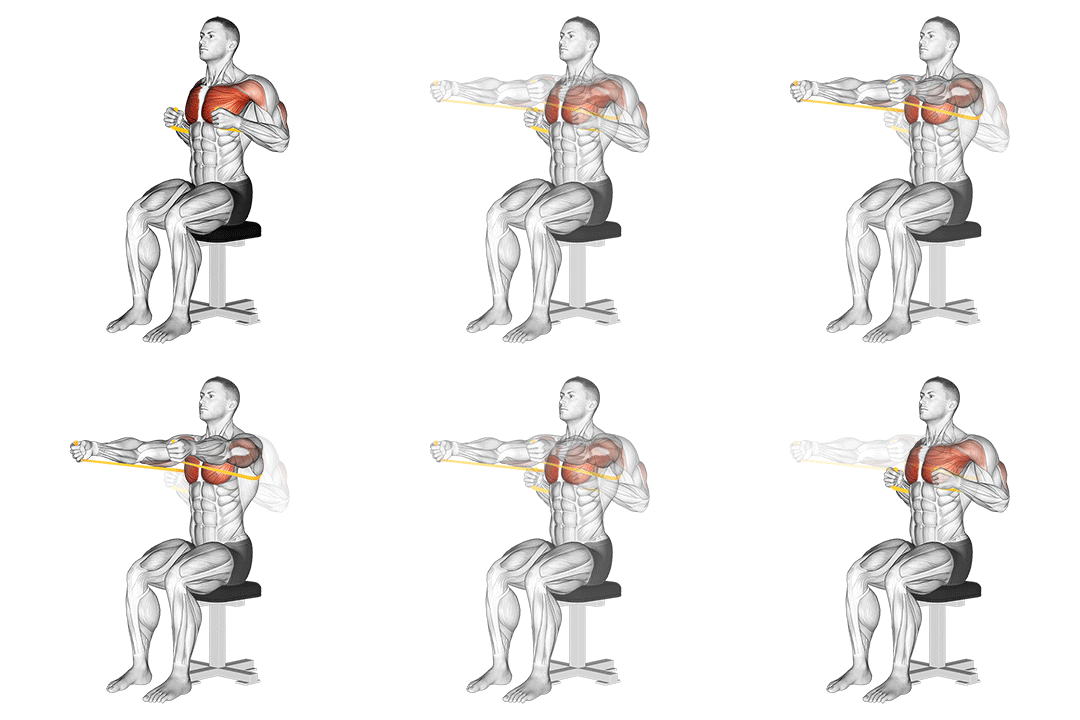
Bench Press - With Bands
Head-to-Head Comparison
| Attribute | Archer Push Up | Bench Press - With Bands |
|---|---|---|
| Target Muscle |
Pectorals
|
Pectorals
|
| Body Part |
Chest
|
Chest
|
| Equipment |
Body-weight
|
Band
|
| Difficulty |
Advanced
|
Intermediate
|
| Movement Type |
Compound
|
Compound
|
| Secondary Muscles |
3
|
2
|
Secondary Muscles Activated
Archer Push Up
Bench Press - With Bands
Visual Comparison
Overview
Archer Push Up vs Bench Press - With Bands puts a high-skill bodyweight unilateral press against an accommodating-resistance compound lift. If you want clear guidance, this comparison walks you through chest activation, secondary muscle recruitment, equipment needs, difficulty, programming ranges (strength and hypertrophy), and practical progressions. I’ll show which exercise loads the pectorals differently, how bands change the force curve, and when to choose one over the other based on your goals, training age, and available gear. Read on for specific cues, rep ranges, and biomechanical reasoning so you can pick the best move for your plan.
Key Differences
- Equipment differs: Archer Push Up uses Body-weight, while Bench Press - With Bands requires Band.
- Difficulty levels differ: Archer Push Up is advanced, while Bench Press - With Bands is intermediate.
Pros & Cons
Archer Push Up
+ Pros
- High unilateral chest loading and strength carryover to single-arm presses
- Strong core anti-rotation and scapular stabilization stimulus
- No equipment required — ideal for home or travel
- Increases eccentric control and long-length pec tension at the bottom of the press
− Cons
- Advanced skill; hard to scale precisely for progressive overload
- Greater shoulder and wrist stress if form or mobility are limited
- Difficult to load heavily for maximal bilateral strength development
Bench Press - With Bands
+ Pros
- Easily adjustable progressive overload via band tension and sets/reps
- Provides accommodating resistance that targets lockout strength
- Better for structured strength and hypertrophy programming (6–12 rep ranges)
- Lower technical demand on core anti-rotation compared to unilateral bodyweight moves
− Cons
- Requires a bench or anchor and multiple band tensions for optimal loading
- Variable resistance shifts peak load to the top of the ROM, reducing long-length pec stress
- Poor band setup can create uneven loading or excess shoulder torque
When Each Exercise Wins
Bench Press - With Bands wins because bands let you progressively overload the pecs across consistent sets (6–12 reps) and control time under tension. The bilateral loading and ability to add measurable resistance make it easier to track progressive muscle growth.
Bench Press - With Bands is the clearer choice for raw pressing strength since you can increase external load and manipulate tension curves for heavy 3–6 rep work, plus overload the lockout phase specifically to improve sticking points.
Bench Press - With Bands is more beginner-friendly due to its bilateral, supported setup and simpler motor pattern. You can scale resistance and teach safe pressing mechanics before progressing to advanced unilateral moves.
Archer Push Up requires minimal to no equipment and delivers strong unilateral chest loading plus core work, making it ideal when you don’t have a bench or bands available.
Frequently Asked Questions
Can I do both Archer Push Up and Bench Press - With Bands in the same workout?
Yes — pair them smartly: use Bench Press - With Bands as the primary heavy compound (3–6 or 6–12 reps) and finish with Archer Push Up as a unilateral accessory for 3–5 sets of 4–8 reps per side to stress stability and eccentric control.
Which exercise is better for beginners?
Bench Press - With Bands is generally better for beginners due to the supported bilateral pattern and easier scaling of resistance. Start with lighter band tension and focus on scapular control before attempting advanced unilateral archer variations.
How do the muscle activation patterns differ?
Archer Push Up peaks pectoral activation in the bottom-to-mid ROM on the loaded side, increasing long-length tension and eccentric demand. Banded bench shifts peak external load and activation toward the top of the ROM as band tension rises, emphasizing lockout mechanics and shorter muscle lengths.
Can Bench Press - With Bands replace Archer Push Up?
Bench Press - With Bands can replace archer push-ups for bilateral strength and hypertrophy, but it won’t duplicate the unilateral stability, anti-rotation core demand, or eccentric long-length stress the archer provides. Use both if you want balanced strength and stability.
Expert Verdict
Use Archer Push Up when your goal is unilateral chest development, core anti-rotation strength, and improving eccentric control — it’s a high-skill move that builds stability and long-length pec tension. Choose Bench Press - With Bands when you need precise progressive overload, structured strength cycles, and targeted lockout development; program 3–6 reps for strength and 6–12 for hypertrophy, adjusting band tension to hit desired relative load. If you train at home with limited gear, prioritize Archer Push Ups and progress via range or weighted vests. If you have a bench and bands and your priority is measurable strength and hypertrophy, favor banded benching in your main pressing work.
Also Compare
More comparisons with Archer Push Up
More comparisons with Bench Press - With Bands

Compare More Exercises
Use our free comparison tool to analyze any two exercises head-to-head.
Compare Exercises