Band One Arm Twisting Chest Press vs Bench Press - With Bands

Compare target muscles, equipment, difficulty, movement type, and secondary muscles for Band One Arm Twisting Chest Press and Bench Press - With Bands.

Change comparison Share

Get comparison link

Select the link and use your device's Copy command.

Comparison overview

AI-generated
Band One Arm Twisting Chest Press vs Bench Press - With Bands is the exact matchup we'll break down so you know which chest move fits your plan. You'll get clear, evidence-based comparisons of muscle activation, equipment needs, learning curve, and programming cues. I’ll show technique points (scapular setup, elbow angle, band anchor), give rep ranges for hypertrophy and strength, and explain the biomechanical differences—force vectors, length-tension, and anti-rotation demands—so you can pick or combine the drills with confidence.

Exercise Comparison

Exercise A
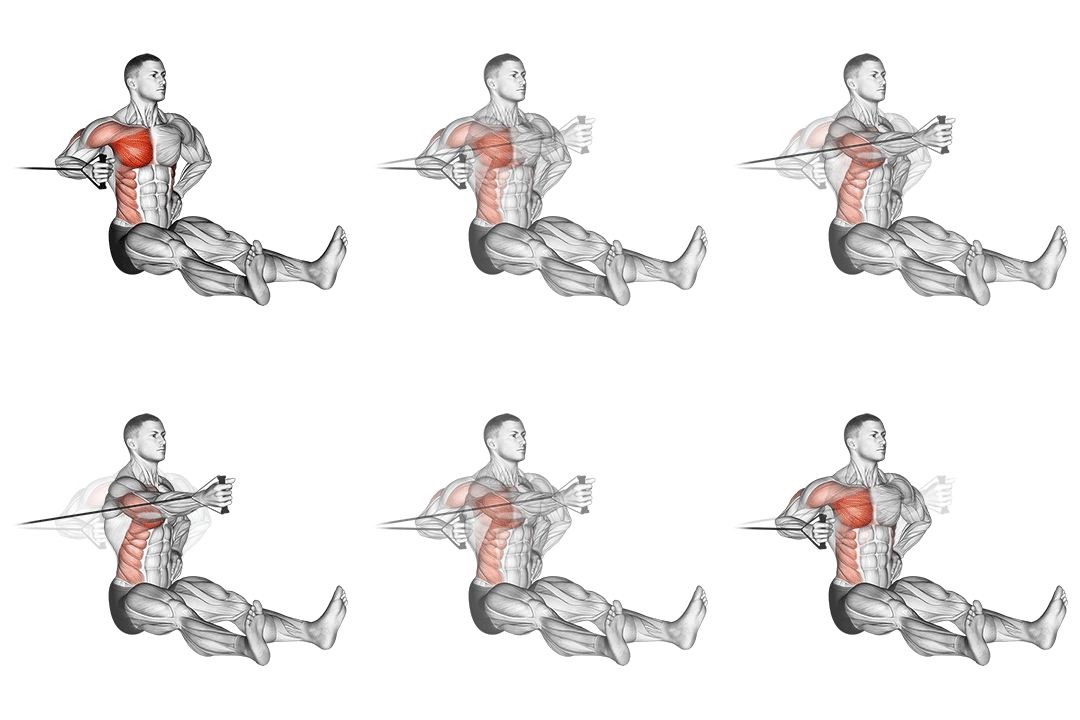
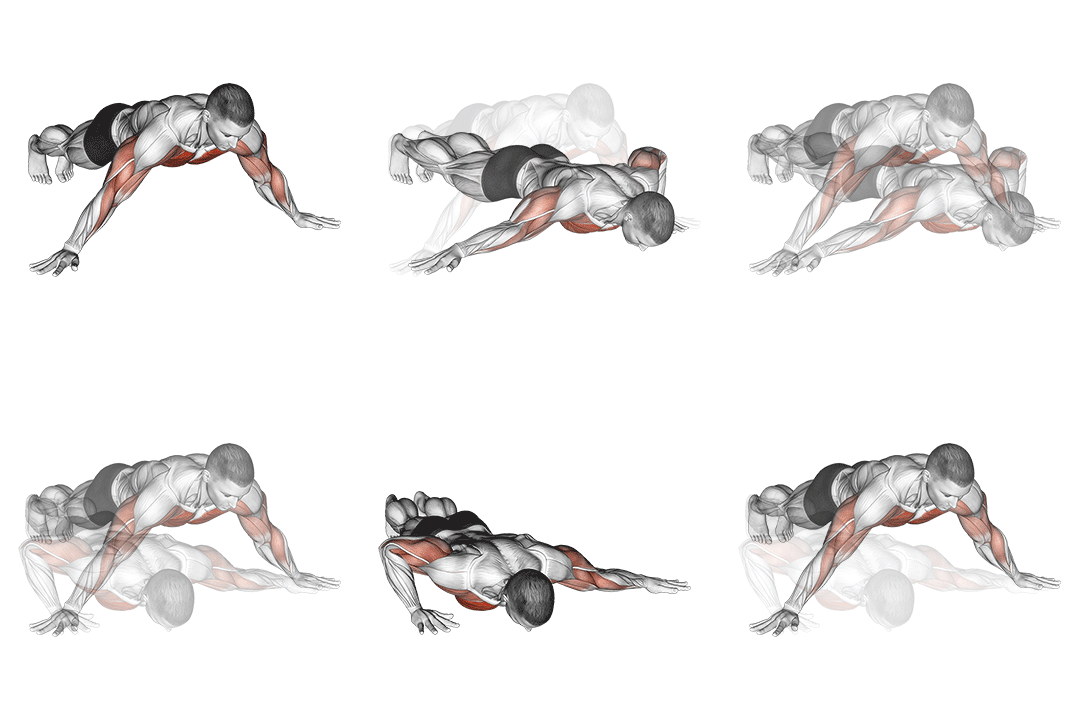
Band One Arm Twisting Chest Press demonstration

Band One Arm Twisting Chest Press

Target Pectorals
Equipment Band
Body Part Chest
Difficulty Intermediate
Movement Compound
Secondary Muscles
Shoulders Triceps
VS
Exercise B
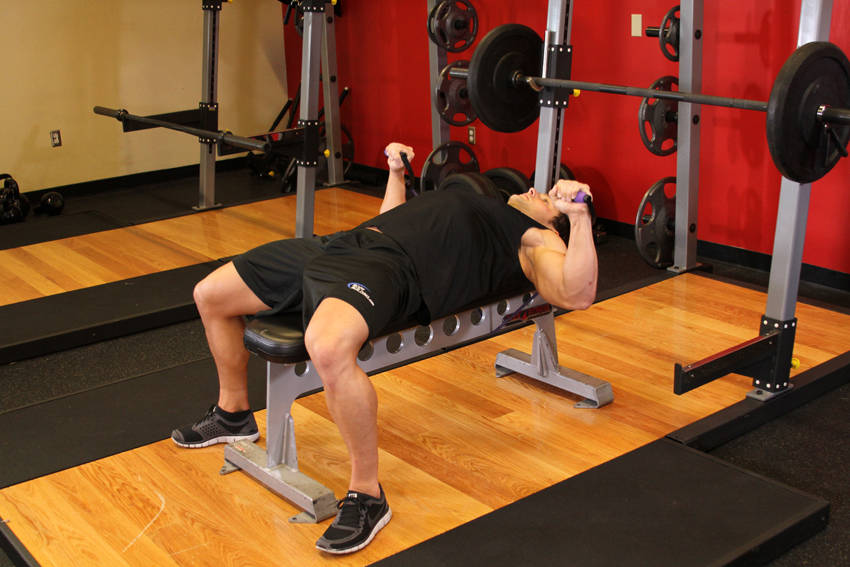
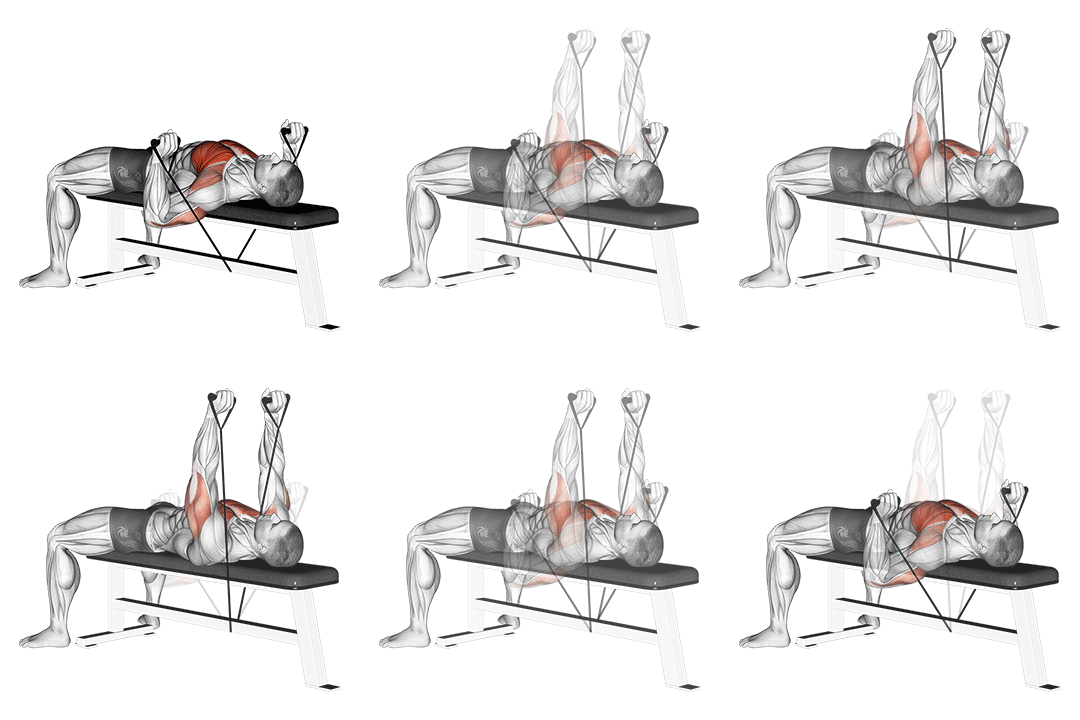
Bench Press - With Bands demonstration

Bench Press - With Bands

Target Pectorals
Equipment Band
Body Part Chest
Difficulty Intermediate
Movement Compound
Secondary Muscles
Shoulders Triceps

Head-to-Head Comparison

Different values are marked. These are catalogue attributes, not performance scores.

Muscles used

Listed target and secondary muscles, shown on the body. Locations, not activation or strength scores.

  • Target
  • Secondary
  • Not highlighted

Band One Arm Twisting Chest Press

Front
Band One Arm Twisting Chest Press: front muscle locationsSolid: listed target. Striped: listed secondary. Grey: not highlighted. Locations, not activation or strength scores. See the muscle names below.
Back
Band One Arm Twisting Chest Press: back muscle locationsSolid: listed target. Striped: listed secondary. Grey: not highlighted. Locations, not activation or strength scores. See the muscle names below.
Target
Pectorals
Secondary
Shoulders, Triceps

Not shown on diagram: Shoulders. These labels do not identify a precise region on this map.

Bench Press - With Bands

Front
Bench Press - With Bands: front muscle locationsSolid: listed target. Striped: listed secondary. Grey: not highlighted. Locations, not activation or strength scores. See the muscle names below.
Back
Bench Press - With Bands: back muscle locationsSolid: listed target. Striped: listed secondary. Grey: not highlighted. Locations, not activation or strength scores. See the muscle names below.
Target
Pectorals
Secondary
Shoulders, Triceps

Not shown on diagram: Shoulders. These labels do not identify a precise region on this map.

Grey does not mean a muscle is unused. The diagrams show only the mapped catalogue labels.

Attribute Band One Arm Twisting Chest Press Bench Press - With Bands
Target Muscle
Pectorals
Pectorals
Body Part
Chest
Chest
Equipment
Band
Band
Difficulty
Intermediate
Intermediate
Movement Type
Compound
Compound
Secondary Muscles
Shoulders, Triceps
Shoulders, Triceps

Visual Comparison

An illustrative 1–10 profile derived from catalog difficulty, equipment, and listed-muscle fields—not measured performance or muscle activation.

Key Differences

  • Both exercises target the Pectorals using Band. The catalogue does not establish which exercise is better for an individual goal.

Muscle comparison

Shared target muscles

Both exercises load the pectoralis major through horizontal adduction and shoulder flexion, so they overlap strongly in primary activation. The bench press with bands lets you apply higher absolute and progressive load across the pecs, especially toward lockout where band tension increases. The one-arm twisting chest press emphasizes unilateral transverse adduction and adds a long-axis rotation, changing end-range fiber orientation and increasing sternal and anterior fiber engagement during the twist.

Secondary muscle differences

Secondary recruitment differs substantially: the one-arm twisting press drives greater involvement of the serratus anterior, obliques, and other anti-rotation core muscles for stabilization, plus more scapular stabilizer demand on the working side. Bench press with bands recruits bilateral shoulder stabilizers and places relatively more load on the triceps at lockout due to the rising band tension; it also relies less on trunk anti-rotation since both arms share load.

Muscle involvement analysis

With bands the external load rises as the band stretches (roughly +15–35% extra tension at lockout depending on band choice), shifting peak stress toward shortened muscle lengths and increasing activation near full elbow extension. The twisting single-arm press keeps tension through mid-range and changes fiber alignment with external rotation at the finish, so activation is more continuous across the ROM and biases stabilizers and upper-pec fibers during the twist.

Equipment and setup

Band One Arm Twisting Chest Press: setup

Band One Arm Twisting Chest Press needs a single anchor point (door, pole, or band anchor), at least one medium- to heavy-resistance band, and room to step back. No bench required; you can perform standing or in a staggered split stance for added stability.

Bench Press - With Bands: setup

Bench Press - With Bands requires a stable bench or flat surface, a secure band anchoring system under or behind the bench (or looped over a power rack), and at least one pair of bands. If you pair bands with a bar, you need a barbell and collars—otherwise use band-only pressing from the bench.

Access and practicality

Band One Arm Twisting Chest Press wins for accessibility because you only need a band and anchor point—no bench, rack, or bar required—making it far easier for home setups.

Learning and progression

Learning the movements

Bench Press - With Bands is easier to learn as the pressing path is bilateral and familiar; coaching cues (scapular retraction, 45° elbow tuck, drive through heels) rapidly transfer from standard bench technique. The one-arm twisting press has a steeper learning curve because you must coordinate rotation, anti-rotation core tension, and unilateral scapular control.

Progression considerations

Bench press with bands offers greater absolute progression potential because you can add band tension, increase barbell load, and manipulate sets/tempo to chase progressive overload. The one-arm variation progresses via heavier bands, slower tempo, more reps, or loaded unilateral carries—but absolute load ceiling is typically lower.

Limitations and precautions

Relative injury risk favors the banded bench for controlled bilateral loading and predictable force vectors; however, poor band anchoring or excessive tuck can increase shoulder stress. The one-arm twisting press carries higher risk for the shoulder and lower back if you lack core stability or use excessive rotational torque without proper scapular control.

Pros & Cons

Band One Arm Twisting Chest Press

+ Pros

  • Minimal equipment—only a band and anchor needed
  • Strong anti-rotation/core activation alongside chest work
  • Continuous tension through the ROM and improved scapular control
  • Great for unilateral balance and correcting side-to-side asymmetries

Cons

  • Lower absolute loading potential than bilateral bench variations
  • Requires good coordination and anti-rotation strength to perform safely
  • Harder to quantify progressive overload compared with barbell loading

Bench Press - With Bands

+ Pros

  • High progression potential with added band tension and barbell load
  • Familiar bilateral pattern—easier to teach and scale
  • Bands provide accommodating resistance that improves lockout strength
  • Easy to use for structured strength or hypertrophy cycles (3–8 sets)

Cons

  • Requires bench and secure anchor setup, less practical at home
  • Band tension shifts load toward shortened muscle lengths, reducing bottom-end overload unless combined with heavy barbell
  • If set up poorly, bands can alter bar path and increase shoulder stress

When Each Exercise Wins

1
For muscle hypertrophy: Bench Press - With Bands

Bench press with bands allows heavier absolute loads and precise progressive overload across 6–12 rep ranges. The accommodating resistance keeps tension at lockout while you can still overload the bottom with added bar weight, producing better overall stimulus for pec hypertrophy.

2
For strength gains: Bench Press - With Bands

Bands change the force curve so you can train heavy lockouts and bar speed in the 3–5 rep range, improving neural drive and maximal pressing strength. The bilateral setup also lets you handle higher total loads and use periodized loading schemes.

3
For beginners: Bench Press - With Bands

A banded bench press provides a simple, repeatable movement pattern that’s easier to coach—focus on scapular set, 45° elbow tuck, and controlled eccentric. It’s easier to scale load and build baseline strength before adding unilateral rotational complexity.

4
For home workouts: Band One Arm Twisting Chest Press

The one-arm twisting press needs only a band and anchor, so you can train effective chest stimulus without a bench or barbell. It also adds core and scapular demand, giving more ‘bang for your buck’ when equipment is limited.

Frequently Asked Questions

Can I do both Band One Arm Twisting Chest Press and Bench Press - With Bands in the same workout?
Yes. Structure the bench press as your primary heavy movement (3–5 sets of 3–8 reps) and use the one-arm twisting press as a secondary unilateral accessory for 2–4 sets of 8–15 reps. That order preserves maximal strength output while using the unilateral drill to address stability and finish-range muscle activation.

Which exercise is better for beginners?

Bench Press - With Bands is generally better for beginners because the bilateral pattern is easier to coach and scale for progressive overload. Start with light band tension, learn scapular retraction and a 45° elbow tuck, then progress load and complexity.

How do the muscle activation patterns differ?

Banded bench shifts peak external load toward shortened muscle lengths, increasing activation near lockout, while the one-arm twisting press maintains continuous mid-range tension and adds rotation that recruits serratus, obliques, and scapular stabilizers. In short, bench emphasizes bilateral pec and triceps lockout strength; the twisting press emphasizes unilateral pec fibers plus core and shoulder stability.

Can Bench Press - With Bands replace Band One Arm Twisting Chest Press?

Bench Press - With Bands can replace the one-arm drill if your goal is maximal strength or hypertrophy and you have the equipment, but you’ll lose unilateral stability and anti-rotation benefits. If you train both, you’ll cover force production and single-side control for a more complete chest program.

Comparison Summary

Use Bench Press - With Bands when your priority is raw pressing strength or structured hypertrophy: it lets you manipulate absolute load, use progressive overload, and exploit accommodating resistance to improve lockout and bar speed. Choose Band One Arm Twisting Chest Press when you need portability, unilateral work, or to correct imbalances—its continuous tension and rotational finish build pec thickness while training serratus and anti-rotation core. For a complete program, alternate both: heavy banded bench days (3–5 sets of 4–8 reps) and unilateral twisting presses as accessory work (2–4 sets of 8–15 reps) to cover both strength and stability demands.

Exercise instructions

Steps from the exercise catalogue. Read the full sequence before starting.

Band One Arm Twisting Chest Press

  1. Attach the band to a sturdy anchor point at chest height.
  2. Stand with your side facing the anchor point and grab the band with one hand.
  3. Step away from the anchor point to create tension in the band.
Read remaining steps for Band One Arm Twisting Chest Press
  1. Position your feet shoulder-width apart and slightly bend your knees.
  2. Bring your hand holding the band across your body, towards the opposite shoulder.
  3. While maintaining tension in the band, push your hand forward and away from your body, extending your arm.
  4. Slowly return to the starting position and repeat for the desired number of repetitions.
  5. Switch sides and repeat the exercise with the other hand.

Bench Press - With Bands

  1. Using a flat bench secure a band under the leg of the bench that is nearest to your head.
  2. Once the band is secure, grab it by both handles and lie down on the bench.
  3. Extend your arms so that you are holding the band handles in front of you at shoulder width.
Read remaining steps for Bench Press - With Bands
  1. Once at shoulder width, rotate your wrists forward so that the palms of your hands are facing away from you. This will be your starting position.
  2. Bring down the handles slowly until your elbow forms a 90 degree angle. Keep full control at all times.
  3. As you breathe out, bring the handles up using your pectoral muscles. Lock your arms in the contracted position, squeeze your chest, hold for a second and then start coming down slowly. Tip: It should take at least twice as long to go down than to come up.
  4. Repeat the movement for the prescribed amount of repetitions of your training program.

Also Compare

Compare another pair

Choose two exercises to see their differences side by side.

Compare Exercises