

Arm Circles vs Seated Front Deltoid: Complete Comparison Guide
Arm Circles vs Seated Front Deltoid — two beginner shoulder isolation moves that look similar on paper but work your delts differently. You’ll get a clear breakdown of which part of the shoulder each targets, how the movement patterns affect muscle activation and injury risk, practical technique cues, rep ranges (20–60 seconds for circles, 8–15 reps for seated front raises), and when to pick one over the other based on your goals.
Exercise Comparison
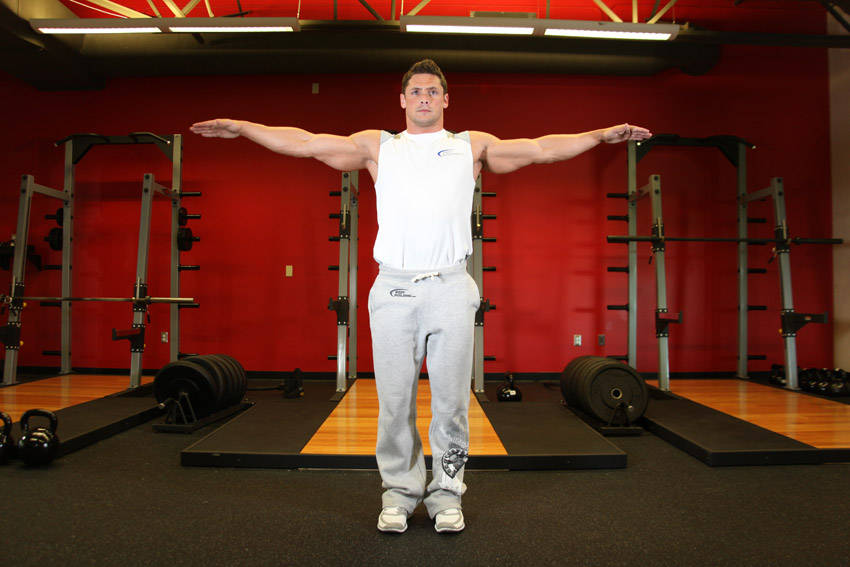
Arm Circles
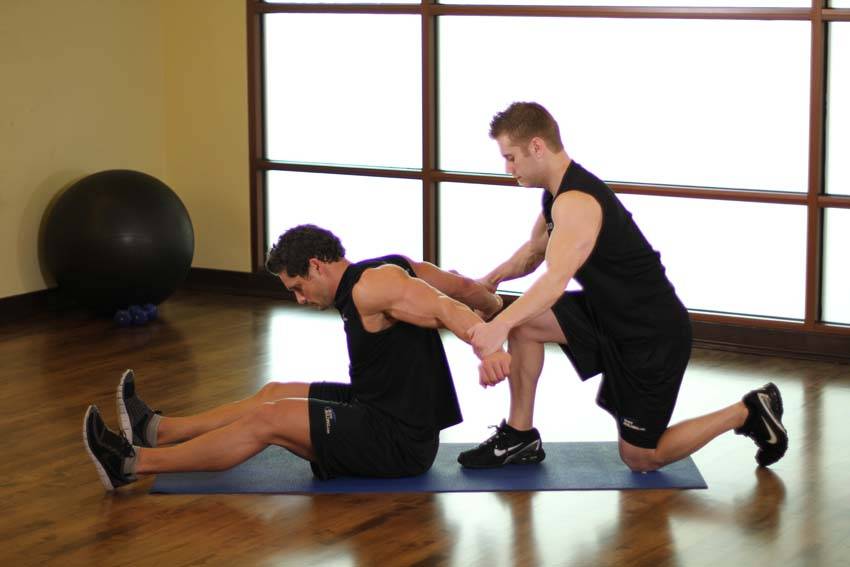
Seated Front Deltoid
Head-to-Head Comparison
| Attribute | Arm Circles | Seated Front Deltoid |
|---|---|---|
| Target Muscle |
Delts
|
Delts
|
| Body Part |
Shoulders
|
Shoulders
|
| Equipment |
Body-weight
|
Body-weight
|
| Difficulty |
Beginner
|
Beginner
|
| Movement Type |
Isolation
|
Isolation
|
| Secondary Muscles |
1
|
1
|
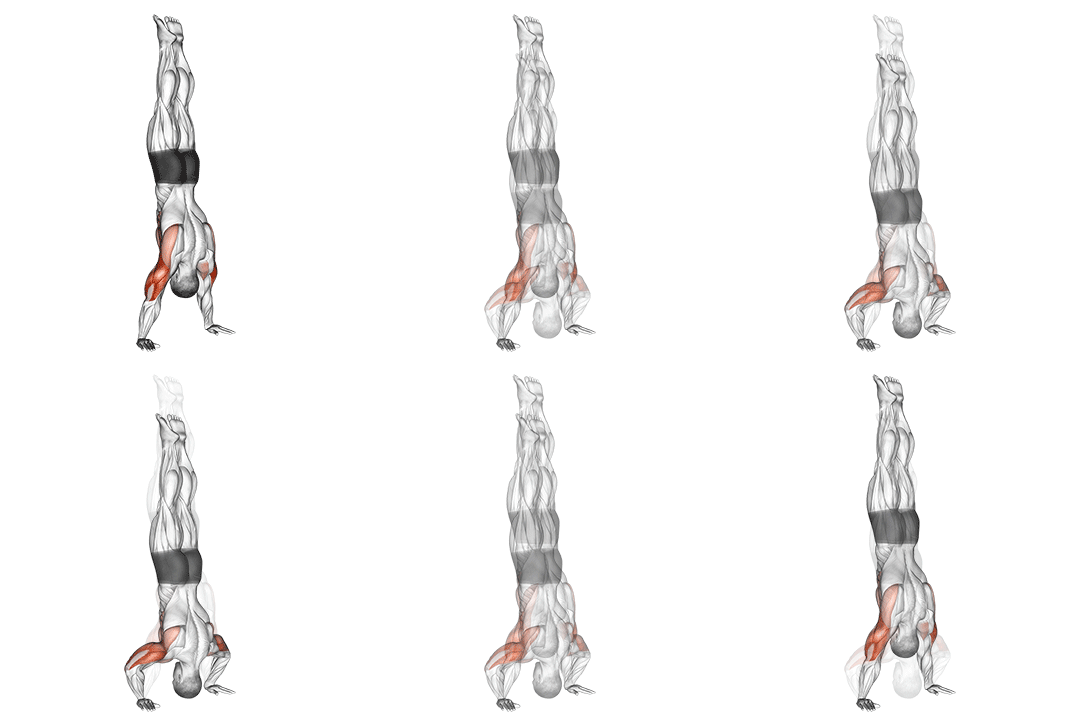
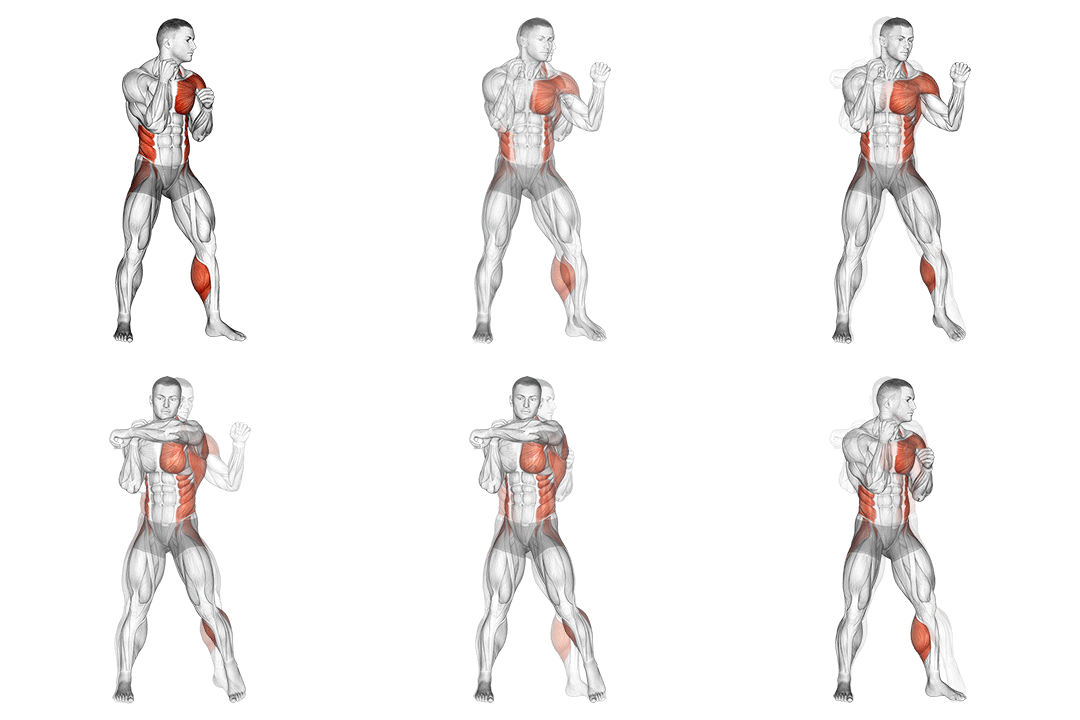
Secondary Muscles Activated
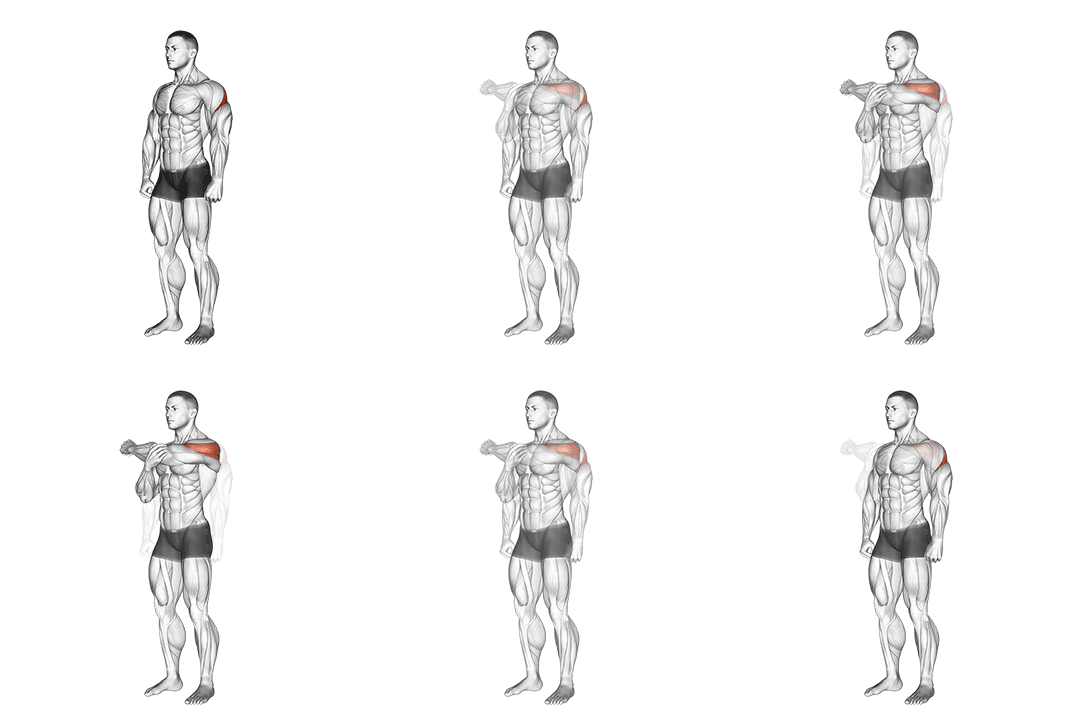
Arm Circles
Seated Front Deltoid
Visual Comparison
Overview
Arm Circles vs Seated Front Deltoid — two beginner shoulder isolation moves that look similar on paper but work your delts differently. You’ll get a clear breakdown of which part of the shoulder each targets, how the movement patterns affect muscle activation and injury risk, practical technique cues, rep ranges (20–60 seconds for circles, 8–15 reps for seated front raises), and when to pick one over the other based on your goals.
Key Differences
- Both exercises target the Delts using Body-weight. The main differences are in their movement patterns and muscle activation angles.
Pros & Cons
Arm Circles
+ Pros
- Requires zero equipment and minimal space
- Dynamic, multiplanar load that warms up the whole shoulder complex
- Excellent for endurance and motor control of scapulothoracic rhythm
- Low barrier to entry for beginners and mobility work
− Cons
- Limited potential for true overload and muscle growth
- Less specific anterior deltoid loading compared to sagittal lifts
- Fast or large circles can stress the rotator cuff if uncontrolled
Seated Front Deltoid
+ Pros
- Direct sagittal-plane loading of the anterior deltoid
- Easy to progress with added weight or bands for hypertrophy
- Teaches strict shoulder flexion and isolates the front deltoid
- Seated position reduces cheating via hips or torso rotation
− Cons
- Requires a chair and ideally external resistance to maximize effect
- May recruit chest if technique falters or scapula protracts
- Higher risk of impingement if you raise above 90° or use swing
When Each Exercise Wins
Seated front raises place sustained, sagittal-plane tension on the anterior deltoid and allow incremental loading (2.5–10 lb or band tension). That consistent overload and 8–12 rep ranges are better for muscle growth than the low-load, high-rep nature of arm circles.
Strength requires progressive external resistance and controlled eccentric phases. Seated Front Deltoid lets you add load, manipulate tempo (e.g., 3–0–3 eccentric), and maintain strict form to improve force production in shoulder flexion.
Arm Circles are simpler to learn, need no equipment, and teach basic scapular rhythm and joint mobility with low loading. Start with 20–40 seconds per direction to build endurance and movement confidence.
Because they require zero gear and little space, Arm Circles are perfect for at-home sessions and warm-ups. Use them for quick shoulder conditioning or to activate delts before pressing work.
Frequently Asked Questions
Can I do both Arm Circles and Seated Front Deltoid in the same workout?
Yes. Use Arm Circles first for 30–60 seconds per direction to prime the delts and scapular stabilizers, then follow with 3–4 sets of Seated Front Deltoid at 8–15 reps to apply overload to the anterior deltoid.
Which exercise is better for beginners?
Arm Circles are better for absolute beginners because they require no equipment and teach scapular rhythm with low joint torque. Once you master control, add seated front work to build targeted anterior deltoid strength.
How do the muscle activation patterns differ?
Arm Circles produce rotating, short-cycle concentric-eccentric contractions across anterior, lateral and posterior deltoid fibers and increase trapezius involvement for scapular motion. Seated Front Deltoid concentrates load in the anterior deltoid via sagittal-plane flexion, increasing time under tension at 0–90° and recruiting chest fibers early in the lift.
Can Seated Front Deltoid replace Arm Circles?
Not entirely. Seated Front Deltoid replaces the anterior deltoid overload function but lacks the multiplanar warm-up and scapular rhythm benefits of Arm Circles. Use both: circles for activation and mobility, seated front raises for targeted overload.
Expert Verdict
Use Arm Circles when your goal is mobility, scapular control, warm-up activation, or quick at-home conditioning. They distribute load across the deltoid heads and traps and are ideal for 20–60 second sets to build endurance and joint rhythm. Use Seated Front Deltoid when you need targeted anterior deltoid stress for muscle growth or measurable strength progress. Perform strict 8–15 rep sets with added load or slow eccentrics and keep the range to about 0–90° to stay in the optimal length-tension window. For a balanced program, start sessions with Arm Circles for activation, then progress to seated front raises when you need overload.
Also Compare
More comparisons with Arm Circles
Compare More Exercises
Use our free comparison tool to analyze any two exercises head-to-head.
Compare Exercises