

Assisted Chest Dip (kneeling) vs Band One Arm Twisting Chest Press: Complete Comparison Guide
Assisted Chest Dip (kneeling) vs Band One Arm Twisting Chest Press — if you want a clearer path to a bigger, stronger chest, this comparison helps you choose. I'll break down how each exercise loads the pectorals, which secondary muscles tip the balance, the equipment you need, and how to progress safely. You’ll get technique cues, rep ranges for hypertrophy and strength (6–12 and 8–15), and practical recommendations for gym and home training so you can pick the best move for your goal.
Exercise Comparison
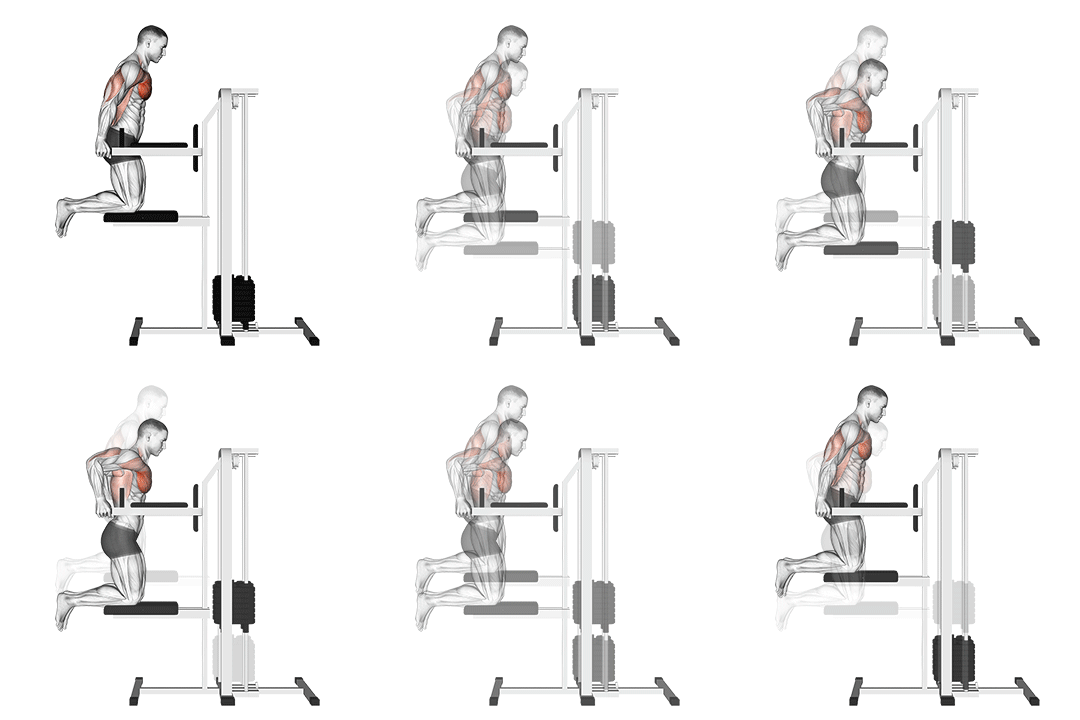
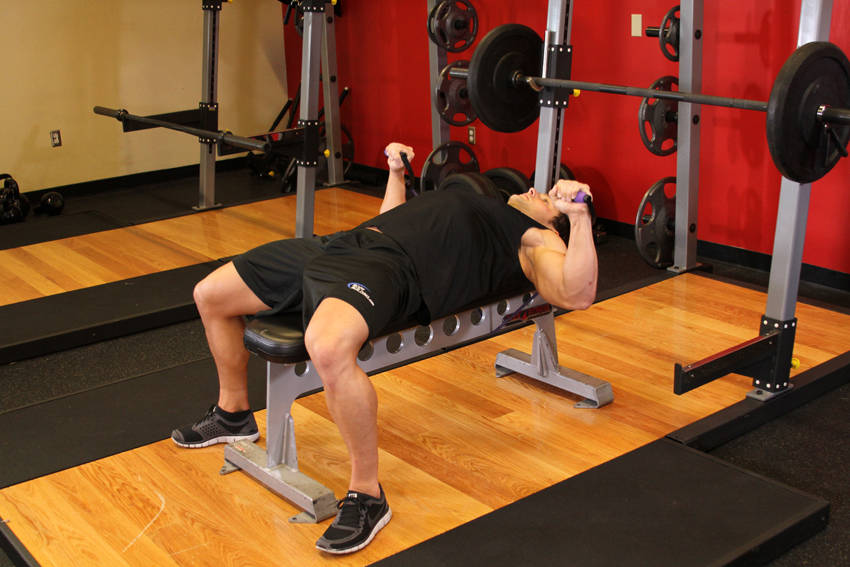
Assisted Chest Dip (kneeling)
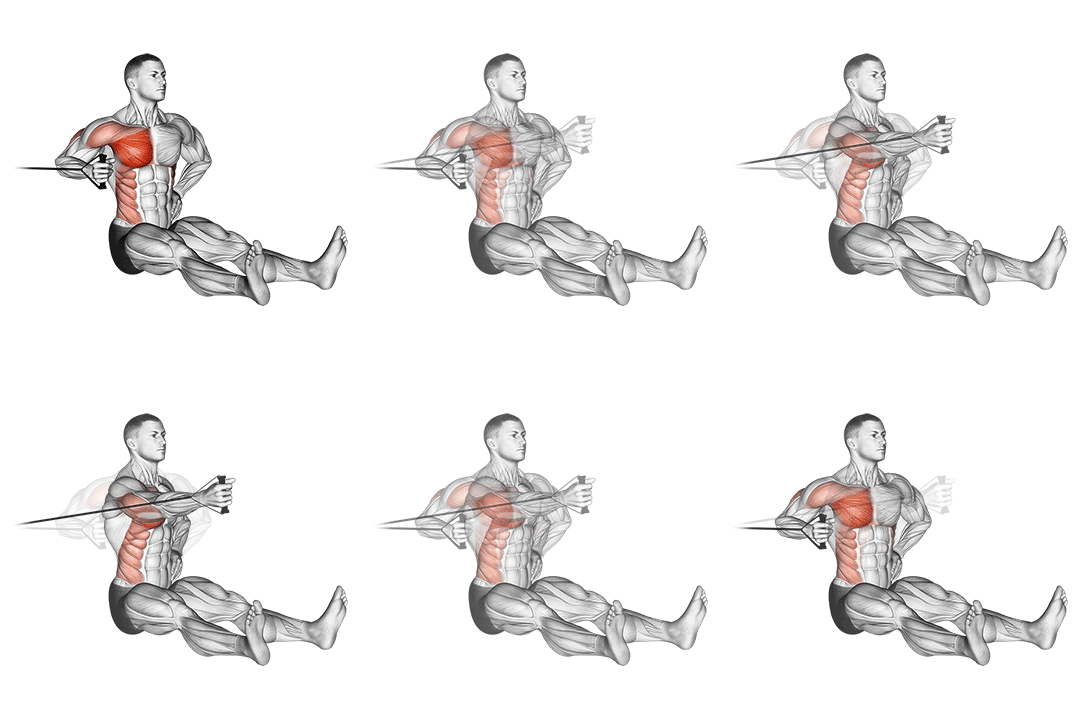
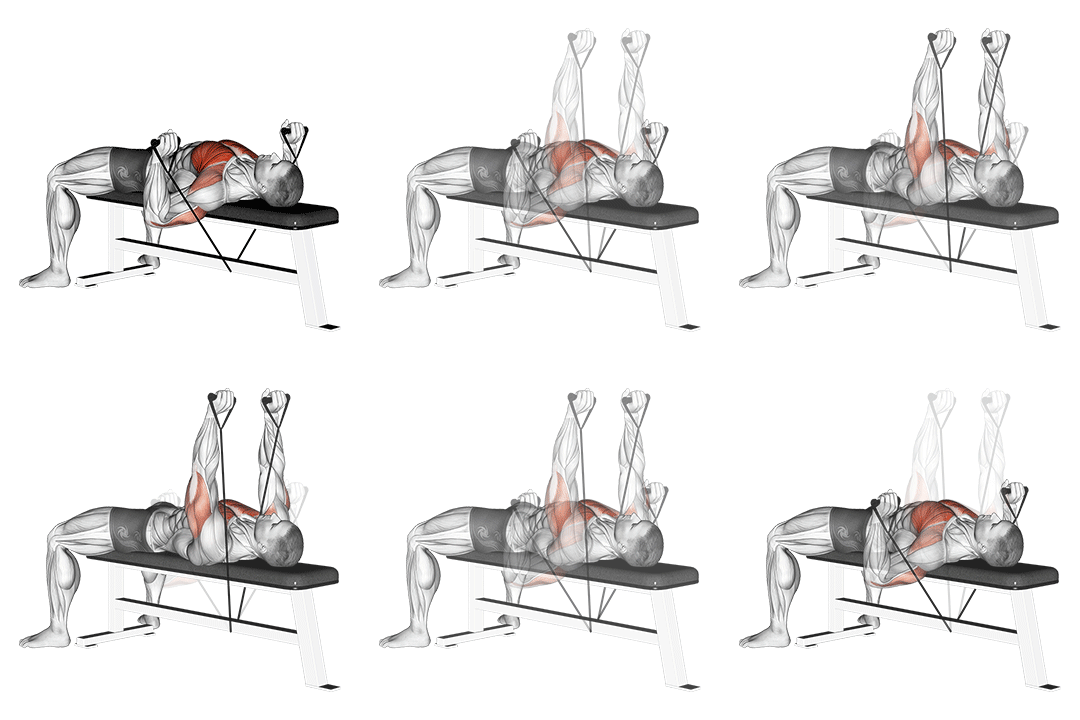
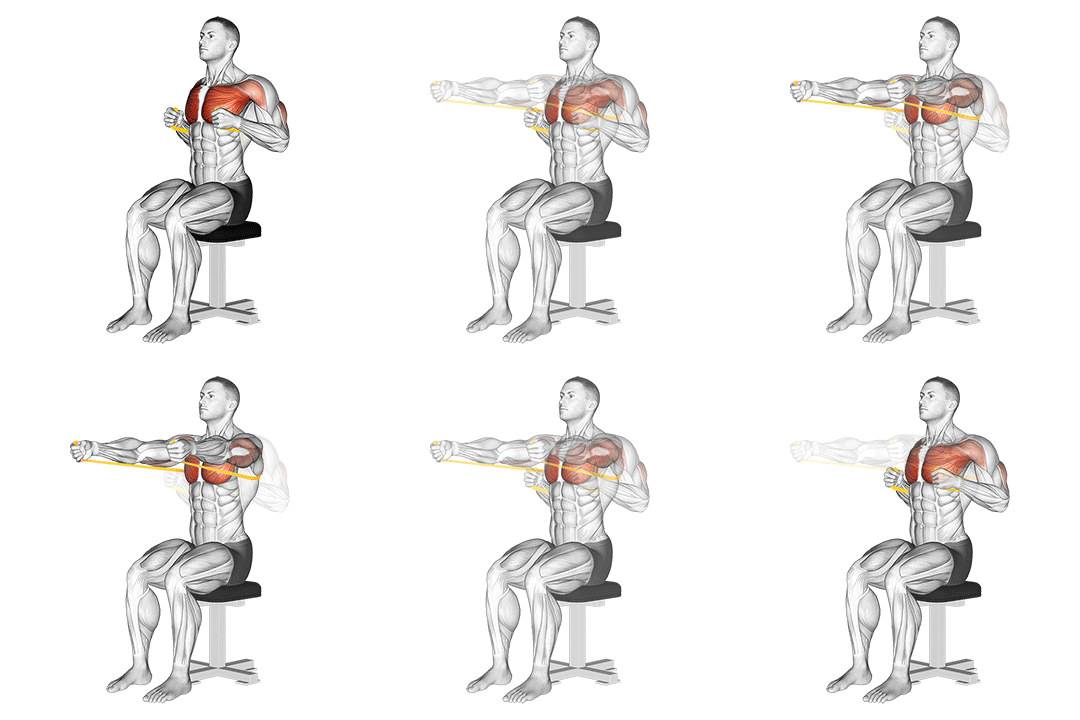
Band One Arm Twisting Chest Press
Head-to-Head Comparison
| Attribute | Assisted Chest Dip (kneeling) | Band One Arm Twisting Chest Press |
|---|---|---|
| Target Muscle |
Pectorals
|
Pectorals
|
| Body Part |
Chest
|
Chest
|
| Equipment |
Lever
|
Band
|
| Difficulty |
Beginner
|
Intermediate
|
| Movement Type |
Compound
|
Compound
|
| Secondary Muscles |
2
|
2
|
Secondary Muscles Activated
Assisted Chest Dip (kneeling)
Band One Arm Twisting Chest Press
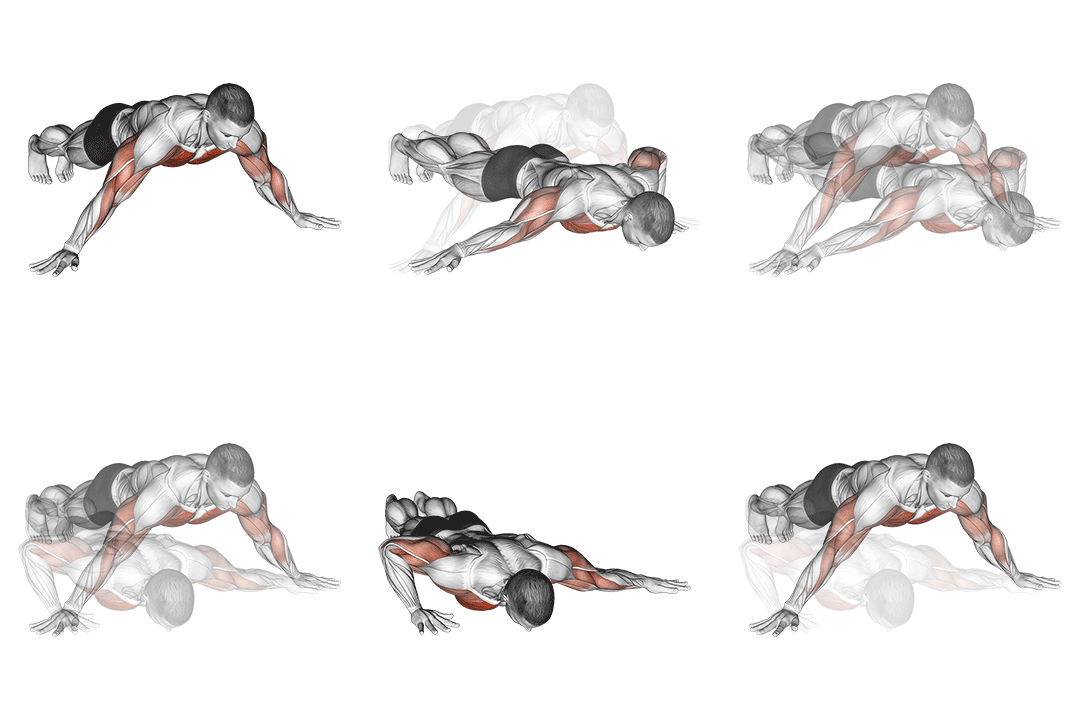
Visual Comparison
Overview
Assisted Chest Dip (kneeling) vs Band One Arm Twisting Chest Press — if you want a clearer path to a bigger, stronger chest, this comparison helps you choose. I'll break down how each exercise loads the pectorals, which secondary muscles tip the balance, the equipment you need, and how to progress safely. You’ll get technique cues, rep ranges for hypertrophy and strength (6–12 and 8–15), and practical recommendations for gym and home training so you can pick the best move for your goal.
Key Differences
- Equipment differs: Assisted Chest Dip (kneeling) uses Lever, while Band One Arm Twisting Chest Press requires Band.
- Difficulty levels differ: Assisted Chest Dip (kneeling) is beginner, while Band One Arm Twisting Chest Press is intermediate.
Pros & Cons
Assisted Chest Dip (kneeling)
+ Pros
- Guided movement reduces balance demands for beginners
- Allows progressive unloading and clear path to full dips and weighted dips
- Produces a strong pec stretch at the bottom for hypertrophic tension (length-tension advantage)
- Heavy-load potential when assistance is removed
− Cons
- Requires gym machine (less accessible at home)
- Can overload anterior shoulder if performed too deep or with poor scapular control
- Less emphasis on core anti-rotation and unilateral stability
Band One Arm Twisting Chest Press
+ Pros
- Portable and low-cost — ideal for home use
- Provides continuous increasing tension through range (band variable resistance)
- Adds rotational component that trains anti-rotation core and scapular stabilizers
- Excellent for correcting unilateral imbalances and adding tempo variation
− Cons
- Higher coordination and stability demand — steeper learning curve
- Harder to quantify precise load compared to weight stacks
- Resistance can be inconsistent at different joint angles if band path/anchor is off
When Each Exercise Wins
The band delivers continuous tension and allows extended time-under-tension and unilateral volume (8–15 reps). Twisting adds transverse-plane loading to recruit a broader spread of pec fibers and lets you control tempo for metabolic stress and mechanical tension.
The lever platform lets you reduce assistance progressively and move toward full and weighted dips—ideal for building absolute pressing strength and overload in the sagittal plane with clear progression steps.
The guided path and adjustable assistance let you learn pressing mechanics, range control, and proper torso lean (~20–30°) before moving to more unstable or unilateral work.
Bands are portable and require minimal setup. The exercise lets you get unilateral, rotational chest work at home without a machine and easily scale intensity with different band strengths.
Frequently Asked Questions
Can I do both Assisted Chest Dip (kneeling) and Band One Arm Twisting Chest Press in the same workout?
Yes. Pairing them works well: use assisted dips as a heavier compound first (3–5 sets of 4–8 reps) then follow with band twisting presses for 2–4 sets of 8–15 reps to add volume, unilateral work, and extra time under tension.
Which exercise is better for beginners?
Assisted Chest Dip (kneeling) is better for most beginners because the machine stabilizes the path and lets you practice torso lean and depth safely while adjusting load via assistance.
How do the muscle activation patterns differ?
Dips emphasize a stretched-to-shortened activation pattern with peak tension near the bottom-to-mid range, biasing lower pec fibers with forward lean. Band twisting presses generate rising resistance that peaks at lockout and add transverse rotation, shifting recruitment across clavicular and sternal fibers and increasing shoulder-stabilizer and core engagement.
Can Band One Arm Twisting Chest Press replace Assisted Chest Dip (kneeling)?
Yes for many goals—bands can replace dips for hypertrophy, stability, and home training. But if your primary goal is maximal pressing strength and progressive overload toward full dips or weighted dips, the lever-assisted path is superior.
Expert Verdict
Use Assisted Chest Dip (kneeling) when you want a structured, beginner-friendly route to heavier, compound pressing and a clear path to strength progression. It excels at producing a deep pec stretch and loading the triceps in a guided environment. Choose Band One Arm Twisting Chest Press if you train at home, need unilateral work, or want to emphasize continuous tension, rotator-cuff stability, and anti-rotation core control. For hypertrophy prioritize 8–15 rep sets with controlled tempo on bands; for strength pursue progressive reduction of assistance and heavier sets (4–8 reps) on the lever dip as you advance.
Also Compare
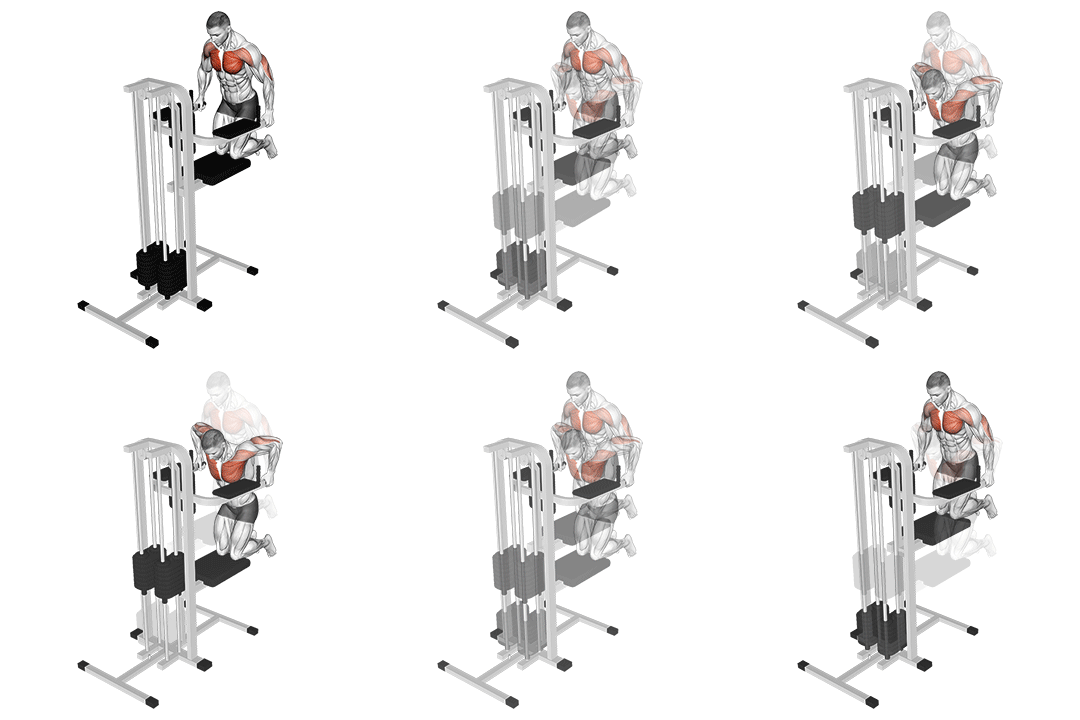
More comparisons with Assisted Chest Dip (kneeling)
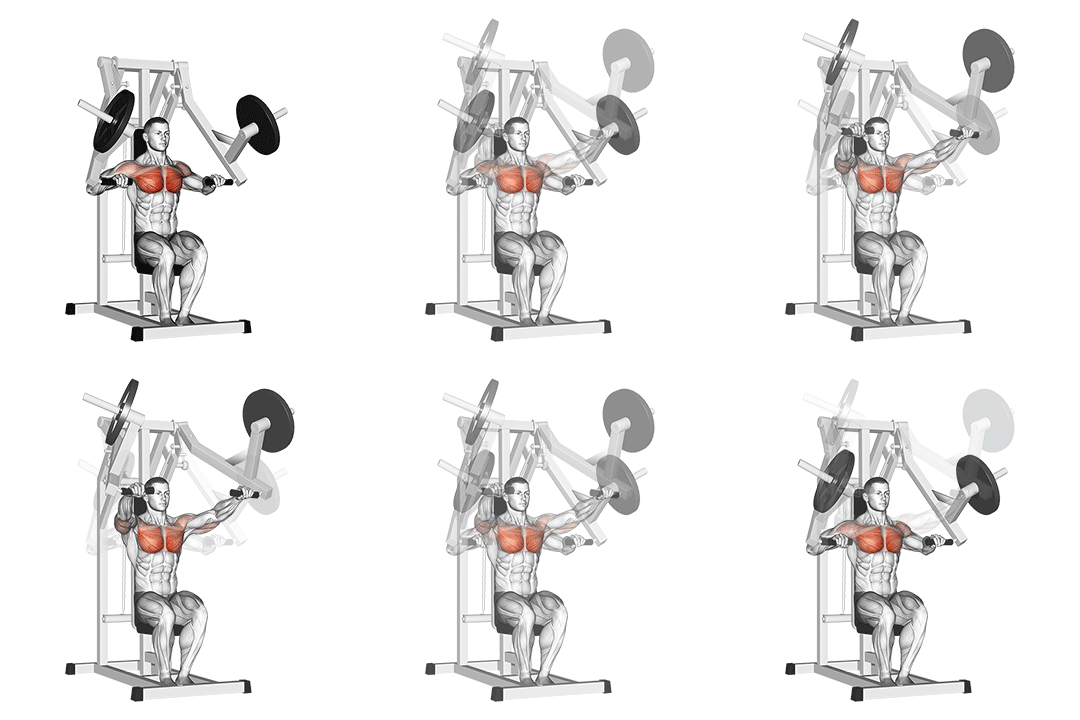
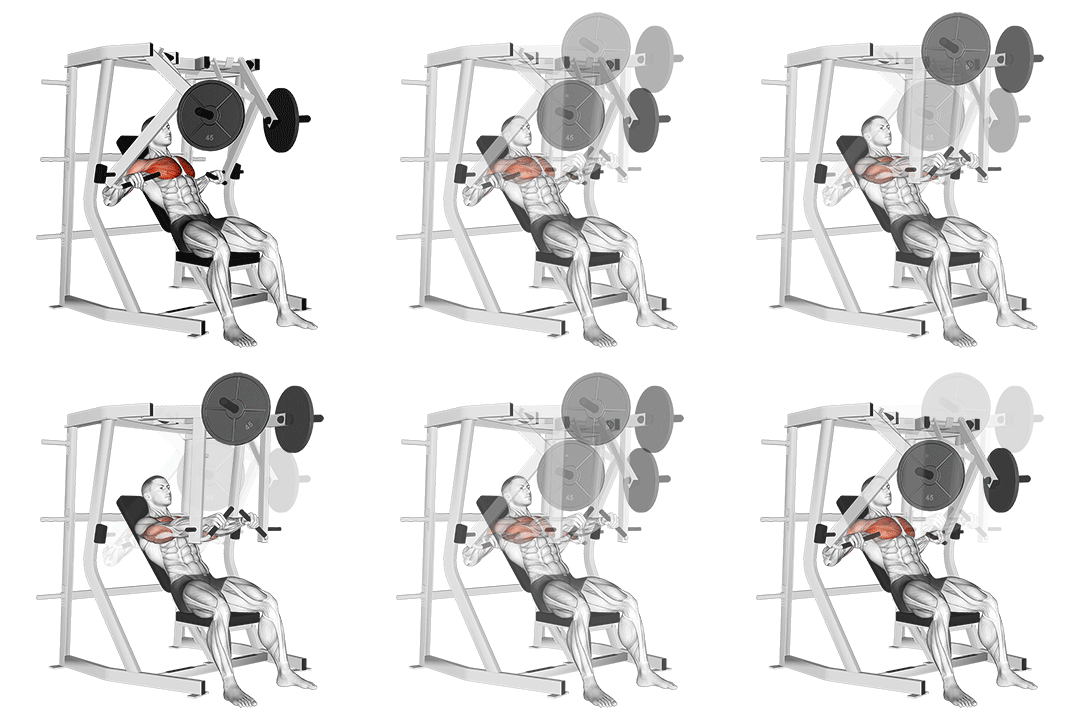
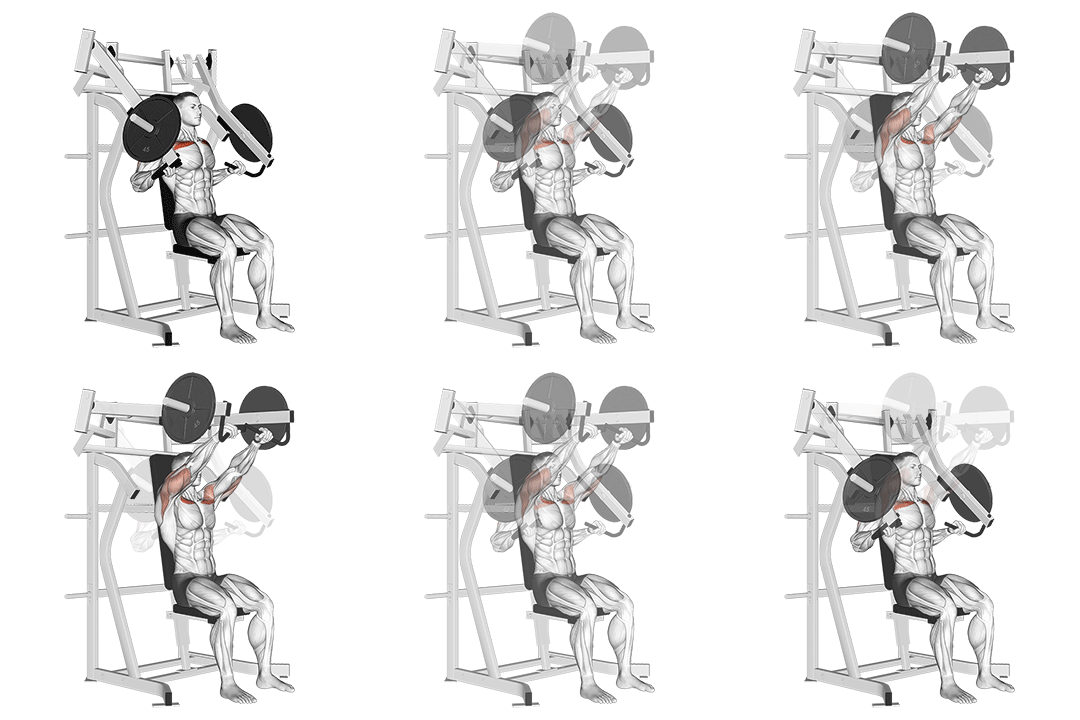
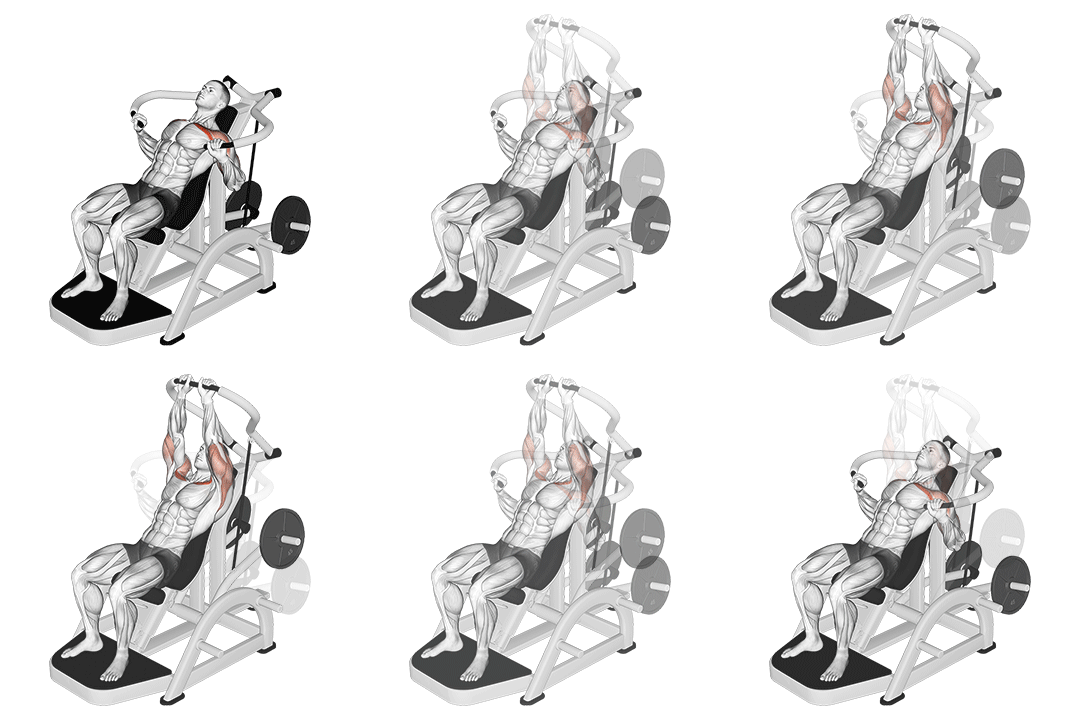
More comparisons with Band One Arm Twisting Chest Press

Compare More Exercises
Use our free comparison tool to analyze any two exercises head-to-head.
Compare Exercises