

Assisted Chest Dip (kneeling) vs Bench Press - With Bands: Complete Comparison Guide
Assisted Chest Dip (kneeling) vs Bench Press - With Bands is a practical matchup if you want to build your pectorals while managing load and equipment. You’ll get clear, actionable guidance on muscle activation, movement mechanics, setup cues, and programming (rep ranges and progressions). Read on to learn which exercise emphasizes the lower versus mid-pecs, how variable band resistance changes force curves, specific technique cues (torso lean, elbow angle, band placement), and when to choose one over the other based on your goal: hypertrophy, strength, beginner accessibility, or home training.
Exercise Comparison
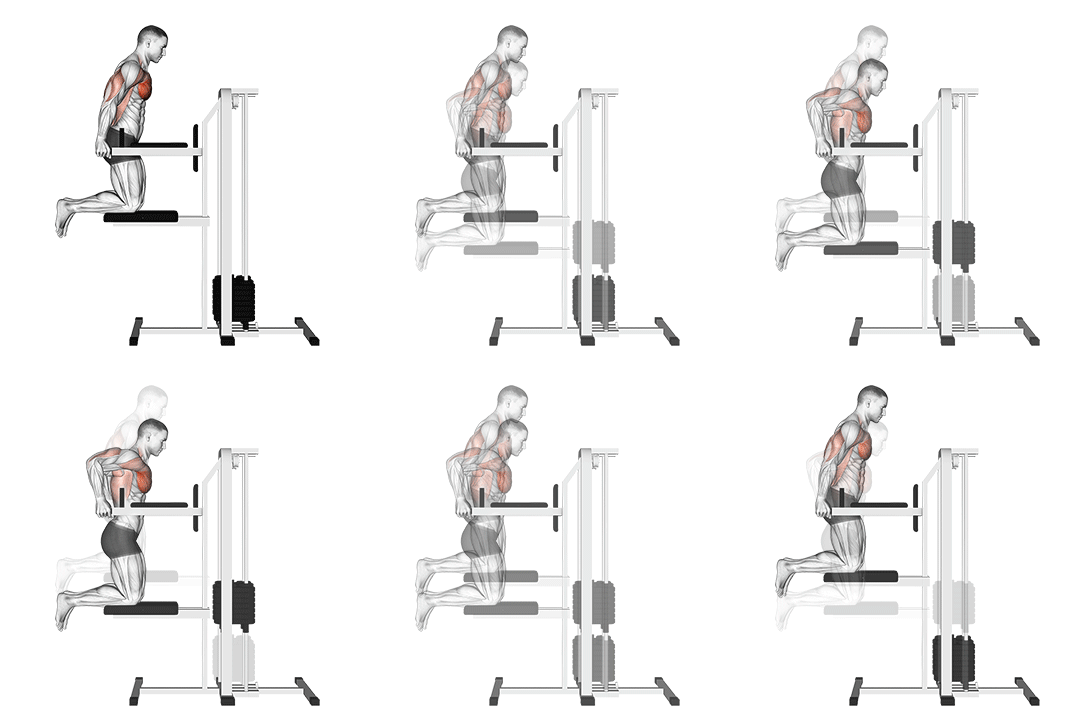
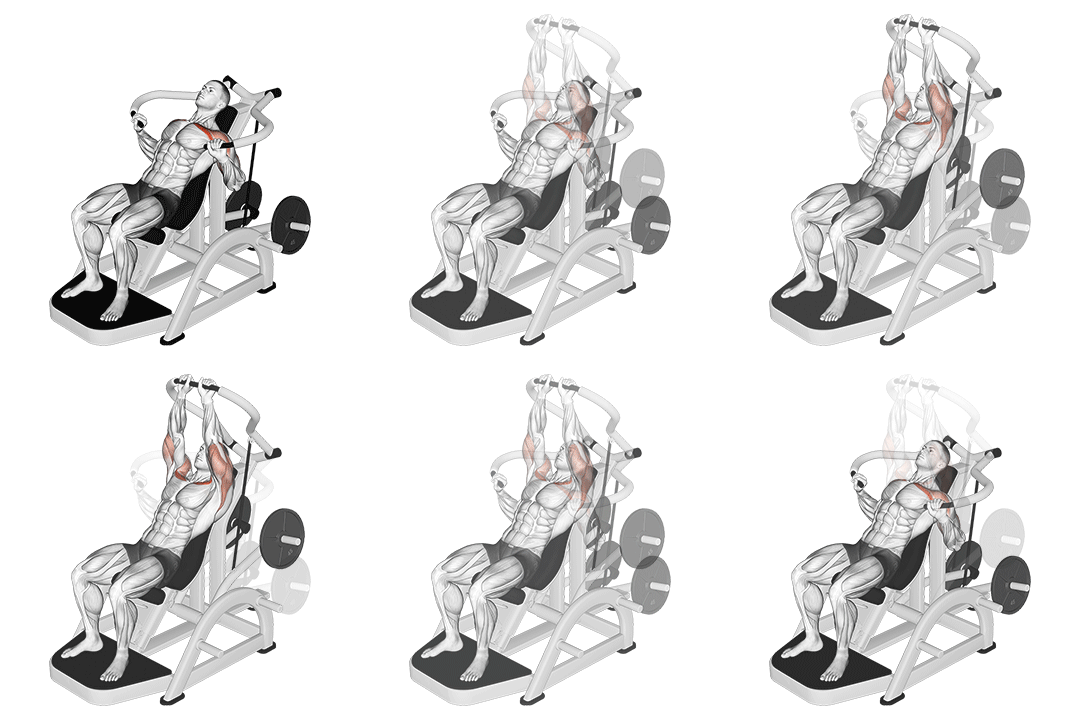
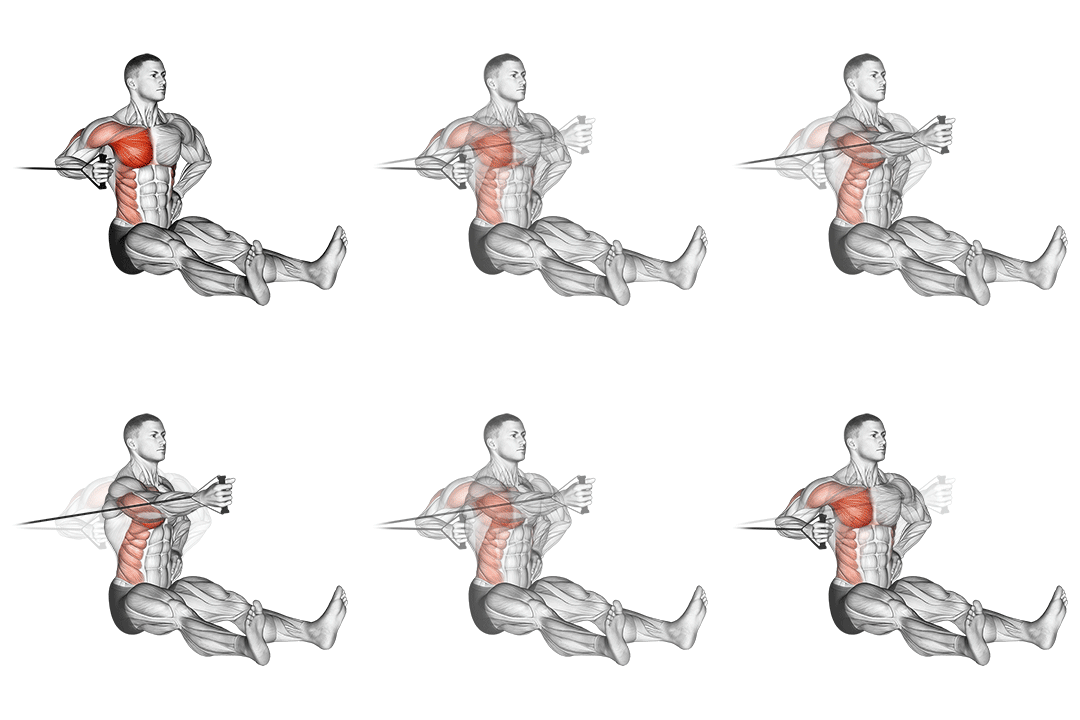
Assisted Chest Dip (kneeling)
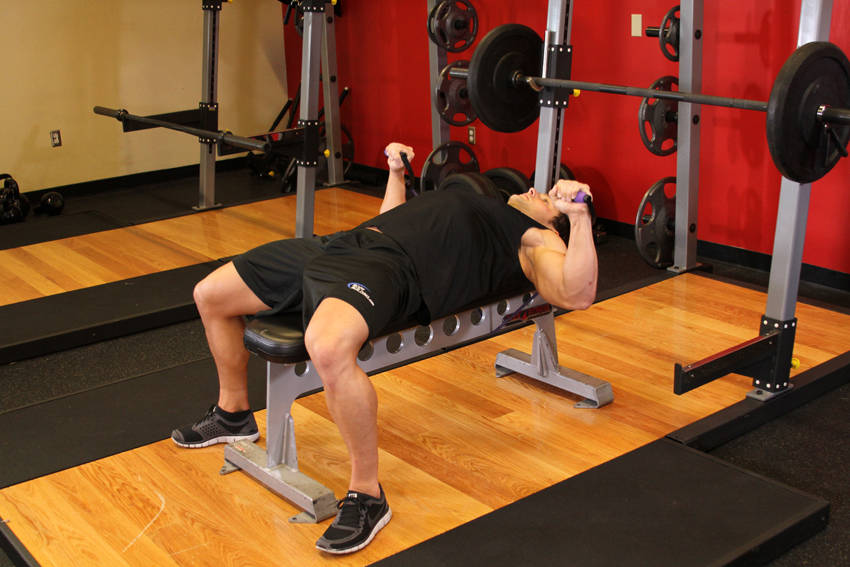
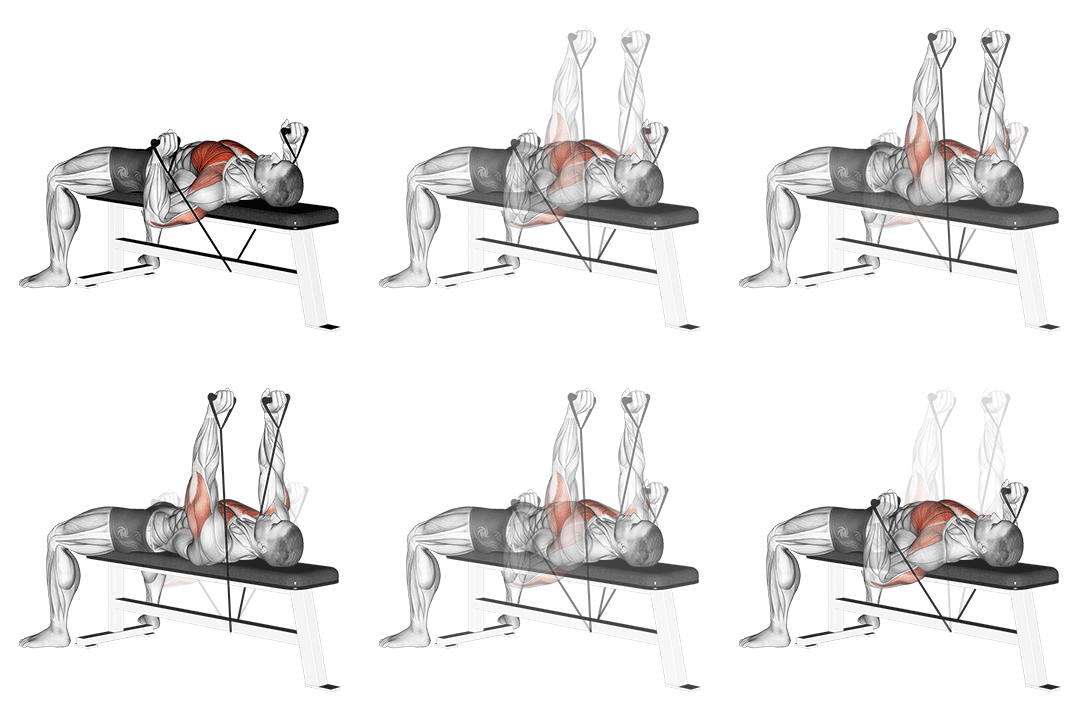
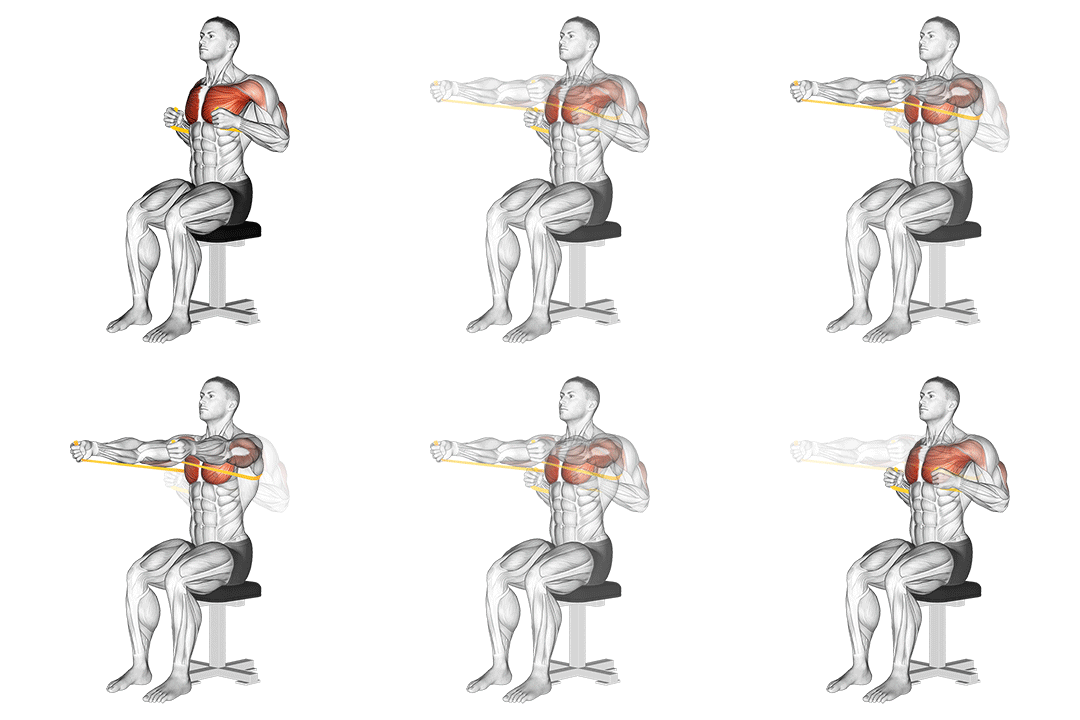
Bench Press - With Bands
Head-to-Head Comparison
| Attribute | Assisted Chest Dip (kneeling) | Bench Press - With Bands |
|---|---|---|
| Target Muscle |
Pectorals
|
Pectorals
|
| Body Part |
Chest
|
Chest
|
| Equipment |
Lever
|
Band
|
| Difficulty |
Beginner
|
Intermediate
|
| Movement Type |
Compound
|
Compound
|
| Secondary Muscles |
2
|
2
|
Secondary Muscles Activated
Assisted Chest Dip (kneeling)
Bench Press - With Bands
Visual Comparison
Overview
Assisted Chest Dip (kneeling) vs Bench Press - With Bands is a practical matchup if you want to build your pectorals while managing load and equipment. You’ll get clear, actionable guidance on muscle activation, movement mechanics, setup cues, and programming (rep ranges and progressions). Read on to learn which exercise emphasizes the lower versus mid-pecs, how variable band resistance changes force curves, specific technique cues (torso lean, elbow angle, band placement), and when to choose one over the other based on your goal: hypertrophy, strength, beginner accessibility, or home training.
Key Differences
- Equipment differs: Assisted Chest Dip (kneeling) uses Lever, while Bench Press - With Bands requires Band.
- Difficulty levels differ: Assisted Chest Dip (kneeling) is beginner, while Bench Press - With Bands is intermediate.
Pros & Cons
Assisted Chest Dip (kneeling)
+ Pros
- Beginner-friendly: lever assistance lets you manage load precisely
- Greater eccentric stretch of lower pecs when leaning forward (helps hypertrophy via length-tension)
- Simple setup and fixed path reduce stabilization demands
- Easily scale assistance in small increments to build strength
− Cons
- Requires a specific machine found mainly in commercial gyms
- Limited overload ceiling compared to weighted dips or barbell presses
- Excessive depth can strain anterior shoulder if technique is poor
Bench Press - With Bands
+ Pros
- Variable resistance shifts peak tension to lockout, improving lockout strength
- Highly portable and scalable by changing band tension or bar load
- Better for progressive overload and strength transfer to barbell pressing
- Can be done as floor press variant for home workouts
− Cons
- Requires good band anchoring and setup knowledge to be safe
- Intermediate difficulty—higher stabilization and coordination demand
- Band tension can alter technique if grip width and elbow path aren’t controlled
When Each Exercise Wins
Banded bench lets you combine barbell load with accommodating resistance, increasing time under tension and allowing progressive overload across the full ROM (use 6–12 reps, 3–5 sets). The rising resistance emphasizes the concentric finish, which complements the dip’s stretch stimulus for balanced hypertrophy.
Bands allow you to overload the top of the lift and train rate of force development; paired with heavy barbell sets (1–5 reps) you can build maximal pressing strength and improve lockout performance.
The lever-controlled movement lowers coordination and balance demands, lets you remove or add assistance in small increments, and teaches pressing mechanics with less spinal and shoulder load—ideal for 8–15 rep learning phases.
Bands are inexpensive and portable; you can simulate bench stress with banded floor presses or use dumbbells plus bands. This makes banded pressing the best choice for limited-space or equipment setups.
Frequently Asked Questions
Can I do both Assisted Chest Dip (kneeling) and Bench Press - With Bands in the same workout?
Yes. Use one as a heavy or primary strength movement (banded bench) and the other as an auxiliary or stretch-focused exercise (assisted dip). For example, do 3–5 sets of 4–6 banded bench reps, then 3 sets of 8–12 assisted dips to increase volume without sacrificing intensity.
Which exercise is better for beginners?
Assisted Chest Dip (kneeling) is better for beginners because the lever machine controls balance and load, letting you practice pressing mechanics with lower injury risk. Progress by reducing assistance or increasing range before moving to unassisted dips or banded barbell work.
How do the muscle activation patterns differ?
Dips place the pecs under greater stretch at the bottom (longer muscle lengths), increasing early concentric tension; banded bench reduces load at the chest and increases load toward lockout, so peak activation shifts later in the ROM. The triceps contribute more at lockout with bands; dips recruit triceps and anterior deltoid earlier.
Can Bench Press - With Bands replace Assisted Chest Dip (kneeling)?
Yes for many goals—banded bench provides scalable overload and is more accessible for home training—but it won’t fully replicate the deep eccentric stretch of dips. If your goal is balanced chest development, rotate both into your program or use dips to target lower-pec stretch and bands to develop lockout strength.
Expert Verdict
Choose Assisted Chest Dip (kneeling) when you’re starting out, rehabbing, or want to emphasize a deep eccentric stretch on the lower pecs while minimizing balance demands—keep torso lean ~20–30°, stop 1–2 inches above maximum shoulder extension, and work 8–15 reps. Choose Bench Press - With Bands when your priority is progressive overload and lockout strength—use band tension to add accommodating resistance, maintain a grip roughly 1–1.5× shoulder width, and train 3–6 sets of 6–12 reps for hypertrophy or 1–5 reps for strength phases. Both can be programmed together: use dips for stretch-focused sets and banded bench for heavy work.
Also Compare
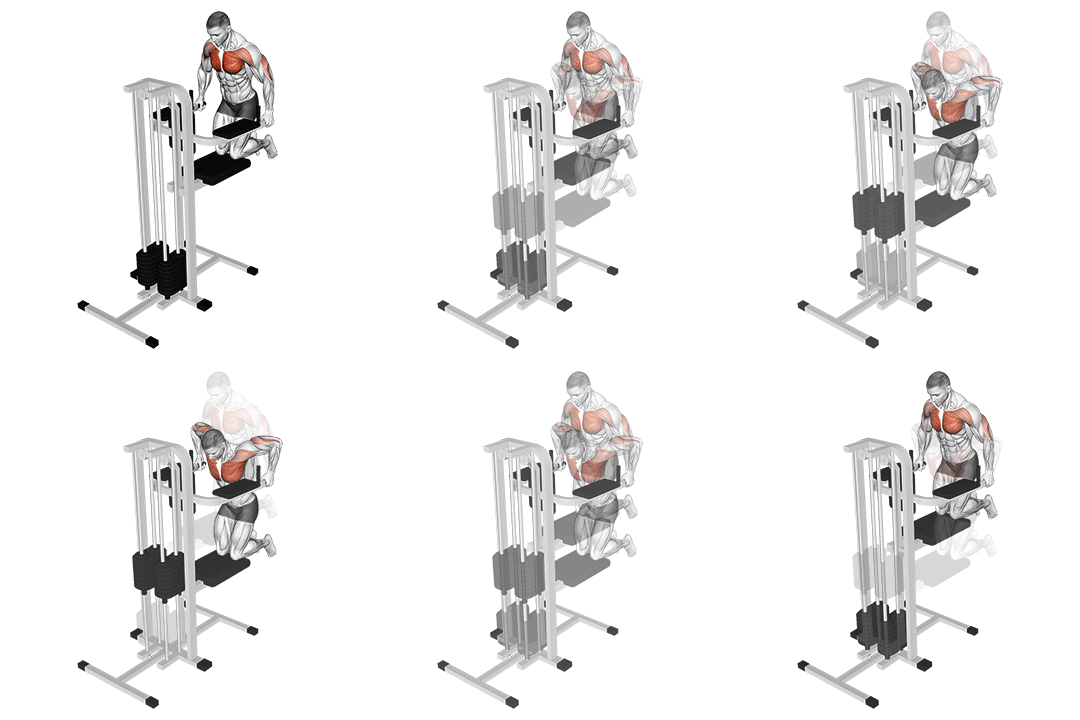
More comparisons with Assisted Chest Dip (kneeling)
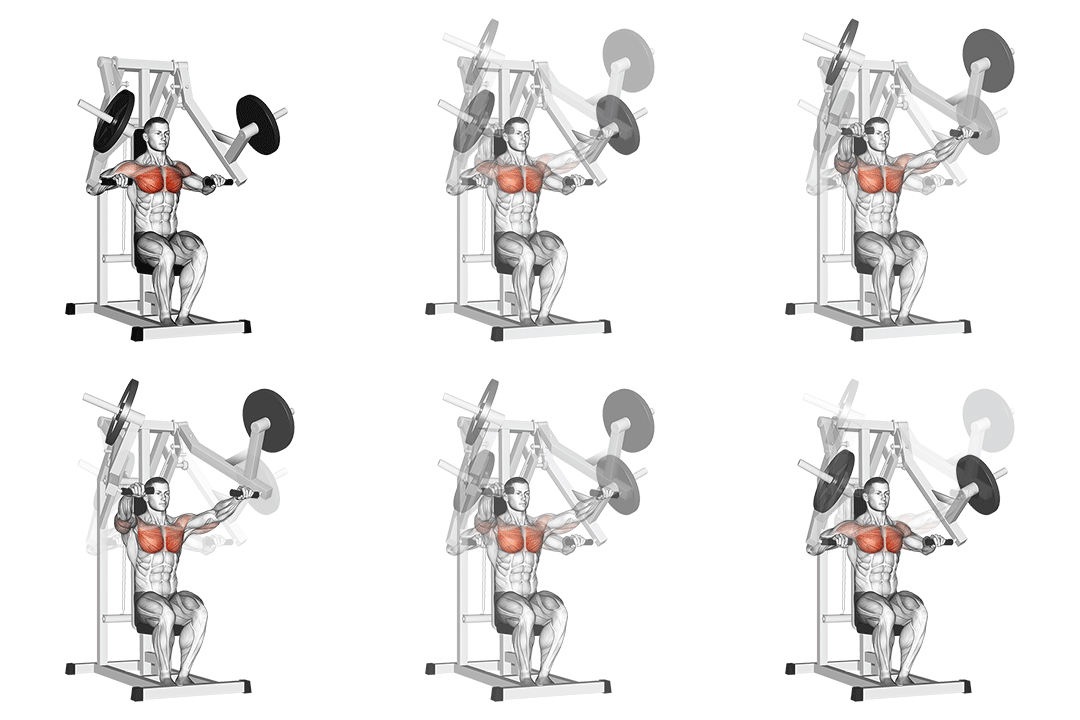
More comparisons with Bench Press - With Bands

Compare More Exercises
Use our free comparison tool to analyze any two exercises head-to-head.
Compare Exercises