

Barbell Curl vs Barbell Lying Preacher Curl: Complete Comparison Guide
Barbell Curl vs Barbell Lying Preacher Curl — two staple isolation moves for the biceps, but they load the muscle differently. You’ll get clear, actionable comparisons of muscle activation, equipment needs, technique cues, and programming. I’ll cover how shoulder position changes long- vs short-head contribution, exact rep ranges and tempos for hypertrophy and strength, progression options, and how to avoid common form breakdowns. Read on so you can pick the lift that fits your goal—strength, hypertrophy, or simply a safer beginner progression.
Exercise Comparison
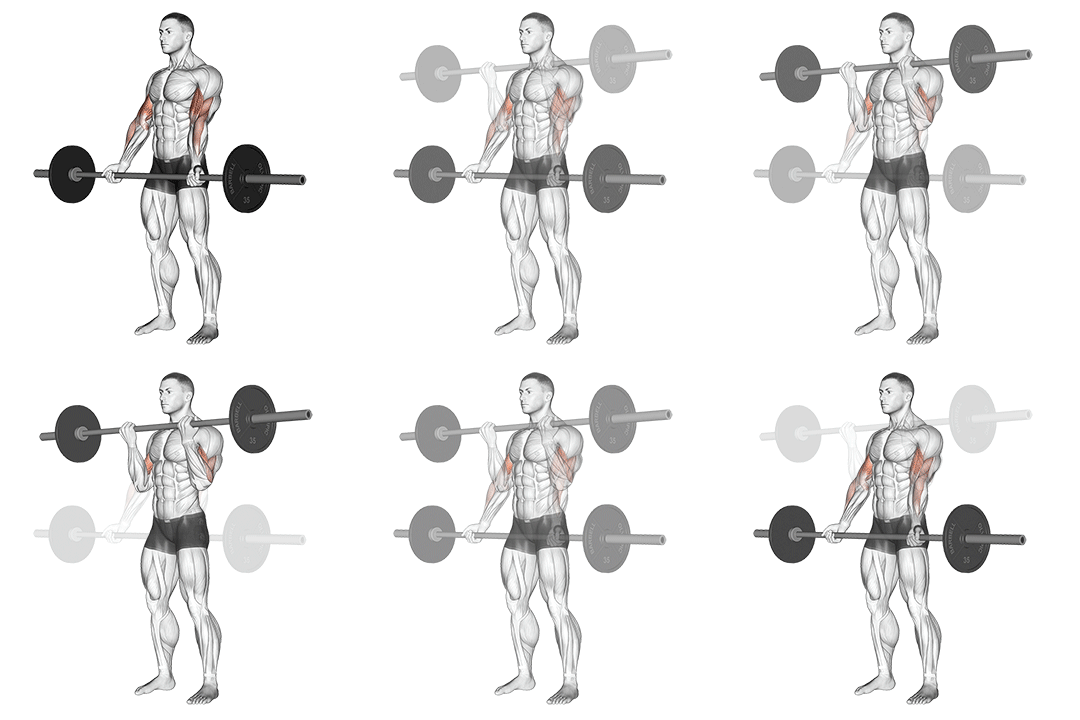
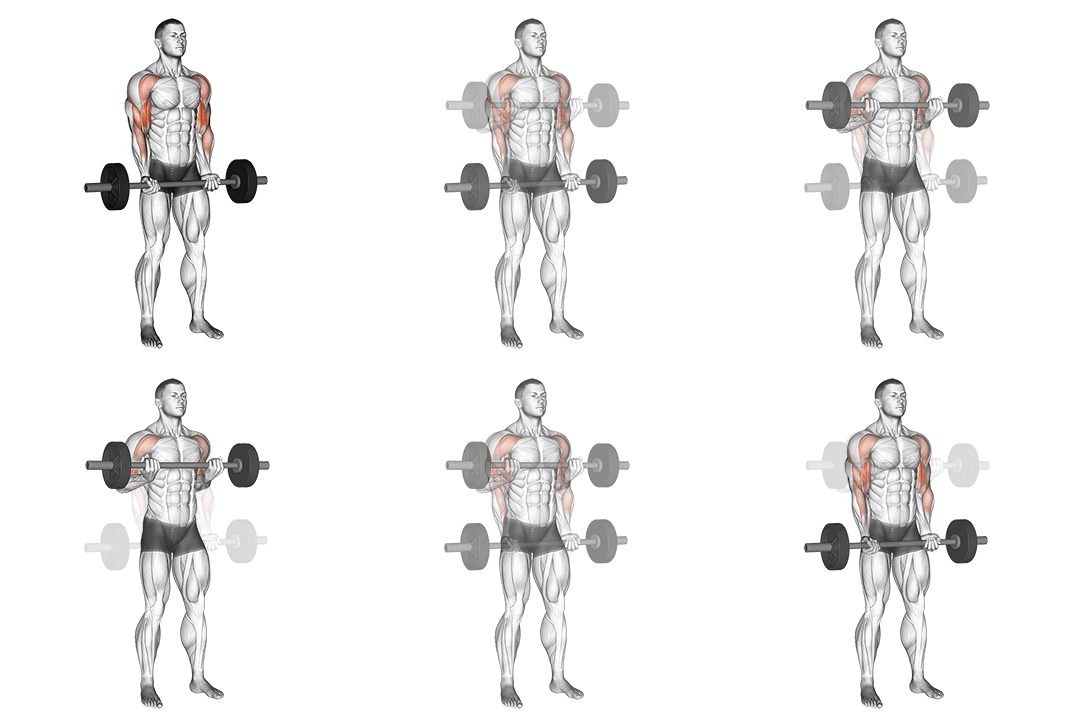
Barbell Curl
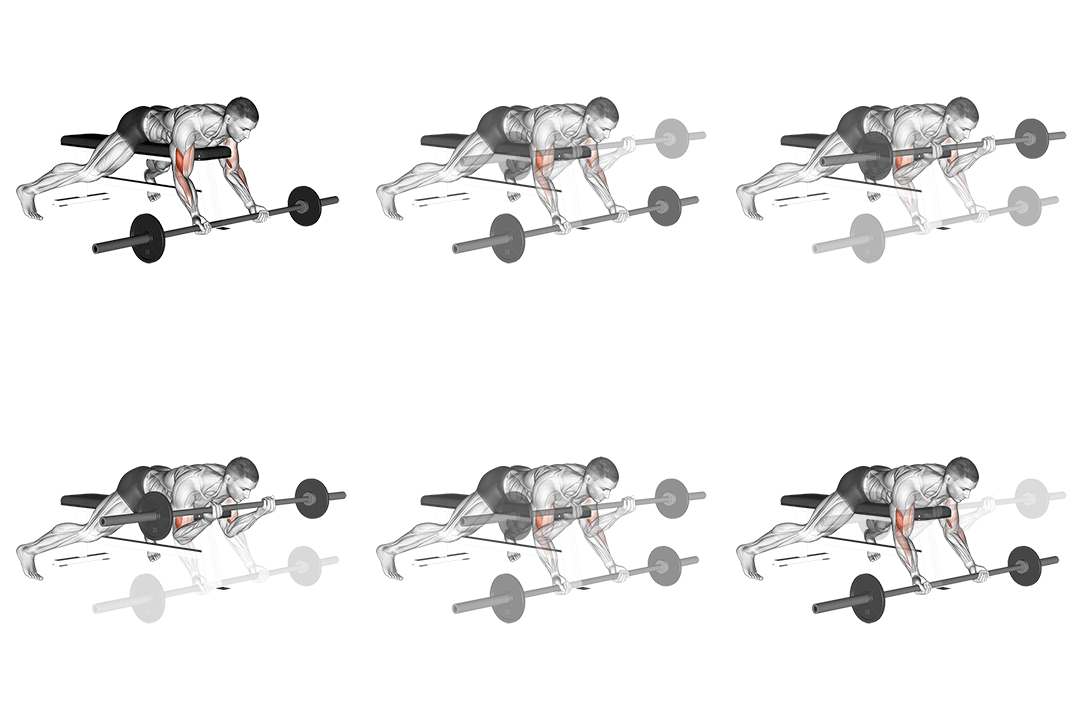
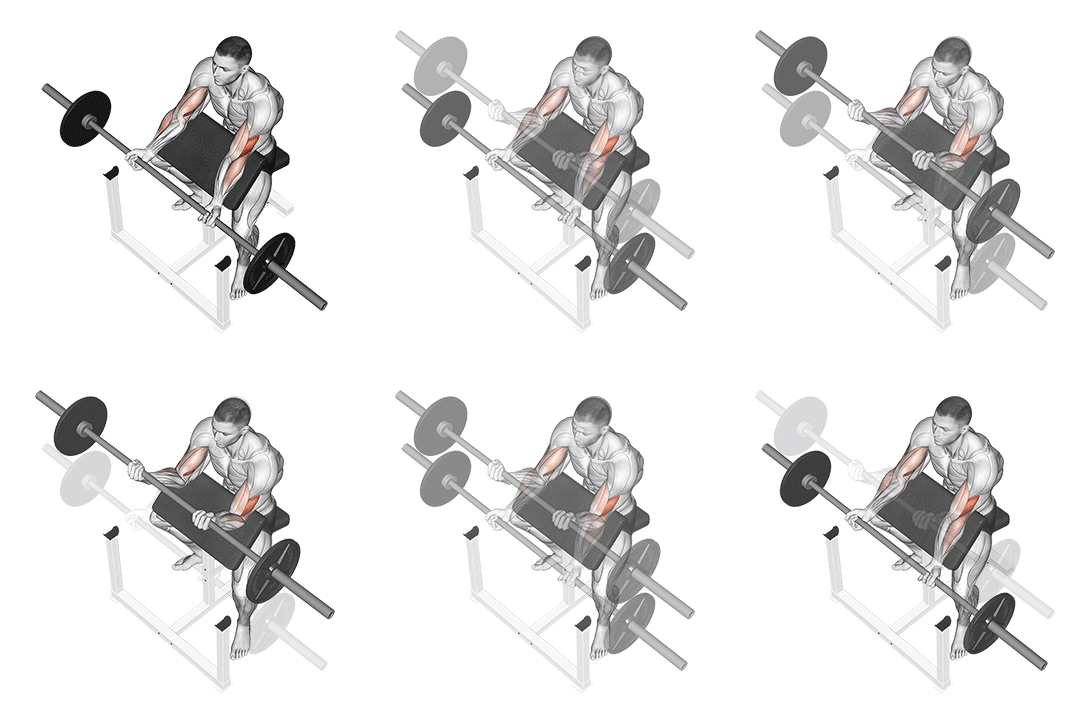
Barbell Lying Preacher Curl
Head-to-Head Comparison
| Attribute | Barbell Curl | Barbell Lying Preacher Curl |
|---|---|---|
| Target Muscle |
Biceps
|
Biceps
|
| Body Part |
Upper-arms
|
Upper-arms
|
| Equipment |
Barbell
|
Barbell
|
| Difficulty |
Beginner
|
Beginner
|
| Movement Type |
Isolation
|
Isolation
|
| Secondary Muscles |
1
|
1
|
Secondary Muscles Activated
Barbell Curl
Barbell Lying Preacher Curl
Visual Comparison
Overview
Barbell Curl vs Barbell Lying Preacher Curl — two staple isolation moves for the biceps, but they load the muscle differently. You’ll get clear, actionable comparisons of muscle activation, equipment needs, technique cues, and programming. I’ll cover how shoulder position changes long- vs short-head contribution, exact rep ranges and tempos for hypertrophy and strength, progression options, and how to avoid common form breakdowns. Read on so you can pick the lift that fits your goal—strength, hypertrophy, or simply a safer beginner progression.
Key Differences
- Both exercises target the Biceps using Barbell. The main differences are in their movement patterns and muscle activation angles.
Pros & Cons
Barbell Curl
+ Pros
- Simple setup—only a barbell needed and easy to program
- Better long-head involvement for a fuller biceps sweep due to free shoulder range
- Easier to add load for strength work (4–6 rep ranges)
- Versatile: straight bar, EZ bar, tempo and partial variations
− Cons
- Easier to cheat with torso swing, reducing time under tension
- Less isolation—anterior deltoid and forearm can assist
- Potential for lower-back strain with heavy loads if posture breaks down
Barbell Lying Preacher Curl
+ Pros
- High isolation—upper arm stabilization reduces cheating and keeps tension on the biceps
- Great for strict mid-range peak contraction and time under tension
- Cleaner eccentric control for 2–4 second negatives
- Targets the short head and brachialis more by limiting shoulder motion
− Cons
- Requires a preacher bench or pad—less accessible for some gyms/home setups
- Less transferable to heavy strength work due to limited leverage
- Can place stress on the elbow joint if you lock out at heavy loads
When Each Exercise Wins
Preacher curls keep constant tension and reduce cheating, which increases time under tension—key for hypertrophy. Use 8–12 reps with 2–3s eccentrics and short rests, and you’ll fatiguethe biceps more directly.
Standing curls allow heavier loads and better recruitment of stabilizers, which helps you progress absolute strength. Train in the 4–6 rep range with controlled tempo and progressive overload to build force output.
The standing curl has a simpler movement pattern and fewer setup variables, so you can learn elbow tracking and wrist alignment faster. Start with light weight and strict form to build coordination before isolating more.
You only need a barbell and a small footprint to perform standing curls, while preacher variations typically require extra equipment like a bench or pad. Standing curls offer the best accessibility and progression at home.
Frequently Asked Questions
Can I do both Barbell Curl and Barbell Lying Preacher Curl in the same workout?
Yes. Sequence them from general to specific: do standing barbell curls first if you plan heavy sets, then use preacher curls as a strict isolation finisher for 2–4 sets of 8–12 reps. Monitor fatigue to avoid form breakdown at the elbow.
Which exercise is better for beginners?
Barbell Curl is better for most beginners because the movement is straightforward and easier to self-correct. Start light, keep elbows fixed and core braced, and progress load only when you can maintain perfect form.
How do the muscle activation patterns differ?
Activation shifts with shoulder position: standing curls allow the long head to work through a larger length-tension range, while preacher positioning shortens the long head and increases short-head and brachialis emphasis. Peak biceps torque occurs near 60–90° elbow flexion on both lifts, but preacher curls sustain tension more through mid-range.
Can Barbell Lying Preacher Curl replace Barbell Curl?
Preacher curls can replace standing curls if your goal is strict isolation or you’re focusing a hypertrophy block, but they offer less carryover for heavy strength work and long-head development. For a balanced program, include both across training cycles.
Expert Verdict
Use standing Barbell Curls when you want simple, scalable strength and a fuller long-head biceps stimulus—load the bar, keep elbows tucked, brace your core, and progress with heavier sets or lower rep ranges (4–6) for strength. Choose Barbell Lying Preacher Curls when you need strict isolation, higher time under tension, and better control of the mid-range contraction—train 8–12 reps with 2–3s eccentrics for hypertrophy. Both moves belong in a balanced program: prioritize standing curls for overloaded strength phases and add preacher variations as an isolation finisher or during hypertrophy blocks to focus the short head and brachialis.
Also Compare
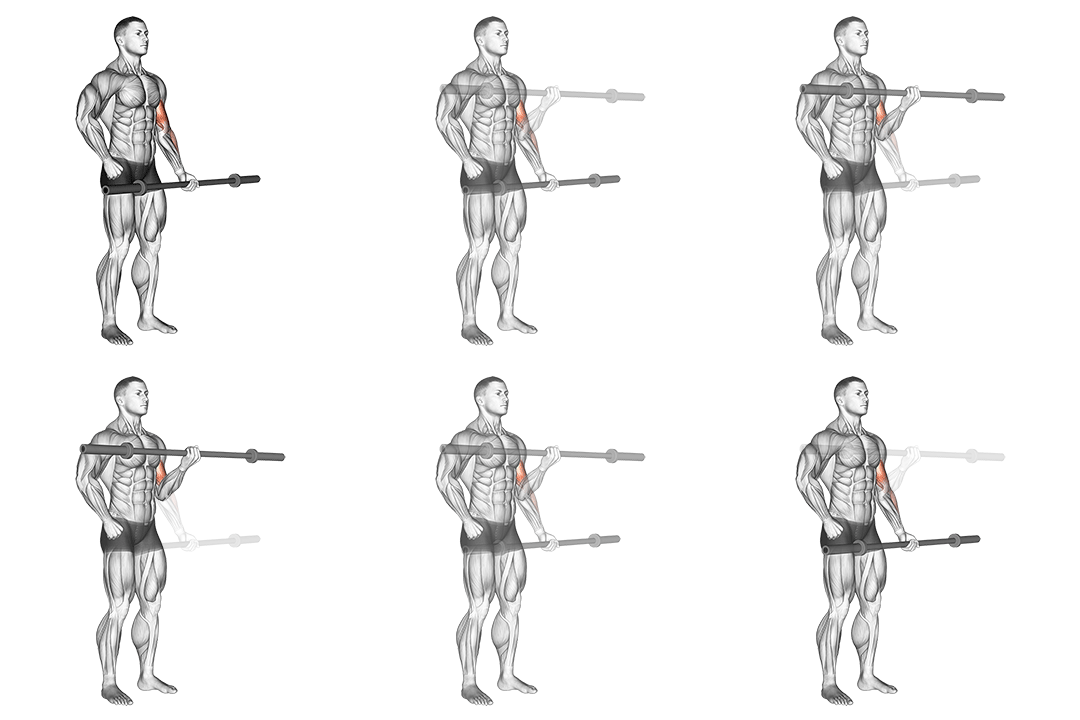
More comparisons with Barbell Curl
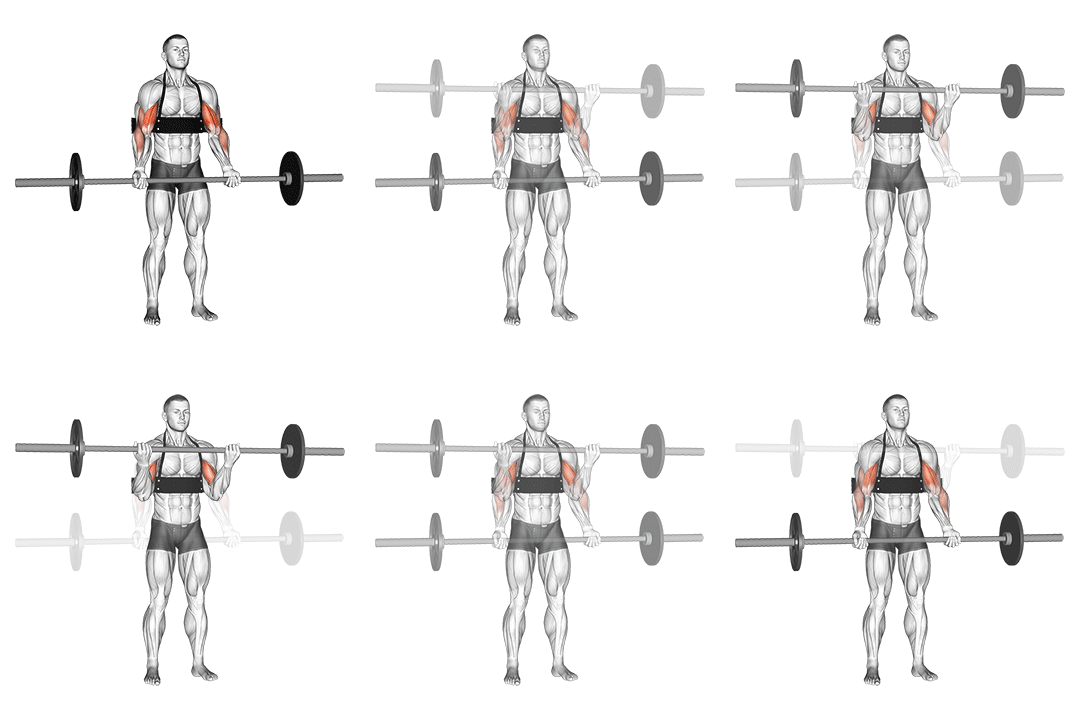
More comparisons with Barbell Lying Preacher Curl
Compare More Exercises
Use our free comparison tool to analyze any two exercises head-to-head.
Compare Exercises