

Barbell Decline Close Grip To Skull Press vs Barbell Lying Back Of The Head Tricep Extension: Comple
Barbell Decline Close Grip To Skull Press vs Barbell Lying Back Of The Head Tricep Extension — both hit the triceps hard but do so through different force vectors and joint positions. If you want clear guidance, this comparison walks you through primary muscle emphasis, secondary recruitment, equipment needs, learning curves, injury risk, and program recommendations. You’ll get specific technique cues (bench angle, elbow position, tempo), rep ranges for hypertrophy and strength, and decisive recommendations so you can pick the best move for your goals and training setup.
Exercise Comparison
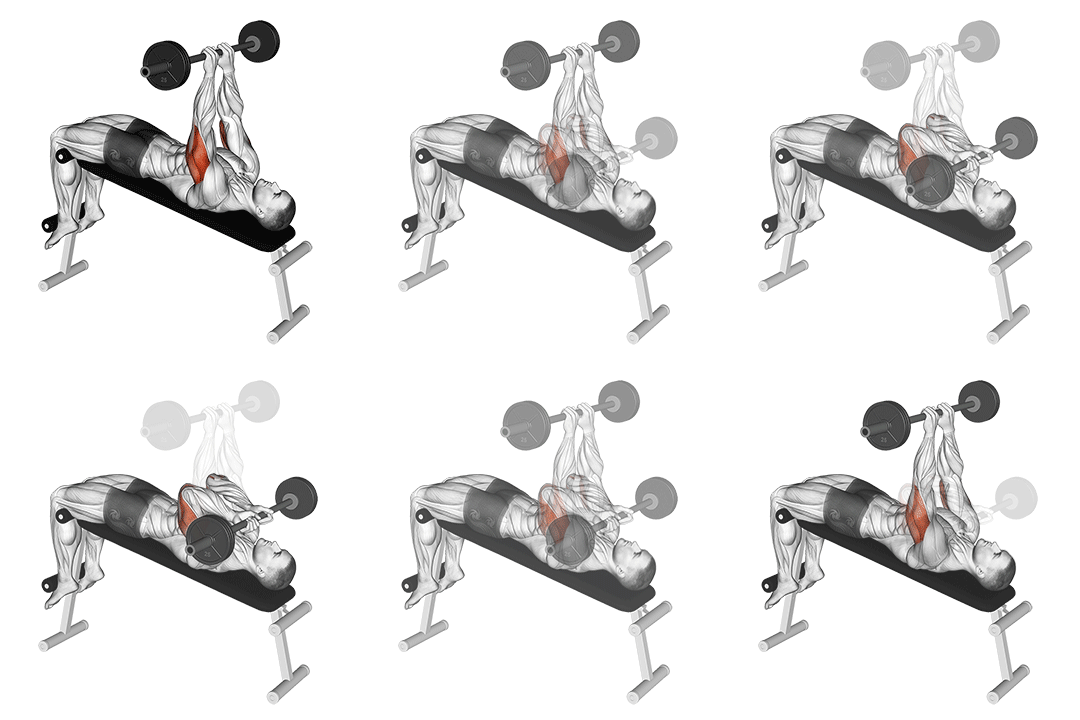
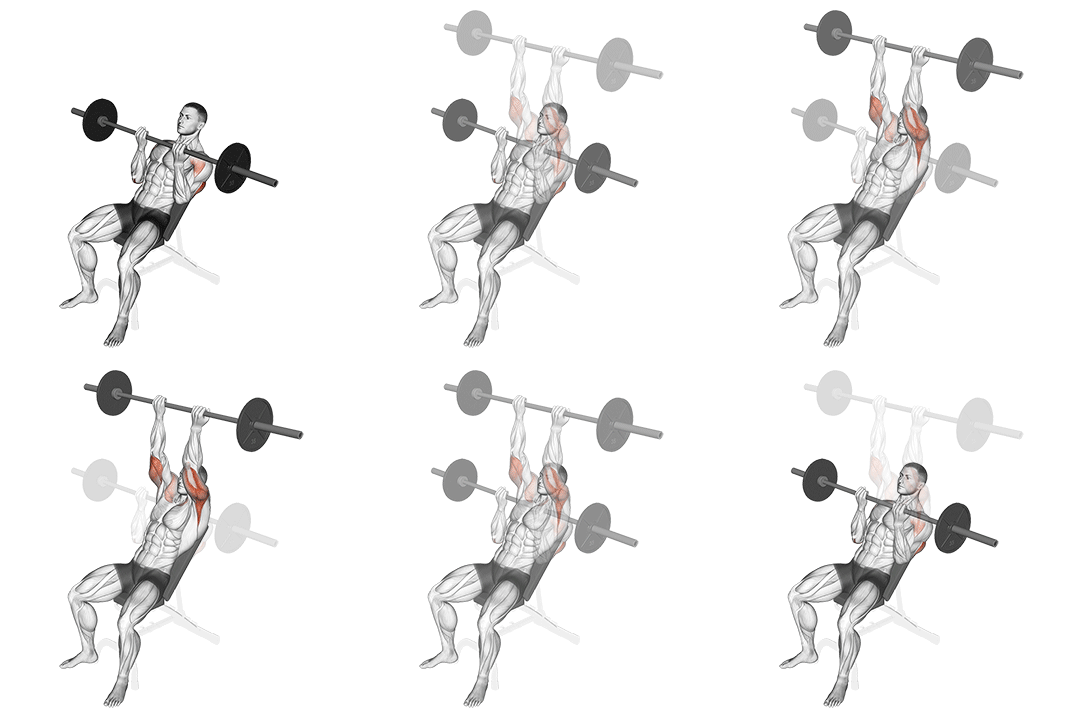
Barbell Decline Close Grip To Skull Press
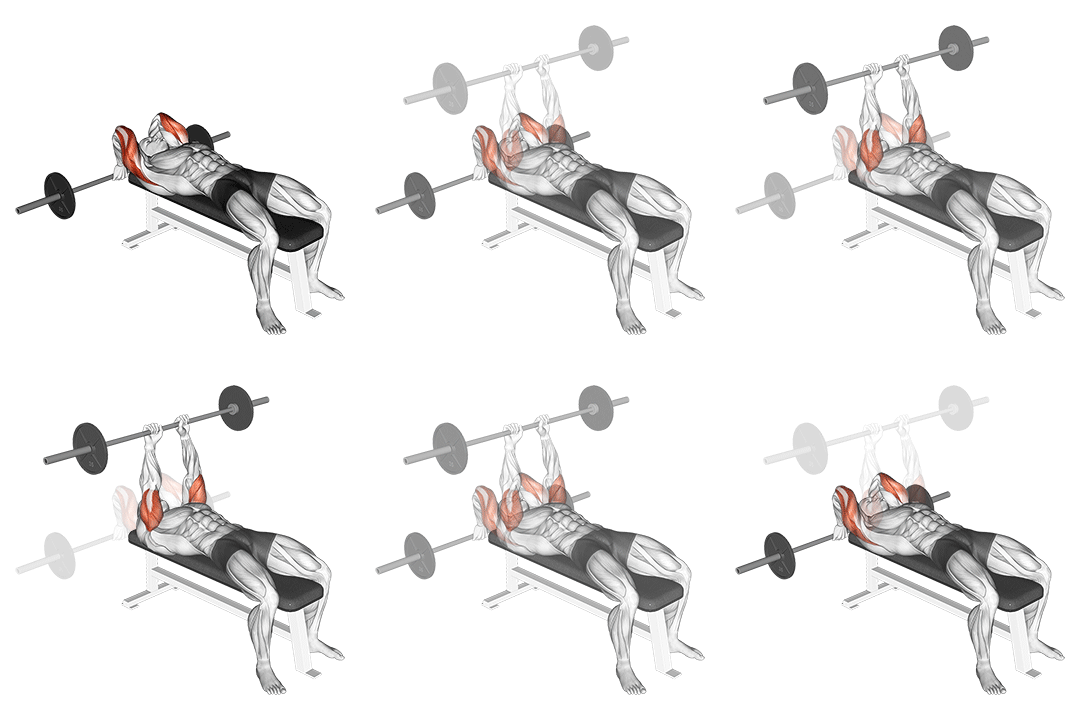
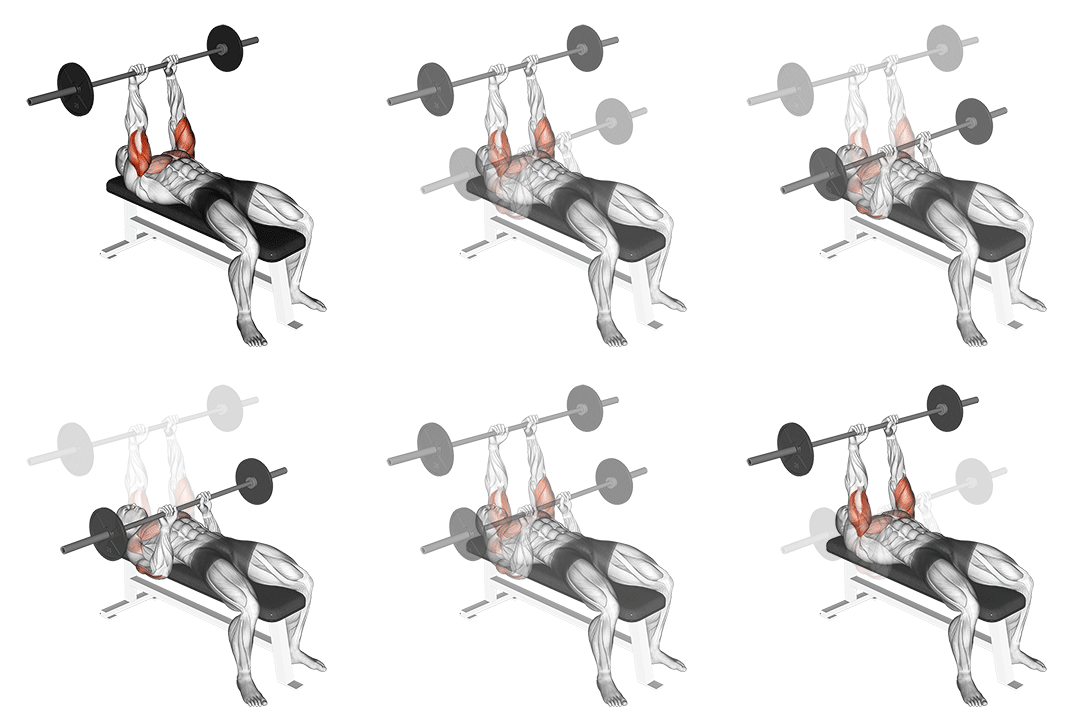
Barbell Lying Back Of The Head Tricep Extension
Head-to-Head Comparison
| Attribute | Barbell Decline Close Grip To Skull Press | Barbell Lying Back Of The Head Tricep Extension |
|---|---|---|
| Target Muscle |
Triceps
|
Triceps
|
| Body Part |
Upper-arms
|
Upper-arms
|
| Equipment |
Barbell
|
Barbell
|
| Difficulty |
Intermediate
|
Intermediate
|
| Movement Type |
Compound
|
Isolation
|
| Secondary Muscles |
2
|
1
|
Secondary Muscles Activated
Barbell Decline Close Grip To Skull Press
Barbell Lying Back Of The Head Tricep Extension
Visual Comparison
Overview
Barbell Decline Close Grip To Skull Press vs Barbell Lying Back Of The Head Tricep Extension — both hit the triceps hard but do so through different force vectors and joint positions. If you want clear guidance, this comparison walks you through primary muscle emphasis, secondary recruitment, equipment needs, learning curves, injury risk, and program recommendations. You’ll get specific technique cues (bench angle, elbow position, tempo), rep ranges for hypertrophy and strength, and decisive recommendations so you can pick the best move for your goals and training setup.
Key Differences
- Barbell Decline Close Grip To Skull Press is a compound movement, while Barbell Lying Back Of The Head Tricep Extension is an isolation exercise.
- Both exercises target the Triceps using Barbell. The main differences are in their movement patterns and muscle activation angles.
Pros & Cons
Barbell Decline Close Grip To Skull Press
+ Pros
- Allows heavier loading for greater absolute triceps overload
- Recruits chest and shoulders for a compound strength effect
- Good for building overall pressing strength (3–6RM to 6–10RM)
- Strong progression options (load, tempo, decline angle)
− Cons
- Requires a decline bench or setup
- Higher technical demand and coordination of bar path
- Greater risk to elbows/shoulders if performed with poor form
Barbell Lying Back Of The Head Tricep Extension
+ Pros
- Isolates the triceps, especially the long head, via increased stretch
- Easier to learn and cue (keep upper arms vertical, hinge at elbow)
- More accessible — works on a flat bench
- Excellent for hypertrophy rep ranges (8–15 reps) and tempo control
− Cons
- Lower absolute loading potential than compound presses
- Places high end-range load on elbow tendons if overloaded
- Less carryover to compound pressing strength
When Each Exercise Wins
The lying back-of-head extension biases the long head with a greater length-tension stimulus and allows focused time under tension (8–15 reps, 2–4s eccentrics), which drives hypertrophy when paired with progressive overload.
As a compound movement you can use heavier loads (often 10–30% more) and low-rep protocols (3–6 reps at 80–90% 1RM), offering better transfer to overall pressing strength and heavier triceps loading.
It’s simpler to learn—focus on keeping the upper arm vertical and hinging at the elbow—so beginners can safely stimulate the triceps without complex bar path or decline bench setup.
It only needs a flat bench and barbell; most home gyms lack a decline bench, so this exercise is easier to program and safer to perform solo.
Frequently Asked Questions
Can I do both Barbell Decline Close Grip To Skull Press and Barbell Lying Back Of The Head Tricep Extension in the same workout?
Yes. Start with the compound Decline Close Grip To Skull Press for heavier sets (3–5 sets of 4–8 reps) and follow with 2–4 sets of Lying Back-Of-The-Head Extensions at 8–12 reps for targeted volume. Keep total weekly volume in mind to avoid elbow overuse.
Which exercise is better for beginners?
Barbell Lying Back Of The Head Tricep Extension is usually better for beginners because it isolates elbow extension and is easier to cue and control. Start light, focus on a strict elbow hinge, and build ROM before increasing load.
How do the muscle activation patterns differ?
The decline close-grip skull press produces higher overall triceps torque under heavier loads and more chest/shoulder co-activation due to the pressing vector. The back-of-head extension biases the long head via increased shoulder flexion and eccentric stretch, raising long-head tension especially at end-range.
Can Barbell Lying Back Of The Head Tricep Extension replace Barbell Decline Close Grip To Skull Press?
It can replace it if your goal is targeted hypertrophy and you lack a decline bench, but it won’t match the compound’s capacity for absolute load and pressing transfer. For strength cycles, keep the decline close-grip press; for focused size blocks, prioritize the lying extension.
Expert Verdict
Use the Barbell Decline Close Grip To Skull Press when you want to lift heavier and improve compound pressing strength — set a 15–25° decline, keep elbows tucked 10–20° from torso, and work 3–6 sets of 4–8 reps for strength or 6–10 reps for heavier hypertrophy work. Choose the Barbell Lying Back Of The Head Tricep Extension when your priority is long-head hypertrophy and isolation — perform 3–4 sets of 8–15 reps with controlled 2–4s eccentrics and keep upper arms vertical to maximize elbow-only movement. Rotate both across training blocks: use the compound for overload and the isolation for targeted volume and long-head stimulus.
Also Compare
More comparisons with Barbell Decline Close Grip To Skull Press
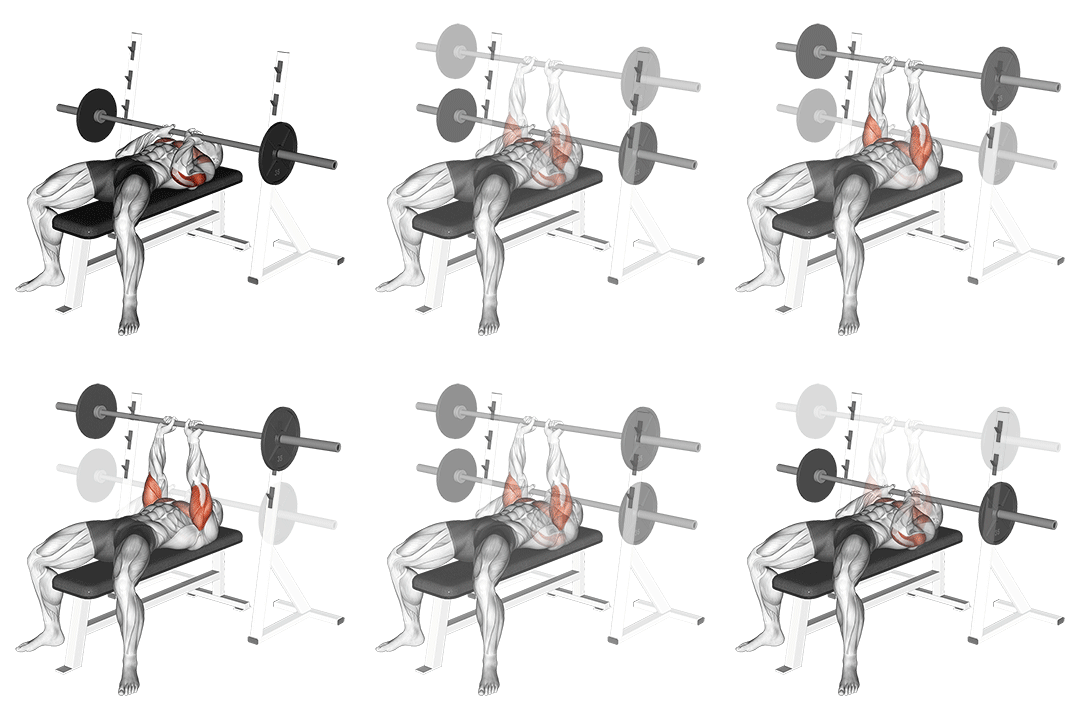
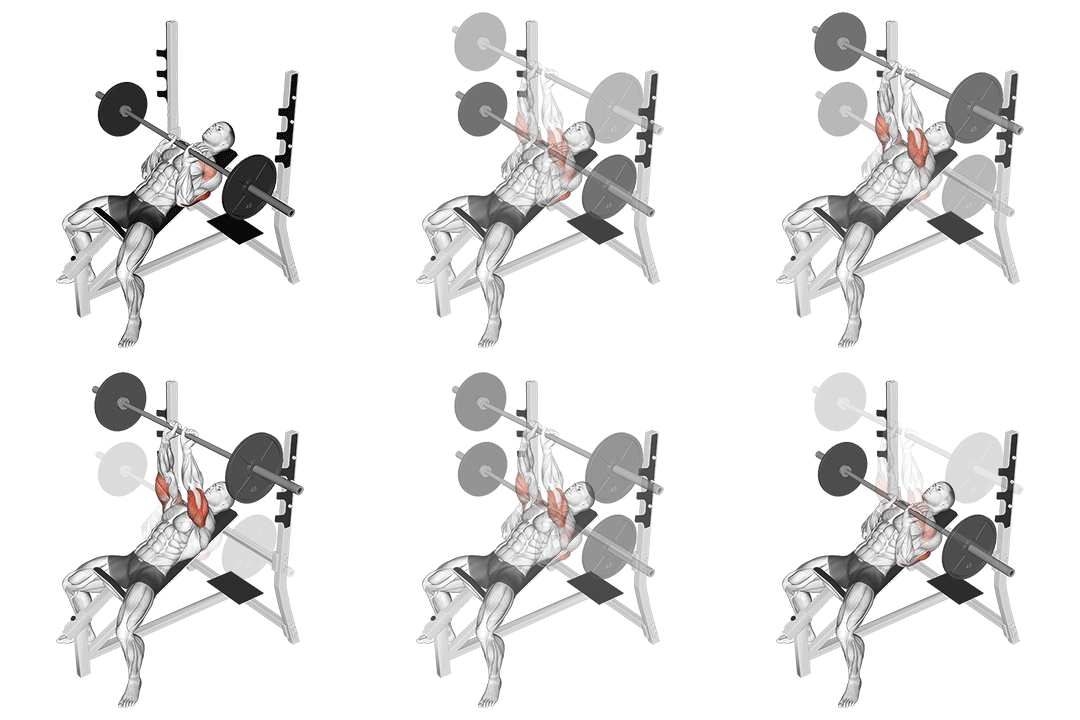
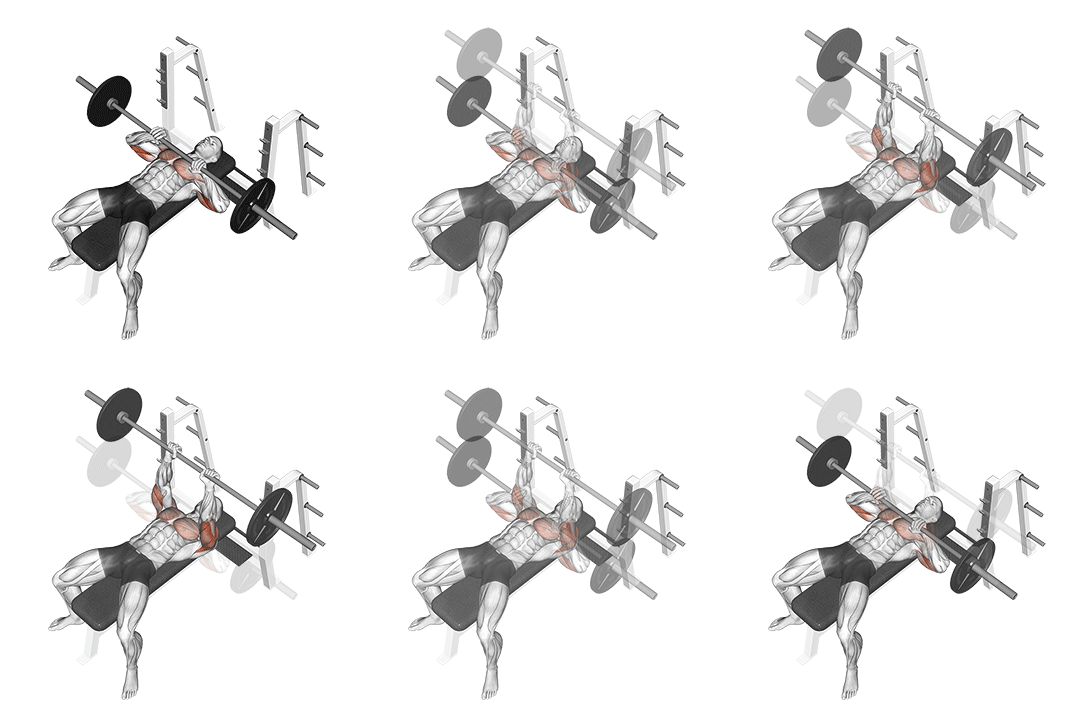
More comparisons with Barbell Lying Back Of The Head Tricep Extension
Compare More Exercises
Use our free comparison tool to analyze any two exercises head-to-head.
Compare Exercises