

Barbell Drag Curl vs Barbell Prone Incline Curl: Complete Comparison Guide
Barbell Drag Curl vs Barbell Prone Incline Curl — you want the most effective way to build your biceps and minimize wasted motion. This comparison breaks down how each exercise loads the biceps, which head (long vs short) gets more tension, technical cues to keep you safe, and rep ranges that drive muscle growth or strength. I’ll cover biomechanics like length–tension differences at varying shoulder angles, equipment and accessibility, progression pathways, and clear recommendations so you can pick the right curl for your training block.
Exercise Comparison
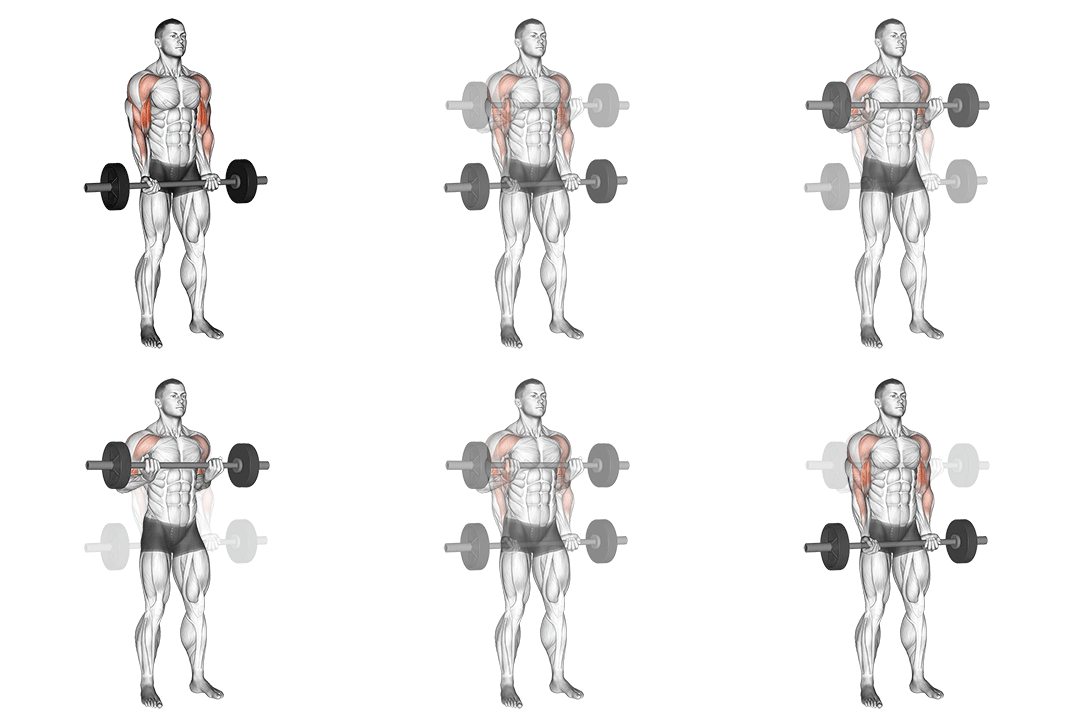
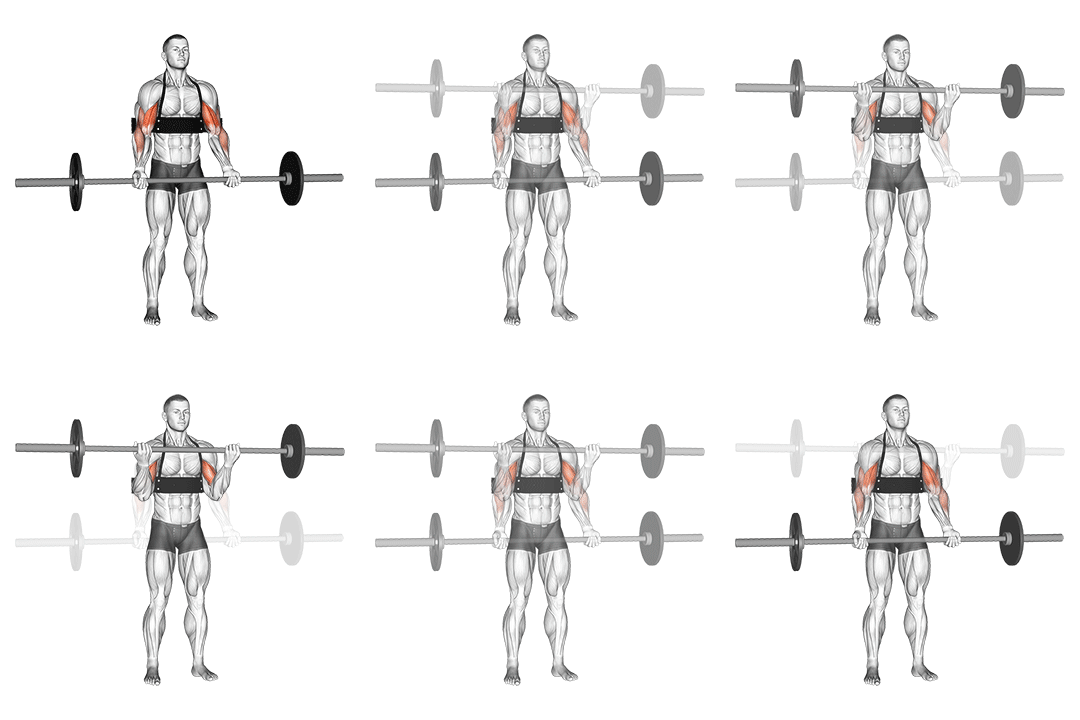
Barbell Drag Curl
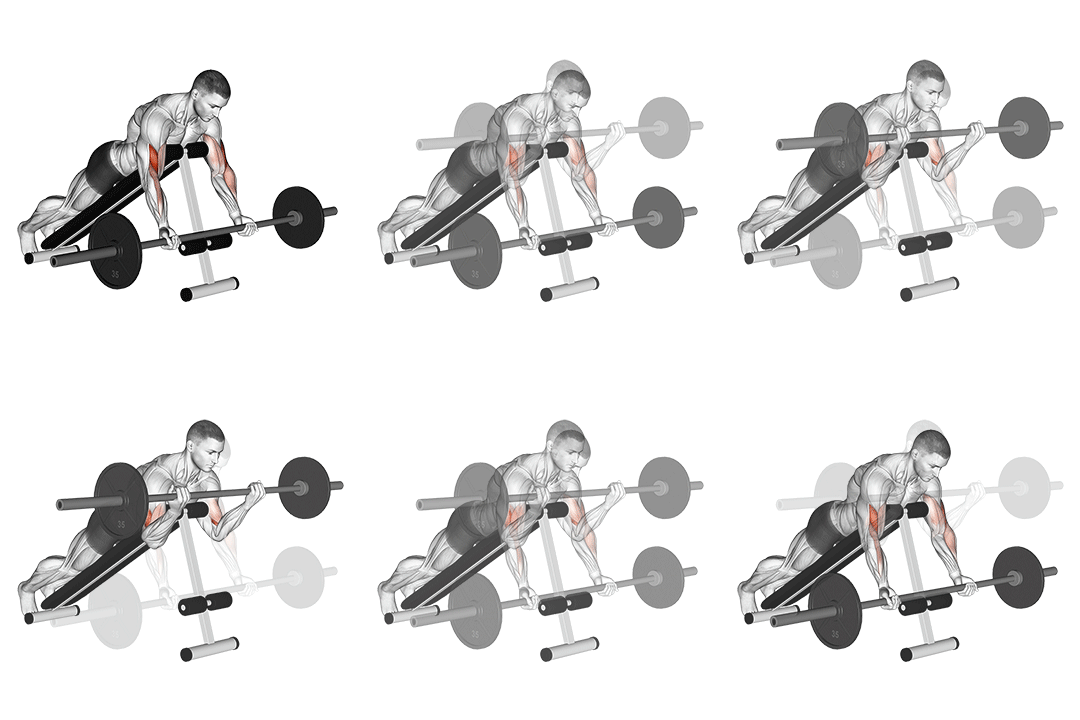
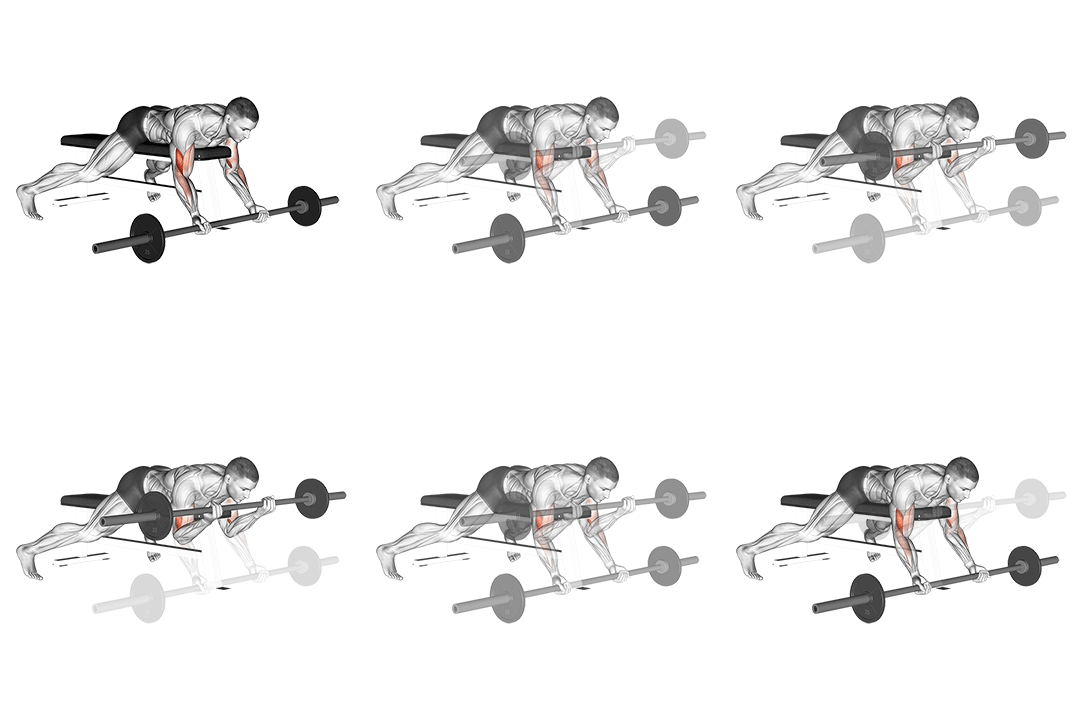
Barbell Prone Incline Curl
Head-to-Head Comparison
| Attribute | Barbell Drag Curl | Barbell Prone Incline Curl |
|---|---|---|
| Target Muscle |
Biceps
|
Biceps
|
| Body Part |
Upper-arms
|
Upper-arms
|
| Equipment |
Barbell
|
Barbell
|
| Difficulty |
Intermediate
|
Beginner
|
| Movement Type |
Isolation
|
Isolation
|
| Secondary Muscles |
1
|
1
|
Secondary Muscles Activated
Barbell Drag Curl
Barbell Prone Incline Curl
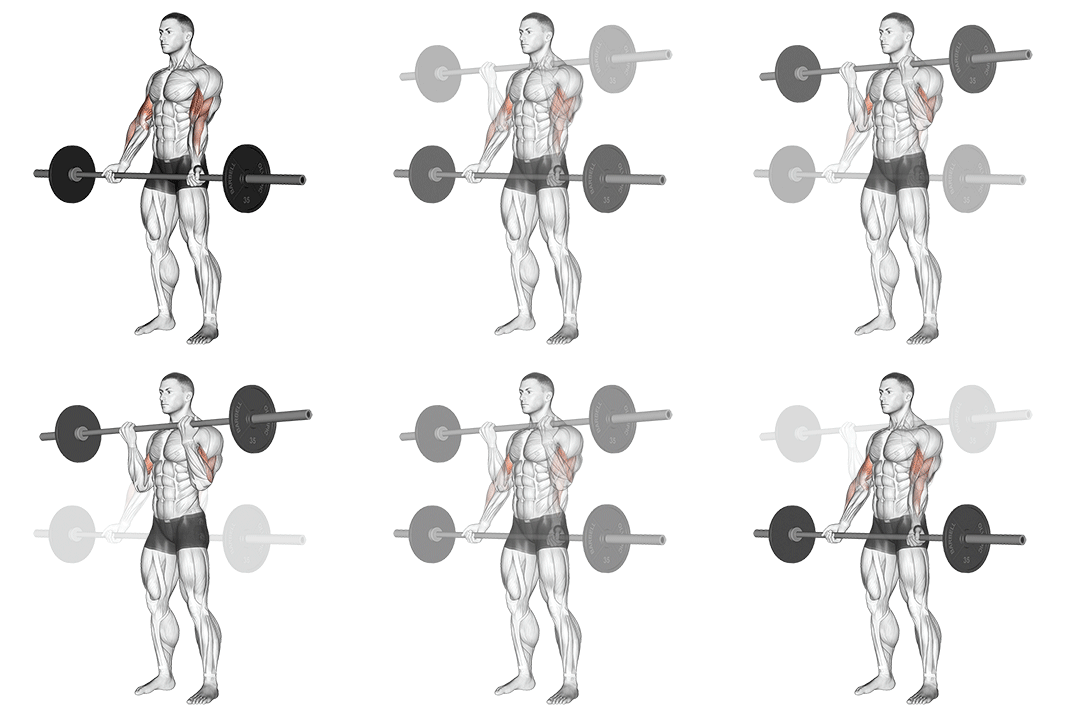
Visual Comparison
Overview
Barbell Drag Curl vs Barbell Prone Incline Curl — you want the most effective way to build your biceps and minimize wasted motion. This comparison breaks down how each exercise loads the biceps, which head (long vs short) gets more tension, technical cues to keep you safe, and rep ranges that drive muscle growth or strength. I’ll cover biomechanics like length–tension differences at varying shoulder angles, equipment and accessibility, progression pathways, and clear recommendations so you can pick the right curl for your training block.
Key Differences
- Difficulty levels differ: Barbell Drag Curl is intermediate, while Barbell Prone Incline Curl is beginner.
- Both exercises target the Biceps using Barbell. The main differences are in their movement patterns and muscle activation angles.
Pros & Cons
Barbell Drag Curl
+ Pros
- Allows heavier loading and progressive overload for stronger elbow flexion
- Bar path keeps bar close to body to reduce cheating and momentum
- Emphasizes mid-range concentric force and recruits brachialis effectively
- Requires minimal equipment — easy for home or crowded gyms
− Cons
- Requires strict elbow control; wrist stress if using a straight bar
- Higher technical demand for clean bar path and elbow tracking
- Can encourage shoulder hitching if you try to move too much weight
Barbell Prone Incline Curl
+ Pros
- Places long head in a lengthened position for strong eccentric tension
- Bench stabilizes torso, making it beginner-friendly
- Excellent for strict isolation and minimizing momentum
- Easy to perform slow eccentrics and tempo work for hypertrophy
− Cons
- Requires an incline bench set to ~30–45 degrees
- Less practical if you want to lift maximal loads
- May place anterior shoulder at stretch; monitor discomfort
When Each Exercise Wins
Prone incline curl puts the biceps long head under a greater pre-stretch and increases eccentric tension, which boosts time under tension. Use 8–15 reps with 3–4 second eccentrics to maximize sarcomeric strain and hypertrophic stimulus.
Drag curl allows you to load heavier because the bar path reduces cheating and aligns force with elbow flexion torque. Focus on 6–10 reps and progressive loading to build concentric strength.
The bench stabilizes the shoulders and enforces strict elbow position, making it easier to learn clean reps with minimal compensatory movement. Start with light weight and controlled tempo to build motor patterning.
Drag curl needs only a barbell and space, so it’s the better home option. You can still vary intensity with tempo, reps, and bar type without an incline bench.
Frequently Asked Questions
Can I do both Barbell Drag Curl and Barbell Prone Incline Curl in the same workout?
Yes — pair them strategically: use prone incline curls as the strict, higher-rep primer (8–12 reps) then finish with heavier drag curl sets for 6–8 reps to target mid-range strength. Keep total volume manageable to avoid overtraining the elbow flexors.
Which exercise is better for beginners?
Barbell Prone Incline Curl is better for beginners because the bench stabilizes the torso and limits cheating, making it easier to learn a strict elbow-flexion pattern. Start light and focus on tempo to reinforce technique.
How do the muscle activation patterns differ?
Prone incline curls lengthen the biceps long head at the start, increasing eccentric tension and long-head activation through the lower range. Drag curls shift the bar posteriorly so peak concentric activation occurs in the mid-range and recruits the brachialis and forearms more.
Can Barbell Prone Incline Curl replace Barbell Drag Curl?
Prone incline curl can replace drag curl if your priority is biceps isolation and hypertrophy, but it won’t replicate the heavier loading and mid-range concentric emphasis of drag curls. For balanced development, cycle both across training phases.
Expert Verdict
Both curls are valuable tools. Choose the Barbell Prone Incline Curl when you want strict isolation, long-head emphasis, and reliable eccentric tension—ideal for hypertrophy blocks and beginners who need a fixed shoulder angle. Pick the Barbell Drag Curl when you want to move heavier loads, improve mid-range concentric power, or train at home without a bench. Program both across a training block: use prone incline curls for higher-volume loading phases (8–15 reps, slow eccentrics) and drag curls in lower-rep strength phases (6–10 reps) to build overall upper-arm development.
Also Compare
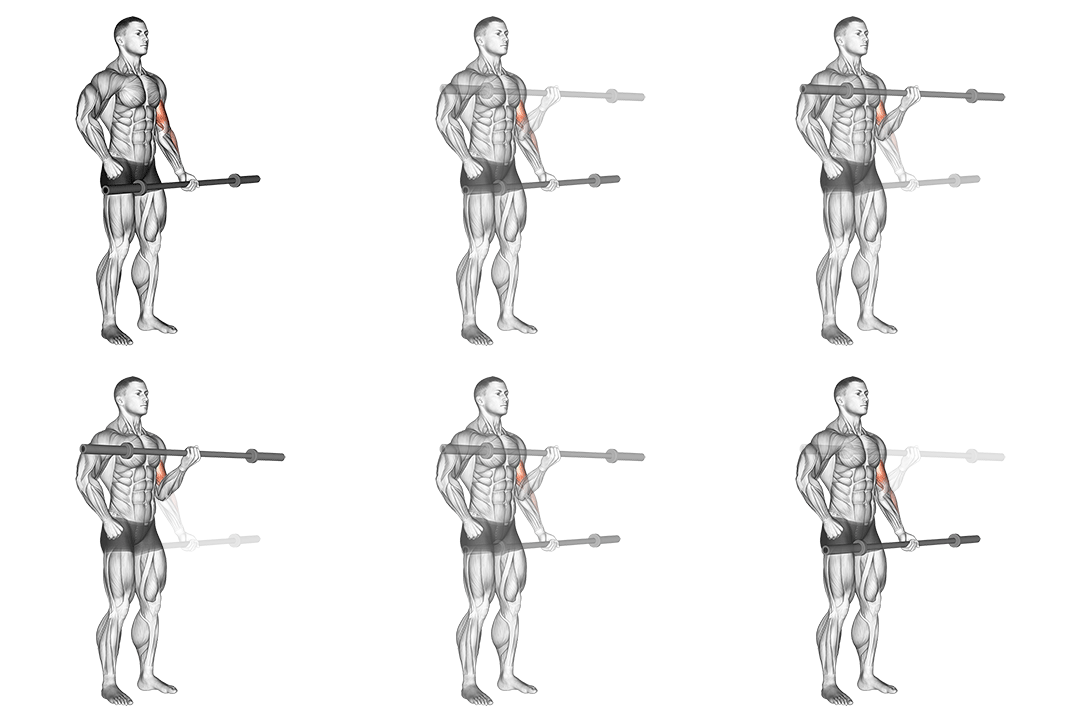
More comparisons with Barbell Drag Curl
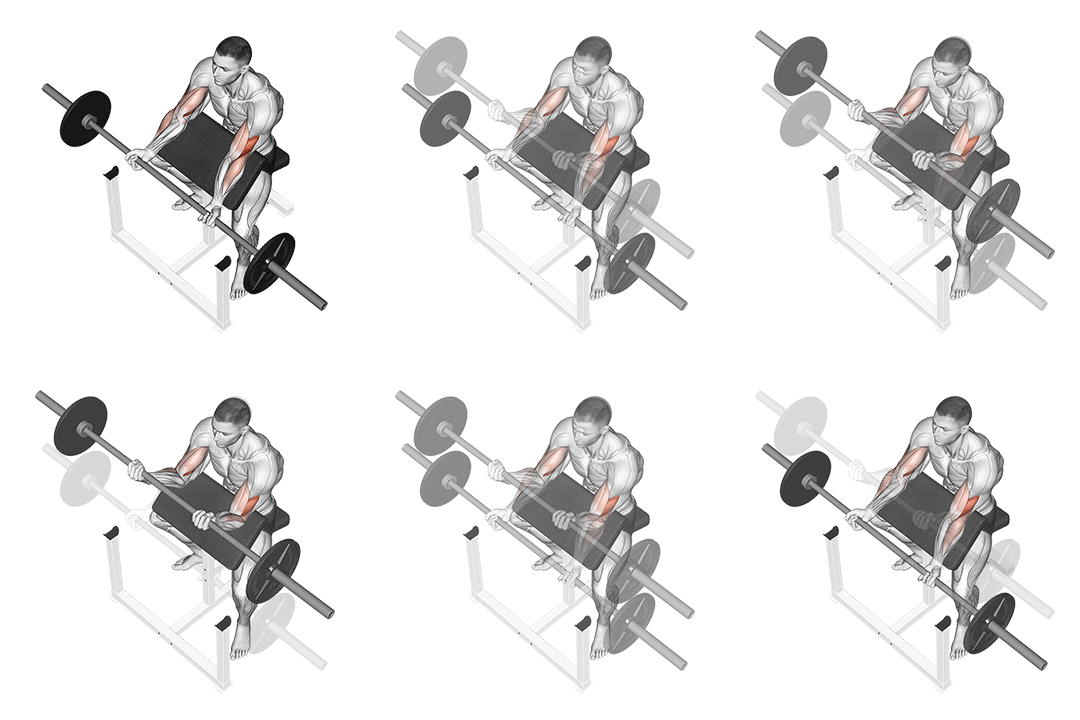
More comparisons with Barbell Prone Incline Curl
Compare More Exercises
Use our free comparison tool to analyze any two exercises head-to-head.
Compare Exercises