

Barbell Good Morning vs Clean: Complete Comparison Guide
Barbell Good Morning vs Clean — two advanced barbell moves that both hit the hamstrings but in very different ways. If you want clear choices for muscle growth, strength, power, technique cues, and programming, you’re in the right place. I’ll walk you through the biomechanics (moment arms, length-tension, force vectors), exact muscle activation differences, equipment needs, injury considerations, and practical rep ranges. Read on and you’ll know which exercise to add to your sessions and how to perform each with safe, actionable technique cues.
Exercise Comparison
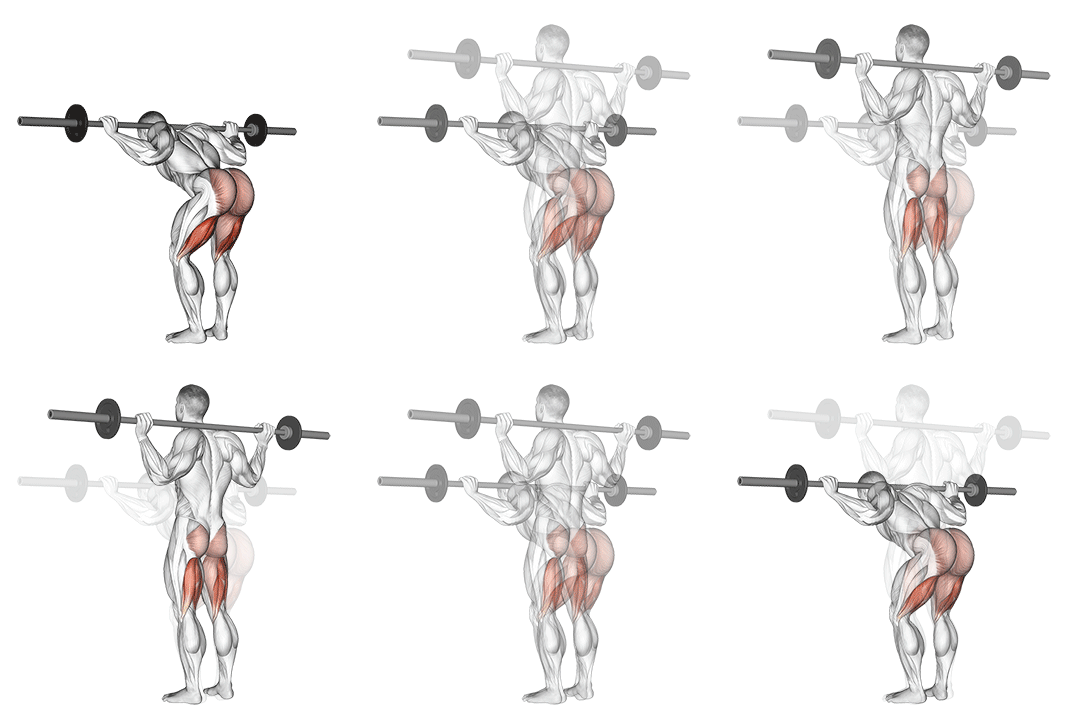
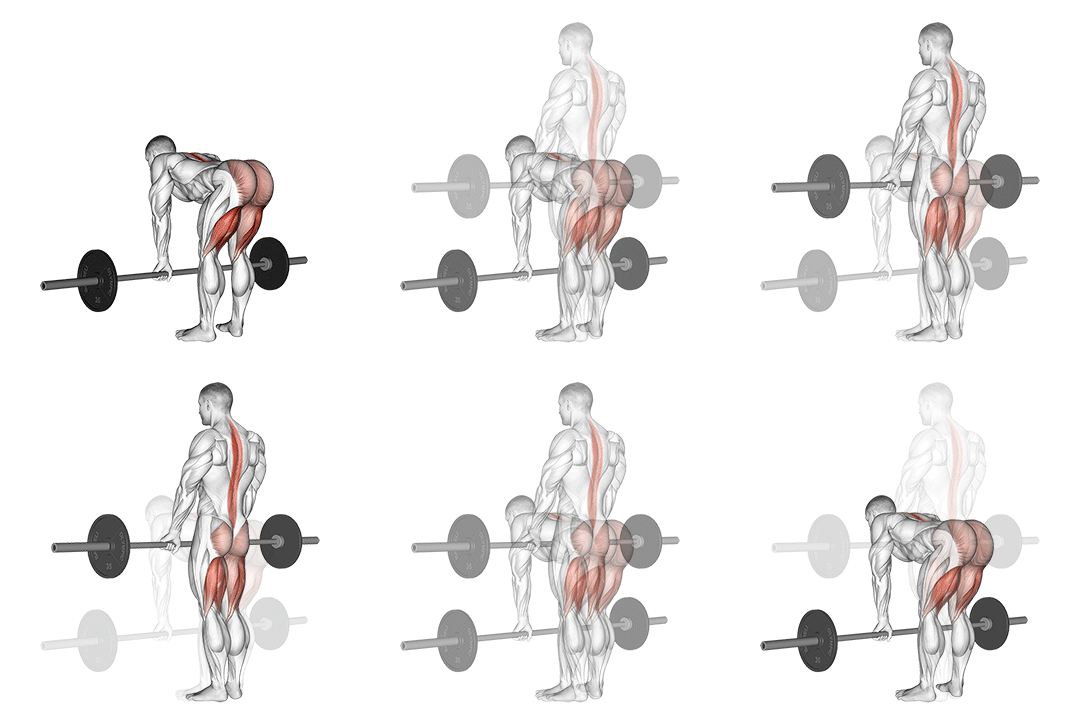
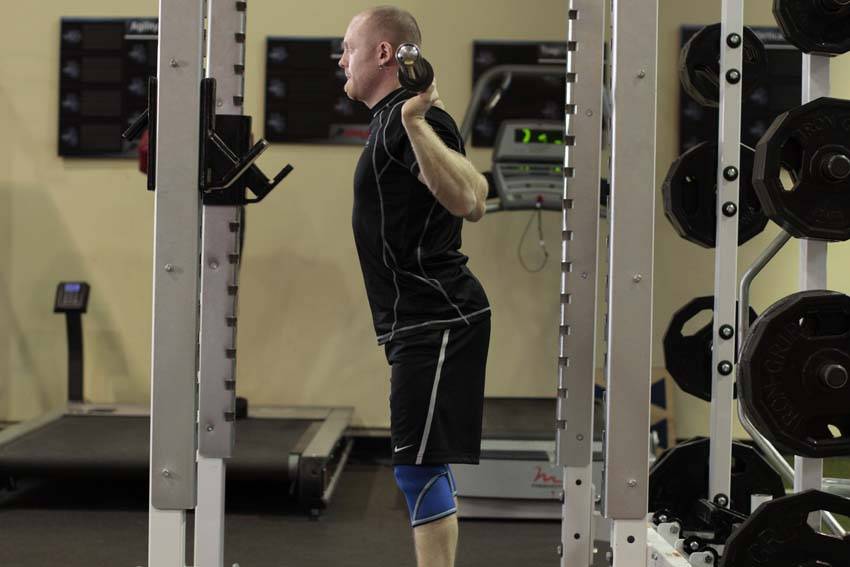
Barbell Good Morning
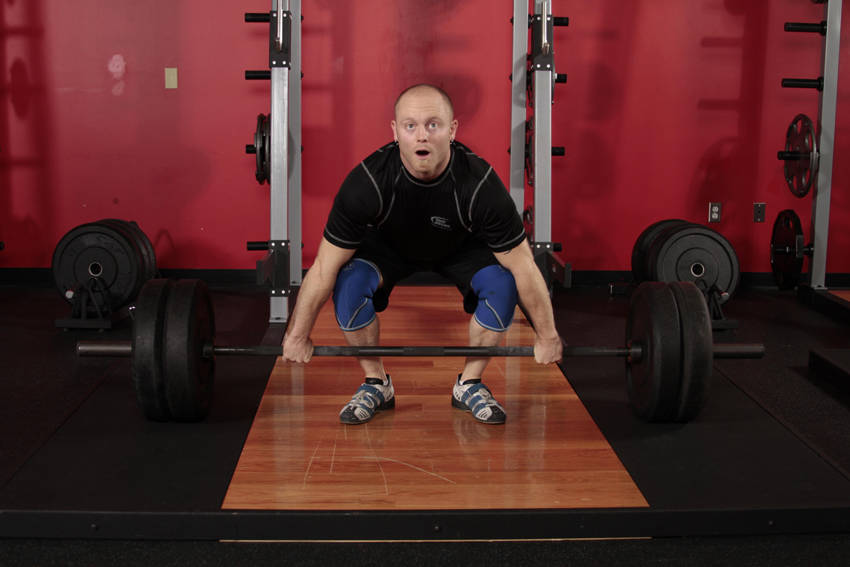
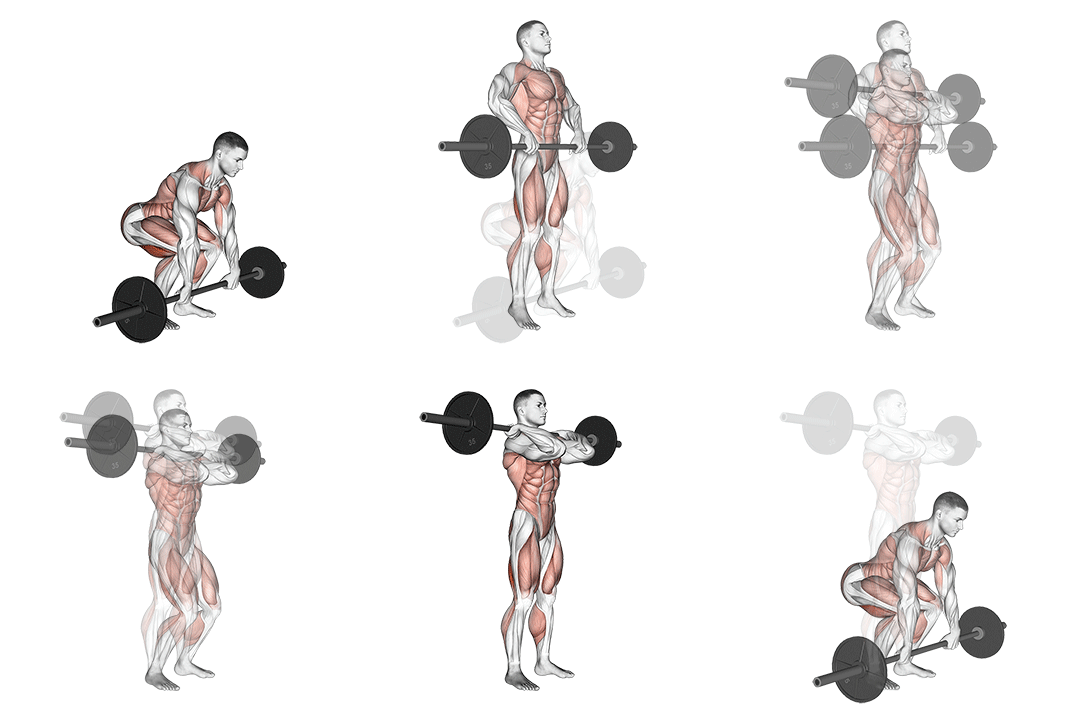
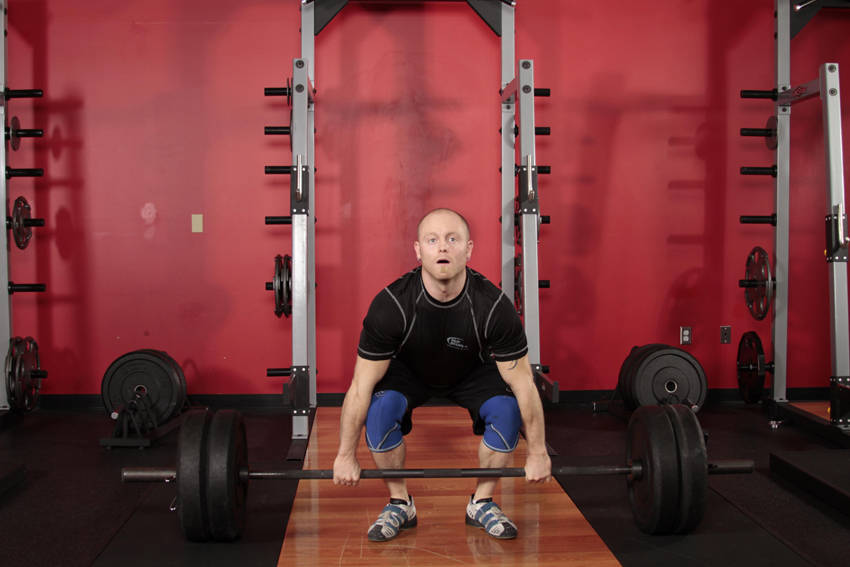
Clean
Head-to-Head Comparison
| Attribute | Barbell Good Morning | Clean |
|---|---|---|
| Target Muscle |
Hamstrings
|
Hamstrings
|
| Body Part |
Upper-legs
|
Upper-legs
|
| Equipment |
Barbell
|
Barbell
|
| Difficulty |
Advanced
|
Advanced
|
| Movement Type |
Compound
|
Compound
|
| Secondary Muscles |
1
|
7
|
Secondary Muscles Activated
Barbell Good Morning
Clean
Visual Comparison
Overview
Barbell Good Morning vs Clean — two advanced barbell moves that both hit the hamstrings but in very different ways. If you want clear choices for muscle growth, strength, power, technique cues, and programming, you’re in the right place. I’ll walk you through the biomechanics (moment arms, length-tension, force vectors), exact muscle activation differences, equipment needs, injury considerations, and practical rep ranges. Read on and you’ll know which exercise to add to your sessions and how to perform each with safe, actionable technique cues.
Key Differences
- Both exercises target the Hamstrings using Barbell. The main differences are in their movement patterns and muscle activation angles.
Pros & Cons
Barbell Good Morning
+ Pros
- Direct, concentrated hamstring and posterior-chain loading via a long eccentric phase
- Excellent for hypertrophy with tempo control (e.g., 3–0–1 tempo) and eccentric overload
- Teaches and reinforces the hip-hinge movement pattern useful for deadlifts and sprinting
- Requires minimal space and no catch, so it’s easier to scale for home or crowded gyms
− Cons
- High lumbar shear if forward flexion occurs under heavy load
- Can be uncomfortable across the upper back without padding or strong thoracic position
- Limited athletic/power transfer compared to explosive lifts like the Clean
Clean
+ Pros
- Builds whole-body power through coordinated triple extension (ankle-knee-hip)
- High recruitment of calves, quads, glutes, traps and shoulders—great for athleticism
- Multiple variations for power and strength programming (hang, power, full clean)
- Translates well to sport-specific explosive movements and rate-of-force development
− Cons
- Technically complex; requires coaching and practice to perform safely and effectively
- Demanding mobility requirements in hips, ankles and shoulders for efficient technique
- Harder to isolate hamstrings for eccentric hypertrophy compared to Good Mornings
When Each Exercise Wins
Good Mornings place the hamstrings at longer lengths with sustained eccentric loading, which better stimulates hypertrophy. Use 3–5 sets of 6–12 reps with a 3–0–2 tempo to maximize time under tension and muscle damage.
For raw posterior-chain strength and transfer to heavy deadlifts, Good Mornings allow slower heavy loads and progressive overload (3–6 reps, 80–90% 1RM deadlift-based loading), improving hip-extension torque more directly than the Clean.
Although both are advanced, the Good Morning’s controlled hinge is easier to teach and scale with light weight and tempo. Start with unloaded hinge progressions, then add light barbell sets of 8–12 reps before increasing load.
Good Mornings need only a barbell and a rack and can be done in limited space without mastering a fast catch. You can also perform them with lighter loads or bands for 3–4 sets of 8–12 reps.
Frequently Asked Questions
Can I do both Barbell Good Morning and Clean in the same workout?
Yes—sequence them wisely. Do Cleans earlier when you’re fresh to train power (light, explosive sets of 1–5 reps), then use Good Mornings later for hypertrophy or heavy hinge work with 3–5 sets of 6–12 reps.
Which exercise is better for beginners?
Barbell Good Mornings are generally easier to teach and scale for novices because they reinforce the hip hinge with less coordination demand. Start with bodyweight/hip-hinge drills and progress to light barbell Good Mornings before attempting technical Cleans.
How do the muscle activation patterns differ?
Good Mornings produce prolonged hamstring and erector spinae activation with high eccentric tension at longer muscle lengths (approx. 30–80° hip flexion). Cleans produce short, high-intensity bursts where hamstrings assist early, but peak force shifts to quads, glutes and calves during the explosive triple extension.
Can Clean replace Barbell Good Morning?
Not entirely—Cleans are great for power and total-body coordination but don’t provide the same sustained eccentric hamstring stimulus or lumbar loading pattern as Good Mornings. If your priority is hamstring hypertrophy or slow-strength, keep Good Mornings in the program.
Expert Verdict
Use Barbell Good Mornings when your goal is to build posterior-chain size and slow-strength: they put the hamstrings and erectors through long eccentric ranges and let you load progressively with controlled tempos. Prescribe 3–5 sets of 6–12 reps for hypertrophy or 3–5 sets of 3–6 reps for heavy strength work. Use Cleans when you want full-body power, athletic transfer, and rate-of-force development; program cleans for low-rep power work (1–5 reps, sets of 3–6) with technical practice. If you must pick one: choose Good Mornings for posterior-chain isolation and strength, choose Cleans for explosive athleticism and total-body coordination. Both have a place—prioritize the one that matches your immediate goal and technical readiness.
Also Compare
More comparisons with Barbell Good Morning
Compare More Exercises
Use our free comparison tool to analyze any two exercises head-to-head.
Compare Exercises