

Barbell Seated Calf Raise vs Rocking Standing Calf Raise: Complete Comparison Guide
Barbell Seated Calf Raise vs Rocking Standing Calf Raise — if you want stronger, more developed calves you need to pick the right tool for your goal. This comparison walks you through mechanics, muscle activation, equipment needs, technique cues, and programming so you can choose confidently. You’ll learn how knee angle changes which calf head you target, how to set reps and loads (8–20+ reps depending on target), and practical progressions. Read on and I’ll give clear recommendations whether you’re chasing muscle growth, strength, or safe beginner progress.
Exercise Comparison
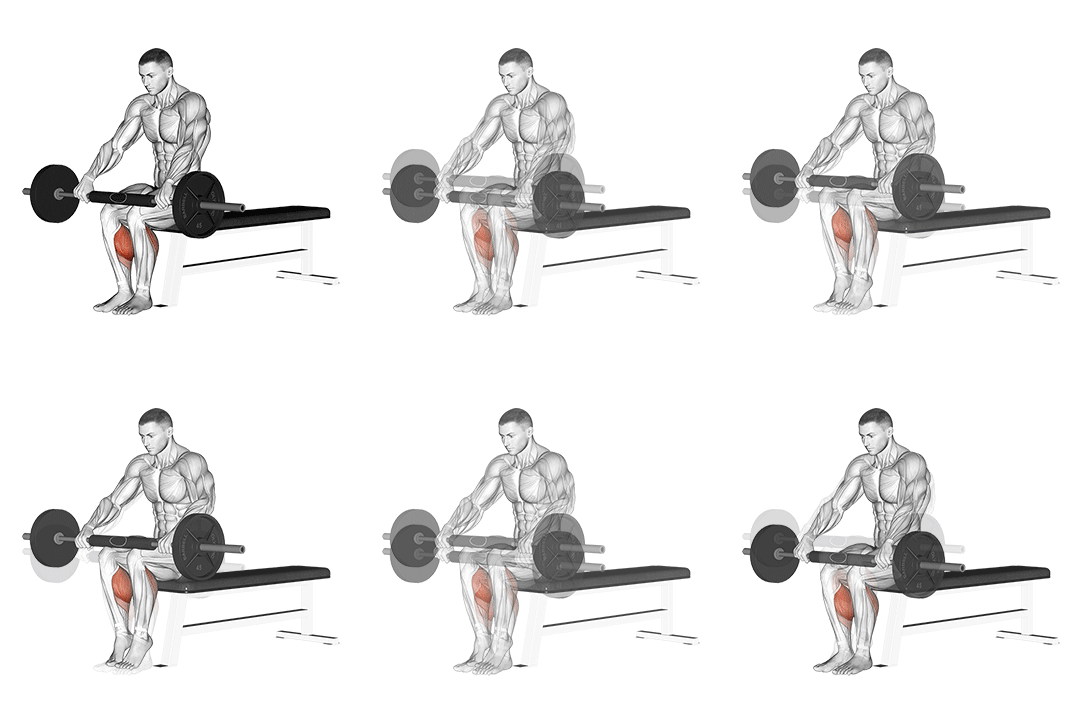
Barbell Seated Calf Raise
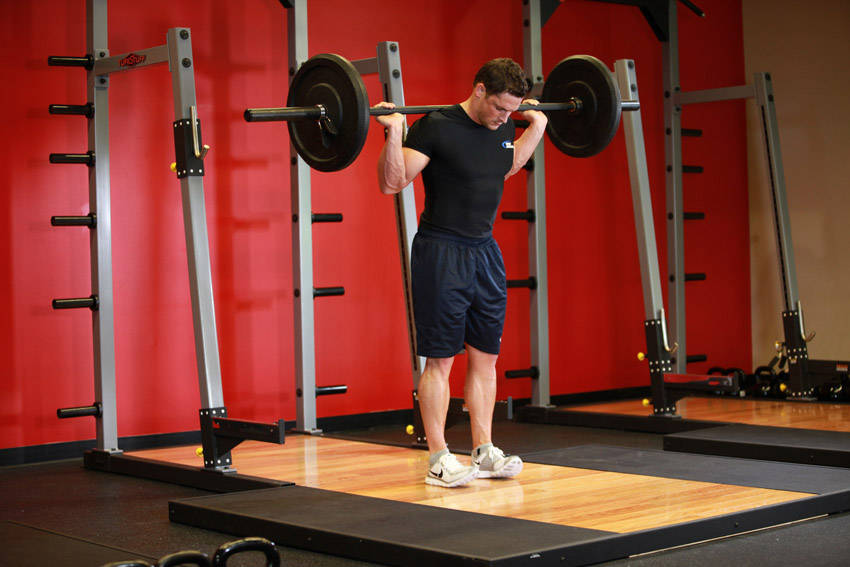
Rocking Standing Calf Raise
Head-to-Head Comparison
| Attribute | Barbell Seated Calf Raise | Rocking Standing Calf Raise |
|---|---|---|
| Target Muscle |
Calves
|
Calves
|
| Body Part |
Lower-legs
|
Lower-legs
|
| Equipment |
Barbell
|
Barbell
|
| Difficulty |
Beginner
|
Intermediate
|
| Movement Type |
Isolation
|
Isolation
|
| Secondary Muscles |
2
|
0
|
Secondary Muscles Activated
Barbell Seated Calf Raise
Rocking Standing Calf Raise
Visual Comparison
Overview
Barbell Seated Calf Raise vs Rocking Standing Calf Raise — if you want stronger, more developed calves you need to pick the right tool for your goal. This comparison walks you through mechanics, muscle activation, equipment needs, technique cues, and programming so you can choose confidently. You’ll learn how knee angle changes which calf head you target, how to set reps and loads (8–20+ reps depending on target), and practical progressions. Read on and I’ll give clear recommendations whether you’re chasing muscle growth, strength, or safe beginner progress.
Key Differences
- Difficulty levels differ: Barbell Seated Calf Raise is beginner, while Rocking Standing Calf Raise is intermediate.
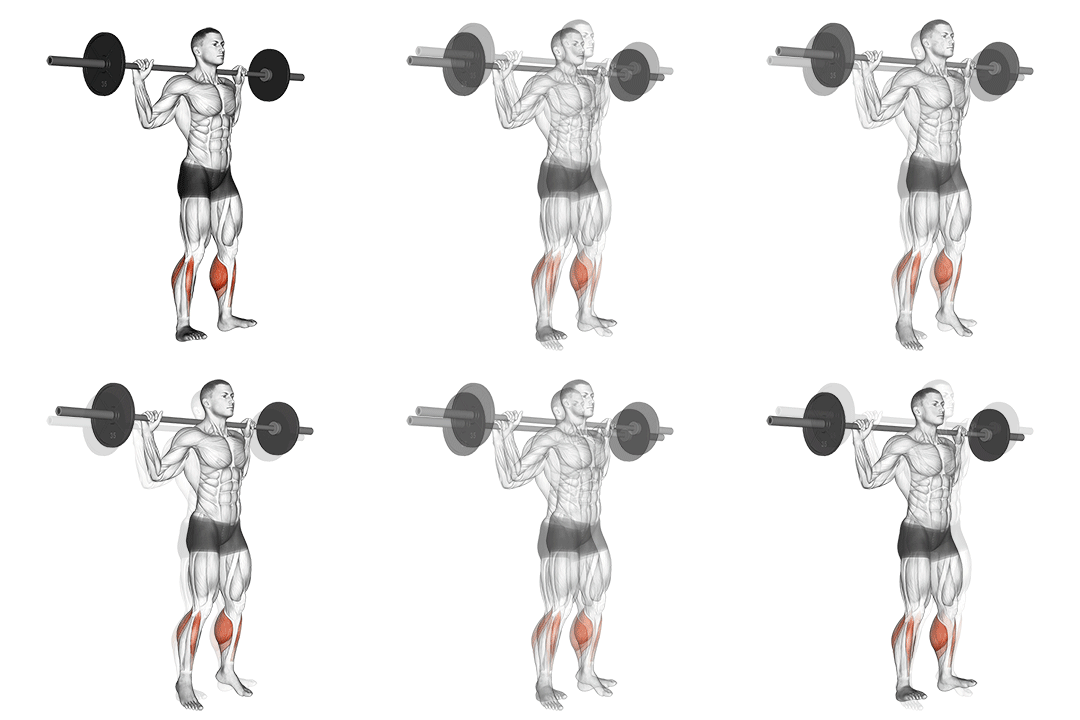
- Both exercises target the Calves using Barbell. The main differences are in their movement patterns and muscle activation angles.
Pros & Cons
Barbell Seated Calf Raise
+ Pros
- Direct soleus emphasis due to knee flexion, ideal for long-duration, higher-rep work
- Low balance demand — easy to cue and learn
- Requires minimal space and stable setup for consistent reps
- Safe for lifters with limited ankle mobility or balance issues
− Cons
- Less gastrocnemius stress due to shortened muscle length with knee flexion
- Bar placement can be uncomfortable without proper padding
- Limited maximum load compared with standing variations
Rocking Standing Calf Raise
+ Pros
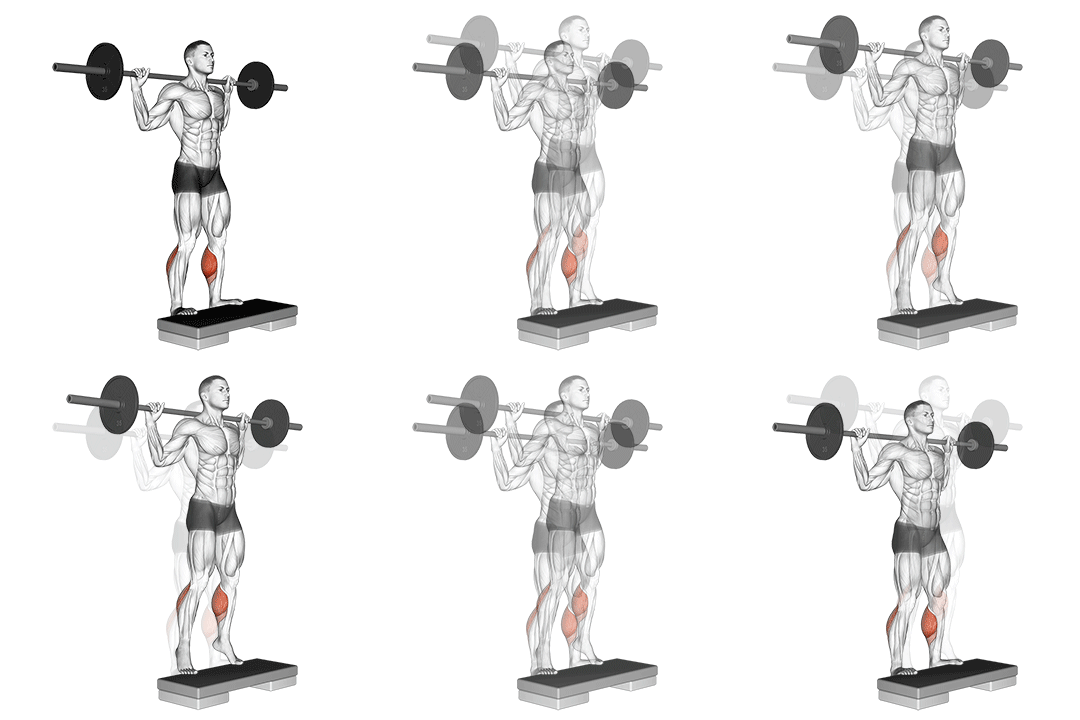
- Stronger gastrocnemius recruitment with knee extension and larger ankle ROM
- Allows heavier loads and stronger force vectors for strength development
- Improves balance and foot intrinsic strength through rocking control
- Easy to vary range and tempo to target different parts of the plantarflexion curve
− Cons
- Higher balance and coordination demands increase failure risk
- Greater Achilles and calf-tendon stress if mobility or warm-up is insufficient
- Requires a step/platform and more space to perform safely
When Each Exercise Wins
Rocking standing raises place the gastrocnemius under larger tension across a long ankle ROM and allow heavier loads, which drives hypertrophy of the larger superficial calf head. Use 8–15 reps for heavier loading and 12–20+ reps for overall volume and pair with seated sets to fully stress the soleus.
Strength demands maximal motor unit recruitment and ability to overload; the standing position and rock pattern let you handle heavier barbells and produce greater peak torque at the ankle. Work in lower rep ranges (4–8) with slow control to build force capacity.
Seated raises remove balance variables so you can learn strict plantarflexion and build endurance in the soleus safely. Start with 12–20 reps focusing on full stretch and controlled contraction before introducing standing variations.
Seated raises need only a bench/box and a barbell or dumbbell across the thighs, and they’re safer in small spaces because balance demands are minimal. If you lack a bench, a sturdy chair and a dumbbell can replicate the effect.
Frequently Asked Questions
Can I do both Barbell Seated Calf Raise and Rocking Standing Calf Raise in the same workout?
Yes — pairing them is effective. Do the standing rocking raise first when you’re fresh to load the gastrocnemius heavy (6–10 reps), then finish with seated sets (12–20 reps) to fatigue the soleus and increase total time under tension.
Which exercise is better for beginners?
Barbell Seated Calf Raise is better for beginners because it minimizes balance and coordination demands, letting you focus on ankle plantarflexion and consistent rep quality. Start with light loads and higher reps to build tendon resilience and muscle endurance.
How do the muscle activation patterns differ?
Activation shifts with knee angle and ankle ROM: seated (knee ~90°) shortens the gastrocnemius and biases the soleus, favoring sustained force at longer time under tension. Standing (knee extended) recruits the gastrocnemius more intensely, especially near peak plantarflexion, due to optimal length-tension and steeper force vectors through the Achilles.
Can Rocking Standing Calf Raise replace Barbell Seated Calf Raise?
Not fully — rocking standing raises will target the gastrocnemius better, but they don’t sufficiently load the soleus in a shortened-gastroc position. If your goal is complete calf development, include both or substitute seated work with high-rep alternatives to ensure soleus stimulus.
Expert Verdict
Use the Barbell Seated Calf Raise when you need a stable, high-volume stimulus for the soleus, when ankle mobility or balance is limited, or you want a beginner-friendly movement. Choose the Rocking Standing Calf Raise when you want heavier loading, greater gastrocnemius recruitment, and to develop ankle power and balance. For best calf development program both: prioritize standing rocking raises for heavy, lower-rep strength blocks (4–8) and use seated raises for higher-volume hypertrophy blocks (12–20+). Cue strict control on the descent, full active plantarflexion on ascent, and progressive overload to drive consistent muscle growth and functional strength.
Also Compare
More comparisons with Barbell Seated Calf Raise
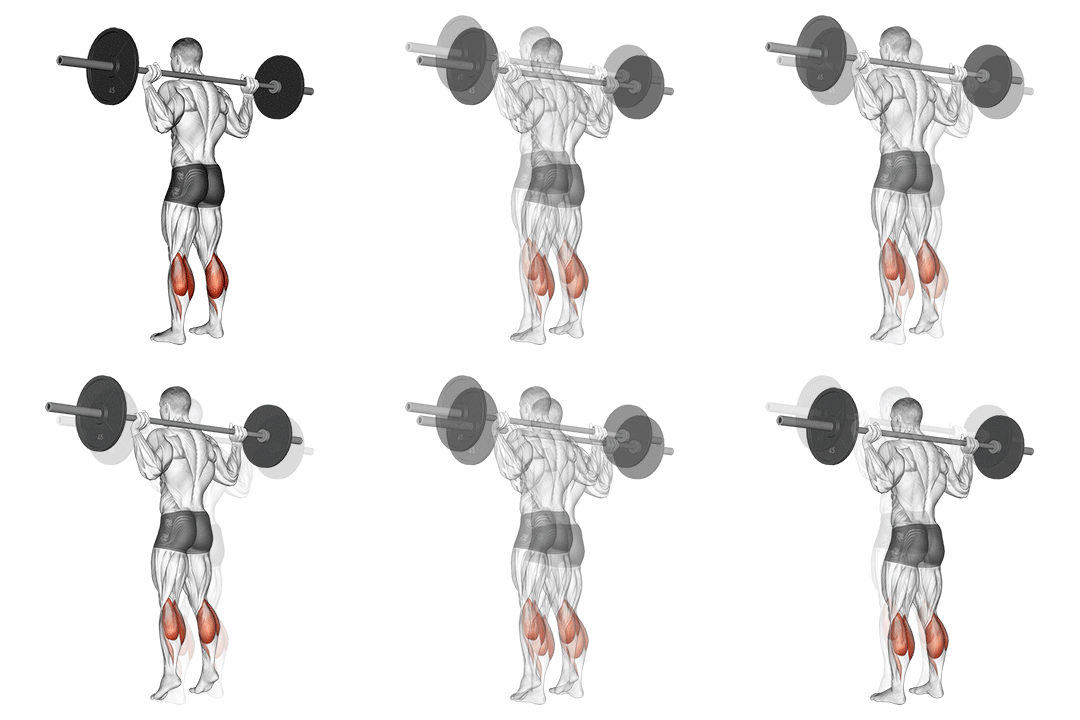
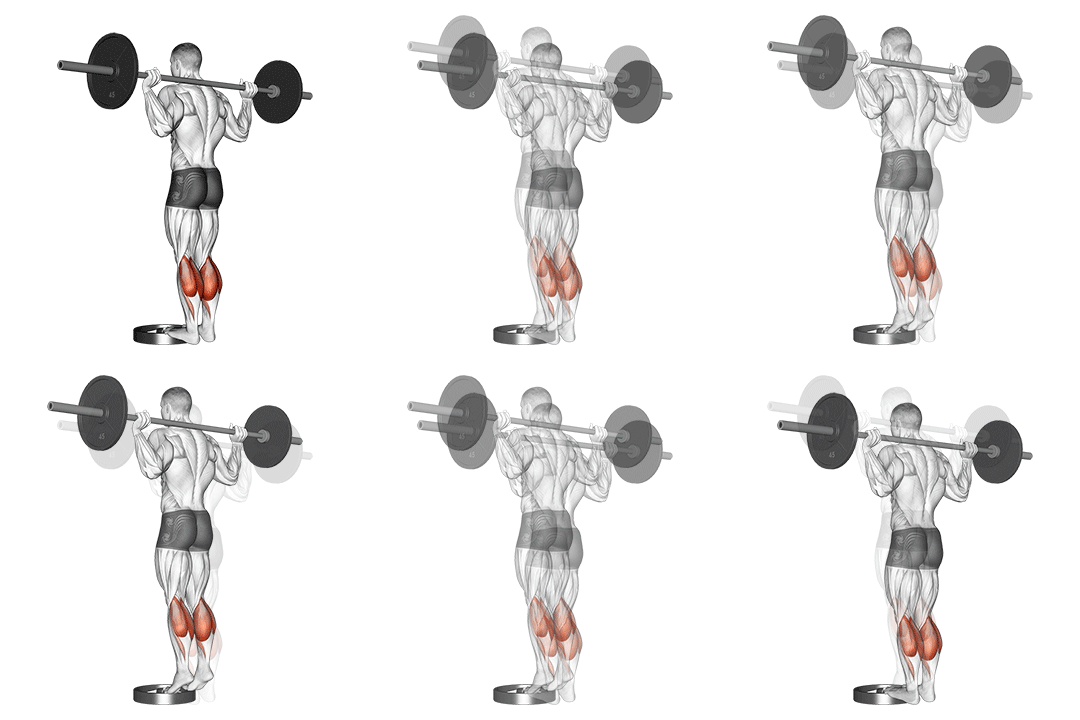
More comparisons with Rocking Standing Calf Raise
Compare More Exercises
Use our free comparison tool to analyze any two exercises head-to-head.
Compare Exercises