

Barbell Standing Leg Calf Raise vs Rocking Standing Calf Raise: Complete Comparison Guide
Barbell Standing Leg Calf Raise vs Rocking Standing Calf Raise — both isolate the calves but use different movement strategies. You’ll get clear, actionable guidance on technique, muscle activation, equipment needs, injury risk, and when to pick one over the other based on your goals. Read on to learn precise cues (ankle alignment, range-of-motion targets, tempo), recommended rep ranges for hypertrophy and strength, and step-by-step progression tips so you can choose the best calf exercise for your program.
Exercise Comparison
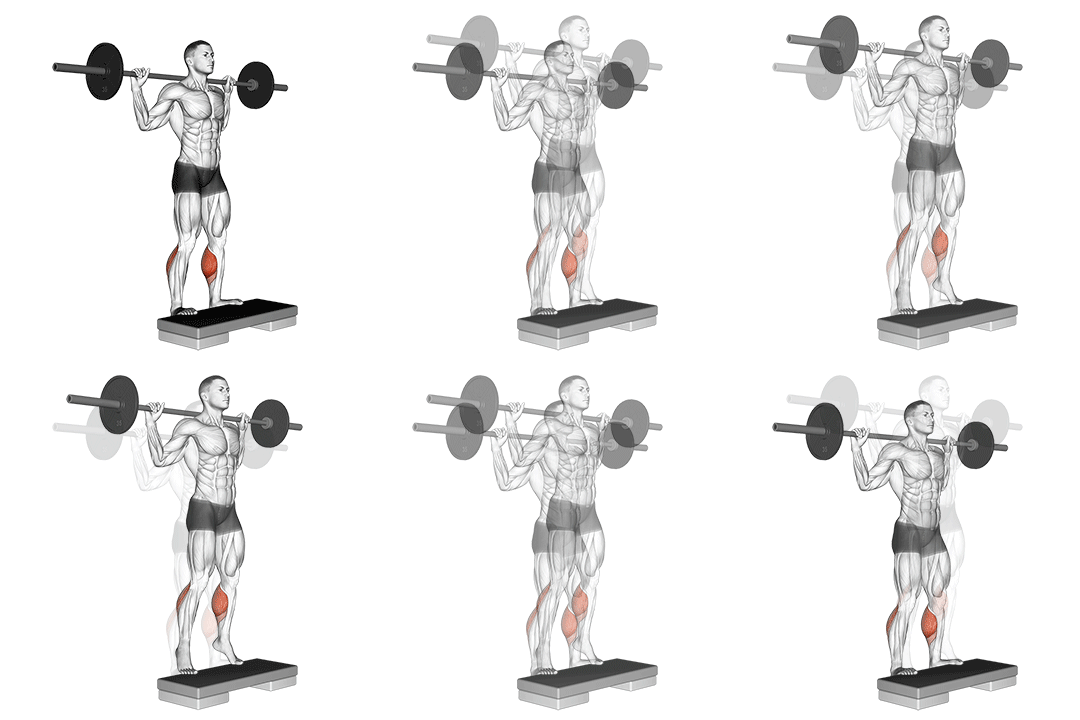
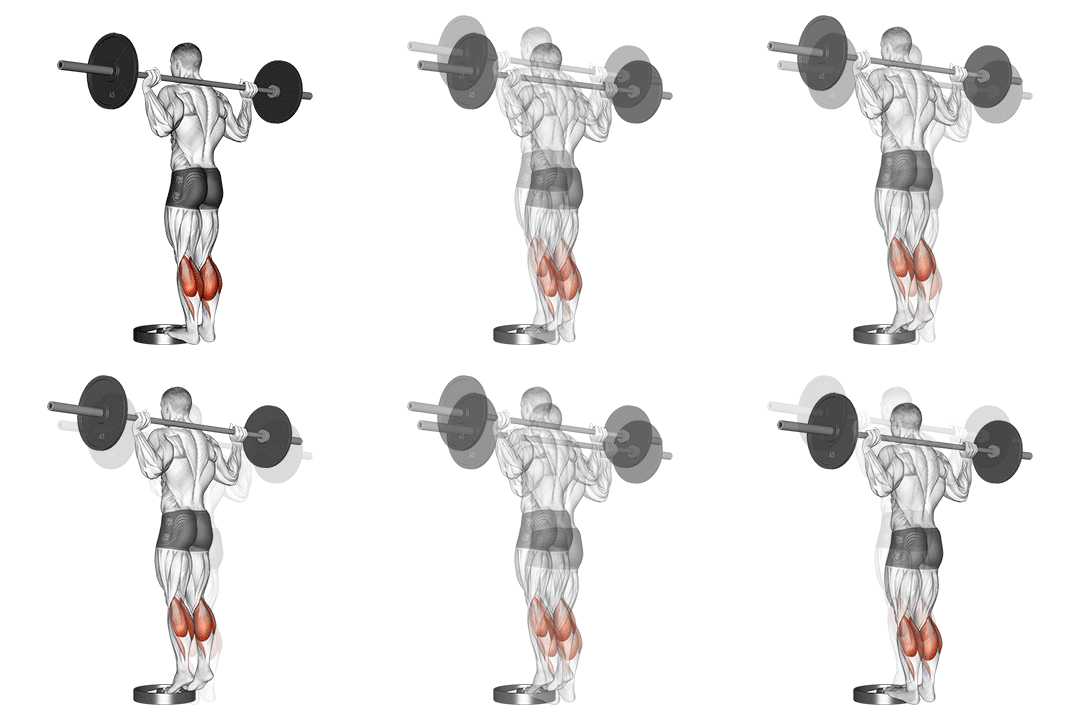
Barbell Standing Leg Calf Raise
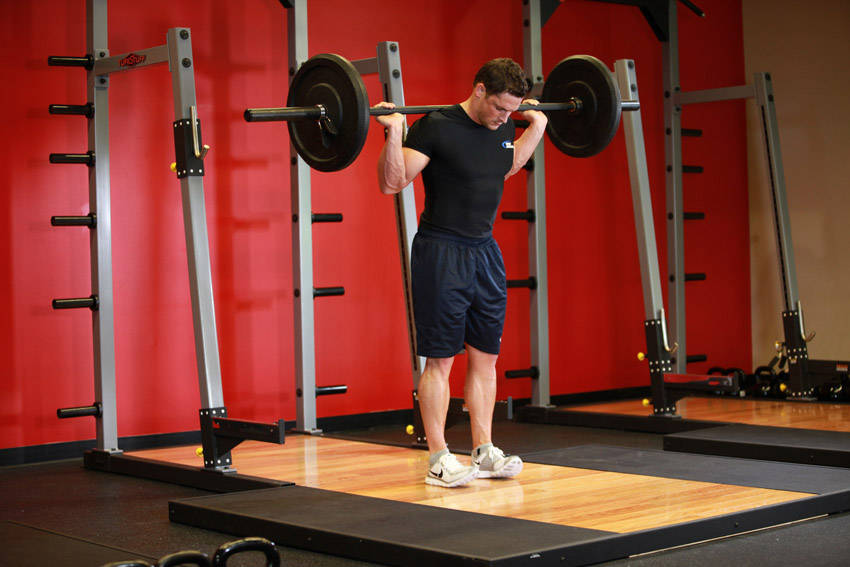
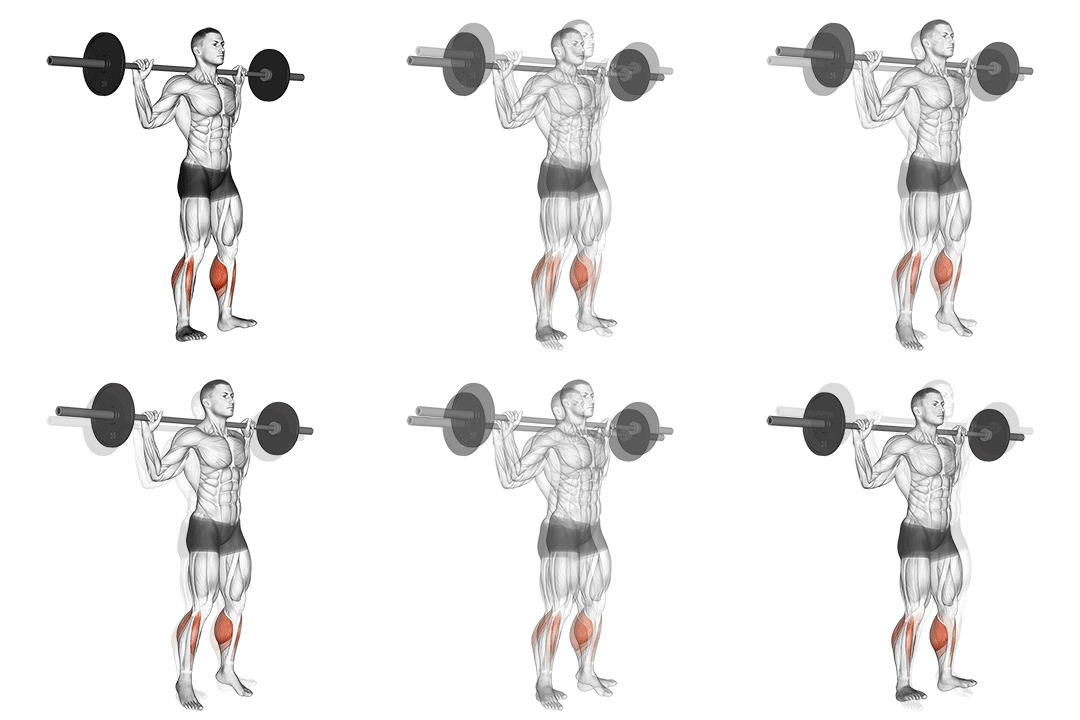
Rocking Standing Calf Raise
Head-to-Head Comparison
| Attribute | Barbell Standing Leg Calf Raise | Rocking Standing Calf Raise |
|---|---|---|
| Target Muscle |
Calves
|
Calves
|
| Body Part |
Lower-legs
|
Lower-legs
|
| Equipment |
Barbell
|
Barbell
|
| Difficulty |
Beginner
|
Intermediate
|
| Movement Type |
Isolation
|
Isolation
|
| Secondary Muscles |
2
|
0
|
Secondary Muscles Activated
Barbell Standing Leg Calf Raise
Rocking Standing Calf Raise
Visual Comparison
Overview
Barbell Standing Leg Calf Raise vs Rocking Standing Calf Raise — both isolate the calves but use different movement strategies. You’ll get clear, actionable guidance on technique, muscle activation, equipment needs, injury risk, and when to pick one over the other based on your goals. Read on to learn precise cues (ankle alignment, range-of-motion targets, tempo), recommended rep ranges for hypertrophy and strength, and step-by-step progression tips so you can choose the best calf exercise for your program.
Key Differences
- Difficulty levels differ: Barbell Standing Leg Calf Raise is beginner, while Rocking Standing Calf Raise is intermediate.
- Both exercises target the Calves using Barbell. The main differences are in their movement patterns and muscle activation angles.
Pros & Cons
Barbell Standing Leg Calf Raise
+ Pros
- Simple to learn and scale with added plates or dumbbells
- Allows heavy external load for progressive strength development
- Engages hip stabilizers (hamstrings/glutes) improving full-body stability
- Easy to pause at the top for peak contraction (good for tempo work)
− Cons
- Requires a rack or alternative loading method for safe setup
- Less continuous tension through the stretch-shortening cycle
- Spinal load can be uncomfortable for trainees with back issues
Rocking Standing Calf Raise
+ Pros
- Maximizes continuous tension and stretch-shortening at the ankle
- Better at emphasizing high-rep hypertrophy and time under tension
- Usually produces a larger dorsiflexion stretch at the bottom of the movement
- Minimal hip/torso loading reduces spinal compression
− Cons
- Requires more balance and ankle control — steeper learning curve
- Harder to add large absolute loads safely
- Needs a raised platform and space to rock, which isn’t always available
When Each Exercise Wins
The rocking pattern increases time under tension and emphasizes the stretch-shortening cycle, ideal for 12–25 rep sets. That continuous eccentric-concentric loading at a longer muscle length improves hypertrophic stimulus in the calves.
Barbell loading lets you progressively add heavy weight and perform lower-rep sets (4–8) with solid peak contractions. Greater absolute load produces higher tendon and muscle force adaptations for strength.
It’s easier to learn static plantarflexion and to scale using dumbbells or a Smith machine; balance and complex rocking patterns aren’t required, so beginners can focus on form and progressive overload.
You can substitute dumbbells or a household weight for the barbell and use a single-step platform. Rocking often needs a platform and more space to move safely, making barbell (or dumbbell) standing variations more practical at home.
Frequently Asked Questions
Can I do both Barbell Standing Leg Calf Raise and Rocking Standing Calf Raise in the same workout?
Yes — pair them strategically: use barbell standing first for heavy, low-rep sets (3–4 sets of 4–8) to tax maximal force, then finish with rocking sets for metabolic and stretch stimulus (2–3 sets of 12–20). Space them to avoid acute fatigue that blunts technique.
Which exercise is better for beginners?
Barbell Standing Leg Calf Raise is better for beginners because it’s easier to control and scale. It reduces dynamic balance demands and allows novices to learn plantarflexion mechanics and progressive loading safely.
How do the muscle activation patterns differ?
Barbell standing increases isometric stabilization at the hip while producing strong concentric contractions in the gastrocnemius; rocking emphasizes repeated eccentric-concentric cycles and greater dorsiflexion, increasing time under tension and activating the soleus-gastrocnemius complex across longer muscle lengths.
Can Rocking Standing Calf Raise replace Barbell Standing Leg Calf Raise?
Rocking can replace barbell standing if your goal is hypertrophy and you prioritize stretch and continuous tension, but it won’t match barbell standing for absolute strength because adding heavy load is harder. For complete development, rotate both methods across training phases.
Expert Verdict
Choose Barbell Standing Leg Calf Raise when you want straightforward progressive overload, spinal loading is acceptable, and you need an exercise that’s easy to teach and scale. Aim for 4–8 reps for strength or 8–15 for heavier hypertrophy work, pausing 1–2 seconds at the top to hit peak contraction. Pick Rocking Standing Calf Raise when your priority is continuous tension, longer time under tension, and a pronounced dorsiflexion stretch — program 12–25 reps with controlled eccentrics and a 0.5–1 second pause at the bottom. For balanced development, alternate phases: 4–8 weeks of heavy barbell standing work followed by 4–8 weeks of high-rep rocking to exploit both force and length-tension adaptations.
Also Compare
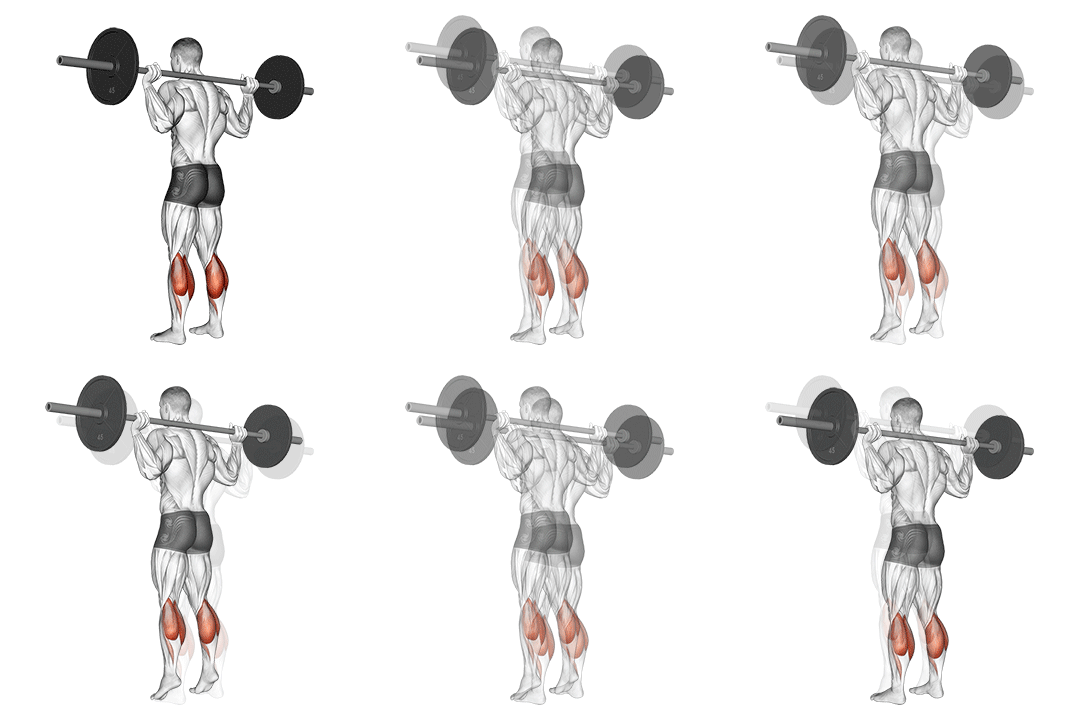
More comparisons with Barbell Standing Leg Calf Raise
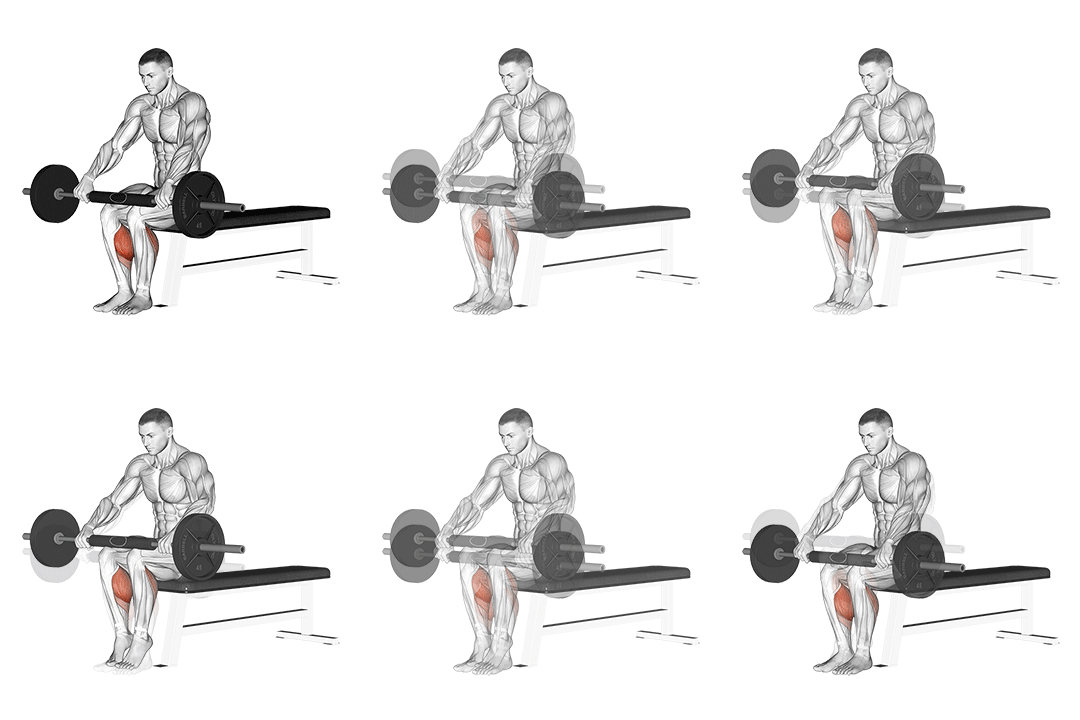
More comparisons with Rocking Standing Calf Raise
Compare More Exercises
Use our free comparison tool to analyze any two exercises head-to-head.
Compare Exercises