

Barbell Standing Leg Calf Raise vs Barbell Standing Rocking Leg Calf Raise: Complete Comparison Guid
Barbell Standing Leg Calf Raise vs Barbell Standing Rocking Leg Calf Raise — you’re comparing two barbell isolation moves that both target the calves but load them differently. I’ll walk you through technique cues, which muscles get taxed, the biomechanics behind each rep, rep ranges for hypertrophy and strength, injury risk, and which exercise fits your goals and equipment. Read on so you can pick the exercise that matches your training phase, whether you want heavy, stable loading or a more dynamic rocking pattern that increases range of motion and balance demands.
Exercise Comparison
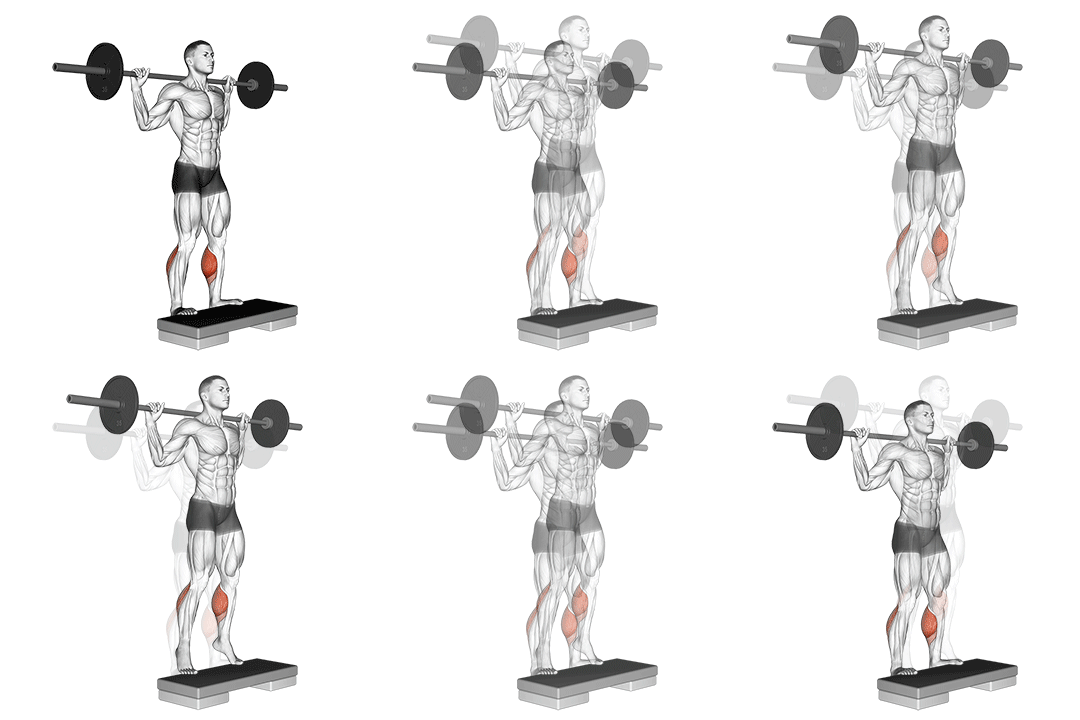
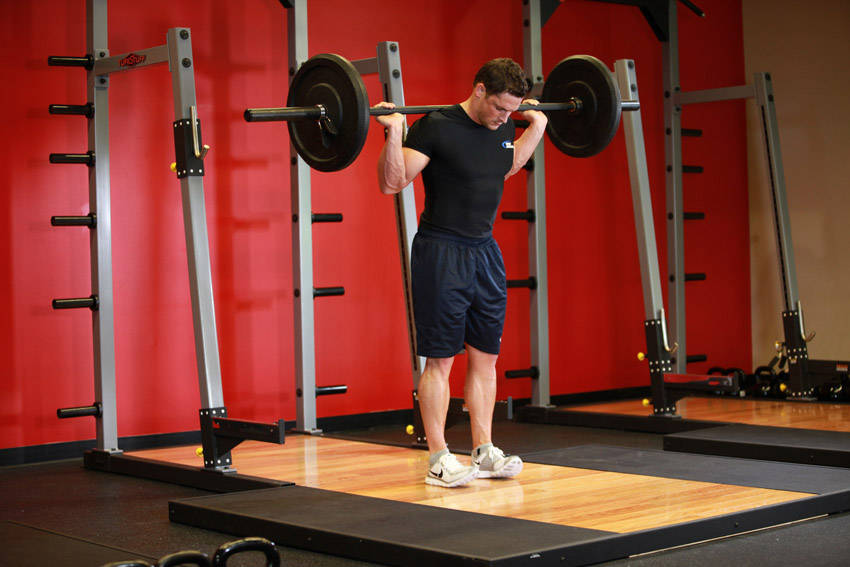
Barbell Standing Leg Calf Raise
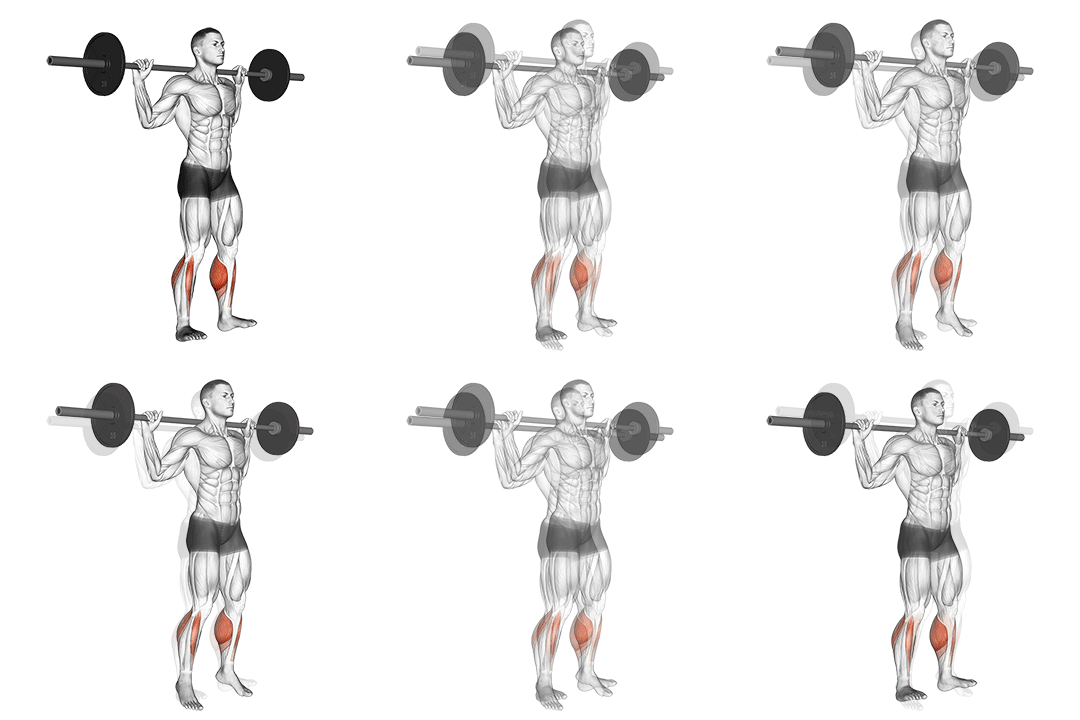
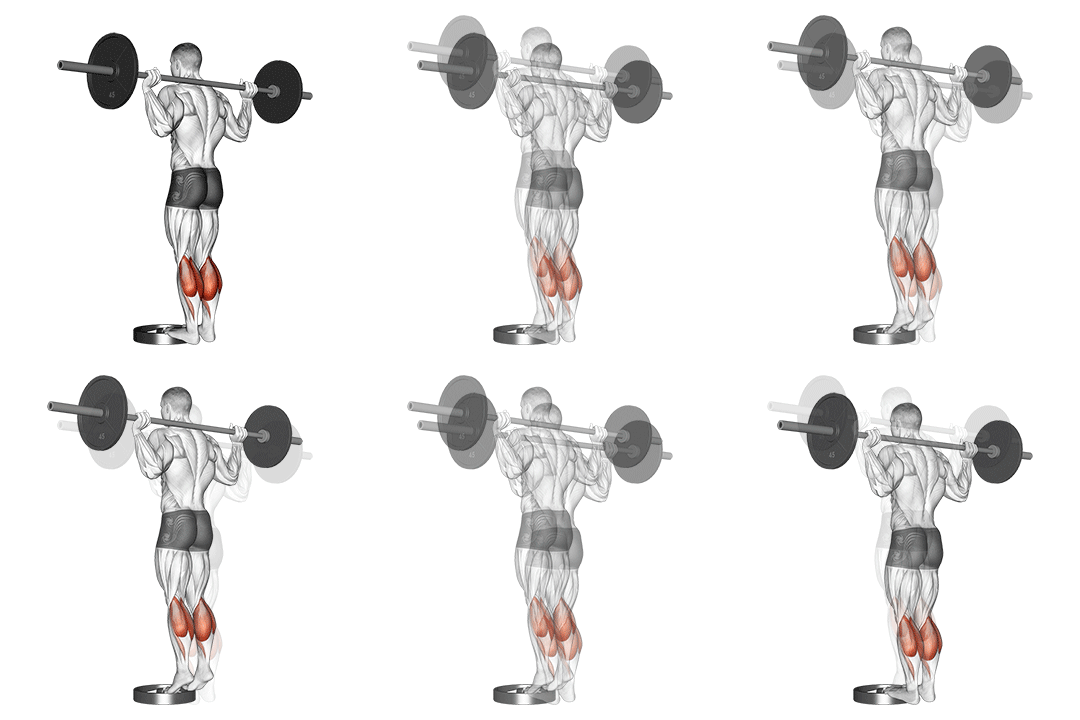
Barbell Standing Rocking Leg Calf Raise
Head-to-Head Comparison
| Attribute | Barbell Standing Leg Calf Raise | Barbell Standing Rocking Leg Calf Raise |
|---|---|---|
| Target Muscle |
Calves
|
Calves
|
| Body Part |
Lower-legs
|
Lower-legs
|
| Equipment |
Barbell
|
Barbell
|
| Difficulty |
Beginner
|
Intermediate
|
| Movement Type |
Isolation
|
Isolation
|
| Secondary Muscles |
2
|
2
|
Secondary Muscles Activated
Barbell Standing Leg Calf Raise
Barbell Standing Rocking Leg Calf Raise
Visual Comparison
Overview
Barbell Standing Leg Calf Raise vs Barbell Standing Rocking Leg Calf Raise — you’re comparing two barbell isolation moves that both target the calves but load them differently. I’ll walk you through technique cues, which muscles get taxed, the biomechanics behind each rep, rep ranges for hypertrophy and strength, injury risk, and which exercise fits your goals and equipment. Read on so you can pick the exercise that matches your training phase, whether you want heavy, stable loading or a more dynamic rocking pattern that increases range of motion and balance demands.
Key Differences
- Difficulty levels differ: Barbell Standing Leg Calf Raise is beginner, while Barbell Standing Rocking Leg Calf Raise is intermediate.
- Both exercises target the Calves using Barbell. The main differences are in their movement patterns and muscle activation angles.
Pros & Cons
Barbell Standing Leg Calf Raise
+ Pros
- Stable bilateral stance allows heavier loading and straightforward progressive overload
- Easy to coach with clear top and bottom positions
- Requires minimal coordination — good for beginners and high-volume work
- Strong transfer to maximal plantarflexion strength due to vertical force vector
− Cons
- Limited dynamic range of motion compared with rocking patterns
- Less challenge to balance and proprioception
- Requires a platform or block to get full dorsiflexion and stretch
Barbell Standing Rocking Leg Calf Raise
+ Pros
- Greater effective range of motion and eccentric stretch for the gastrocnemius
- Increases time under tension and neuromuscular control through the rocking arc
- Adds quadriceps and hip stabilizer involvement for a more integrated pattern
- Useful for hypertrophy phases that favor stretch-mediated muscle growth
− Cons
- Harder to load heavily while maintaining clean technique
- Higher balance and coordination demand raises learning curve
- Increased transitional stress on the Achilles and ankle joint if performed poorly
When Each Exercise Wins
The rocking version increases dorsiflexion and eccentric time under tension, creating a larger stretch stimulus that promotes muscle growth. Use 8–20 reps with slow 2–3 second eccentrics to exploit length-tension mechanics.
Its stable, vertical force vector lets you safely add heavier loads and train lower-rep strength ranges (4–8 reps). That direct overload translates better to maximal plantarflexion force.
Simpler movement pattern and lower balance demand make it easier to learn proper ankle mechanics and load progression. Begin with bodyweight or light barbell, perfect form, then increase weight.
Home setups tend to favor stability and simplicity — a sturdy step and a barbell let you safely perform the standard raise. The rocking variation risks instability on uneven floors and is harder to load at home.
Frequently Asked Questions
Can I do both Barbell Standing Leg Calf Raise and Barbell Standing Rocking Leg Calf Raise in the same workout?
Yes. Pair heavier sets of the standard raise first to train maximal force, then add 2–4 sets of rocking raises for eccentric emphasis and extra time under tension. Keep total weekly calf volume in check; aim for 8–20 total sets per week per muscle depending on your recovery.
Which exercise is better for beginners?
Beginners should start with the Barbell Standing Leg Calf Raise because it requires less balance and is easier to load progressively. Master ankle dorsiflexion and strict plantarflexion before attempting rocking patterns that introduce coordination demands.
How do the muscle activation patterns differ?
Both drive strong gastrocnemius and soleus activation, but the rocking version increases eccentric lengthening and time under tension by adding 15–25 degrees of dorsiflexion, shifting more stimulus to stretch-mediated fibers. The standard raise keeps a more vertical force vector and allows higher peak concentric loads.
Can Barbell Standing Rocking Leg Calf Raise replace Barbell Standing Leg Calf Raise?
The rocking variation can replace the standard raise for hypertrophy-focused blocks, but it won’t match the loading capacity of the standard raise for maximal strength work. If you need to build maximal plantarflexion force, keep the standard raise in the program.
Expert Verdict
Use the Barbell Standing Leg Calf Raise when you want straightforward, heavy loading and lower technical demand — ideal for strength phases and beginners. Choose the Barbell Standing Rocking Leg Calf Raise when your goal is to maximize calf hypertrophy via increased dorsiflexion, eccentric control, and time under tension; it’s best during accumulation phases or as an accessory after heavy sets. Program both across a training block: emphasize heavy standard raises for 4–8 rep strength cycles and include rocking raises for 8–20 rep hypertrophy cycles. Always prioritize controlled eccentrics, ankle mobility (20–30 degrees of dorsiflexion), and gradual load progression.
Also Compare
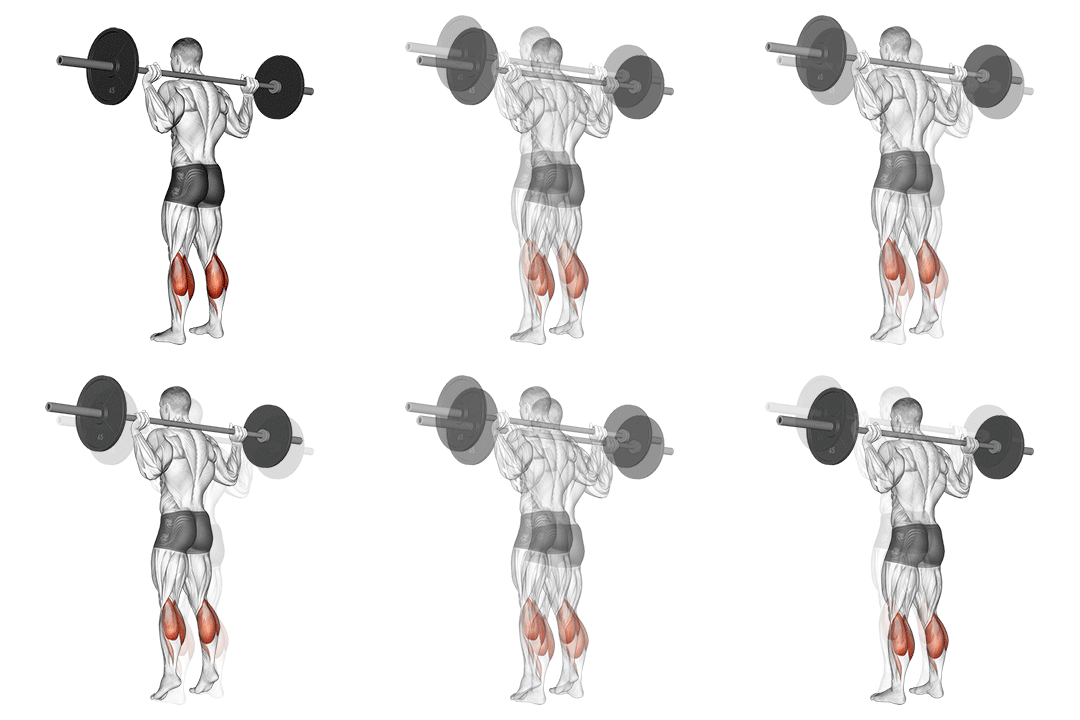
More comparisons with Barbell Standing Leg Calf Raise
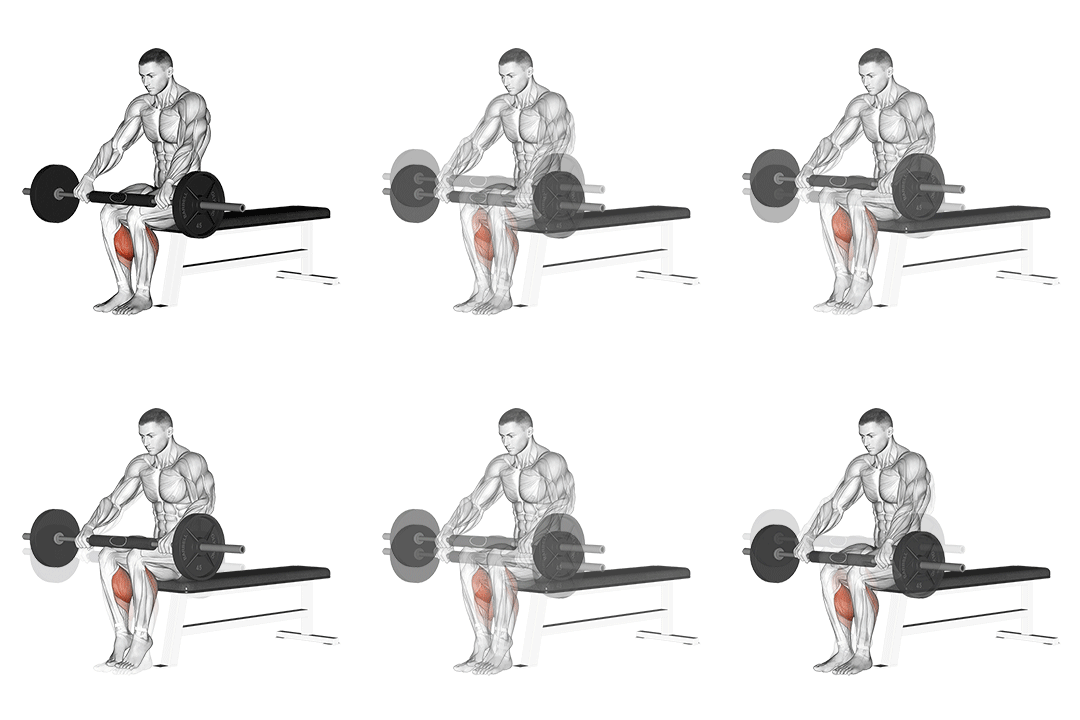
More comparisons with Barbell Standing Rocking Leg Calf Raise
Compare More Exercises
Use our free comparison tool to analyze any two exercises head-to-head.
Compare Exercises