

Barbell Straight Leg Deadlift vs Clean: Complete Comparison Guide
Barbell Straight Leg Deadlift vs Clean — you’re choosing between a focused posterior-chain builder and a full-body Olympic lift. I’ll walk you through biomechanics, muscle activation, technique cues, equipment needs, and who should program each move. You’ll get clear rep ranges, injury-risk notes, and exact cues like how much knee bend to use and when to accentuate the hip hinge or triple-extension. By the end you’ll know which exercise fits your muscle-growth, strength, or power goals and how to progress safely.
Exercise Comparison
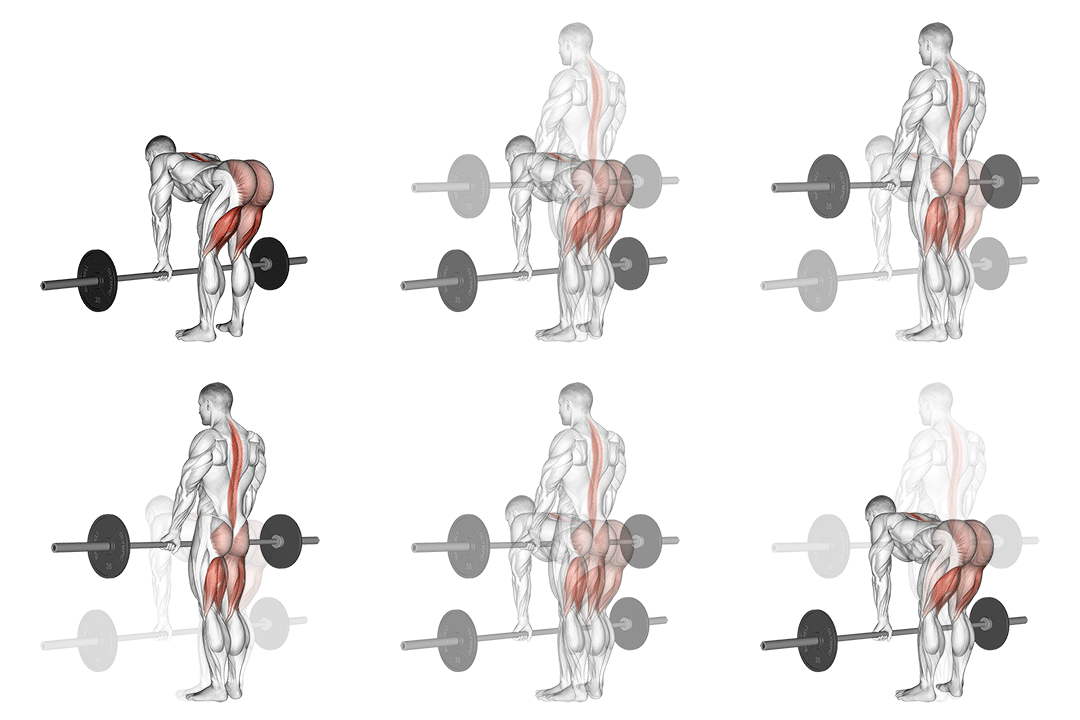
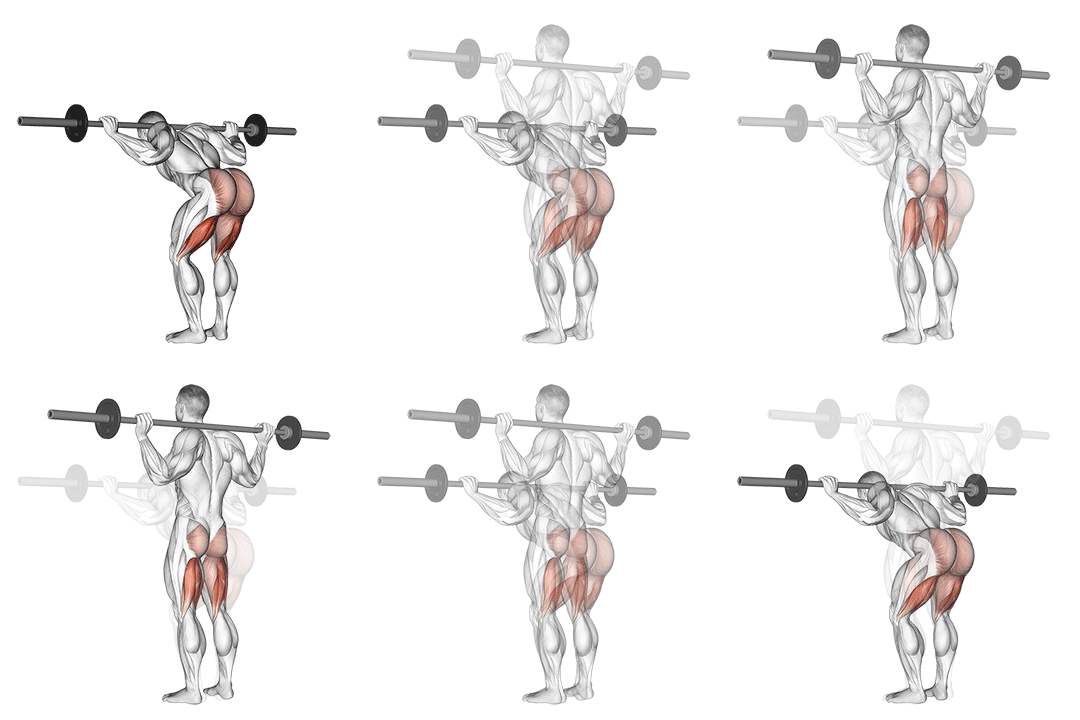
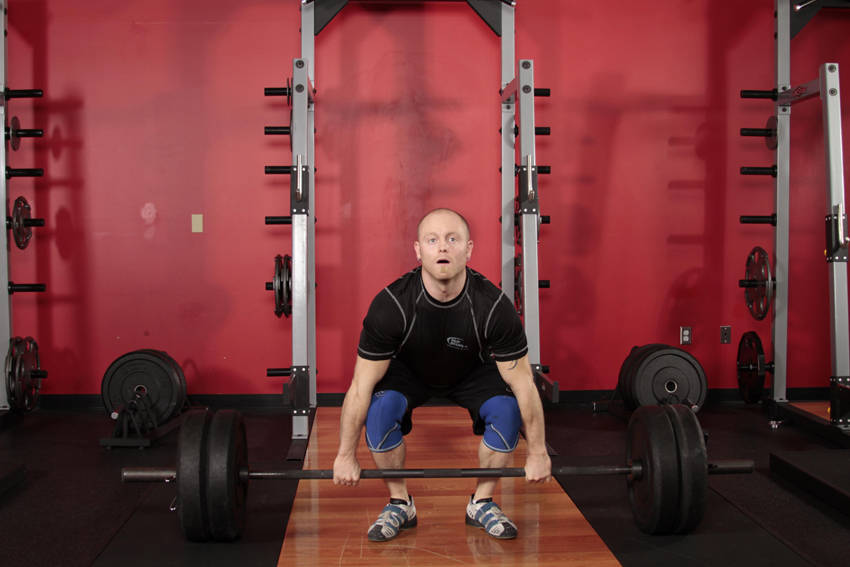
Barbell Straight Leg Deadlift
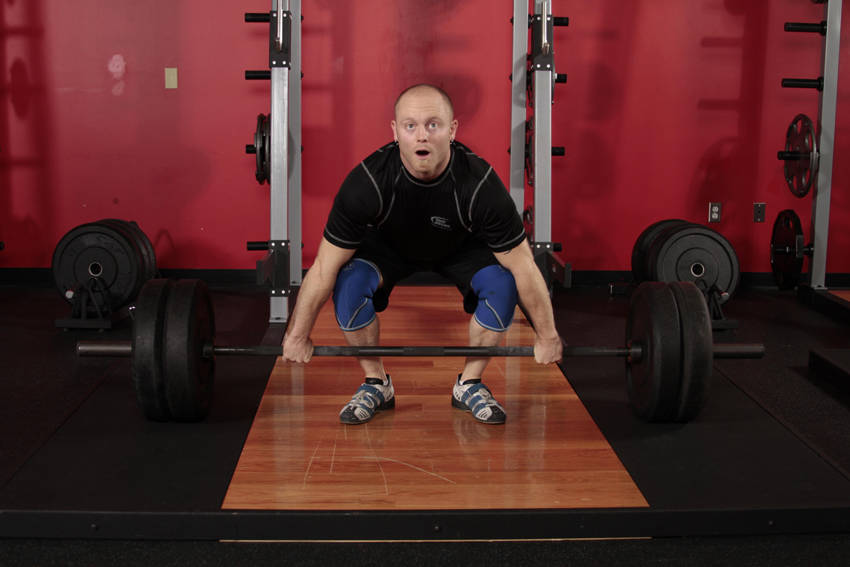
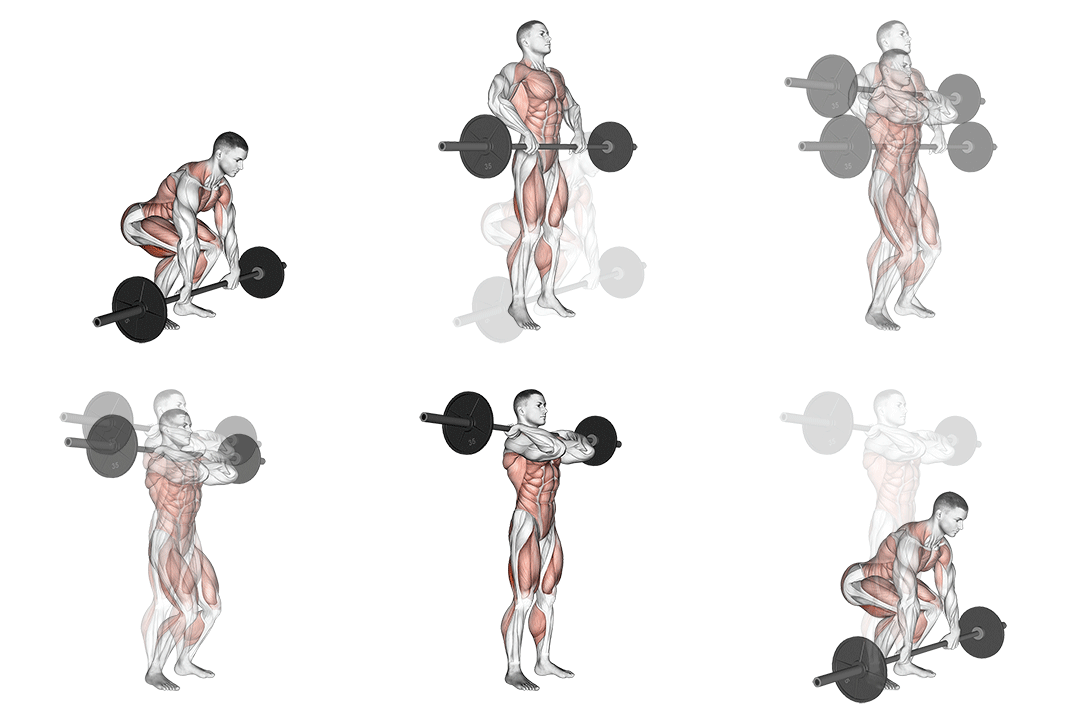
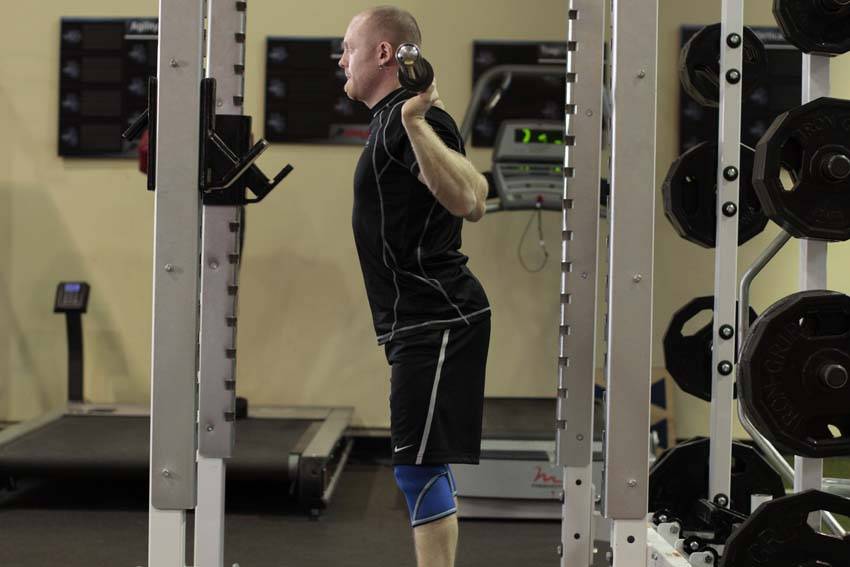
Clean
Head-to-Head Comparison
| Attribute | Barbell Straight Leg Deadlift | Clean |
|---|---|---|
| Target Muscle |
Hamstrings
|
Hamstrings
|
| Body Part |
Upper-legs
|
Upper-legs
|
| Equipment |
Barbell
|
Barbell
|
| Difficulty |
Intermediate
|
Advanced
|
| Movement Type |
Compound
|
Compound
|
| Secondary Muscles |
2
|
7
|
Secondary Muscles Activated
Barbell Straight Leg Deadlift
Clean
Visual Comparison
Overview
Barbell Straight Leg Deadlift vs Clean — you’re choosing between a focused posterior-chain builder and a full-body Olympic lift. I’ll walk you through biomechanics, muscle activation, technique cues, equipment needs, and who should program each move. You’ll get clear rep ranges, injury-risk notes, and exact cues like how much knee bend to use and when to accentuate the hip hinge or triple-extension. By the end you’ll know which exercise fits your muscle-growth, strength, or power goals and how to progress safely.
Key Differences
- Difficulty levels differ: Barbell Straight Leg Deadlift is intermediate, while Clean is advanced.
- Both exercises target the Hamstrings using Barbell. The main differences are in their movement patterns and muscle activation angles.
Pros & Cons
Barbell Straight Leg Deadlift
+ Pros
- Direct hamstring overload via long muscle lengths and slow eccentrics
- Simple technique emphasizing hip hinge and spinal stability
- Requires minimal equipment and coaching
- Versatile rep ranges for hypertrophy (6–12 reps) or strength (3–6 reps)
− Cons
- Limited carryover to explosive power compared with Olympic lifts
- Can load the lower back if spinal position is lost
- Less upper-body and quad activation than full-body lifts
Clean
+ Pros
- Maximizes power and rate of force development via triple extension
- Full-body recruitment including quads, calves, traps, and shoulders
- High transfer to athletic movements and explosive strength
- Many technical progressions (hang clean, power clean) to build skill
− Cons
- Steep technical learning curve with higher acute injury risk
- Requires bumper plates, space, and ideally lifting shoes
- Less time under tension on hamstrings for hypertrophy
When Each Exercise Wins
SLD places the hamstrings at longer lengths with controlled eccentrics and 6–12 rep ranges that increase time under tension, optimizing muscle growth. Its consistent posterior torque and ability to manipulate tempo make it superior for targeted hypertrophy.
For maximal strength and power in multi-joint patterns, the Clean trains force application at high velocities and engages more muscles (quads, glutes, traps). Use 1–5 reps to develop maximal force and rate of force development, especially when combined with heavy strength work.
Beginners can learn the hip hinge and maintain a neutral spine more quickly with SLD; it has fewer technical steps and lower acute risk. Start with light loads, focus on a 10–25° knee bend, and practice a slow 2–3s eccentric.
SLD needs only a barbell and small space, and it scales well across rep ranges. The Clean benefits from bumper plates and room to pull under, making it less practical at home without proper gear.
Frequently Asked Questions
Can I do both Barbell Straight Leg Deadlift and Clean in the same workout?
Yes — sequence matters. Do Cleans first to prioritize explosive power (1–5 heavy or technical triples), then perform SLDs for 3–4 sets of 6–12 reps to target hamstrings while fresh. Keep total volume reasonable and watch fatigue to protect technique.
Which exercise is better for beginners?
Barbell Straight Leg Deadlift is better for most beginners because it teaches the hip-hinge and spinal bracing with fewer technical steps. Start light, emphasize a neutral spine and a 2–4s eccentric before progressing to heavier loads or adding Cleans once you have solid mechanics.
How do the muscle activation patterns differ?
The SLD produces sustained hamstring and glute activation through a prolonged hip hinge and eccentric loading, while the Clean produces short, high-amplitude hamstring bursts during explosive hip extension and a strong quad and calf contribution during the transition and catch. The Clean also uses stretch-shortening and elastic recoil for power.
Can Clean replace Barbell Straight Leg Deadlift?
Not fully. Cleans develop power and recruit more muscles but provide less continuous hamstring time under tension. If your goal is targeted hamstring hypertrophy, keep SLDs in the program; substitute Cleans when the goal shifts to power or athletic transfer.
Expert Verdict
Use the Barbell Straight Leg Deadlift when your priority is hamstring-focused muscle growth, posterior-chain hypertrophy, or when you need an accessible lift with a simple progression. Cue a hip hinge, keep knees soft (10–25°), bar close to shins, and control the eccentric for 2–4 seconds. Choose the Clean when you want to develop explosive power, coordination, and full-body strength; train it with low reps (1–5) and focus on triple extension and a fast pull-under with elbows high at the catch. If you have limited coaching or space, favor the SLD; if you want athletic power and can invest in technique, program the Clean.
Also Compare
More comparisons with Barbell Straight Leg Deadlift
Compare More Exercises
Use our free comparison tool to analyze any two exercises head-to-head.
Compare Exercises