Cable Concentration Extension (On Knee) vs Cable Lying Triceps Extension
Compare target muscles, equipment, difficulty, movement type, and secondary muscles for Cable Concentration Extension (On Knee) and Cable Lying Triceps Extension.
Change comparison Share

Get comparison link

Select the link and use your device's Copy command.

Comparison overview

AI-generated
Cable Concentration Extension (on Knee) vs Cable Lying Triceps Extension V. 2 — both isolate the triceps, but they load the muscle differently. Read this guide to see how each exercise shifts tension between the long, lateral, and medial heads, what equipment and setup you need, and which movement fits your training goal. You’ll get clear technique cues (elbow angle, torso position, line of pull), rep-range recommendations (6–15 reps), and progression tips so you can pick the better option for hypertrophy, strength, or rehab work.

Exercise Comparison

Exercise A
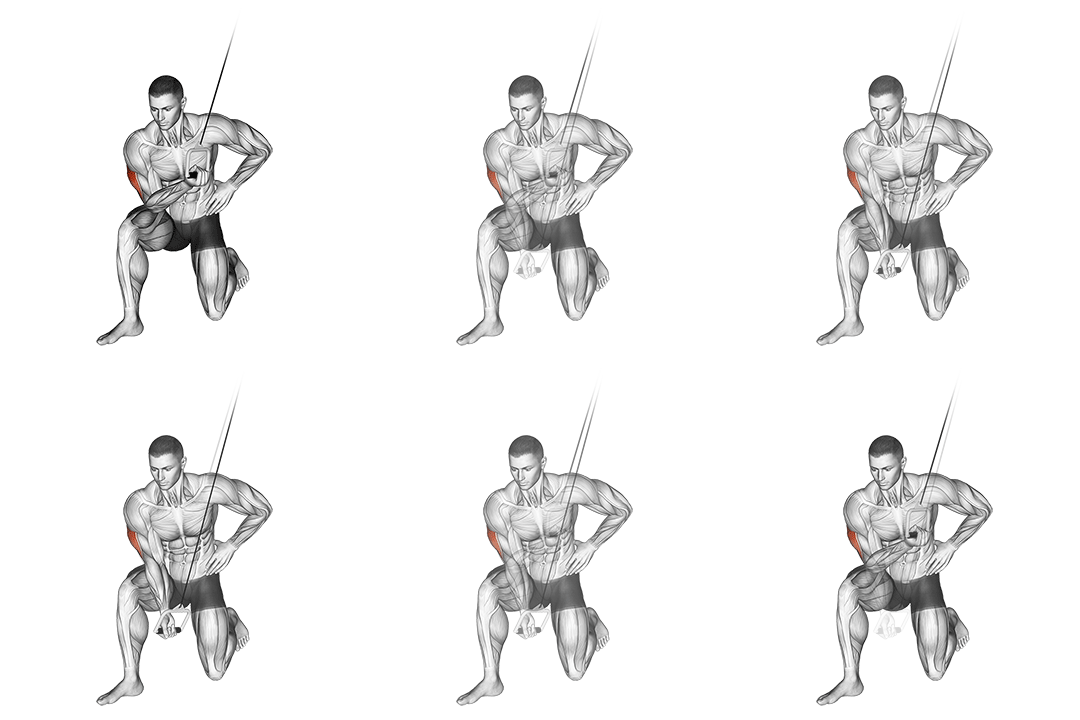
Cable Concentration Extension (On Knee) demonstration
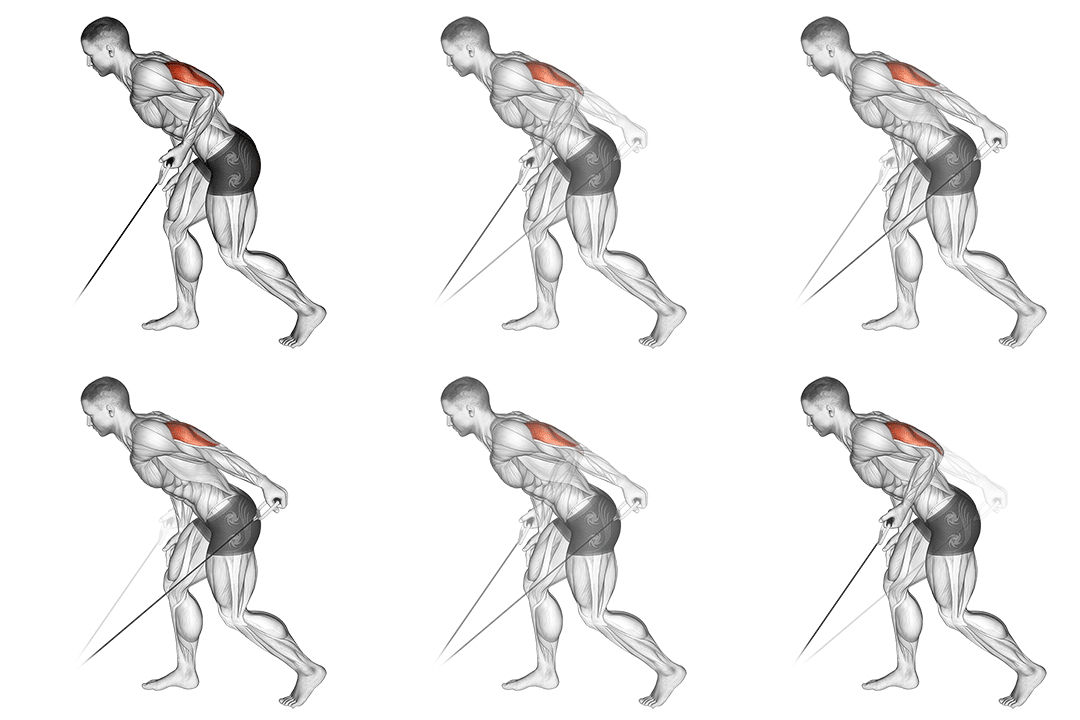
Cable Concentration Extension (On Knee)
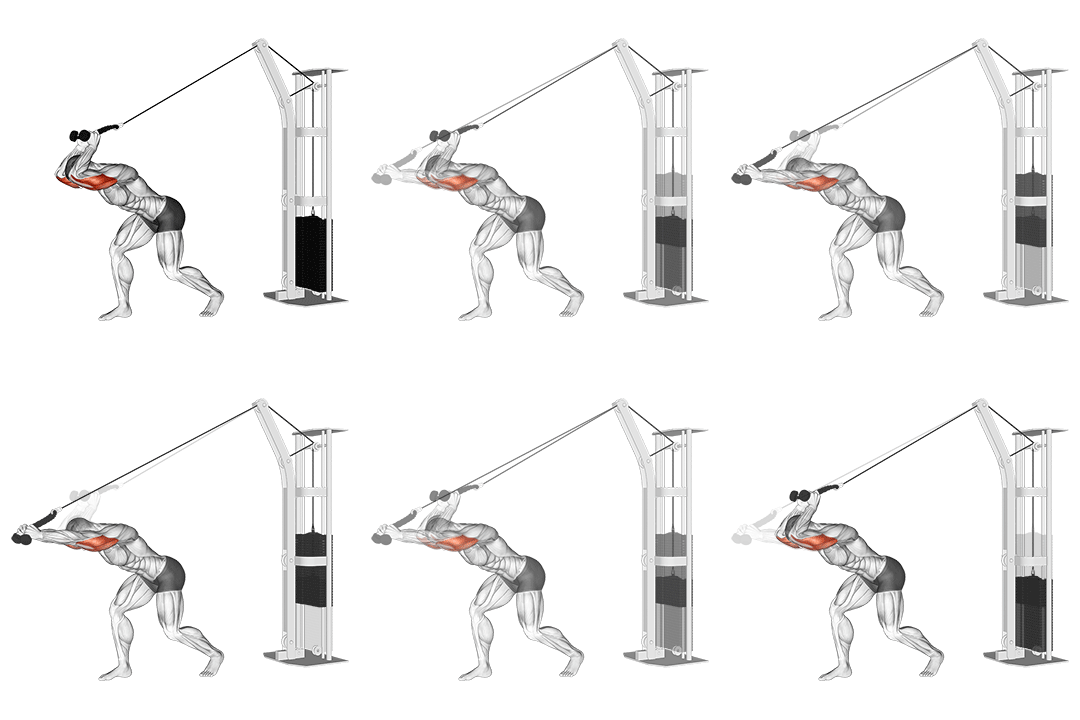
Target Triceps
Equipment Cable
Body Part Upper-arms
Difficulty Beginner
Movement Isolation
Secondary Muscles
Forearms
VS
Exercise B
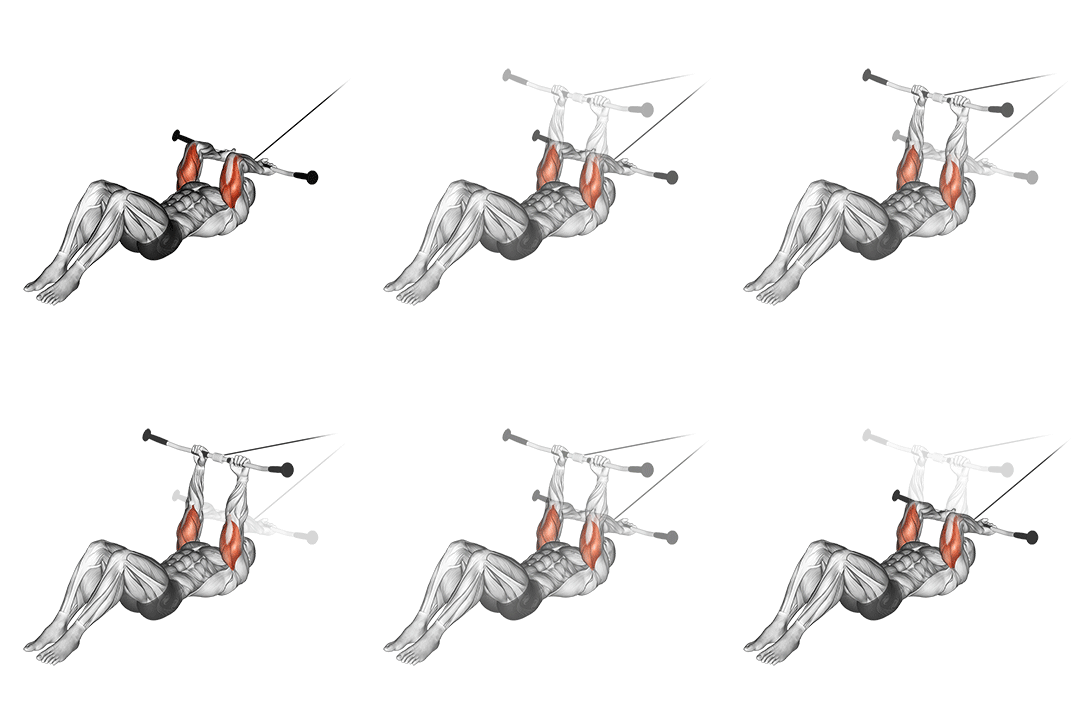
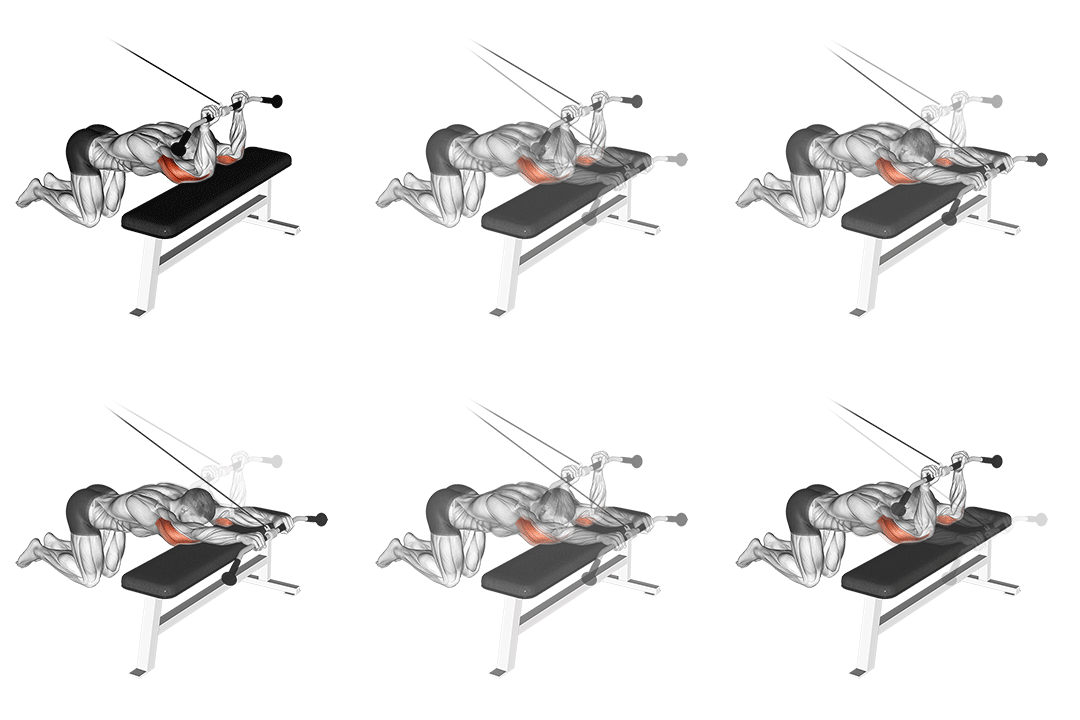
Cable Lying Triceps Extension demonstration

Cable Lying Triceps Extension

Target Triceps
Equipment Cable
Body Part Upper-arms
Difficulty Beginner
Movement Isolation
Secondary Muscles
Shoulders

Head-to-Head Comparison

Different values are marked. These are catalogue attributes, not performance scores.

Muscles used

Listed target and secondary muscles, shown on the body. Locations, not activation or strength scores.

  • Target
  • Secondary
  • Not highlighted

Cable Concentration Extension (On Knee)
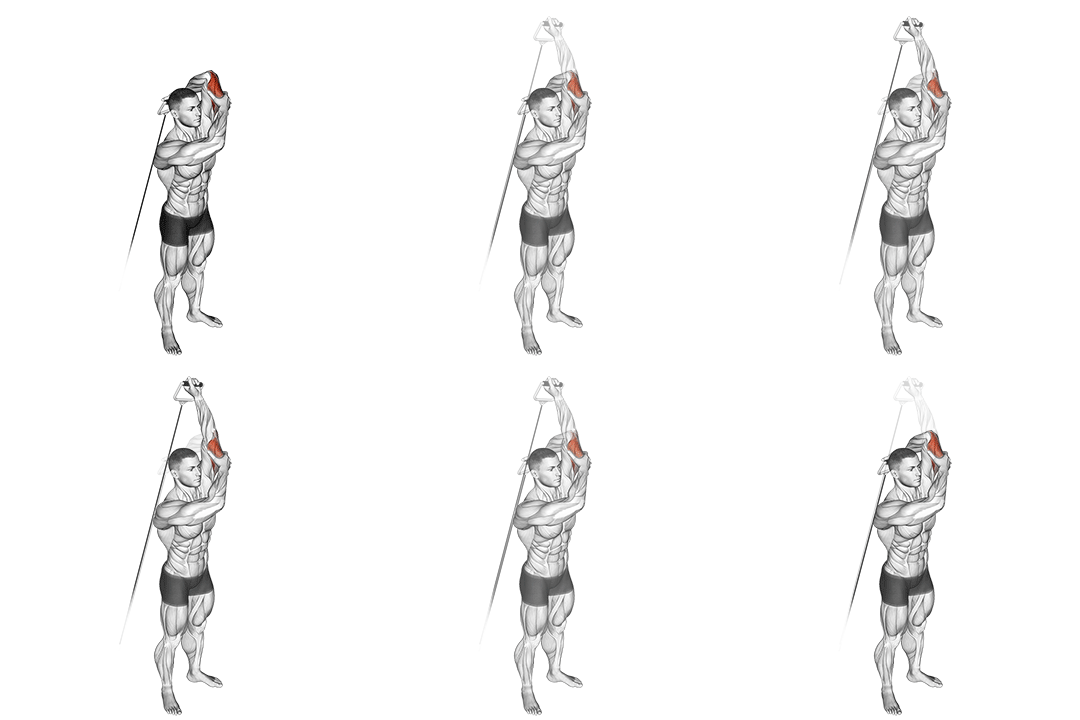
Front
Cable Concentration Extension (On Knee): front muscle locationsSolid: listed target. Striped: listed secondary. Grey: not highlighted. Locations, not activation or strength scores. See the muscle names below.
Back
Cable Concentration Extension (On Knee): back muscle locationsSolid: listed target. Striped: listed secondary. Grey: not highlighted. Locations, not activation or strength scores. See the muscle names below.
Target
Triceps
Secondary
Forearms

Cable Lying Triceps Extension

Front
Cable Lying Triceps Extension: front muscle locationsSolid: listed target. Striped: listed secondary. Grey: not highlighted. Locations, not activation or strength scores. See the muscle names below.
Back
Cable Lying Triceps Extension: back muscle locationsSolid: listed target. Striped: listed secondary. Grey: not highlighted. Locations, not activation or strength scores. See the muscle names below.
Target
Triceps
Secondary
Shoulders

Not shown on diagram: Shoulders. These labels do not identify a precise region on this map.

Grey does not mean a muscle is unused. The diagrams show only the mapped catalogue labels.

Attribute Cable Concentration Extension (On Knee) Cable Lying Triceps Extension
Target Muscle
Triceps
Triceps
Body Part
Upper-arms
Upper-arms
Equipment
Cable
Cable
Difficulty
Beginner
Beginner
Movement Type
Isolation
Isolation
Secondary Muscles Different
Forearms
Shoulders

Visual Comparison

An illustrative 1–10 profile derived from catalog difficulty, equipment, and listed-muscle fields—not measured performance or muscle activation.

Key Differences

  • Both exercises target the Triceps using Cable. The catalogue does not establish which exercise is better for an individual goal.

Muscle comparison

Shared target muscles

Both exercises primarily load the triceps brachii through elbow extension. They emphasize the lateral and medial heads during high-tension mid-range positions, producing similar peak activation when the elbow approaches full extension. Both keep the elbow as the main moving joint, minimizing pectoral and lat contribution when performed with correct setup.

Secondary muscle differences

Cable Concentration Extension (on Knee) recruits forearm stabilizers more because of unilateral gripping and wrist control. Cable Lying Triceps Extension V. 2 adds shoulder involvement—specifically the long head—because the shoulder sits in flexion while lying, increasing long-head stretch and passive tension.

Muscle involvement analysis

During the kneeling concentration, the line of pull is more lateral to the elbow axis creating a large moment arm at the terminal range; peak activation occurs in the final 20–30 degrees of extension. In the lying version the long head experiences greater length-tension at the start of the push (shoulder ~80–100° flexion), producing higher active tension through mid-to-full range and a slightly earlier peak activation across the ROM.

Equipment and setup

Cable Concentration Extension (On Knee): setup

A cable machine with a single-handle attachment and space to kneel. Optional: a low pulley set to roughly hip height and a mat for knee support.

Cable Lying Triceps Extension: setup

A cable machine with a low pulley and a flat bench or firm floor to lie on. You need a handle or bar and enough cable travel so the handle reaches near your forehead at the start position.

Access and practicality

Cable Concentration Extension (on Knee) — it needs less setup, no bench, and can be replicated with a resistance band, making it easier for most gym-goers and home trainers.

Learning and progression

Learning the movements

Cable Concentration Extension (on Knee) has a shorter learning curve. You lock the upper arm against the thigh or at your side and focus on a single-joint movement, which reduces compensatory shoulder movement. Lying triceps extension requires body alignment on a bench and stricter control of shoulder angle.

Progression considerations

Cable Lying Triceps Extension V. 2 offers broader progression options: you can increase load, adjust bench angle to change long-head stretch, or use chains/tempo for overload. The kneeling concentration progresses well via unilateral overload, tempo, and drop sets but has a lower absolute load ceiling.

Limitations and precautions

Lying triceps extensions carry a slightly higher elbow and anterior shoulder stress if you lock out aggressively or use heavy loads; monitor elbow pain and avoid sudden heavy loading. Kneeling concentration has lower joint stress but can cause wrist discomfort if grip and forearm alignment are poor.

Pros & Cons

Cable Concentration Extension (On Knee)

+ Pros

  • Highly isolating—easy to keep the elbow stable and minimize shoulder involvement
  • Minimal equipment and setup; can be mimicked with bands
  • Great for unilateral work to correct left-right imbalances
  • Strong end-range peak contraction; useful for finishing sets and drop sets

− Cons

  • Lower absolute loading capacity than two-arm cable variants
  • Less long-head stretch, so slightly less stimulus for long-head hypertrophy
  • Wrist/forearm fatigue can limit work before triceps do

Cable Lying Triceps Extension

+ Pros

  • Places the long head under greater stretch—better for overall triceps thickness
  • Higher absolute loading and varied angle options (bench tilt) for progression
  • Cleaner constant tension from cable throughout the ROM
  • Allows two-arm or single-arm variations to scale intensity

− Cons

  • Requires a bench or firm surface and more setup
  • Slightly higher elbow and shoulder stress under heavy loads
  • More technical to maintain shoulder position and avoid compensation

When Each Exercise Wins

1
For muscle hypertrophy: Cable Lying Triceps Extension V. 2

The lying version places the long head in greater stretch (shoulder flexion ~80–100°), increasing length-tension and active tension across the ROM. Use 8–12 reps with a controlled 2–3 s eccentric to maximize time under tension and growth.

2
For strength gains: Cable Lying Triceps Extension V. 2

It allows higher absolute loads and consistent cable resistance, so you can progressively overload the triceps more effectively. Employ heavier sets (4–8 reps) and slow eccentrics to build cross-sectional strength in the elbow extensors.

3
For beginners: Cable Concentration Extension (on Knee)

Its single-joint pattern and simpler setup make it easier to learn proper elbow hinge mechanics and control the line of pull. Start with 10–15 reps, focus on keeping the elbow stationary, and avoid shoulder movement.

4
For home workouts: Cable Concentration Extension (on Knee)

You can replicate the kneeling concentration with a resistance band anchored low, requiring no bench or heavy cable rig. It gives solid isolation work with minimal gear and space.

Frequently Asked Questions

Can I do both Cable Concentration Extension (on Knee) and Cable Lying Triceps Extension V. 2 in the same workout?

Yes. Pair the lying extension as your heavy primary triceps movement (4–10 reps) and use the kneeling concentration after for 10–15 rep isolation work to remove fatigue from the stronger arm and reinforce lockout. Keep total triceps volume to 6–12 working sets per week per muscle head.

Which exercise is better for beginners?

Cable Concentration Extension (on Knee) is better for beginners because it simplifies the movement pattern and reduces shoulder compensation. Teach a stable elbow position and 10–15 rep sets before progressing to more complex lying variations.

How do the muscle activation patterns differ?

The kneeling concentration produces peak activation at terminal extension with a large moment arm near lockout, stressing the lateral and medial heads. The lying extension increases long-head activation earlier in the ROM due to shoulder flexion and greater length-tension at the start of the pull.

Can Cable Lying Triceps Extension V. 2 replace Cable Concentration Extension (on Knee)?

Yes for overall triceps work, but not for all goals. Lying extensions better drive hypertrophy and strength through higher loads and long-head stretch, while kneeling concentrations are superior for unilateral correction and targeted end-range contraction. Use them complementarily rather than as strict substitutes.

Comparison Summary

Use Cable Lying Triceps Extension V. 2 when your goal is maximal triceps size or progressive overload—the long-head stretch and higher loading window (4–12 reps) deliver broad stimulus across the heads. Choose Cable Concentration Extension (on Knee) when you need a simple, low-setup isolation movement to fix imbalances, learn elbow-hinge mechanics, or do high-rep finishers. For general programs, rotate both: prioritize the lying extension for main triceps work 1–2 times/week and add kneeling concentrations as accessory unilateral work or burnout sets to polish lockout strength and muscle detail.

Exercise instructions

Steps from the exercise catalogue. Read the full sequence before starting.

Cable Concentration Extension (On Knee)

  1. Sit on a bench or chair with your knees bent and feet flat on the ground.
  2. Hold the cable handle with your right hand and place your elbow on the inside of your right knee.
  3. Extend your arm fully, keeping your elbow stationary and close to your knee.
Read remaining steps for Cable Concentration Extension (On Knee)
  1. Pause for a moment at the top, then slowly lower your arm back to the starting position.
  2. Repeat for the desired number of repetitions, then switch sides.

Cable Lying Triceps Extension

  1. Attach a rope handle to a low pulley cable machine.
  2. Lie down on a flat bench facing up, with your head towards the cable machine.
  3. Grasp the rope handle with both hands, palms facing each other, and extend your arms straight up over your chest.
Read remaining steps for Cable Lying Triceps Extension
  1. Keeping your upper arms stationary, slowly lower the rope handle towards your forehead by bending your elbows.
  2. Pause for a moment at the bottom, then extend your arms back up to the starting position.
  3. Repeat for the desired number of repetitions.

Also Compare

Compare another pair

Choose two exercises to see their differences side by side.

Compare Exercises