

Deadlift With Bands vs Seated Good Mornings: Complete Comparison Guide
Deadlift With Bands vs Seated Good Mornings puts two advanced posterior-chain lifts head-to-head so you can choose what fits your program. I'll walk you through who each move trains best, how the erector spinae and supporting muscles activate, exact technique cues (bar placement, hip angles, rep ranges), programming suggestions for strength vs hypertrophy, and relative injury considerations. Read on to learn which exercise gives more systemic overload, which isolates the spinal extensors, and practical tips so you perform each safely and get measurable progress.
Exercise Comparison
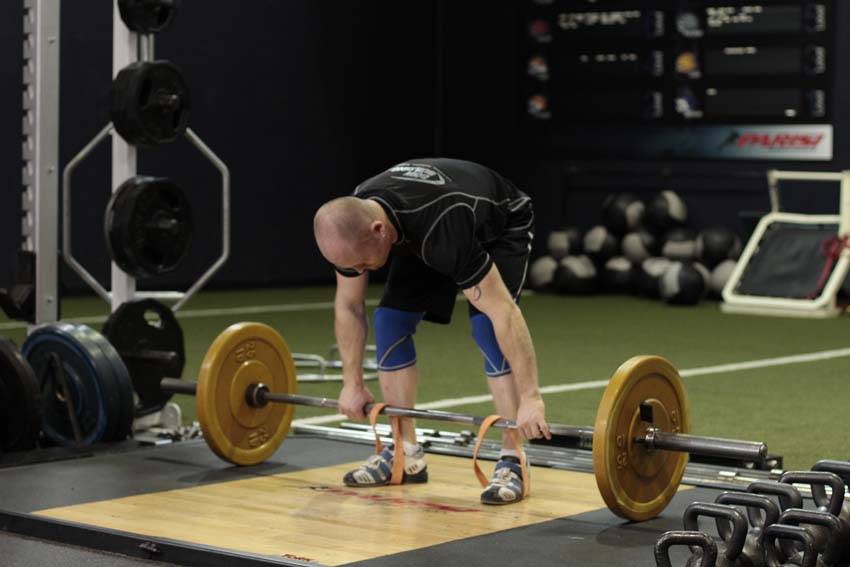
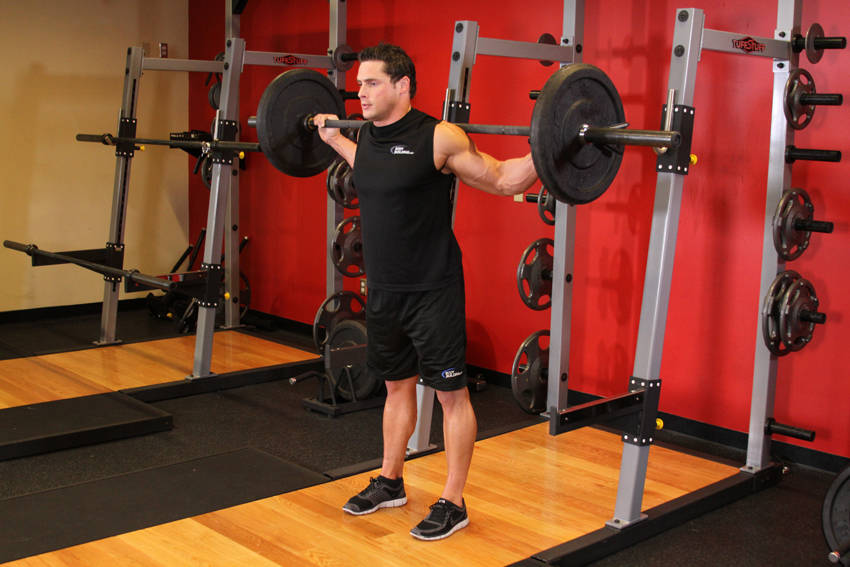
Deadlift With Bands
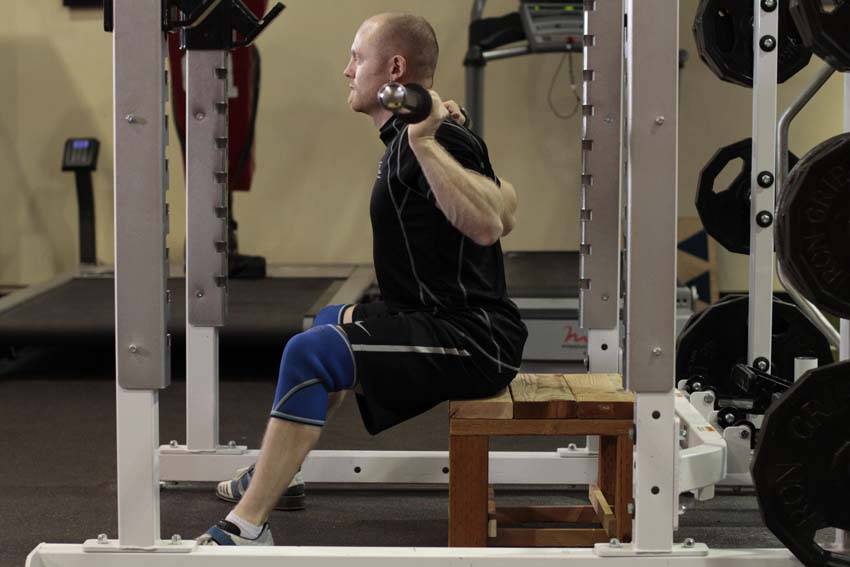
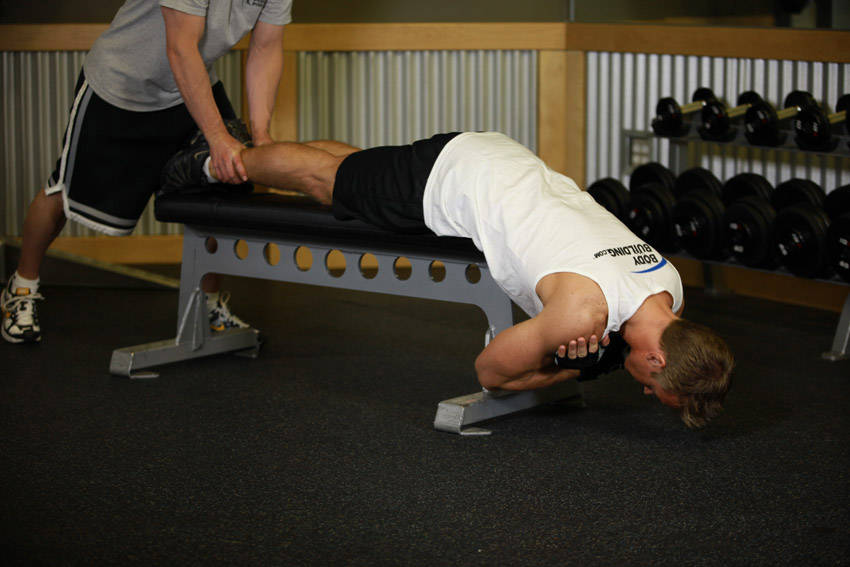
Seated Good Mornings
Head-to-Head Comparison
| Attribute | Deadlift With Bands | Seated Good Mornings |
|---|---|---|
| Target Muscle |
Erector-spinae
|
Erector-spinae
|
| Body Part |
Back
|
Back
|
| Equipment |
Barbell
|
Barbell
|
| Difficulty |
Advanced
|
Advanced
|
| Movement Type |
Compound
|
Compound
|
| Secondary Muscles |
6
|
1
|
Secondary Muscles Activated
Deadlift With Bands
Seated Good Mornings
Visual Comparison
Overview
Deadlift With Bands vs Seated Good Mornings puts two advanced posterior-chain lifts head-to-head so you can choose what fits your program. I'll walk you through who each move trains best, how the erector spinae and supporting muscles activate, exact technique cues (bar placement, hip angles, rep ranges), programming suggestions for strength vs hypertrophy, and relative injury considerations. Read on to learn which exercise gives more systemic overload, which isolates the spinal extensors, and practical tips so you perform each safely and get measurable progress.
Key Differences
- Both exercises target the Erector-spinae using Barbell. The main differences are in their movement patterns and muscle activation angles.
Pros & Cons
Deadlift With Bands
+ Pros
- Strong whole-posterior-chain recruitment — erectors, glutes, hamstrings, traps
- Variable resistance increases top-end tension (~10–30% more at lockout)
- High progression ceiling: add plates or stronger bands
- Improves lockout strength and rate of force development
− Cons
- Complex set-up and band anchor logistics
- Higher coordination and balance demands
- Greater systemic fatigue and grip limitation
Seated Good Mornings
+ Pros
- Isolates erector spinae with a long time-under-tension stimulus
- Simpler set-up: barbell and bench required
- Lower grip and balance demands
- Easy to control tempo for eccentric overload (3–5s eccentrics)
− Cons
- Limited hamstring and quad involvement
- Concentrates shear on lumbar spine if bracing fails
- Lower overall systemic progression compared to standing lifts
When Each Exercise Wins
Deadlift With Bands produces greater overall mechanical tension across the posterior chain and allows heavier total load and progressive overload. Use 6–12 reps for hypertrophy and bands to increase lockout tension for added stimulus.
Variable resistance trains the sticking point and improves lockout power; program heavy sets of 3–6 reps and increase band tension by ~10% every 2–4 weeks to push neural and structural strength adaptations.
Seated Good Mornings limit balance and reduce coordination demands so you can learn safe spinal hinging and eccentric control. Start with 8–12 reps light tempo (2–3s eccentrics) to groove technique before adding load.
If you own bands, Deadlift With Bands scales load without heavy plates and trains the whole posterior chain effectively. Use lighter barbell load plus bands to mimic heavy resistance while keeping equipment minimal.
Frequently Asked Questions
Can I do both Deadlift With Bands and Seated Good Mornings in the same workout?
Yes — sequencing matters. Do Deadlift With Bands first if you want maximal strength or neural freshness, then follow with Seated Good Mornings for targeted erector hypertrophy and tempo work. Keep total lower-back volume to 8–12 working sets per week to avoid overuse.
Which exercise is better for beginners?
Seated Good Mornings are slightly better for beginners because they reduce balance and coordination demands and let you practice controlled hip hinge and eccentric loading. However, both are advanced; consider starting with Romanian deadlifts or hip-hinge drills before progressing to either.
How do the muscle activation patterns differ?
Deadlift With Bands ramps erector and glute activation toward lockout — peak tension typically occurs in the final 10–20% of extension as band tension increases. Seated Good Mornings keep erectors at a high activation throughout the eccentric and isometric phases with peak length-tension near the bottom of the hinge.
Can Seated Good Mornings replace Deadlift With Bands?
They can substitute when your goal is isolated spinal-extensor work or when band equipment isn't available, but they won't replicate the systemic load, hamstring and grip demands of banded deadlifts. Match the exercise to your goal: isolation and TUT vs whole-body strength and lockout power.
Expert Verdict
If your priority is posterior-chain strength and systemic overload, Deadlift With Bands is the decisive choice: it recruits erectors along with glutes, hamstrings, quads and traps and lets you manipulate top-end tension with bands for progressive strength and hypertrophy. If you want targeted erector-spinae hypertrophy or a controlled way to develop the hip-hinge pattern, Seated Good Mornings are the better tool — use slow eccentrics (3–5s) and moderate reps (8–15) to maximize time under tension. Both lifts are advanced: prioritize perfect bracing, neutral spine, and conservative loading (add no more than 5–10% weekly) while you build technique.
Also Compare
More comparisons with Deadlift With Bands
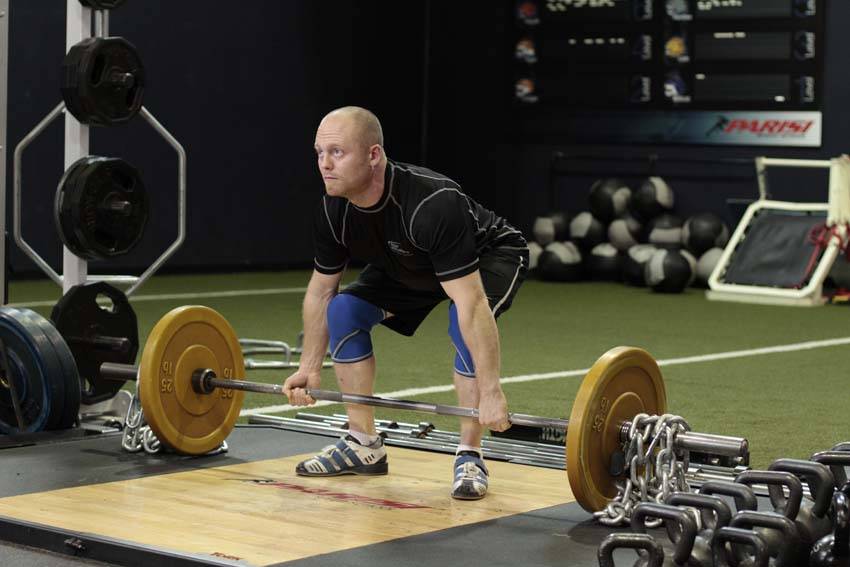
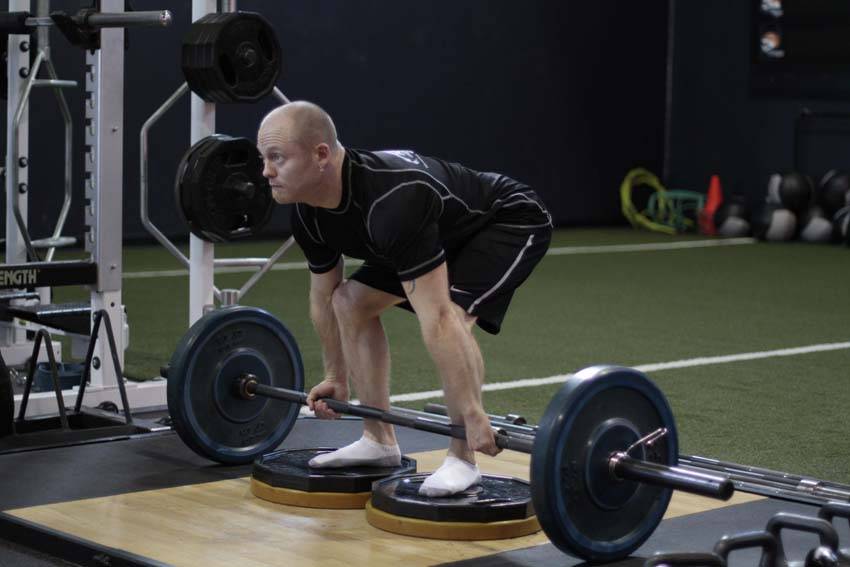
More comparisons with Seated Good Mornings
Compare More Exercises
Use our free comparison tool to analyze any two exercises head-to-head.
Compare Exercises