Deadlift With Chains vs Seated Good Mornings

Compare target muscles, equipment, difficulty, movement type, and secondary muscles for Deadlift With Chains and Seated Good Mornings.

Change comparison Share

Get comparison link

Select the link and use your device's Copy command.

Comparison overview

AI-generated
Deadlift With Chains vs Seated Good Mornings is the matchup that separates top-end posterior chain strength from targeted spinal erector isolation. If you want exercises that hammer the erector spinae, this guide helps you choose based on muscle activation, equipment needs, injury risk, and programming. You’ll get clear technique cues, biomechanics explanations (length-tension, force vectors, hip hinge angles), and practical rep ranges so you can pick the lift that matches your strength or hypertrophy plan. Read on to learn when to program each, how to progress safely, and which wins in specific scenarios.

Exercise Comparison

Exercise A
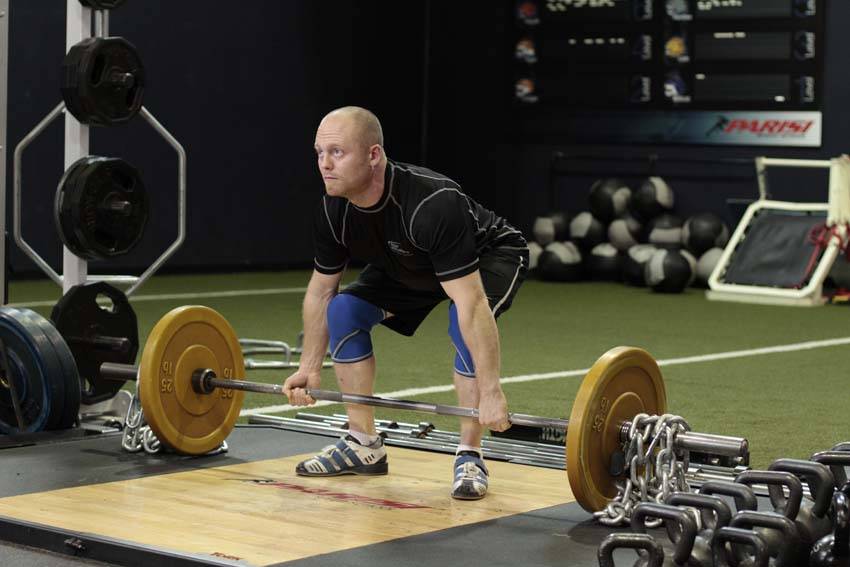
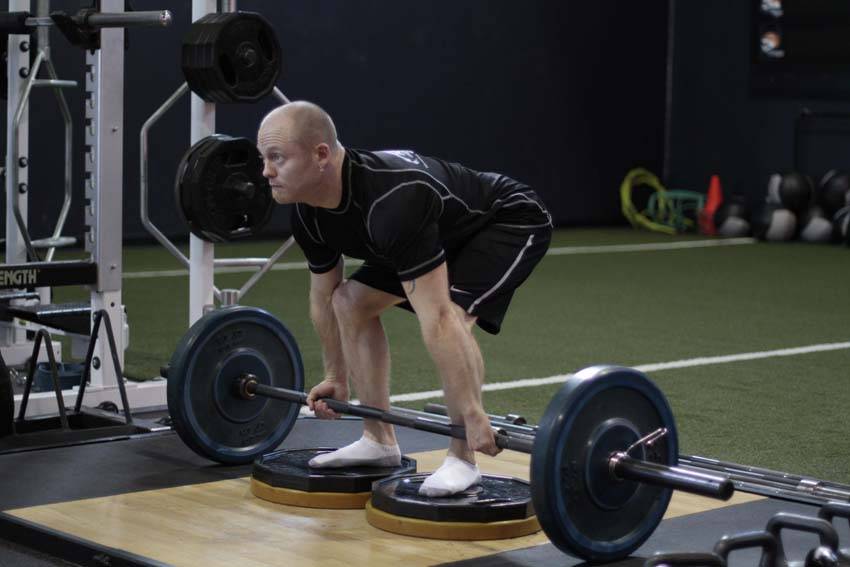
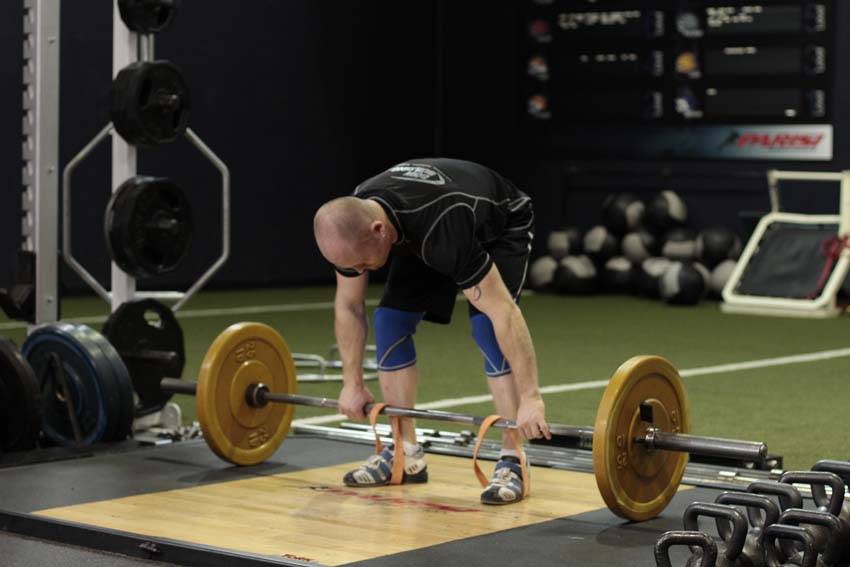
Deadlift With Chains demonstration

Deadlift With Chains

Target Erector-spinae
Equipment Barbell
Body Part Back
Difficulty Advanced
Movement Compound
Secondary Muscles
Forearms Glutes Hamstrings Middle Back Quadriceps Traps
VS
Exercise B
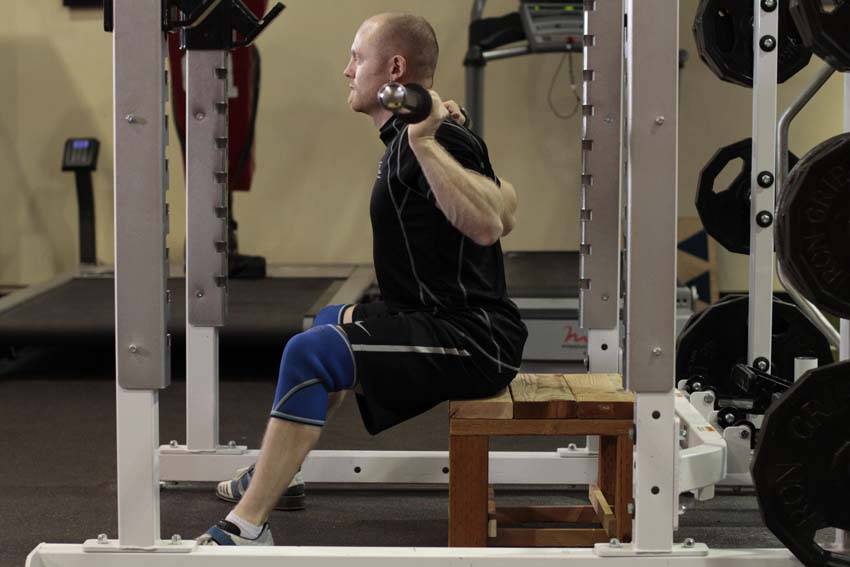
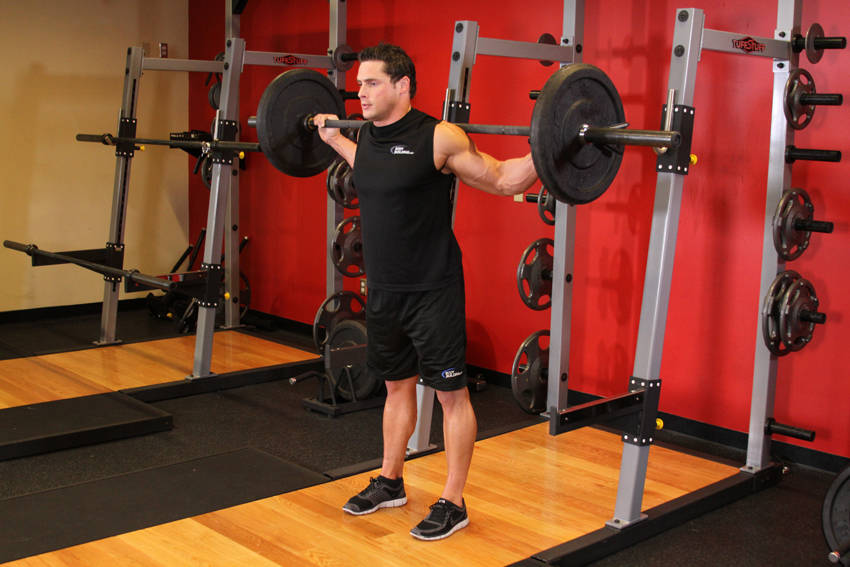
Seated Good Mornings demonstration

Seated Good Mornings

Target Erector-spinae
Equipment Barbell
Body Part Back
Difficulty Advanced
Movement Compound
Secondary Muscles
Glutes

Head-to-Head Comparison

Different values are marked. These are catalogue attributes, not performance scores.

Muscles used

Listed target and secondary muscles, shown on the body. Locations, not activation or strength scores.

  • Target
  • Secondary
  • Not highlighted

Deadlift With Chains

Front
Deadlift With Chains: front muscle locationsSolid: listed target. Striped: listed secondary. Grey: not highlighted. Locations, not activation or strength scores. See the muscle names below.
Back
Deadlift With Chains: back muscle locationsSolid: listed target. Striped: listed secondary. Grey: not highlighted. Locations, not activation or strength scores. See the muscle names below.
Target
Erector-spinae
Secondary
Forearms, Glutes, Hamstrings, Middle Back, Quadriceps, Traps

Not shown on diagram: Erector-spinae, Middle Back. These labels do not identify a precise region on this map.

Seated Good Mornings

Front
Seated Good Mornings: front muscle locationsSolid: listed target. Striped: listed secondary. Grey: not highlighted. Locations, not activation or strength scores. See the muscle names below.
Back
Seated Good Mornings: back muscle locationsSolid: listed target. Striped: listed secondary. Grey: not highlighted. Locations, not activation or strength scores. See the muscle names below.
Target
Erector-spinae
Secondary
Glutes

Not shown on diagram: Erector-spinae. These labels do not identify a precise region on this map.

Grey does not mean a muscle is unused. The diagrams show only the mapped catalogue labels.

Attribute Deadlift With Chains Seated Good Mornings
Target Muscle
Erector-spinae
Erector-spinae
Body Part
Back
Back
Equipment
Barbell
Barbell
Difficulty
Advanced
Advanced
Movement Type
Compound
Compound
Secondary Muscles Different
Forearms, Glutes, Hamstrings, Middle Back, Quadriceps, Traps
Glutes

Visual Comparison

An illustrative 1–10 profile derived from catalog difficulty, equipment, and listed-muscle fields—not measured performance or muscle activation.

Key Differences

  • Both exercises target the Erector-spinae using Barbell. The catalogue does not establish which exercise is better for an individual goal.

Muscle comparison

Shared target muscles

Both lifts strongly target the erector spinae by resisting trunk flexion under load. Deadlift With Chains loads the erectors throughout a full-range hip hinge and standing extension, producing high concentric force at the top 30–60% of the lift when chains come off the floor. Seated Good Mornings place the spine in a long-lever hip hinge with the hips fixed, creating sustained isometric and eccentric tension on the erectors over a larger torso flexion range (roughly 30°–60° forward lean). Both stimulate hypertrophy, but the deadlift produces larger overall systemic stress.

Secondary muscle differences

Deadlift With Chains recruits glutes, hamstrings, quads, traps, middle back, and forearms heavily—particularly during lift-off and lockout. Chains bias lockout strength and increase glute/hamstring drive as load rises. Seated Good Mornings reduce hamstring contribution because knees are typically bent and the pelvis is stabilized, so the exercise emphasizes spinal extensors and glute isometrics with minimal quad or heavy grip demand.

Muscle involvement analysis

Deadlift With Chains shows a rising-resistance activation: posterior chain and erectors ramp up as chains transition from slack to taut, shifting peak force toward lockout. Muscle activation is dynamic with large concentric phases. Seated Good Mornings produce a prolonged eccentric-to-concentric pattern where erectors maintain high tension throughout a slow 2–4 second descent and controlled ascent, favoring time-under-tension and eccentric overload for the spine.

Equipment and setup

Deadlift With Chains: setup

A loaded barbell plus a matched set of heavy chains (or band setup) and a clean lifting platform. You need space to drape chains so they lift off the floor and weight collars to secure them.

Seated Good Mornings: setup

A barbell and a stable bench or box to sit on, or a slightly elevated platform. No specialty variable-resistance gear needed; a pad for shoulder comfort is optional.

Access and practicality

Seated Good Mornings — they require only a barbell and a bench, so almost any gym or home setup can run them. Deadlift With Chains needs specialty chains or bands and more floor space, making them less accessible for many lifters.

Learning and progression

Learning the movements

Seated Good Mornings are easier to learn because the seated position reduces balance and hip mobility demands; you can focus on hinge mechanics and spine angle (target ~45° torso lean) safely. Deadlift With Chains adds set-up complexity (chain length, load distribution) and requires precise bar path, grip strength, and timing to handle variable resistance.

Progression considerations

Deadlift With Chains offers greater long-term progression: you can change chain mass, chain length, barbell load, and stance to manipulate strength curve and rate-of-force development. Seated Good Mornings progress via load, tempo, and increased range-of-motion, but they cap out earlier for total systemic load.

Limitations and precautions

Deadlift With Chains carries higher acute injury risk due to heavy loads and dynamic lockouts—poor setup or a rounded spine under heavy variable resistance increases shear forces on lumbar vertebrae. Seated Good Mornings can increase shear if done with excessive spinal flexion or very heavy loads, but the fixed pelvis mitigates some risk. Overall, Deadlift With Chains presents the higher risk for undertrained lifters.

Pros & Cons

Deadlift With Chains

+ Pros

  • Variable resistance increases top-end loading and lockout strength
  • Higher systemic recruitment — glutes, hamstrings, quads, traps, forearms
  • Excellent for developing rate-of-force and overcoming sticking points
  • Scales well for strength programming (vary chain weight, reps 1–6)

− Cons

  • Requires specialty equipment (chains) and setup time
  • Higher technical demand on bar path and timing
  • Greater acute injury risk under maximal loads

Seated Good Mornings

+ Pros

  • Simple setup — only a barbell and bench needed
  • Isolates erector spinae with high time-under-tension
  • Lower balance demand, easier to cue hip hinge and spine angle
  • Great for hypertrophy with controlled eccentrics (6–12+ reps)

− Cons

  • Less hamstring involvement due to knee flexion
  • Limited progression ceiling for systemic strength
  • Can produce lumbar shear if torso flexion is excessive or load is uncontrolled

When Each Exercise Wins

1
For muscle hypertrophy: Seated Good Mornings

Seated Good Mornings produce long time-under-tension and controlled eccentrics that target the erector spinae directly, making them excellent for 6–12+ rep hypertrophy blocks. The fixed pelvis increases isolated spinal extensor loading, which is ideal when your goal is targeted muscle growth.

2
For strength gains: Deadlift With Chains

Deadlift With Chains allows you to bias different portions of the lift via variable resistance, enhancing lockout strength and rate-of-force development. Use low reps (1–6) and progressive chain mass to overload neural and mechanical strength adaptations.

3
For beginners: Seated Good Mornings

The seated position reduces balance and hip mobility demands so you can learn the hip hinge and spinal bracing safely. Start with bodyweight or an empty bar for 8–12 reps to build control before adding heavy loads.

4
For home workouts: Seated Good Mornings

They need only a barbell and a stable seat, no specialty chains or extra floor space. You can also use a lighter load and slow tempo to get meaningful erector stimulation at home.

Frequently Asked Questions

Can I do both Deadlift With Chains and Seated Good Mornings in the same workout?

Yes — but sequence matters. Do Deadlift With Chains early in the session if your goal is strength (low reps, high intent), then use Seated Good Mornings later as an accessory for erector hypertrophy and extra volume. Limit total spine-intensive sets to avoid over-fatigue.

Which exercise is better for beginners?

Seated Good Mornings are better for beginners because the seated setup reduces balance and demands on hip mobility, letting you learn the hinge and spinal bracing with lower risk. Start light and emphasize a neutral spine and controlled eccentrics.

How do the muscle activation patterns differ?

Deadlift With Chains produces a dynamic rising-resistance activation where posterior chain recruitment spikes toward lockout as chains lift. Seated Good Mornings create sustained eccentric and isometric loading of the erectors across a larger torso flexion range, favoring time-under-tension for the spine.

Can Seated Good Mornings replace Deadlift With Chains?

They can replace Deadlift With Chains for targeted erector hypertrophy or when equipment is limited, but they won’t match the systemic strength stimulus or lockout-specific overload that chains provide. Use seated GMs for isolation blocks and deadlifts with chains for heavy strength phases.

Comparison Summary

Choose Deadlift With Chains when your primary goal is maximal posterior chain strength, improving lockout, and training variable resistance for neural adaptations. Program them for low-rep strength blocks (1–6 reps) with progressive chain mass and strict bar path cues. Opt for Seated Good Mornings when you want focused erector spinae hypertrophy, safer technical learning, or a more accessible option for home gyms. Use Seated Good Mornings for higher-rep tempo work (6–12+ reps) and eccentric control to build spinal extensor size; alternate both across mesocycles to combine isolated hypertrophy with heavy strength work.

Exercise instructions

Steps from the exercise catalogue. Read the full sequence before starting.

Deadlift With Chains

  1. You can attach the chains to the sleeves of the bar, or just drape the middle over the bar so there is a greater weight increase as you lift.
  2. Approach the bar so that it is centered over your feet. You feet should be about hip width apart. Bend at the hip to grip the bar at shoulder width, allowing your shoulder blades to protract. Typically, you would use an overhand grip or an over/under grip on heavier sets. With your feet, and your grip set, take a big breath and then lower your hips and bend the knees until your shins contact the bar.
  3. Look forward with your head, keep your chest up and your back arched, and begin driving through the heels to move the weight upward. After the bar passes the knees, aggressively pull the bar back, pulling your shoulder blades together as you drive your hips forward into the bar.
Read remaining steps for Deadlift With Chains
  1. Lower the bar by bending at the hips and guiding it to the floor.

Seated Good Mornings

  1. Set up a box in a power rack. The pins should be set at an appropriate height. Begin by stepping under the bar and placing it across the back of the shoulders, not on top of your traps. Squeeze your shoulder blades together and rotate your elbows forward, attempting to bend the bar across your shoulders.
  2. Remove the bar from the rack, creating a tight arch in your lower back. Keep your head facing forward. With your back, shoulders, and core tight, push your knees and butt out and you begin your descent. Sit back with your hips until you are seated on the box. This will be your starting position.
  3. Keeping the bar tight, bend forward at the hips as much as possible. If you set the pins to what would be parallel, you not only have a safety if you fail, but know when to stop.
Read remaining steps for Seated Good Mornings
  1. Pause just above the pins and reverse the motion until your torso it upright.

Also Compare

Compare another pair

Choose two exercises to see their differences side by side.

Compare Exercises