Dumbbell Alternate Hammer Preacher Curl vs Dumbbell Alternate Seated Hammer Curl
Compare target muscles, equipment, difficulty, movement type, and secondary muscles for Dumbbell Alternate Hammer Preacher Curl and Dumbbell Alternate Seated Hammer Curl.
Change comparison Share

Get comparison link

Select the link and use your device's Copy command.

Comparison overview

AI-generated
Dumbbell Alternate Hammer Preacher Curl vs Dumbbell Alternate Seated Hammer Curl — two isolation hammer-grip curls that both target your biceps and forearms but demand different setup and control. You’ll get a clear breakdown of how each movement loads the biceps brachii, brachialis, and forearm flexors, plus step-by-step technique cues, equipment needs, progression tips, and which to pick for hypertrophy, strength, beginners, and home training. Read on to learn which exercise fits your goals and how to execute each one with sound biomechanics.
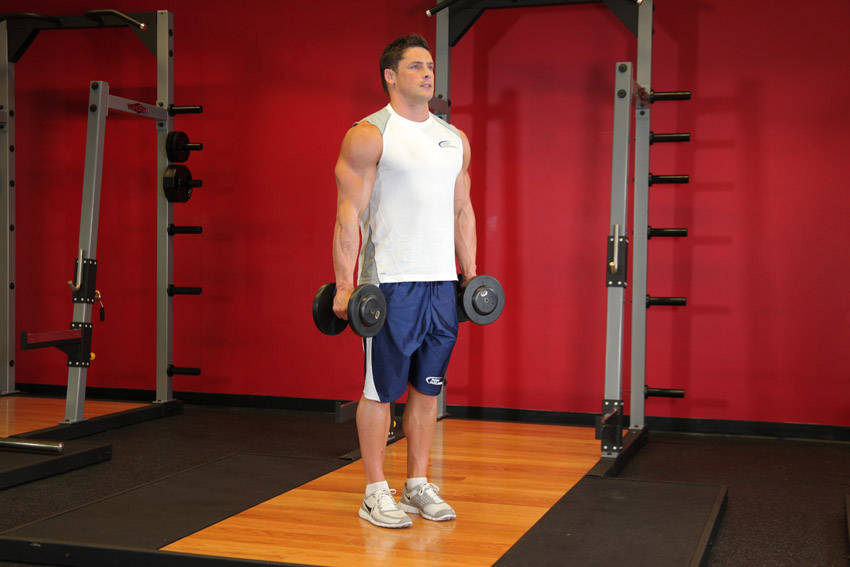
Exercise Comparison

Exercise A
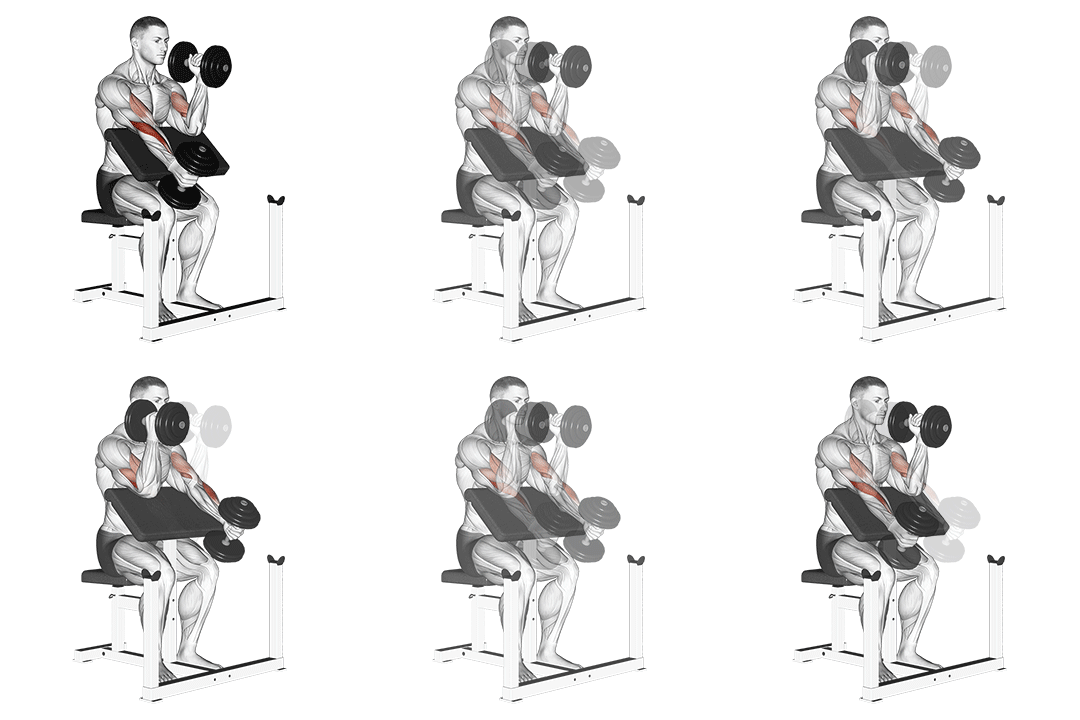
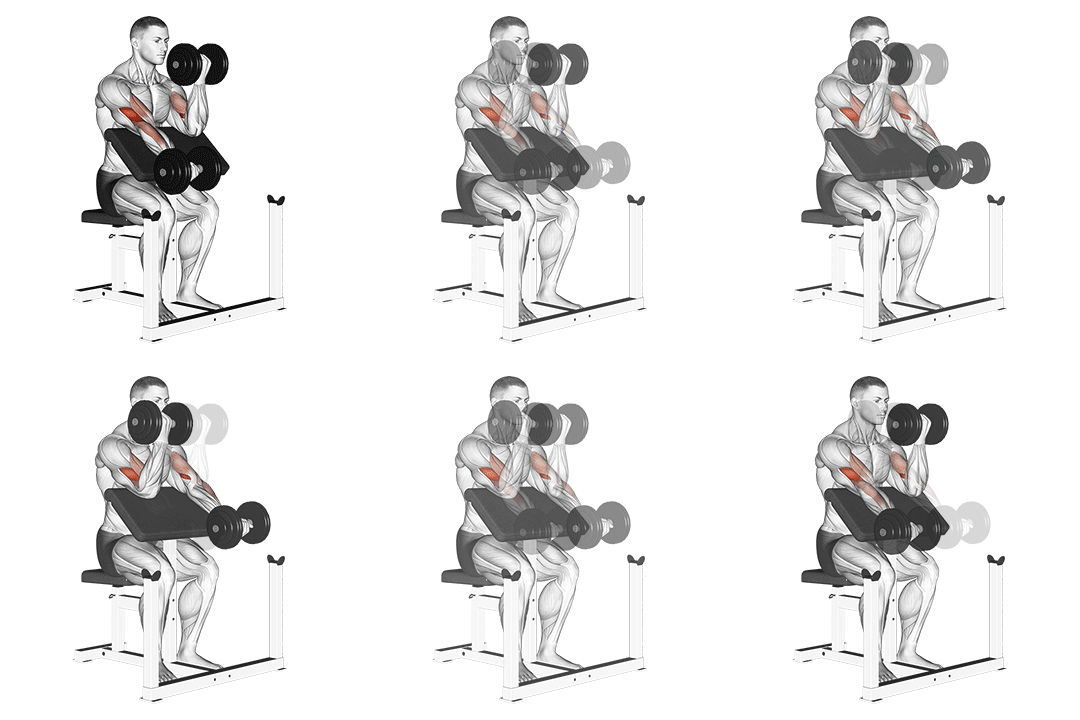
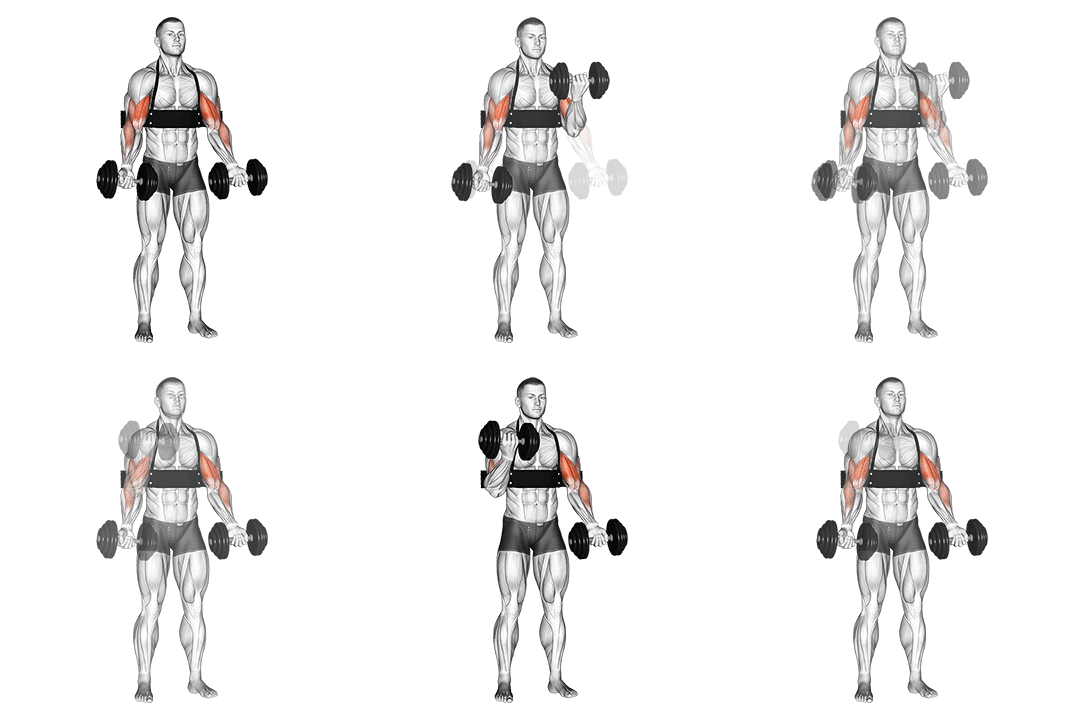
Dumbbell Alternate Hammer Preacher Curl demonstration
Dumbbell Alternate Hammer Preacher Curl
Target Biceps
Equipment Dumbbell
Body Part Upper-arms
Difficulty Intermediate
Movement Isolation
Secondary Muscles
Forearms
VS
Exercise B
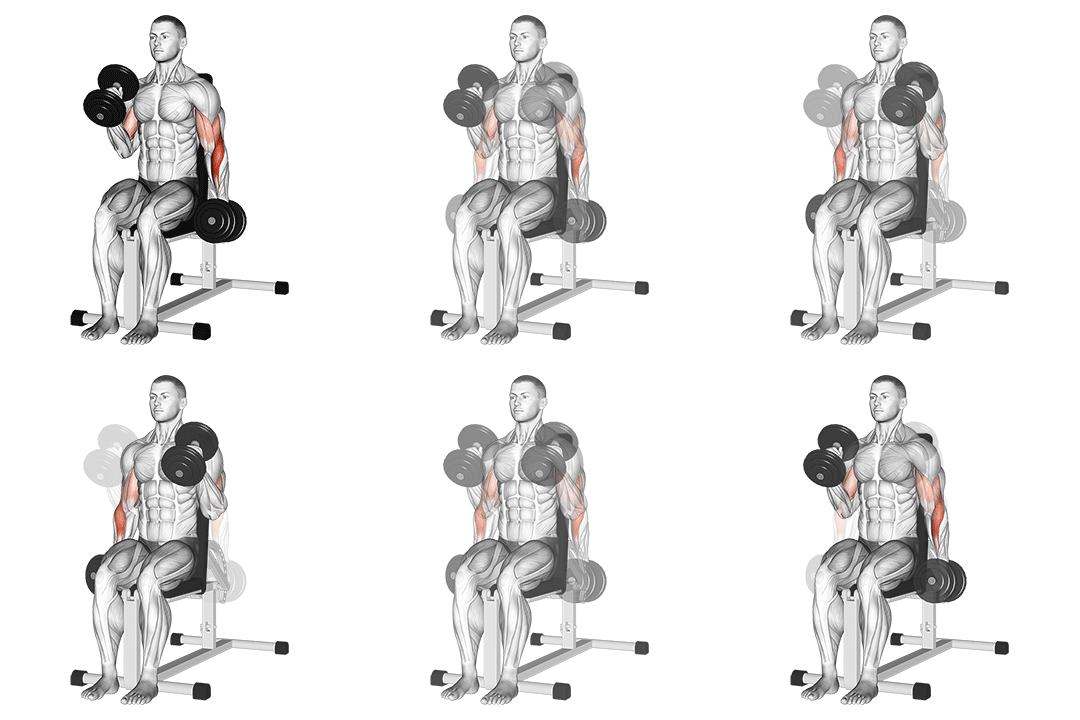
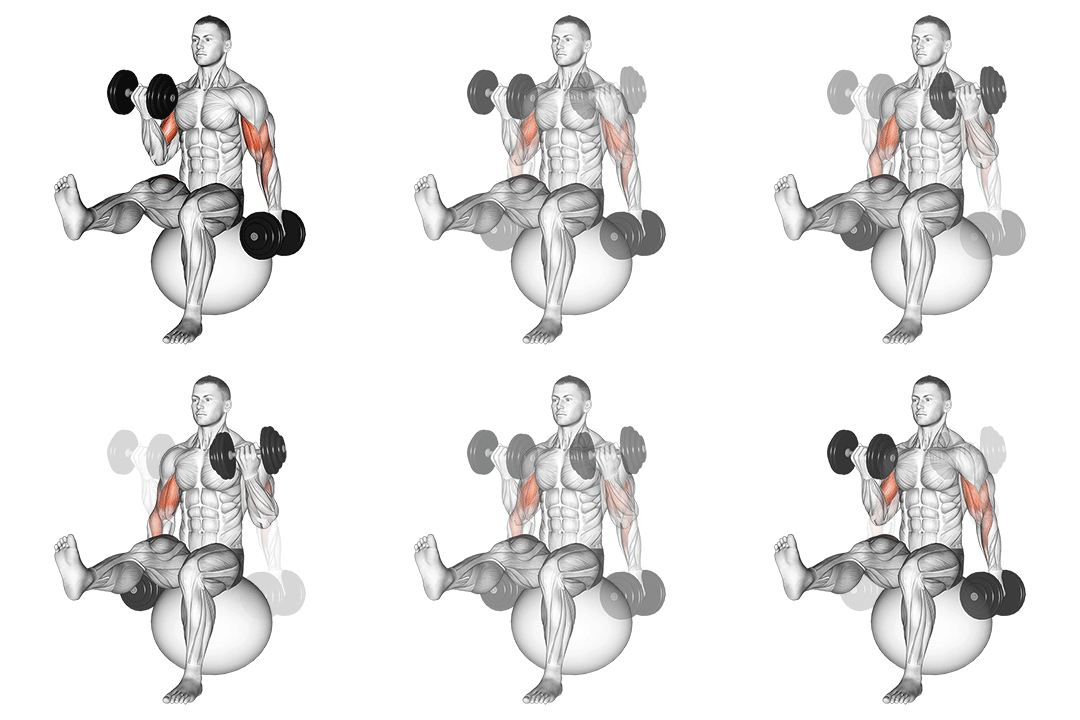
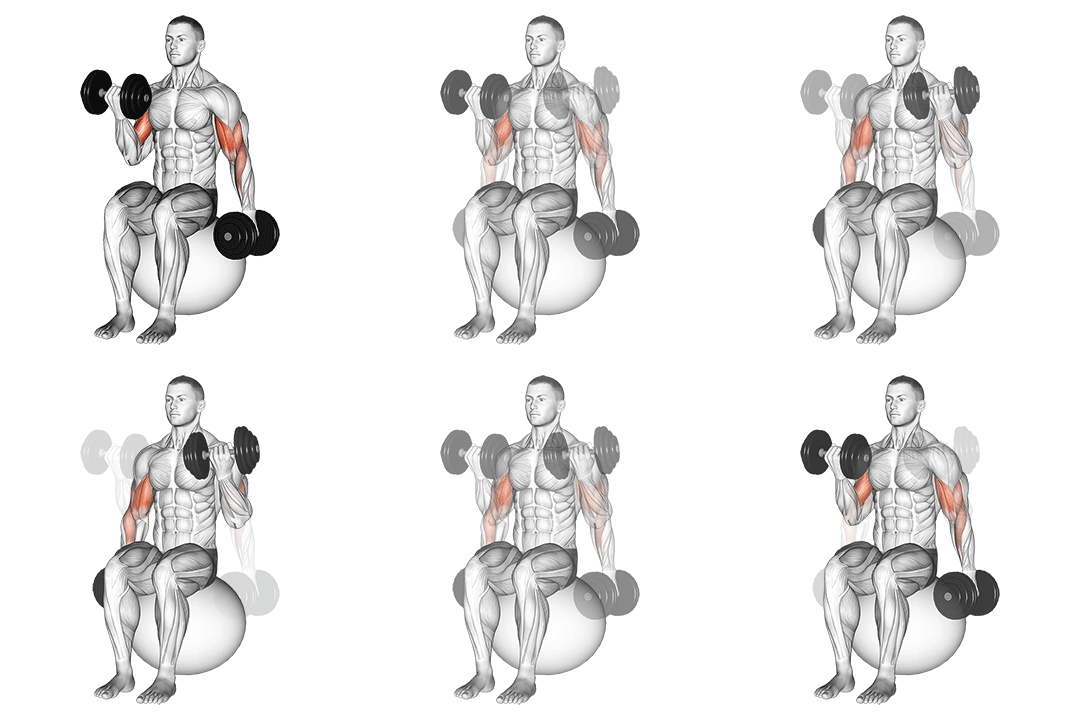
Dumbbell Alternate Seated Hammer Curl demonstration
Dumbbell Alternate Seated Hammer Curl

Target Biceps
Equipment Dumbbell
Body Part Upper-arms
Difficulty Beginner
Movement Isolation
Secondary Muscles
Forearms

Head-to-Head Comparison

Different values are marked. These are catalogue attributes, not performance scores.

Muscles used

Listed target and secondary muscles, shown on the body. Locations, not activation or strength scores.

  • Target
  • Secondary
  • Not highlighted

Dumbbell Alternate Hammer Preacher Curl

Front
Dumbbell Alternate Hammer Preacher Curl: front muscle locationsSolid: listed target. Striped: listed secondary. Grey: not highlighted. Locations, not activation or strength scores. See the muscle names below.
Back
Dumbbell Alternate Hammer Preacher Curl: back muscle locationsSolid: listed target. Striped: listed secondary. Grey: not highlighted. Locations, not activation or strength scores. See the muscle names below.
Target
Biceps
Secondary
Forearms

Dumbbell Alternate Seated Hammer Curl

Front
Dumbbell Alternate Seated Hammer Curl: front muscle locationsSolid: listed target. Striped: listed secondary. Grey: not highlighted. Locations, not activation or strength scores. See the muscle names below.
Back
Dumbbell Alternate Seated Hammer Curl: back muscle locationsSolid: listed target. Striped: listed secondary. Grey: not highlighted. Locations, not activation or strength scores. See the muscle names below.
Target
Biceps
Secondary
Forearms

Grey does not mean a muscle is unused. The diagrams show only the mapped catalogue labels.

Attribute Dumbbell Alternate Hammer Preacher Curl Dumbbell Alternate Seated Hammer Curl
Target Muscle
Biceps
Biceps
Body Part
Upper-arms
Upper-arms
Equipment
Dumbbell
Dumbbell
Difficulty Different
Intermediate
Beginner
Movement Type
Isolation
Isolation
Secondary Muscles
Forearms
Forearms

Visual Comparison

An illustrative 1–10 profile derived from catalog difficulty, equipment, and listed-muscle fields—not measured performance or muscle activation.

Key Differences

  • Difficulty levels differ: Dumbbell Alternate Hammer Preacher Curl is intermediate, while Dumbbell Alternate Seated Hammer Curl is beginner.
  • Both exercises target the Biceps using Dumbbell. The catalogue does not establish which exercise is better for an individual goal.

Muscle comparison

Shared target muscles

Both exercises emphasize elbow flexion with a neutral (hammer) grip, so they heavily load the brachialis and long head of the biceps. Peak biceps brachii activation occurs in the middle portion of the curl (roughly 30°–90° of elbow flexion) for both movements. Because the grip stays neutral, you’ll typically see brachialis contribution increase by an estimated 10–20% versus supinated curls, meaning both moves are excellent for upper-arm thickness but less focused on the outer biceps peak.

Secondary muscle differences

The preacher curl fixes the upper arm on a pad, reducing shoulder involvement and minimizing cheat momentum, so forearm flexors and the brachialis work in a more isolated fashion. The seated hammer curl allows a slight torso stabilization but permits a bit more sagittal plane variance and shoulder stabilization involvement. As a result, the seated version can recruit stabilizing muscles around the rotator cuff and scapula to a greater extent, while the preacher position shifts more work to the elbow flexors and reduces upper-trap/shoulder compensation.

Muscle involvement analysis

On the preacher bench the arm is braced and the movement emphasizes eccentric control from near full extension (0°–20° elbow flexion) into mid-range; the fixed pad shortens the moment arm at the shoulder and increases elbow torque, so you must control load on the descent. Seated hammer curls allow a slightly longer range of motion (often 0°–135° depending on starting elbow angle) and a more vertical force vector, which spreads tension across the brachialis and brachioradialis throughout the concentric phase. In short: preacher = higher isolated elbow-flexor tension mid-to-late concentric; seated = more even tension across the full ROM with increased stabilizer activation.

Equipment and setup

Dumbbell Alternate Hammer Preacher Curl: setup

A preacher bench (or angled pad) plus one dumbbell per arm. You need the pad to brace the upper arm so the exercise functions as intended.

Dumbbell Alternate Seated Hammer Curl: setup

A flat bench or stable chair and one dumbbell per arm. No specialized preacher pad required—just a stable seat that keeps your feet planted and spine neutral.

Access and practicality

Dumbbell Alternate Seated Hammer Curl — it requires less specialized equipment. Most gyms and home setups have a bench or chair, whereas preacher curls need a pad or preacher bench to achieve proper isolation.

Learning and progression

Learning the movements

Dumbbell Alternate Seated Hammer Curl is easier to learn because it uses a natural sitting position, a neutral grip, and less precise positioning. Novices can perform good reps with basic cues (upright torso, elbows tucked) after a few practice sets. The preacher curl has an intermediate learning curve since pad height and elbow placement matter to avoid hyperextension and to maintain tension.

Progression considerations

Dumbbell Alternate Hammer Preacher Curl offers cleaner isolation for progressive overload—you can increase load while minimizing momentum because the pad stabilizes the arm. However, the seated hammer curl also allows progressive loading and can use heavier dumbbells due to greater shoulder involvement; both support progressive hypertrophy via 6–12 rep ranges and progressive weekly volume increases.

Limitations and precautions

Preacher curls carry slightly higher risk to the distal biceps tendon and elbow if you use excessive load at the bottom range because the pad fixes the arm and increases tensile stress on the elbow at near-full extension. Seated hammer curls have lower peak tensile stress at the elbow but can invite shoulder/upper-back compensation if form breaks down.

Pros & Cons

Dumbbell Alternate Hammer Preacher Curl

+ Pros

  • High isolation of elbow flexors due to upper-arm bracing
  • Reduced cheat momentum, improving strict concentric/eccentric control
  • Easier to target mid-range tension and tempo (e.g., 3–1–3 tempo)
  • Better for single-arm focus and fixing strength imbalances

Cons

  • Requires a preacher pad or bench
  • Greater tensile stress on distal biceps at full extension with heavy loads
  • Less shoulder and scapular stabilizer recruitment

Dumbbell Alternate Seated Hammer Curl

+ Pros

  • Highly accessible—needs only a seat and dumbbells
  • Beginner-friendly technique with natural neutral grip
  • Allows slightly greater ROM and heavier loading for strength
  • Engages scapular and rotator stabilizers for functional control

Cons

  • Slightly more opportunity for cheating via shoulder swing
  • Less pure isolation than preacher curl
  • Less strict control of mid-range tension unless tempo is enforced

When Each Exercise Wins

1
For muscle hypertrophy: Dumbbell Alternate Hammer Preacher Curl

The preacher variation enforces strict elbow positioning and reduces momentum, letting you load the brachialis and biceps with consistent mid-range tension (aim 6–12 reps, controlled 2–3s eccentrics). That strict loading produces more targeted mechanical tension for hypertrophy.

2
For strength gains: Dumbbell Alternate Seated Hammer Curl

Seated hammer curls allow slightly longer ROM and you can often handle heavier dumbbells safely, which aids neural adaptation and strength. Use 4–8 rep sets and focus on progressive loading with solid scapular stability.

3
For beginners: Dumbbell Alternate Seated Hammer Curl

Seated hammer curls have a simpler setup, natural grip, and lower learning curve—ideal for building coordination and baseline elbow-flexor strength before moving to more isolated preacher work.

4
For home workouts: Dumbbell Alternate Seated Hammer Curl

You only need a stable chair or bench and dumbbells, making the seated version far more practical at home. It delivers strong biceps and forearm stimulus with minimal gear.

Frequently Asked Questions

Can I do both Dumbbell Alternate Hammer Preacher Curl and Dumbbell Alternate Seated Hammer Curl in the same workout?

Yes. Pair them in a session by placing the seated hammer curl first if you plan heavy sets (4–6 reps) to use more load, then follow with preacher hammer curls for isolated 8–12 rep hypertrophy sets and controlled eccentrics.

Which exercise is better for beginners?

Dumbbell Alternate Seated Hammer Curl is better for beginners due to its simple setup, natural neutral grip, and lower technical demand. It builds coordination and strength before adding the stricter preacher variation.

How do the muscle activation patterns differ?

Preacher curls isolate elbow flexion with higher mid-range tension on the brachialis and biceps, while seated hammer curls produce more even activation across the full ROM and increase stabilizer recruitment. Hammer grip in both increases brachioradialis and brachialis activation relative to supinated curls by roughly 10–20% in EMG comparisons.

Can Dumbbell Alternate Seated Hammer Curl replace Dumbbell Alternate Hammer Preacher Curl?

It can replace preacher curls if you lack equipment or want more general strength transfer. However, if your goal is precise mechanical tension and isolation for hypertrophy, the preacher curl is the superior choice to add into a focused arm routine.

Comparison Summary

Both exercises have a place in a smart upper-arm program. Choose the Dumbbell Alternate Hammer Preacher Curl when you want strict isolation, controlled mid-range tension, and to hammer the brachialis for hypertrophy—especially during focused arm sessions where tempo and form matter. Use the Dumbbell Alternate Seated Hammer Curl when you need an accessible, beginner-friendly movement or when you want to lift heavier for strength with a slightly longer ROM and more stabilizer involvement. Program both across a training block: prioritize preacher curls for targeted volume weeks (6–12 reps, slow eccentrics) and use seated hammer curls for heavy sets (4–8 reps) or higher-rep metabolic work (12–15 reps) depending on your goal.

Exercise instructions

Steps from the exercise catalogue. Read the full sequence before starting.

Dumbbell Alternate Hammer Preacher Curl

  1. Sit on a preacher bench with a dumbbell in each hand, palms facing your torso and arms fully extended.
  2. Keep your upper arms stationary and exhale as you curl the weights while contracting your biceps.
  3. Continue to raise the dumbbells until your biceps are fully contracted and the dumbbells are at shoulder level.
Read remaining steps for Dumbbell Alternate Hammer Preacher Curl
  1. Hold the contracted position for a brief pause as you squeeze your biceps.
  2. Inhale and slowly begin to lower the dumbbells back to the starting position.
  3. Repeat for the recommended amount of repetitions.

Dumbbell Alternate Seated Hammer Curl

  1. Sit on a bench with a dumbbell in each hand, palms facing your torso and arms extended down.
  2. Keep your back straight and your elbows close to your torso.
  3. Exhale and curl the dumbbell in your right hand towards your shoulder, keeping your upper arm stationary.
Read remaining steps for Dumbbell Alternate Seated Hammer Curl
  1. Continue to raise the dumbbell until your biceps are fully contracted and the dumbbell is at shoulder level.
  2. Pause for a brief moment, then inhale and slowly lower the dumbbell back to the starting position.
  3. Repeat the movement with your left arm.
  4. Continue alternating arms for the desired number of repetitions.

Also Compare

Compare another pair

Choose two exercises to see their differences side by side.

Compare Exercises