EZ Bar Lying Close Grip Triceps Extension Behind Head vs EZ Barbell Incline Triceps Extension
Compare target muscles, equipment, difficulty, movement type, and secondary muscles for EZ Bar Lying Close Grip Triceps Extension Behind Head and EZ Barbell Incline Triceps Extension.
Change comparison Share

Get comparison link

Select the link and use your device's Copy command.

Comparison overview

AI-generated
Ez Bar Lying Close Grip Triceps Extension Behind Head vs Ez Barbell Incline Triceps Extension — two isolation moves that hammer the triceps but feel very different. You’ll get clear technique cues, biomechanical reasons each shifts load between triceps heads, setup and equipment needs, injury-risk notes, and practical recommendations (rep ranges, angles, progression ideas). Read this if you want to pick the right triceps builder for hypertrophy, strength phases, or easy-to-teach options for clients. I’ll show when to favor each exercise and exactly how to perform them to maximize long-head tension and safe elbow mechanics.

Exercise Comparison

Exercise A
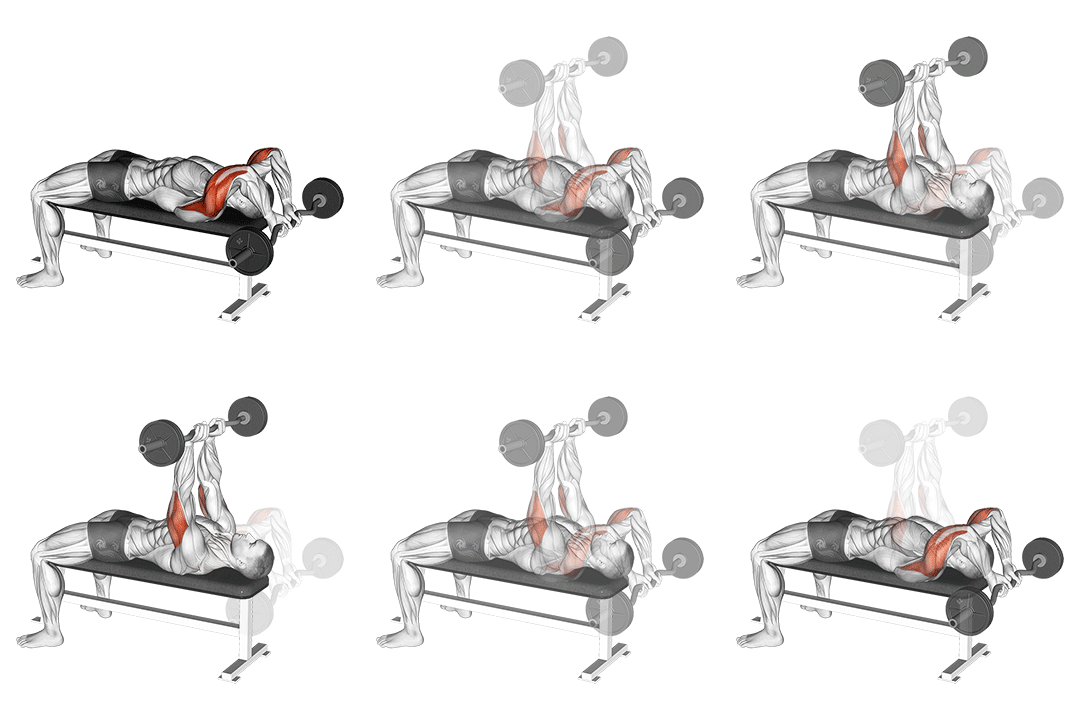
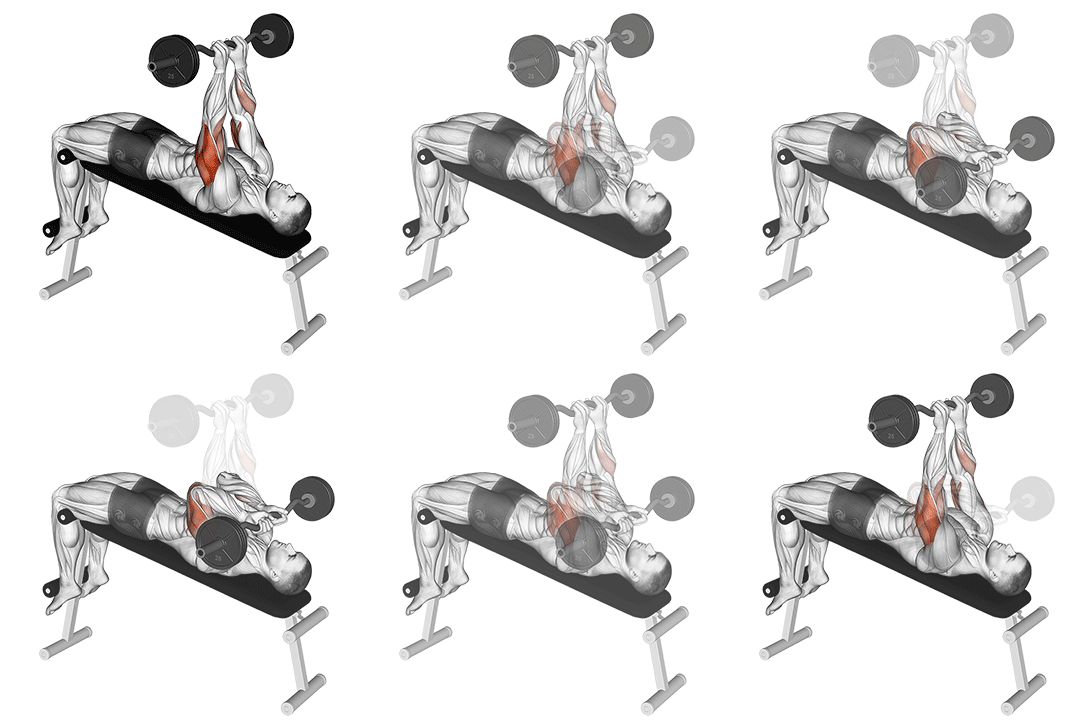
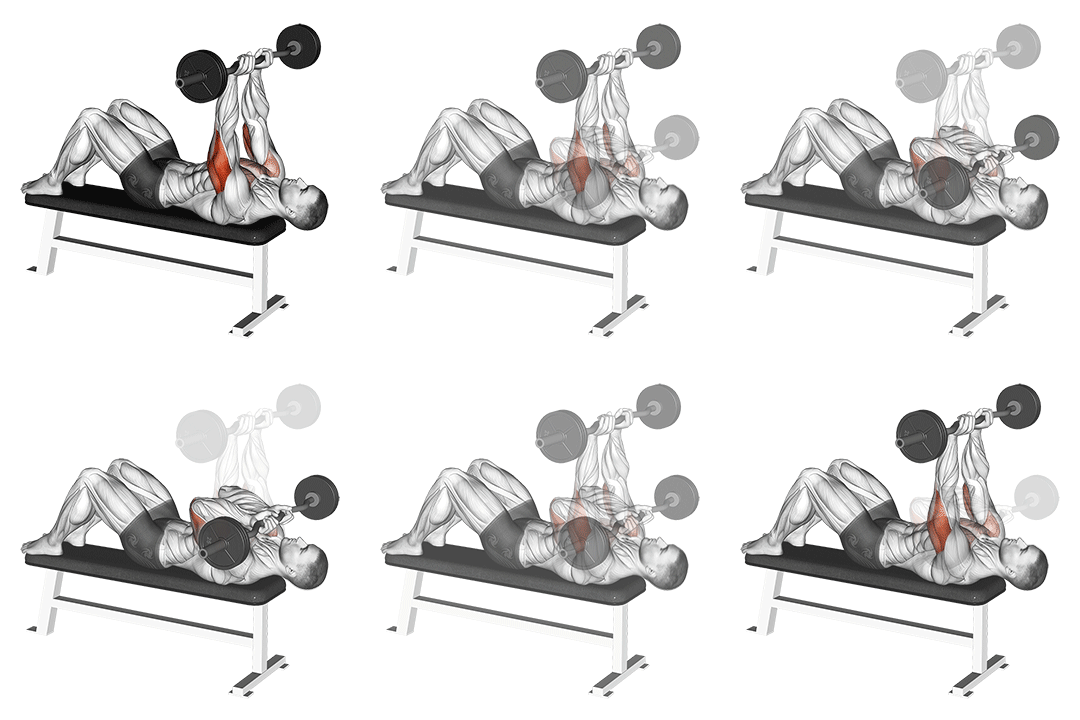
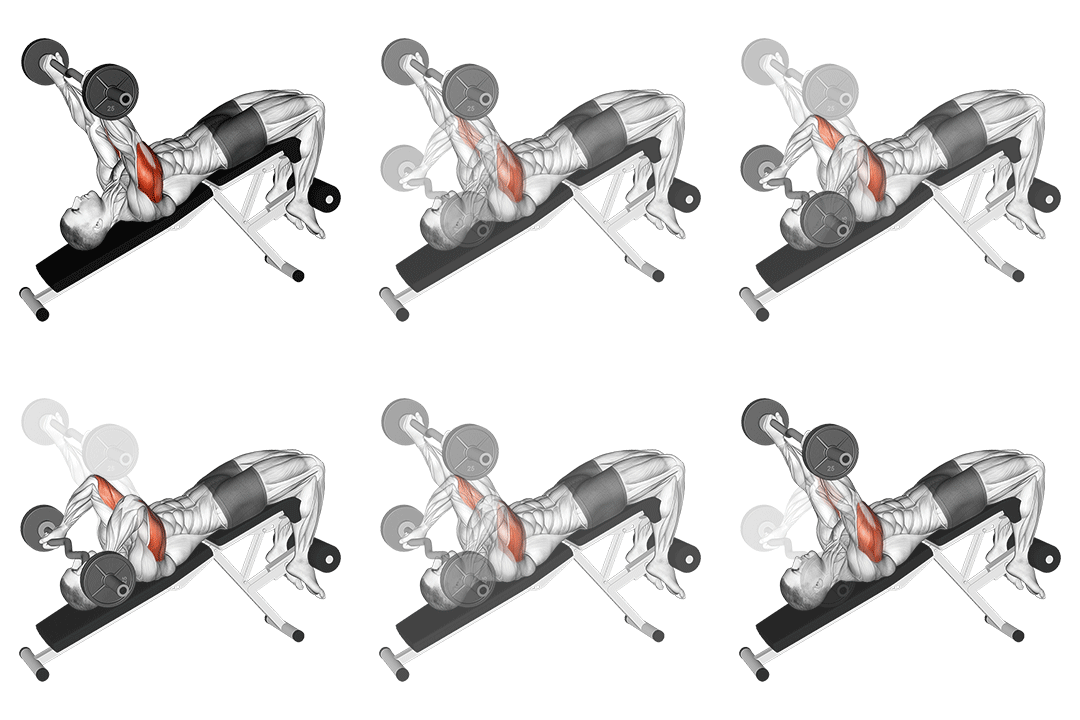
EZ Bar Lying Close Grip Triceps Extension Behind Head demonstration
EZ Bar Lying Close Grip Triceps Extension Behind Head

Target Triceps
Equipment Ez-barbell
Body Part Upper-arms
Difficulty Intermediate
Movement Isolation
Secondary Muscles
Shoulders
VS
Exercise B
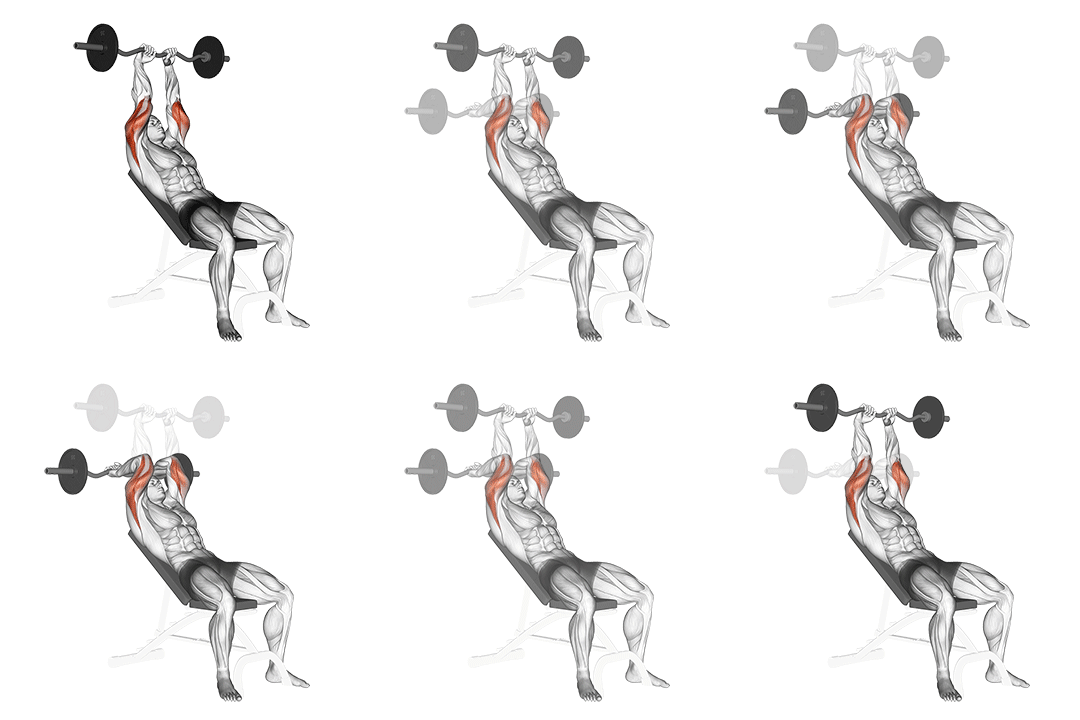
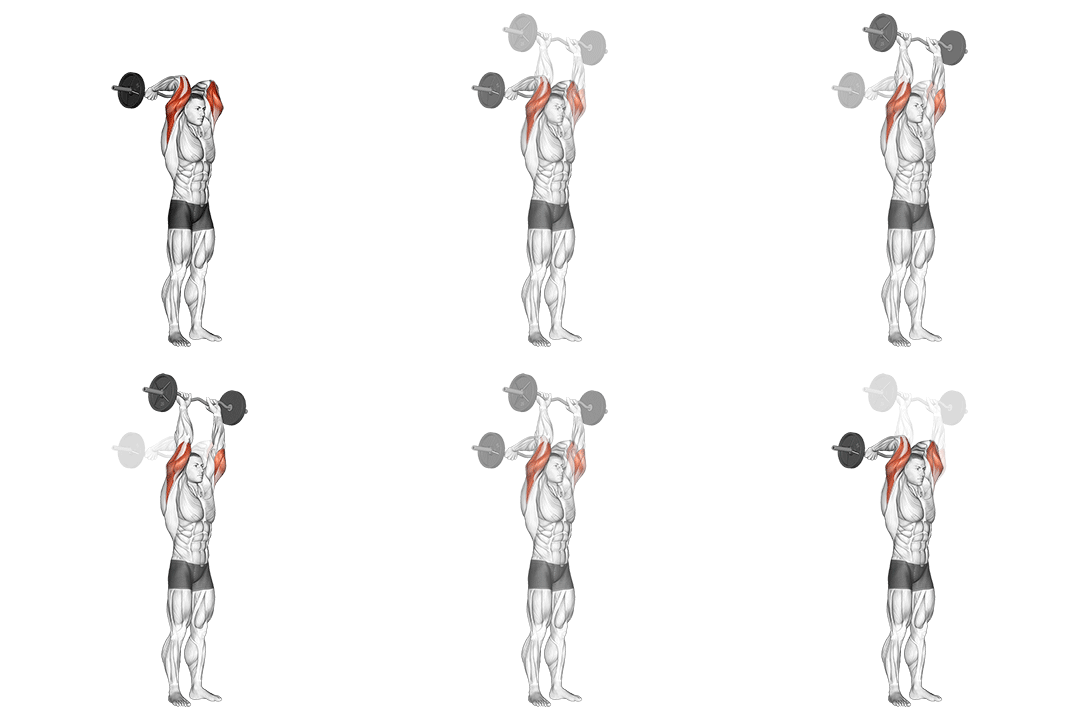
EZ Barbell Incline Triceps Extension demonstration

EZ Barbell Incline Triceps Extension

Target Triceps
Equipment Ez-barbell
Body Part Upper-arms
Difficulty Intermediate
Movement Isolation
Secondary Muscles
Shoulders

Head-to-Head Comparison

Different values are marked. These are catalogue attributes, not performance scores.

Muscles used

Listed target and secondary muscles, shown on the body. Locations, not activation or strength scores.

  • Target
  • Secondary
  • Not highlighted

EZ Bar Lying Close Grip Triceps Extension Behind Head

Front
EZ Bar Lying Close Grip Triceps Extension Behind Head: front muscle locationsSolid: listed target. Striped: listed secondary. Grey: not highlighted. Locations, not activation or strength scores. See the muscle names below.
Back
EZ Bar Lying Close Grip Triceps Extension Behind Head: back muscle locationsSolid: listed target. Striped: listed secondary. Grey: not highlighted. Locations, not activation or strength scores. See the muscle names below.
Target
Triceps
Secondary
Shoulders

Not shown on diagram: Shoulders. These labels do not identify a precise region on this map.

EZ Barbell Incline Triceps Extension

Front
EZ Barbell Incline Triceps Extension: front muscle locationsSolid: listed target. Striped: listed secondary. Grey: not highlighted. Locations, not activation or strength scores. See the muscle names below.
Back
EZ Barbell Incline Triceps Extension: back muscle locationsSolid: listed target. Striped: listed secondary. Grey: not highlighted. Locations, not activation or strength scores. See the muscle names below.
Target
Triceps
Secondary
Shoulders

Not shown on diagram: Shoulders. These labels do not identify a precise region on this map.

Grey does not mean a muscle is unused. The diagrams show only the mapped catalogue labels.

Attribute EZ Bar Lying Close Grip Triceps Extension Behind Head EZ Barbell Incline Triceps Extension
Target Muscle
Triceps
Triceps
Body Part
Upper-arms
Upper-arms
Equipment
Ez-barbell
Ez-barbell
Difficulty
Intermediate
Intermediate
Movement Type
Isolation
Isolation
Secondary Muscles
Shoulders
Shoulders

Visual Comparison

An illustrative 1–10 profile derived from catalog difficulty, equipment, and listed-muscle fields—not measured performance or muscle activation.

Key Differences

  • Both exercises target the Triceps using Ez-barbell. The catalogue does not establish which exercise is better for an individual goal.

Muscle comparison

Shared target muscles

Both exercises primarily target the triceps brachii, with emphasis on the long head when the shoulder is flexed. They overlap in elbow extension function and will both stimulate the long, lateral, and medial heads. Expect comparable overall triceps activation when volume and load are matched, but the shoulder position shifts relative emphasis.

Secondary muscle differences

Secondary recruitment differs: the lying behind-head variation stresses anterior shoulder stabilizers and requires more scapular control, while the incline version increases posterior deltoid and upper-chest stabilization depending on bench angle. Wrist extensors and grip muscles are also taxed slightly more on the incline due to a more vertical forearm path.

Muscle involvement analysis

Biomechanically, the behind-head setup puts the long head at a longer muscle length due to shoulder extension, increasing passive tension and stretch-mediated stimulus during the eccentric phase. On a 30–45° incline the long head remains under active tension through a more vertical force vector, maintaining consistent concentric torque. In practice the incline gives steadier tension through 0–120° of elbow flexion, while the behind-head move increases peak stretch in end-range shoulder flexion/extension.

Equipment and setup

EZ Bar Lying Close Grip Triceps Extension Behind Head: setup

Ez-barbell, flat bench (or decline rack clearance) and collar clamps. You need enough bench clearance behind the head to allow full range of motion and safe loading.

EZ Barbell Incline Triceps Extension: setup

Ez-barbell and an adjustable incline bench set between 30° and 45°. A secure bench angle ensures the bar path is vertical relative to your forearms.

Access and practicality

Ez Bar Lying Close Grip Triceps Extension Behind Head is slightly more accessible since any flat bench and an EZ bar suffice; incline requires an adjustable bench set to a specific angle which some home gyms lack.

Learning and progression

Learning the movements

Ez Barbell Incline Triceps Extension is easier to teach: the incline sets a consistent trunk position and the bar path is predictable. The behind-head version demands shoulder mobility and better scapular control, raising the learning curve.

Progression considerations

Ez Barbell Incline Triceps Extension offers cleaner progressive overload with steadier tension and safer increments (load, tempo, partials, paused eccentrics). Both scale with load, but the incline feels more stable for adding heavy sets of 6–12 reps.

Limitations and precautions

Ez Bar Lying Close Grip Triceps Extension Behind Head carries higher shoulder/impingement risk if mobility is limited or technique breaks (excessive humeral extension). The incline is lower risk when kept inside a 30–45° range and with controlled ROM.

Pros & Cons

EZ Bar Lying Close Grip Triceps Extension Behind Head

+ Pros

  • Greater end-range long-head stretch when shoulder is extended, increasing stretch-mediated hypertrophy stimulus
  • Stable supine base lets you brace and control heavy eccentrics
  • Close grip reduces unwanted shoulder involvement and focuses elbow extension torque
  • Simple setup: flat bench and EZ bar

− Cons

  • Higher shoulder stress at end range—risk of impingement if mobility or scapular control is poor
  • Requires good thoracic and shoulder mobility to hit full ROM safely
  • Bar path can drift and put torque on wrists if elbows flare

EZ Barbell Incline Triceps Extension

+ Pros

  • Consistent long-head tension across the set when bench is 30–45°, improving time under tension
  • Easier to control elbow path and avoid unwanted shoulder extension
  • Lower perceived shoulder impingement risk when kept in recommended angle
  • Better for strict tempo work and eccentric overload protocols

− Cons

  • Requires adjustable incline bench, reducing accessibility for some home setups
  • Too steep an angle (>45°) shifts load to deltoids and reduces triceps isolation
  • Can feel awkward for those with limited shoulder flexion if angle is misset

When Each Exercise Wins

1
For muscle hypertrophy: Ez Barbell Incline Triceps Extension

The 30–45° incline maintains consistent tension on the long head through a larger portion of the range; use 8–12 reps with slow eccentrics (2–4 s) to maximize time under tension and stretch-mediated growth.

2
For strength gains: Ez Bar Lying Close Grip Triceps Extension Behind Head

Supine bracing allows stronger isometric setup and handling slightly heavier loads for low-rep work (4–8 reps). When executed with tight scapular set and neutral wrists you can apply progressive overload safely to build triceps force.

3
For beginners: Ez Barbell Incline Triceps Extension

The incline stabilizes the torso and produces a predictable bar path, so beginners learn clean elbow-extension mechanics faster with less shoulder strain; start 10–15 reps to learn control.

4
For home workouts: Ez Bar Lying Close Grip Triceps Extension Behind Head

If you only have a flat bench and an EZ bar, the lying variant is doable; the incline needs an adjustable bench which many home setups lack.

Frequently Asked Questions

Can I do both Ez Bar Lying Close Grip Triceps Extension Behind Head and Ez Barbell Incline Triceps Extension in the same workout?

Yes—pairing them can work well: use the incline first for 8–12 reps to pre-exhaust the long head, then a heavier lying close-grip set of 4–8 reps for strength. Keep total direct triceps sets to 6–12 per week per muscle head to avoid overuse.

Which exercise is better for beginners?

Ez Barbell Incline Triceps Extension is better for beginners because the bench angle stabilizes the torso and produces a predictable bar path, making it easier to learn strict elbow extension without excessive shoulder strain.

How do the muscle activation patterns differ?

The behind-head version increases passive and active long-head tension through greater shoulder extension and end-range stretch, while the incline keeps the long head under consistent active tension with a more vertical force vector—this changes peak torque timing across the elbow range of motion.

Can Ez Barbell Incline Triceps Extension replace Ez Bar Lying Close Grip Triceps Extension Behind Head?

It can replace it for many goals, especially hypertrophy and safety, but if your plan includes low-rep strength work or you want a heavier loading stimulus from a supine brace, keep the lying close-grip in rotation.

Comparison Summary

Both exercises isolate the triceps effectively, but they serve different practical needs. Choose the Ez Barbell Incline Triceps Extension (30–45°) when you want steady long-head tension, safer shoulder mechanics, and clean progression for hypertrophy using 8–12 rep schemes with slow eccentrics. Pick the Ez Bar Lying Close Grip Triceps Extension Behind Head when you need a more load-friendly option for lower-rep strength phases (4–8 reps) and you have the shoulder mobility and scapular control to handle deeper end-range stretch. Use the incline for teaching and high-volume phases; use the lying close-grip for heavy work and variety in a periodized plan.

Exercise instructions

Steps from the exercise catalogue. Read the full sequence before starting.

EZ Bar Lying Close Grip Triceps Extension Behind Head

  1. Lie flat on a bench with your feet flat on the ground and your head at the end of the bench.
  2. Hold the ez barbell with a close grip, palms facing up, and extend your arms straight up over your chest.
  3. Keeping your upper arms stationary, slowly lower the barbell behind your head by bending your elbows.
Read remaining steps for EZ Bar Lying Close Grip Triceps Extension Behind Head
  1. Pause for a moment, then extend your arms back up to the starting position.
  2. Repeat for the desired number of repetitions.

EZ Barbell Incline Triceps Extension

  1. Set up an incline bench at a 45-degree angle.
  2. Sit on the bench with your back against the pad and hold the ez barbell with an overhand grip.
  3. Extend your arms fully overhead, keeping your elbows close to your head.
Read remaining steps for EZ Barbell Incline Triceps Extension
  1. Lower the barbell behind your head by bending your elbows, keeping your upper arms stationary.
  2. Pause for a moment, then extend your arms back to the starting position.
  3. Repeat for the desired number of repetitions.

Also Compare

Compare another pair

Choose two exercises to see their differences side by side.

Compare Exercises