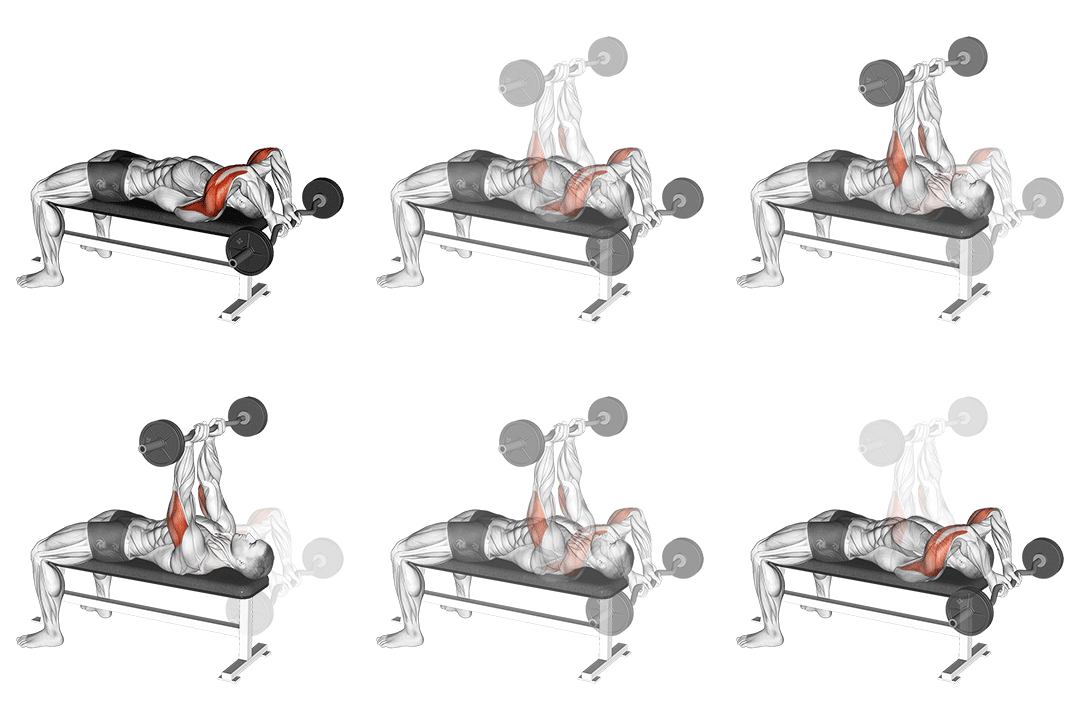
Ez-bar Skullcrusher vs EZ Barbell Decline Close Grip Face Press
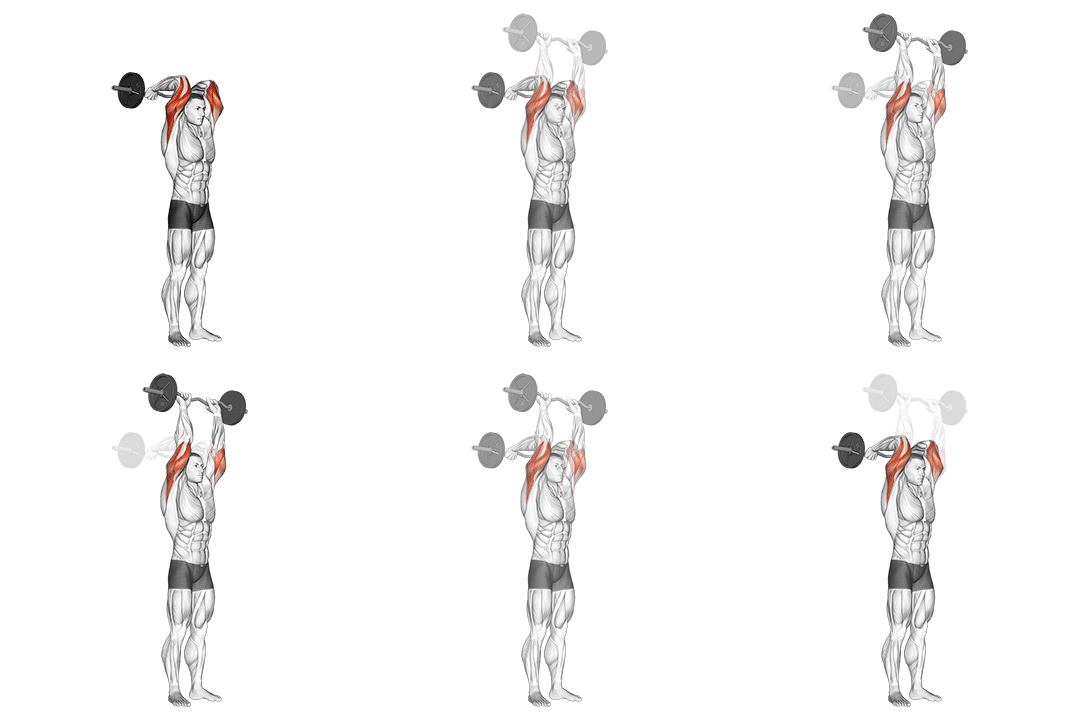
Compare target muscles, equipment, difficulty, movement type, and secondary muscles for Ez-bar Skullcrusher and EZ Barbell Decline Close Grip Face Press.

Change comparison Share

Get comparison link

Select the link and use your device's Copy command.

Comparison overview

AI-generated
EZ-Bar Skullcrusher vs Ez Barbell Decline Close Grip Face Press — you’re comparing two ez-bar triceps builders that look similar on paper but load your upper-arm differently. I’ll walk you through primary and secondary muscle activation, required equipment, technique cues, rep ranges (6–12 for hypertrophy, 3–5 for strength), and which to pick based on your goals. Expect clear biomechanics notes on length-tension and force vectors, specific setup and execution tips, and practical programming advice so you can choose the exercise that produces the most targeted triceps progress.

Exercise Comparison

Exercise A
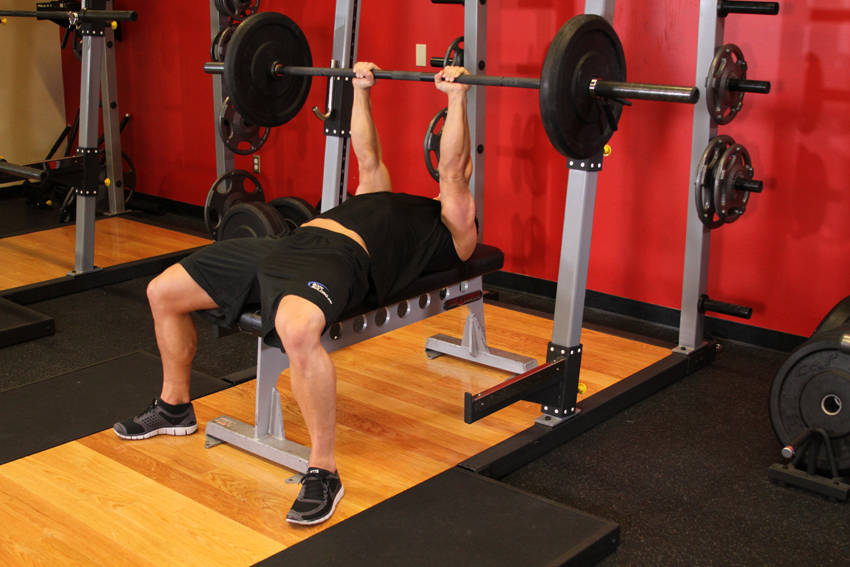
Ez-bar Skullcrusher demonstration

Ez-bar Skullcrusher

Target Triceps
Equipment Ez-barbell
Body Part Upper-arms
Difficulty Intermediate
Movement Isolation
Secondary Muscles
Forearms
VS
Exercise B
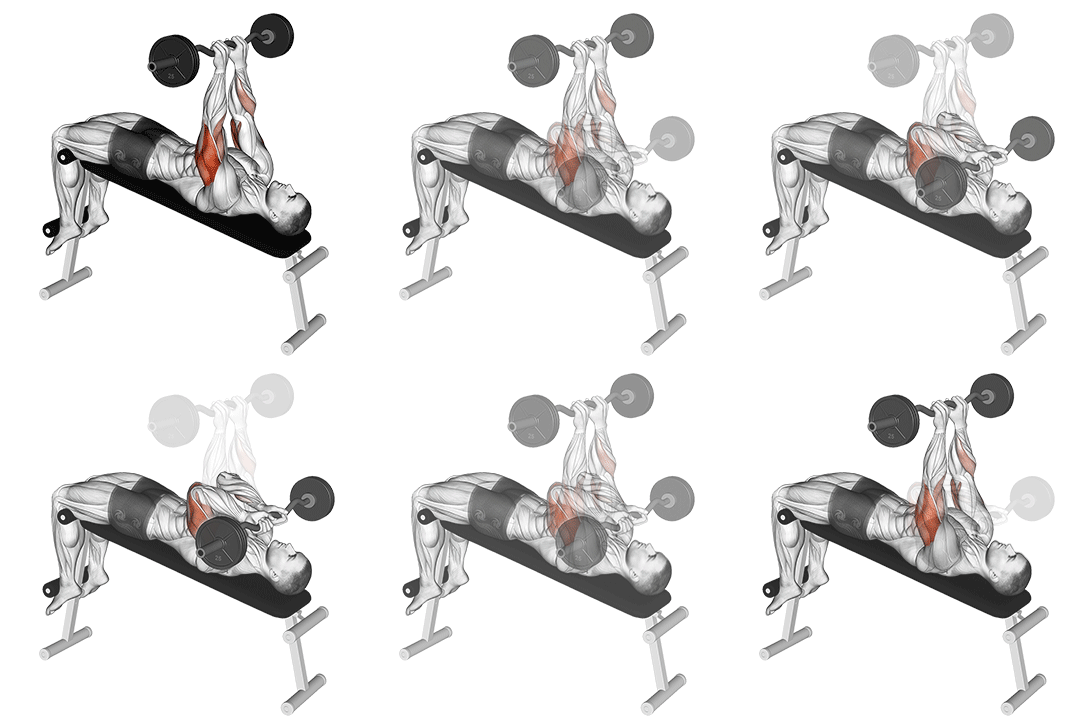
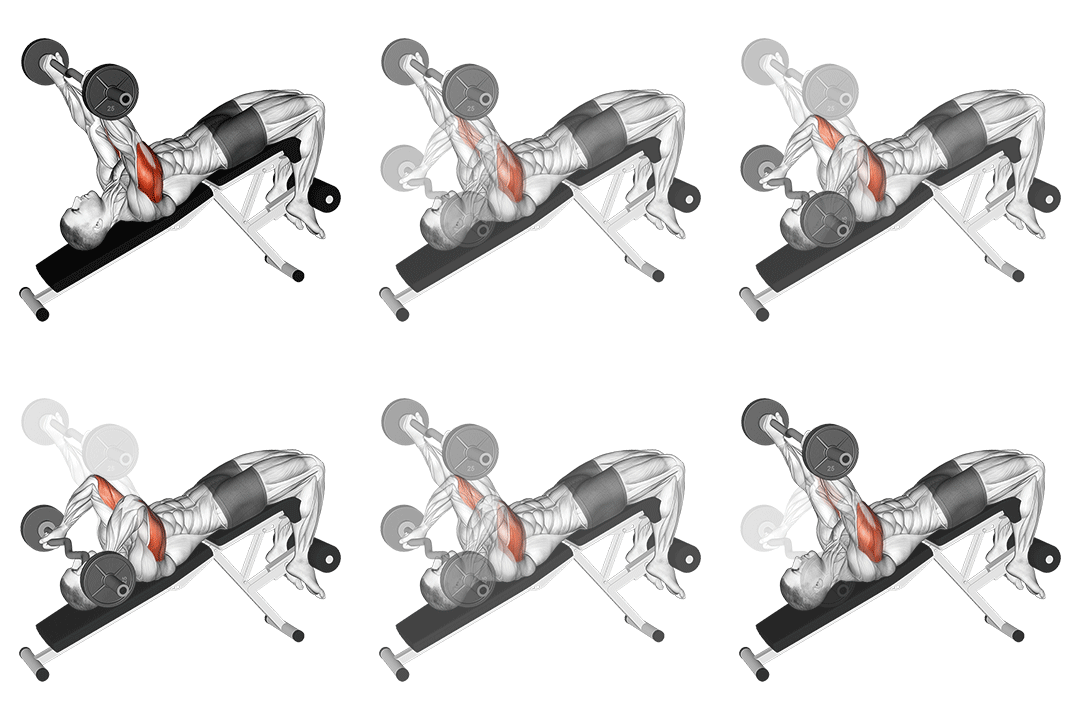
EZ Barbell Decline Close Grip Face Press demonstration
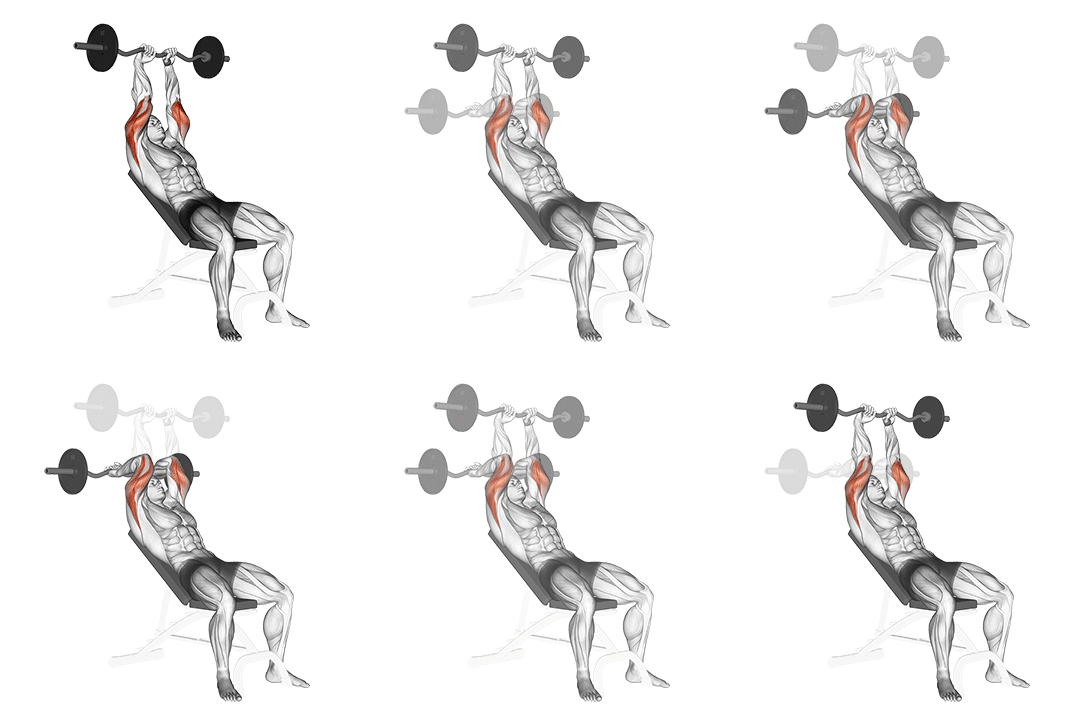
EZ Barbell Decline Close Grip Face Press
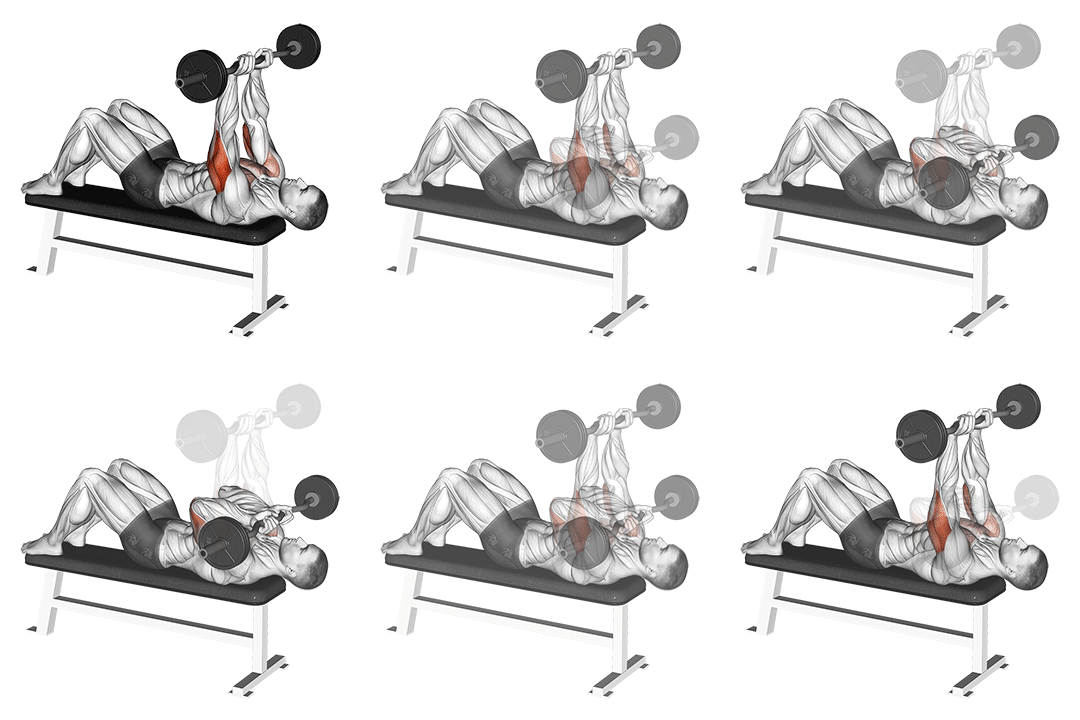
Target Triceps
Equipment Ez-barbell
Body Part Upper-arms
Difficulty Intermediate
Movement Compound
Secondary Muscles
Chest Shoulders

Head-to-Head Comparison

Different values are marked. These are catalogue attributes, not performance scores.

Muscles used

Listed target and secondary muscles, shown on the body. Locations, not activation or strength scores.

  • Target
  • Secondary
  • Not highlighted

Ez-bar Skullcrusher

Front
Ez-bar Skullcrusher: front muscle locationsSolid: listed target. Striped: listed secondary. Grey: not highlighted. Locations, not activation or strength scores. See the muscle names below.
Back
Ez-bar Skullcrusher: back muscle locationsSolid: listed target. Striped: listed secondary. Grey: not highlighted. Locations, not activation or strength scores. See the muscle names below.
Target
Triceps
Secondary
Forearms

EZ Barbell Decline Close Grip Face Press

Front
EZ Barbell Decline Close Grip Face Press: front muscle locationsSolid: listed target. Striped: listed secondary. Grey: not highlighted. Locations, not activation or strength scores. See the muscle names below.
Back
EZ Barbell Decline Close Grip Face Press: back muscle locationsSolid: listed target. Striped: listed secondary. Grey: not highlighted. Locations, not activation or strength scores. See the muscle names below.
Target
Triceps
Secondary
Chest, Shoulders

Not shown on diagram: Shoulders. These labels do not identify a precise region on this map.

Grey does not mean a muscle is unused. The diagrams show only the mapped catalogue labels.

Attribute Ez-bar Skullcrusher EZ Barbell Decline Close Grip Face Press
Target Muscle
Triceps
Triceps
Body Part
Upper-arms
Upper-arms
Equipment
Ez-barbell
Ez-barbell
Difficulty
Intermediate
Intermediate
Movement Type Different
Isolation
Compound
Secondary Muscles Different
Forearms
Chest, Shoulders

Visual Comparison

An illustrative 1–10 profile derived from catalog difficulty, equipment, and listed-muscle fields—not measured performance or muscle activation.

Key Differences

  • Ez-bar Skullcrusher is an isolation exercise, while EZ Barbell Decline Close Grip Face Press is a compound movement.
  • Both exercises target the Triceps using Ez-barbell. The catalogue does not establish which exercise is better for an individual goal.

Muscle comparison

Shared target muscles

Both exercises target the triceps via elbow extension, emphasizing the lateral and medial heads when the elbow is fixed. The skullcrusher isolates elbow extension with minimal shoulder movement, producing concentrated triceps activation across all three heads. The decline close-grip face press is a compound press that still emphasizes triceps through a narrow grip but distributes load to the chest and anterior deltoid.

Secondary muscle differences

Skullcrushers recruit forearms more (wrist stabilization and grip) and minimally involve the chest and shoulders. The decline close-grip face press recruits the pectoralis major and anterior deltoid, especially at the bottom of the press, and also loads the scapular stabilizers. Expect more chest and shoulder contribution on the decline press and more isolated triceps tension on the skullcrusher.

Muscle involvement analysis

During the skullcrusher, the moment arm centers at the elbow with a high local torque on the triceps—peak triceps tension occurs near 20–30° of elbow flexion before lockout. On the decline close-grip face press, the force vector shifts partly horizontal; triceps effort rises during lockout as the pecs/shoulders contribute earlier in the concentric phase. Shoulder angle differences alter long-head length-tension: skullcrushers (shoulder more neutral to slight flexion) keep the long head under consistent tension, while decline press (15–30° decline) reduces shoulder flexion, changing long-head length and redistributing load.

Equipment and setup

Ez-bar Skullcrusher: setup

EZ-Bar Skullcrusher: flat bench, ez-barbell, collars, and optional spotter. Minimal setup — lie supine, grip the ez-bar, and perform controlled elbow extension.

EZ Barbell Decline Close Grip Face Press: setup

Ez Barbell Decline Close Grip Face Press: decline bench (15–30°), ez-barbell, collars, and preferably a spotter due to bar path toward the face. Setup requires secure foot hooks or wedge and ability to control bar path near the face.

Access and practicality

EZ-Bar Skullcrusher — requires only a flat bench and ez-bar, making it more accessible in most gyms and home setups. The decline close-grip face press needs a decline bench, which many home gyms lack.

Learning and progression

Learning the movements

EZ-Bar Skullcrusher is easier to learn technically because the movement is single-joint and the path is constrained to elbow extension. The decline close-grip face press has a steeper learning curve due to bar path, decline setup, and coordinating shoulder/chest involvement.

Progression considerations

Decline close-grip face press offers greater progression for overall upper-body pressing strength because it loads multiple joints and allows heavier absolute loads. Skullcrushers provide superior micro-loading for triceps isolation and are easier to manipulate for intensity techniques (drop sets, partials).

Limitations and precautions

Skullcrushers carry higher localized elbow and tendinous strain if form breaks (flare of elbows or uncontrolled descent). Decline close-grip face press has increased shoulder and pec strain risk if the bar path is misdirected toward the face or the decline bench is unstable. Use conservative loads and strict tempo to reduce risk for both.

Pros & Cons

Ez-bar Skullcrusher

+ Pros

  • High triceps isolation for focused hypertrophy
  • Easy setup — flat bench and ez-bar only
  • Clear loading progression with microplates
  • Strong mind–muscle connection and forearm stabilization work

− Cons

  • Higher local elbow/tendon stress under heavy loads
  • Limited carryover to multi-joint pressing strength
  • Requires strict elbow control to avoid flare and loss of tension

EZ Barbell Decline Close Grip Face Press

+ Pros

  • Compound pattern builds pressing strength and power
  • Recruits chest and shoulders for heavier loads
  • Close grip shifts force to triceps while still training multi-joint coordination
  • Greater total-body systemic load — better for strength progression

− Cons

  • Requires a decline bench or wedge, less accessible
  • More technical — bar path near face increases risk if untrained
  • Less pure triceps isolation; chest/shoulder may dominate at heavier loads

When Each Exercise Wins

1
For muscle hypertrophy: EZ-Bar Skullcrusher

Skullcrushers isolate elbow extension, allowing focused tension on triceps and controlled time under tension. Use 8–12 reps with 2–3 second eccentrics to maximize muscle fiber recruitment and metabolic stress.

2
For strength gains: Ez Barbell Decline Close Grip Face Press

As a compound press, the decline close-grip face press lets you overload multiple joints and use heavier absolute loads (3–5 rep range, 85–95% 1RM). That multi-joint stimulus transfers better to pressing strength.

3
For beginners: EZ-Bar Skullcrusher

Skullcrushers are simpler motor patterns focused on elbow extension; they’re easier to learn, require less equipment, and let beginners practice tension control before adding compound complexity.

4
For home workouts: EZ-Bar Skullcrusher

Most home gyms have a flat bench and an ez-bar but not a decline bench. Skullcrushers provide effective triceps stimulus with minimal equipment and space.

Frequently Asked Questions

Can I do both EZ-Bar Skullcrusher and Ez Barbell Decline Close Grip Face Press in the same workout?

Yes. Start with the compound decline close-grip face press if your goal is strength (3–6 reps), then follow with skullcrushers for 2–3 sets of 8–12 reps to pre-exhaust or finish the triceps. Watch total volume and avoid maxing both on the same day to limit joint stress.

Which exercise is better for beginners?

EZ-Bar Skullcrusher is better for beginners because it isolates a single-joint pattern and requires simpler setup. Master elbow control and tempo before progressing to the decline close-grip face press.

How do the muscle activation patterns differ?

Skullcrushers concentrate activation at the elbow extensors with peak tension mid-range to near lockout, emphasizing long-head tension when shoulder position allows. The decline close-grip face press spreads activation across triceps, pecs, and anterior deltoids; triceps contribution rises later in the concentric phase as the press locks out.

Can Ez Barbell Decline Close Grip Face Press replace EZ-Bar Skullcrusher?

It can replace the skullcrusher when your priority is compound strength or limited time, but it won’t match the skullcrusher’s isolation for targeted triceps hypertrophy. For pure triceps development include skullcrushers periodically.

Comparison Summary

Choose the EZ-Bar Skullcrusher when your goal is targeted triceps hypertrophy, rehab-oriented loading, or limited equipment — it isolates elbow extension and lets you manipulate tempo and volume precisely (8–12 reps, 2–3 second eccentrics). Pick the Ez Barbell Decline Close Grip Face Press if you want to build pressing strength and add chest/shoulder mass while still prioritizing triceps (3–6 heavy reps for strength, 6–10 for mixed hypertrophy). Use the decline close-grip press for compound overload phases and the skullcrusher for block programming focused on triceps development and peak contraction. Rotate both across mesocycles for balanced progress.

Exercise instructions

Steps from the exercise catalogue. Read the full sequence before starting.

Ez-bar Skullcrusher

  1. Using a close grip, lift the EZ bar and hold it with your elbows in as you lie on the bench. Your arms should be perpendicular to the floor. This will be your starting position.
  2. Keeping the upper arms stationary, lower the bar by allowing the elbows to flex. Inhale as you perform this portion of the movement. Pause once the bar is directly above the forehead.
  3. Lift the bar back to the starting position by extending the elbow and exhaling.
Read remaining steps for Ez-bar Skullcrusher
  1. Repeat.

EZ Barbell Decline Close Grip Face Press

  1. Lie on a decline bench with your head lower than your feet.
  2. Grasp the ez barbell with a close grip, palms facing each other.
  3. Extend your arms straight up above your chest, keeping your elbows close to your body.
Read remaining steps for EZ Barbell Decline Close Grip Face Press
  1. Lower the barbell towards your forehead by bending your elbows.
  2. Pause for a moment, then press the barbell back up to the starting position.
  3. Repeat for the desired number of repetitions.

Also Compare

Compare another pair

Choose two exercises to see their differences side by side.

Compare Exercises