EZ Bar Standing French Press vs EZ Barbell Decline Close Grip Face Press
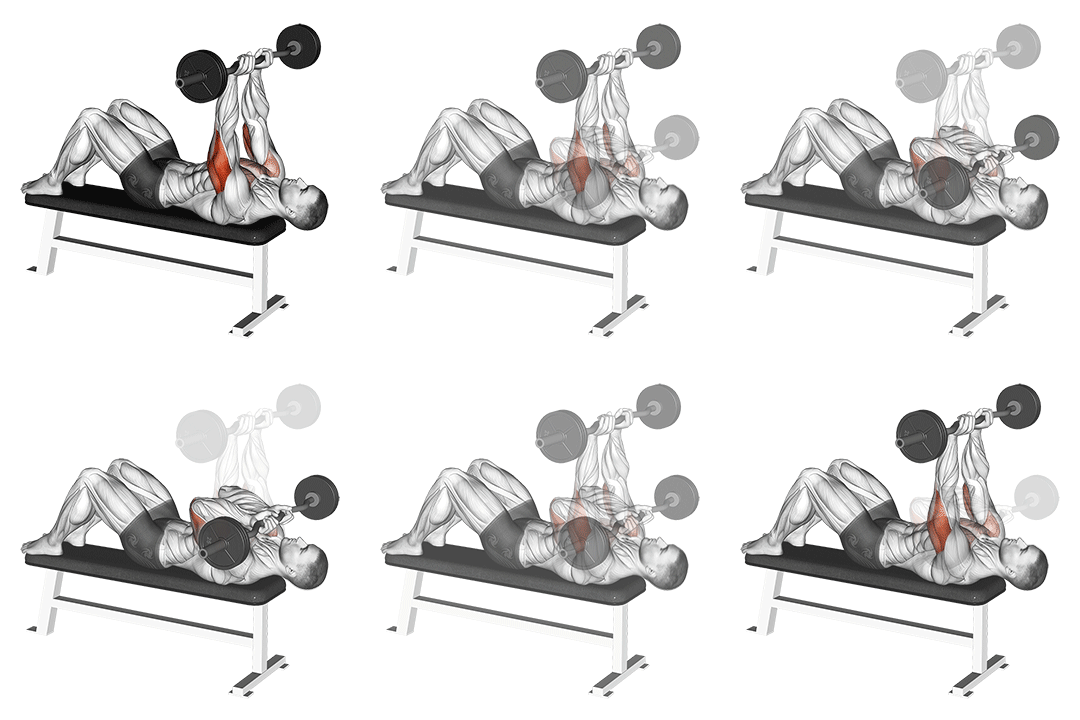
Compare target muscles, equipment, difficulty, movement type, and secondary muscles for EZ Bar Standing French Press and EZ Barbell Decline Close Grip Face Press.

Change comparison Share

Get comparison link

Select the link and use your device's Copy command.

Comparison overview

AI-generated
Ez Bar Standing French Press vs Ez Barbell Decline Close Grip Face Press — you’re comparing two solid triceps builders that use an EZ-bar but load the elbow and shoulder differently. If you want clear direction on which to pick, this guide breaks down primary and secondary muscle recruitment, equipment needs, difficulty, injury risk, and rep ranges for hypertrophy and strength. I’ll give technique cues, biomechanical reasons (force vectors, length-tension), and practical recommendations so you can choose the best tool for your upper-arm goals.

Exercise Comparison

Exercise A
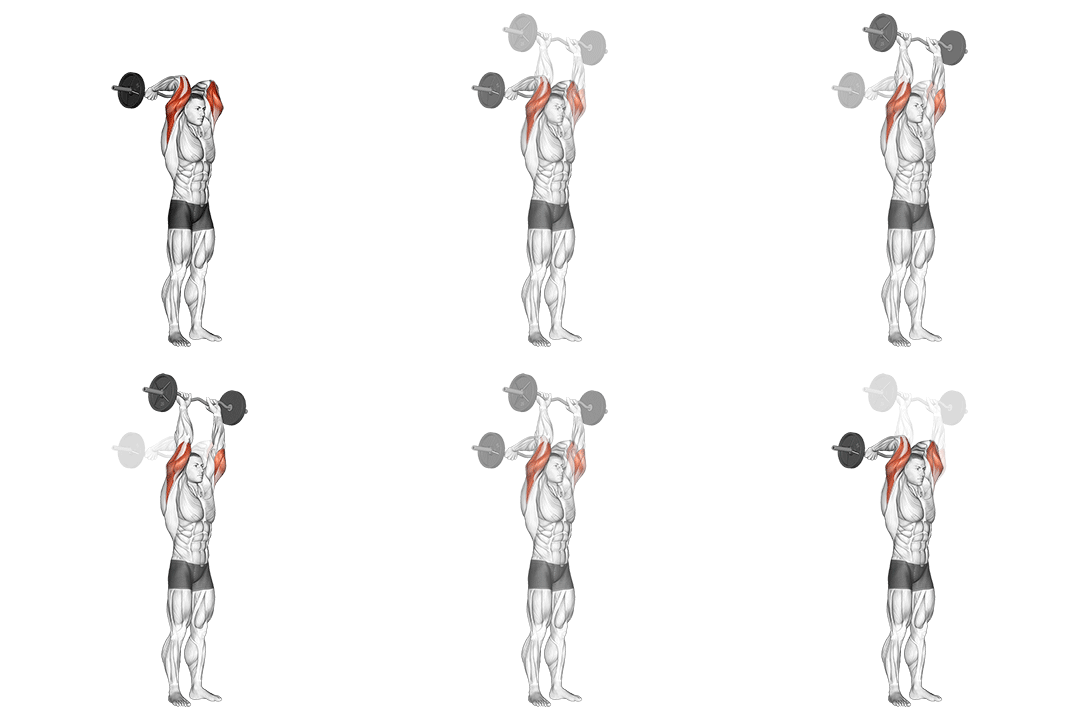
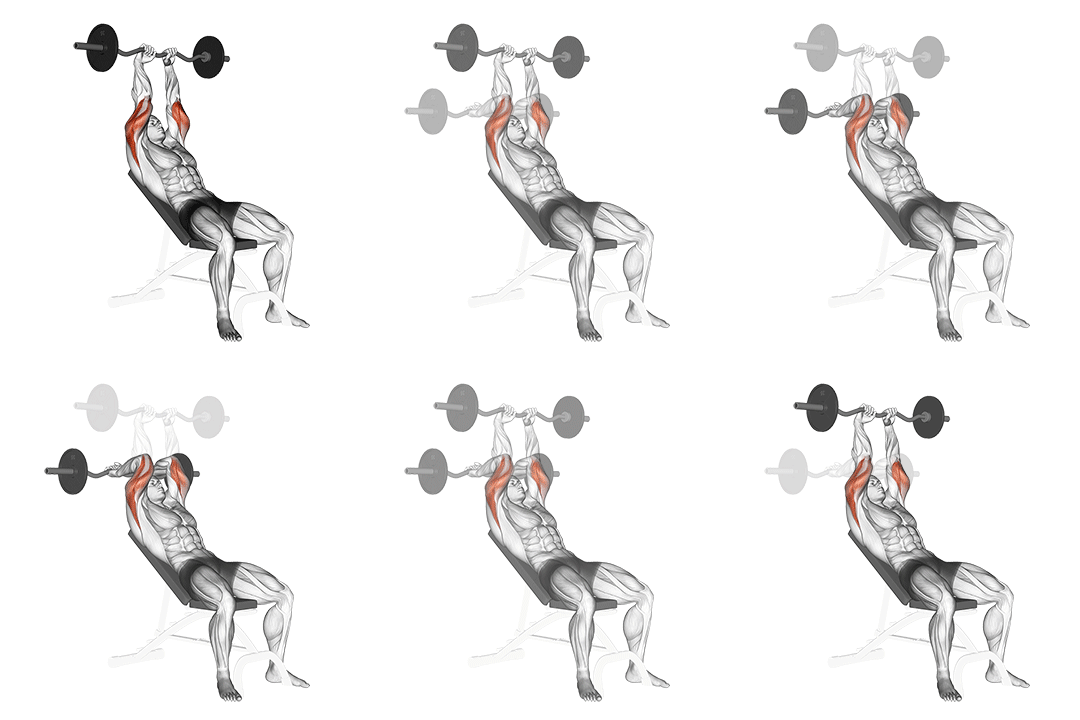
EZ Bar Standing French Press demonstration

EZ Bar Standing French Press

Target Triceps
Equipment Ez-barbell
Body Part Upper-arms
Difficulty Intermediate
Movement Isolation
Secondary Muscles
Shoulders
VS
Exercise B
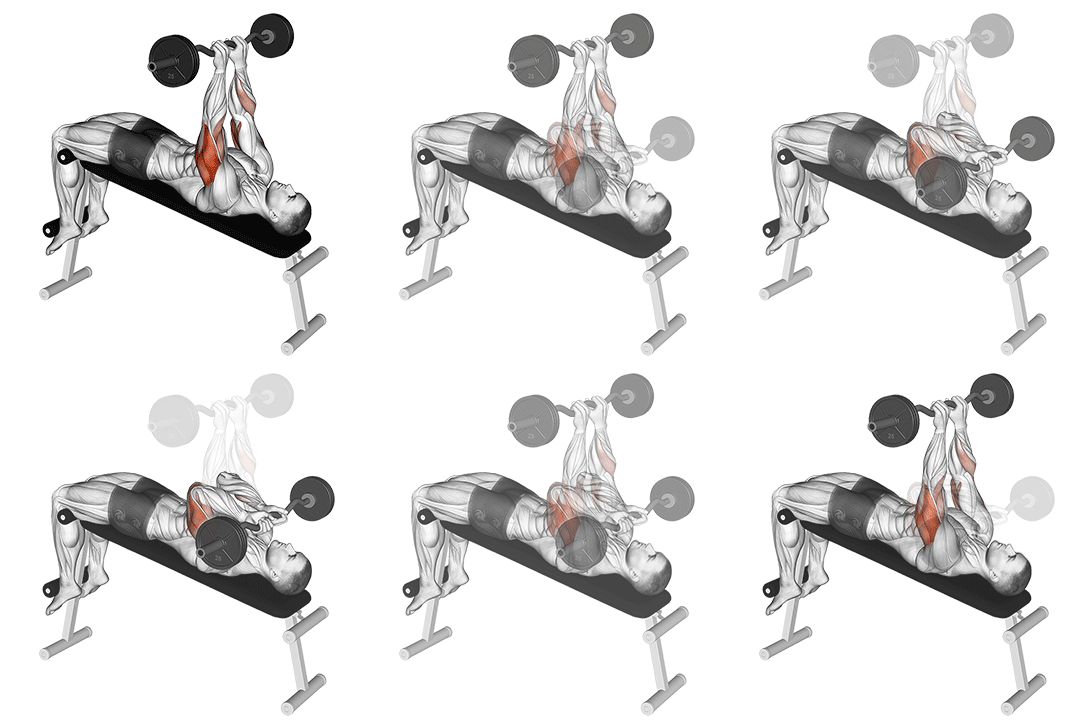
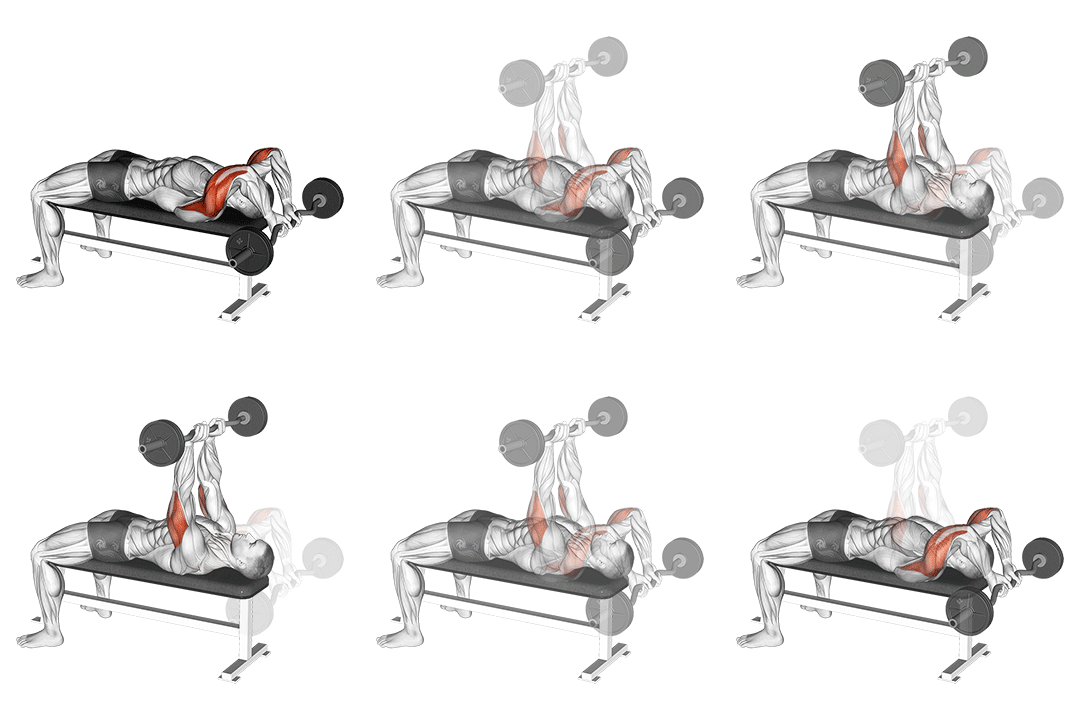
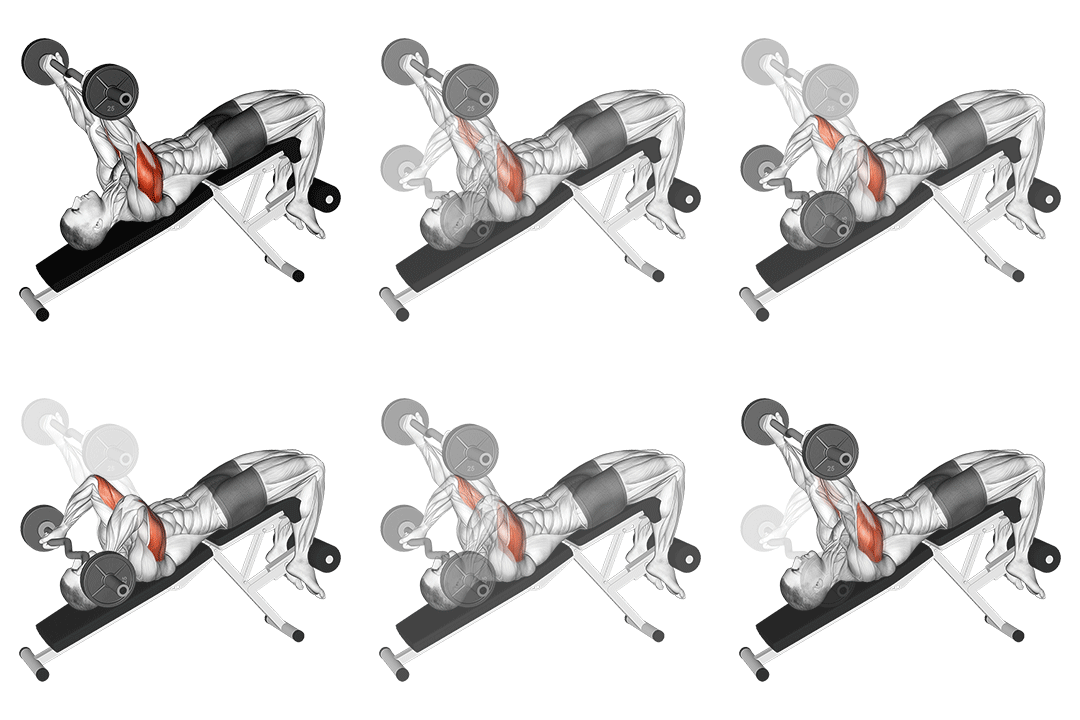
EZ Barbell Decline Close Grip Face Press demonstration

EZ Barbell Decline Close Grip Face Press

Target Triceps
Equipment Ez-barbell
Body Part Upper-arms
Difficulty Intermediate
Movement Compound
Secondary Muscles
Chest Shoulders

Head-to-Head Comparison

Different values are marked. These are catalogue attributes, not performance scores.

Muscles used

Listed target and secondary muscles, shown on the body. Locations, not activation or strength scores.

  • Target
  • Secondary
  • Not highlighted

EZ Bar Standing French Press

Front
EZ Bar Standing French Press: front muscle locationsSolid: listed target. Striped: listed secondary. Grey: not highlighted. Locations, not activation or strength scores. See the muscle names below.
Back
EZ Bar Standing French Press: back muscle locationsSolid: listed target. Striped: listed secondary. Grey: not highlighted. Locations, not activation or strength scores. See the muscle names below.
Target
Triceps
Secondary
Shoulders

Not shown on diagram: Shoulders. These labels do not identify a precise region on this map.

EZ Barbell Decline Close Grip Face Press

Front
EZ Barbell Decline Close Grip Face Press: front muscle locationsSolid: listed target. Striped: listed secondary. Grey: not highlighted. Locations, not activation or strength scores. See the muscle names below.
Back
EZ Barbell Decline Close Grip Face Press: back muscle locationsSolid: listed target. Striped: listed secondary. Grey: not highlighted. Locations, not activation or strength scores. See the muscle names below.
Target
Triceps
Secondary
Chest, Shoulders

Not shown on diagram: Shoulders. These labels do not identify a precise region on this map.

Grey does not mean a muscle is unused. The diagrams show only the mapped catalogue labels.

Attribute EZ Bar Standing French Press EZ Barbell Decline Close Grip Face Press
Target Muscle
Triceps
Triceps
Body Part
Upper-arms
Upper-arms
Equipment
Ez-barbell
Ez-barbell
Difficulty
Intermediate
Intermediate
Movement Type Different
Isolation
Compound
Secondary Muscles Different
Shoulders
Chest, Shoulders

Visual Comparison

An illustrative 1–10 profile derived from catalog difficulty, equipment, and listed-muscle fields—not measured performance or muscle activation.

Key Differences

  • EZ Bar Standing French Press is an isolation exercise, while EZ Barbell Decline Close Grip Face Press is a compound movement.
  • Both exercises target the Triceps using Ez-barbell. The catalogue does not establish which exercise is better for an individual goal.

Muscle comparison

Shared target muscles

Both exercises primarily load the triceps brachii. The Ez Bar Standing French Press biases the long head more because the shoulder is held in relative flexion/neutral, keeping the long head at a longer length and increasing tension through the overhead-to-extension range. The Decline Close Grip Face Press distributes force more evenly across the three heads but shifts a larger share to the lateral and medial heads as you press horizontally under load.

Secondary muscle differences

Ez Bar Standing French Press is an isolation move with minimal chest involvement and modest shoulder stabilizer activity (anterior deltoid, rotator cuff). The Decline Close Grip Face Press is a compound press: it recruits the chest (especially lower sternal fibers on a 15–30° decline) and anterior deltoids strongly, plus higher core and scapular stabilizer demand due to the decline setup.

Muscle involvement analysis

Standing French Press: elbow extension dominates, triceps concentric action produces most force; the long head stays under tension throughout due to shoulder position (length-tension favors higher tension when slightly elongated). Decline Close Grip Face Press: combined horizontal pressing and elbow extension—force vector has a larger horizontal component, so pectoralis major and anterior deltoid contribute ~20–40% of total torque depending on grip width and decline angle, while triceps supply the remaining extension torque.

Equipment and setup

EZ Bar Standing French Press: setup

Ez Bar Standing French Press requires an EZ-bar and open floor space; you can do it standing or seated. No bench or rack needed.

EZ Barbell Decline Close Grip Face Press: setup

Ez Barbell Decline Close Grip Face Press needs an EZ-bar, a decline bench (or decline rack), and a spotter or safety pins for heavier loads.

Access and practicality

Ez Bar Standing French Press — it needs less equipment and space, so it’s more accessible for home gyms and quick arm sessions.

Learning and progression

Learning the movements

Ez Bar Standing French Press is easier to learn technically: keep elbows tucked, upper arms still, and extend at the elbow through a controlled ROM. Decline Close Grip Face Press has a steeper learning curve because you must manage decline setup, grip width, scapular position, and a steeper force vector that involves the chest and shoulders.

Progression considerations

Decline Close Grip Face Press offers greater raw progression potential because it’s a compound lift — you can overload with heavier weights and use progressive overload (3–6 reps for strength, 6–12 for hypertrophy). Standing French Press progresses via volume, tempo, and increased load but usually at lower absolute weights.

Limitations and precautions

Decline Close Grip Face Press carries higher injury risk under heavy loads — shoulder impingement or pec strain if scapula and shoulder mechanics are poor, and increased wrist torque. Standing French Press risks elbow tendon irritation if you use excessive load or poor elbow alignment but is lower risk for the shoulder when performed with proper cuff stability.

Pros & Cons

EZ Bar Standing French Press

+ Pros

  • Isolates triceps and emphasizes the long head via shoulder position
  • Requires minimal equipment — good for home gyms
  • Easier motor pattern to learn and control tempo
  • Cleaner elbow focus for targeted hypertrophy (8–12 rep sweet spot)

− Cons

  • Lower absolute loading potential compared to compound presses
  • Can irritate elbows if wrists/forearms aren’t properly aligned
  • Less chest and shoulder development — not a compound mass-builder

EZ Barbell Decline Close Grip Face Press

+ Pros

  • Compound movement — higher total load and greater systemic overload
  • Simultaneously trains chest, anterior delts, and triceps
  • Better for strength transfer to pressing variations
  • Decline angle shortens pectoral fibers, allowing heavy lockout emphasis

− Cons

  • Requires a decline bench and spotter or safety setup
  • Higher shoulder and wrist stress if form/positioning are poor
  • More technical setup: grip width, bench angle, and scapular control matter

When Each Exercise Wins

1
For muscle hypertrophy: Ez Bar Standing French Press

The standing French press isolates the triceps with less contribution from chest and shoulders, allowing you to target length-tension and time under tension (8–12 reps, 2–3 second eccentric). That focused stimulus often yields cleaner hypertrophy signals for the triceps long head.

2
For strength gains: Ez Barbell Decline Close Grip Face Press

As a compound press you can handle heavier absolute loads and use low-rep strength phases (3–6 reps at 85%+ 1RM). The multi-joint nature increases neural drive and force production potential for pressing strength.

3
For beginners: Ez Bar Standing French Press

It’s simpler to cue (keep elbows in, extend at the elbow) and requires less equipment and setup. Beginners can learn elbow control and progressive overload safely with 8–12 rep sets.

4
For home workouts: Ez Bar Standing French Press

Needs only an EZ-bar and a little standing room. The decline close-grip face press needs a bench and more setup, making it less practical for minimal-equipment home gyms.

Frequently Asked Questions

Can I do both Ez Bar Standing French Press and Ez Barbell Decline Close Grip Face Press in the same workout?

Yes — program the Decline Close Grip Face Press earlier for strength (heavy triples or doubles), then use the Standing French Press as a later accessory for volume (3 sets of 8–12). That sequence uses the compound lift first when you’re fresh, then isolates the triceps under fatigue to drive hypertrophy.

Which exercise is better for beginners?

The Ez Bar Standing French Press is better for beginners because its motor pattern is simpler and it needs less setup. Beginners can learn elbow control and progressive overload while minimizing shoulder and spinal complexity.

How do the muscle activation patterns differ?

Standing French Press emphasizes elbow extension with the long head under greater stretch due to shoulder position, so triceps activation is more isolated. Decline Close Grip Face Press mixes horizontal pressing and elbow extension, so pectoralis major and anterior deltoid contribute substantially alongside triceps, changing the force vector and load distribution.

Can Ez Barbell Decline Close Grip Face Press replace Ez Bar Standing French Press?

It can replace the French press if your priority is compound overload or limited time — the decline close-grip will still hit the triceps hard. If your goal is strict triceps hypertrophy and you need to overload the long head specifically, keep the standing French press in the program.

Comparison Summary

Use the Ez Bar Standing French Press when your goal is targeted triceps hypertrophy, cleaner elbow isolation, or when equipment is limited — aim for 8–12 reps, controlled 2–3 second eccentrics, and strict elbow control to overload the long head. Choose the Ez Barbell Decline Close Grip Face Press when you want compound overload, heavier loading, or to add chest and shoulder stimulus alongside triceps strength — program 3–6 reps for strength phases or 6–10 for mixed hypertrophy, and prioritize scapular retraction and a 15–30° decline angle. For balanced development, cycle both: use the French press as an accessory after heavy pressing or during high-volume blocks.

Exercise instructions

Steps from the exercise catalogue. Read the full sequence before starting.

EZ Bar Standing French Press

  1. Stand with your feet shoulder-width apart and hold the ez barbell with an overhand grip.
  2. Raise the barbell above your head, fully extending your arms.
  3. Keeping your upper arms close to your head, slowly lower the barbell behind your head by bending your elbows.
Read remaining steps for EZ Bar Standing French Press
  1. Pause for a moment, then extend your arms back to the starting position.
  2. Repeat for the desired number of repetitions.

EZ Barbell Decline Close Grip Face Press

  1. Lie on a decline bench with your head lower than your feet.
  2. Grasp the ez barbell with a close grip, palms facing each other.
  3. Extend your arms straight up above your chest, keeping your elbows close to your body.
Read remaining steps for EZ Barbell Decline Close Grip Face Press
  1. Lower the barbell towards your forehead by bending your elbows.
  2. Pause for a moment, then press the barbell back up to the starting position.
  3. Repeat for the desired number of repetitions.

Also Compare

Compare another pair

Choose two exercises to see their differences side by side.

Compare Exercises