EZ Barbell Decline Close Grip Face Press vs EZ Barbell JM Bench Press
Compare target muscles, equipment, difficulty, movement type, and secondary muscles for EZ Barbell Decline Close Grip Face Press and EZ Barbell JM Bench Press.
Change comparison Share

Get comparison link

Select the link and use your device's Copy command.

Comparison overview

AI-generated
Ez Barbell Decline Close Grip Face Press vs Ez Barbell Jm Bench Press — two EZ-bar compound variations that prioritize your triceps. If you want clear guidance on which to add to your upper-arm work, you’re in the right place. I’ll walk you through biomechanics, muscle activation, exact technique cues (grip width, elbow path, bar trajectory), rep ranges for hypertrophy and strength, equipment needs, and injury risk so you can pick the one that matches your goals and training environment.

Exercise Comparison

Exercise A
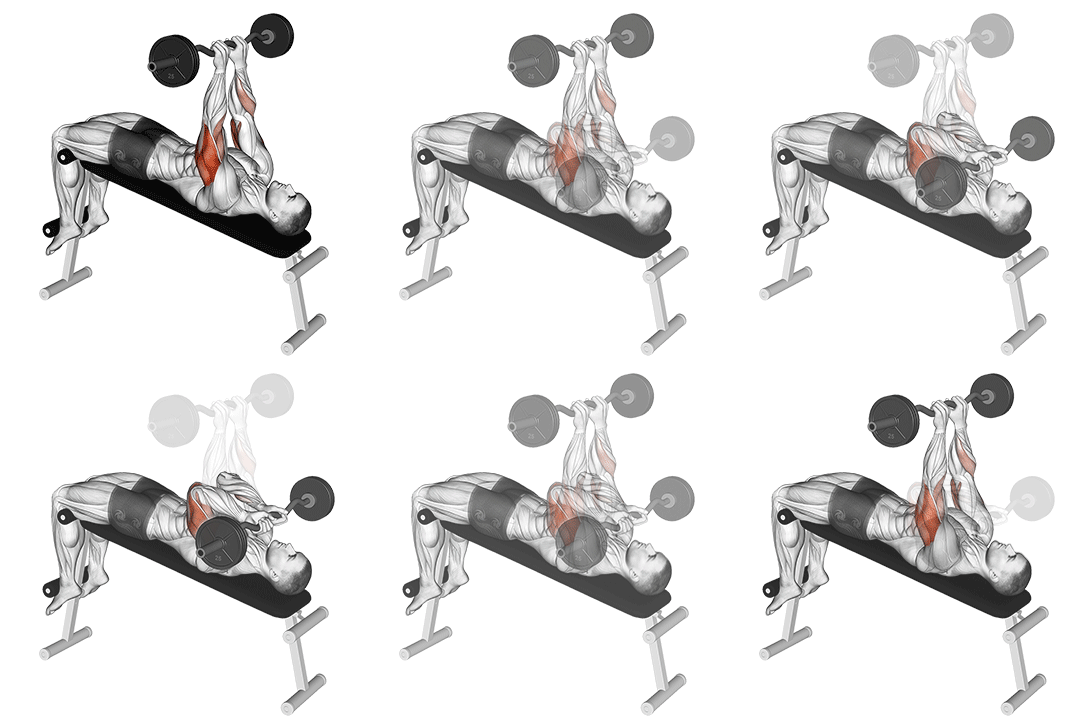
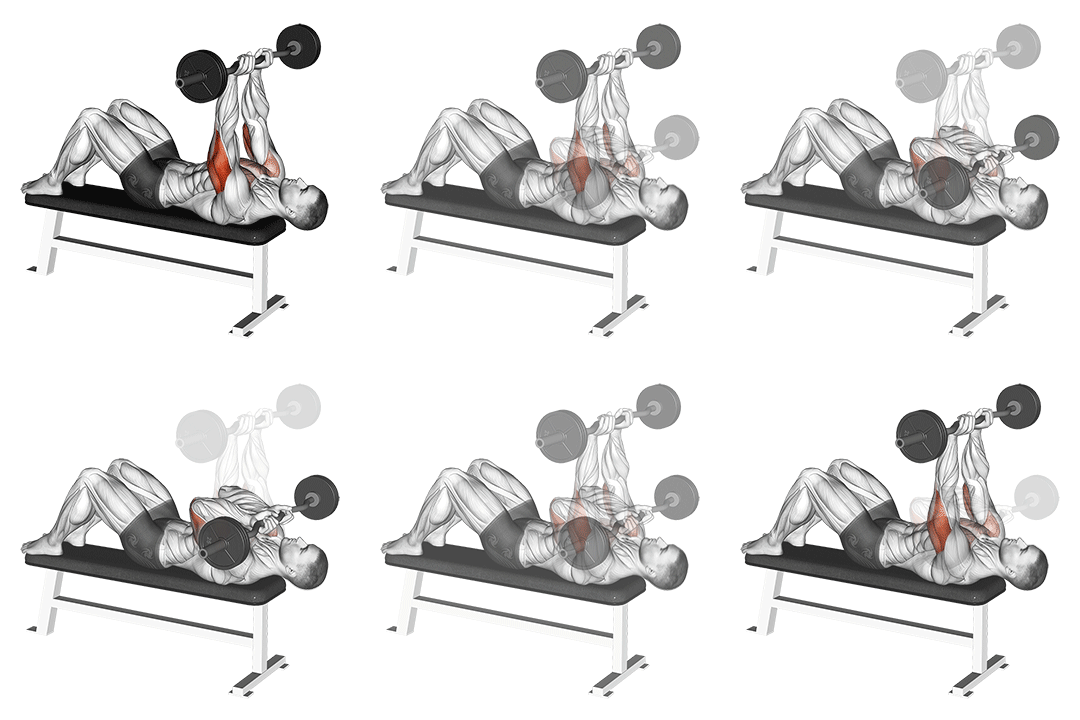
EZ Barbell Decline Close Grip Face Press demonstration
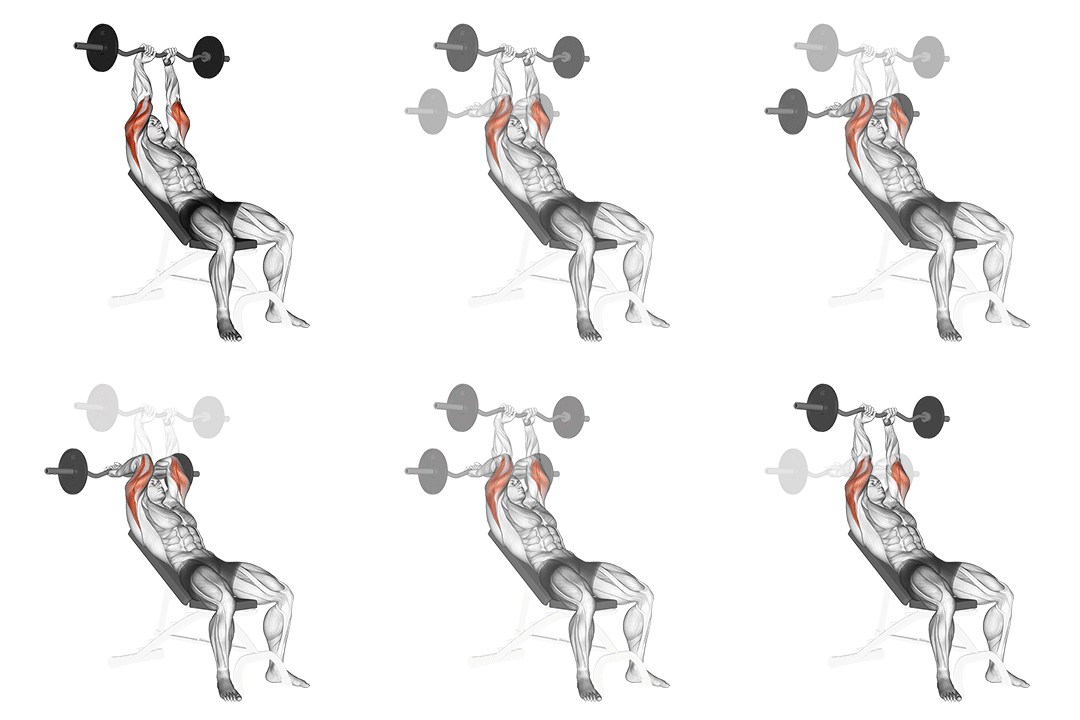
EZ Barbell Decline Close Grip Face Press

Target Triceps
Equipment Ez-barbell
Body Part Upper-arms
Difficulty Intermediate
Movement Compound
Secondary Muscles
Chest Shoulders
VS
Exercise B
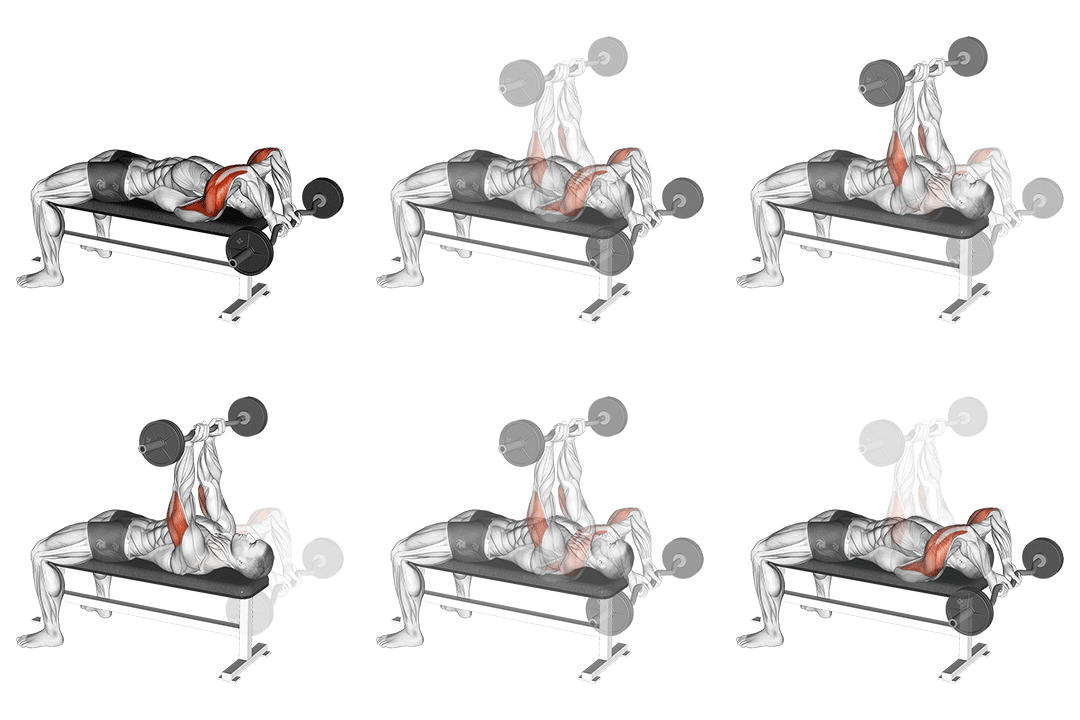
EZ Barbell JM Bench Press demonstration

EZ Barbell JM Bench Press

Target Triceps
Equipment Ez-barbell
Body Part Upper-arms
Difficulty Advanced
Movement Compound
Secondary Muscles
Chest Shoulders

Head-to-Head Comparison

Different values are marked. These are catalogue attributes, not performance scores.

Muscles used

Listed target and secondary muscles, shown on the body. Locations, not activation or strength scores.

  • Target
  • Secondary
  • Not highlighted

EZ Barbell Decline Close Grip Face Press

Front
EZ Barbell Decline Close Grip Face Press: front muscle locationsSolid: listed target. Striped: listed secondary. Grey: not highlighted. Locations, not activation or strength scores. See the muscle names below.
Back
EZ Barbell Decline Close Grip Face Press: back muscle locationsSolid: listed target. Striped: listed secondary. Grey: not highlighted. Locations, not activation or strength scores. See the muscle names below.
Target
Triceps
Secondary
Chest, Shoulders

Not shown on diagram: Shoulders. These labels do not identify a precise region on this map.

EZ Barbell JM Bench Press

Front
EZ Barbell JM Bench Press: front muscle locationsSolid: listed target. Striped: listed secondary. Grey: not highlighted. Locations, not activation or strength scores. See the muscle names below.
Back
EZ Barbell JM Bench Press: back muscle locationsSolid: listed target. Striped: listed secondary. Grey: not highlighted. Locations, not activation or strength scores. See the muscle names below.
Target
Triceps
Secondary
Chest, Shoulders

Not shown on diagram: Shoulders. These labels do not identify a precise region on this map.

Grey does not mean a muscle is unused. The diagrams show only the mapped catalogue labels.

Attribute EZ Barbell Decline Close Grip Face Press EZ Barbell JM Bench Press
Target Muscle
Triceps
Triceps
Body Part
Upper-arms
Upper-arms
Equipment
Ez-barbell
Ez-barbell
Difficulty Different
Intermediate
Advanced
Movement Type
Compound
Compound
Secondary Muscles
Chest, Shoulders
Chest, Shoulders

Visual Comparison

An illustrative 1–10 profile derived from catalog difficulty, equipment, and listed-muscle fields—not measured performance or muscle activation.

Key Differences

  • Difficulty levels differ: EZ Barbell Decline Close Grip Face Press is intermediate, while EZ Barbell JM Bench Press is advanced.
  • Both exercises target the Triceps using Ez-barbell. The catalogue does not establish which exercise is better for an individual goal.

Muscle comparison

Shared target muscles

Both moves primarily load the triceps brachii through elbow extension. The JM bench press creates a larger elbow-extension moment and greater peak triceps torque near lockout because the bar path combines a slight decline angle and forward movement, allowing higher absolute loads. The decline close-grip face press still forces strong triceps activation, but some force vector shifts into the sternocostal chest fibers due to the decline bench angle.

Secondary muscle differences

Secondary recruitment favors chest and anterior deltoid in the decline close-grip face press because the decline angle (~15–25°) shortens the pec fibers and places the torso in more shoulder extension. The JM bench press reduces horizontal adduction demand and therefore lowers chest contribution, shifting more load onto the long and lateral heads of the triceps and the anterior deltoid at the top of the ROM.

Muscle involvement analysis

During the decline close-grip face press the force vector travels slightly downhill, increasing pectoral involvement early in the press while triceps drive the final extension. In the JM bench press the bar path is more vertical-to-forward, increasing elbow flexor-to-extensor torque; peak triceps activation occurs through the mid-to-top 30% of the ROM, while the decline variant shows a wider distribution of load between chest and triceps.

Equipment and setup

EZ Barbell Decline Close Grip Face Press: setup

Ez Barbell Decline Close Grip Face Press requires an EZ-bar, a decline bench (15–25° recommended), secure rack or spotter for safety, and collars to secure plates.

EZ Barbell JM Bench Press: setup

Ez Barbell Jm Bench Press requires an EZ-bar, a flat bench, and ideally a spotter or safety pins; no decline bench is needed but a stable setup for precise bar path is critical.

Access and practicality

Ez Barbell Jm Bench Press — flat benches and EZ-bars are more common in commercial gyms and home setups. The decline face press needs a decline bench which is less available, making the JM version more accessible.

Learning and progression

Learning the movements

Decline Close Grip Face Press is intermediate: you must control a decline angle and keep elbows tucked, but the movement pattern is closer to standard presses. The JM Bench Press is advanced because it blends a skullcrusher-to-bench path and requires precise wrist and elbow positioning to avoid shear at the elbow.

Progression considerations

JM Bench Press offers greater direct progression for triceps strength because it isolates elbow extension and accepts heavier loads in the lockout (use progressive overload 3–6 reps for strength, 6–12 for hypertrophy). Decline close-grip offers steady progression too, but increases in load also raise chest involvement, which can mask pure triceps progress.

Limitations and precautions

JM Bench Press has higher injury risk — it concentrates shear forces at the ulnohumeral joint and stresses the distal triceps tendon if form breaks down. The decline close-grip face press tends to be friendlier for shoulders if you maintain a 15–25° decline and keep elbows ~45° to the torso, but poor wrist alignment can still create discomfort.

Pros & Cons

EZ Barbell Decline Close Grip Face Press

+ Pros

  • Strong triceps and chest cross-over work due to decline angle
  • Lower shoulder impingement risk when using a modest decline (15–25°)
  • Cleaner bar path for lifters comfortable with decline pressing
  • Easier to maintain elbow tuck (~45°) which distributes load

− Cons

  • Requires a decline bench which is less available
  • Chest contribution can limit pure triceps overload
  • Less effective at creating high peak triceps torque near lockout

EZ Barbell JM Bench Press

+ Pros

  • Maximizes triceps overload and lockout strength
  • Doable on a flat bench — more accessible equipment-wise
  • Direct elbow-extension training transfers well to pressing lockouts
  • Easy to scale intensity with lower rep strength work (3–6 reps)

− Cons

  • Advanced technique with higher elbow shear and tendon stress
  • Greater injury risk if wrists drift or elbows flare
  • Less chest involvement can reduce overall pressing capacity for some lifters

When Each Exercise Wins

1
For muscle hypertrophy: Ez Barbell Jm Bench Press

The JM bench creates higher peak triceps torque and allows heavier loading in the mid-to-top ROM. Use 6–12 reps with controlled eccentrics and 2–3 second negatives to maximize muscle growth.

2
For strength gains: Ez Barbell Jm Bench Press

For elbow-extension strength and lockout power, JM handles heavier absolute loads and more specific overload in the triceps’ strongest range. Program 3–6 reps with slow tempo and progressive loading.

3
For beginners: Ez Barbell Decline Close Grip Face Press

It’s easier to learn the decline press pattern and places less isolated shear on the elbow joint. Start with 8–12 reps, focus on 15–25° decline, and prioritize elbow tuck and wrist alignment.

4
For home workouts: Ez Barbell Jm Bench Press

Most home setups have a flat bench but not a decline bench; the JM allows effective triceps focus without special benches. Use lighter loads and perfect form to manage the higher technical demand.

Frequently Asked Questions

Can I do both Ez Barbell Decline Close Grip Face Press and Ez Barbell Jm Bench Press in the same workout?

Yes. Use the JM bench as your primary triceps strength move (heavier, lower reps) and the decline close-grip as an accessory for volume (8–12 reps). Keep total volume and proximity to failure in check to avoid tendon overload.

Which exercise is better for beginners?

The decline close-grip is generally better for beginners because the bar path is more familiar and it reduces isolated elbow shear. Beginners should focus on 8–12 reps, a modest decline (15–25°), and strict elbow tuck before attempting JM presses.

How do the muscle activation patterns differ?

JM concentrates activation into elbow extensors, producing peak triceps activity in the mid-to-top ROM due to a more vertical-forward bar path. The decline close-grip spreads load between triceps, sternocostal pecs, and anterior deltoids because the decline vector shifts force into horizontal adduction.

Can Ez Barbell Jm Bench Press replace Ez Barbell Decline Close Grip Face Press?

Yes for targeted triceps development and strength, provided you have the technical skill and no elbow issues. If your goal includes chest stimulation or you need a lower-risk option for shoulders, keep the decline close-grip in your plan instead.

Comparison Summary

Pick the Ez Barbell Jm Bench Press when your priority is raw triceps overload and lockout strength — it produces higher peak torque and is easiest to progress for strength and hypertrophy if you manage technique and elbow stress. Choose the Ez Barbell Decline Close Grip Face Press if you want a safer shoulder position, integrated chest involvement, and a movement that’s slightly easier to master for intermediate lifters. Program JM for focused triceps phases (3–6 reps for strength, 6–12 for size) and use the decline close-grip for accessory cycles or when shoulder comfort and chest carryover are desired.

Exercise instructions

Steps from the exercise catalogue. Read the full sequence before starting.

EZ Barbell Decline Close Grip Face Press

  1. Lie on a decline bench with your head lower than your feet.
  2. Grasp the ez barbell with a close grip, palms facing each other.
  3. Extend your arms straight up above your chest, keeping your elbows close to your body.
Read remaining steps for EZ Barbell Decline Close Grip Face Press
  1. Lower the barbell towards your forehead by bending your elbows.
  2. Pause for a moment, then press the barbell back up to the starting position.
  3. Repeat for the desired number of repetitions.

EZ Barbell JM Bench Press

  1. Lie flat on a bench with your feet flat on the ground and your back pressed against the bench.
  2. Grasp the ez barbell with an overhand grip, slightly wider than shoulder-width apart.
  3. Lower the barbell to your chest, keeping your elbows tucked in close to your body.
Read remaining steps for EZ Barbell JM Bench Press
  1. Push the barbell back up to the starting position, fully extending your arms.
  2. Repeat for the desired number of repetitions.

Also Compare

Compare another pair

Choose two exercises to see their differences side by side.

Compare Exercises