

Rocking Standing Calf Raise vs Standing Barbell Calf Raise: Complete Comparison Guide
Rocking Standing Calf Raise vs Standing Barbell Calf Raise — if you want stronger, fuller lower legs you need to pick the right tool. I’ll walk you through how each move stresses the gastrocnemius and soleus, what the different force vectors and ranges of motion mean for muscle growth, and practical cues so you can perform each safely. You’ll get technique tips, rep ranges (8–20), progression options, and clear winners for hypertrophy, strength, beginners, and home workouts so you can choose the best calf strategy for your goals.
Exercise Comparison
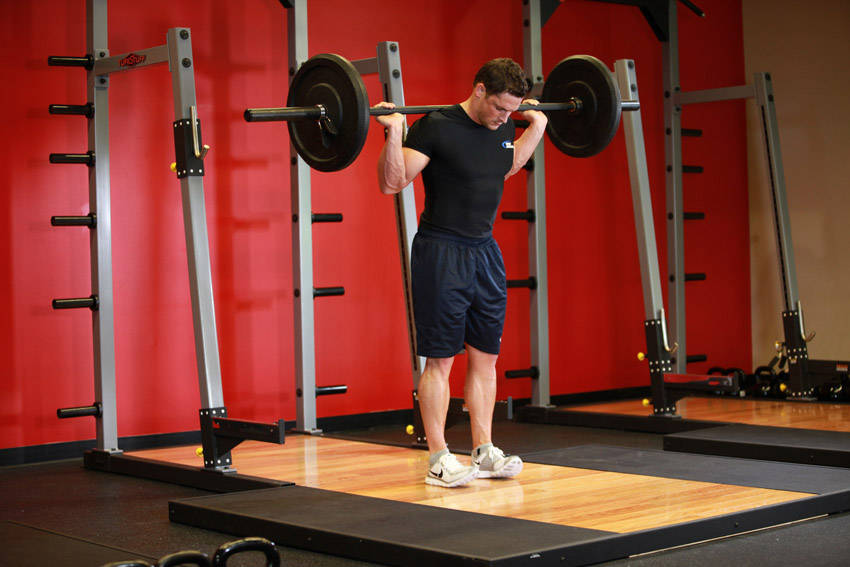
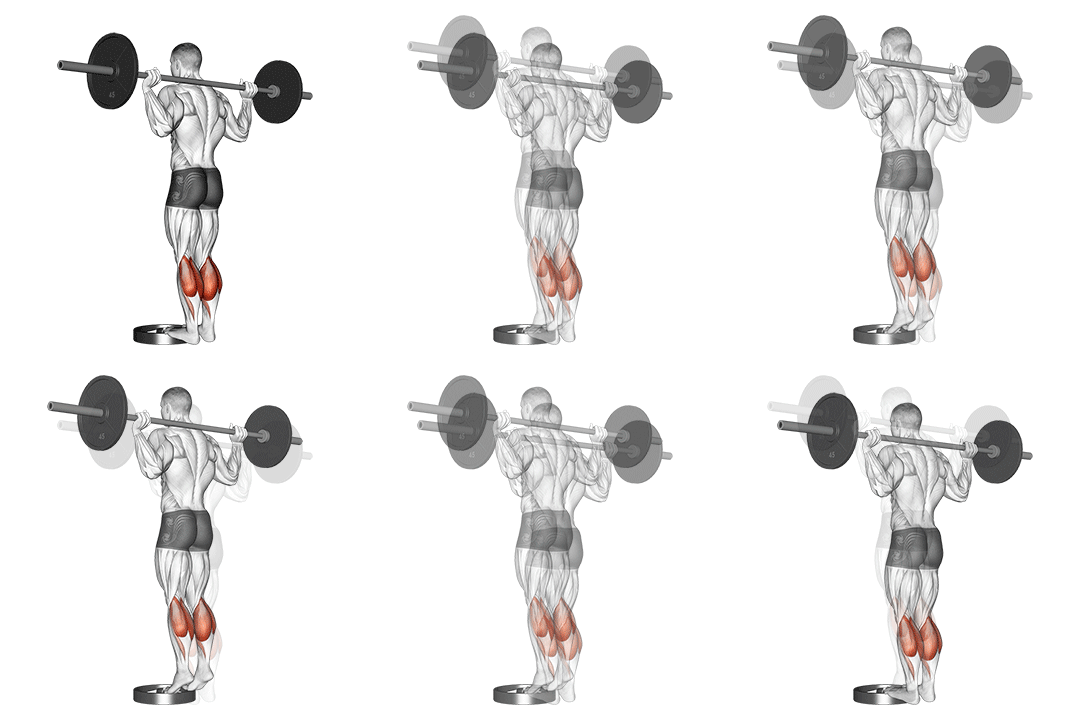
Rocking Standing Calf Raise
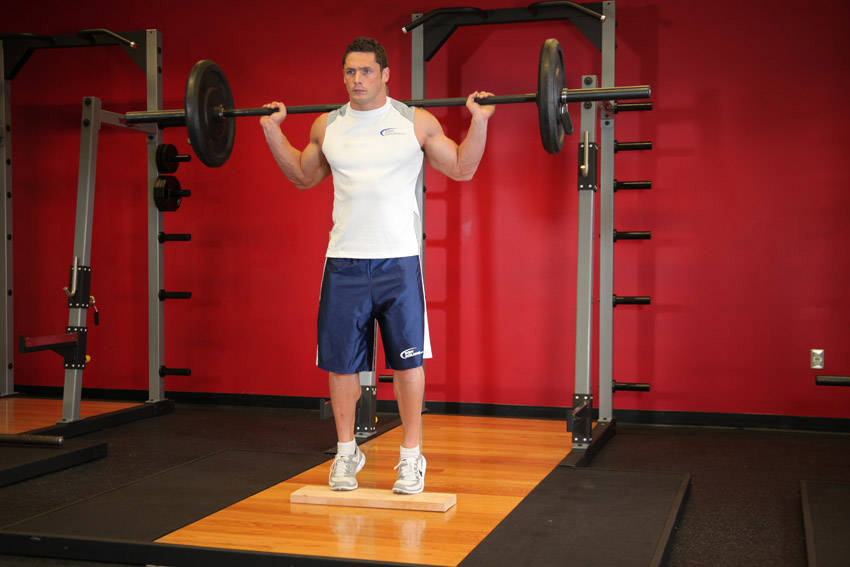
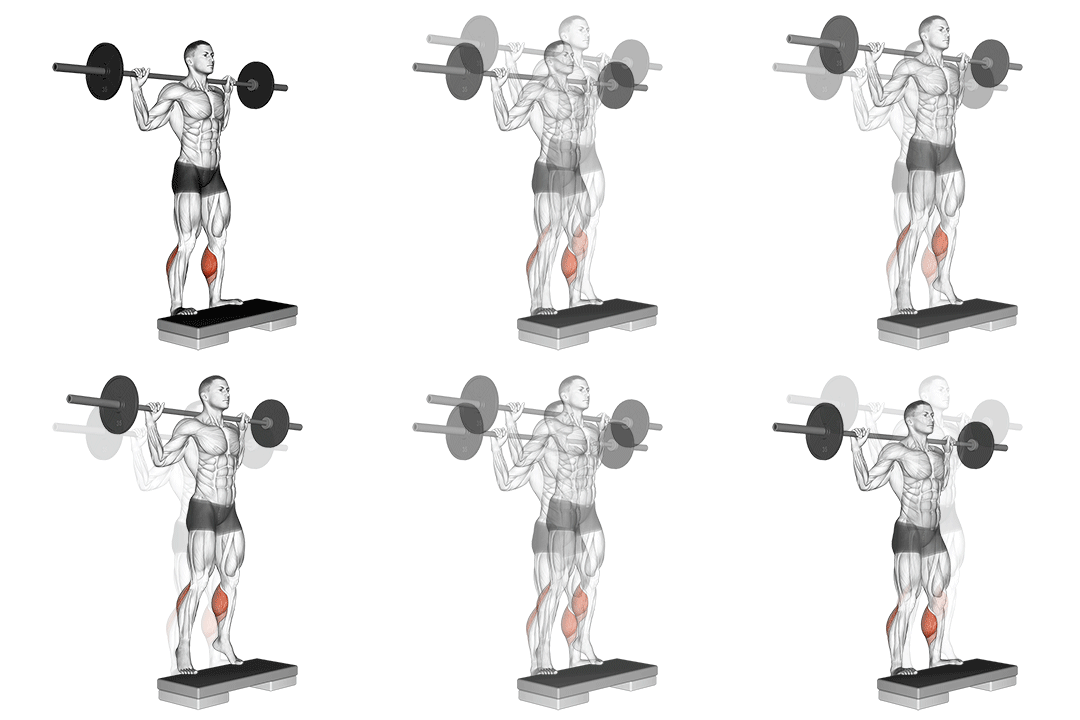
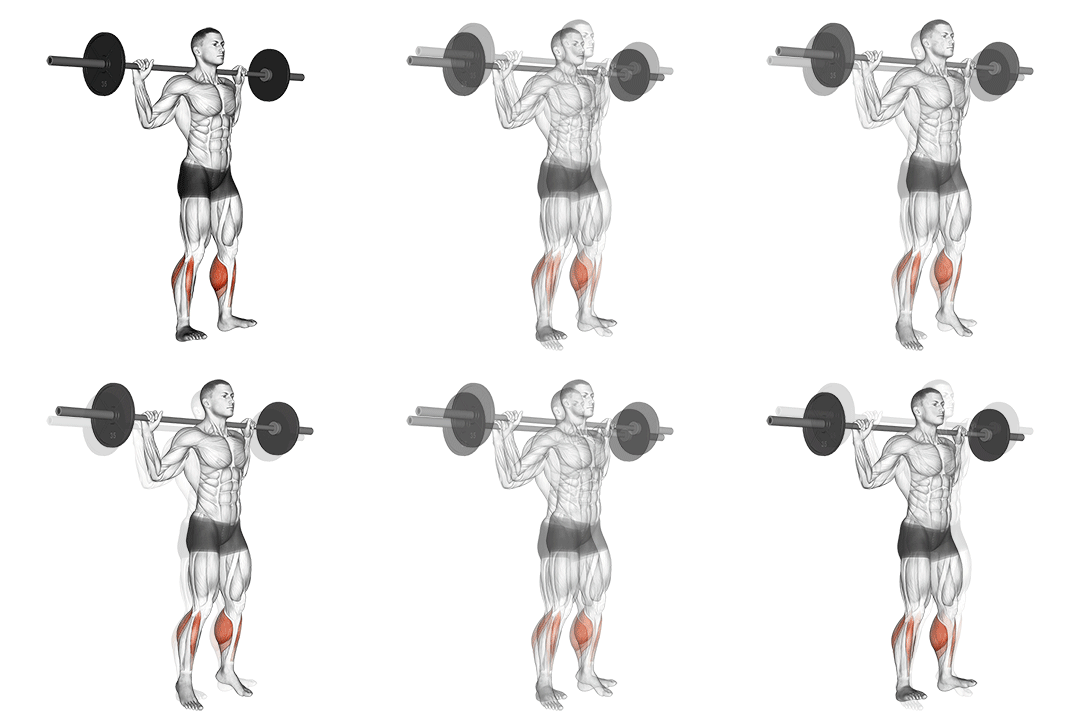
Standing Barbell Calf Raise
Head-to-Head Comparison
| Attribute | Rocking Standing Calf Raise | Standing Barbell Calf Raise |
|---|---|---|
| Target Muscle |
Calves
|
Calves
|
| Body Part |
Lower-legs
|
Lower-legs
|
| Equipment |
Barbell
|
Barbell
|
| Difficulty |
Intermediate
|
Beginner
|
| Movement Type |
Isolation
|
Isolation
|
| Secondary Muscles |
0
|
0
|
Secondary Muscles Activated
Rocking Standing Calf Raise
Standing Barbell Calf Raise
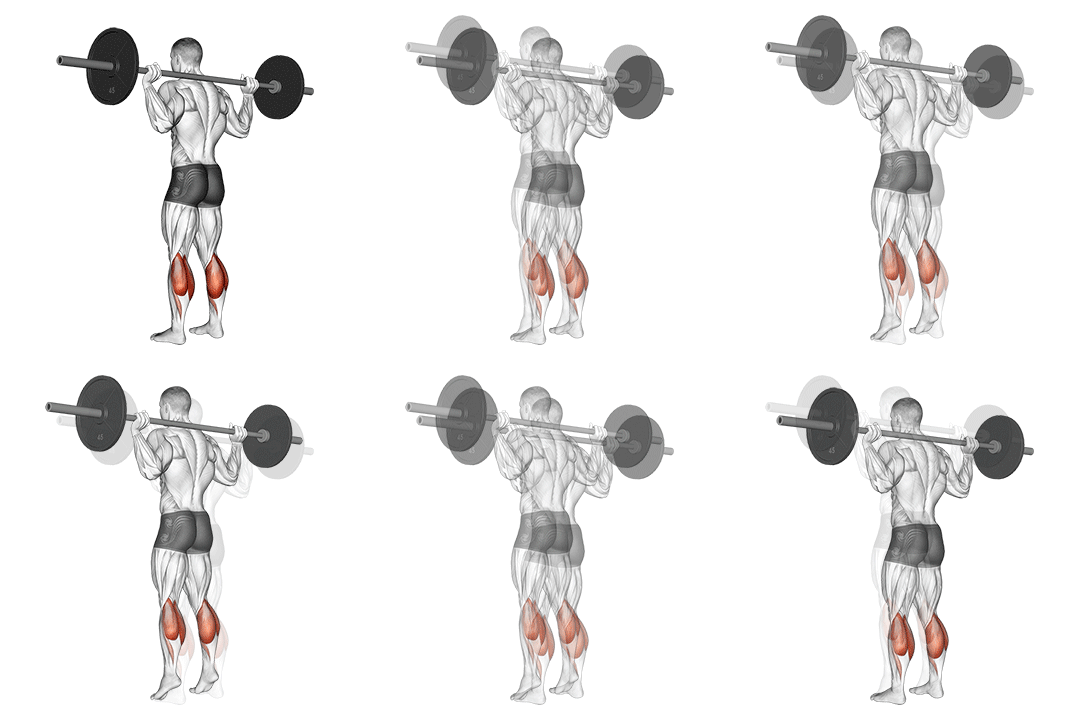
Visual Comparison
Overview
Rocking Standing Calf Raise vs Standing Barbell Calf Raise — if you want stronger, fuller lower legs you need to pick the right tool. I’ll walk you through how each move stresses the gastrocnemius and soleus, what the different force vectors and ranges of motion mean for muscle growth, and practical cues so you can perform each safely. You’ll get technique tips, rep ranges (8–20), progression options, and clear winners for hypertrophy, strength, beginners, and home workouts so you can choose the best calf strategy for your goals.
Key Differences
- Difficulty levels differ: Rocking Standing Calf Raise is intermediate, while Standing Barbell Calf Raise is beginner.
- Both exercises target the Calves using Barbell. The main differences are in their movement patterns and muscle activation angles.
Pros & Cons
Rocking Standing Calf Raise
+ Pros
- Greater time under tension via eccentric stretch-to-plantarflex transition
- Improved balance and recruitment of foot stabilizers and peroneals
- Can accentuate stretch-mediated hypertrophy by increasing ROM
- Adds variety to calf training and challenges coordination
− Cons
- Higher coordination and skill required—steeper learning curve
- Increased Achilles and ankle shear risk if uncontrolled
- Harder to add heavy, clean progressive overload compared to strict vertical raises
Standing Barbell Calf Raise
+ Pros
- Simple, repeatable loading pattern ideal for progressive overload
- Lower technical demand—easy for beginners to pick up
- Safer for heavy loading with less lateral or shear stress
- Allows strict tempo control for targeted calf work (e.g., 2s up, 3s down)
− Cons
- Less recruitment of foot stabilizers and balance muscles
- Can feel stale if you never vary tempo or ROM
- May neglect stretch-mediated stimulus if you limit heel drop
When Each Exercise Wins
Rocking's longer eccentric phase and slightly greater ROM increase stretch-mediated hypertrophy. Use slow eccentrics (3–4 s) and 8–15 reps to maximize sarcomere strain and muscle growth.
The Standing Barbell Calf Raise permits heavier, cleaner loading and a linear force vector, which is better for increasing maximal plantarflexion force using lower reps (4–8) and progressive overload.
It’s simpler to set up, easier to cue (drive through the balls of the feet, control descent), and reduces balance demands so beginners can focus on load and range of motion first.
If you have a barbell and a small step, the Rocking version gives extra stimulus through balance and ROM without needing heavy plates, making it useful when absolute load is limited.
Frequently Asked Questions
Can I do both Rocking Standing Calf Raise and Standing Barbell Calf Raise in the same workout?
Yes — do the Standing Barbell Calf Raise first for heavy, low-rep sets (4–8) to target maximal force, then finish with Rocking Standing Calf Raise for 2–3 higher-rep back-off sets (10–15) to increase time under tension and muscle stretch.
Which exercise is better for beginners?
Standing Barbell Calf Raise is better for beginners because it has a simpler movement pattern, is easier to cue (drive through balls of feet, avoid locked knees), and allows safe incremental loading without balancing demands.
How do the muscle activation patterns differ?
Both emphasize gastrocnemius, but Rocking adds more eccentric stretch and recruites stabilizers (peroneals, tibialis anterior, foot intrinsics) due to fore-aft center-of-mass shifts. Standing Barbell Calf Raise produces a more consistent vertical force vector and cleaner concentric loading of the gastrocnemius.
Can Standing Barbell Calf Raise replace Rocking Standing Calf Raise?
Standing Barbell Calf Raise can replace Rocking for strength-focused blocks because it allows heavier loading, but you’ll miss the added eccentric stretch and stabilizer recruitment. If your goal is hypertrophy, include a rocking or high-ROM variant periodically.
Expert Verdict
Use Standing Barbell Calf Raise when your priority is progressive overload and cleaner strength development: load with heavier sets (4–8 reps) and keep reps controlled (2 s concentric, 3 s eccentric). Choose Rocking Standing Calf Raise when you want to prioritize muscle growth through stretch and time under tension, or to add balance and intrinsic foot recruitment; use 8–15 reps with slow eccentrics and a 3–5 cm heel drop. For most programs, alternate both: emphasize Standing Barbell Calf Raises in strength blocks and add Rocking variations during hypertrophy or deload weeks to diversify stimulus and reduce overuse.
Also Compare
More comparisons with Rocking Standing Calf Raise
More comparisons with Standing Barbell Calf Raise
Compare More Exercises
Use our free comparison tool to analyze any two exercises head-to-head.
Compare Exercises