
You’ve probably been told to “train harder” or “push through the pain.” But according to Tom Miller, our in-house Certified Strength and Conditioning Specialist (CSCS), that old-school mindset is not only outdated—it might be the very reason you’re plateauing or getting injured.
“I see it all the time,” says Miller. “People push themselves into the ground thinking that pain and fatigue are markers of progress. But true progress comes from the right kind of intensity applied consistently—not from wrecking yourself every workout.”
Miller, who’s spent over a decade coaching everyone from competitive athletes to 9-to-5 professionals, says understanding the difference between productive stress and destructive overload is one of the most underrated fitness skills out there. And that starts with recognizing the signs your training is either supporting or sabotaging your goals.
Red Flags: Signs You’re Overtraining and Stalling Your Progress
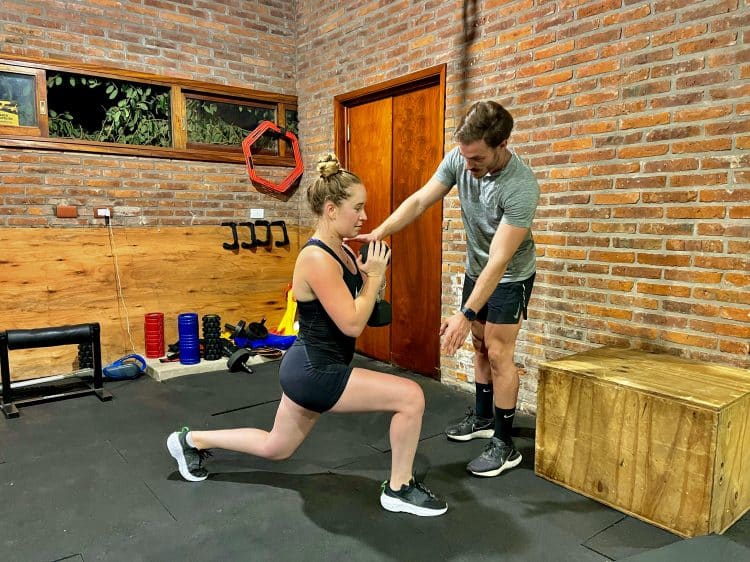
1. Joint Pain or ‘Wrong-Area’ Discomfort
If you’re doing Romanian deadlifts and feel it more in your lower back than your glutes and hamstrings, that’s a signal your technique or load is off. Joint pain, tendon soreness, or nerve-like discomfort are always signs to stop and reassess.
“Pain that doesn’t feel like muscle fatigue is your body waving the white flag,” Miller says. “Ignoring that is what leads to injuries—not just soreness.”
2. You Feel Crushed After Every Workout
Post-workout fatigue should feel like you’ve challenged your limits—not like you’ve hit a wall. If you’re dragging for hours afterward or need stimulants just to function, your workout may be draining your CNS (central nervous system) more than it’s building your body.

3. You’re Losing Motivation and Skipping Sessions
A lack of motivation isn’t always mental—it’s often physical. When your body’s overstressed and under-recovered, it dampens drive. If you keep skipping workouts or find yourself constantly dreading the gym, it’s a sign you’re not training sustainably.
4. Progress Has Stalled—or Reversed
Overtraining leads to chronically elevated cortisol, impaired recovery, and even muscle loss. If you’re stuck in the same numbers, or worse, losing strength, your body may be fighting to stay balanced instead of progressing.
Green Flags: Signs Your Training Is Effective and Sustainable
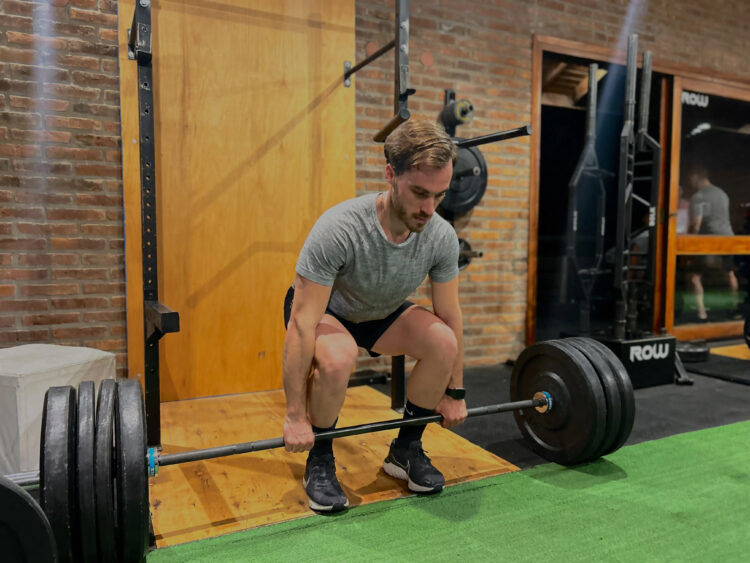
1. You Feel the Right Muscles Working
Quality movement should light up the target muscle—not adjacent joints or stabilizers. If your glutes are firing on hip thrusts or your lats are torched after rows, you’re moving with intention and precision.
2. You Finish Workouts Feeling Accomplished, Not Annihilated
Training should energize you long-term. Yes, you’ll feel the burn—but your post-workout state should reflect mental clarity, not exhaustion. This balance shows your intensity is dialed in for growth, not breakdown.
3. You’re Showing Up Consistently
If your workouts feel doable—even when life gets busy—that’s a sign you’ve found a sustainable groove. Fitness isn’t about perfection, it’s about momentum. And momentum only builds when you’re not constantly in recovery debt.
4. You Know the Line Between Burn and Pain
“I coach my athletes to differentiate discomfort from damage,” says Miller. “Burn is localized, muscular, and fades quickly. Pain is sharp, structural, and lingers. Train through the former, never the latter.”
How to Find Your Optimal Training Zone
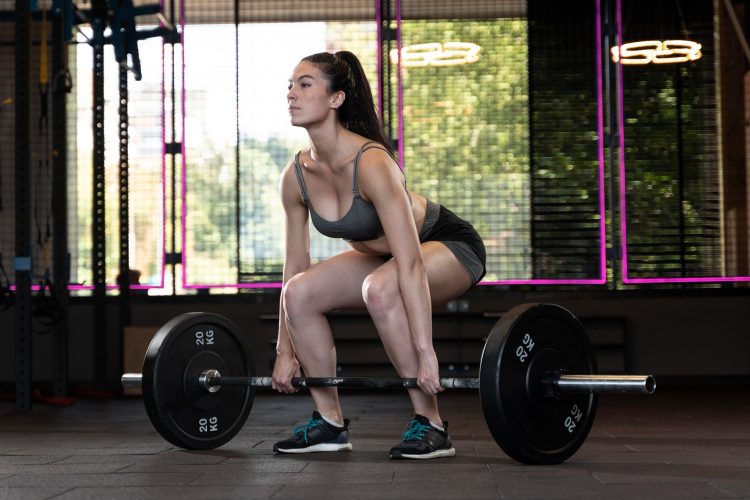
Miller suggests a simple framework: Define the outcome before you start. Want to get stronger? Focus on progressive overload with perfect form. Chasing fat loss? Track performance and recovery as aggressively as you track calories. Training for aesthetics? Prioritize tension over exhaustion.
“Every session should have a purpose,” he says. “Once you define that, you can scale your volume, load, and effort accordingly—and actually enjoy the process.”
Perfect Training Formula
- Intensity: Choose 1–2 lifts to push hard. Don’t max out everything.
- Volume: Train just enough to stimulate growth. Junk volume leads to junk results.
- Recovery: Prioritize sleep, hydration, and nutrition like you would your workouts.
- Deload: Take a lighter week every 4–6 weeks to let your body rebound stronger.
FAQs
How many rest days should I take per week?
Most lifters thrive with 1–2 full rest days and 1–2 active recovery sessions depending on training intensity and goals.
Can I still make progress with short workouts?
Absolutely. Focused 30-minute sessions with proper intensity and recovery often outperform long, low-quality grinds.
What’s the difference between soreness and pain?
Soreness is dull and in the muscle; pain is sharp or in joints/tendons. If it alters your movement pattern or lingers for days, it’s likely pain.
Should I stop mid-workout if something feels wrong?
Yes. Stop, assess your form, and substitute or drop the load. Training through pain often leads to bigger setbacks later.
Is it okay to feel tired after every workout?
Some fatigue is normal, especially after intense lifts. But consistent exhaustion is a red flag. You should feel challenged, not crushed.
Summary
You don’t need to suffer to succeed. If your body’s showing signs of fatigue, pain, or plateau, it’s time to rethink your programming. A smart workout leaves you feeling like you challenged your limits—not that you need a stretcher.
Recognize the red flags, reinforce the green ones, and remember: the goal is progress, not punishment.
Next read: How Much Weight Training Is Too Much?