

10 Best Adductor Alternatives for Home, Rehab, and Gym
What can you do instead of the foam-roll Adductor? Choose moves that load hip adduction and medial thigh tension, such as standing cable adduction or side-lying squeezes. Cue: keep hips square, drive the working thigh toward midline and hold a 1-second peak contraction to emphasize adductor longus and magnus while avoiding hip flexor compensation.
Original Exercise: Adductor
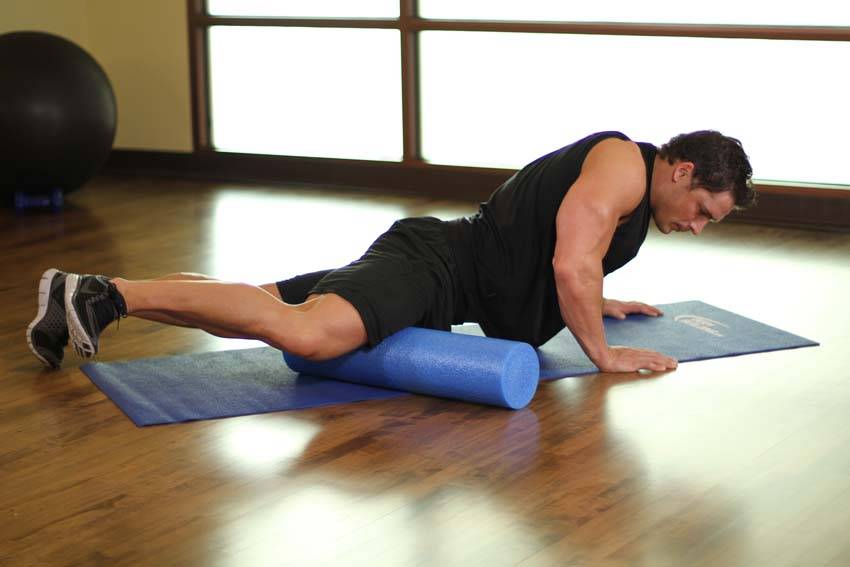
How to Perform Adductor
- Lie face down with one leg on a foam roll.
- Rotate the leg so that the foam roll contacts against your inner thigh. Shift as much weight onto the foam roll as can be tolerated.
- While trying to relax the muscles if the inner thigh, roll over the foam between your hip and knee, holding points of tension for 10-30 seconds. Repeat with the other leg.
Pro Tips
- Category: Stretching
- Force: Static
- Movement type: Isolation
Ranked Adductor Alternatives
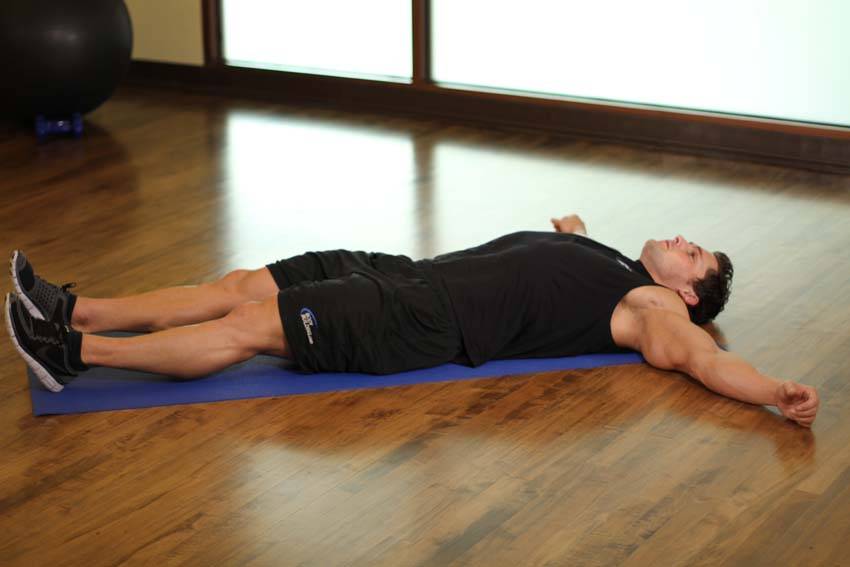
1. Side Lying Groin Stretch
99.2% MatchHow to perform this exercise
- Start off by lying on your right side and bend your right knee in front of you to stabilize the torso.
- Rest your head on your right hand or shoulder. Lift your left leg upward and hold it by the back of the knee (easier) or the foot (harder).
- Pull your left knee in toward your left shoulder and simultaneously press your foot or knee down to the floor. To intensify this stretch, straighten your left leg. Switch sides.
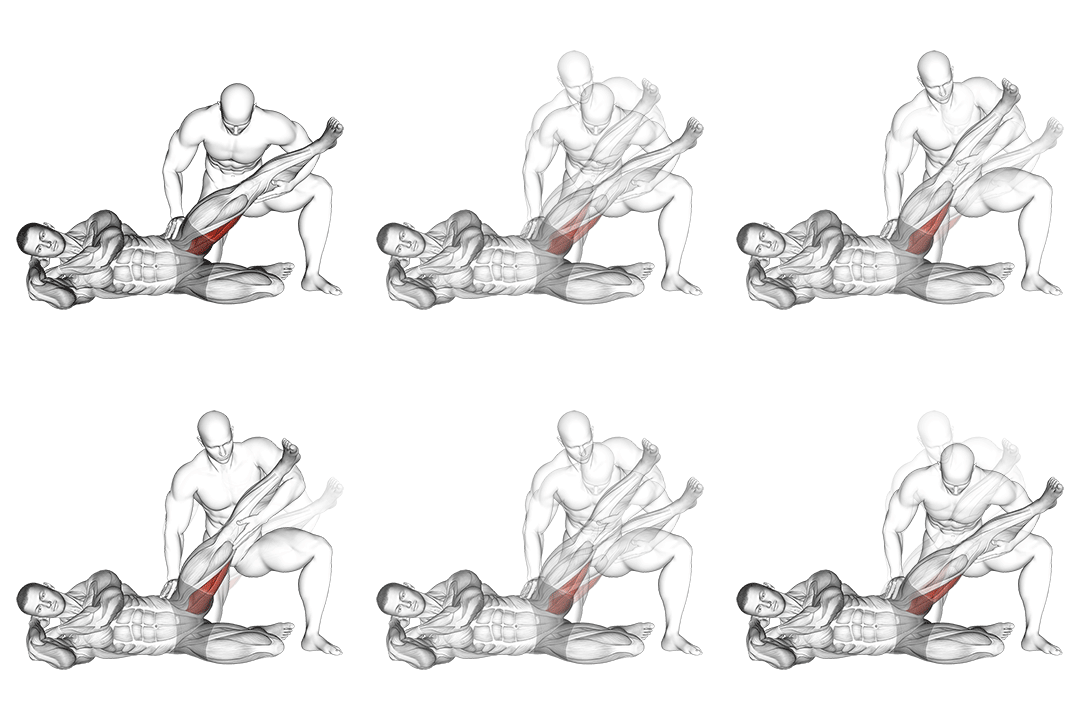
2. Assisted Side Lying Adductor Stretch
88% MatchHow to perform this exercise
- Lie on your side with your legs straight and stacked on top of each other.
- Bend your bottom leg slightly for stability.
- Place your top foot on a stable surface, such as a bench or step.
- Keeping your top leg straight, slowly lower it towards the ground, feeling a stretch in your inner thigh.
- Hold the stretch for 20-30 seconds.
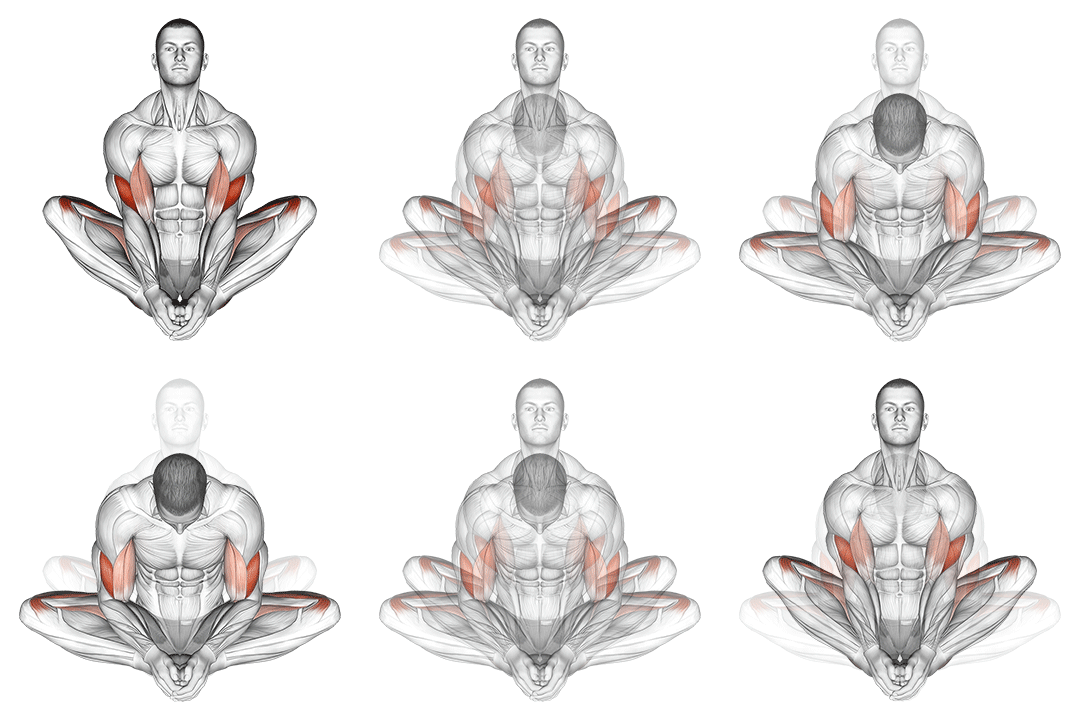
3. Butterfly Yoga Pose
84.4% MatchHow to perform this exercise
- Sit on the floor with your legs extended in front of you.
- Bend your knees and bring the soles of your feet together, allowing your knees to fall out to the sides.
- Hold onto your ankles or feet with your hands.
- Sit up tall and lengthen your spine.
- Gently press your knees down towards the floor, feeling a stretch in your inner thighs.
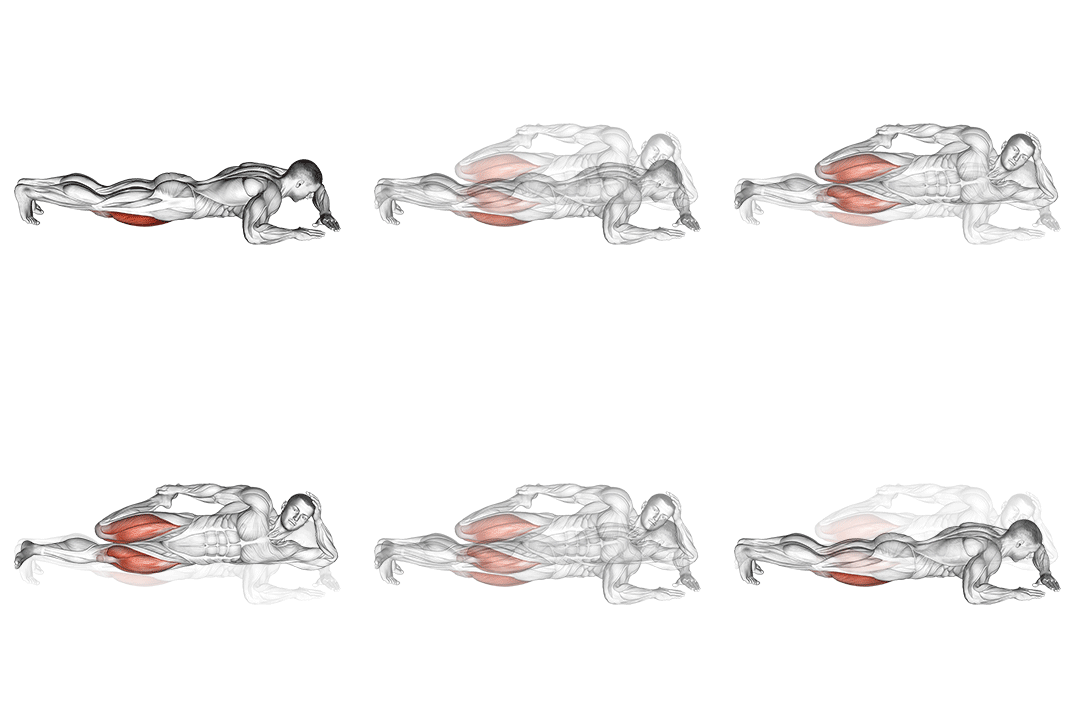
4. Lying (side) Quads Stretch
84.2% MatchHow to perform this exercise
- Lie on your side with your legs straight.
- Bend your top leg and grab your ankle or foot with your hand.
- Gently pull your ankle or foot towards your glutes until you feel a stretch in your quads.
- Hold the stretch for 20-30 seconds.
- Release the stretch and repeat on the other side.
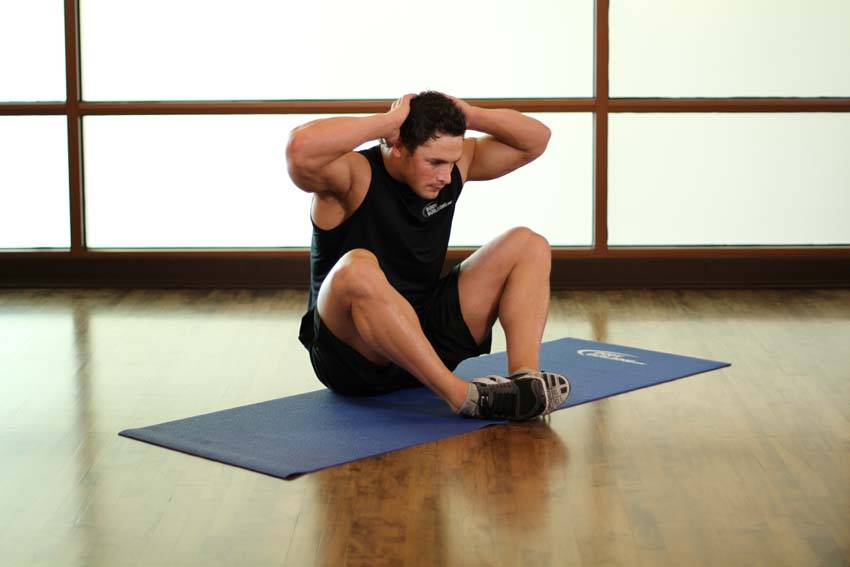
5. Groin And Back Stretch
80.2% MatchHow to perform this exercise
- Sit on the floor with your knees bent and feet together.
- Interlock your fingers behind your head. This will be your starting position.
- Curl downwards, bringing your elbows to the inside of your thighs. After a brief pause, return to the starting position with your head up and your back straight. Repeat for 10-20 repetitions.
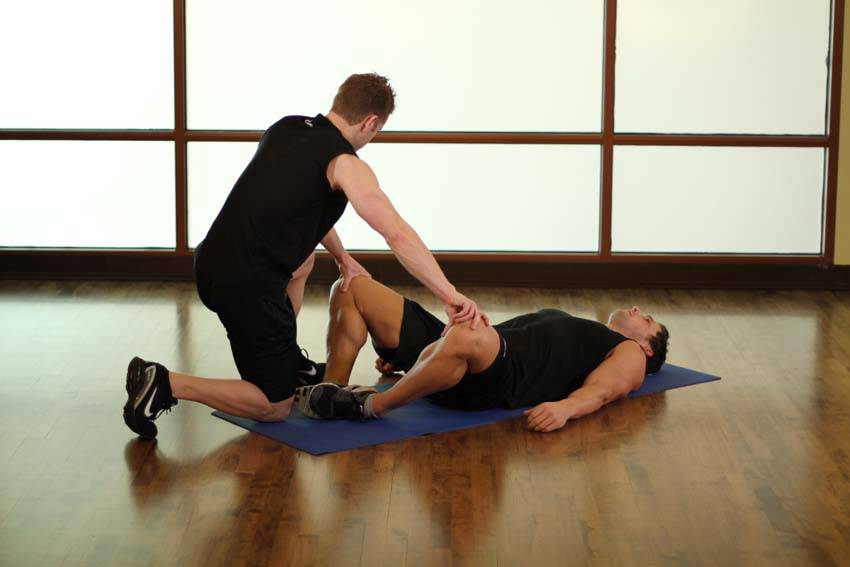
6. Lying Bent Leg Groin
80.2% MatchHow to perform this exercise
- Lie on your back with your knees bent and the soles of the feet pressed together. Have your partner hold your knees. This will be your starting position.
- Attempt to squeeze your knees together, while your partner prevents any movement from occurring.
- After 10-20 seconds, relax your muscles as your partner gently pushes your knees towards the floor. Be sure to inform your helper when the stretch is adequate to prevent injury or overstretching.
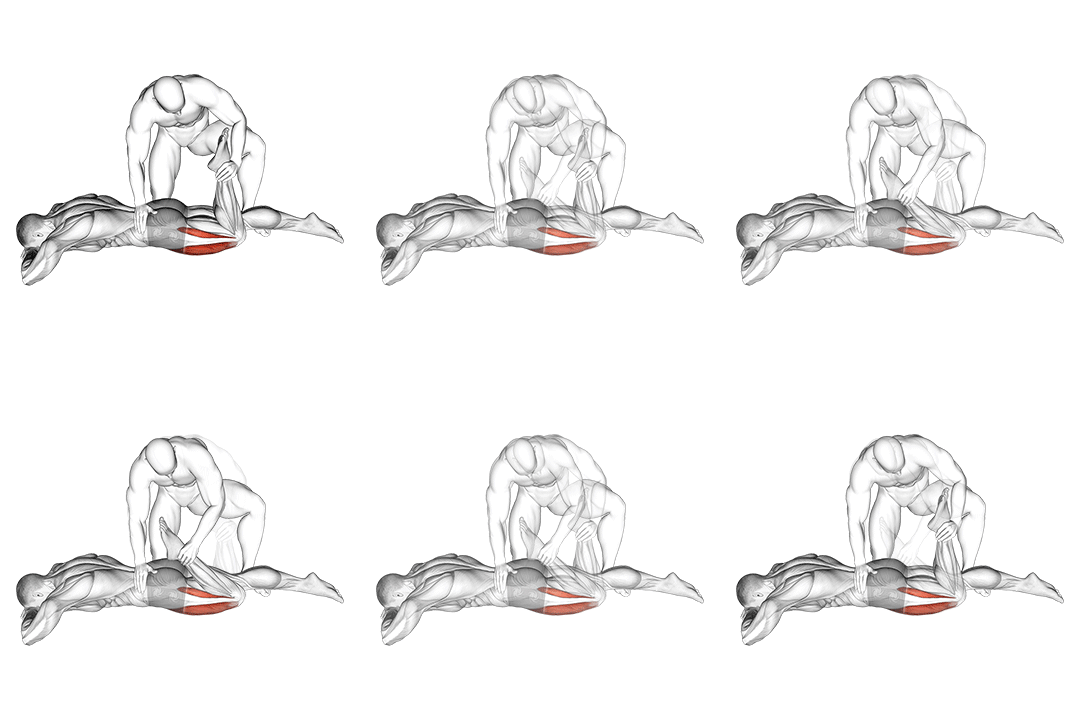
7. Assisted Prone Lying Quads Stretch
76% MatchHow to perform this exercise
- Lie face down on the ground with your legs extended.
- Bend your left knee and reach back with your left hand to grab your left foot or ankle.
- Gently pull your left foot towards your glutes, feeling a stretch in your left quad.
- Hold the stretch for 20-30 seconds, then release.
- Repeat with your right leg.
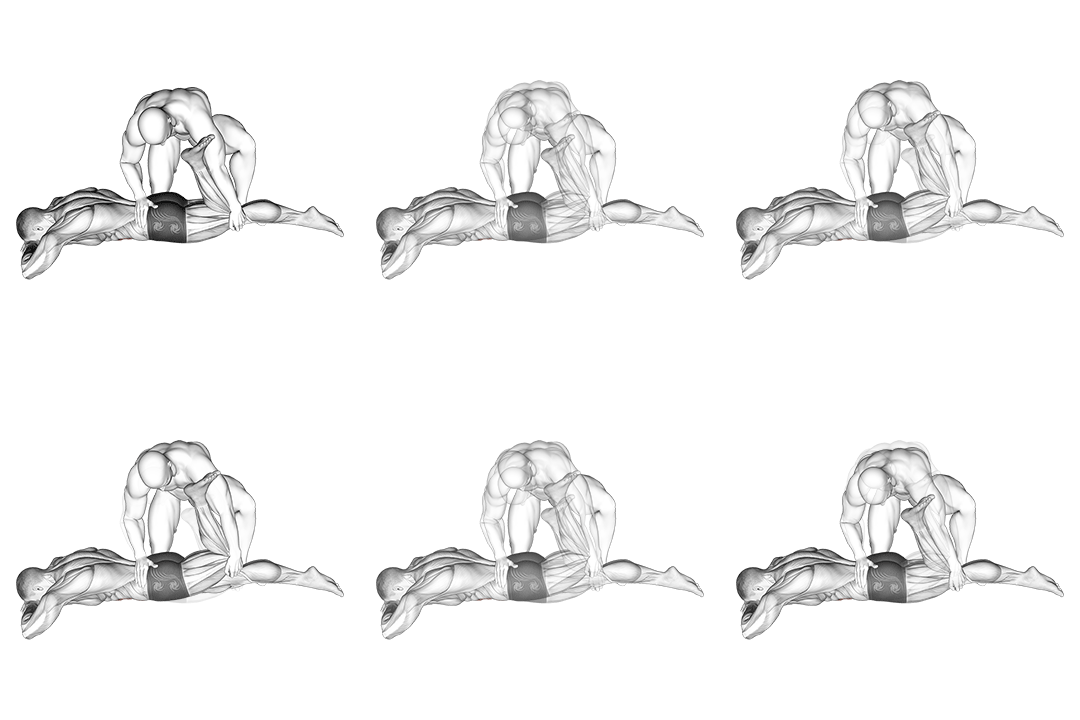
8. Assisted Prone Rectus Femoris Stretch
76% MatchHow to perform this exercise
- Lie face down on the ground with your legs straight.
- Bend your right knee and reach back with your right hand to grab your right foot or ankle.
- Gently pull your right foot or ankle towards your glutes, feeling a stretch in the front of your right thigh.
- Hold the stretch for 20-30 seconds.
- Release and repeat on the other side.
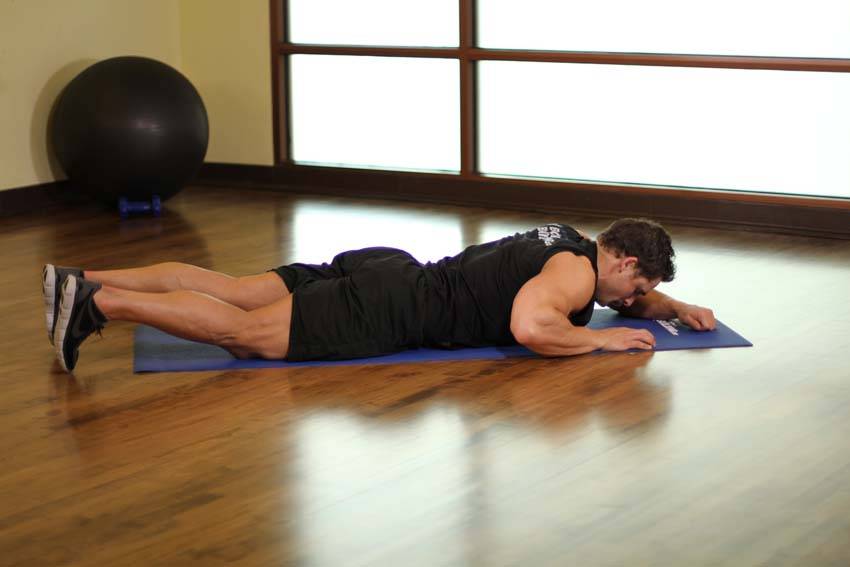
9. On Your Side Quad Stretch
76% MatchHow to perform this exercise
- Start off by lying on your right side, with your right knee bent at a 90-degree angle resting on the floor in front of you (this stabilizes the torso).
- Bend your left knee behind you and hold your left foot with your left hand. To stretch your hip flexor, press your left hip forward as you push your left foot back into your hand. Switch sides.
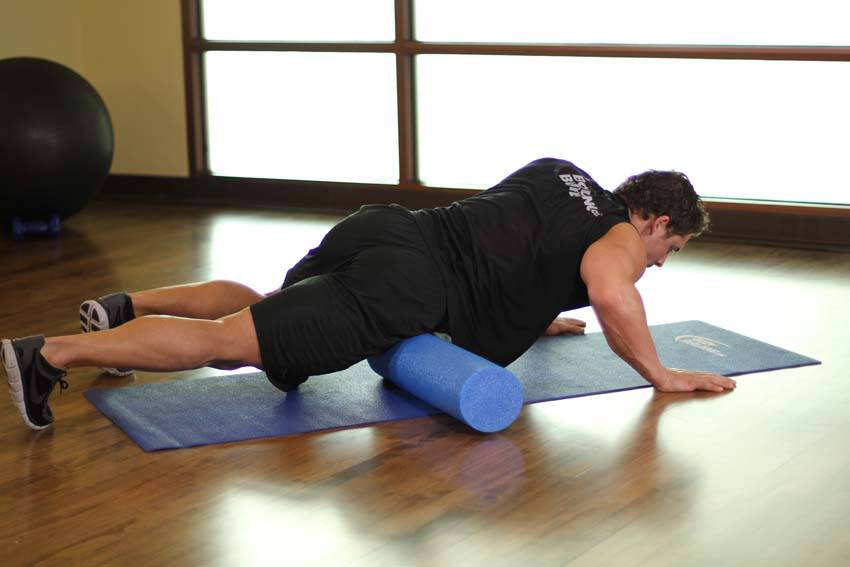
10. Quadriceps-SMR
75.2% MatchHow to perform this exercise
- Lay facedown on the floor with your weight supported by your hands or forearms. Place a foam roll underneath one leg on the quadriceps, and keep the foot off of the ground. Make sure to relax the leg as much as possible. This will be your starting position.
- Shifting as much weight onto the leg to be stretched as is tolerable, roll over the foam from above the knee to below the hip, holding points of tension for 10-30 seconds. Switch sides.
Why You Might Need a Adductor Alternative
You might substitute the foam-roll Adductor for several reasons: groin pain from compression, limited access to a foam-roll, or a need for progressive loading. The adductors span the hip and assist hip flexion and pelvic stabilization; they activate best under resisted adduction or closed-chain loading rather than static rolling. For early rehab, use side-lying adductor isometrics to limit shear, cue: press the ankle into your opposite thigh and hold 10–20 seconds while breathing. For strength and hypertrophy, choose standing cable adduction or Copenhagen progressions to deliver tension through a full range and emphasize controlled eccentrics. Good substitutes let you manage load, ROM, and joint stress while preserving adductor activation.
How to Choose the Right Substitute
Select a substitute by matching your goal, equipment and pain tolerance. For pain or early rehab, prioritize isometrics and short-range options like side-lying squeezes that reduce hip shear, cue: compress a small ball between ankles and exhale during each squeeze. For strength or hypertrophy, pick exercises that allow progressive resistance and eccentric control (standing cable adduction, Copenhagen raises). Consider single-leg stability and pelvic control; if you lack core stability, use bilateral machines first. Verify activation by feeling medial thigh contraction and watching hip adduction range. Progress by increasing load, ROM, or time under tension while keeping knee alignment over the toe to avoid compensation.
Frequently Asked Questions
What muscles does Adductor work?
The Adductor targets the adductor longus, brevis, magnus and gracilis, producing hip adduction and contributing to pelvic stability. Cue: squeeze the inner thigh at peak contraction and maintain a neutral pelvis to maximize medial thigh activation.
What is the best bodyweight alternative to Adductor?
The Copenhagen adduction is the best bodyweight substitute because it forces high eccentric and isometric load through the medial thigh. Cue: support on your forearm with the top leg elevated on a bench, keep hips level and lower slowly to increase tension on the adductor longus and magnus.
Can I build muscle without doing Adductor?
Yes, you can hypertrophy the adductors through other loaded patterns like wide-stance squats, sumo deadlifts and cable adduction that maintain medial thigh tension. Cue: at the top of each rep consciously squeeze the inner thigh and control the eccentric phase to preferentially recruit adductor fibers.
More Exercise Alternatives
Find Alternatives for Any Exercise
Use the exercise substitution finder to compare ranked alternatives for your available equipment and training preference.
Try the Exercise Substitution Finder →