

10 Best Side Lying Groin Stretch Alternatives for Limited Mobility
The Side Lying Groin Stretch is done lying face down. Ranked closest by our scoring: the Adductor, the Assisted Side Lying Adductor Stretch and the Butterfly Yoga Pose.
If you can't perform the Side Lying Groin Stretch, use targeted substitutes that still lengthen and unload the adductors. Try the seated butterfly, standing lateral lunge, frog stretch, Copenhagen adduction, or supine banded adductor stretch. Cue: maintain a neutral spine and hinge at the hips to focus stretch on the adductor longus and magnus.
Updated Ranked by our 12-factor similarity model How it works
Original Exercise: Side Lying Groin Stretch
- Primary muscle
- Adductors
- Equipment
- Bodyweight
- Difficulty
- Beginner
- Type
- Isolation
Secondary muscles: Hamstrings
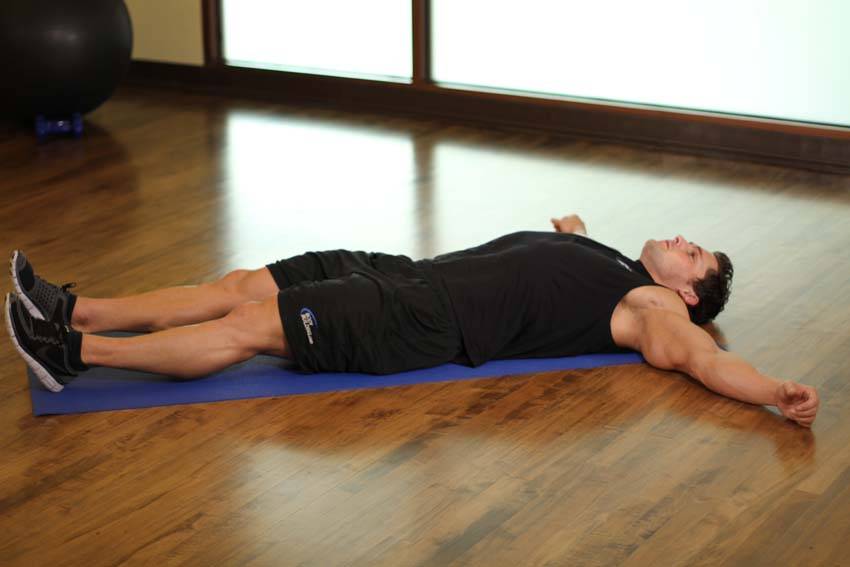
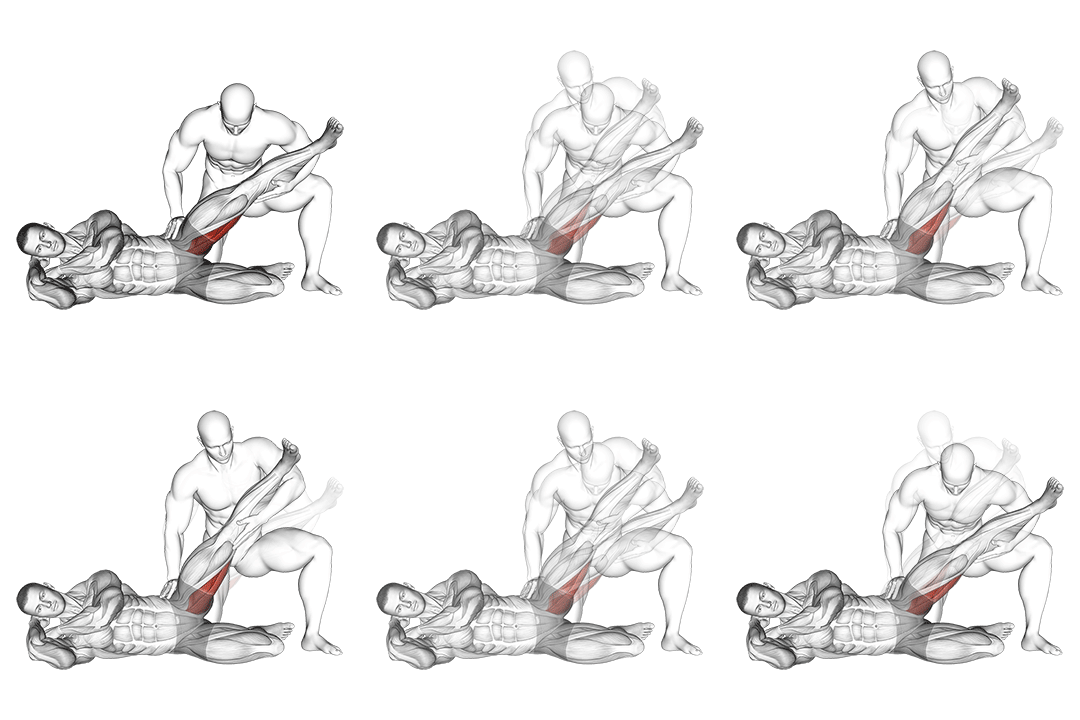
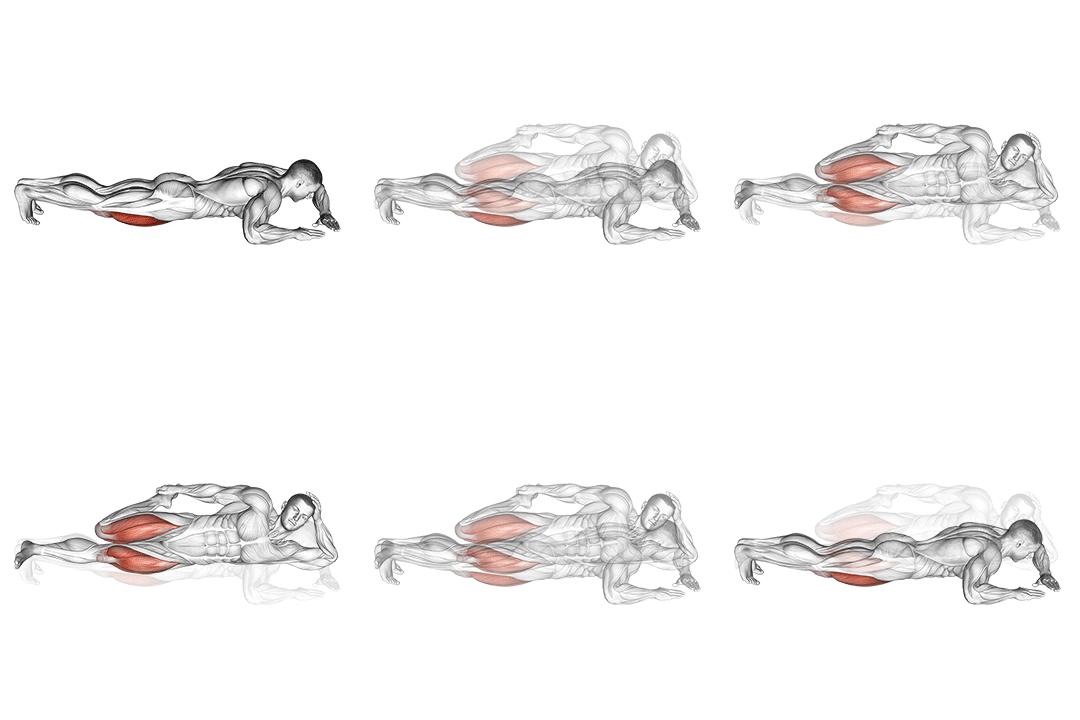
How to perform Side Lying Groin Stretch
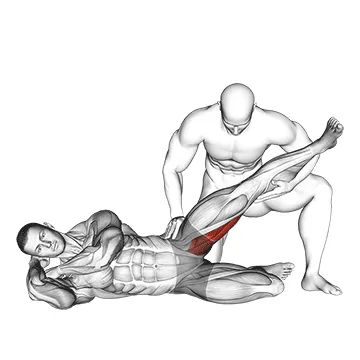
- Start off by lying on your right side and bend your right knee in front of you to stabilize the torso.
- Rest your head on your right hand or shoulder. Lift your left leg upward and hold it by the back of the knee (easier) or the foot (harder).
- Pull your left knee in toward your left shoulder and simultaneously press your foot or knee down to the floor. To intensify this stretch, straighten your left leg. Switch sides.
Ranked Side Lying Groin Stretch Alternatives
10 substitutes, ranked by how closely each one matches the Side Lying Groin Stretch on movement pattern, muscles worked, equipment and body position. The higher the score, the less you change. Open "How to perform this exercise" on a card for the steps; every card title links to that exercise's own alternatives page.
Best match 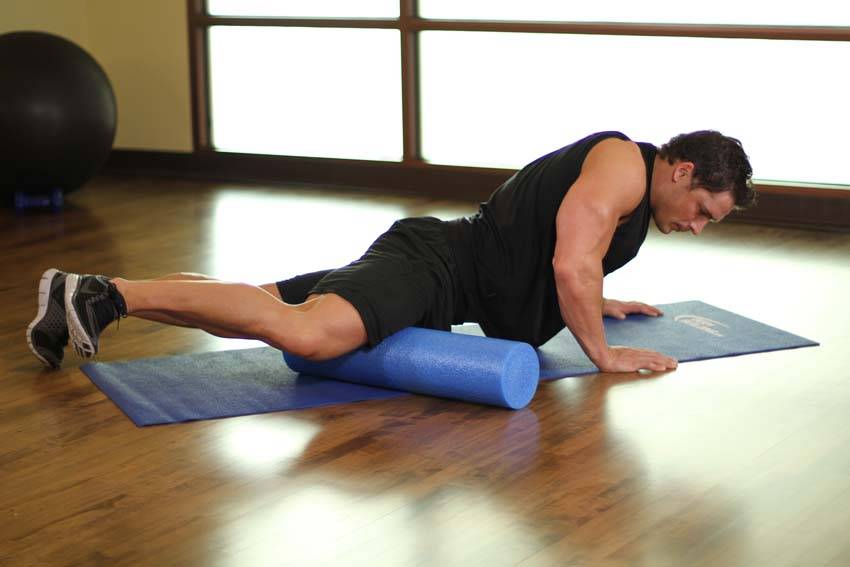
1. Adductor
99% match- Adductors
- Foam-roll
- Beginner
- Isolation
A good swap when you have a foam roller to work with, and it still works the adductors.
How to perform this exercise
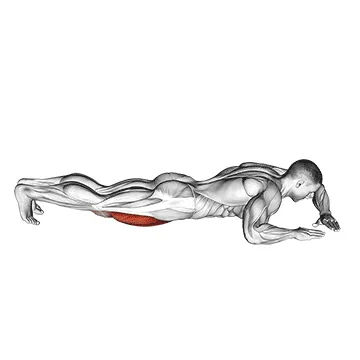
- Lie face down with one leg on a foam roll.
- Rotate the leg so that the foam roll contacts against your inner thigh. Shift as much weight onto the foam roll as can be tolerated.
- While trying to relax the muscles if the inner thigh, roll over the foam between your hip and knee, holding points of tension for 10-30 seconds. Repeat with the other leg.
Sets and reps: Hold for 20 to 30 seconds on each side, 3 sets.
Why this matches
- Primary muscle: adductors, the same as the Side Lying Groin Stretch
- Equipment: bodyweight only, the same as the Side Lying Groin Stretch
- Body position: lying face down, the same as the Side Lying Groin Stretch
- Adductors
- Other
- Beginner
- Isolation
A straight swap when you want to keep working the adductors.
How to perform this exercise
- Lie on your side with your legs straight and stacked on top of each other.
- Bend your bottom leg slightly for stability.
- Place your top foot on a stable surface, such as a bench or step.
- Keeping your top leg straight, slowly lower it towards the ground, feeling a stretch in your inner thigh.
- Hold the stretch for 20-30 seconds.
- Return to the starting position and repeat on the other side.
Sets and reps: Hold for 30 to 60 seconds and repeat 2 or 3 times.
Why this matches
- Movement: static stretch, the same as the Side Lying Groin Stretch
- Primary muscle: adductors, the same as the Side Lying Groin Stretch
- Equipment: bodyweight only, the same as the Side Lying Groin Stretch
3. Lying (Side) Quads Stretch
85% match- Quads
- Bodyweight
- Beginner
- Isolation
A looser match: it uses the same equipment, but it works the quads rather than the adductors.
How to perform this exercise
- Lie on your side with your legs straight.
- Bend your top leg and grab your ankle or foot with your hand.
- Gently pull your ankle or foot towards your glutes until you feel a stretch in your quads.
- Hold the stretch for 20-30 seconds.
- Release the stretch and repeat on the other side.
Sets and reps: Hold for 20 to 30 seconds on each side, 3 sets.
Why this matches
- Movement: static stretch, the same as the Side Lying Groin Stretch
- Primary muscle: quads, not adductors
- Equipment: bodyweight only, the same as the Side Lying Groin Stretch
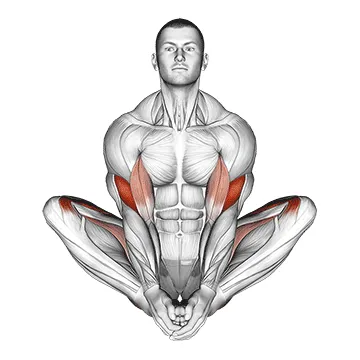
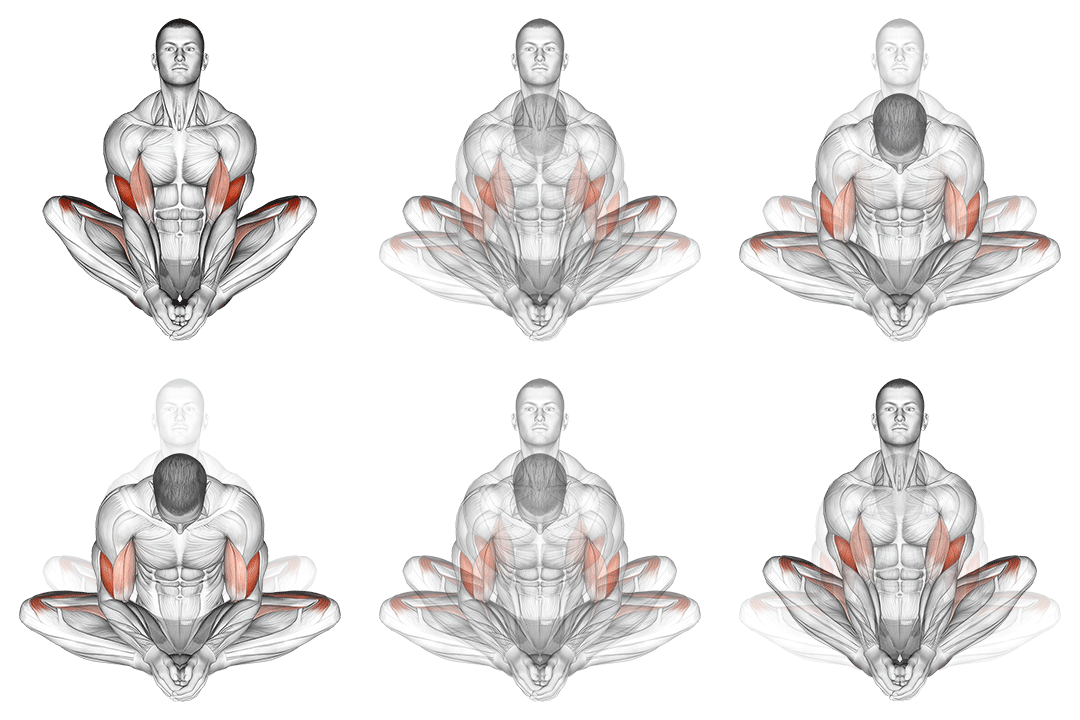
4. Butterfly Yoga Pose
84% match- Adductors
- Bodyweight
- Beginner
- Isolation
The same equipment, done seated instead.
How to perform this exercise
- Sit on the floor with your legs extended in front of you.
- Bend your knees and bring the soles of your feet together, allowing your knees to fall out to the sides.
- Hold onto your ankles or feet with your hands.
- Sit up tall and lengthen your spine.
- Gently press your knees down towards the floor, feeling a stretch in your inner thighs.
- Hold this position for a few breaths.
- To release, slowly bring your knees back up and extend your legs.
Sets and reps: Hold for 20 to 30 seconds, 3 sets.
Why this matches
- Primary muscle: adductors, the same as the Side Lying Groin Stretch
- Equipment: bodyweight only, the same as the Side Lying Groin Stretch
- Body position: seated, not lying face down
5. Groin And Back Stretch
81% match- Adductors
- Bodyweight
- Beginner
- Isolation
The same equipment, done standing instead.
How to perform this exercise
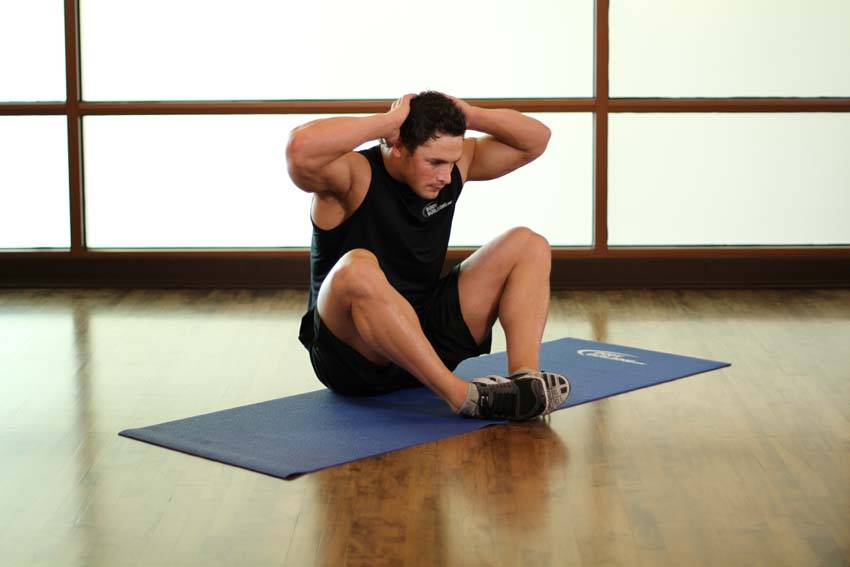
- Sit on the floor with your knees bent and feet together.
- Interlock your fingers behind your head. This will be your starting position.
- Curl downwards, bringing your elbows to the inside of your thighs. After a brief pause, return to the starting position with your head up and your back straight. Repeat for 10-20 repetitions.
Sets and reps: Hold for 30 to 60 seconds and repeat 2 or 3 times.
Why this matches
- Movement: static stretch, the same as the Side Lying Groin Stretch
- Primary muscle: adductors, the same as the Side Lying Groin Stretch
- Equipment: bodyweight only, the same as the Side Lying Groin Stretch
6. Lying Bent Leg Groin
81% match- Adductors
- Other
- Beginner
- Isolation
How to perform this exercise
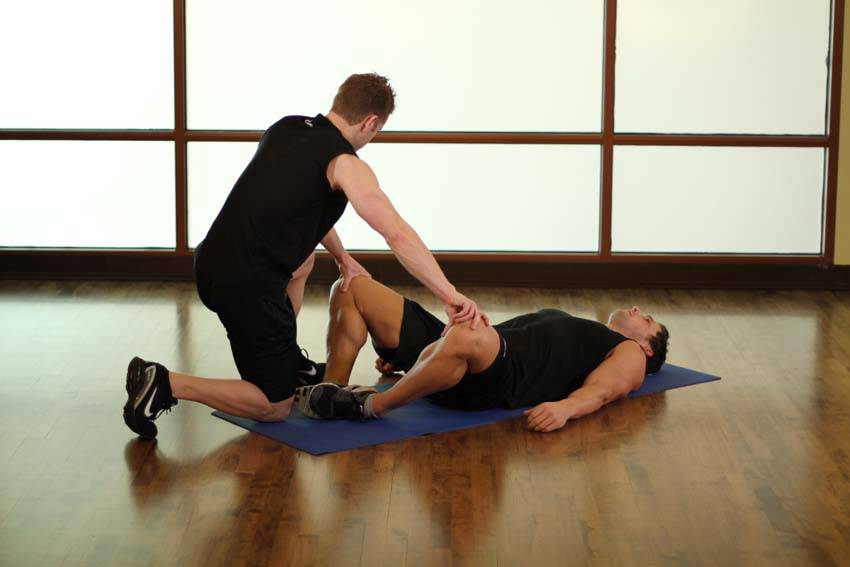
- Lie on your back with your knees bent and the soles of the feet pressed together. Have your partner hold your knees. This will be your starting position.
- Attempt to squeeze your knees together, while your partner prevents any movement from occurring.
- After 10-20 seconds, relax your muscles as your partner gently pushes your knees towards the floor. Be sure to inform your helper when the stretch is adequate to prevent injury or overstretching.
Sets and reps: Hold for 30 to 60 seconds and repeat 2 or 3 times.
Why this matches
- Primary muscle: adductors, the same as the Side Lying Groin Stretch
- Equipment: bodyweight only, the same as the Side Lying Groin Stretch
- Body position: lying on your back, not lying face down
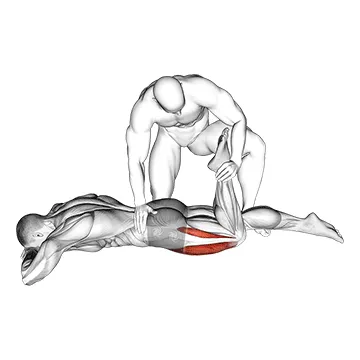
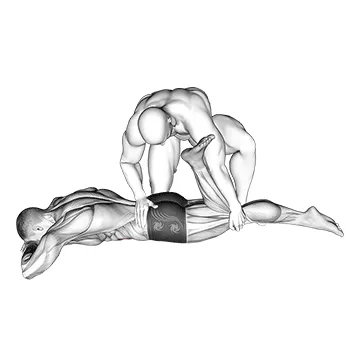
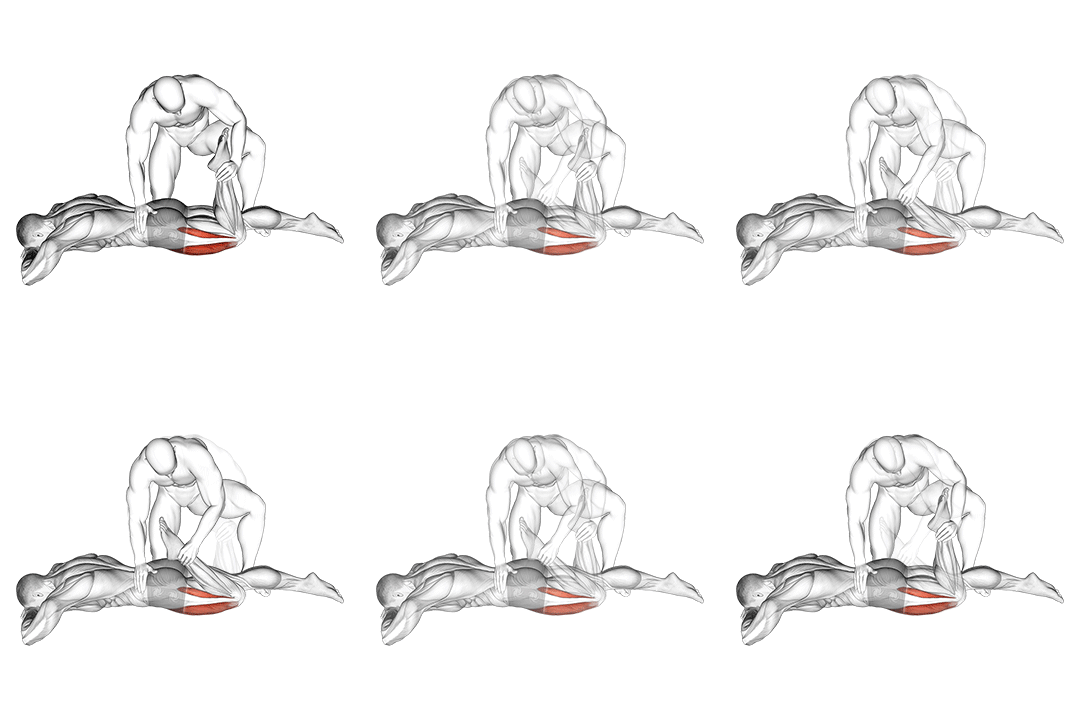
7. Lying Prone Quadriceps
76% match- Quads
- Bodyweight
- Beginner
- Isolation
How to perform this exercise
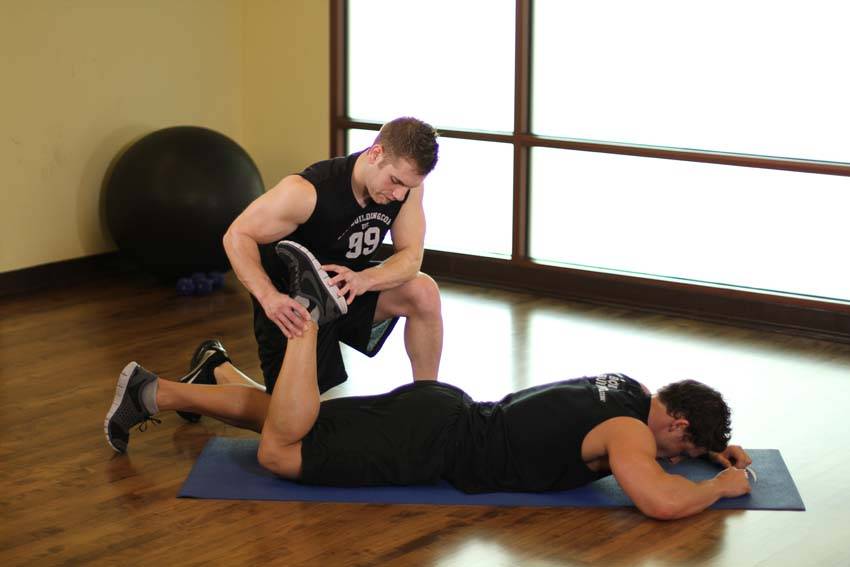
- Lay face down on the floor with your partner kneeling beside you. Flex one knee and raise that leg off the ground, attempting to touch your glutes with your foot. Your partner should hold the knee and ankle. This will be your starting position.
- Attempt to extend your knee while your partner prevents any actual movement.
- After 10-20 seconds, relax your muscles as your partner gently pushes the foot towards your glutes, further stretching the quadriceps and hip flexors.
- After 10-20 seconds, switch sides.
Sets and reps: Hold for 30 to 60 seconds and repeat 2 or 3 times.
Why this matches
- Primary muscle: quads, not adductors
- Equipment: bodyweight only, the same as the Side Lying Groin Stretch
- Body position: lying face down, the same as the Side Lying Groin Stretch
8. Quadriceps-smr
76% match- Quads
- Foam-roll
- Beginner
- Isolation
How to perform this exercise
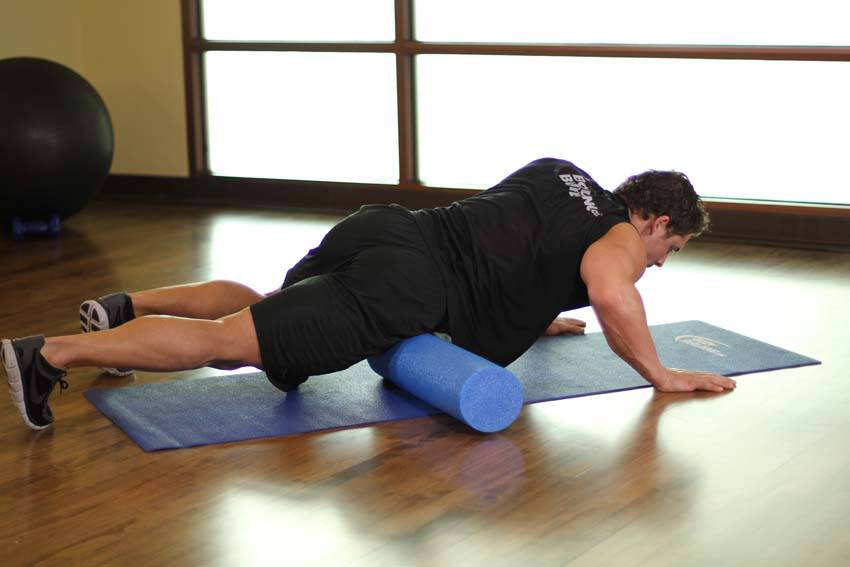
- Lay facedown on the floor with your weight supported by your hands or forearms. Place a foam roll underneath one leg on the quadriceps, and keep the foot off of the ground. Make sure to relax the leg as much as possible. This will be your starting position.
- Shifting as much weight onto the leg to be stretched as is tolerable, roll over the foam from above the knee to below the hip, holding points of tension for 10-30 seconds. Switch sides.
Sets and reps: Hold for 30 to 60 seconds and repeat 2 or 3 times.
Why this matches
- Primary muscle: quads, not adductors
- Equipment: bodyweight only, the same as the Side Lying Groin Stretch
- Body position: lying face down, the same as the Side Lying Groin Stretch
- Quads
- Other
- Beginner
- Isolation
How to perform this exercise
- Lie face down on the ground with your legs extended.
- Bend your left knee and reach back with your left hand to grab your left foot or ankle.
- Gently pull your left foot towards your glutes, feeling a stretch in your left quad.
- Hold the stretch for 20-30 seconds, then release.
- Repeat with your right leg.
Sets and reps: Hold for 30 to 60 seconds and repeat 2 or 3 times.
Why this matches
- Movement: static stretch, the same as the Side Lying Groin Stretch
- Primary muscle: quads, not adductors
- Equipment: bodyweight only, the same as the Side Lying Groin Stretch
- Body position: lying face down, the same as the Side Lying Groin Stretch
- Quads
- Other
- Beginner
- Isolation
How to perform this exercise
- Lie face down on the ground with your legs straight.
- Bend your right knee and reach back with your right hand to grab your right foot or ankle.
- Gently pull your right foot or ankle towards your glutes, feeling a stretch in the front of your right thigh.
- Hold the stretch for 20-30 seconds.
- Release and repeat on the other side.
Sets and reps: Hold for 30 to 60 seconds and repeat 2 or 3 times.
Why this matches
- Movement: static stretch, the same as the Side Lying Groin Stretch
- Primary muscle: quads, not adductors
- Equipment: bodyweight only, the same as the Side Lying Groin Stretch
- Body position: lying face down, the same as the Side Lying Groin Stretch
Why You Might Need a Side Lying Groin Stretch Alternative
You might substitute the side-lying groin stretch because of hip pain, recent surgery, shoulder or neck issues that make side-lying uncomfortable, or because you need a stronger stimulus. Some people need an active, loaded option for strength (Copenhagen adduction) rather than a passive stretch. Others need a bilateral seated or standing position for balance or accessibility. Use alternatives that protect injured joints, allow gradual loading of the adductors, and preserve hip abduction range. Cue: keep the pelvis square and avoid excessive lumbar extension to ensure pull is felt through the inner thigh muscles rather than the low back.
How to Choose the Right Side Lying Groin Stretch Substitute
Choose based on your goal: mobility, pain relief, or strength. For passive lengthening pick seated butterfly or supine banded adductor stretch and cue knees toward the floor to isolate the adductors. For progressive strengthening pick Copenhagen adduction or lateral lunges and emphasize slow eccentric control to increase adductor tension. Consider range-of-motion limits, unilateral weaknesses, and available equipment (band or bench). Monitor muscle activation: you should feel tension across the adductor longus and magnus, not sharp joint pain.
Side Lying Groin Stretch FAQ
What muscles does Side Lying Groin Stretch work?
The stretch primarily lengthens the adductor group, adductor longus, brevis, and magnus, with secondary stretch of gracilis and pectineus. Biomechanically it increases hip abduction while the knee position alters which adductors are emphasized; extend the knee to stress the longus and gracilis more.
What is the best bodyweight alternative to Side Lying Groin Stretch?
For a pure bodyweight stretch, the seated butterfly is the best single alternative: sit tall, press the soles together, and use elbows on knees to lower them toward the floor to load the adductors. For a bodyweight strengthening alternative, use the Copenhagen adduction and cue a rigid plank line while squeezing the top leg to activate the adductors eccentrically and concentrically.
Can I build muscle without doing Side Lying Groin Stretch?
Yes. Building adductor strength requires progressive loading through exercises like Copenhagen adduction, lateral lunges, and resisted band adduction rather than passive stretching. Focus on controlled eccentric tempo and increasing time under tension to drive hypertrophy in the adductors.
Find Alternatives for Any Exercise
Search the exercise database and filter the ranked substitutes by the equipment you own.
Similarity scores compare exercise metadata such as movement pattern, muscles, equipment and body position. They are not a safety rating or a check that you own the equipment. Learn about our methodology