

10 Best Band Wrist Curl Alternatives
The Band Wrist Curl is done seated with a band. Ranked closest by our scoring: the Modified Push Up To Lower Arms.
Updated Ranked by our 12-factor similarity model How it works
Original Exercise: Band Wrist Curl
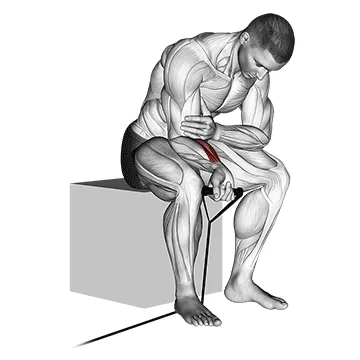
- Primary muscle
- Forearms
- Equipment
- Band
- Difficulty
- Beginner
- Type
- Isolation
Secondary muscles: Biceps, Triceps
How to perform Band Wrist Curl
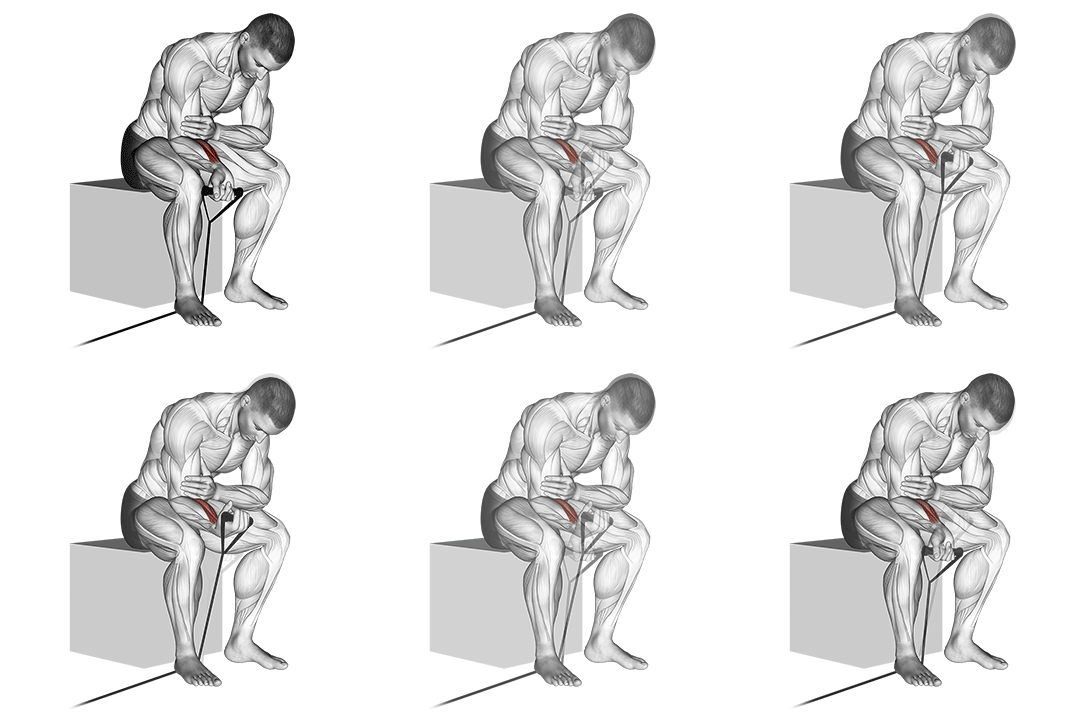
- Sit on a bench or chair with your feet flat on the ground.
- Hold the band with both hands, palms facing up, and rest your forearms on your thighs.
- Slowly curl your wrists upward, squeezing your forearms.
- Pause for a moment at the top, then slowly lower your wrists back down to the starting position.
- Repeat for the desired number of repetitions.
Ranked Band Wrist Curl Alternatives
10 substitutes, ranked by how closely each one matches the Band Wrist Curl on movement pattern, muscles worked, equipment and body position. The higher the score, the less you change. Open "How to perform this exercise" on a card for the steps; every card title links to that exercise's own alternatives page.
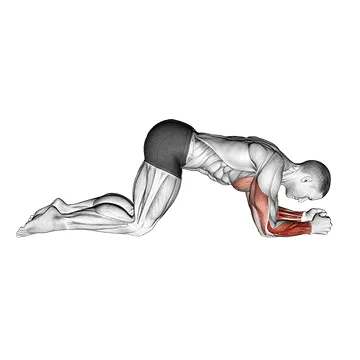
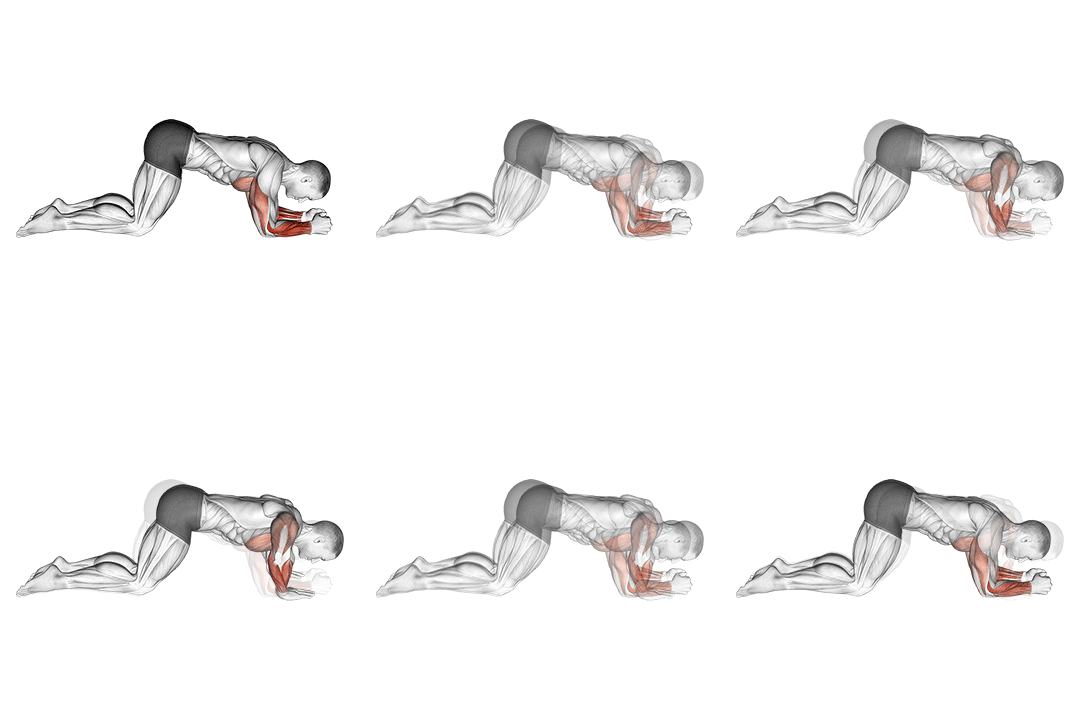
Best match 1. Modified Push Up To Lower Arms
36% match- Forearms
- Bodyweight
- Beginner
- Compound
Use this when you have nothing to train with, because it works the forearms with bodyweight alone.
How to perform this exercise
- Start in a push-up position with your hands directly under your shoulders and your body in a straight line.
- Lower your body down towards the ground by bending your elbows, keeping them close to your sides.
- Once your elbows are at a 90-degree angle, lower your forearms to the ground, keeping your elbows directly under your shoulders.
- Pause for a moment, then push through your palms to lift your forearms back up to the starting position.
- Repeat for the desired number of repetitions.
Sets and reps: 3 sets of 8 to 12 reps, and add reps before you add load.
Why this matches
- Primary muscle: forearms, the same as the Band Wrist Curl
- Equipment: bodyweight only, not a band
- Body position: kneeling, not seated
- Balance: harder to stay steady on than the Band Wrist Curl
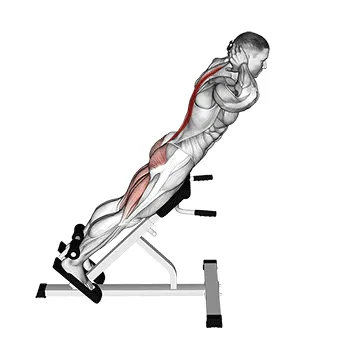
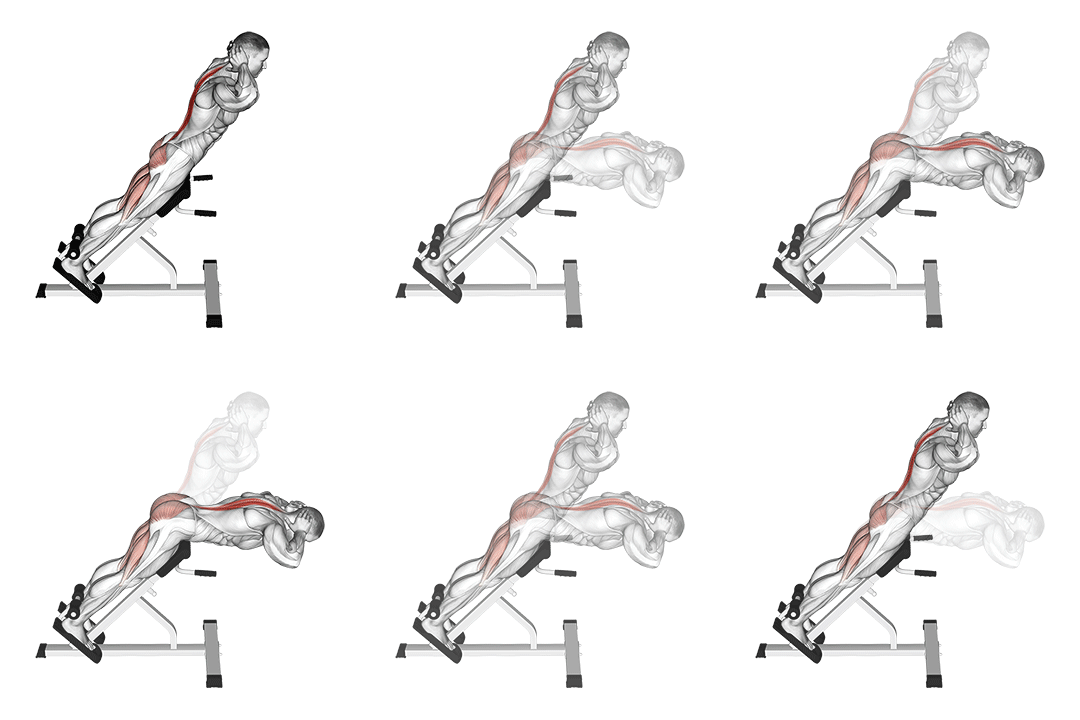
2. Hyperextension
33% match- Spine
- Bodyweight
- Intermediate
- Compound
A looser match: it works the spinal erectors rather than the forearms.
How to perform this exercise
- Adjust the hyperextension bench so that your upper thighs are resting on the pad and your feet are secured.
- Cross your arms over your chest or place your hands behind your head.
- Lower your upper body towards the ground while keeping your back straight.
- Pause for a moment at the bottom, then raise your upper body back up until it is in line with your legs.
- Repeat for the desired number of repetitions.
Sets and reps: 3 or 4 sets of 6 to 10 reps.
Why this matches
- Primary muscle: spine, not forearms
- Equipment: bodyweight only, not a band
- Body position: lying face down, not seated
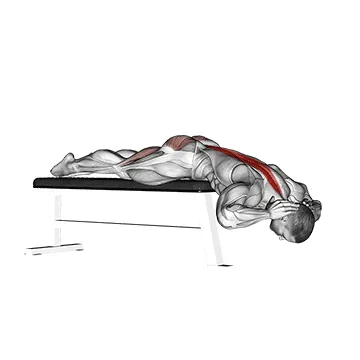
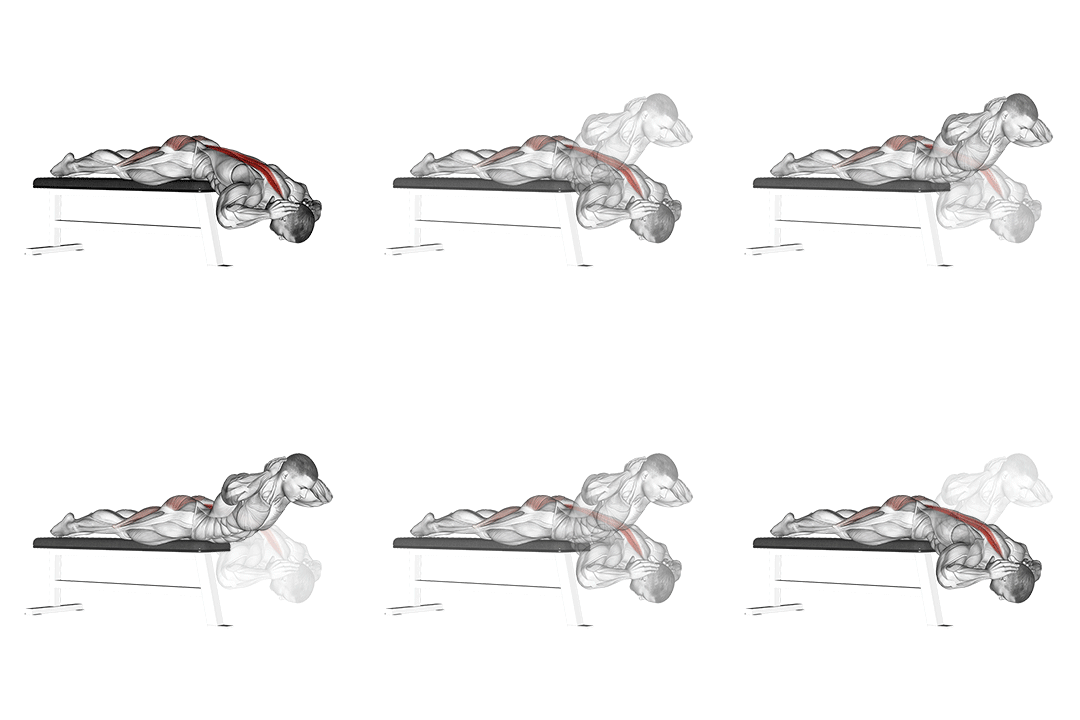
3. Hyperextension (On Bench)
33% match- Spine
- Bodyweight
- Intermediate
- Compound
How to perform this exercise
- Adjust the hyperextension bench so that your hips are resting comfortably on the pad and your feet are secured.
- Cross your arms over your chest or place your hands behind your head.
- Slowly lower your upper body towards the ground while keeping your back straight.
- Pause for a moment at the bottom, then raise your upper body back up until it is in line with your legs.
- Repeat for the desired number of repetitions.
Sets and reps: 3 or 4 sets of 6 to 10 reps.
Why this matches
- Primary muscle: spine, not forearms
- Equipment: bodyweight only, not a band
- Body position: lying face down, not seated
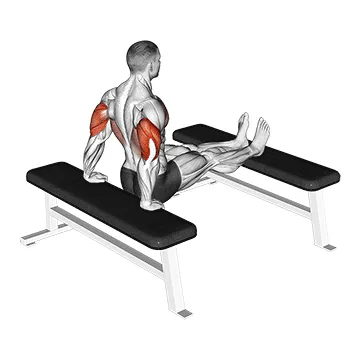
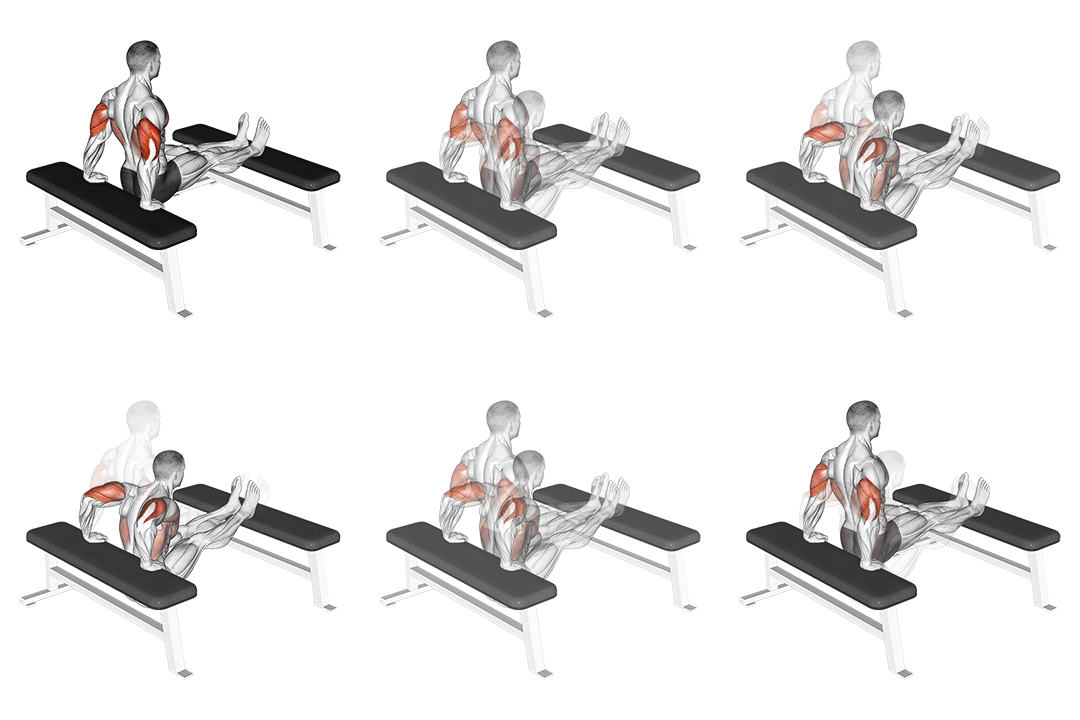
4. Triceps Dip (Bench Leg)
31% match- Triceps
- Bodyweight
- Intermediate
- Compound
A looser match: it works the triceps rather than the forearms.
How to perform this exercise
- Sit on the edge of a bench with your hands gripping the edge, fingers pointing forward.
- Walk your feet forward, sliding your butt off the bench, and straighten your arms.
- Bend your elbows and lower your body towards the ground, keeping your back close to the bench.
- Push through your palms to straighten your arms and return to the starting position.
- Repeat for the desired number of repetitions.
Sets and reps: 3 or 4 sets of 6 to 10 reps.
Why this matches
- Primary muscle: triceps, not forearms
- Equipment: bodyweight only, not a band
- Body position: seated, the same as the Band Wrist Curl
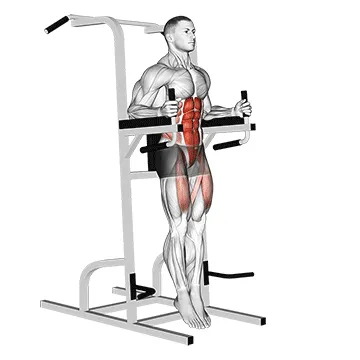
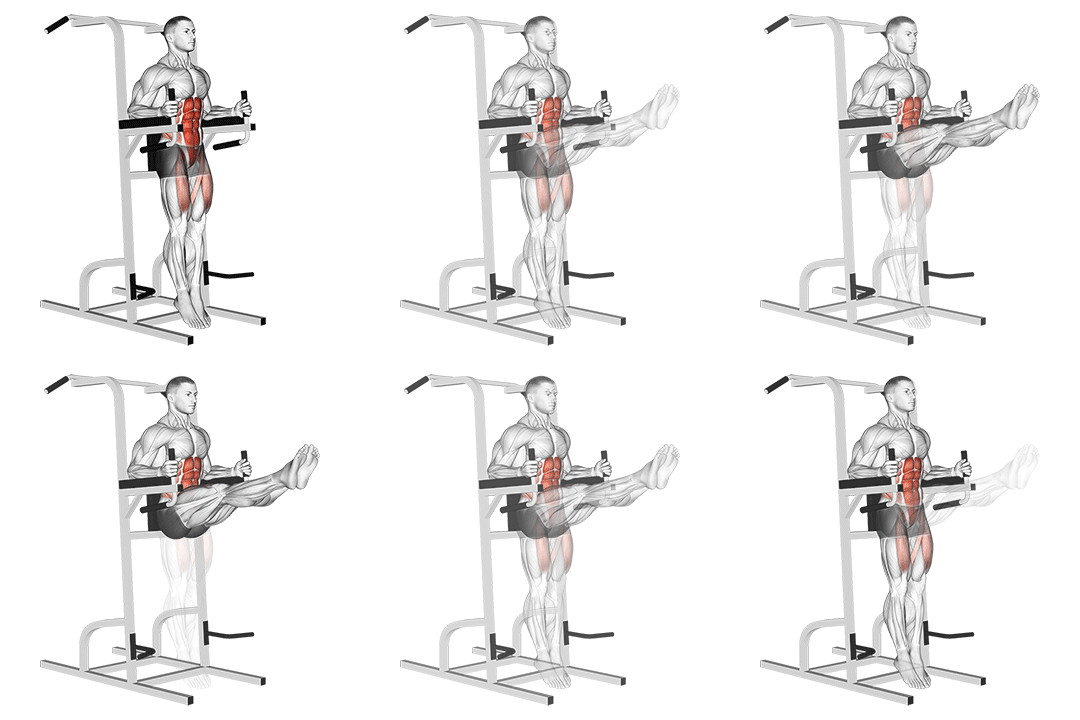
5. Captains Chair Straight Leg Raise
31% match- Abs
- Bodyweight
- Intermediate
- Compound
A looser match: it works the abs rather than the forearms.
How to perform this exercise
- Sit on the captain's chair with your back against the backrest and your forearms resting on the arm pads.
- Keep your upper body stable and your back straight.
- Engage your abs and lift your legs up in front of you, keeping them straight.
- Continue lifting until your legs are parallel to the ground or as high as you can comfortably go.
- Pause for a moment at the top, then slowly lower your legs back down to the starting position.
- Repeat for the desired number of repetitions.
Sets and reps: 3 or 4 sets of 6 to 10 reps.
Why this matches
- Primary muscle: abs, not forearms
- Equipment: bodyweight only, not a band
- Body position: hanging, not seated
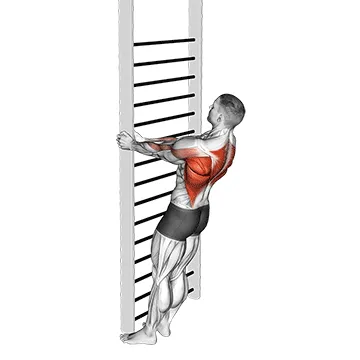
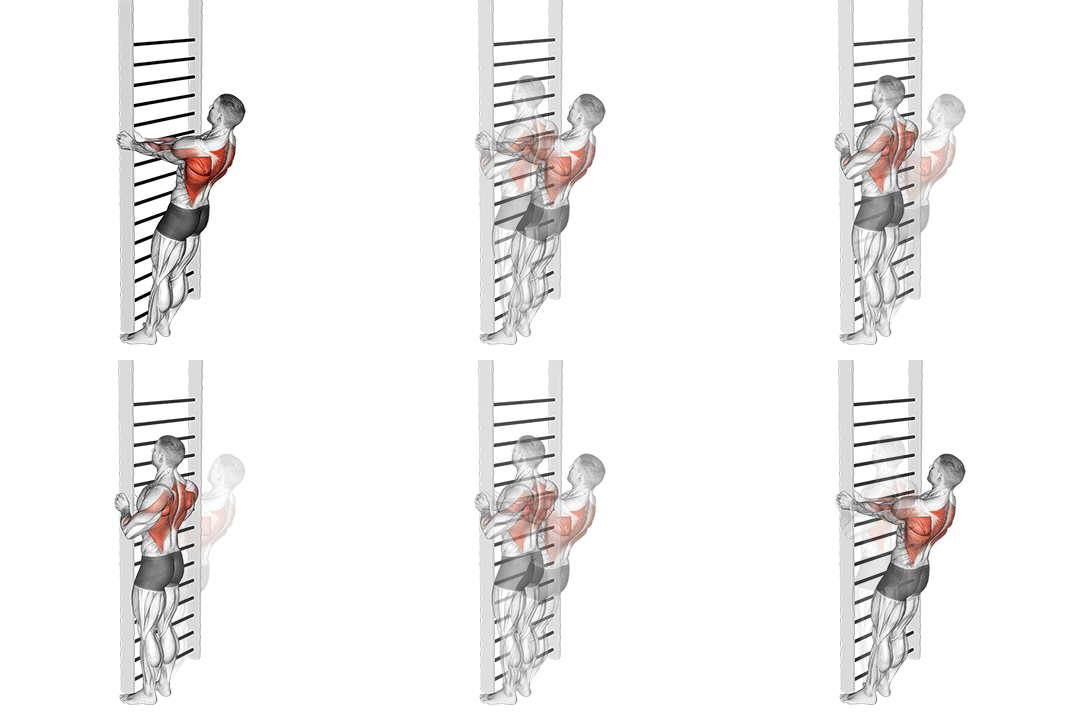
- Lats
- Bodyweight
- Beginner
- Compound
A looser match: it works the lats rather than the forearms.
How to perform this exercise
- Stand with your feet shoulder-width apart and knees slightly bent.
- Bend forward at the waist, keeping your back straight and your core engaged.
- Extend your arms straight in front of you, gripping the bar or handles with a close grip.
- Pull the bar or handles towards your body, squeezing your shoulder blades together.
- Pause for a moment at the top of the movement, then slowly release and return to the starting position.
- Repeat for the desired number of repetitions.
Sets and reps: 3 sets of 8 to 12 reps, and add reps before you add load.
Why this matches
- Primary muscle: lats, not forearms
- Equipment: bodyweight only, not a band
- Body position: standing, not seated
- Balance: harder to stay steady on than the Band Wrist Curl
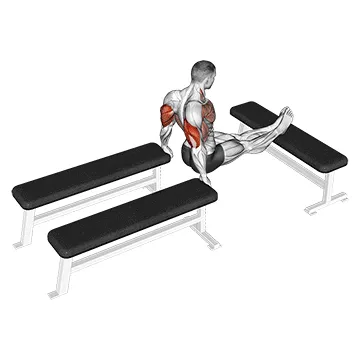
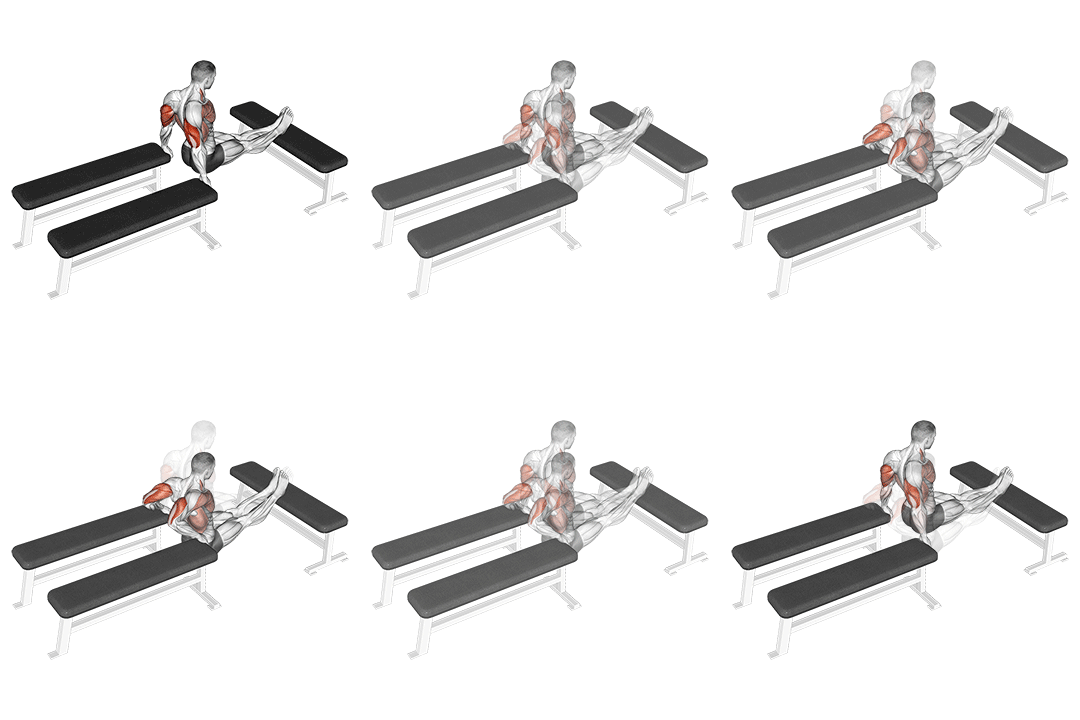
7. Three Bench Dip
31% match- Triceps
- Bodyweight
- Intermediate
- Compound
How to perform this exercise
- Sit on a bench with your hands gripping the edge, fingers pointing forward.
- Slide your butt off the bench, supporting your weight with your hands.
- Bend your elbows and lower your body until your upper arms are parallel to the ground.
- Push yourself back up to the starting position.
- Repeat for the desired number of repetitions.
Sets and reps: 3 or 4 sets of 6 to 10 reps.
Why this matches
- Primary muscle: triceps, not forearms
- Equipment: bodyweight only, not a band
- Body position: seated, the same as the Band Wrist Curl
8. Kipping Muscle Up
30% match- Lats
- Bodyweight
- Advanced
- Compound
How to perform this exercise
- Start by hanging from a pull-up bar with an overhand grip, hands slightly wider than shoulder-width apart.
- Engage your core and use a swinging motion to generate momentum.
- As you swing forward, pull your chest towards the bar, using your lats and biceps to initiate the movement.
- Continue the upward motion until your chest reaches the bar, then transition into a dip position by pushing down on the bar and extending your arms.
- Lower yourself back down to the starting position by bending your arms and controlling the descent.
- Repeat for the desired number of repetitions.
Sets and reps: 3 or 4 sets of 6 to 10 reps.
Why this matches
- Primary muscle: lats, not forearms
- Equipment: bodyweight only, not a band
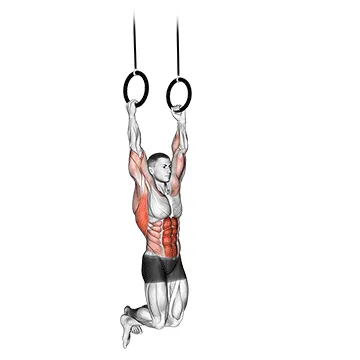
- Body position: hanging, not seated
- Balance: harder to stay steady on than the Band Wrist Curl
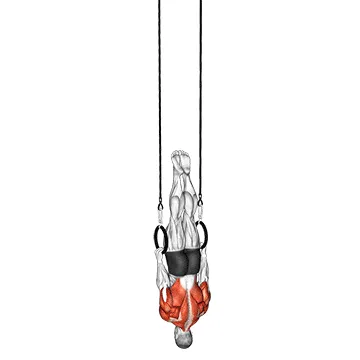
9. Elevator
30% match- Upper Back
- Bodyweight
- Intermediate
- Compound
How to perform this exercise
- Stand with your feet shoulder-width apart and your knees slightly bent.
- Place your hands on your hips or cross them in front of your chest.
- Keeping your back straight, slowly bend forward at the waist, lowering your upper body towards the ground.
- Pause for a moment at the bottom, then slowly raise your upper body back up to the starting position.
- Repeat for the desired number of repetitions.
Sets and reps: 3 or 4 sets of 6 to 10 reps.
Why this matches
- Primary muscle: upper back, not forearms
- Equipment: bodyweight only, not a band
- Body position: standing, not seated
- Balance: harder to stay steady on than the Band Wrist Curl
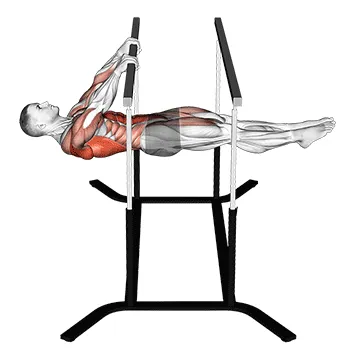
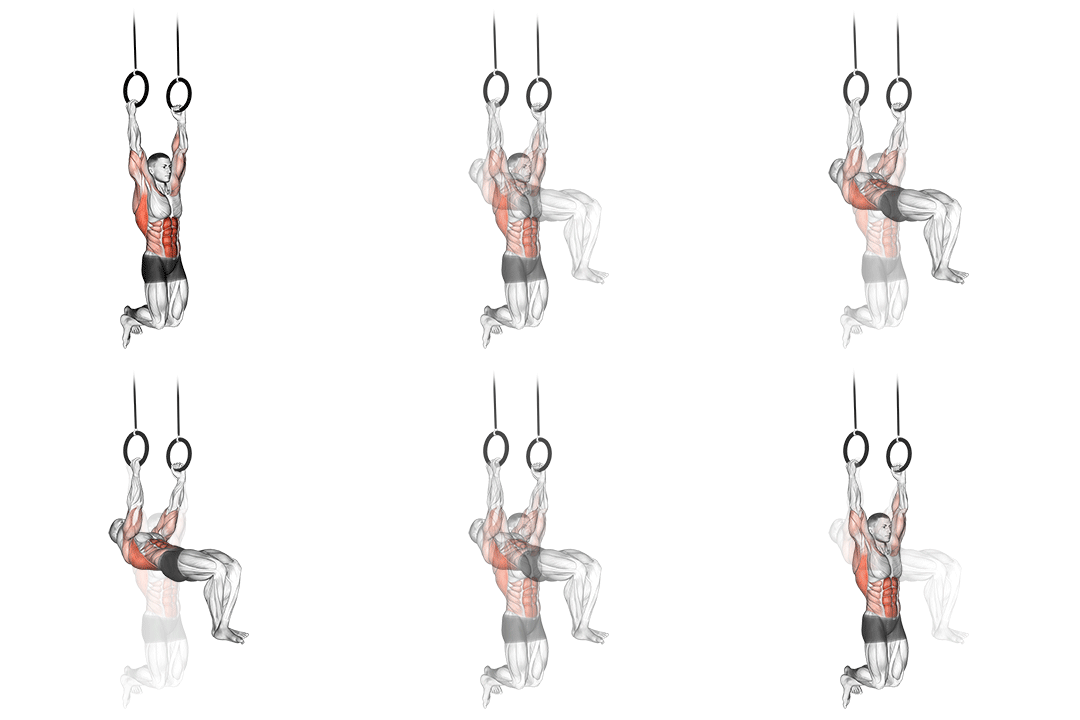
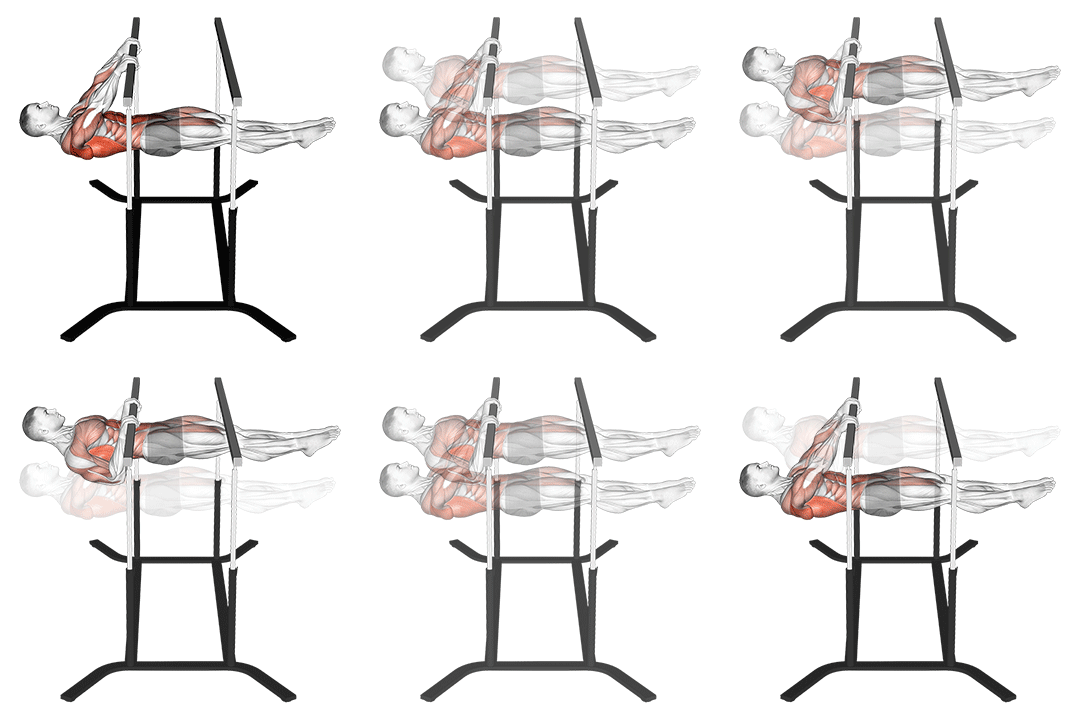
10. Front Lever Reps
30% match- Upper Back
- Bodyweight
- Advanced
- Compound
How to perform this exercise
- Hang from a pull-up bar with an overhand grip, palms facing away from you.
- Engage your core and pull your shoulder blades down and back.
- Keeping your body straight, lift your legs up until they are parallel to the ground.
- Hold this position for as long as you can, aiming for 10-20 seconds.
- Slowly lower your legs back down to the starting position.
- Repeat for the desired number of repetitions.
Sets and reps: 3 or 4 sets of 6 to 10 reps.
Why this matches
- Primary muscle: upper back, not forearms
- Equipment: bodyweight only, not a band
- Body position: hanging, not seated
- Balance: harder to stay steady on than the Band Wrist Curl
How to Choose the Right Band Wrist Curl Substitute
Select a substitute based on available equipment, desired emphasis (flexors vs extensors), and injury status. For pure isolation and high reps use seated dumbbell wrist curls with forearm supported; for grip strength choose farmer carries or towel hangs to load finger flexors and wrist stabilizers. If you need balanced forearm development include reverse curls to target wrist extensors. Technique cue: control the eccentric for 3–4 seconds and stop using shoulder movement so the wrist flexors do the work.
Band Wrist Curl FAQ
What muscles does Band Wrist Curl work?
Band wrist curls primarily target the wrist flexors, flexor carpi radialis, flexor carpi ulnaris and palmaris longus, while engaging the finger flexors for grip. Keep the forearm supported and move the wrist only to maximize flexor activation and limit biceps recruitment.
What is the best bodyweight alternative to Band Wrist Curl?
The best bodyweight option is the towel hang or fingertip hang, which stresses finger flexors and wrist stabilizers. Technique cue: hang from a bar with a towel looped over the bar, keep shoulders depressed and hold for timed sets to build grip and isometric wrist control.
Find Alternatives for Any Exercise
Search the exercise database and filter the ranked substitutes by the equipment you own.
Similarity scores compare exercise metadata such as movement pattern, muscles, equipment and body position. They are not a safety rating or a check that you own the equipment. Learn about our methodology