

10 Alternatives to Close Grip Military Press for Stronger Delts
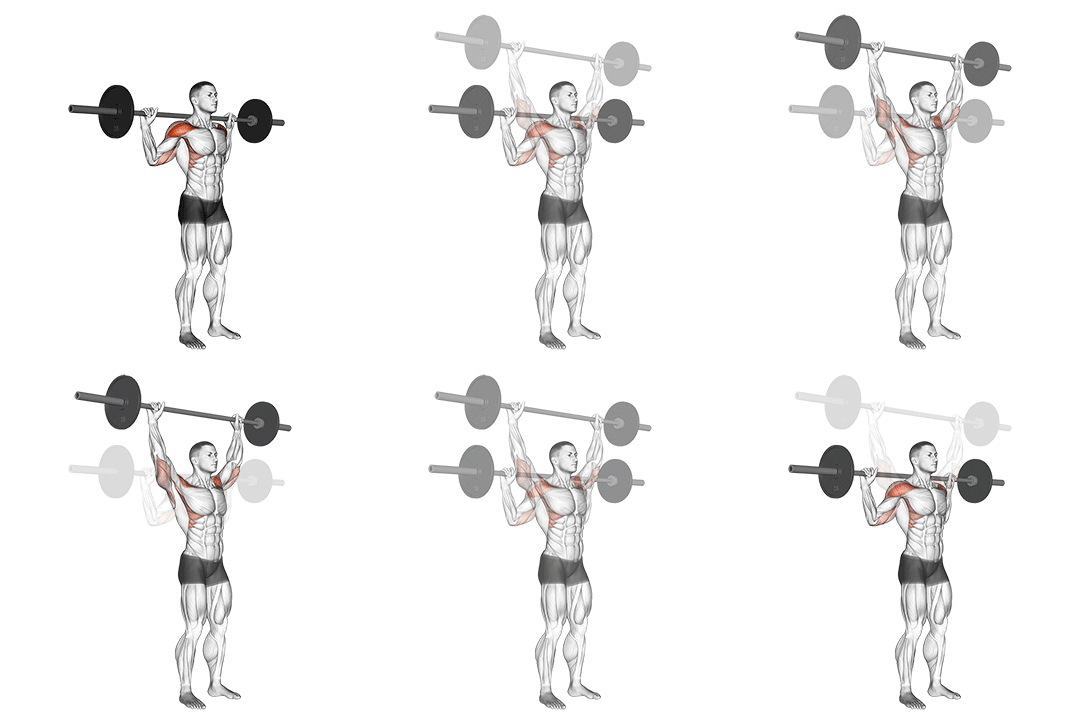
The Barbell Standing Close Grip Military Press is done standing with a barbell. Ranked closest by our scoring: the Anti-gravity Press, the Barbell Shoulder Press and the Kettlebell Two Arm Military Press. Four harder versions, among them the Standing Behind Neck Press and the Standing Bradford Press, are listed below as progressions rather than swaps.
Updated Ranked by our 12-factor similarity model How it works
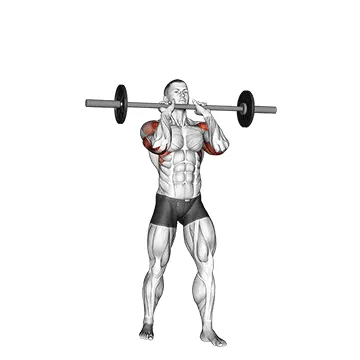
Original Exercise: Barbell Standing Close Grip Military Press
- Primary muscle
- Delts
- Equipment
- Barbell
- Difficulty
- Intermediate
- Type
- Compound
Secondary muscles: Triceps, Upper Back
How to perform Barbell Standing Close Grip Military Press
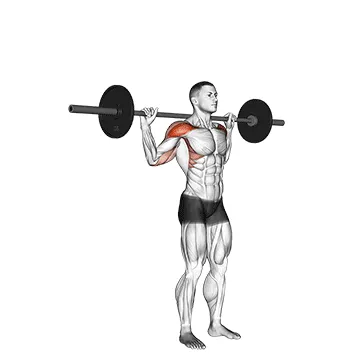
- Stand with your feet shoulder-width apart and hold the barbell with an overhand grip, hands slightly closer than shoulder-width apart.
- Lift the barbell to shoulder height, keeping your elbows close to your body.
- Press the barbell overhead, extending your arms fully.
- Lower the barbell back to shoulder height.
- Repeat for the desired number of repetitions.
Ranked Barbell Standing Close Grip Military Press Alternatives
10 substitutes, ranked by how closely each one matches the Barbell Standing Close Grip Military Press on movement pattern, muscles worked, equipment and body position. The higher the score, the less you change. Open "How to perform this exercise" on a card for the steps; every card title links to that exercise's own alternatives page. Harder versions are tagged as progressions and kept out of the top spot even when they score higher.
Best match 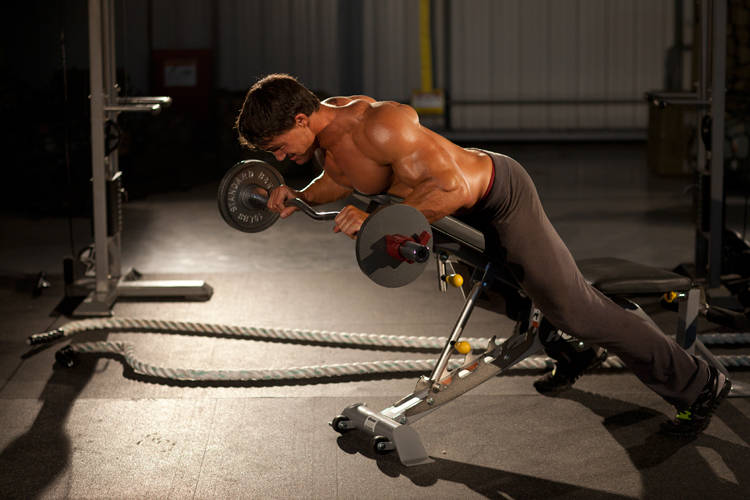
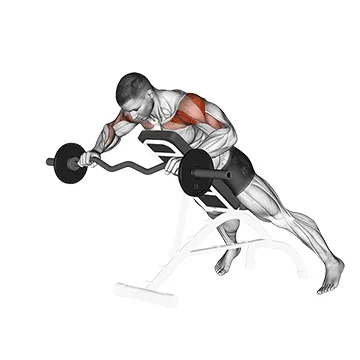
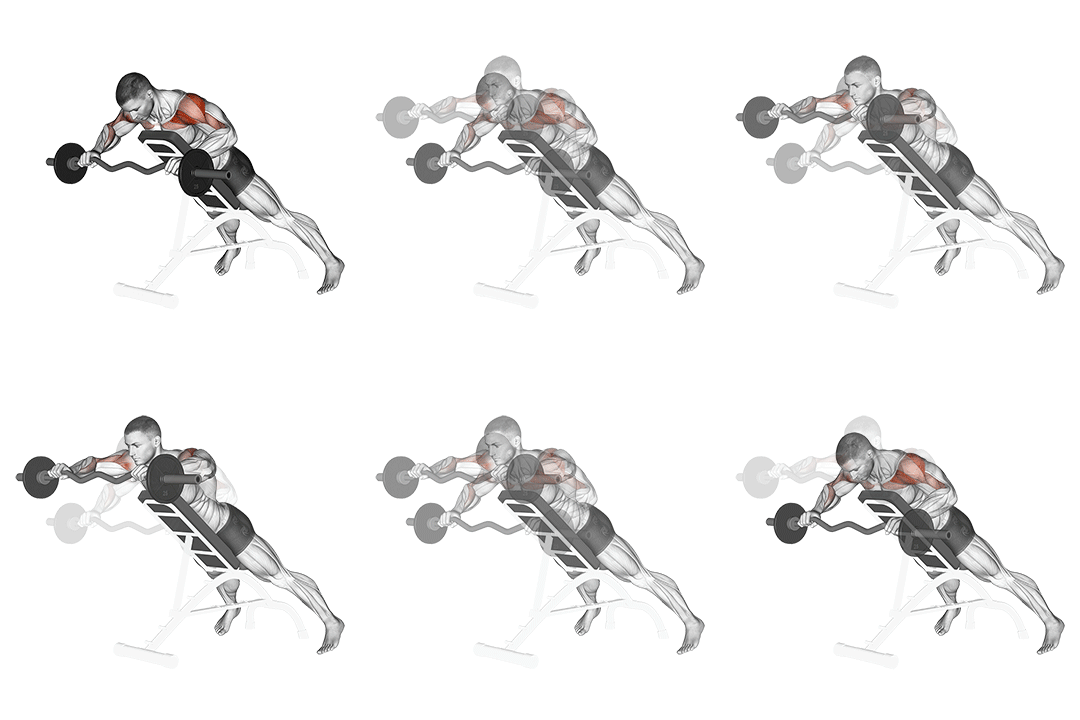
1. Anti-gravity Press
99% match- Delts
- Barbell
- Intermediate
- Compound
It uses the same equipment and still works the delts.
How to perform this exercise
- Place a bar on the ground behind the head of an incline bench.
- Lay on the bench face down. With a pronated grip, pick the barbell up from the floor. Flex the elbows, performing a reverse curl to bring the bar near your chest. This will be your starting position.
- To begin, press the barbell out in front of your head by extending your elbows. Keep your arms parallel to the ground throughout the movement.
- Return to the starting position and repeat to complete the set.
Sets and reps: 3 or 4 sets of 6 to 10 reps.
Why this matches
- Primary muscle: delts, the same as the Barbell Standing Close Grip Military Press
- Equipment: free weights, the same as the Barbell Standing Close Grip Military Press
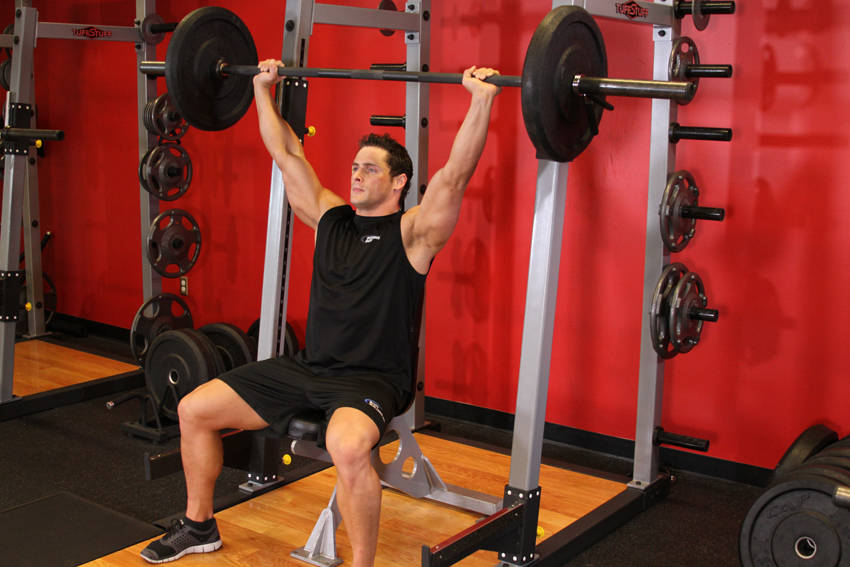
2. Barbell Shoulder Press
99% match- Delts
- Barbell
- Intermediate
- Compound
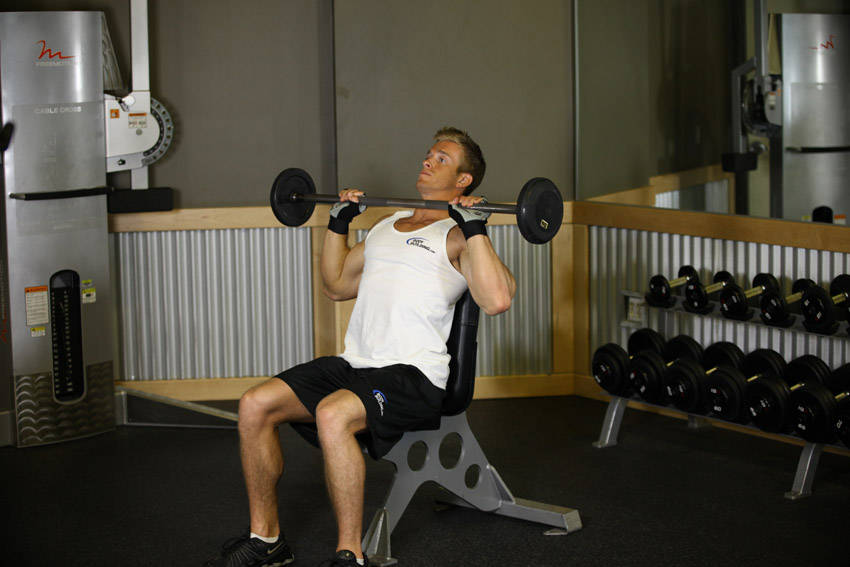
How to perform this exercise
- Sit on a bench with back support in a squat rack. Position a barbell at a height that is just above your head. Grab the barbell with a pronated grip (palms facing forward).
- Once you pick up the barbell with the correct grip width, lift the bar up over your head by locking your arms. Hold at about shoulder level and slightly in front of your head. This is your starting position.
- Lower the bar down to the shoulders slowly as you inhale.
- Lift the bar back up to the starting position as you exhale.
- Repeat for the recommended amount of repetitions.
Sets and reps: 3 or 4 sets of 6 to 10 reps.
Why this matches
- Movement: strict overhead press, the same as the Barbell Standing Close Grip Military Press
- Primary muscle: delts, the same as the Barbell Standing Close Grip Military Press
- Equipment: free weights, the same as the Barbell Standing Close Grip Military Press
- Body position: standing, the same as the Barbell Standing Close Grip Military Press
Progression
3. Standing Behind Neck Press
99% match- Delts
- Barbell
- Advanced
- Compound
Pick this when you want a harder version that still works the delts.
How to perform this exercise
- Stand with your feet shoulder-width apart and hold the barbell behind your neck with an overhand grip.
- Keep your back straight and core engaged.
- Press the barbell overhead by extending your arms, fully extending your elbows.
- Pause for a moment at the top, then slowly lower the barbell back down to the starting position.
- Repeat for the desired number of repetitions.
Sets and reps: 3 to 5 sets of 5 to 8 reps.
Why this matches
- Primary muscle: delts, the same as the Barbell Standing Close Grip Military Press
- Equipment: free weights, the same as the Barbell Standing Close Grip Military Press
- Body position: standing, the same as the Barbell Standing Close Grip Military Press
Progression
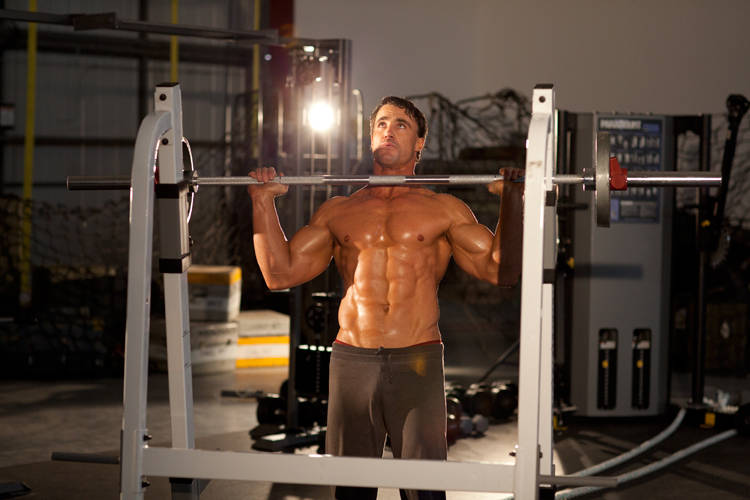
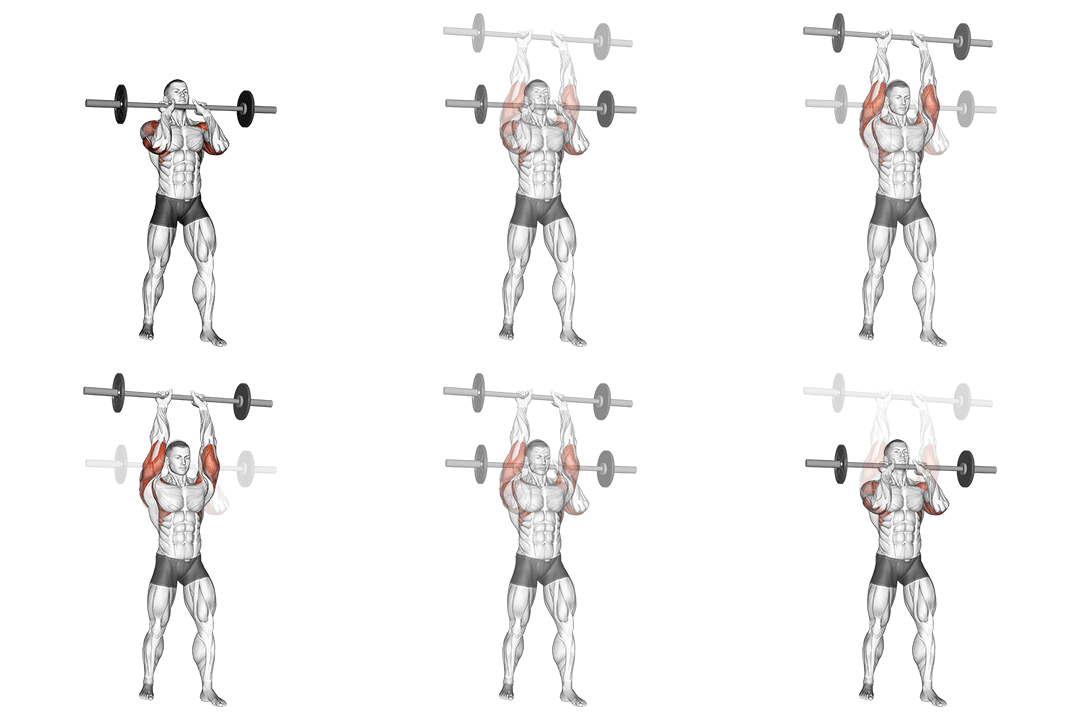
4. Standing Bradford Press
97% match- Delts
- Barbell
- Advanced
- Compound
How to perform this exercise
- Place a loaded bar at shoulder level in a rack. With a pronated grip at shoulder width, begin with the bar racked across the front of your shoulders. This is your starting position.
- Initiate the lift by extending the elbows to press the bar overhead. Avoid locking out the elbow as you move the weight behind your head.
- Lower the bar down to the back of the head until your elbow forms a right angle.
- Lift the bar back over your head by extending the elbows
- Lower the bar down to the starting position.
- Alternate in this manner until you complete the recommended amount of repetitions.
Sets and reps: 3 to 5 sets of 5 to 8 reps.
Why this matches
- Primary muscle: delts, the same as the Barbell Standing Close Grip Military Press
- Equipment: free weights, the same as the Barbell Standing Close Grip Military Press
- Body position: standing, the same as the Barbell Standing Close Grip Military Press
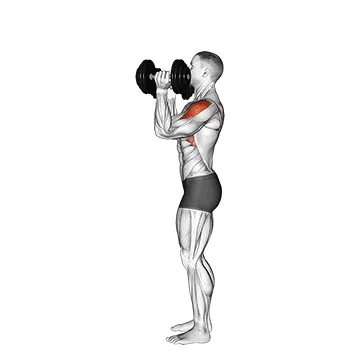
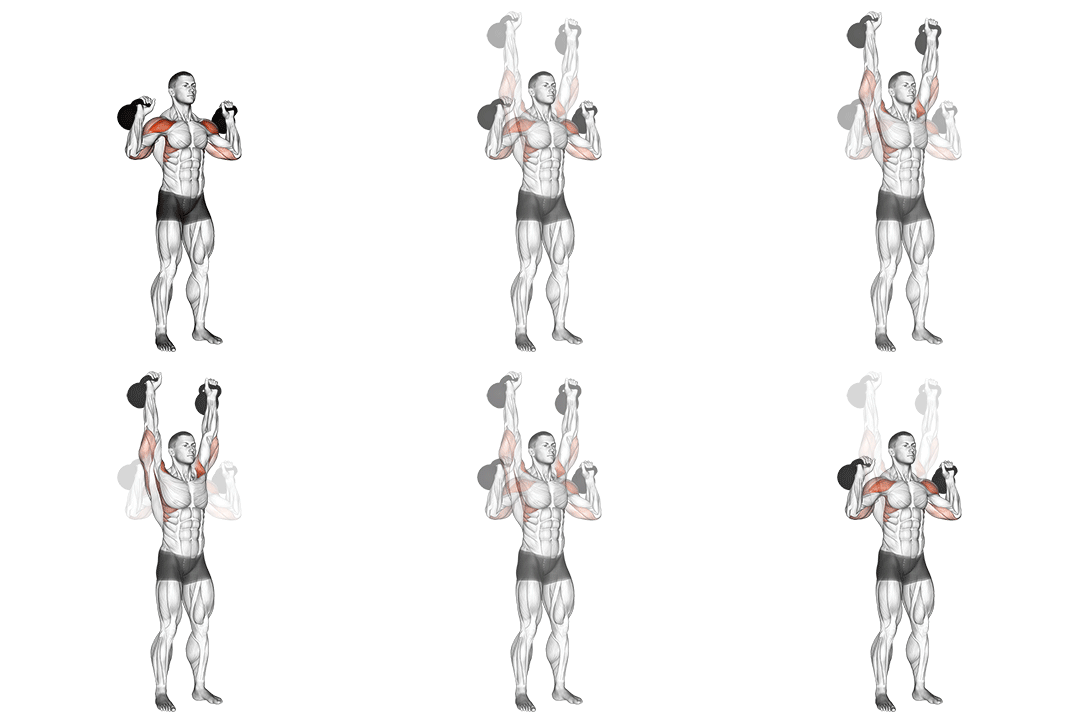
5. Kettlebell Two Arm Military Press
96% match- Delts
- Kettlebell
- Intermediate
- Compound
A good swap when you have a kettlebell to work with, and it still works the delts.
How to perform this exercise
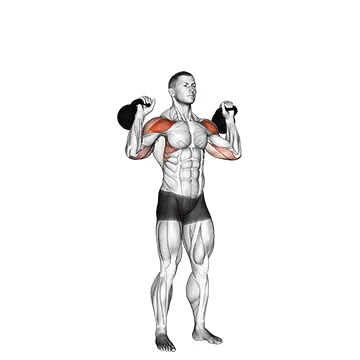
- Stand with your feet shoulder-width apart, holding a kettlebell in each hand at shoulder level with your palms facing forward.
- Engage your core and press the kettlebells overhead, fully extending your arms.
- Pause for a moment at the top, then slowly lower the kettlebells back to the starting position.
- Repeat for the desired number of repetitions.
Sets and reps: 3 or 4 sets of 6 to 10 reps.
Why this matches
- Movement: strict overhead press, the same as the Barbell Standing Close Grip Military Press
- Primary muscle: delts, the same as the Barbell Standing Close Grip Military Press
- Equipment: free weights, the same as the Barbell Standing Close Grip Military Press
- Body position: standing, the same as the Barbell Standing Close Grip Military Press
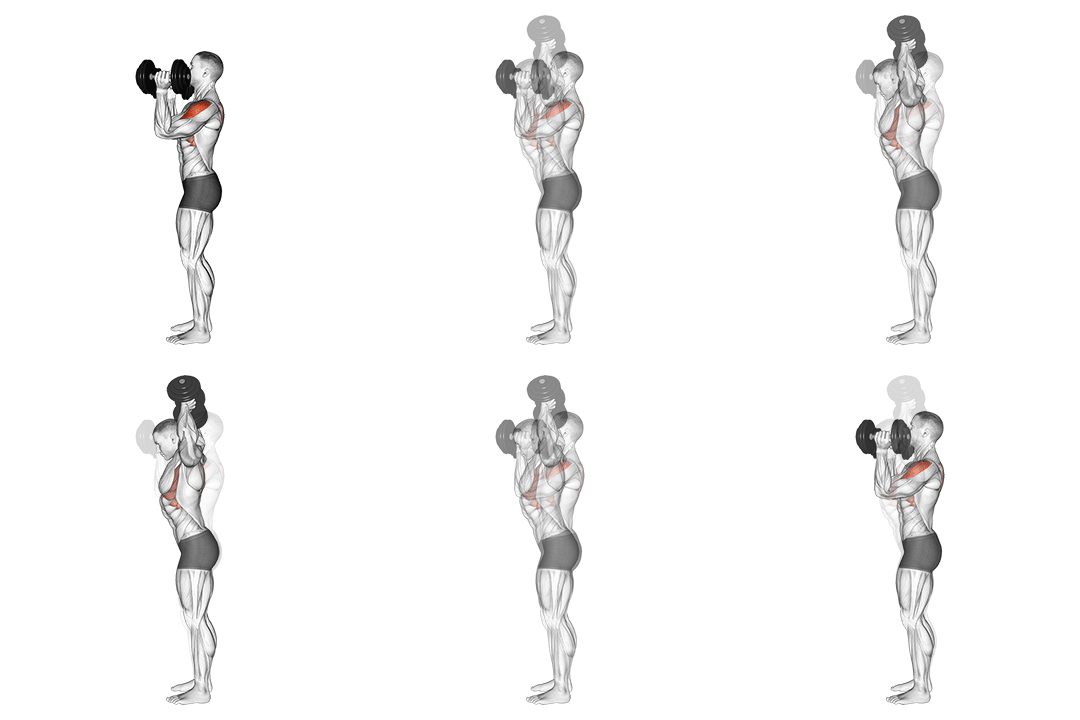
6. Dumbbell Scott Press
90% match- Delts
- Dumbbell
- Intermediate
- Compound
A good swap when you have dumbbells to work with, and it still works the delts.
How to perform this exercise
- Sit on a bench with a dumbbell in each hand, palms facing forward.
- Raise the dumbbells to shoulder height, with your elbows bent and palms facing forward.
- Press the dumbbells upward until your arms are fully extended.
- Pause for a moment at the top, then slowly lower the dumbbells back to the starting position.
- Repeat for the desired number of repetitions.
Sets and reps: 3 or 4 sets of 6 to 10 reps.
Why this matches
- Primary muscle: delts, the same as the Barbell Standing Close Grip Military Press
- Equipment: free weights, the same as the Barbell Standing Close Grip Military Press
- Body position: standing, the same as the Barbell Standing Close Grip Military Press
7. EZ Barbell Anti Gravity Press
90% match- Delts
- Ez-barbell
- Advanced
- Compound
A good swap when you have an EZ bar to work with, and it still works the delts.
How to perform this exercise
- Start by standing with your feet shoulder-width apart and holding the ez barbell with an overhand grip.
- Raise the barbell to shoulder height, keeping your elbows slightly bent and your palms facing forward.
- Press the barbell overhead, extending your arms fully.
- Lower the barbell back to shoulder height and repeat for the desired number of repetitions.
Sets and reps: 3 to 5 sets of 5 to 8 reps.
Why this matches
- Primary muscle: delts, the same as the Barbell Standing Close Grip Military Press
- Equipment: free weights, the same as the Barbell Standing Close Grip Military Press
- Body position: standing, the same as the Barbell Standing Close Grip Military Press
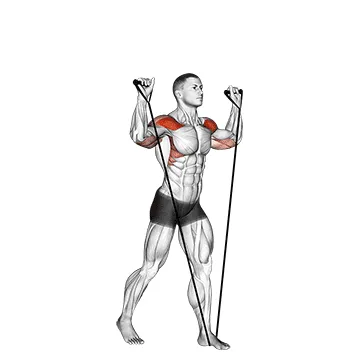
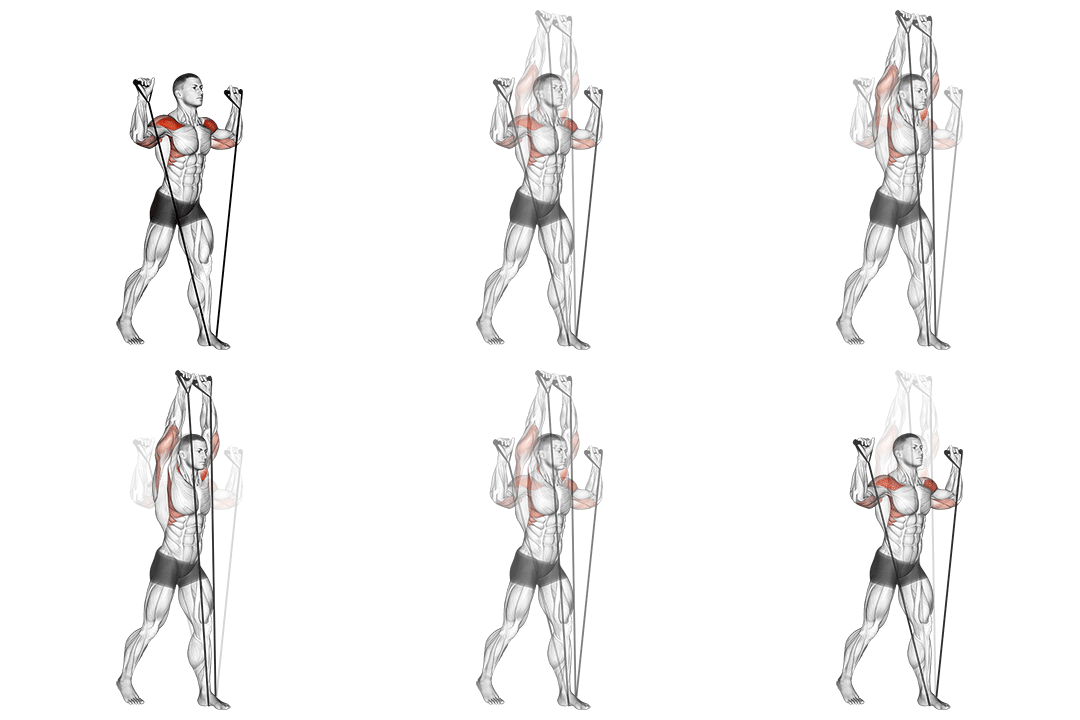
8. Band Shoulder Press
89% match- Delts
- Band
- Intermediate
- Compound
How to perform this exercise
- Stand with your feet shoulder-width apart and place the band under your feet.
- Hold the band with your palms facing forward and raise your hands to shoulder height, elbows bent.
- Press the band overhead, fully extending your arms.
- Pause for a moment at the top, then slowly lower the band back to shoulder height.
- Repeat for the desired number of repetitions.
Sets and reps: 3 or 4 sets of 6 to 10 reps.
Why this matches
- Movement: strict overhead press, the same as the Barbell Standing Close Grip Military Press
- Primary muscle: delts, the same as the Barbell Standing Close Grip Military Press
- Equipment: a band, not free weights
- Body position: standing, the same as the Barbell Standing Close Grip Military Press
Progression
9. Bradford/rocky Presses
89% match- Delts
- Barbell
- Advanced
- Compound
How to perform this exercise
- Sit on a Military Press Bench with a bar at shoulder level with a pronated grip (palms facing forward). Tip: Your grip should be wider than shoulder width and it should create a 90-degree angle between the forearm and the upper arm as the barbell goes down. This is your starting position.
- Once you pick up the barbell with the correct grip, lift the bar up over your head by locking your arms.
- Now lower the bar down to the back of the head slowly as you inhale.
- Lift the bar back up to the starting position as you exhale.
- Lower the bar down to the starting position slowly as you inhale. This is one repetition.
- Alternate in this manner until you complete the recommended amount of repetitions.
Sets and reps: 3 to 5 sets of 5 to 8 reps.
Why this matches
- Primary muscle: delts, the same as the Barbell Standing Close Grip Military Press
- Equipment: free weights, the same as the Barbell Standing Close Grip Military Press
- Body position: standing, the same as the Barbell Standing Close Grip Military Press
Progression
10. Clean And Press
89% match- Delts
- Barbell
- Advanced
- Compound
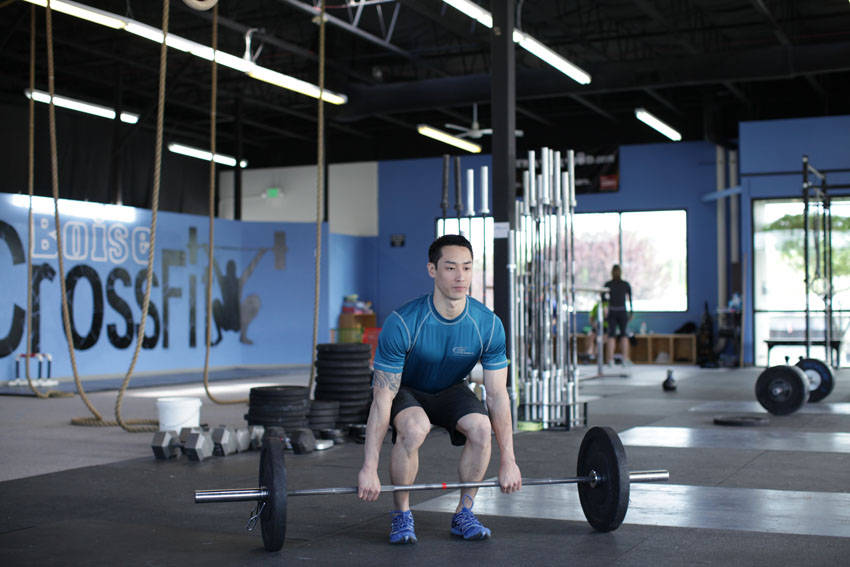
How to perform this exercise
- Assume a shoulder-width stance, with knees inside the arms. Now while keeping the back flat, bend at the knees and hips so that you can grab the bar with the arms fully extended and a pronated grip that is slightly wider than shoulder width. Point the elbows out to sides. The bar should be close to the shins. Position the shoulders over or slightly ahead of the bar. Establish a flat back posture. This will be your starting position.
- Begin to pull the bar by extending the knees. Move your hips forward and raise the shoulders at the same rate while keeping the angle of the back constant; continue to lift the bar straight up while keeping it close to your body.
- As the bar passes the knee, extend at the ankles, knees, and hips forcefully, similar to a jumping motion. As you do so, continue to guide the bar with your hands, shrugging your shoulders and using the momentum from your movement to pull the bar as high as possible. The bar should travel close to your body, and you should keep your elbows out.
- At maximum elevation, your feet should clear the floor and you should start to pull yourself under the bar. The mechanics of this could change slightly, depending on the weight used. You should descend into a squatting position as you pull yourself under the bar.
- As the bar hits terminal height, rotate your elbows around and under the bar. Rack the bar across the front of the shoulders while keeping the torso erect and flexing the hips and knees to absorb the weight of the bar.
- Stand to full height, holding the bar in the clean position.
- Without moving your feet, press the bar overhead as you exhale. Lower the bar under control .
Sets and reps: 3 to 5 sets of 5 to 8 reps.
Why this matches
- Primary muscle: delts, the same as the Barbell Standing Close Grip Military Press
- Equipment: free weights, the same as the Barbell Standing Close Grip Military Press
- Body position: standing, the same as the Barbell Standing Close Grip Military Press
Why You Might Need a Barbell Standing Close Grip Military Press Alternative
You may swap this lift because of shoulder pain, limited barbell access, mobility limits, or training priorities. The close narrow grip increases triceps contribution and shifts the humeral head forward, which can aggravate impingement. Choose alternatives that allow a neutral wrist, freer scapular motion, or a different vertical path. Cue: keep elbows slightly in front (~30 degrees) of the torso to reduce supraspinatus compression. For equipment or rehab needs, landmine or dumbbell pressing reduces internal rotation and lowers compressive load while still loading the deltoids and recruiting the rotator cuff for stability.
How to Choose the Right Barbell Standing Close Grip Military Press Substitute
Match the substitute to your goal, equipment, and shoulder mechanics. For strength, pick a heavy bilateral press (dumbbell or landmine) and load progressively; for hypertrophy, use higher-rep strict presses and controlled eccentrics. If you have shoulder pain, favor neutral grips and unilateral presses to reduce internal rotation and allow scapular motion. Cue: keep your core braced and tuck the ribs slightly while pressing so the delts, not the spine or pecs, take the primary load. Also consider stability demands, single-arm presses increase rotator cuff activation and core anti-rotation strength.
Barbell Standing Close Grip Military Press FAQ
What muscles does Barbell Standing Close Grip Military Press work?
The lift primarily targets the anterior and lateral deltoids while heavily recruiting the triceps for extension. It also engages the upper pecs, traps, rotator cuff for shoulder stabilization, and your core for upright posture; a narrow grip increases triceps involvement by shortening the deltoid moment arm.
Can I build muscle without doing Barbell Standing Close Grip Military Press?
Yes. You can build shoulder mass with other compound presses, unilateral dumbbell work, landmine presses, and targeted lateral raises. Use progressive overload, full range of motion, and controlled eccentrics, cue: pause at the bottom of each rep to maintain tension on the delts and ensure consistent muscle activation.
Find Alternatives for Any Exercise
Search the exercise database and filter the ranked substitutes by the equipment you own.
Similarity scores compare exercise metadata such as movement pattern, muscles, equipment and body position. They are not a safety rating or a check that you own the equipment. Learn about our methodology