

10 Best Bear Crawl Sled Drags Alternatives for Limited Equipment
If you can’t perform Bear Crawl Sled Drags, use sled pushes, front squats, walking lunges, Bulgarian split squats, or hill sprints as substitutes. Each alternative preserves quad-dominant knee-extension loading and core tension. Cue: drive through the mid‑foot, keep knees tracking over toes, and brace your core to maintain quad activation and spinal alignment.
Original Exercise: Bear Crawl Sled Drags
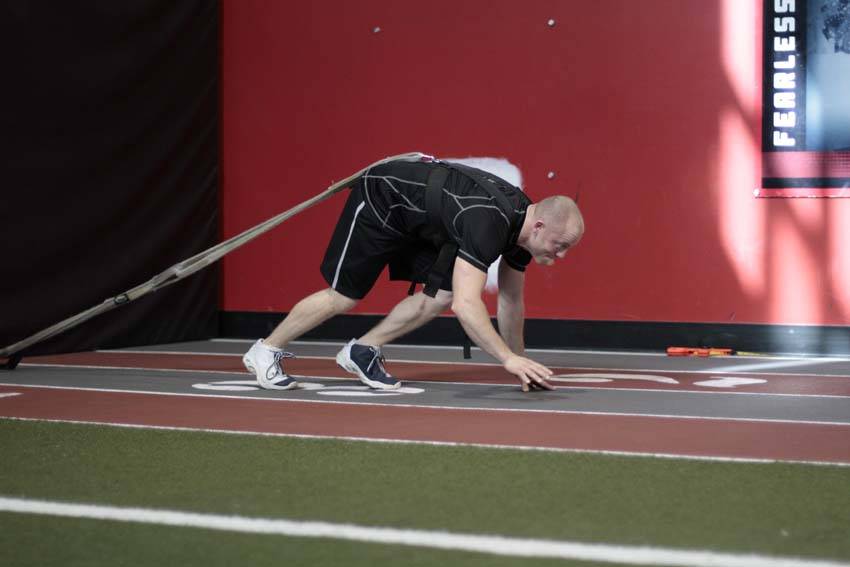
How to Perform Bear Crawl Sled Drags
- Wearing either a harness or a loose weight belt, attach the chain to the back so that you will be facing away from the sled. Bend down so that your hands are on the ground. Your back should be flat and knees bent. This is your starting position.
- Begin by driving with legs, alternating left and right. Use your hands to maintain balance and to help pull. Try to keep your back flat as you move over a given distance.
Pro Tips
- Category: Strongman
- Force: Push
- Movement type: Compound
Best Bear Crawl Sled Drags Alternatives
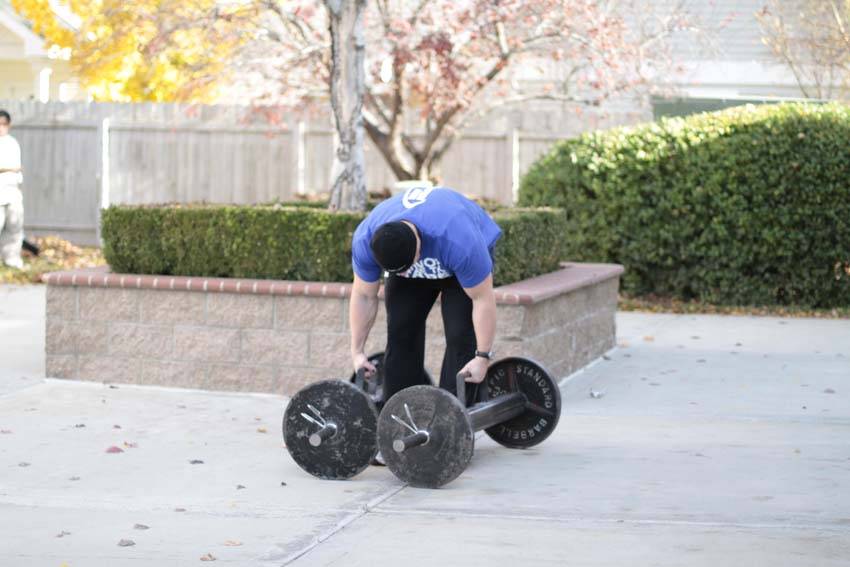
1. Farmer's Walk
64.8% MatchHow to perform this exercise
- There are various implements that can be used for the farmers walk. These can also be performed with heavy dumbbells or short bars if these implements aren't available. Begin by standing between the implements.
- After gripping the handles, lift them up by driving through your heels, keeping your back straight and your head up.
- Walk taking short, quick steps, and don't forget to breathe. Move for a given distance, typically 50-100 feet, as fast as possible.
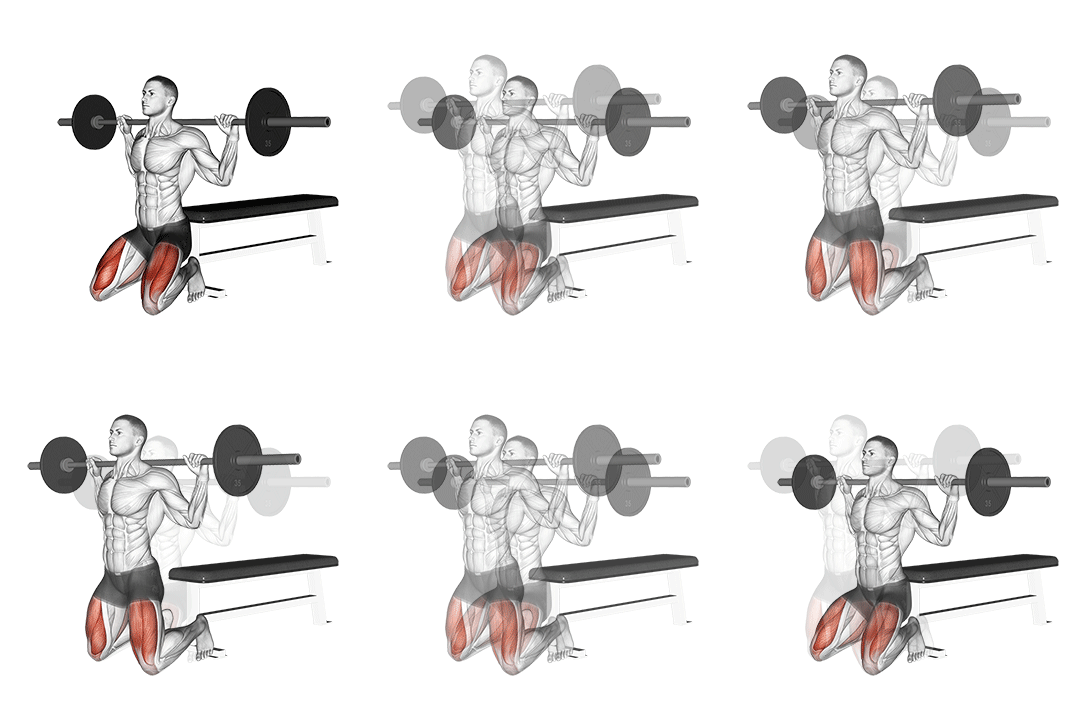
2. Barbell Squat (on Knees)
58.9% MatchHow to perform this exercise
- Start by kneeling on the ground with your knees hip-width apart and your toes pointing forward.
- Place a barbell across your shoulders, gripping it with an overhand grip and your hands slightly wider than shoulder-width apart.
- Engage your core and keep your chest lifted as you slowly lower your body down by bending your knees, keeping your back straight.
- Continue lowering until your thighs are parallel to the ground, or as low as you can comfortably go.
- Pause for a moment at the bottom, then push through your heels to return to the starting position.
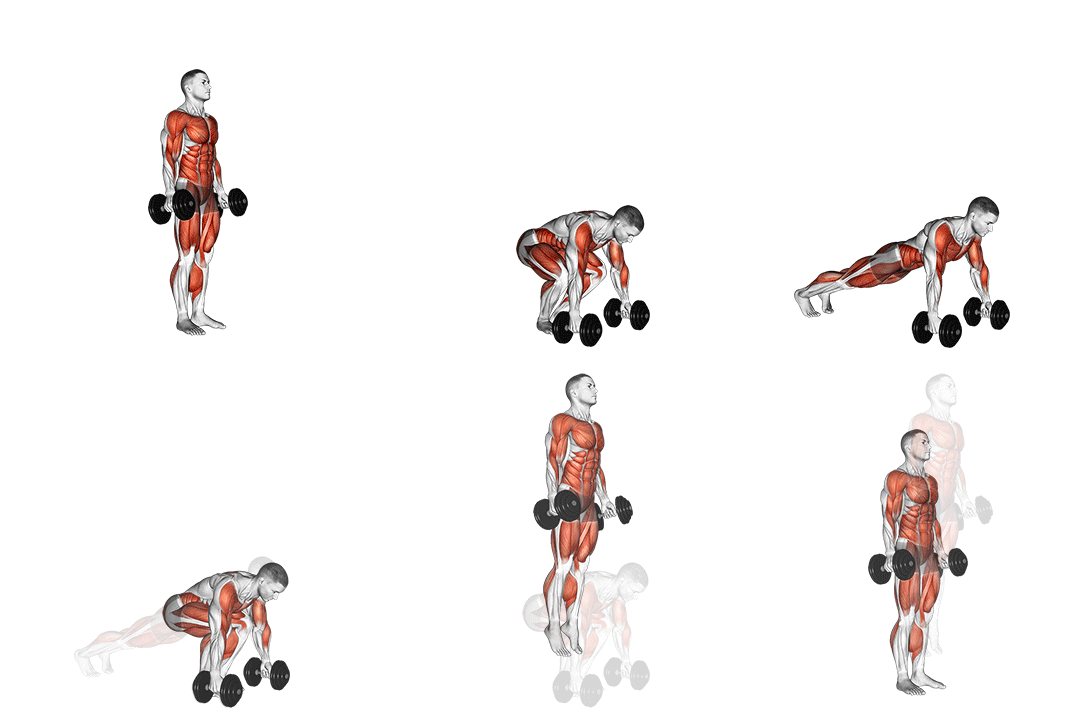
3. Dumbbell Burpee
55.7% MatchHow to perform this exercise
- Start in a standing position with your feet shoulder-width apart and a dumbbell in each hand.
- Lower your body into a squat position, placing the dumbbells on the ground in front of you.
- Kick your feet back into a push-up position, keeping your body in a straight line.
- Perform a push-up, bending your elbows and lowering your chest towards the ground.
- Jump your feet back towards your hands, landing in a squat position.
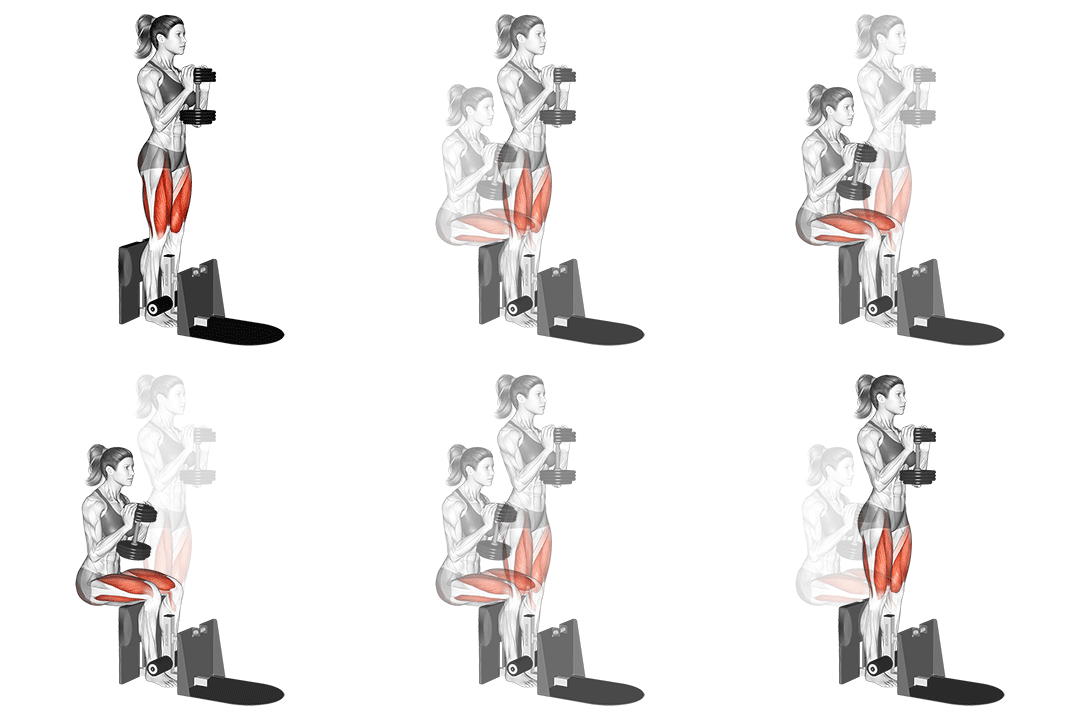
4. Dumbbell Supported Squat
53% MatchHow to perform this exercise
- Stand with your feet shoulder-width apart, holding a dumbbell in each hand at your sides.
- Keeping your chest up and core engaged, slowly lower your body down by bending your knees and pushing your hips back.
- Continue lowering until your thighs are parallel to the ground, or as low as you can comfortably go.
- Pause for a moment at the bottom, then push through your heels to return to the starting position.
- Repeat for the desired number of repetitions.
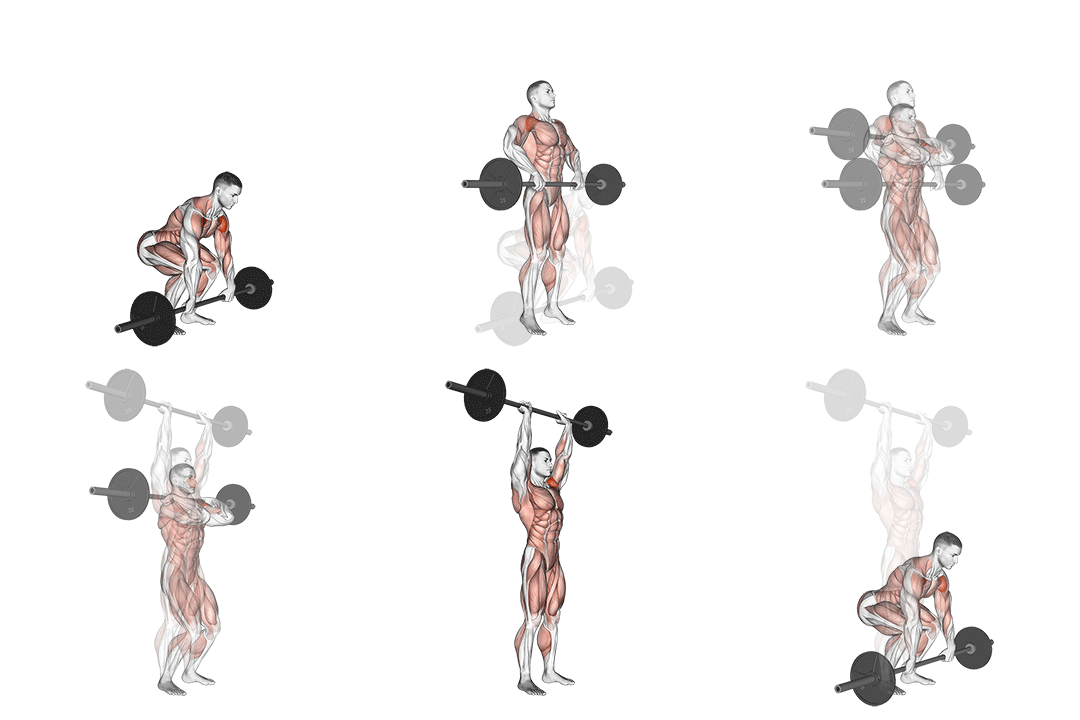
5. Barbell Clean And Press
51.9% MatchHow to perform this exercise
- Stand with your feet shoulder-width apart and the barbell on the floor in front of you.
- Bend your knees and hinge at the hips to lower down and grip the barbell with an overhand grip, hands slightly wider than shoulder-width apart.
- Drive through your heels and extend your hips and knees to lift the barbell off the floor, keeping it close to your body.
- As the barbell reaches your thighs, explosively extend your hips, shrug your shoulders, and pull the barbell up towards your chest.
- As the barbell reaches chest height, quickly drop under it and catch it at shoulder level, with your elbows pointing forward and your palms facing up.
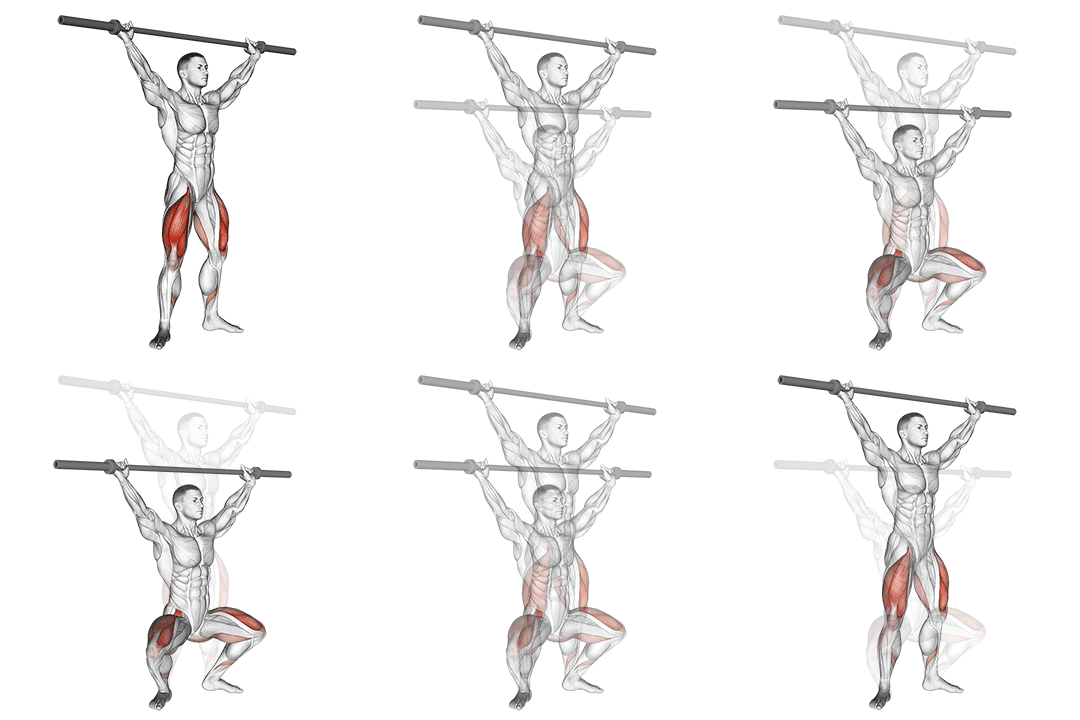
6. Barbell Overhead Squat
51.7% MatchHow to perform this exercise
- Stand with your feet shoulder-width apart and toes slightly turned out.
- Hold the barbell with a wide grip, positioning it overhead with your arms fully extended.
- Engage your core and lower your body down into a squat position, keeping your chest up and knees tracking over your toes.
- Pause for a moment at the bottom, then push through your heels to return to the starting position.
- Repeat for the desired number of repetitions.
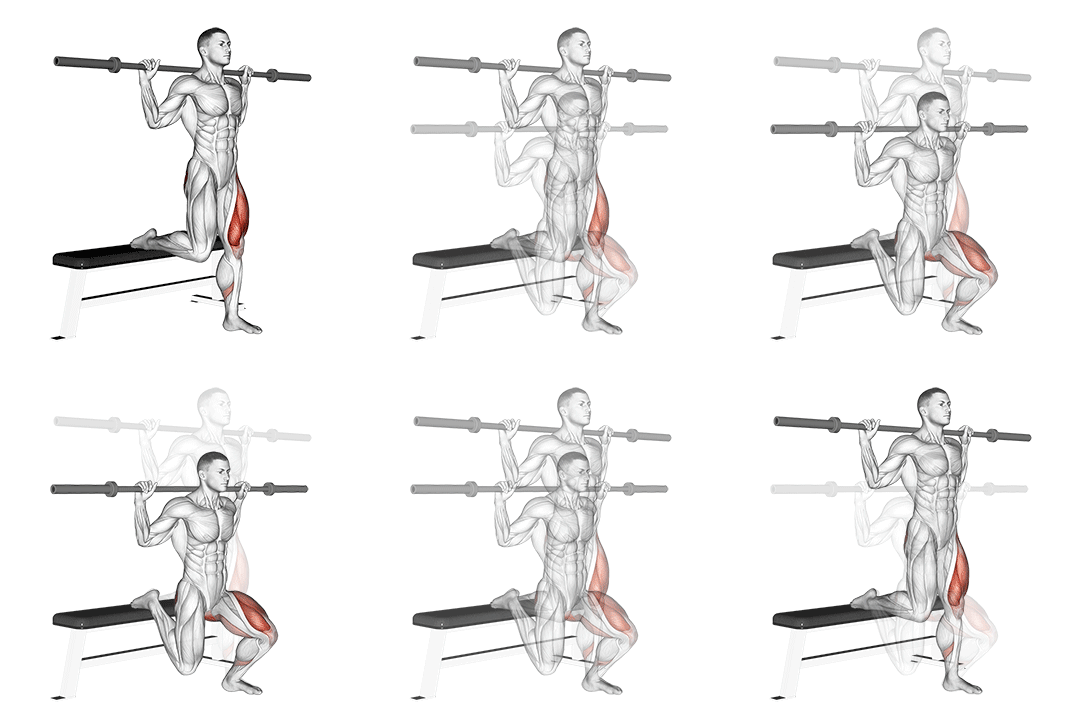
7. Barbell Single Leg Split Squat
51% MatchHow to perform this exercise
- Stand with your feet shoulder-width apart, holding a barbell across your upper back.
- Take a large step forward with one leg, keeping your torso upright.
- Lower your body by bending your front knee and hip, while keeping your back leg straight.
- Continue lowering until your front thigh is parallel to the ground.
- Pause for a moment, then push through your front heel to return to the starting position.
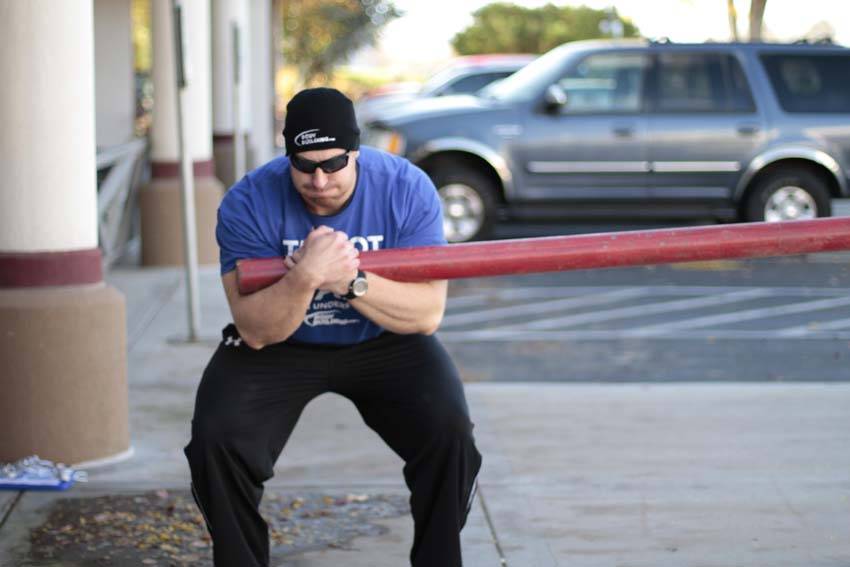
8. Conan's Wheel
51% MatchHow to perform this exercise
- With the weight loaded, take a zurcher hold on the end of the implement. Place the bar in the crook of the elbow and hold onto your wrist. Try to keep the weight off of the forearms.
- Begin by lifting the weight from the ground. Keep a tight, upright posture as you being to walk, taking short, fast steps. Look up and away as you turn in a circle. Do not hold your breath during the event. Continue walking until you complete one or more complete turns.
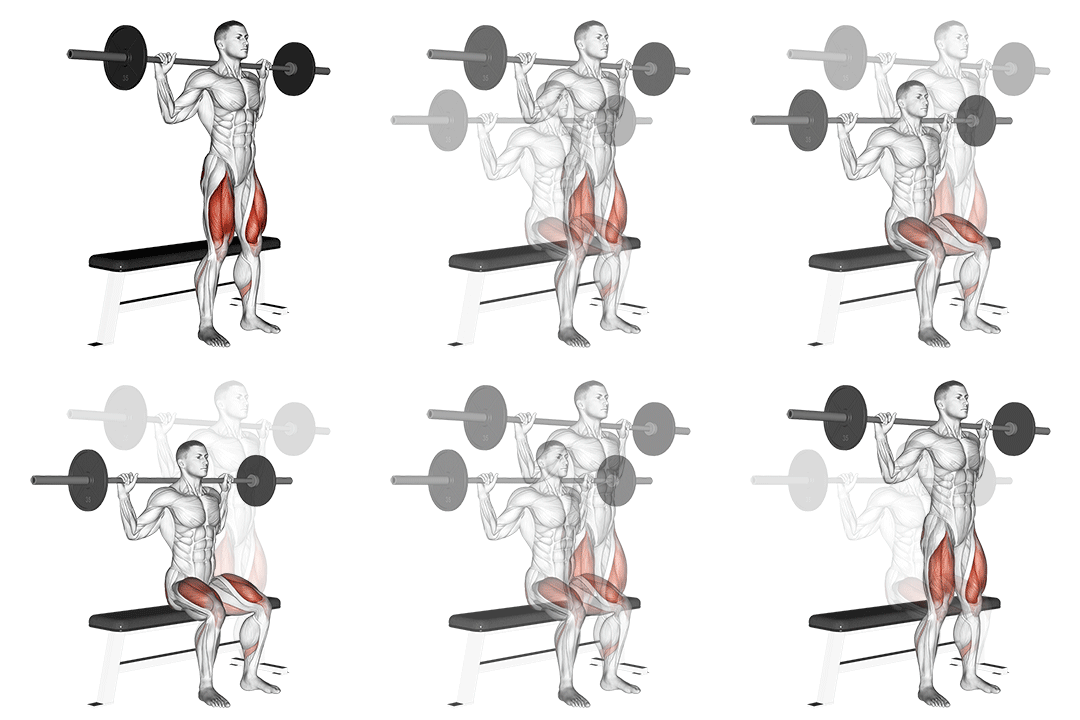
9. Barbell Bench Squat
50.9% MatchHow to perform this exercise
- Set up a barbell on a squat rack at chest height.
- Stand facing away from the rack, with your feet shoulder-width apart.
- Bend your knees and lower your body down into a squat position, keeping your back straight and chest up.
- Grasp the barbell with an overhand grip, slightly wider than shoulder-width apart.
- Lift the barbell off the rack and step back, ensuring your feet are still shoulder-width apart.
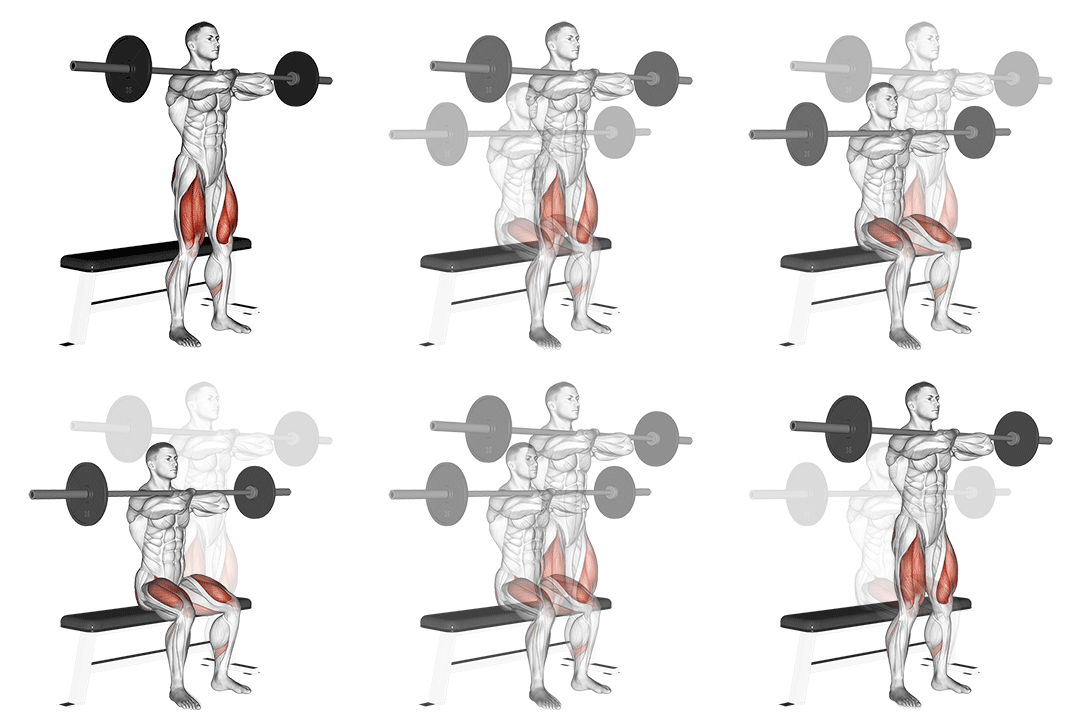
10. Barbell Bench Front Squat
50.9% MatchHow to perform this exercise
- Start by standing with your feet shoulder-width apart and the barbell resting on your upper chest, just below your collarbone.
- Hold the barbell with an overhand grip, keeping your elbows up and your upper arms parallel to the ground.
- Lower your body down into a squat position by bending at the knees and hips, keeping your back straight and your chest up.
- Pause for a moment at the bottom of the squat, then push through your heels to return to the starting position.
- Repeat for the desired number of repetitions.
Why You Might Need a Bear Crawl Sled Drags Alternative
You might swap Bear Crawl Sled Drags because of equipment limits, shoulder or wrist issues, or programming needs like more load or hypertrophy. Substitutes let you retain quad loading via knee extension torque while reducing upper‑body or scapular demand. For example, front squats shift the load to the anterior chain and increase quadriceps moment arm; cue a tall torso and full knee extension to maximize quad activation. If mobility is the limit, single‑leg split squats reduce spine shear and let you control range of motion. Choose a substitute that reproduces the desired biomechanical stimulus—high knee extension torque for quads or isometric core stability for conditioning.
How to Choose the Right Substitute
Match the substitute to your constraint: use front squats or goblet squats when you need higher bilateral load; cue knees to track over toes and maintain an upright chest to bias quads. Pick walking lunges or Bulgarian split squats to reduce spinal load and train unilateral quad strength—keep a 2–3 second eccentric to increase time under tension. Choose sled pushes or hill sprints when you want horizontal force and conditioning; lean from the ankles and drive through the balls of your feet to emphasize knee extension. Consider equipment, injury history, desired stimulus (power, hypertrophy, conditioning), and the movement’s knee‑extension moment arm.
Frequently Asked Questions
What muscles does Bear Crawl Sled Drags work?
Bear Crawl Sled Drags primarily target the quadriceps through repeated knee extension under load. They also demand core stabilization, glute co‑contraction for hip control, and upper‑body isometrics for shoulder and scapular stability as you maintain posture while dragging.
What is the best bodyweight alternative to Bear Crawl Sled Drags?
Hill sprints are the top bodyweight alternative for quad power and explosive knee extension; lean slightly forward from the ankles and drive through the balls of your feet. If you want a slower, strength focus, perform walking lunges with a controlled 2‑3 second descent to increase quad time under tension.
Can I build muscle without doing Bear Crawl Sled Drags?
Yes. Progressive overload with exercises that create knee‑extension torque—front squats, Bulgarian split squats, and weighted lunges—will hypertrophy the quads. Emphasize full range of motion, controlled eccentrics, and incremental loading to stimulate muscle growth.
More Exercise Alternatives
Find Alternatives for Any Exercise
Use our free tool to discover the best substitute exercises based on your available equipment and goals.
Try the Exercise Substitution Finder →