

10 Best Snatch Balance Alternatives for Limited Equipment
The Snatch Balance is done standing with a barbell. Ranked closest by our scoring: the Power Jerk. Two harder versions, the Heaving Snatch Balance and the Split Jerk, are listed below as progressions rather than swaps.
Updated Ranked by our 12-factor similarity model How it works
Original Exercise: Snatch Balance
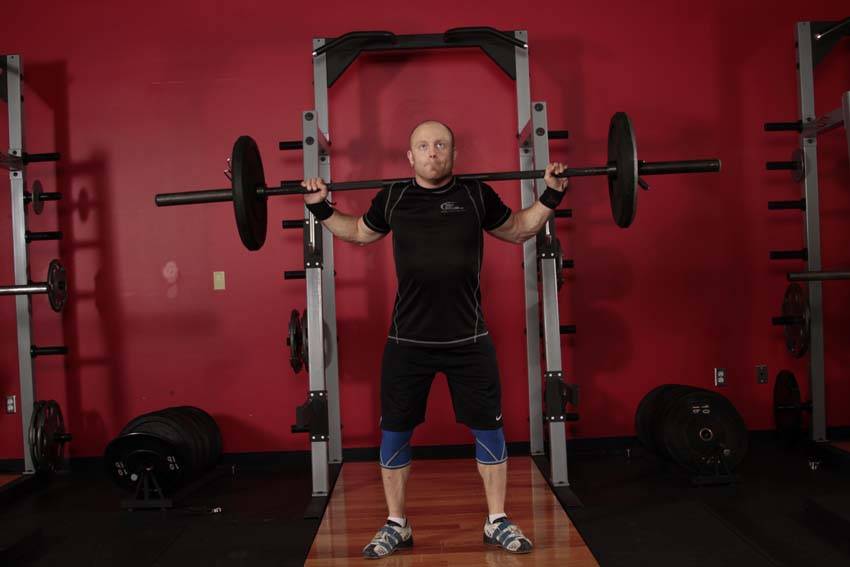
- Primary muscle
- Quads
- Equipment
- Barbell
- Difficulty
- Advanced
- Type
- Compound
Secondary muscles: Calves, Glutes, Hamstrings, Shoulders, Triceps
How to perform Snatch Balance
- Begin with the feet in the pulling position, the bar racked across the back of the shoulders, and the hands placed in a wide snatch grip.
- Pop the bar with an abrupt dip and drive of the knees, and aggressively drive under the bar, transitioning the feet into the receiving position.
- Receive the bar locked out overhead near the bottom of the squat. The torso should remain vertical, lowering the hips between the legs.
- Continue to descend to full depth, and return to a standing position. Carefully lower the weight.
Ranked Snatch Balance Alternatives
10 substitutes, ranked by how closely each one matches the Snatch Balance on movement pattern, muscles worked, equipment and body position. The higher the score, the less you change. Open "How to perform this exercise" on a card for the steps; every card title links to that exercise's own alternatives page. Harder versions are tagged as progressions and kept out of the top spot even when they score higher.
Best match 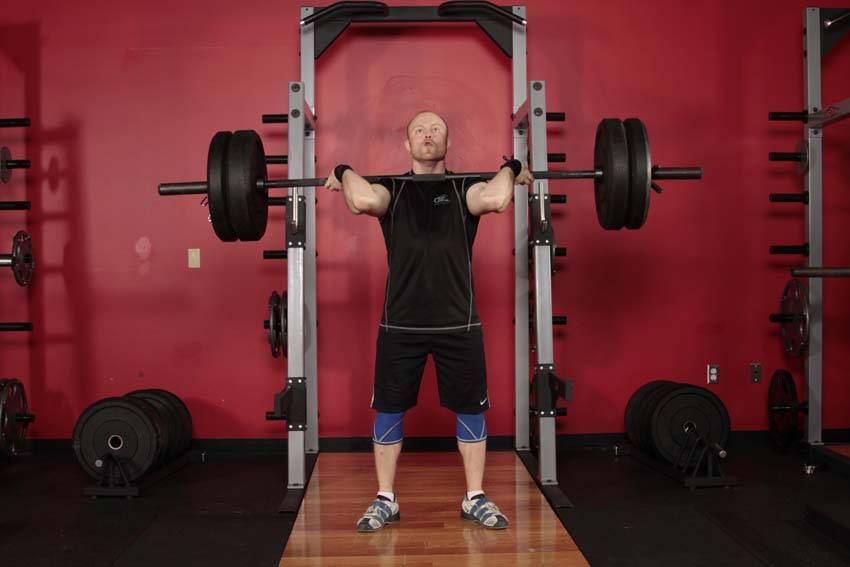
1. Power Jerk
84% match- Quads
- Barbell
- Advanced
- Compound
It uses the same equipment and still works the quads.
How to perform this exercise
- Standing with the weight racked on the front of the shoulders, begin with the dip. With your feet directly under your hips, flex the knees without moving the hips backward. Go down only slightly, and reverse direction as powerfully as possible.
- Drive through the heels create as much speed and force as possible, and be sure to move your head out of the way as the bar leaves the shoulders.
- At this moment as the feet leave the floor, the feet must be placed into the receiving position as quickly as possible. In the brief moment the feet are not actively driving against the platform, the athletes effort to push the bar up will drive them down. The feet should be moved to a slightly wider stance, with the knees partially bent.
- Receive the bar with the arms locked out overhead.
- Return to a standing position.
Sets and reps: 3 to 5 sets of 5 to 8 reps.
Why this matches
- Primary muscle: quads, the same as the Snatch Balance
- Equipment: free weights, the same as the Snatch Balance
- Body position: standing, the same as the Snatch Balance
Progression
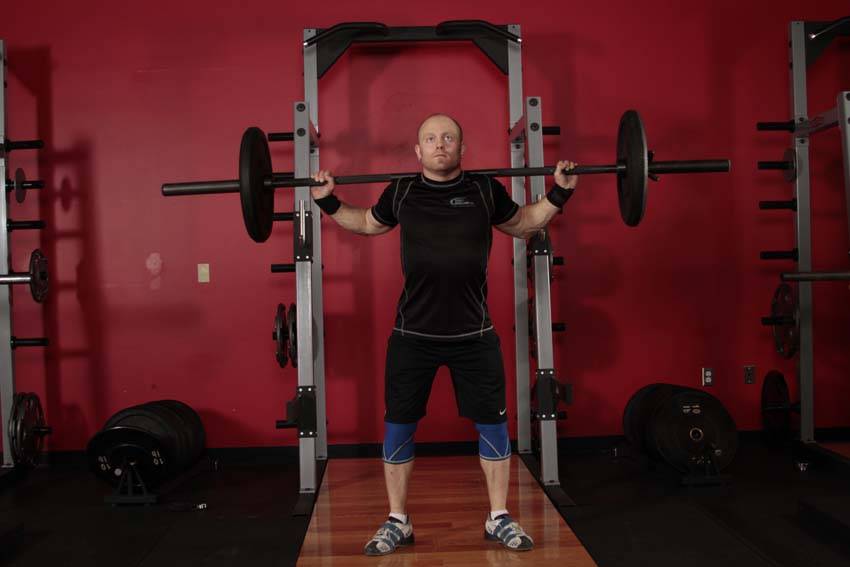
2. Heaving Snatch Balance
95% match- Quads
- Barbell
- Advanced
- Compound
Pick this when you want a harder version that still works the quads.
How to perform this exercise
- This drill helps you learn the snatch. Begin by holding a light weight across the back of the shoulders. Your feet should be slightly wider than hip width apart with the feet turned out, the same position that you would perform a squat with.
- Begin by dipping with the knees slightly, and popping back up to briefly unload the bar. Drive yourself underneath the bar, elevating it overhead as you descend into a full squat.
- Return to a standing position.
Sets and reps: 3 to 5 sets of 5 to 8 reps.
Why this matches
- Primary muscle: quads, the same as the Snatch Balance
- Equipment: free weights, the same as the Snatch Balance
- Body position: standing, the same as the Snatch Balance
Progression
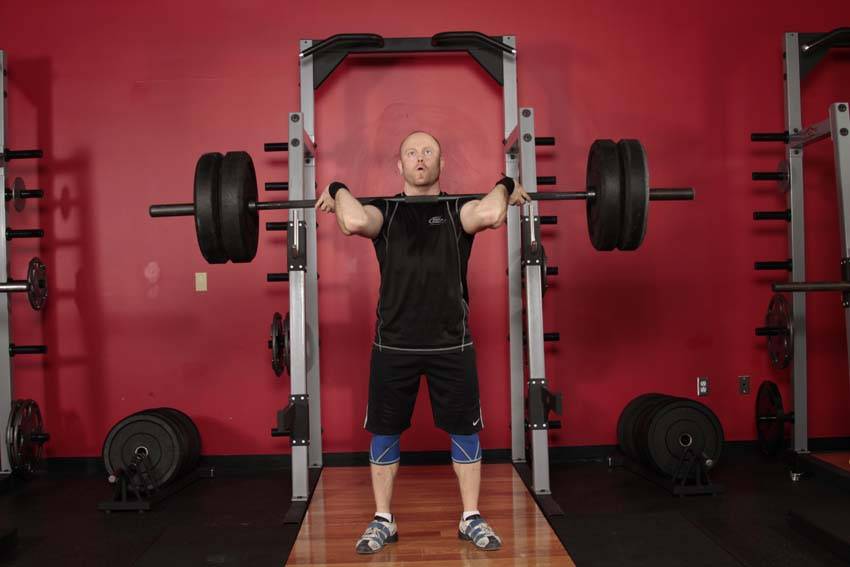
3. Split Jerk
83% match- Quads
- Barbell
- Advanced
- Compound
How to perform this exercise
- Standing with the weight racked on the front of the shoulders, begin with the dip. With your feet directly under your hips, flex the knees without moving the hips backward.
- Go down only slightly, and reverse direction as powerfully as possible. Drive through the heels create as much speed and force as possible, and be sure to move your head out of the way as the bar leaves the shoulders. At this moment as the feet leave the floor, the feet must be placed into the receiving position as quickly as possible.
- In the brief moment the feet are not actively driving against the platform, the athlete's effort to push the bar up will drive them down. The feet should be moved to a split stance, one foot forward, one foot back, with the knees partially bent. Receive the bar with the arms locked out overhead.
- Return to a standing position, bringing the feet together.
Sets and reps: 3 to 5 sets of 5 to 8 reps.
Why this matches
- Primary muscle: quads, the same as the Snatch Balance
- Equipment: free weights, the same as the Snatch Balance
- Body position: standing, the same as the Snatch Balance
4. Barbell Skier
76% match- Delts
- Barbell
- Intermediate
- Compound
A looser match: it uses the same equipment, but it works the delts rather than the quads.
How to perform this exercise
- Stand with your feet shoulder-width apart and hold a barbell in front of your thighs with an overhand grip.
- Bend your knees slightly and hinge forward at the hips, keeping your back straight and chest up.
- Simultaneously lift the barbell up towards your shoulders while jumping slightly off the ground.
- As you reach the top of the movement, quickly reverse the motion and lower the barbell back down to the starting position.
- Repeat for the desired number of repetitions.
Sets and reps: 3 or 4 sets of 6 to 10 reps.
Why this matches
- Primary muscle: delts, not quads
- Equipment: free weights, the same as the Snatch Balance
- Body position: standing, the same as the Snatch Balance
- Balance: easier to stay steady on than the Snatch Balance
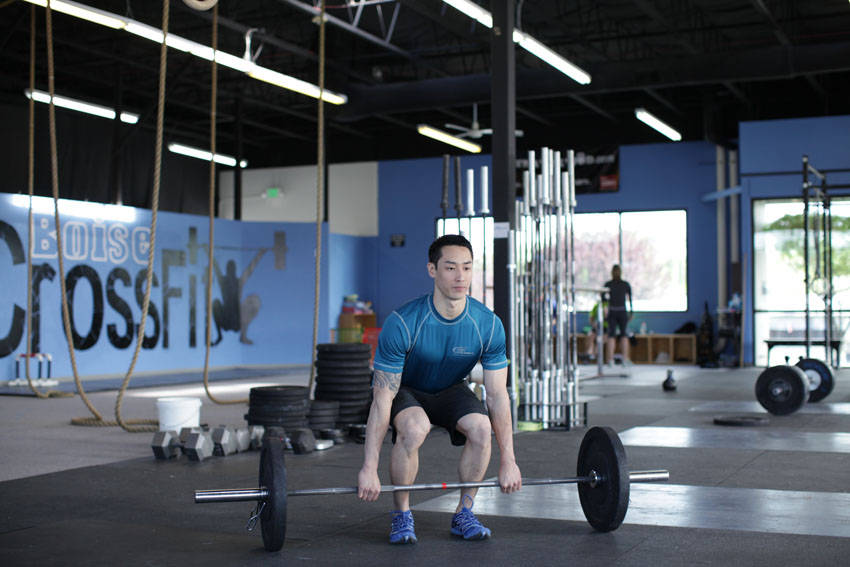
5. Clean And Press
76% match- Delts
- Barbell
- Advanced
- Compound
How to perform this exercise
- Assume a shoulder-width stance, with knees inside the arms. Now while keeping the back flat, bend at the knees and hips so that you can grab the bar with the arms fully extended and a pronated grip that is slightly wider than shoulder width. Point the elbows out to sides. The bar should be close to the shins. Position the shoulders over or slightly ahead of the bar. Establish a flat back posture. This will be your starting position.
- Begin to pull the bar by extending the knees. Move your hips forward and raise the shoulders at the same rate while keeping the angle of the back constant; continue to lift the bar straight up while keeping it close to your body.
- As the bar passes the knee, extend at the ankles, knees, and hips forcefully, similar to a jumping motion. As you do so, continue to guide the bar with your hands, shrugging your shoulders and using the momentum from your movement to pull the bar as high as possible. The bar should travel close to your body, and you should keep your elbows out.
- At maximum elevation, your feet should clear the floor and you should start to pull yourself under the bar. The mechanics of this could change slightly, depending on the weight used. You should descend into a squatting position as you pull yourself under the bar.
- As the bar hits terminal height, rotate your elbows around and under the bar. Rack the bar across the front of the shoulders while keeping the torso erect and flexing the hips and knees to absorb the weight of the bar.
- Stand to full height, holding the bar in the clean position.
- Without moving your feet, press the bar overhead as you exhale. Lower the bar under control .
Sets and reps: 3 to 5 sets of 5 to 8 reps.
Why this matches
- Primary muscle: delts, not quads
- Equipment: free weights, the same as the Snatch Balance
- Body position: standing, the same as the Snatch Balance
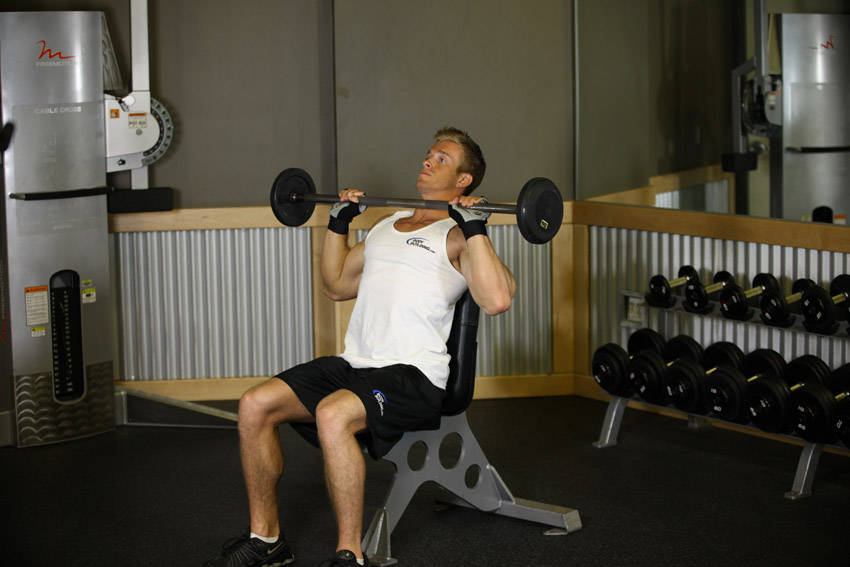
6. Bradford/rocky Presses
76% match- Delts
- Barbell
- Advanced
- Compound
How to perform this exercise
- Sit on a Military Press Bench with a bar at shoulder level with a pronated grip (palms facing forward). Tip: Your grip should be wider than shoulder width and it should create a 90-degree angle between the forearm and the upper arm as the barbell goes down. This is your starting position.
- Once you pick up the barbell with the correct grip, lift the bar up over your head by locking your arms.
- Now lower the bar down to the back of the head slowly as you inhale.
- Lift the bar back up to the starting position as you exhale.
- Lower the bar down to the starting position slowly as you inhale. This is one repetition.
- Alternate in this manner until you complete the recommended amount of repetitions.
Sets and reps: 3 to 5 sets of 5 to 8 reps.
Why this matches
- Primary muscle: delts, not quads
- Equipment: free weights, the same as the Snatch Balance
- Body position: standing, the same as the Snatch Balance
7. EZ Barbell Anti Gravity Press
75% match- Delts
- Ez-barbell
- Advanced
- Compound
A looser match: it works the delts rather than the quads.
How to perform this exercise
- Start by standing with your feet shoulder-width apart and holding the ez barbell with an overhand grip.
- Raise the barbell to shoulder height, keeping your elbows slightly bent and your palms facing forward.
- Press the barbell overhead, extending your arms fully.
- Lower the barbell back to shoulder height and repeat for the desired number of repetitions.
Sets and reps: 3 to 5 sets of 5 to 8 reps.
Why this matches
- Primary muscle: delts, not quads
- Equipment: free weights, the same as the Snatch Balance
- Body position: standing, the same as the Snatch Balance
- Balance: easier to stay steady on than the Snatch Balance
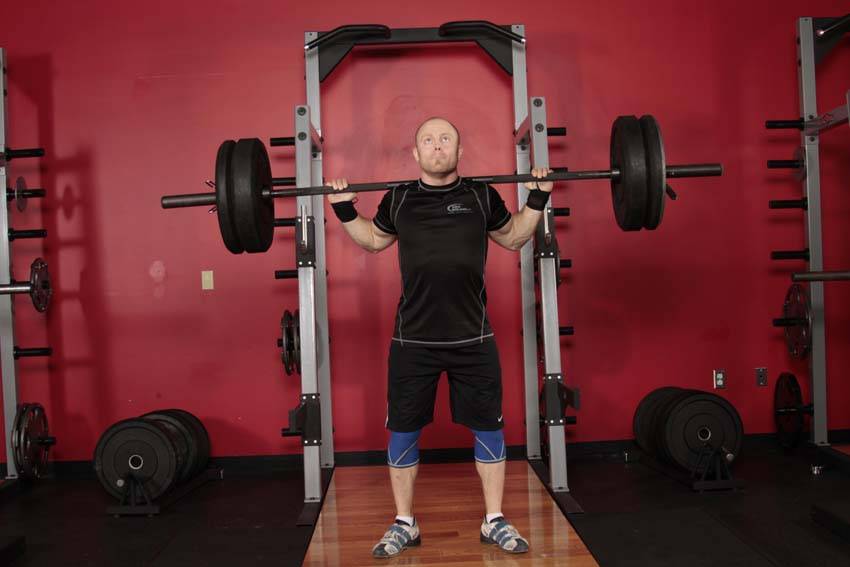
8. Push Press - Behind The Neck
75% match- Delts
- Barbell
- Advanced
- Compound
How to perform this exercise
- Standing with the weight racked on the back of the shoulders, begin with the dip. With your feet directly under your hips, flex the knees without moving the hips backward. Go down only slightly, and reverse direction as powerfully as possible. Drive through the heels create as much speed and force as possible, moving the bar in a vertical path.
- Using the momentum generated, finish pressing the weight overhead be extending through the arms.
- Return to the starting position, using your legs to absorb the impact.
Sets and reps: 3 to 5 sets of 5 to 8 reps.
Why this matches
- Primary muscle: delts, not quads
- Equipment: free weights, the same as the Snatch Balance
- Body position: standing, the same as the Snatch Balance
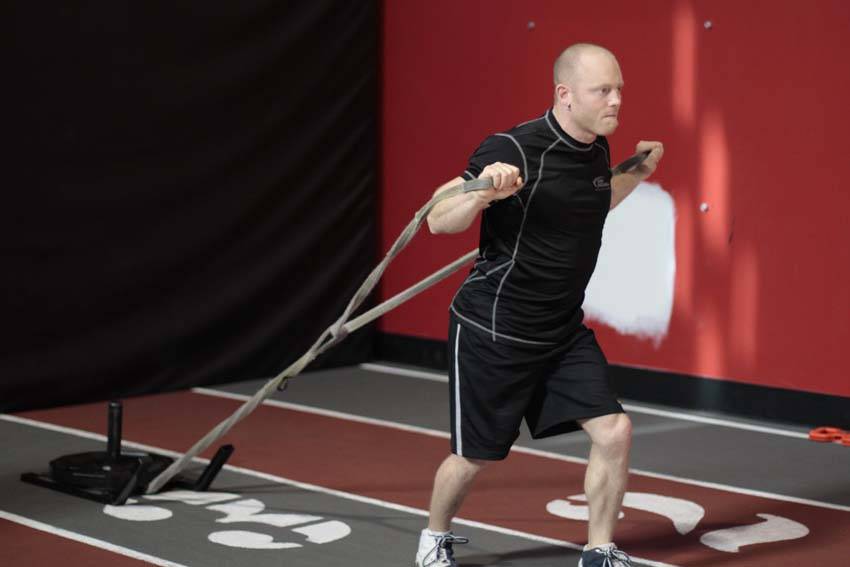
9. Forward Drag With Press
74% match- Pectorals
- Other
- Intermediate
- Compound
How to perform this exercise
- Attach a dual handled chain or rope attachment to the sled. You should be facing away from the sled, holding a handle in each hand.
- Begin the movement by moving forward for one step. Leaning forward, extend through the legs and hips to move, pausing with each step to extend through the elbows, pressing your hands forward. Step forward until you return to the start position prepared to press.
Sets and reps: 3 or 4 sets of 6 to 10 reps.
Why this matches
- Primary muscle: pectorals, not quads
- Body position: standing, the same as the Snatch Balance
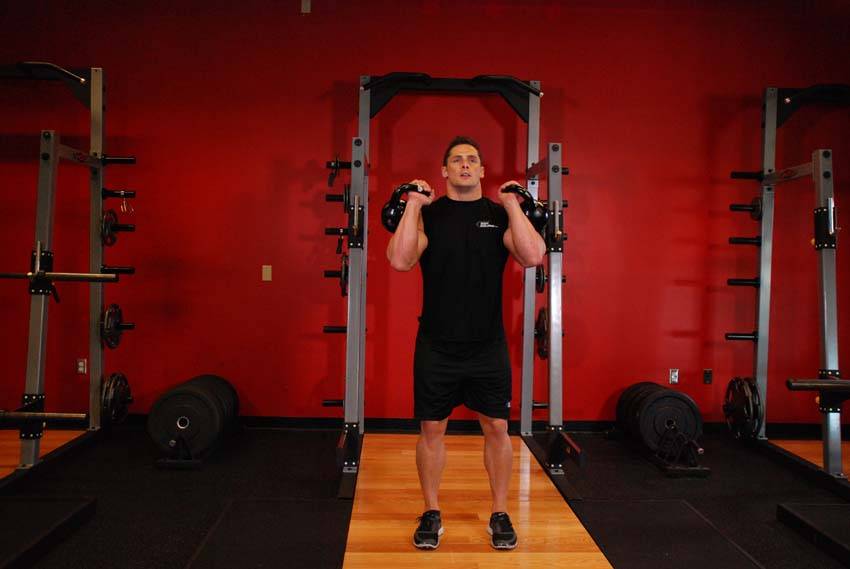
10. Double Kettlebell Push Press
73% match- Delts
- Kettlebell
- Intermediate
- Compound
How to perform this exercise
- Clean two kettlebells to your shoulders.
- Squat down a few inches and reverse the motion rapidly. Use the momentum from the legs to drive the kettlebells overhead.
- Once the kettlebells are locked out, lower the kettlebells to your shoulders and repeat.
Sets and reps: 3 or 4 sets of 6 to 10 reps.
Why this matches
- Primary muscle: delts, not quads
- Equipment: free weights, the same as the Snatch Balance
- Body position: standing, the same as the Snatch Balance
- Balance: easier to stay steady on than the Snatch Balance
Why You Might Need a Snatch Balance Alternative
You may need substitutes because of shoulder or wrist pain, limited overhead mobility, lack of a barbell, or coaching time for complex lift mechanics. Substitutes let you target the same quadriceps-driven knee extension and receiving stability without the precise timing of a catch. Choose movements that preserve eccentric control and triple extension if you want power transfer; for hypertrophy, prioritize controlled tempo and full range of knee flexion. Cue chest up and knees tracking over toes when you descend, so the quads bear the load rather than the lower back. That preserves movement-specific muscle activation without the overhead risk.
Snatch Balance FAQ
What muscles does Snatch Balance work?
Snatch balance primarily targets the quads through fast knee extension and the hips through triple extension. It also engages the deltoids and traps to stabilize the bar overhead and the core to resist forward flexion; receive with a partial squat and knees tracking over toes to maximize quad activation.
Find Alternatives for Any Exercise
Search the exercise database and filter the ranked substitutes by the equipment you own.
Similarity scores compare exercise metadata such as movement pattern, muscles, equipment and body position. They are not a safety rating or a check that you own the equipment. Learn about our methodology