

10 Best Cable Crossover Alternatives for Home Gyms
What can you do instead of Cable Crossover? Use dumbbell flyes, single-arm resistance band crossovers, the pec-deck machine, incline dumbbell press, or archer push-ups to target horizontal adduction of the pecs. Cue: keep a slight bend in the elbows and lead with the chest to maximize pectoralis major activation while protecting the shoulder joint.
Original Exercise: Cable Crossover
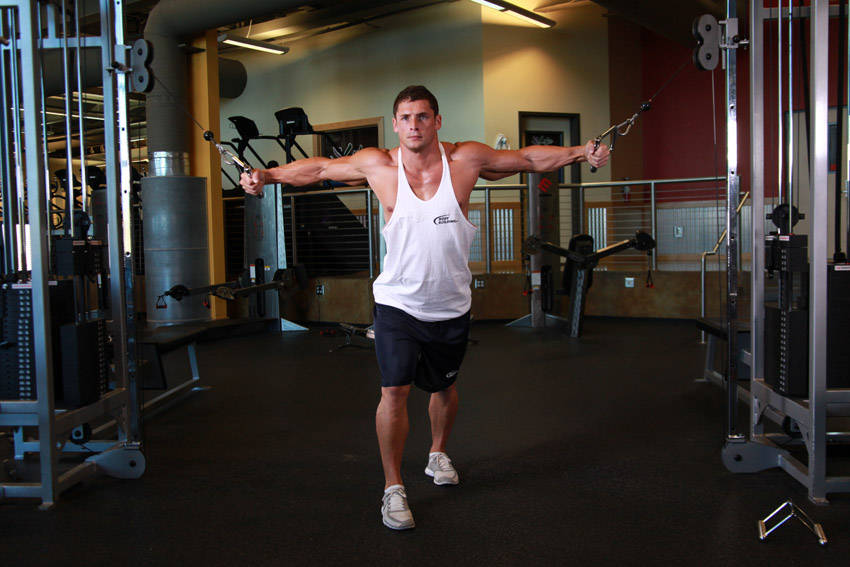
How to Perform Cable Crossover
- To get yourself into the starting position, place the pulleys on a high position (above your head), select the resistance to be used and hold the pulleys in each hand.
- Step forward in front of an imaginary straight line between both pulleys while pulling your arms together in front of you. Your torso should have a small forward bend from the waist. This will be your starting position.
- With a slight bend on your elbows in order to prevent stress at the biceps tendon, extend your arms to the side (straight out at both sides) in a wide arc until you feel a stretch on your chest. Breathe in as you perform this portion of the movement. Tip: Keep in mind that throughout the movement, the arms and torso should remain stationary; the movement should only occur at the shoulder joint.
- Return your arms back to the starting position as you breathe out. Make sure to use the same arc of motion used to lower the weights.
- Hold for a second at the starting position and repeat the movement for the prescribed amount of repetitions.
Pro Tips
- Category: Strength
- Force: Push
- Movement type: Isolation
Best Cable Crossover Alternatives
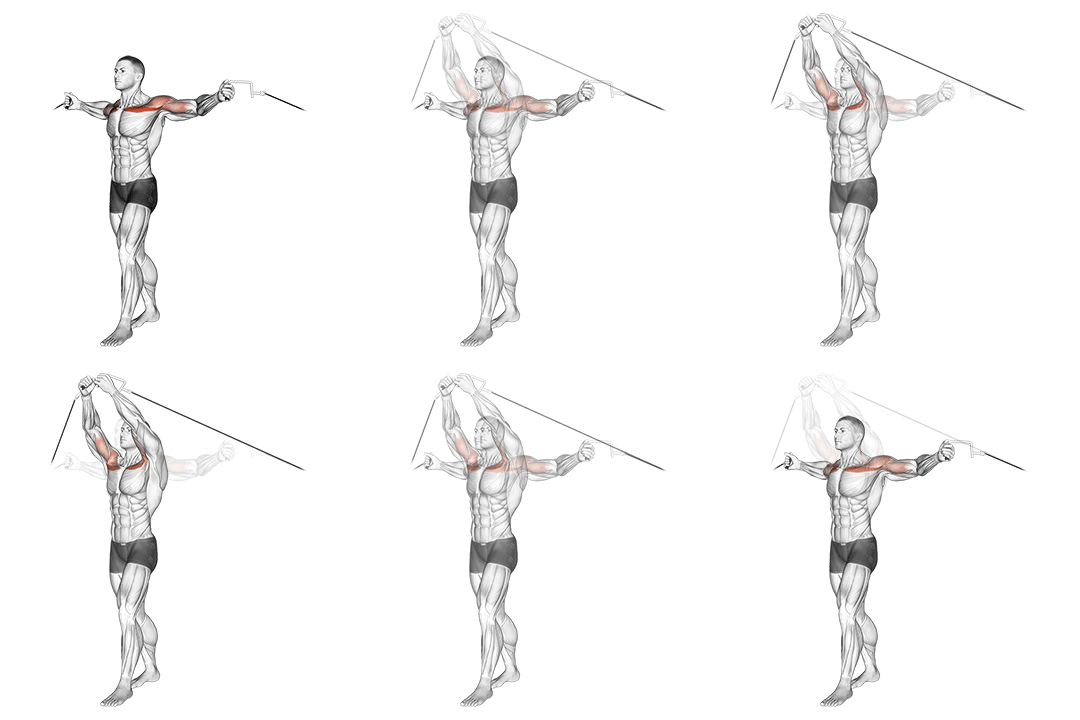
1. Cable Upper Chest Crossovers
99.9% MatchHow to perform this exercise
- Attach the handles to the cables at chest height.
- Stand in the center of the cable machine with one foot slightly in front of the other.
- Grasp the handles with your palms facing down and your arms extended out to the sides.
- Keep a slight bend in your elbows and engage your core.
- Pull the cables together in front of your chest, crossing them over each other.
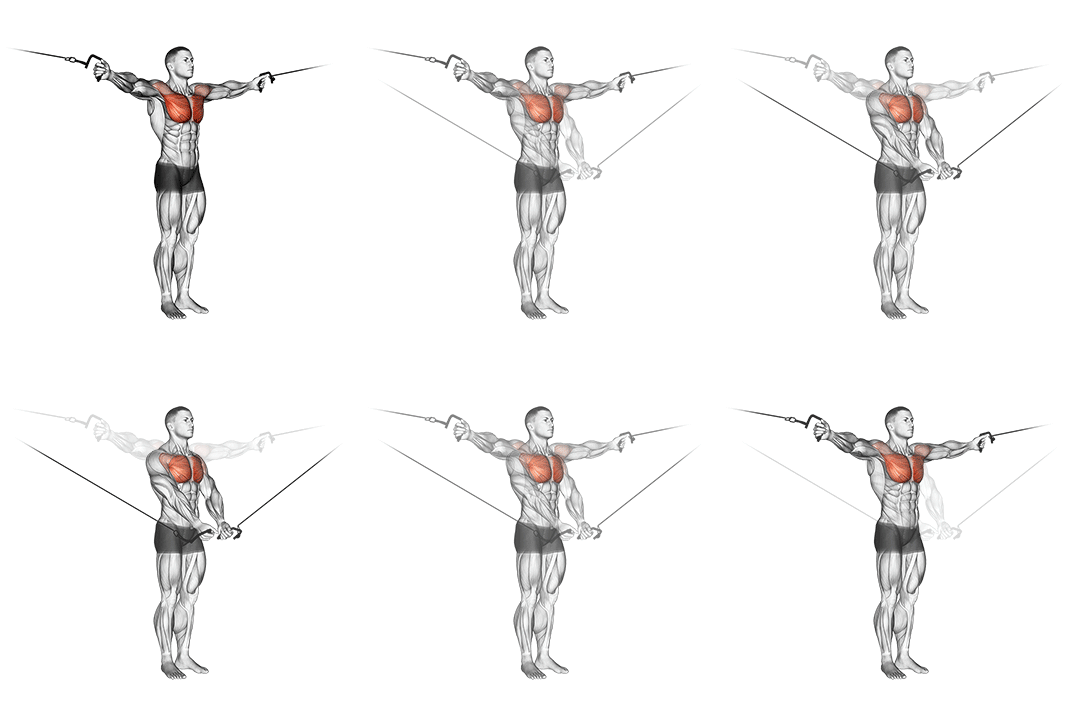
2. Cable Cross-over Variation
99.9% MatchHow to perform this exercise
- Adjust the cable pulleys to chest height.
- Stand in the center of the cable machine with one foot in front of the other.
- Grasp the handles with your palms facing down and your arms extended out to the sides.
- Take a step forward, keeping your arms slightly bent.
- With a slight bend in your elbows, bring your hands together in front of your chest.
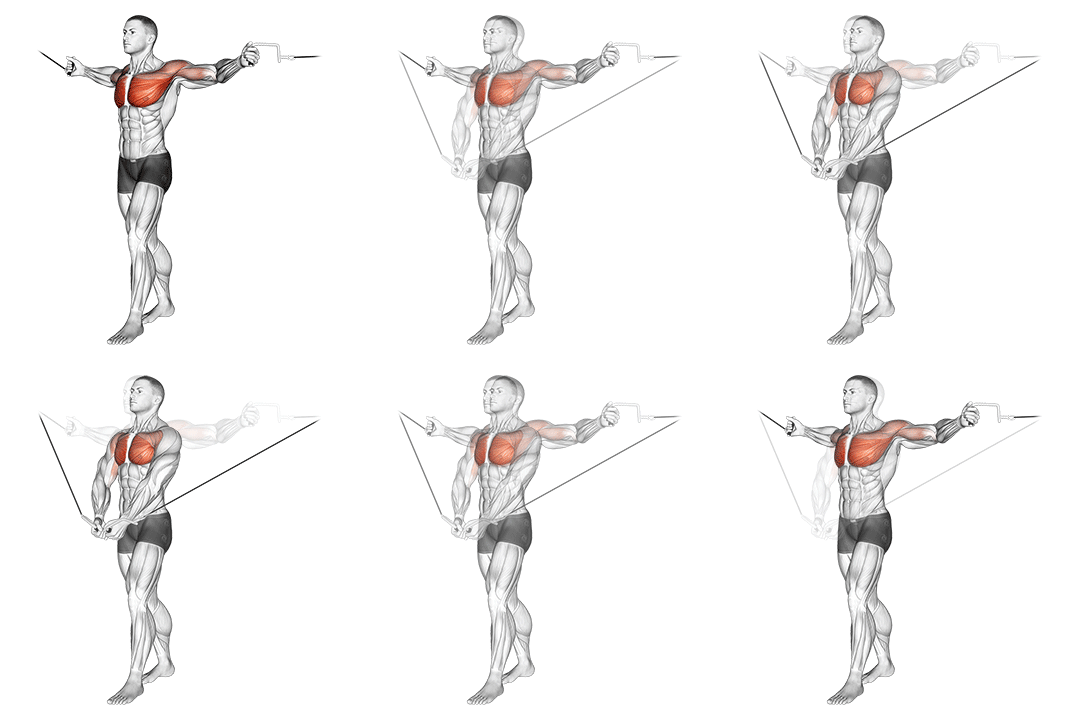
3. Cable Standing Up Straight Crossovers
99.9% MatchHow to perform this exercise
- Stand in the middle of a cable machine with your feet shoulder-width apart.
- Hold the handles of the cables with your palms facing down and your arms extended straight out to the sides.
- Keeping your arms straight, bring your hands together in front of your body, crossing them over each other.
- Pause for a moment, then slowly return to the starting position, keeping your arms extended.
- Repeat for the desired number of repetitions.
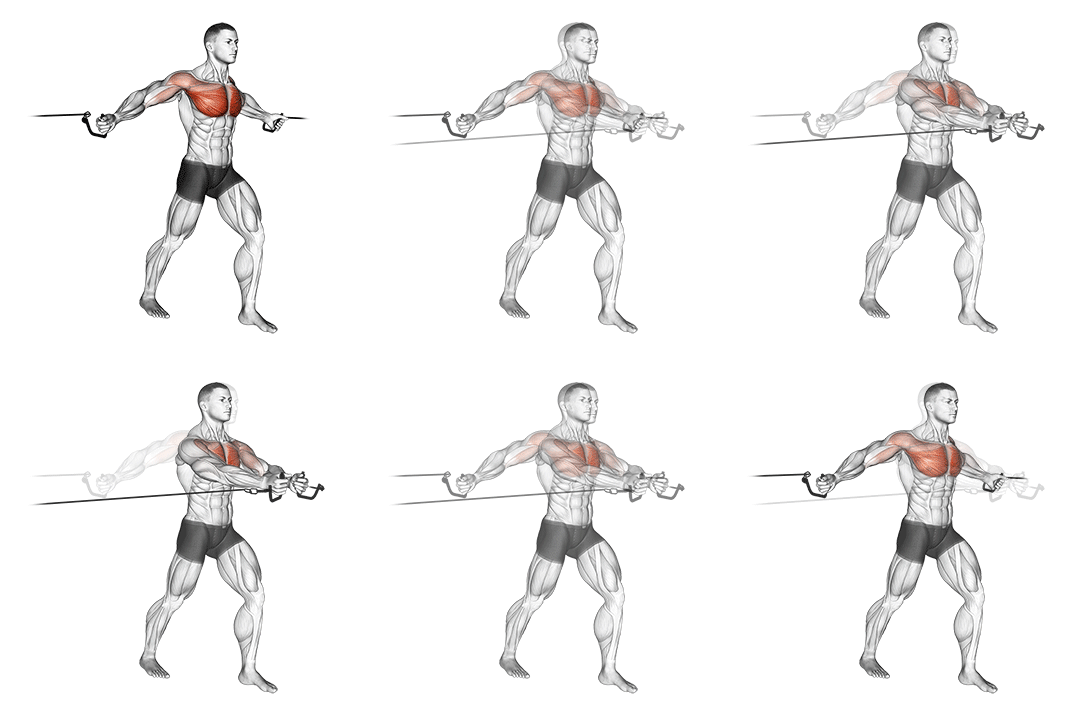
4. Cable Middle Fly
98.9% MatchHow to perform this exercise
- Attach cables to both sides of a cable machine at chest height.
- Stand in the center of the machine with one foot slightly in front of the other.
- Grasp the handles with an overhand grip and extend your arms out to the sides.
- Keep a slight bend in your elbows and maintain a slight forward lean.
- Engage your chest muscles and bring your arms forward in a sweeping motion.
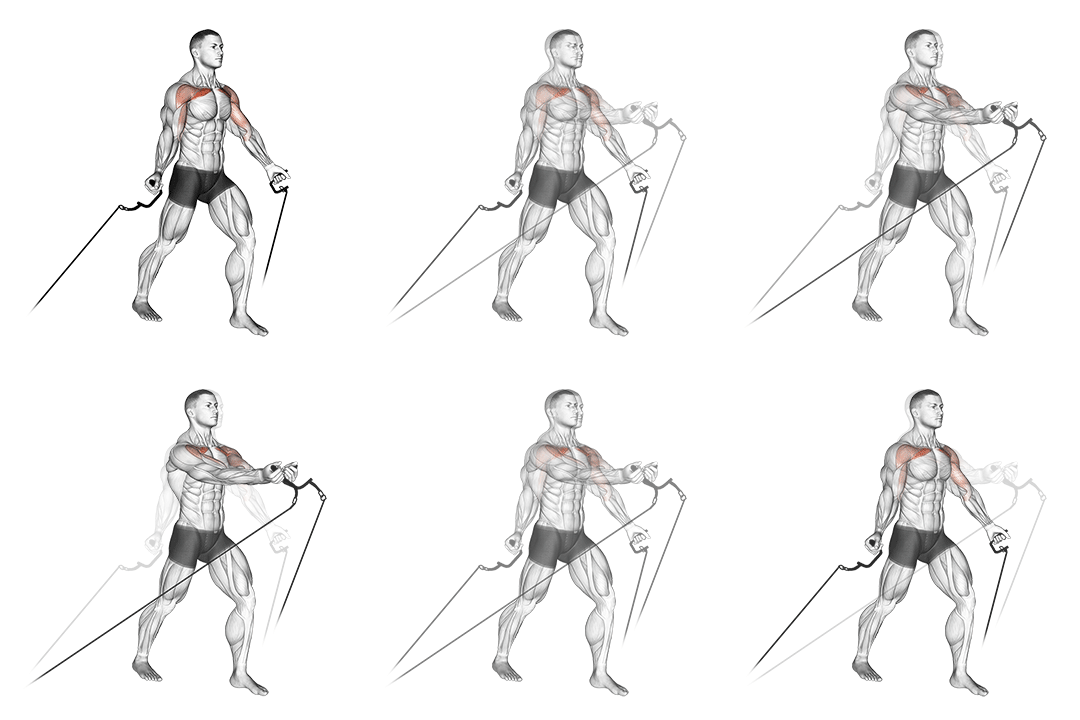
5. Cable Low Fly
94.3% MatchHow to perform this exercise
- Attach the handles to the low pulleys of a cable machine and select an appropriate weight.
- Stand in the middle of the machine with your feet shoulder-width apart and a slight bend in your knees.
- Grasp the handles with an overhand grip and extend your arms out to the sides, keeping a slight bend in your elbows.
- Maintaining control, slowly bring your arms forward in a sweeping motion, crossing them in front of your body.
- Pause for a moment at the peak of the movement, feeling the stretch in your chest muscles.
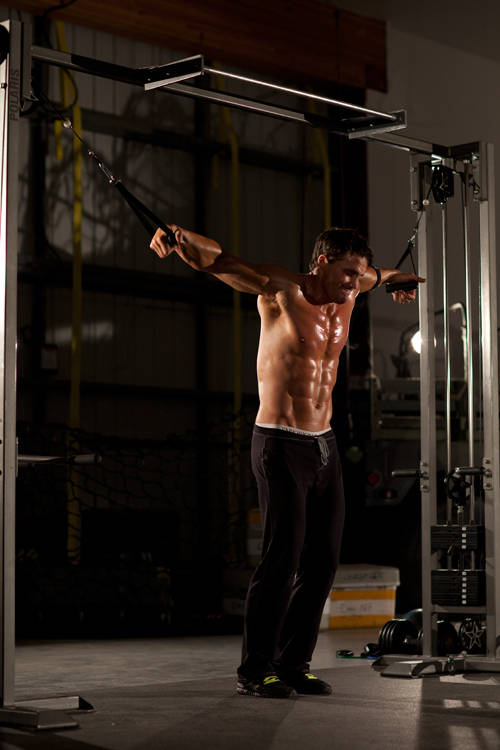
6. Cable Iron Cross
94.1% MatchHow to perform this exercise
- Begin by moving the pulleys to the high position, select the resistance to be used, and take a handle in each hand.
- Stand directly between both pulleys with your arms extended out to your sides. Your head and chest should be up while your arms form a "T". This will be your starting position.
- Keeping the elbows extended, pull your arms straight to your sides.
- Return your arms back to the starting position after a pause at the peak contraction.
- Continue the movement for the prescribed number of repetitions.
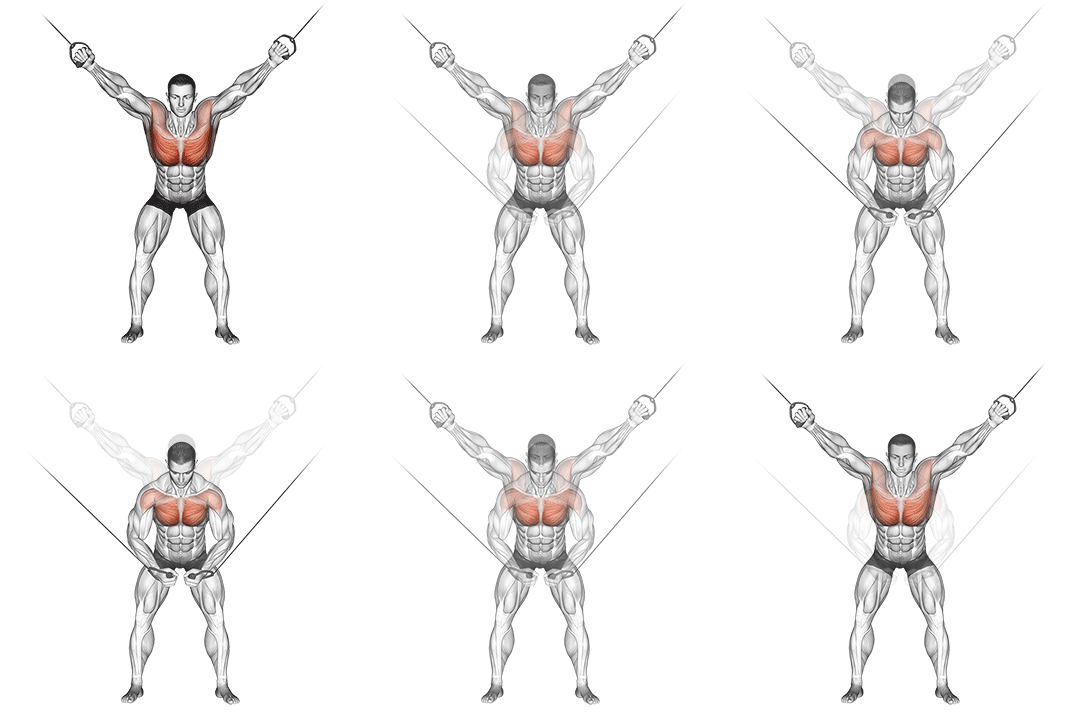
7. Cable Standing Fly
93.7% MatchHow to perform this exercise
- Attach the handles to the cables at chest height.
- Stand with your feet shoulder-width apart, facing away from the cable machine.
- Grasp the handles with an overhand grip, palms facing forward.
- Step forward slightly to create tension in the cables.
- Keep your core engaged and your back straight throughout the exercise.
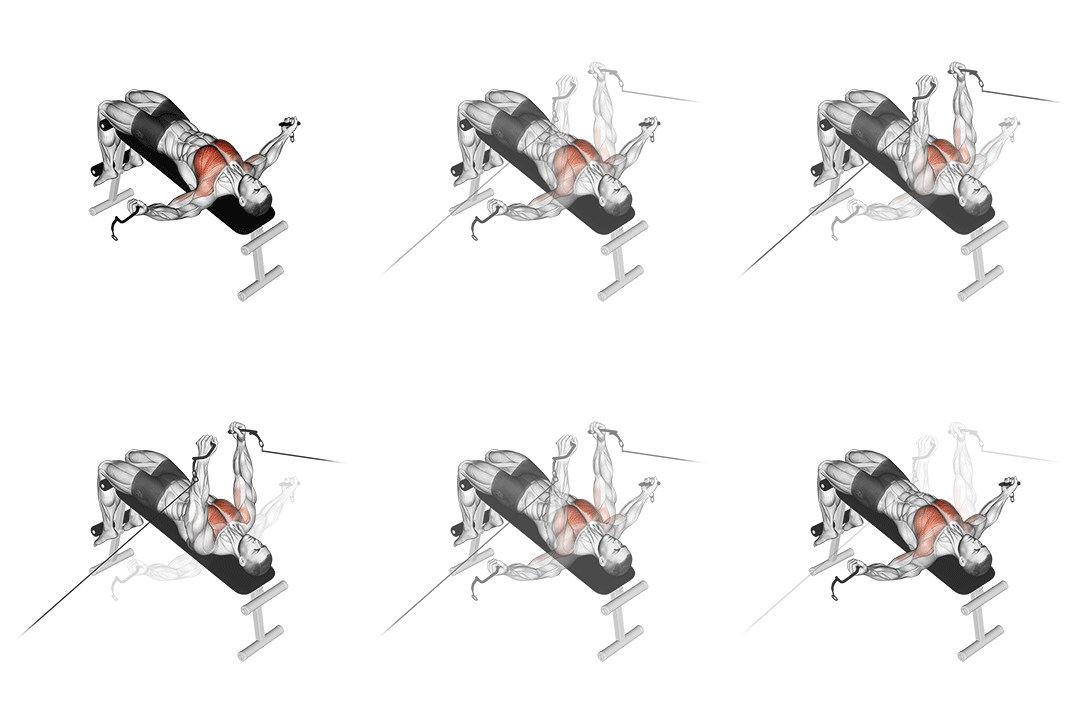
8. Cable Decline Fly
92% MatchHow to perform this exercise
- Adjust the cable machine to a decline position.
- Stand facing away from the machine with your feet shoulder-width apart.
- Hold the handles with your palms facing forward and your arms extended straight out in front of you.
- Keeping a slight bend in your elbows, open your arms out to the sides in a controlled motion.
- Pause for a moment at the fully extended position, then slowly return to the starting position.
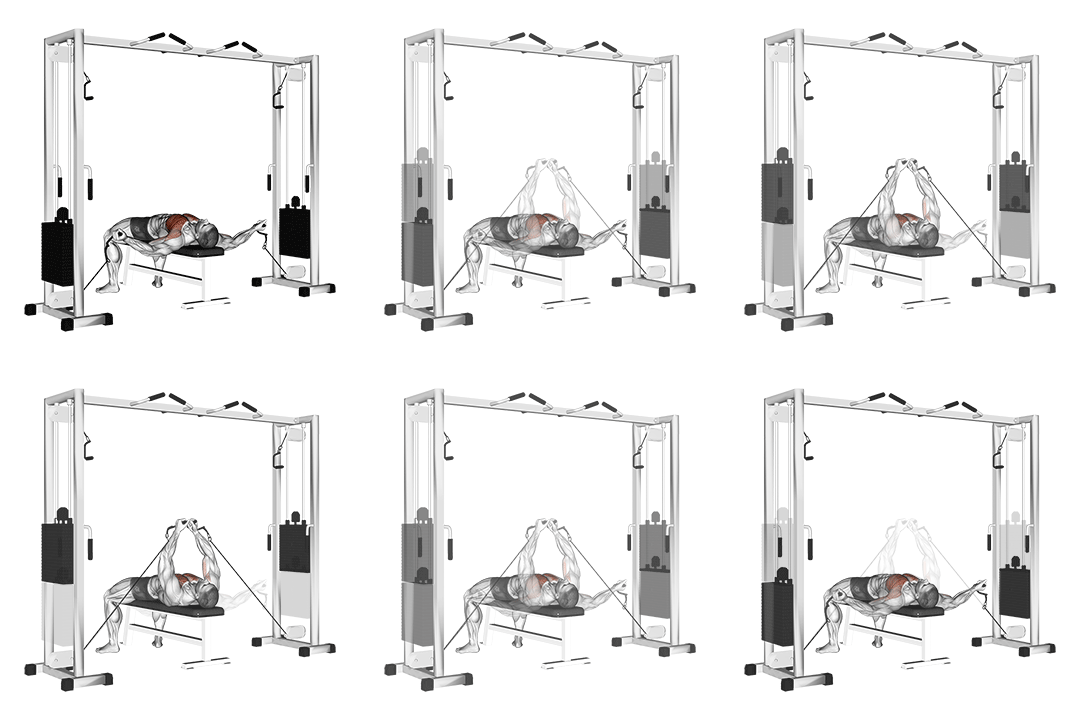
9. Cable Lying Fly
90.9% MatchHow to perform this exercise
- Attach the handles to the cables and lie flat on a bench with your feet flat on the ground.
- Hold the handles with your palms facing each other and your arms extended straight above your chest.
- Keeping a slight bend in your elbows, lower your arms out to the sides in a wide arc until you feel a stretch in your chest.
- Pause for a moment, then squeeze your chest muscles to bring your arms back to the starting position.
- Repeat for the desired number of repetitions.
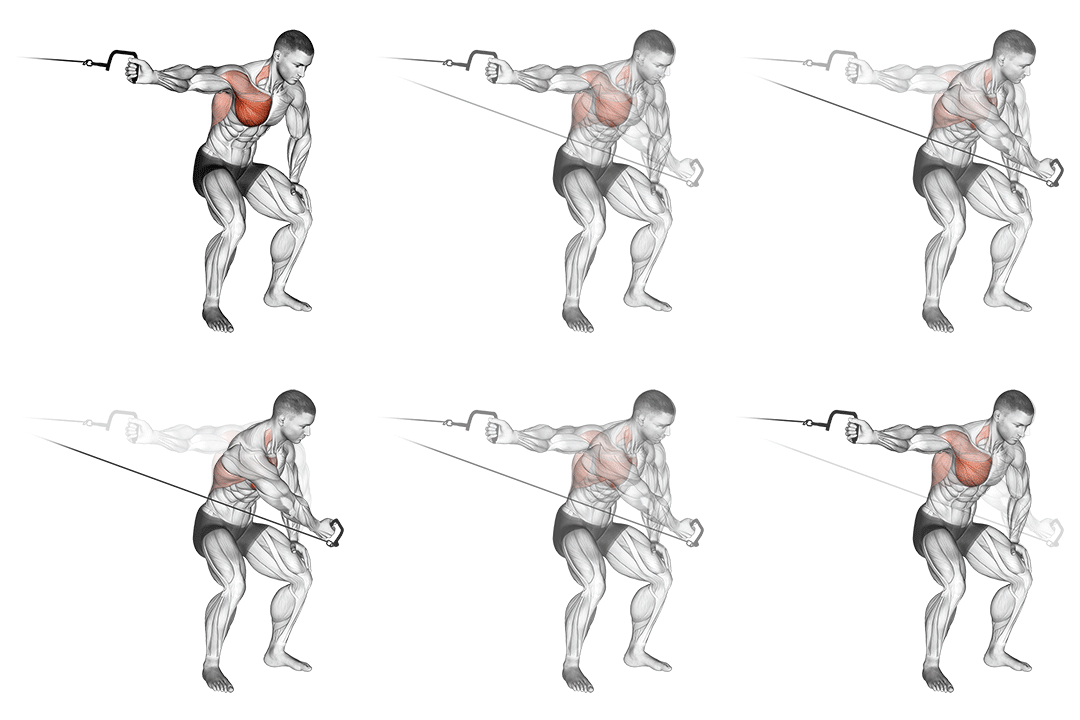
10. Cable One Arm Lateral Bent-over
90.1% MatchHow to perform this exercise
- Stand with your feet shoulder-width apart, facing a cable machine.
- Grasp the handle with one hand and step back to create tension on the cable.
- Bend forward at the waist, keeping your back straight and your core engaged.
- Extend your arm out to the side, parallel to the ground, with a slight bend in your elbow.
- Slowly bring your arm back to the starting position, maintaining control throughout the movement.
Why You Might Need a Cable Crossover Alternative
You might substitute the cable crossover because a cable station isn’t available, you have shoulder pain at end range, or you want a different tension curve or heavier progressive loading. The crossover emphasizes horizontal adduction and provides near-constant tension through the arc; alternatives change stability demands and the moment arm, which shifts recruitment between the sternal and clavicular fibers. Pick a movement that preserves horizontal adduction and allows progressive overload or reduced end-range compression if needed. Technique cue: retract your scapula, brace your core, and keep elbows at ~10–20° of flexion so the pectoralis major — not the anterior deltoid — does most of the work.
How to Choose the Right Substitute
Choose a substitute by matching the cable crossover’s key features: horizontal adduction, constant tension, and the ability to overload. If you need constant tension, use bands or controlled dumbbell flyes; for heavier loading and hypertrophy, choose dumbbell or barbell presses that allow progressive increases. Address shoulder issues by selecting neutral-grip presses or band crossovers with reduced end-range stress. Consider unilateral options (single-arm band crossovers, archer push-ups) to correct imbalances. Technique cue: perform a light test set and palpate the medial pec—if the anterior deltoid dominates, shorten range or increase elbow bend to refocus the load on the pectoralis major.
Frequently Asked Questions
What muscles does Cable Crossover work?
Cable crossover primarily targets the pectoralis major through horizontal adduction, with assistance from the anterior deltoid for shoulder flexion and the serratus anterior and scapular stabilizers for control. Cue: maintain scapular retraction and a slight elbow bend to emphasize pec recruitment and limit deltoid takeover.
What is the best bodyweight alternative to Cable Crossover?
Archer push-ups or slow, wide push-ups are the best bodyweight alternatives because they replicate unilateral horizontal adduction and increase time under tension. Technique cue: keep elbows at about 45° and lower with a 3–4 second eccentric, focusing on chest compression to feel pectoralis major activation.
Can I build muscle without doing Cable Crossover?
Yes—muscle growth requires progressive overload, volume, and mechanical tension, not a specific exercise; you can use presses, flyes, bands, or machines to stimulate the pecs. Technique cue: progressively increase load, reps, or slow the eccentric phase to increase pectoral time under tension and track which variations produce the best pec feeling.
More Exercise Alternatives
Find Alternatives for Any Exercise
Use our free tool to discover the best substitute exercises based on your available equipment and goals.
Try the Exercise Substitution Finder →