

10 Best Cable Forward Raise Alternatives for Limited Equipment
If you can’t do the Cable Forward Raise, use exercises that reproduce shoulder flexion and anterior deltoid tension. Top swaps include dumbbell front raises, resistance-band front raises, plate raises, barbell front raises and landmine presses. Cue: lead with the elbow, stop at shoulder height and control the eccentric to keep tension on the delts.
Original Exercise: Cable Forward Raise
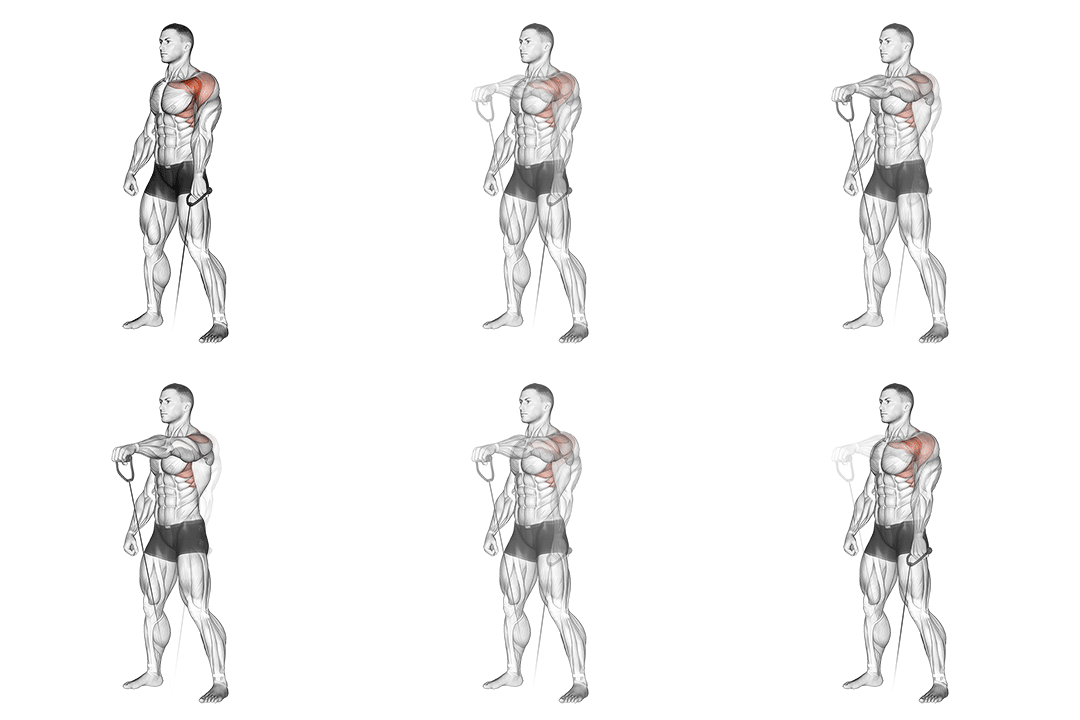
How to Perform Cable Forward Raise
- Stand with your feet shoulder-width apart and your knees slightly bent.
- Hold the cable handle with an overhand grip, palms facing down, and your arms fully extended in front of you.
- Keeping your arms straight, raise the cable handle up to shoulder level.
- Pause for a moment at the top, then slowly lower the cable handle back down to the starting position.
- Repeat for the desired number of repetitions.
Best Cable Forward Raise Alternatives
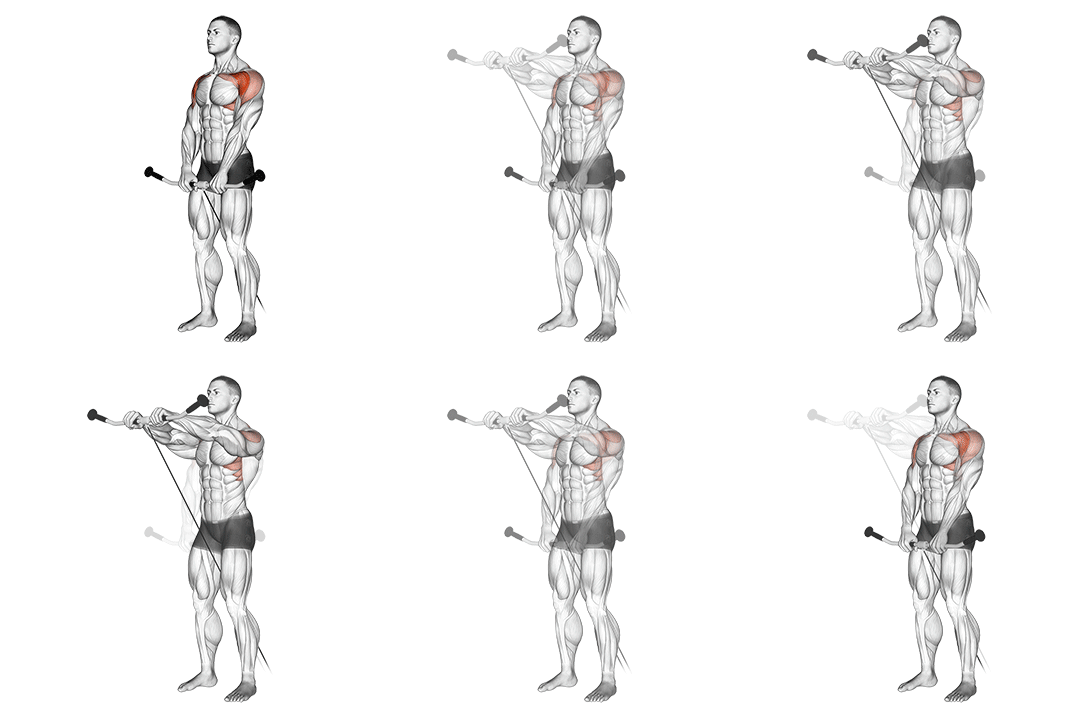
1. Cable Front Raise
99.9% MatchHow to perform this exercise
- Stand with your feet shoulder-width apart and grasp the cable handle with an overhand grip.
- Keep your back straight and your core engaged.
- Raise the cable handle in front of you, keeping your arms straight and your palms facing down.
- Continue lifting until your arms are parallel to the floor.
- Pause for a moment at the top, then slowly lower the cable handle back to the starting position.
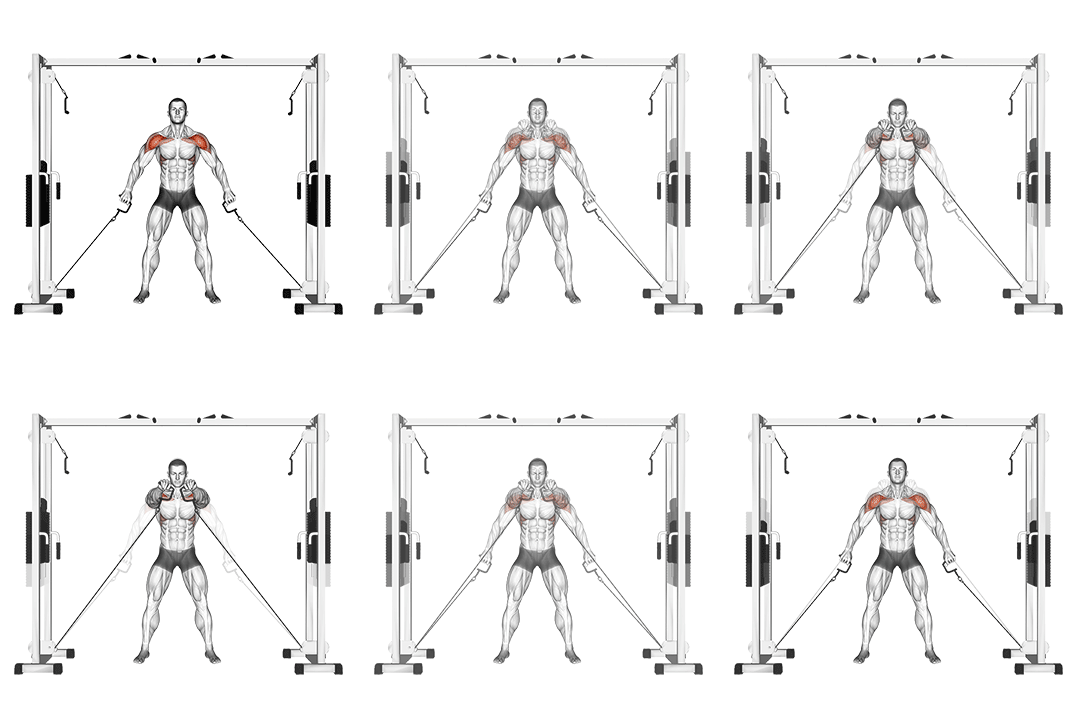
2. Cable Front Shoulder Raise
99.9% MatchHow to perform this exercise
- Stand with your feet shoulder-width apart and grasp the cable handle with an overhand grip.
- Keep your back straight and your core engaged.
- Raise the cable handle in front of you, keeping your arms straight and your palms facing down.
- Continue lifting until your arms are parallel to the floor.
- Pause for a moment at the top, then slowly lower the cable handle back to the starting position.

3. Bent Over Low-Pulley Side Lateral
83.4% MatchHow to perform this exercise
- Select a weight and hold the handle of the low pulley with your right hand.
- Bend at the waist until your torso is nearly parallel to the floor. Your legs should be slightly bent with your left hand placed on your lower left thigh. Your right arm should be hanging from your shoulder in front of you and with a slight bend at the elbow. This will be your starting position.
- Raise your right arm, elbow slightly bent, to the side until the arm is parallel to the floor and in line with your right ear. Breathe out as you perform this step.
- Slowly lower the weight back to the starting position as you breathe in.
- Repeat for the recommended amount of repetitions and repeat the movement with the other arm.
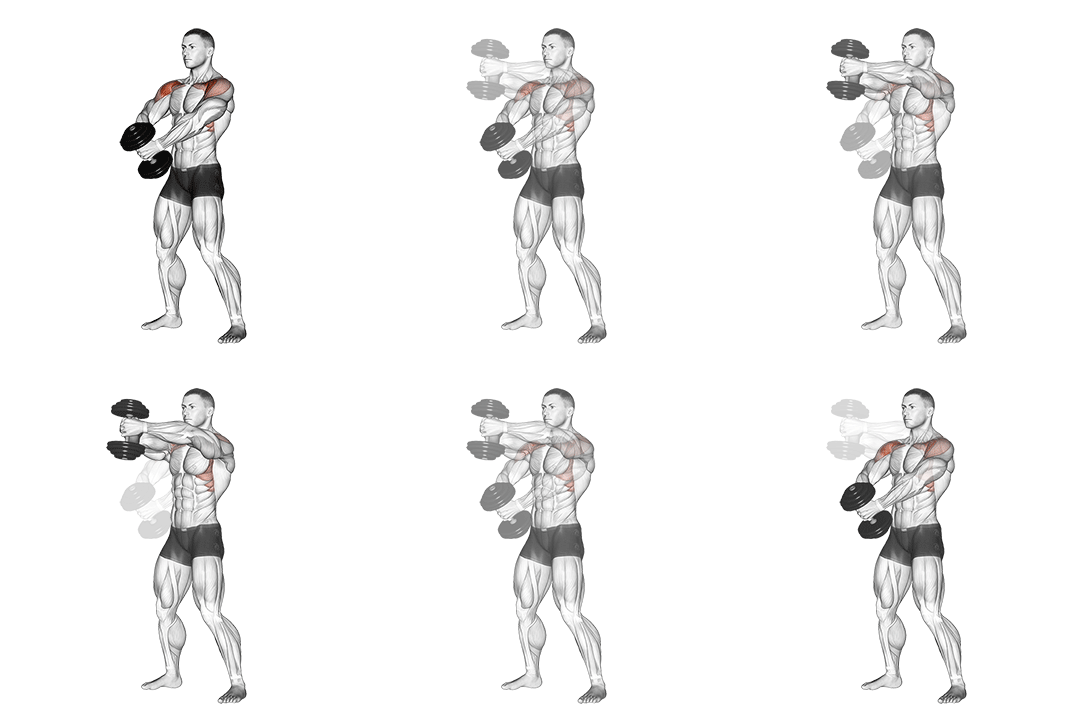
4. Dumbbell Front Raise V. 2
73.8% MatchHow to perform this exercise
- Stand with your feet shoulder-width apart, holding a dumbbell in each hand with your palms facing your thighs.
- Keep your back straight and engage your core.
- Slowly lift the dumbbells in front of you, with your arms straight, until they are at shoulder level.
- Pause for a moment at the top, then slowly lower the dumbbells back down to the starting position.
- Repeat for the desired number of repetitions.
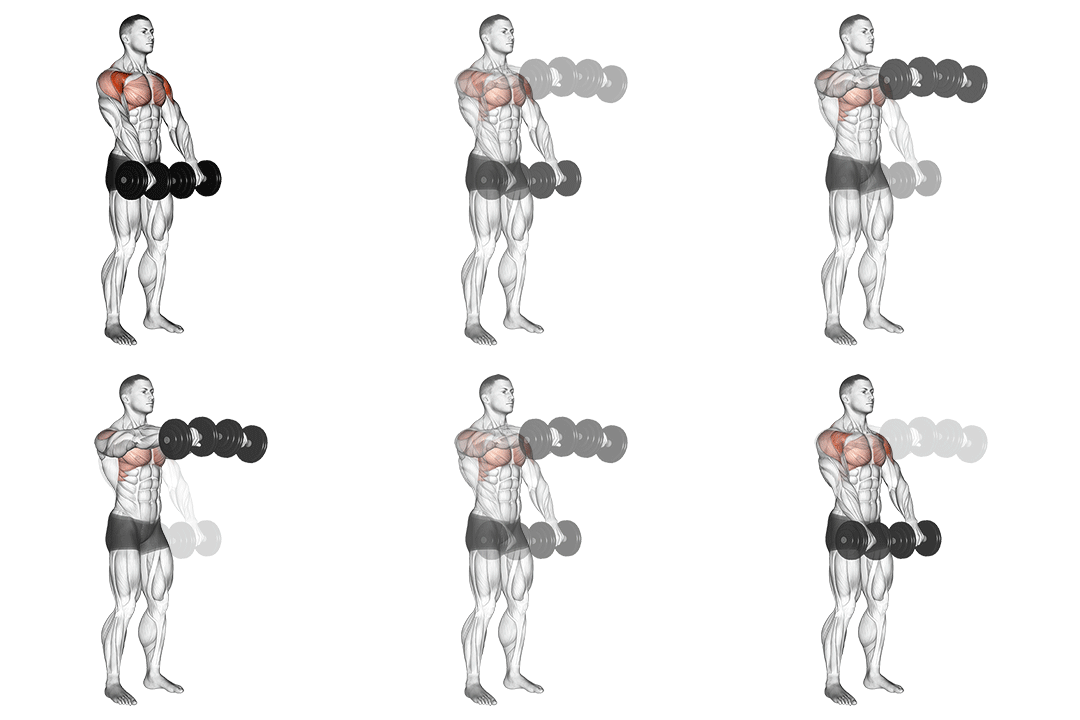
5. Dumbbell Front Raise
73.8% MatchHow to perform this exercise
- Stand with your feet shoulder-width apart, holding a dumbbell in each hand with your palms facing your thighs.
- Keeping your arms straight, exhale and lift the dumbbells in front of you until they are at shoulder level.
- Pause for a moment at the top, then inhale and slowly lower the dumbbells back down to the starting position.
- Repeat for the desired number of repetitions.
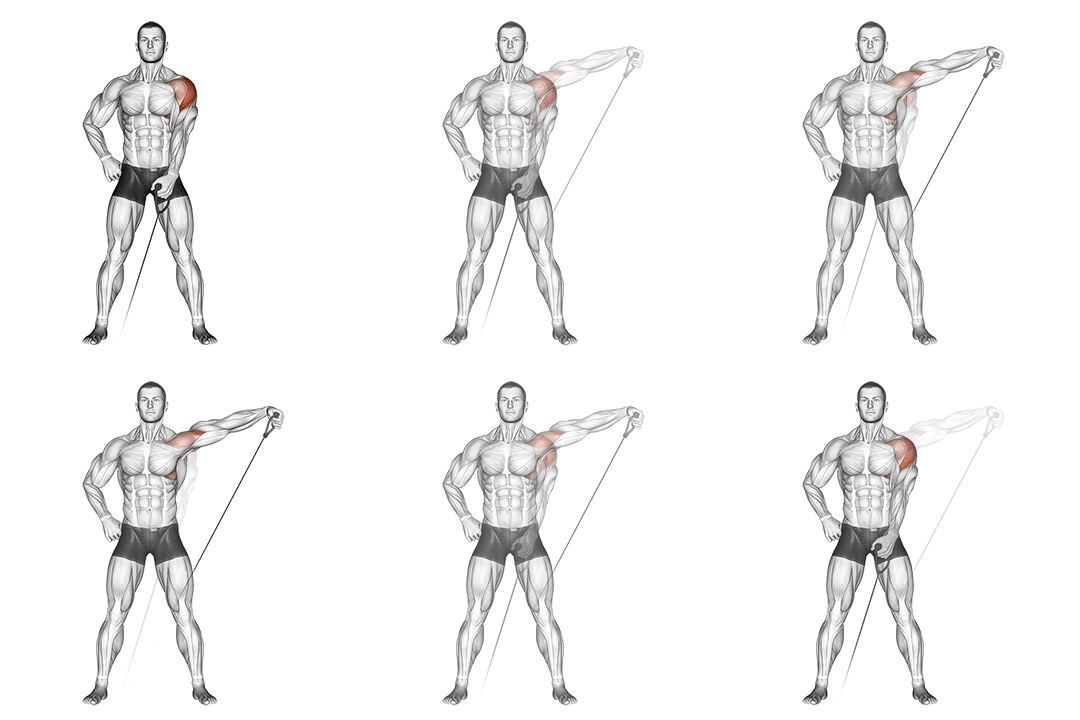
6. Cable One Arm Lateral Raise
73.7% MatchHow to perform this exercise
- Stand with your feet shoulder-width apart, facing the cable machine.
- Hold the cable handle with one hand, palm facing down, and stand far enough away from the machine so that there is tension on the cable.
- Keep your arm straight and slowly raise it out to the side until it is parallel to the ground.
- Pause for a moment at the top, then slowly lower your arm back down to the starting position.
- Repeat for the desired number of repetitions, then switch sides.
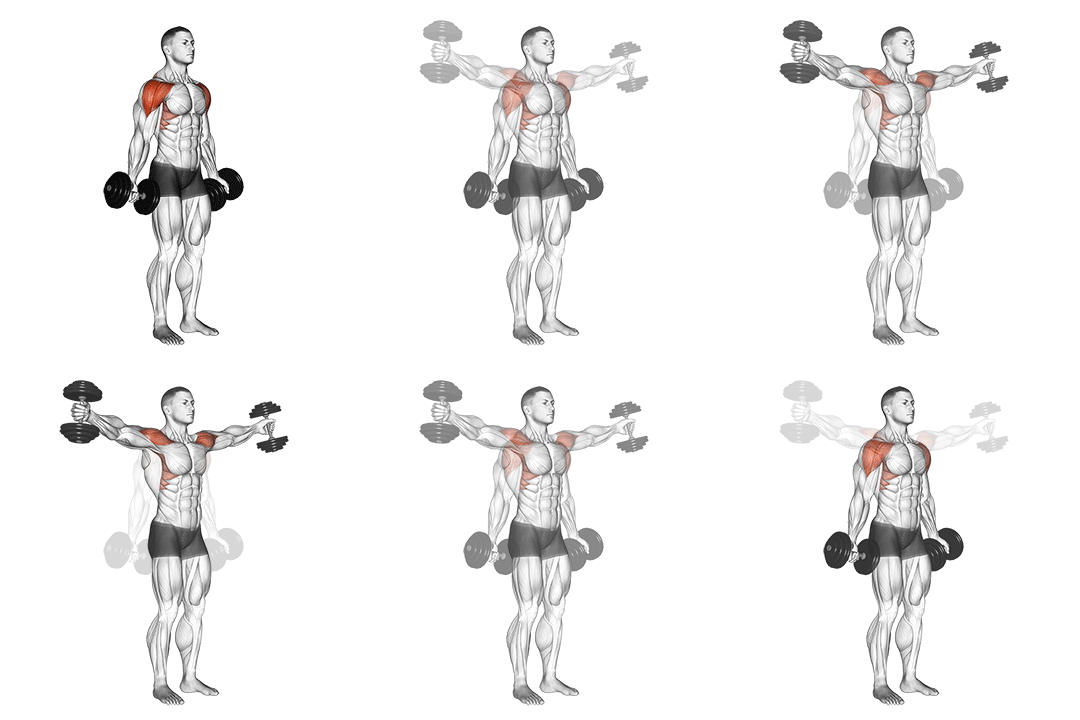
7. Dumbbell Full Can Lateral Raise
73.6% MatchHow to perform this exercise
- Stand with your feet shoulder-width apart, holding a dumbbell in each hand with your palms facing your body.
- Keep your back straight and engage your core.
- Raise your arms out to the sides, keeping a slight bend in your elbows, until they are parallel to the ground.
- Pause for a moment at the top, then slowly lower your arms back down to the starting position.
- Repeat for the desired number of repetitions.
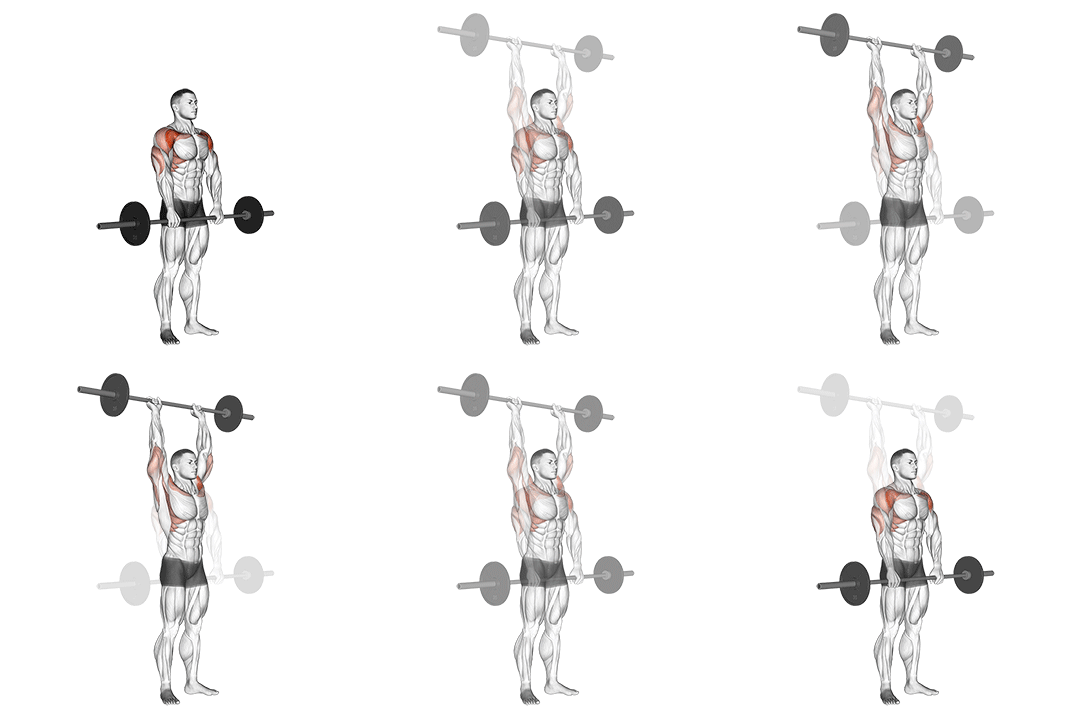
8. Barbell Standing Front Raise Over Head
72.9% MatchHow to perform this exercise
- Stand with your feet shoulder-width apart, holding a barbell in front of your thighs with an overhand grip.
- Keep your back straight and engage your core.
- Slowly raise the barbell in front of you, keeping your arms straight and your palms facing down.
- Continue lifting until the barbell is slightly above shoulder level.
- Pause for a moment at the top, then slowly lower the barbell back down to the starting position.
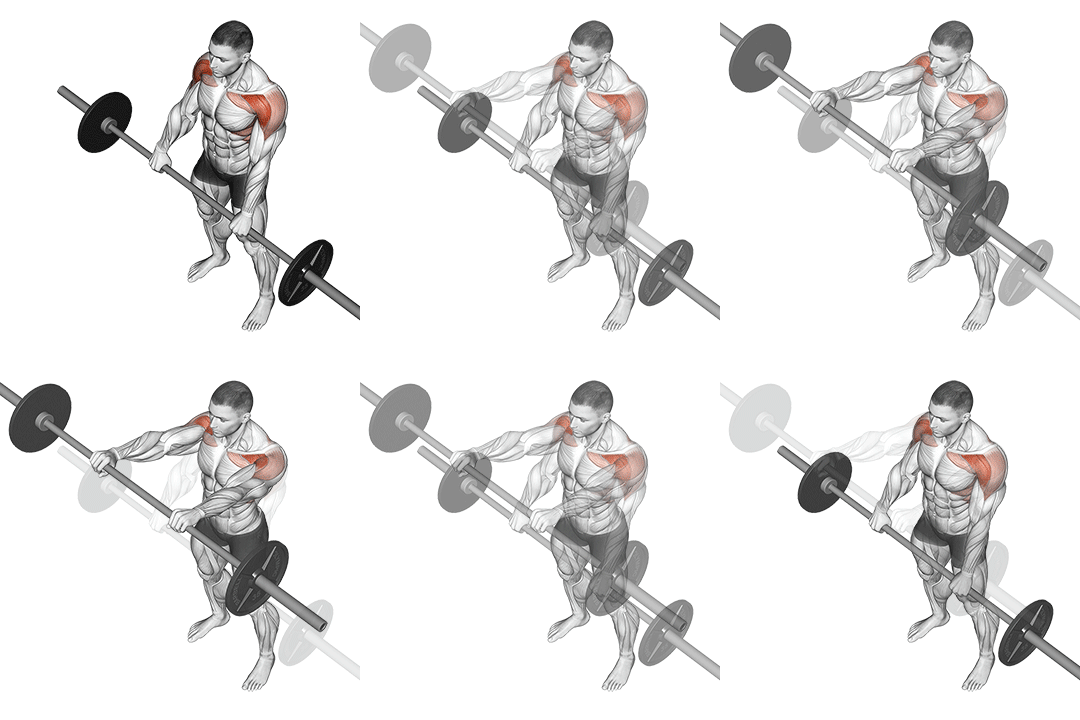
9. Barbell Front Raise
71.9% MatchHow to perform this exercise
- Stand with your feet shoulder-width apart and hold a barbell in front of your thighs with an overhand grip.
- Keep your arms straight and lift the barbell forward and upward until it reaches shoulder level.
- Pause for a moment at the top, then slowly lower the barbell back down to the starting position.
- Repeat for the desired number of repetitions.
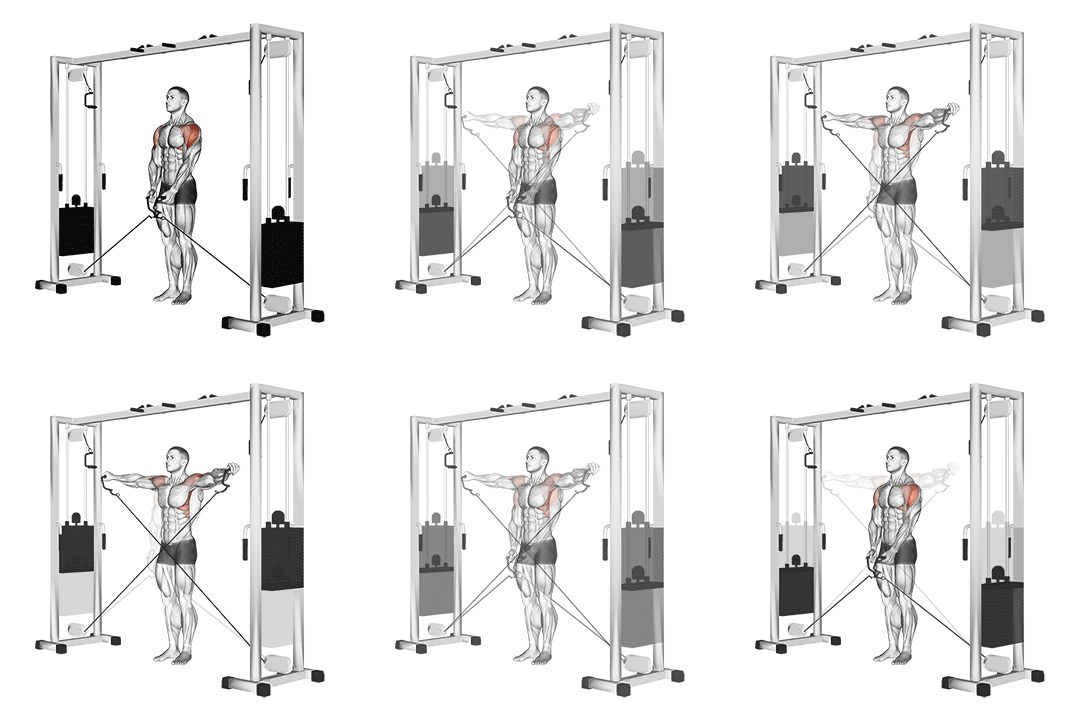
10. Cable Lateral Raise
71.4% MatchHow to perform this exercise
- Stand with your feet shoulder-width apart and grasp the cable handles with an overhand grip.
- Keep your arms straight and your core engaged.
- Raise your arms out to the sides until they are parallel to the floor.
- Pause for a moment at the top, then slowly lower your arms back down to the starting position.
- Repeat for the desired number of repetitions.
Why You Might Need a Cable Forward Raise Alternative
You might substitute the Cable Forward Raise for equipment, injury or programming reasons. Cables give constant horizontal tension; without them you’ll pick tools that alter the tension curve and loading plane. For example, bands increase tension at the top, dumbbells load via gravity and landmine presses load on a diagonal. If you have AC or rotator cuff irritation, reduce end-range shoulder flexion and use lighter bands or unilateral dumbbell work. Technique cue: maintain a braced core, keep the scapula stable and lead the raise with your elbow to isolate the anterior deltoid and avoid upper trapezius takeover.
How to Choose the Right Substitute
Decide based on equipment, pain history and training goal. If you need strict isolation and unilateral control choose dumbbells—use a 2-0-2 tempo and stop at 90° shoulder flexion. If you want progressive top-end tension pick a resistance band and anchor it low, keeping tension through the top third of the lift. For heavier loading and stability training use a barbell or landmine press; cue a neutral spine and drive the movement from the shoulder flexors while limiting torso lean. Prioritize movement quality: if you feel shoulder pinch, reduce range or swap to lighter band variations.
Frequently Asked Questions
What muscles does Cable Forward Raise work?
The Cable Forward Raise primarily targets the anterior deltoid, producing shoulder flexion. It secondarily recruits the clavicular head of the pec major and stabilizers such as the upper trapezius and scapular retractors to control the motion.
What is the best bodyweight alternative to Cable Forward Raise?
A pike push-up is the best bodyweight option to bias the anterior delts because it places the shoulder into flexion under load. Cue a high hip position and controlled eccentric descent so the deltoids, rather than the chest, take the load.
Can I build muscle without doing Cable Forward Raise?
Yes. You can build anterior deltoid size with many movements—compound presses (bench, overhead) plus isolation front raises with dumbbells, plates or bands all work. Focus on progressive overload, controlled tempo and maintaining tension on the anterior deltoid.
More Exercise Alternatives
Find Alternatives for Any Exercise
Use our free tool to discover the best substitute exercises based on your available equipment and goals.
Try the Exercise Substitution Finder →