

10 Best Dumbbell Upright Row Alternatives for Shoulder Training
The Dumbbell Upright Row is done standing with dumbbells. Ranked closest by our scoring: the Dumbbell Upright Row, the Standing Front Barbell Raise Over Head and the Kettlebell Pirate Supper Legs.
Updated Ranked by our 12-factor similarity model How it works
Original Exercise: Dumbbell Upright Row
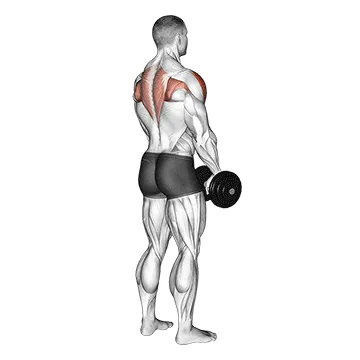
- Primary muscle
- Delts
- Equipment
- Dumbbell
- Difficulty
- Intermediate
- Type
- Compound
Secondary muscles: Traps, Biceps
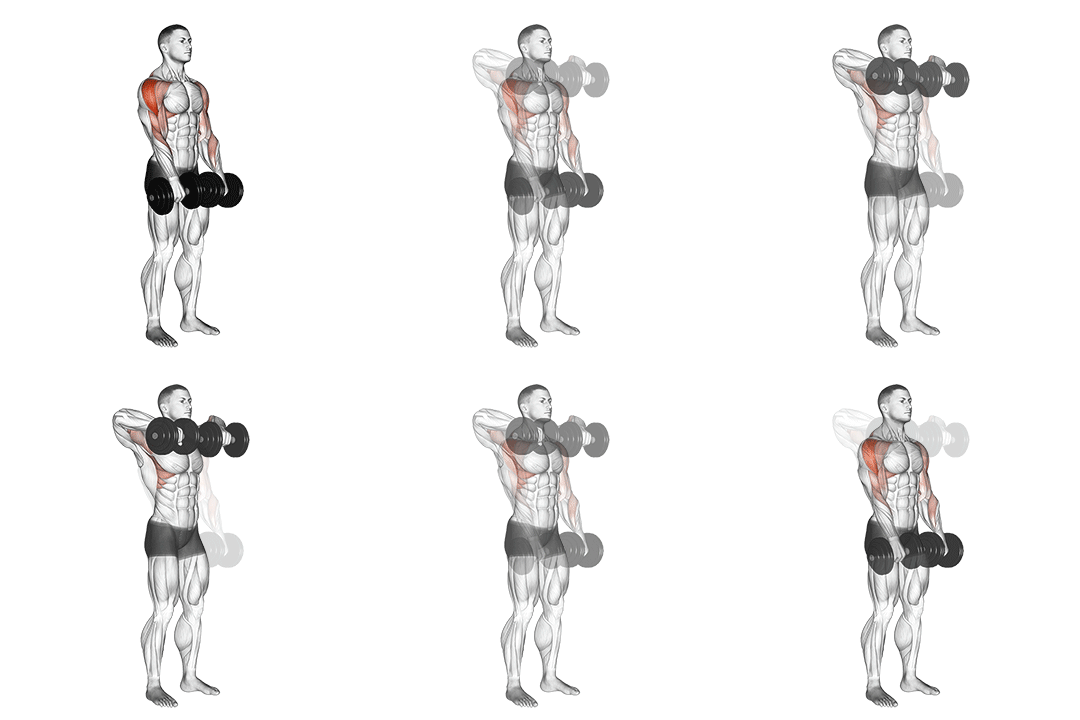
How to perform Dumbbell Upright Row
- Stand with your feet shoulder-width apart, holding a dumbbell in each hand with an overhand grip.
- Let the dumbbells hang in front of your thighs, with your arms fully extended and your palms facing your body.
- Keeping your back straight and your core engaged, exhale and lift the dumbbells straight up towards your chin, leading with your elbows.
- Continue lifting until the dumbbells are at shoulder height, with your elbows pointing out to the sides.
- Pause for a moment at the top, then inhale and slowly lower the dumbbells back down to the starting position.
- Repeat for the desired number of repetitions.
Ranked Dumbbell Upright Row Alternatives
10 substitutes, ranked by how closely each one matches the Dumbbell Upright Row on movement pattern, muscles worked, equipment and body position. The higher the score, the less you change. Open "How to perform this exercise" on a card for the steps; every card title links to that exercise's own alternatives page.
Best match 1. Dumbbell Upright Row
91% match- Delts
- Dumbbell
- Intermediate
- Compound
The same equipment, taken with an overhand grip.
How to perform this exercise
- Stand with your feet shoulder-width apart, holding a dumbbell in each hand with an overhand grip.
- Let the dumbbells hang in front of your thighs, with your arms fully extended.
- Keeping your back straight and your core engaged, exhale and lift the dumbbells straight up towards your chin, leading with your elbows.
- Pause for a moment at the top, then inhale and slowly lower the dumbbells back down to the starting position.
- Repeat for the desired number of repetitions.
Sets and reps: 3 or 4 sets of 6 to 10 reps.
Why this matches
- Primary muscle: delts, the same as the Dumbbell Upright Row
- Equipment: free weights, the same as the Dumbbell Upright Row
- Body position: standing, the same as the Dumbbell Upright Row
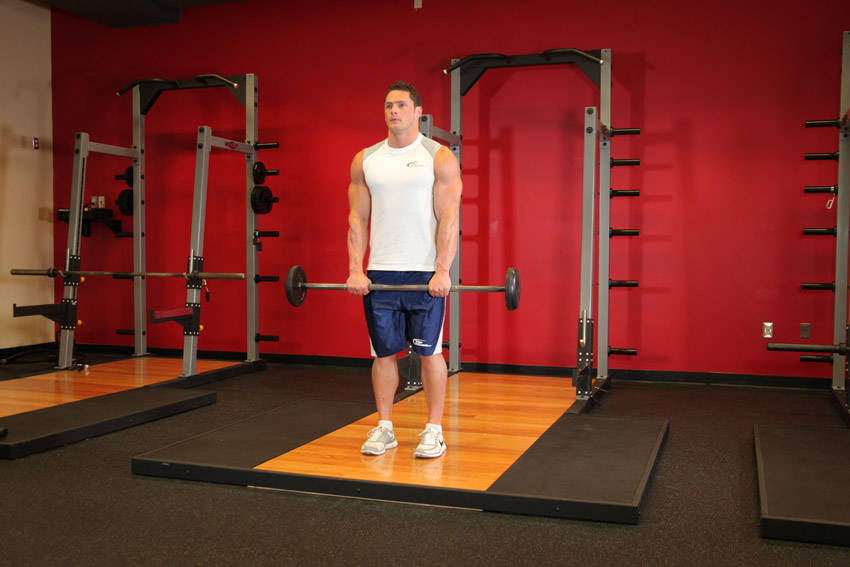
- Delts
- Barbell
- Intermediate
- Compound
A good swap when you have a barbell to work with, and it still works the delts.
How to perform this exercise
- To begin, stand straight with a barbell in your hands. You should grip the bar with palms facing down and a closer than shoulder width grip apart from each other.
- Your feet should be shoulder width apart from each other. Your elbows should be slightly bent. This is the starting position.
- Lift the barbell up until it is directly over your head while exhaling. Make sure to keep your elbows slightly bent when performing each repetition.
- Once you feel the contraction, begin to lower the barbell back down to the starting position as you inhale.
- Repeat for the recommended amount of repetitions.
Sets and reps: 3 or 4 sets of 6 to 10 reps.
Why this matches
- Primary muscle: delts, the same as the Dumbbell Upright Row
- Equipment: free weights, the same as the Dumbbell Upright Row
- Body position: standing, the same as the Dumbbell Upright Row
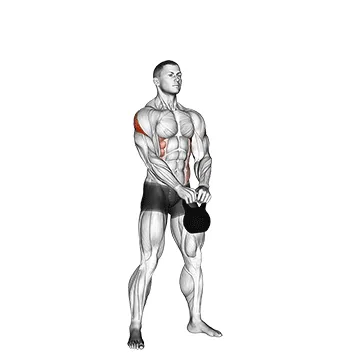
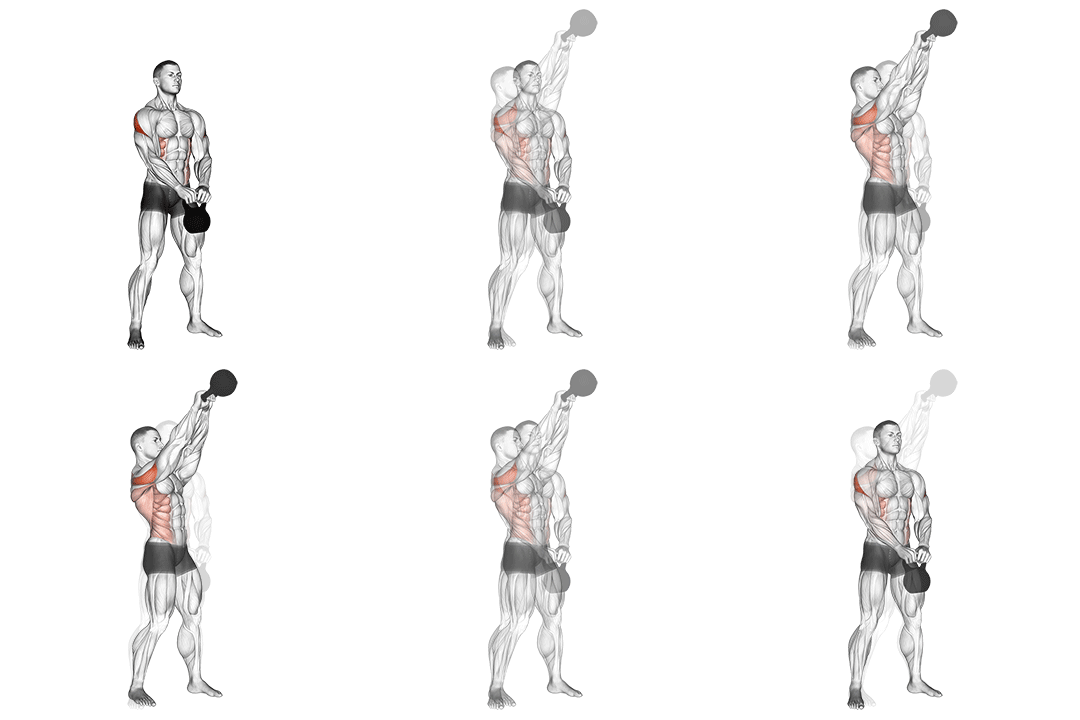
3. Kettlebell Pirate Supper Legs
90% match- Delts
- Kettlebell
- Intermediate
- Compound
A good swap when you have a kettlebell to work with, and it still works the delts.
How to perform this exercise
- Stand with your feet shoulder-width apart, holding a kettlebell in one hand.
- Bend your knees slightly and hinge forward at the hips, keeping your back straight.
- Raise the kettlebell up to shoulder height, keeping your elbow close to your body.
- Extend your arm fully overhead, straightening your elbow.
- Lower the kettlebell back down to shoulder height, then return to the starting position.
- Repeat for the desired number of repetitions, then switch sides.
Sets and reps: 3 or 4 sets of 6 to 10 reps.
Why this matches
- Primary muscle: delts, the same as the Dumbbell Upright Row
- Equipment: free weights, the same as the Dumbbell Upright Row
- Body position: standing, the same as the Dumbbell Upright Row
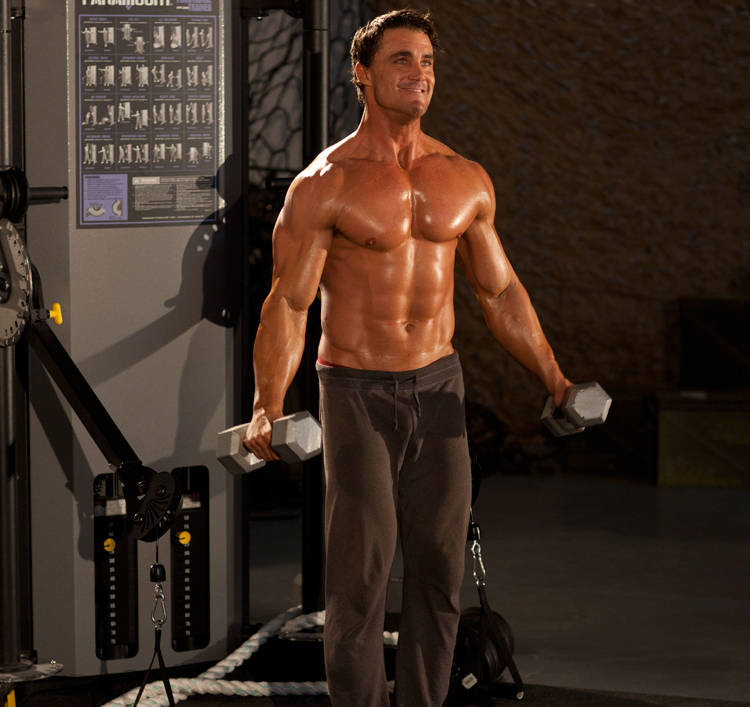
4. Side Laterals To Front Raise
87% match- Delts
- Dumbbell
- Intermediate
- Isolation
The same equipment, taken with a neutral grip.
How to perform this exercise
- In a standing position, hold a pair of dumbbells at your side. This will be your starting position.
- Keeping your elbows slightly bent, raise the weights directly in front of you to shoulder height, avoiding any swinging or cheating.
- At the top of the exercise move the weights out in front of you, keeping your arms extended.
- Lower the weights with a controlled motion.
- On the next repetition, raise the weights in front of you to shoulder height before moving the weights laterally to your sides.
- Lower the weights to the starting position.
Sets and reps: 3 sets of 10 to 15 reps.
Why this matches
- Primary muscle: delts, the same as the Dumbbell Upright Row
- Equipment: free weights, the same as the Dumbbell Upright Row
- Body position: standing, the same as the Dumbbell Upright Row
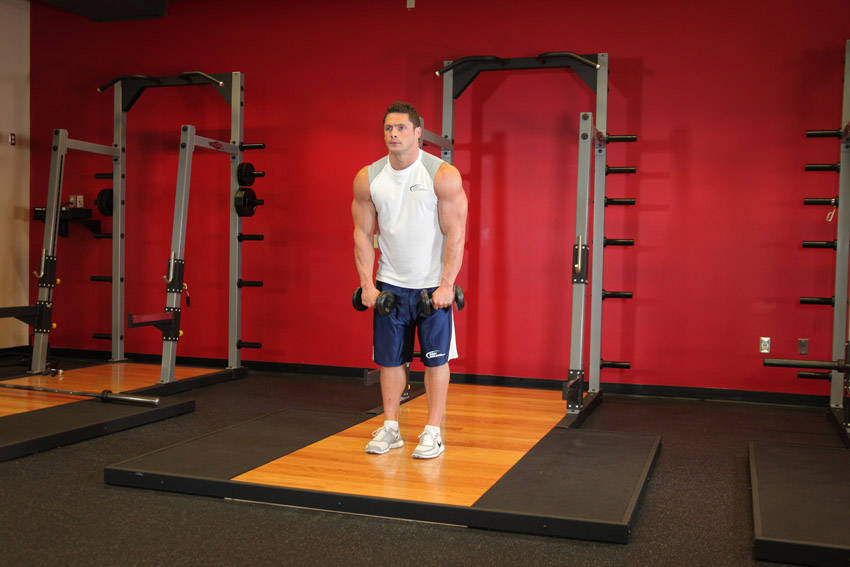
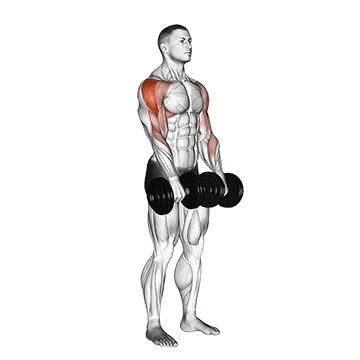
- Delts
- Dumbbell
- Intermediate
- Isolation
How to perform this exercise
- Hold the dumbbells in front of your thighs, palms facing your thighs.
- Keep your arms straight with a slight bend at the elbows but keep them locked. This will be your starting position.
- Raise the dumbbells in a semicircular motion to arm's length overhead as you exhale.
- Slowly return to the starting position using the same path as you inhale.
- Repeat for the recommended amount of repetitions.
Sets and reps: 3 sets of 10 to 15 reps.
Why this matches
- Primary muscle: delts, the same as the Dumbbell Upright Row
- Equipment: free weights, the same as the Dumbbell Upright Row
- Body position: standing, the same as the Dumbbell Upright Row
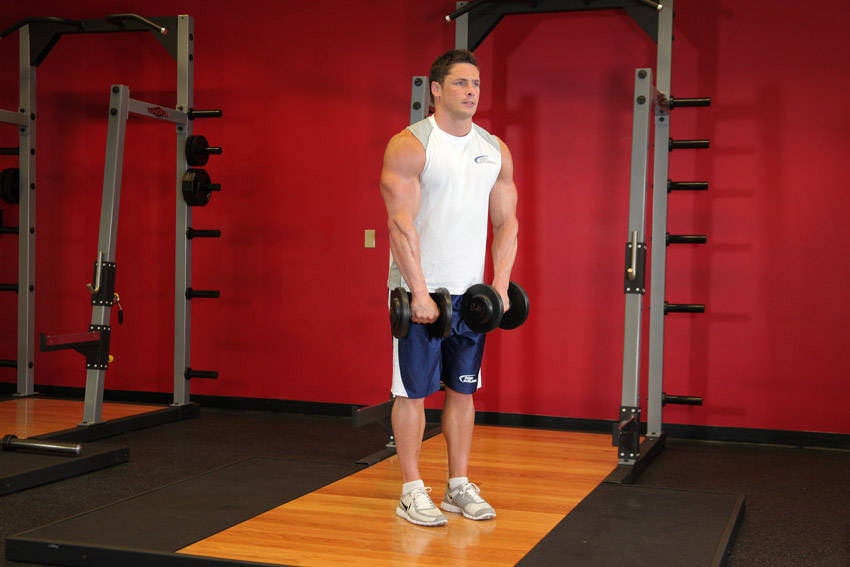
6. Front Dumbbell Raise
86% match- Delts
- Dumbbell
- Beginner
- Isolation
Pick this when you want an easier version that still works the delts.
How to perform this exercise
- Pick a couple of dumbbells and stand with a straight torso and the dumbbells on front of your thighs at arms length with the palms of the hand facing your thighs. This will be your starting position.
- While maintaining the torso stationary (no swinging), lift the left dumbbell to the front with a slight bend on the elbow and the palms of the hands always facing down. Continue to go up until you arm is slightly above parallel to the floor. Exhale as you execute this portion of the movement and pause for a second at the top. Inhale after the second pause.
- Now lower the dumbbell back down slowly to the starting position as you simultaneously lift the right dumbbell.
- Continue alternating in this fashion until all of the recommended amount of repetitions have been performed for each arm.
Sets and reps: 3 sets of 10 to 15 reps.
Why this matches
- Primary muscle: delts, the same as the Dumbbell Upright Row
- Equipment: free weights, the same as the Dumbbell Upright Row
- Body position: standing, the same as the Dumbbell Upright Row
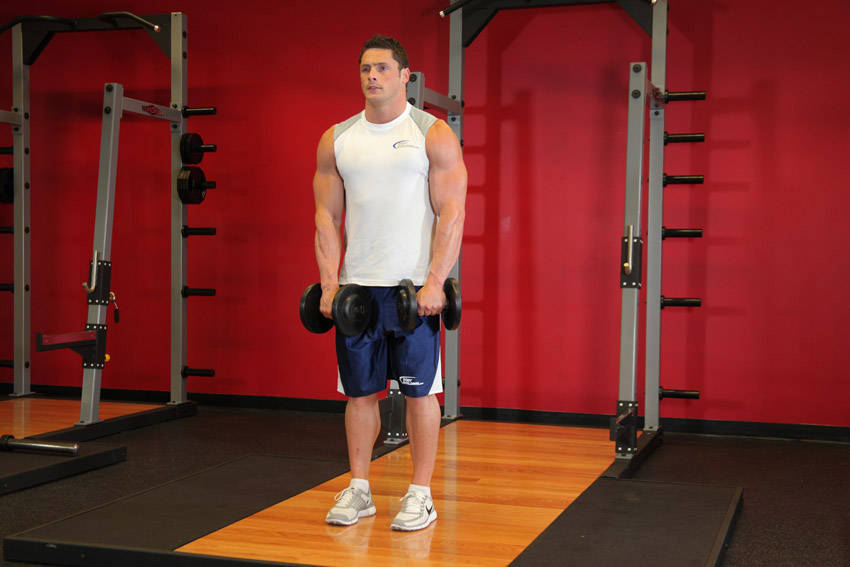
7. Front Two-dumbbell Raise
86% match- Delts
- Dumbbell
- Beginner
- Isolation
How to perform this exercise
- Pick a couple of dumbbells and stand with a straight torso and the dumbbells on front of your thighs at arms length with the palms of the hand facing your thighs. This will be your starting position.
- While maintaining the torso stationary (no swinging), lift the dumbbells to the front with a slight bend on the elbow and the palms of the hands always facing down. Continue to go up until you arms are slightly above parallel to the floor. Exhale as you execute this portion of the movement and pause for a second at the top.
- As you inhale, lower the dumbbells back down slowly to the starting position.
- Repeat for the recommended amount of repetitions.
Sets and reps: 3 sets of 10 to 15 reps.
Why this matches
- Primary muscle: delts, the same as the Dumbbell Upright Row
- Equipment: free weights, the same as the Dumbbell Upright Row
- Body position: standing, the same as the Dumbbell Upright Row
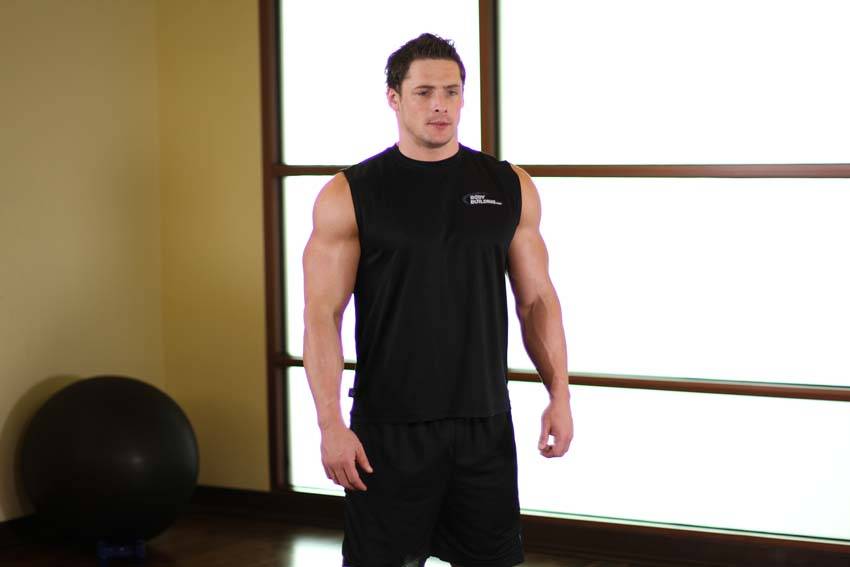
8. Shoulder Raise
86% match- Delts
- Dumbbell
- Beginner
- Isolation
How to perform this exercise
- Relax your arms to your sides and raise your shoulders up toward your ears, then back down.
Sets and reps: 3 sets of 10 to 15 reps.
Why this matches
- Primary muscle: delts, the same as the Dumbbell Upright Row
- Equipment: free weights, the same as the Dumbbell Upright Row
- Body position: standing, the same as the Dumbbell Upright Row
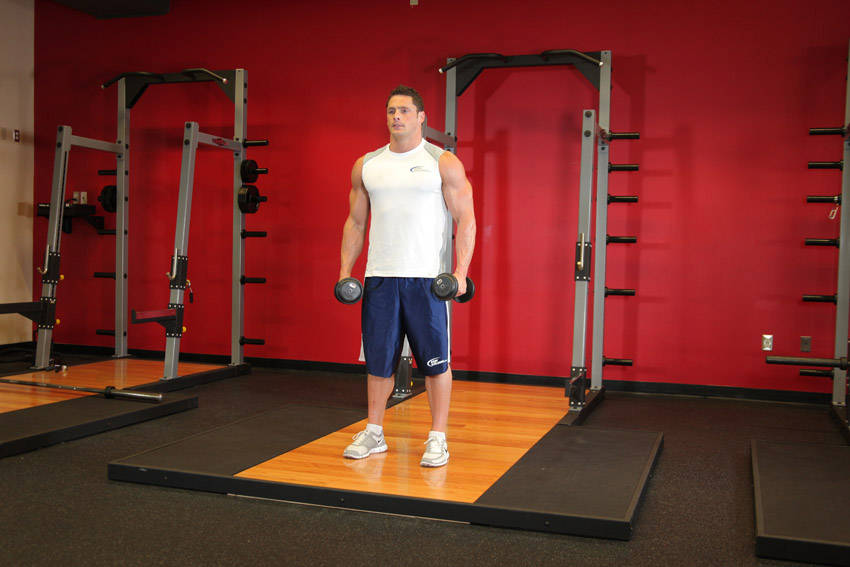
9. Side Lateral Raise
86% match- Delts
- Dumbbell
- Intermediate
- Isolation
How to perform this exercise
- Pick a couple of dumbbells and stand with a straight torso and the dumbbells by your side at arms length with the palms of the hand facing you. This will be your starting position.
- While maintaining the torso in a stationary position (no swinging), lift the dumbbells to your side with a slight bend on the elbow and the hands slightly tilted forward as if pouring water in a glass. Continue to go up until you arms are parallel to the floor. Exhale as you execute this movement and pause for a second at the top.
- Lower the dumbbells back down slowly to the starting position as you inhale.
- Repeat for the recommended amount of repetitions.
Sets and reps: 3 sets of 10 to 15 reps.
Why this matches
- Primary muscle: delts, the same as the Dumbbell Upright Row
- Equipment: free weights, the same as the Dumbbell Upright Row
- Body position: standing, the same as the Dumbbell Upright Row
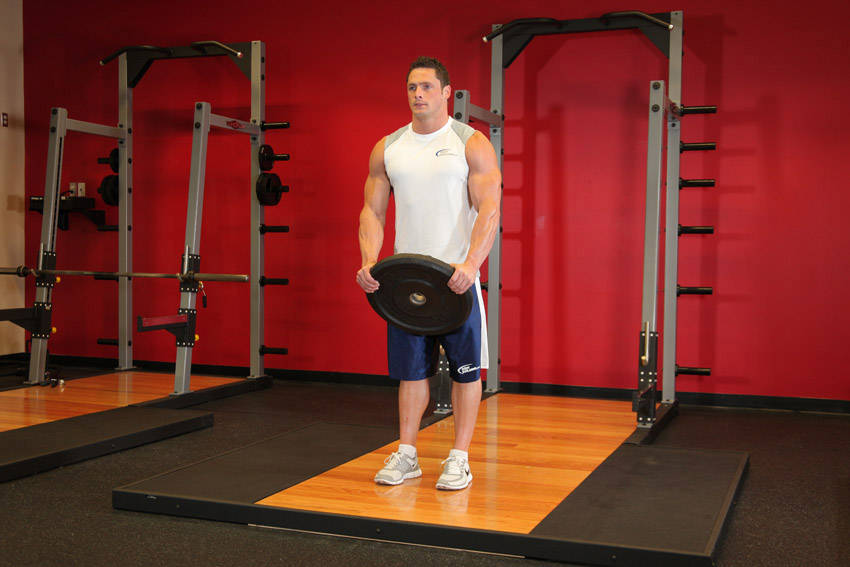
10. Front Plate Raise
86% match- Delts
- Other
- Beginner
- Isolation
How to perform this exercise
- While standing straight, hold a barbell plate in both hands at the 3 and 9 o'clock positions. Your palms should be facing each other and your arms should be extended and locked with a slight bend at the elbows and the plate should be down near your waist in front of you as far as you can go. Tip: The arms will remain in this position throughout the exercise. This will be your starting position.
- Slowly raise the plate as you exhale until it is a little above shoulder level. Hold the contraction for a second. Tip: make sure that you do not swing the weight or bend at the elbows. Your torso should remain stationary throughout the movement as well.
- As you inhale, slowly lower the plate back down to the starting position.
- Repeat for the recommended amount of repetitions.
Sets and reps: 3 sets of 10 to 15 reps.
Why this matches
- Primary muscle: delts, the same as the Dumbbell Upright Row
- Body position: standing, the same as the Dumbbell Upright Row
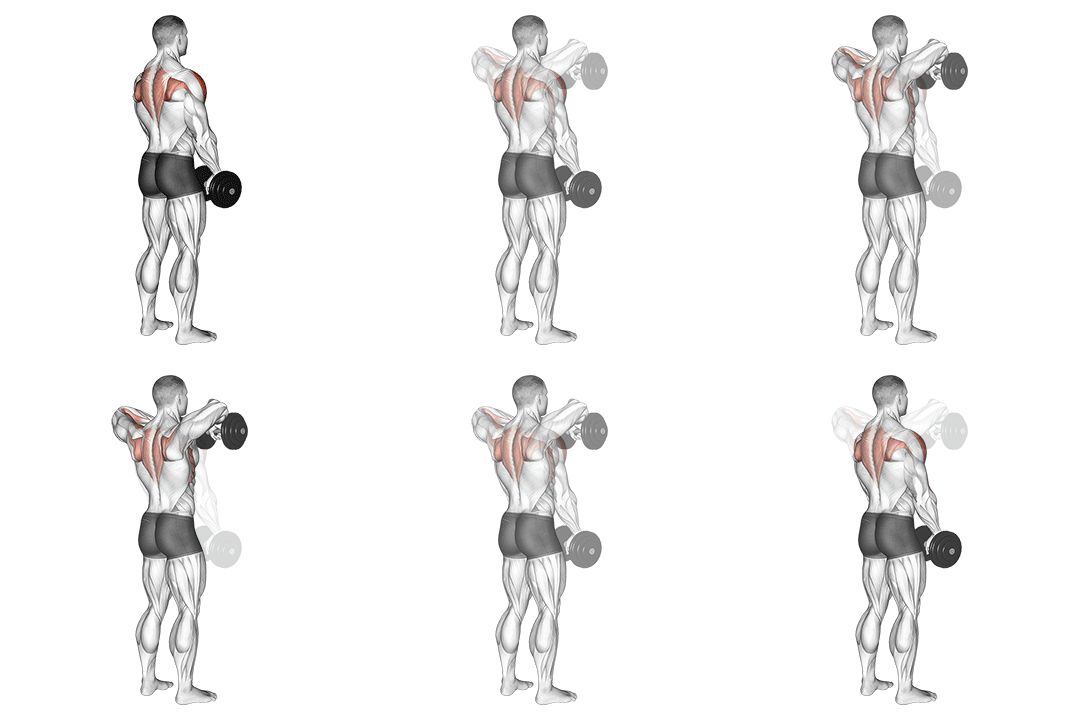
Dumbbell Upright Row FAQ
What muscles does Dumbbell Upright Row (back Pov) work?
The exercise primarily targets the lateral and anterior heads of the deltoid and recruits the upper trapezius as a strong secondary mover. Biceps and scapular stabilizers assist; driving the elbows high increases upper-trap activation. Cue: pull elbows up and out to emphasize lateral delt over wrist-dominant movement.
Find Alternatives for Any Exercise
Search the exercise database and filter the ranked substitutes by the equipment you own.
Similarity scores compare exercise metadata such as movement pattern, muscles, equipment and body position. They are not a safety rating or a check that you own the equipment. Learn about our methodology