

10 Best Cable Incline Triceps Extension Alternatives for Home Gyms
The Cable Incline Triceps Extension is done lying on your back with a cable machine. Ranked closest by our scoring: the Incline Close-grip Push-up, the Incline Push-up Close-grip and the Triceps Press.
Updated Ranked by our 12-factor similarity model How it works
Original Exercise: Cable Incline Triceps Extension
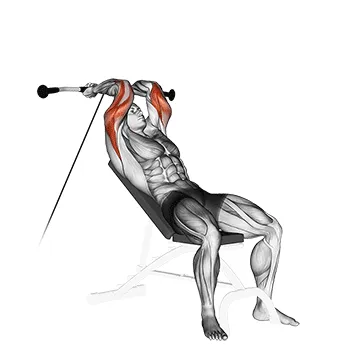
- Primary muscle
- Triceps
- Equipment
- Cable
- Difficulty
- Intermediate
- Type
- Isolation
Secondary muscles: Shoulders
How to perform Cable Incline Triceps Extension
- Adjust the cable machine to a low pulley position.
- Attach a straight bar to the cable.
- Stand facing away from the machine with your feet shoulder-width apart.
- Grasp the bar with an overhand grip and extend your arms straight overhead.
- Lean forward slightly, keeping your back straight and core engaged.
- Bend your elbows and lower the bar behind your head, keeping your upper arms close to your ears.
- Pause for a moment, then extend your arms back to the starting position.
- Repeat for the desired number of repetitions.
Ranked Cable Incline Triceps Extension Alternatives
10 substitutes, ranked by how closely each one matches the Cable Incline Triceps Extension on movement pattern, muscles worked, equipment and body position. The higher the score, the less you change. Open "How to perform this exercise" on a card for the steps; every card title links to that exercise's own alternatives page.
Best match 1. Incline Close-grip Push-up
72% match- Triceps
- Bodyweight
- Beginner
- Compound
Use this when you have nothing to train with, because it works the triceps with bodyweight alone.
How to perform this exercise
- Place your hands on an elevated surface, such as a bench or step, slightly wider than shoulder-width apart.
- Extend your legs behind you, resting on the balls of your feet, with your body forming a straight line from head to heels.
- Lower your chest towards the elevated surface by bending your elbows, keeping them close to your sides.
- Pause for a moment at the bottom, then push yourself back up to the starting position by straightening your arms.
- Repeat for the desired number of repetitions.
Sets and reps: 3 sets of 8 to 12 reps, and add reps before you add load.
Why this matches
- Movement: incline press, the same as the Cable Incline Triceps Extension
- Primary muscle: triceps, the same as the Cable Incline Triceps Extension
- Equipment: bodyweight only, not a cable
- Body position: lying face down, not lying on your back

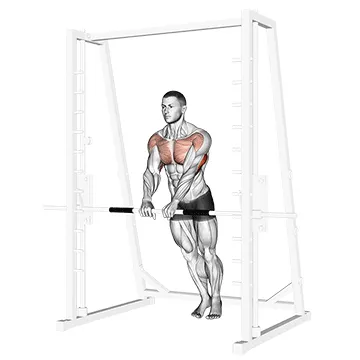
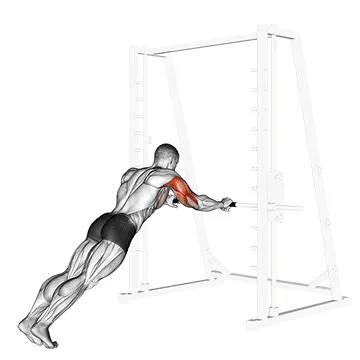
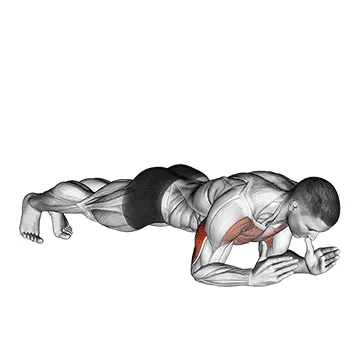
2. Incline Push-up Close-grip
71% match- Triceps
- Bodyweight
- Beginner
- Compound
How to perform this exercise
- Stand facing a Smith machine bar or sturdy elevated platform at an appropriate height.
- Place your hands next to one another on the bar.
- Position your feet back from the bar with arms and body straight. This will be your starting position.
- Keeping your body straight, lower your chest to the bar by bending the arms.
- Return to the starting position by extending the elbows, pressing yourself back up.
Sets and reps: 3 sets of 8 to 12 reps, and add reps before you add load.
Why this matches
- Movement: incline press, the same as the Cable Incline Triceps Extension
- Primary muscle: triceps, the same as the Cable Incline Triceps Extension
- Equipment: bodyweight only, not a cable
- Body position: lying face down, not lying on your back
- Balance: harder to stay steady on than the Cable Incline Triceps Extension
3. Triceps Press
67% match- Triceps
- Bodyweight
- Intermediate
- Isolation
How to perform this exercise
- Stand with your feet shoulder-width apart and your knees slightly bent.
- Extend your arms straight out in front of you, parallel to the ground.
- Bend your elbows and lower your body towards the ground, keeping your upper arms close to your sides.
- Pause for a moment at the bottom, then push yourself back up to the starting position.
- Repeat for the desired number of repetitions.
Sets and reps: 3 sets of 10 to 15 reps.
Why this matches
- Primary muscle: triceps, the same as the Cable Incline Triceps Extension
- Equipment: bodyweight only, not a cable
- Body position: kneeling, not lying on your back
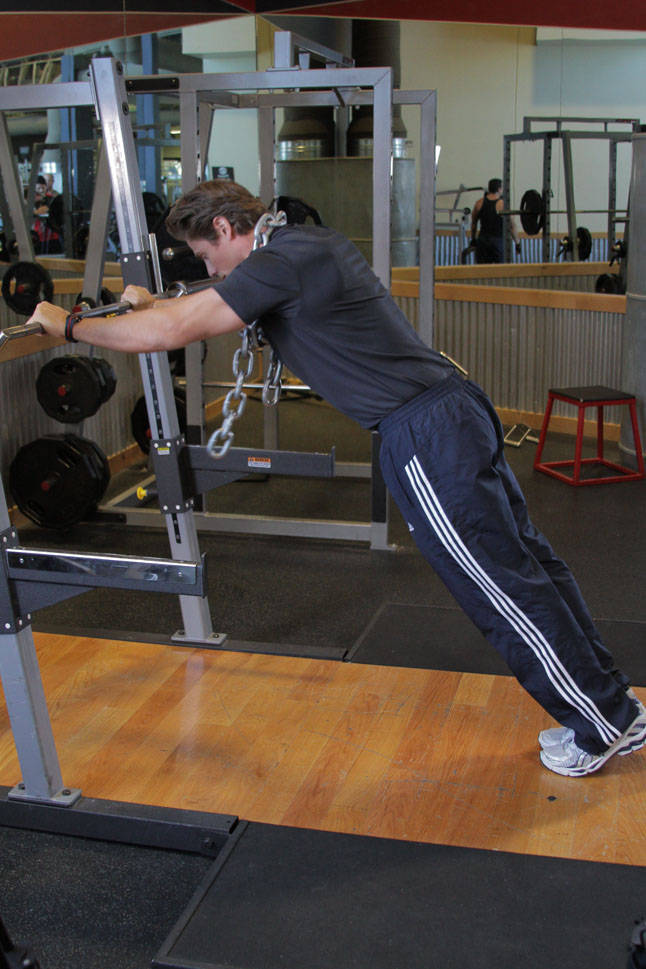
4. Body Tricep Press
67% match- Triceps
- Bodyweight
- Beginner
- Isolation
How to perform this exercise
- Position a bar in a rack at chest height.
- Standing, take a shoulder width grip on the bar and step a yard or two back, feet together and arms extended so that you are leaning on the bar. This will be your starting position.
- Begin by flexing the elbow, lowering yourself towards the bar.
- Pause, and then reverse the motion by extending the elbows.
- Progress from bodyweight by adding chains over your shoulders.
Sets and reps: 3 sets of 10 to 15 reps.
Why this matches
- Primary muscle: triceps, the same as the Cable Incline Triceps Extension
- Equipment: bodyweight only, not a cable
- Body position: lying face down, not lying on your back
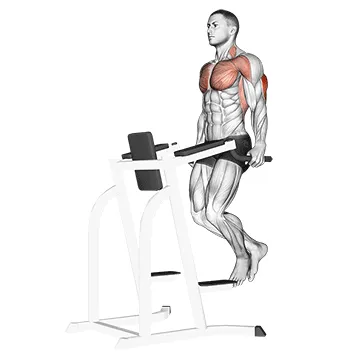
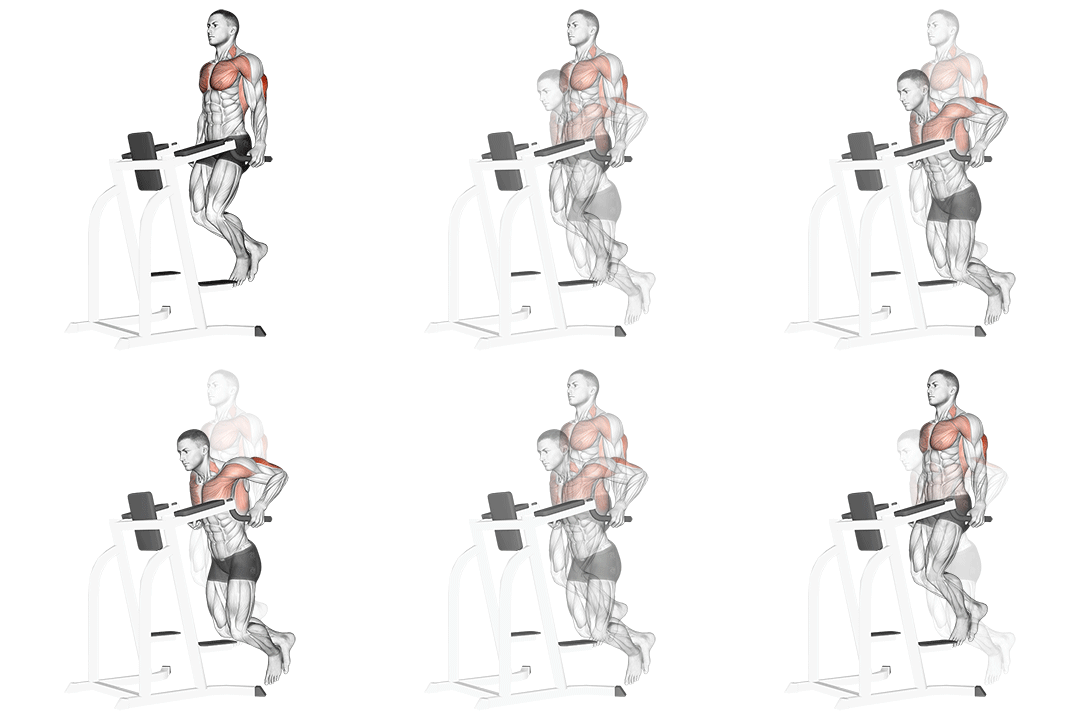
5. Triceps Dip
62% match- Triceps
- Bodyweight
- Intermediate
- Compound
How to perform this exercise
- Sit on the edge of a bench or chair with your hands gripping the edge, fingers pointing forward.
- Slide your butt off the bench, supporting your weight with your hands.
- Bend your elbows and lower your body towards the ground, keeping your back close to the bench.
- Pause for a moment at the bottom, then push yourself back up to the starting position.
- Repeat for the desired number of repetitions.
Sets and reps: 3 or 4 sets of 6 to 10 reps.
Why this matches
- Primary muscle: triceps, the same as the Cable Incline Triceps Extension
- Equipment: bodyweight only, not a cable
- Body position: hanging, not lying on your back
- Balance: harder to stay steady on than the Cable Incline Triceps Extension
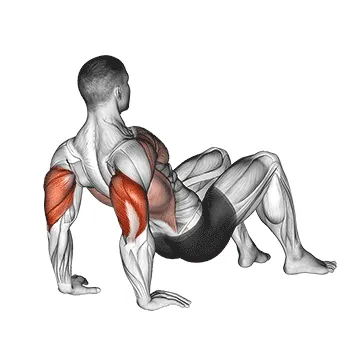
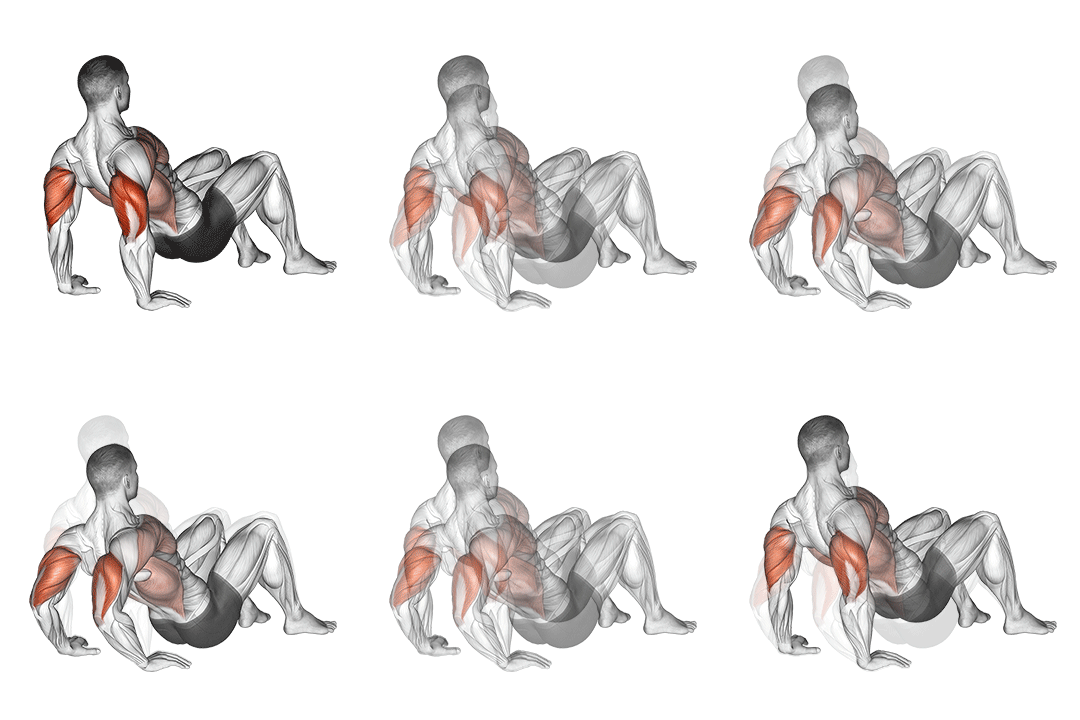
6. Triceps Dips Floor
62% match- Triceps
- Bodyweight
- Beginner
- Isolation
How to perform this exercise
- Sit on the edge of a chair or bench with your hands next to your hips, fingers pointing forward.
- Slide your butt off the front of the chair with your legs extended in front of you.
- Straighten your arms, keeping a little bend in your elbows to keep tension on your triceps and off your elbow joints.
- Slowly bend your elbows to lower your body toward the floor until your elbows are at about a 90-degree angle.
- Once you reach the bottom of the movement, press down into the chair to straighten your elbows, returning to the starting position.
- Repeat for the desired number of repetitions.
Sets and reps: 3 sets of 8 to 12 reps, and add reps before you add load.
Why this matches
- Primary muscle: triceps, the same as the Cable Incline Triceps Extension
- Equipment: bodyweight only, not a cable
- Body position: seated, not lying on your back
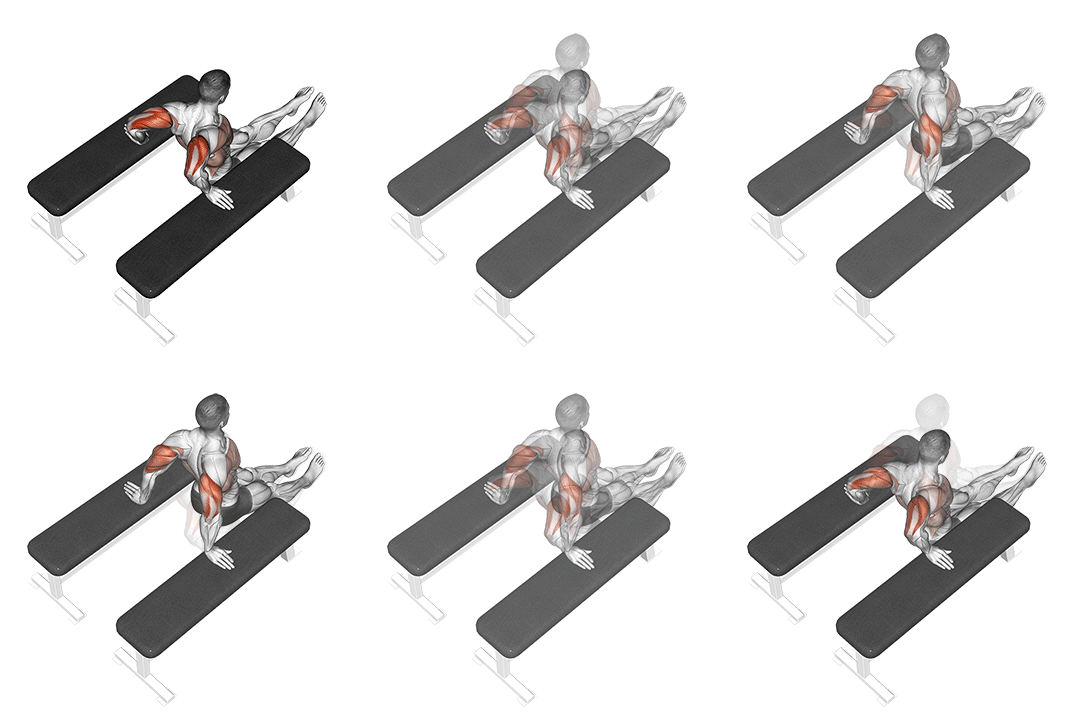
7. Three Bench Dip
62% match- Triceps
- Bodyweight
- Intermediate
- Compound
How to perform this exercise
- Sit on a bench with your hands gripping the edge, fingers pointing forward.
- Slide your butt off the bench, supporting your weight with your hands.
- Bend your elbows and lower your body until your upper arms are parallel to the ground.
- Push yourself back up to the starting position.
- Repeat for the desired number of repetitions.
Sets and reps: 3 or 4 sets of 6 to 10 reps.
Why this matches
- Primary muscle: triceps, the same as the Cable Incline Triceps Extension
- Equipment: bodyweight only, not a cable
- Body position: seated, not lying on your back
8. Body-up
61% match- Triceps
- Bodyweight
- Intermediate
- Compound
How to perform this exercise
- Start by placing your hands on a raised surface, such as a bench or parallel bars, with your palms facing down and fingers pointing forward.
- Extend your legs out in front of you, keeping your heels on the ground and your body straight.
- Lower your body by bending your elbows, keeping them close to your sides, until your upper arms are parallel to the ground.
- Pause for a moment, then push through your palms to straighten your arms and lift your body back up to the starting position.
- Repeat for the desired number of repetitions.
Sets and reps: 3 or 4 sets of 6 to 10 reps.
Why this matches
- Primary muscle: triceps, the same as the Cable Incline Triceps Extension
- Equipment: bodyweight only, not a cable
- Body position: lying face down, not lying on your back
- Balance: harder to stay steady on than the Cable Incline Triceps Extension
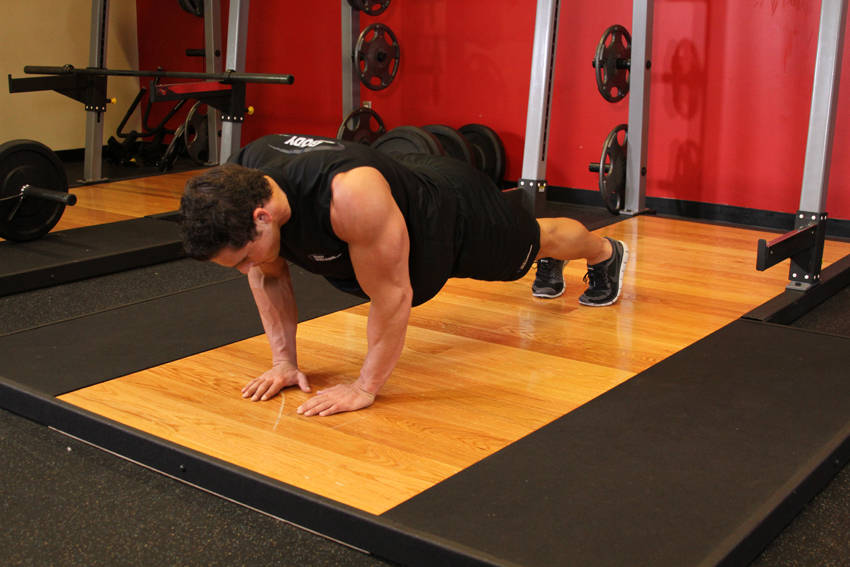
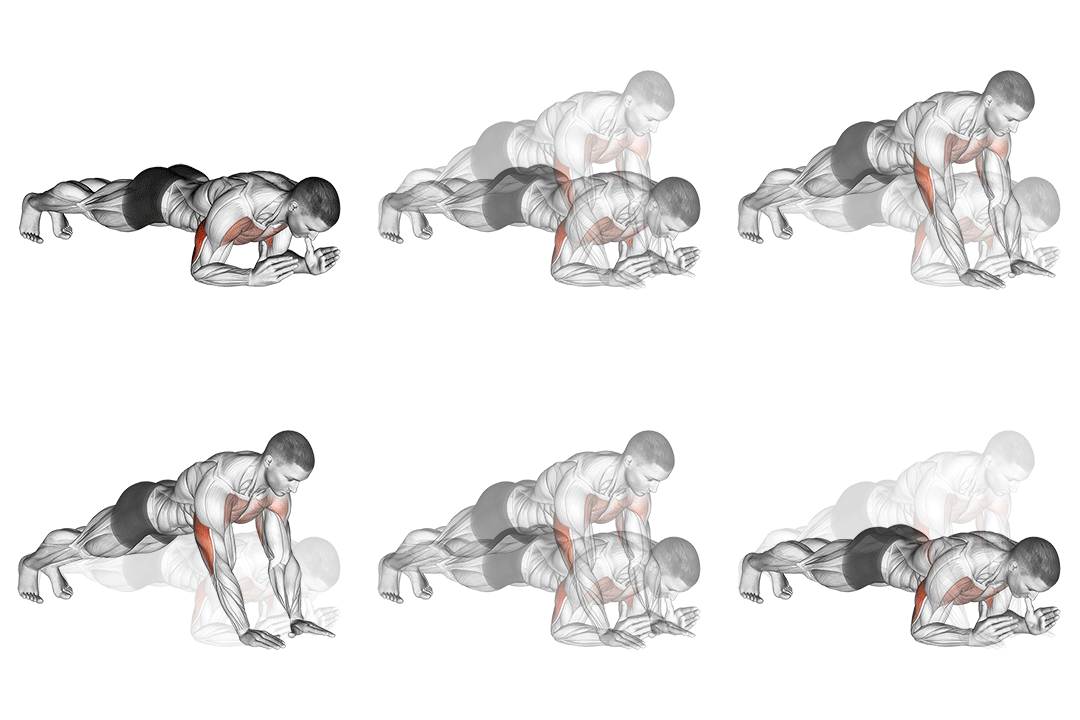
9. Push-ups - Close Triceps Position
61% match- Triceps
- Bodyweight
- Intermediate
- Compound
How to perform this exercise
- Lie on the floor face down and place your hands closer than shoulder width for a close hand position. Make sure that you are holding your torso up at arms' length.
- Lower yourself until your chest almost touches the floor as you inhale.
- Using your triceps and some of your pectoral muscles, press your upper body back up to the starting position and squeeze your chest. Breathe out as you perform this step.
- After a second pause at the contracted position, repeat the movement for the prescribed amount of repetitions.
Sets and reps: 3 or 4 sets of 6 to 10 reps.
Why this matches
- Primary muscle: triceps, the same as the Cable Incline Triceps Extension
- Equipment: bodyweight only, not a cable
- Body position: lying face down, not lying on your back
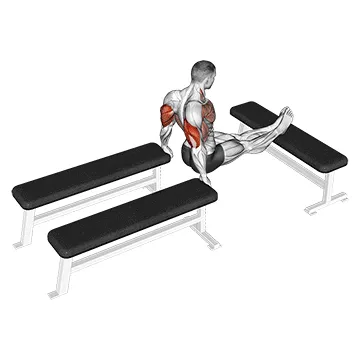
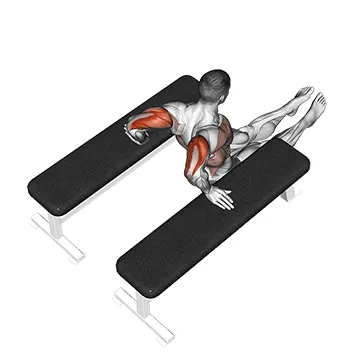
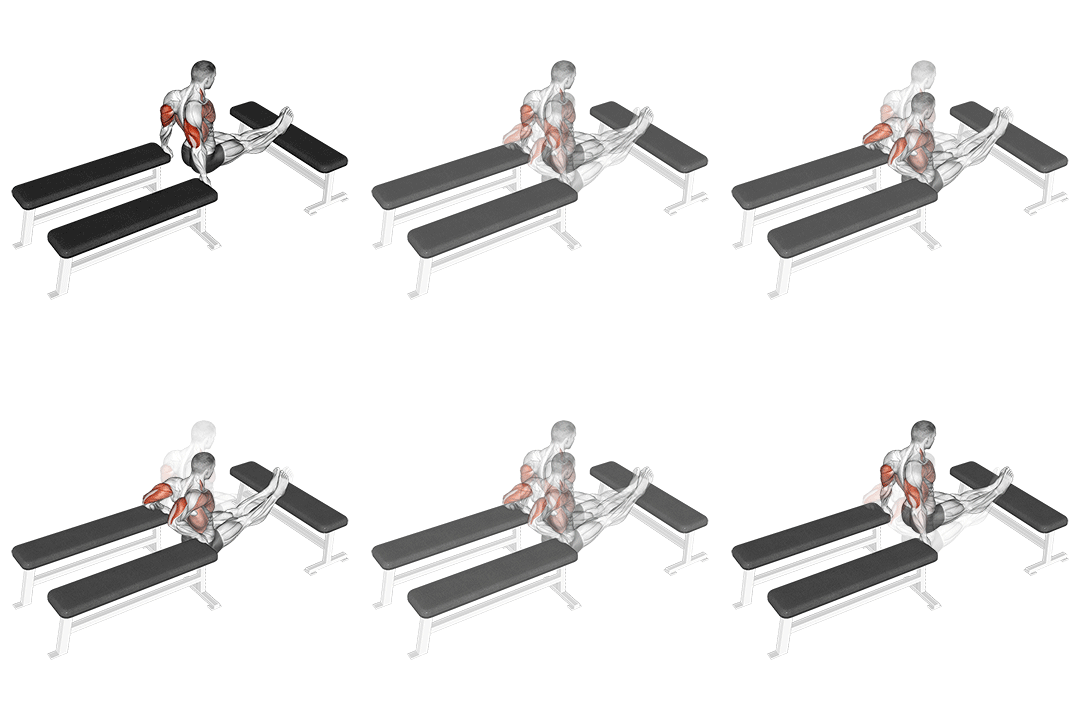
10. Triceps Dip (Between Benches)
61% match- Triceps
- Bodyweight
- Intermediate
- Compound
How to perform this exercise
- Sit on a bench with your hands gripping the edge of the bench, fingers pointing forward.
- Slide your butt off the bench, supporting your weight with your hands.
- Bend your elbows and lower your body towards the ground, keeping your back close to the bench.
- Pause for a moment at the bottom, then push yourself back up to the starting position.
- Repeat for the desired number of repetitions.
Sets and reps: 3 or 4 sets of 6 to 10 reps.
Why this matches
- Primary muscle: triceps, the same as the Cable Incline Triceps Extension
- Equipment: bodyweight only, not a cable
- Body position: standing, not lying on your back
- Balance: harder to stay steady on than the Cable Incline Triceps Extension


Why You Might Need a Cable Incline Triceps Extension Alternative
You might substitute Cable Incline Triceps Extension because a cable station or incline pulley setup isn’t available, you experience shoulder or elbow irritation at that angle, or you prefer heavier compound loading. The incline position biases the triceps long head via shoulder flexion; swapping movements changes joint torque and muscle activation patterns. For painful shoulders choose variations that reduce scapular elevation and peak shear (for example, banded pushdowns). Technique cue: maintain a fixed upper arm and control a 2–3 second eccentric to reduce impulse and preserve long-head stimulus while minimizing joint stress.
How to Choose the Right Cable Incline Triceps Extension Substitute
Choose a substitute by matching equipment, triceps-head emphasis, and joint tolerance. If you want long-head development pick overhead or incline variations that keep the shoulder flexed (incline dumbbell triceps extension, overhead cable extension). If you need heavier loading use compound options (close-grip incline press) to load the triceps without long-lever isolation. For rehab or pain choose shorter lever arms or bands to lower peak torque. Technique cue: keep the upper arm stationary, hinge only at the elbow, and control eccentrics to maximize motor unit recruitment in the triceps.
Cable Incline Triceps Extension FAQ
What muscles does Cable Incline Triceps Extension work?
It primarily targets the triceps, with emphasis on the long head because the shoulder sits in flexion on an incline. The lateral and medial heads contribute during terminal elbow extension. Cue: keep your upper arm fixed and extend only at the elbow to concentrate force on the triceps.
Can I build muscle without doing Cable Incline Triceps Extension?
Yes. You can hypertrophy the triceps with any progressive overload that stresses elbow extension through a full range, examples include incline dumbbell extensions, skull crushers, and close-grip presses. Cue: prioritize slow eccentrics and full elbow extension to recruit lateral, medial, and long heads effectively.
Find Alternatives for Any Exercise
Search the exercise database and filter the ranked substitutes by the equipment you own.
Similarity scores compare exercise metadata such as movement pattern, muscles, equipment and body position. They are not a safety rating or a check that you own the equipment. Learn about our methodology