

10 Best Donkey Calf Raises Alternatives for Home or Gym
Donkey Calf Raises are done standing. Ranked closest by our scoring: the Lever Standing Calf Raise, the Hack Calf Raise and Smith Reverse Calf Raises.
Updated Ranked by our 12-factor similarity model How it works
Original Exercise: Donkey Calf Raises
- Primary muscle
- Calves
- Equipment
- Other
- Difficulty
- Beginner
- Type
- Isolation
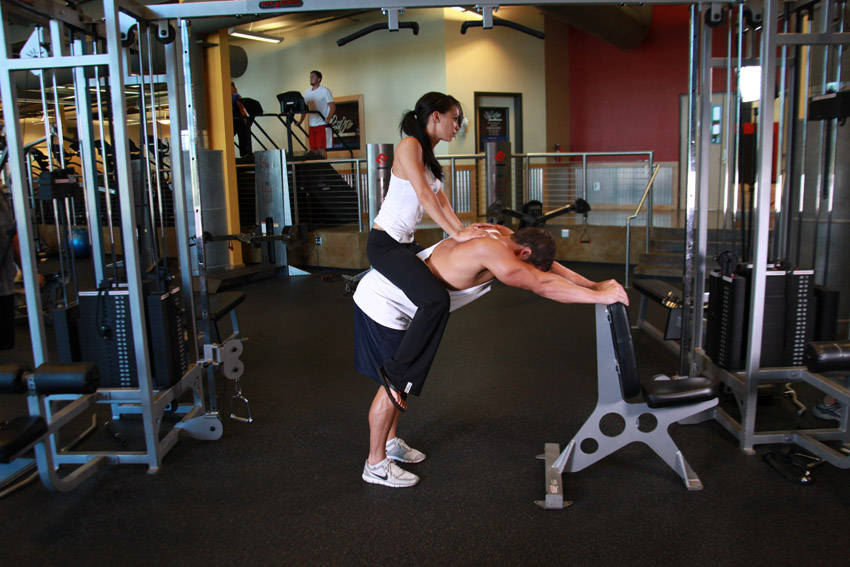
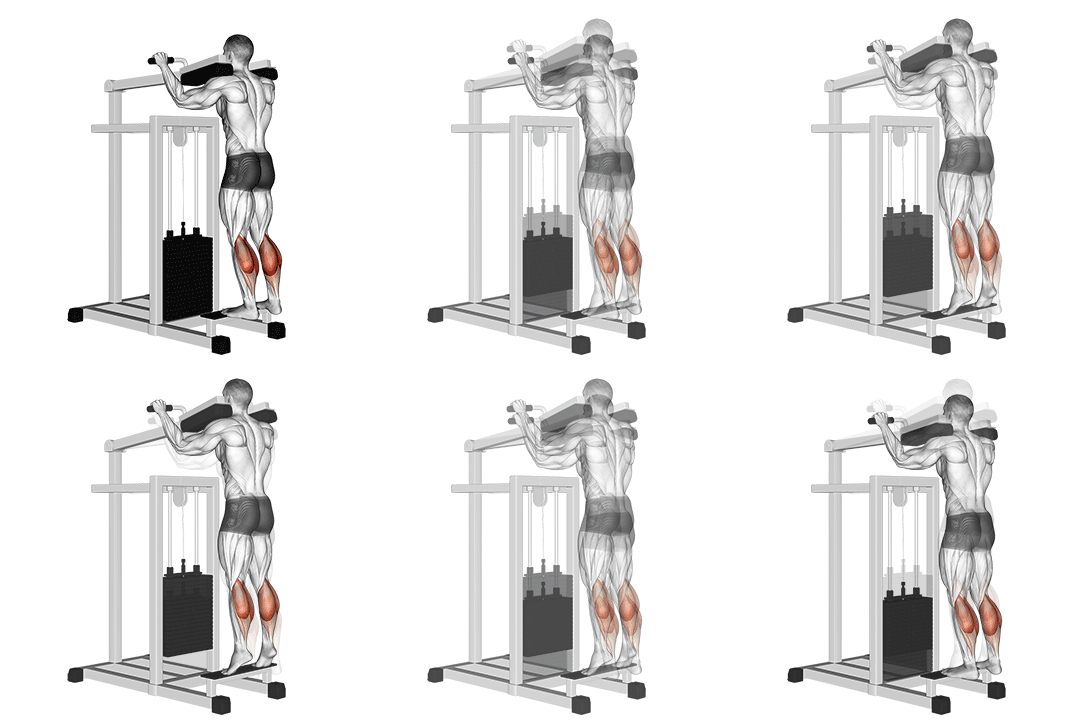
How to perform Donkey Calf Raises
- For this exercise you will need access to a donkey calf raise machine. Start by positioning your lower back and hips under the padded lever provided. The tailbone area should be the one making contact with the pad.
- Place both of your arms on the side handles and place the balls of your feet on the calf block with the heels extending off. Align the toes forward, inward or outward, depending on the area you wish to target, and straighten the knees without locking them. This will be your starting position.
- Raise your heels as you breathe out by extending your ankles as high as possible and flexing your calf. Ensure that the knee is kept stationary at all times. There should be no bending at any time. Hold the contracted position by a second before you start to go back down.
- Go back slowly to the starting position as you breathe in by lowering your heels as you bend the ankles until calves are stretched.
- Repeat for the recommended amount of repetitions.
Ranked Donkey Calf Raises Alternatives
10 substitutes, ranked by how closely each one matches Donkey Calf Raises on movement pattern, muscles worked, equipment and body position. The higher the score, the less you change. Open "How to perform this exercise" on a card for the steps; every card title links to that exercise's own alternatives page.
Best match 1. Lever Standing Calf Raise
99% match- Calves
- Lever
- Beginner
- Isolation
Pick this when you want a harder version that still works the calves.
How to perform this exercise
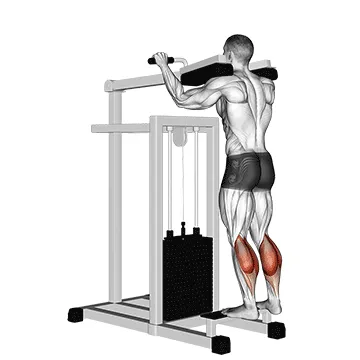
- Adjust the machine to your height and stand with your feet shoulder-width apart.
- Place your shoulders under the pads and hold onto the handles for stability.
- Raise your heels as high as possible by extending your ankles.
- Pause for a moment at the top, then slowly lower your heels back down to the starting position.
- Repeat for the desired number of repetitions.
Sets and reps: 3 sets of 10 to 15 reps.
Why this matches
- Movement: raise, the same as Donkey Calf Raises
- Primary muscle: calves, the same as Donkey Calf Raises
- Equipment: a machine, the same as Donkey Calf Raises
- Body position: standing, the same as Donkey Calf Raises
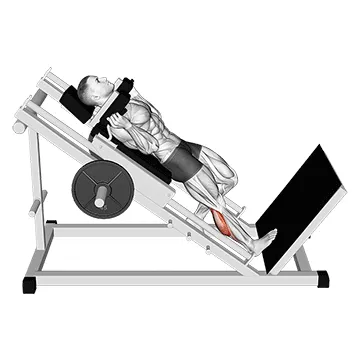
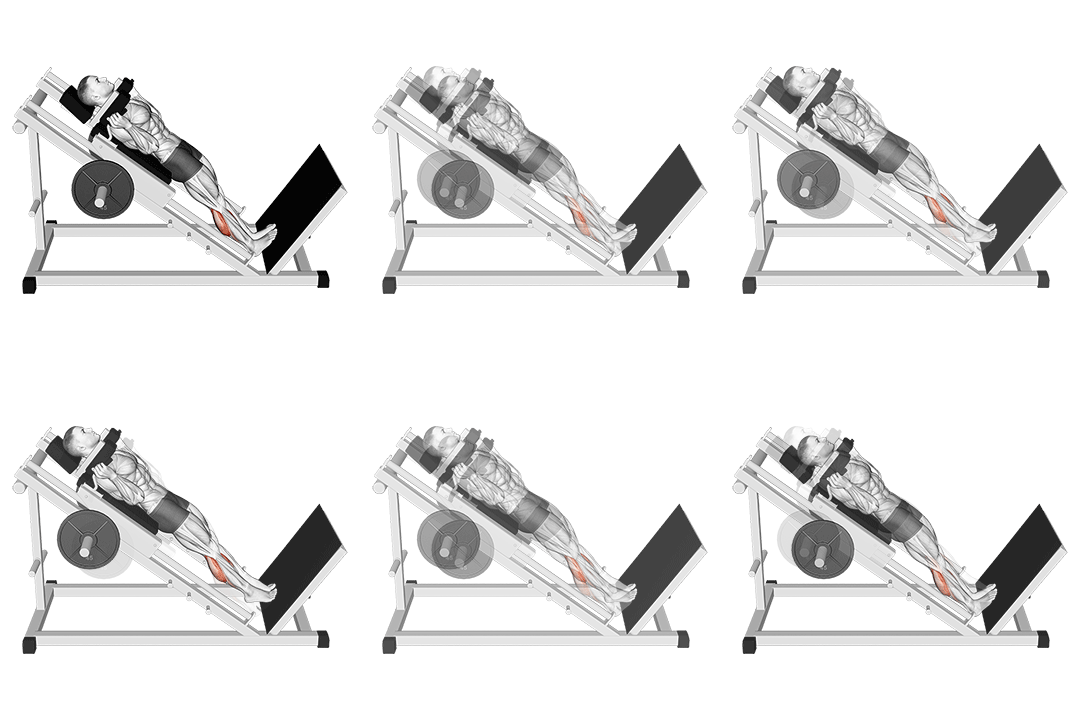
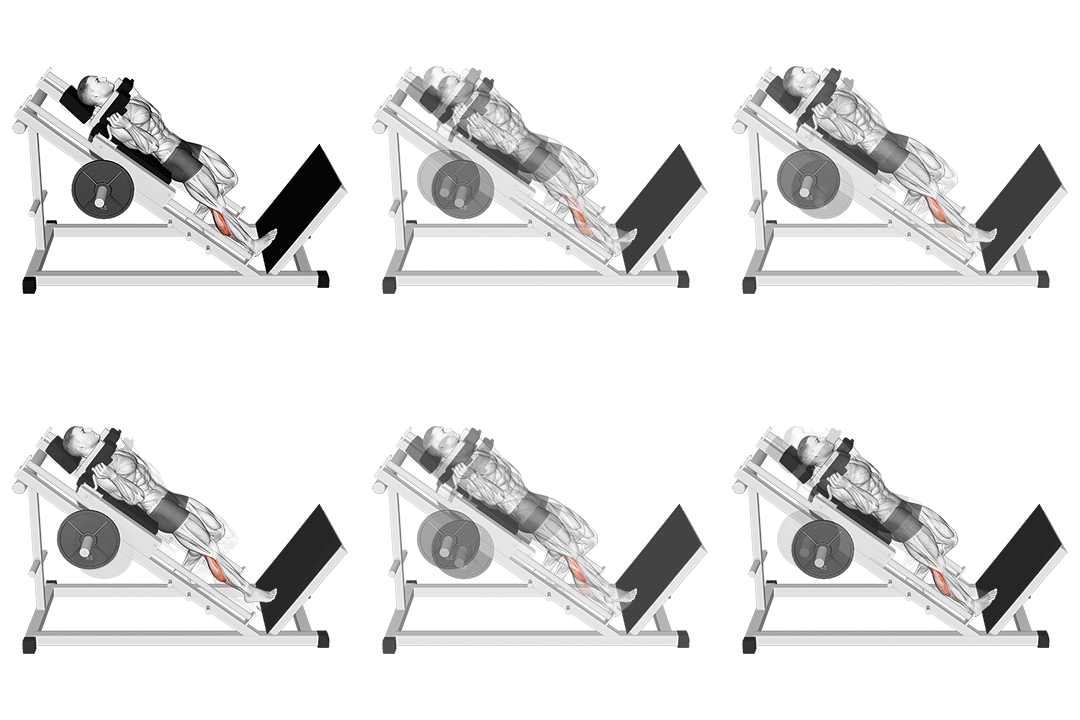
2. Hack Calf Raise
99% match- Calves
- Machine
- Intermediate
- Isolation
How to perform this exercise
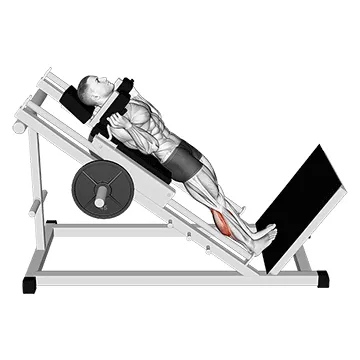
- Adjust the sled machine to a comfortable weight.
- Stand on the sled machine with your toes on the platform and your heels hanging off.
- Hold onto the handles for stability.
- Raise your heels as high as possible by pushing through the balls of your feet.
- Pause for a moment at the top, then slowly lower your heels back down to the starting position.
- Repeat for the desired number of repetitions.
Sets and reps: 3 sets of 10 to 15 reps.
Why this matches
- Movement: raise, the same as Donkey Calf Raises
- Primary muscle: calves, the same as Donkey Calf Raises
- Equipment: a machine, the same as Donkey Calf Raises
- Body position: standing, the same as Donkey Calf Raises
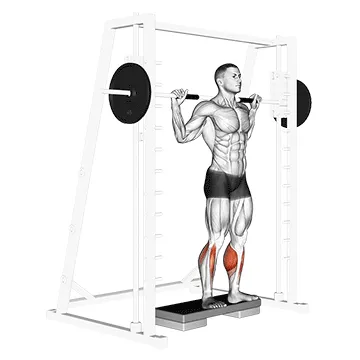
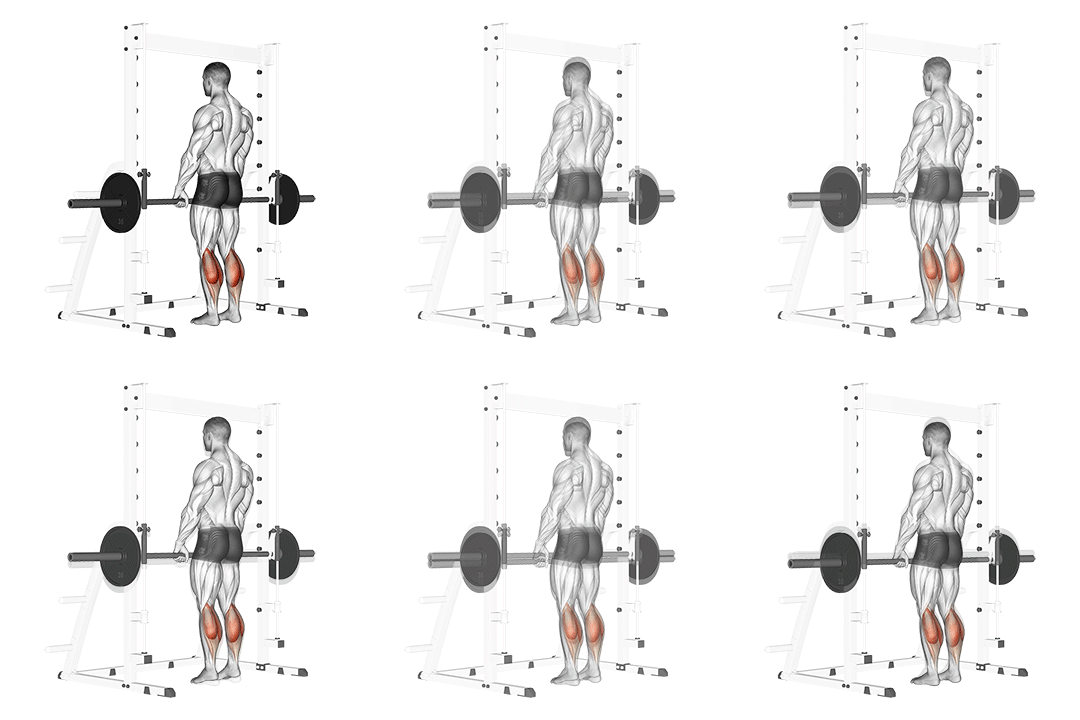
3. Smith Reverse Calf Raises
99% match- Calves
- Smith-machine
- Intermediate
- Isolation
How to perform this exercise
- Adjust the smith machine bar to a height just below your shoulders.
- Stand facing the bar with your feet hip-width apart and toes pointing forward.
- Place the balls of your feet on the edge of a step or platform, with your heels hanging off.
- Hold onto the bar for support, keeping your back straight and core engaged.
- Raise your heels as high as possible, lifting your body weight onto the balls of your feet.
- Pause for a moment at the top, then slowly lower your heels back down to the starting position.
- Repeat for the desired number of repetitions.
Sets and reps: 3 sets of 10 to 15 reps.
Why this matches
- Movement: raise, the same as Donkey Calf Raises
- Primary muscle: calves, the same as Donkey Calf Raises
- Equipment: a machine, the same as Donkey Calf Raises
- Body position: standing, the same as Donkey Calf Raises
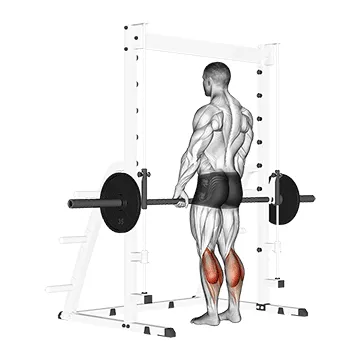
4. Smith Standing Leg Calf Raise
96% match- Calves
- Smith-machine
- Beginner
- Isolation
How to perform this exercise
- Adjust the smith machine bar to a height that allows you to stand with your feet flat on the ground and your shoulders under the bar.
- Position yourself under the bar with your feet shoulder-width apart and your toes pointing forward.
- Place your hands on the bar for stability.
- Engage your calves and slowly raise your heels off the ground, lifting your body up onto your toes.
- Pause for a moment at the top, then slowly lower your heels back down to the starting position.
- Repeat for the desired number of repetitions.
Sets and reps: 3 sets of 10 to 15 reps.
Why this matches
- Movement: raise, the same as Donkey Calf Raises
- Primary muscle: calves, the same as Donkey Calf Raises
- Equipment: a machine, the same as Donkey Calf Raises
- Body position: standing, the same as Donkey Calf Raises
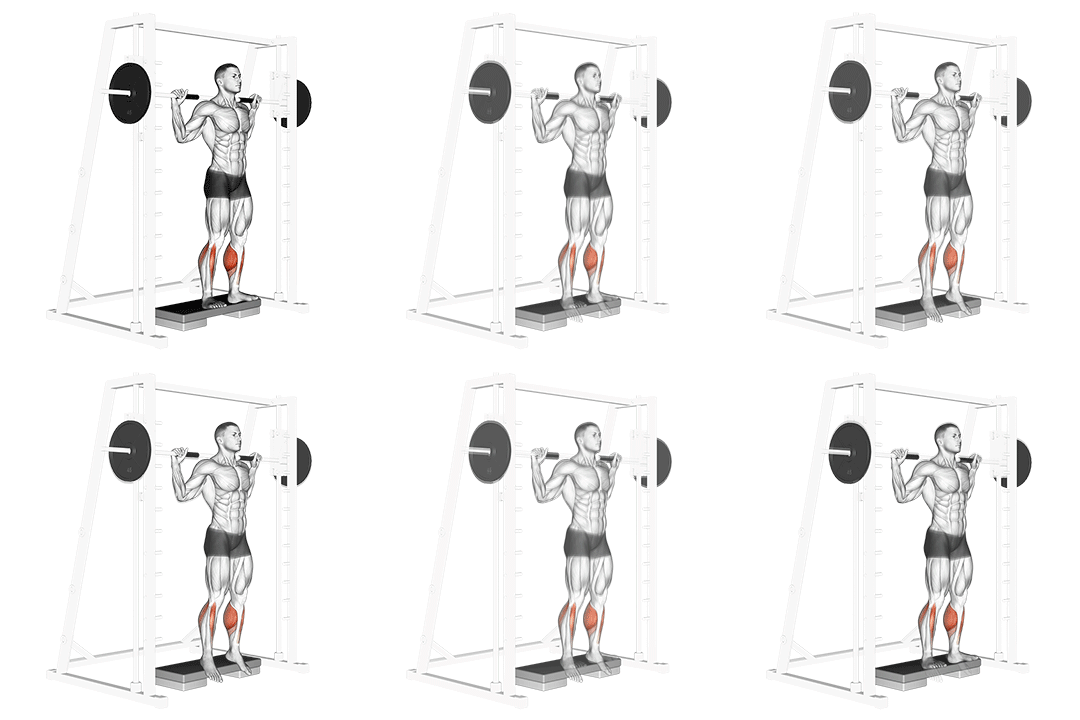
5. Smith Toe Raise
95% match- Calves
- Smith-machine
- Beginner
- Isolation
A straight swap when you want to keep working the calves.
How to perform this exercise
- Adjust the smith machine bar to a height that allows you to comfortably stand with your feet flat on the ground.
- Position yourself under the bar with your shoulders directly below it and your feet shoulder-width apart.
- Place the balls of your feet on a raised platform or weight plates, with your heels hanging off the edge.
- Grasp the bar with an overhand grip, slightly wider than shoulder-width apart.
- Engage your core and keep your back straight throughout the exercise.
- Slowly raise your heels as high as possible, lifting your body weight onto the balls of your feet.
- Pause for a moment at the top, then slowly lower your heels back down to the starting position.
- Repeat for the desired number of repetitions.
Sets and reps: 3 sets of 10 to 15 reps.
Why this matches
- Movement: raise, the same as Donkey Calf Raises
- Primary muscle: calves, the same as Donkey Calf Raises
- Equipment: a machine, the same as Donkey Calf Raises
- Body position: standing, the same as Donkey Calf Raises
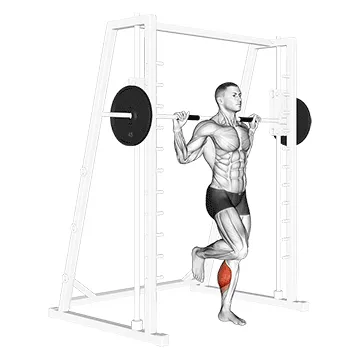
6. Hack One Leg Calf Raise
92% match- Calves
- Machine
- Intermediate
- Isolation
Pick this when you want a harder single-leg version that still works the calves.
How to perform this exercise
- Adjust the sled machine to an appropriate weight.
- Stand on the sled machine with one foot, keeping the other foot off the ground.
- Hold onto the handles for stability.
- Raise your heel as high as possible, lifting your body up on the ball of your foot.
- Pause for a moment at the top, then slowly lower your heel back down to the starting position.
- Repeat for the desired number of repetitions.
- Switch legs and repeat the exercise.
Sets and reps: 3 sets of 10 to 15 reps on each side.
Why this matches
- Movement: raise, the same as Donkey Calf Raises
- Primary muscle: calves, the same as Donkey Calf Raises
- Equipment: a machine, the same as Donkey Calf Raises
- Body position: standing, the same as Donkey Calf Raises
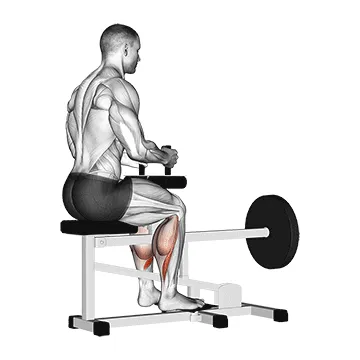
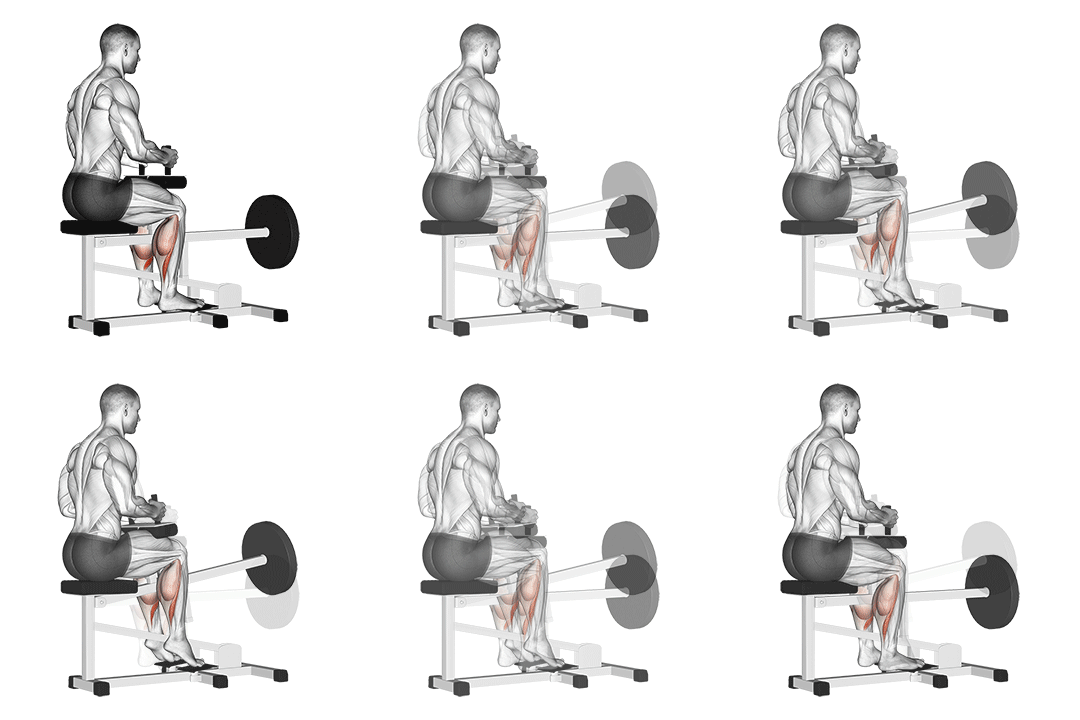
7. Lever Seated Calf Raise
91% match- Calves
- Lever
- Beginner
- Isolation
How to perform this exercise
- Adjust the seat height so that your knees are slightly bent and your feet are flat on the footplate.
- Place your toes on the footplate with your heels hanging off the edge.
- Grasp the handles or the sides of the seat for stability.
- Push through the balls of your feet to raise your heels as high as possible.
- Pause for a moment at the top, then slowly lower your heels back down to the starting position.
- Repeat for the desired number of repetitions.
Sets and reps: 3 sets of 10 to 15 reps.
Why this matches
- Movement: raise, the same as Donkey Calf Raises
- Primary muscle: calves, the same as Donkey Calf Raises
- Equipment: a machine, the same as Donkey Calf Raises
- Body position: seated, not standing
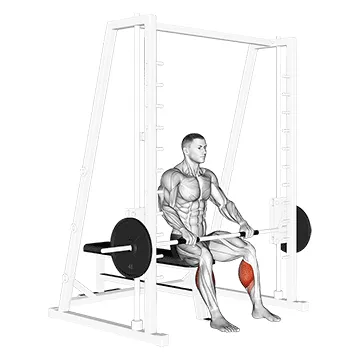
8. Seated Calf Raise
91% match- Calves
- Machine
- Beginner
- Isolation
How to perform this exercise
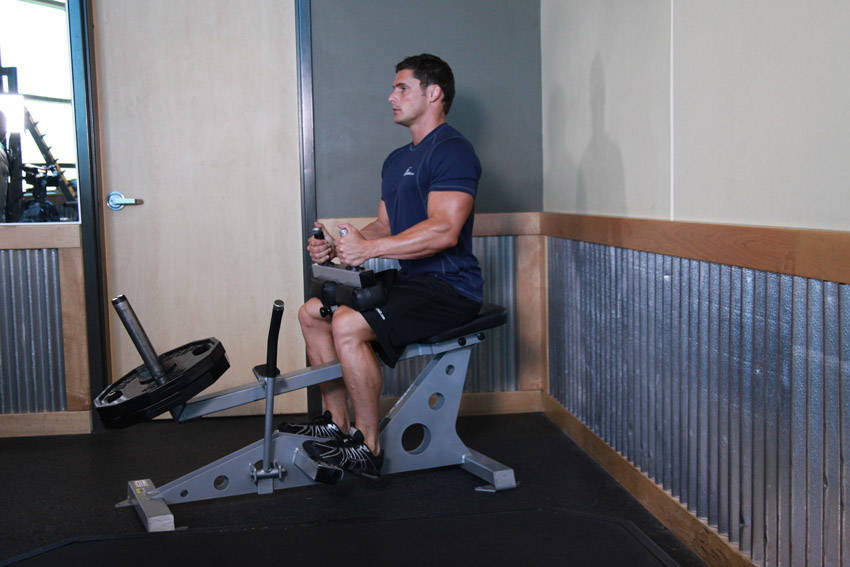
- Sit on the machine and place your toes on the lower portion of the platform provided with the heels extending off. Choose the toe positioning of your choice (forward, in, or out) as per the beginning of this chapter.
- Place your lower thighs under the lever pad, which will need to be adjusted according to the height of your thighs. Now place your hands on top of the lever pad in order to prevent it from slipping forward.
- Lift the lever slightly by pushing your heels up and release the safety bar. This will be your starting position.
- Slowly lower your heels by bending at the ankles until the calves are fully stretched. Inhale as you perform this movement.
- Raise the heels by extending the ankles as high as possible as you contract the calves and breathe out. Hold the top contraction for a second.
- Repeat for the recommended amount of repetitions.
Sets and reps: 3 sets of 10 to 15 reps.
Why this matches
- Movement: raise, the same as Donkey Calf Raises
- Primary muscle: calves, the same as Donkey Calf Raises
- Equipment: a machine, the same as Donkey Calf Raises
- Body position: seated, not standing
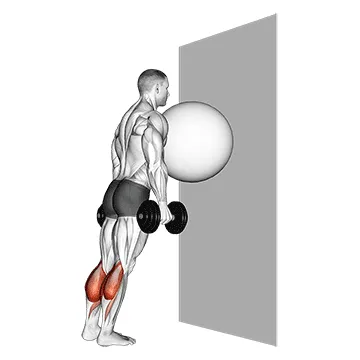
- Calves
- Dumbbell
- Beginner
- Isolation
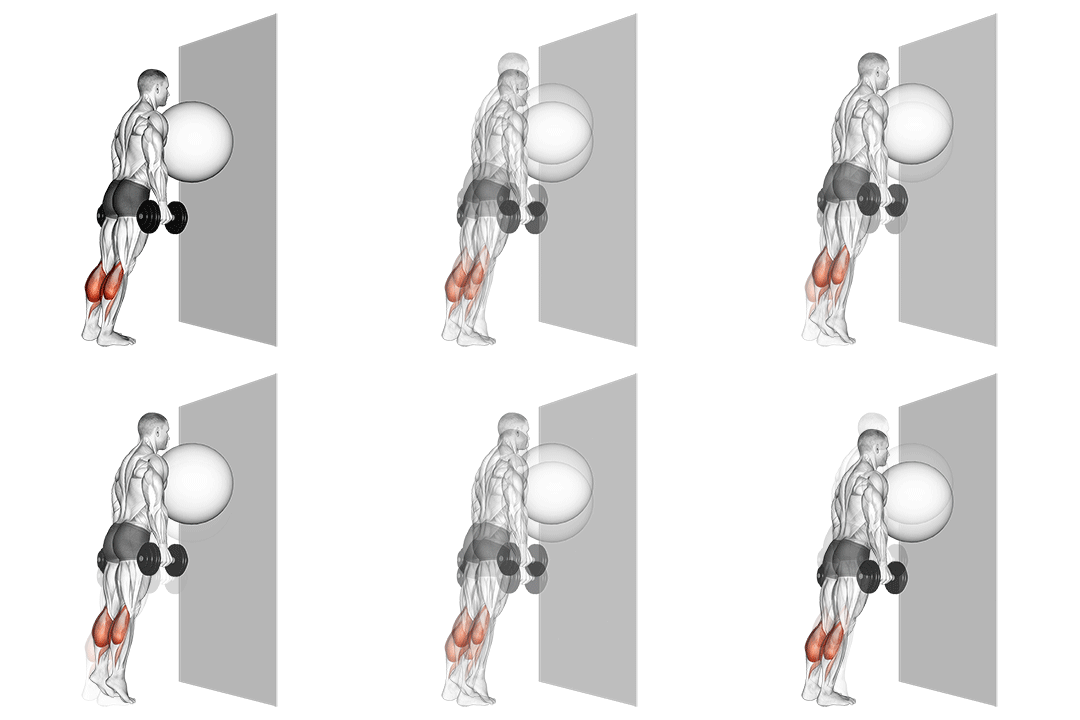
How to perform this exercise
- Stand with your back against a wall and place an exercise ball between your lower back and the wall.
- Position your feet shoulder-width apart, with your toes pointing forward.
- Hold a dumbbell in each hand, with your arms extended by your sides.
- Raise your heels off the ground, lifting your body weight onto the balls of your feet.
- Pause for a moment at the top, then slowly lower your heels back down to the starting position.
- Repeat for the desired number of repetitions.
Sets and reps: 3 sets of 10 to 15 reps.
Why this matches
- Movement: raise, the same as Donkey Calf Raises
- Primary muscle: calves, the same as Donkey Calf Raises
- Equipment: free weights, not a machine
- Body position: standing, the same as Donkey Calf Raises
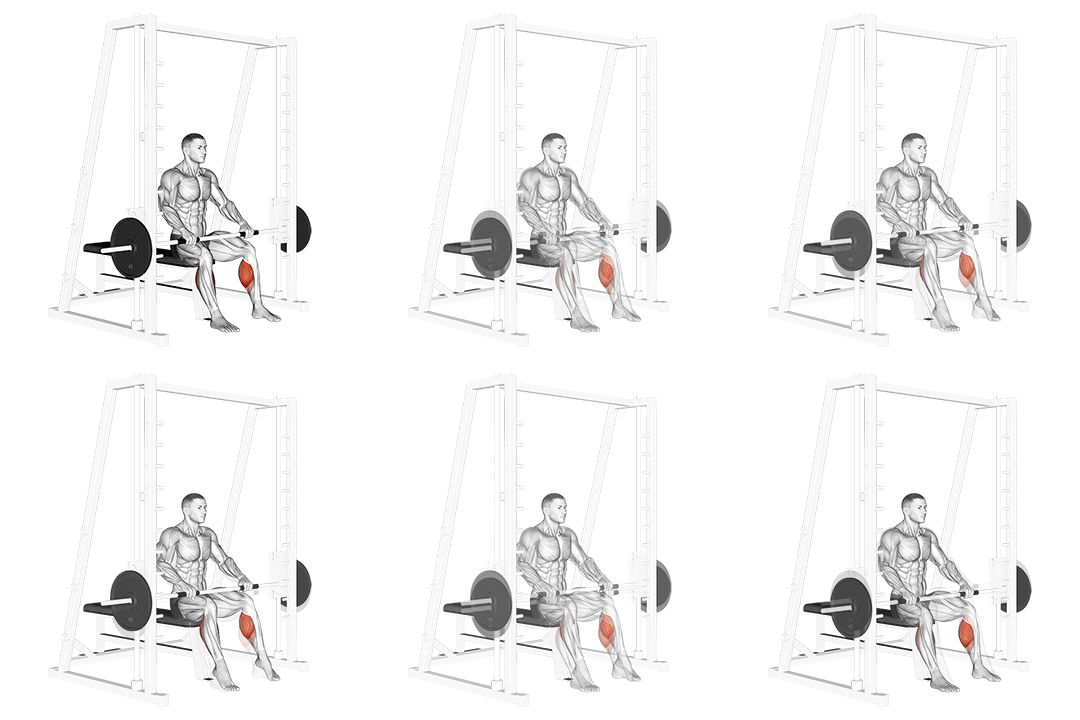
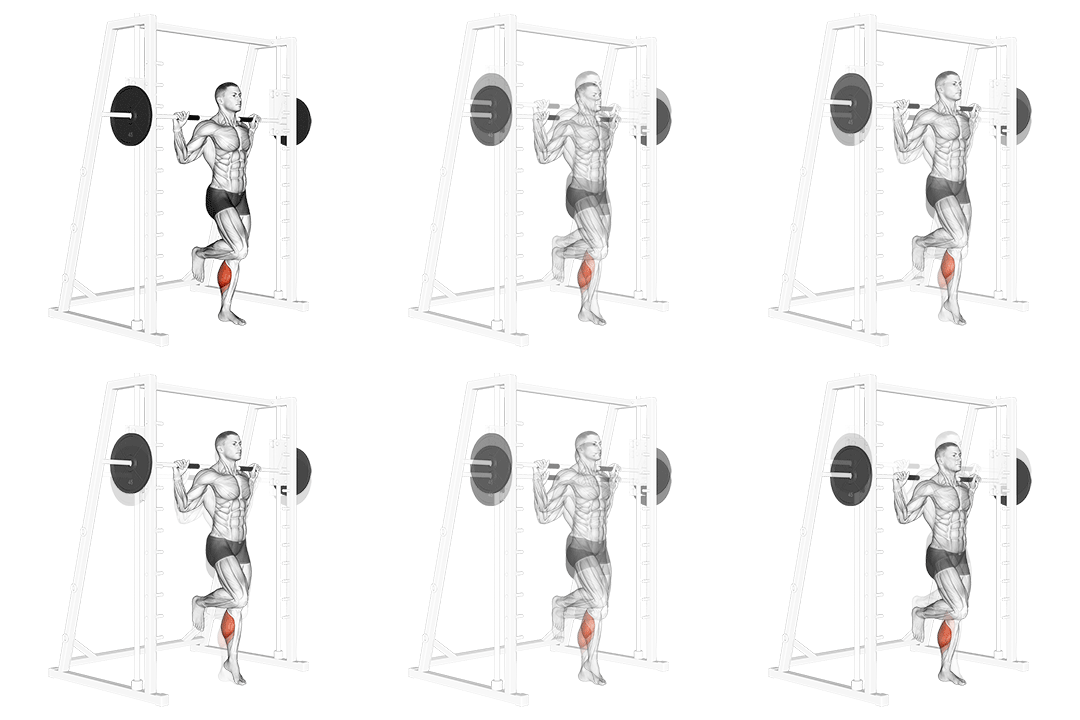
10. Smith One Leg Floor Calf Raise
88% match- Calves
- Smith-machine
- Intermediate
- Isolation
How to perform this exercise
- Position yourself on the floor under the smith machine bar, facing away from the machine.
- Place the balls of your feet on a raised surface, such as a weight plate or block.
- Position the smith machine bar across your lower legs, just above your ankles.
- Hold onto the bar with your hands for stability.
- Raise your heels off the ground by extending your ankles, lifting your body up.
- Pause at the top of the movement, then slowly lower your heels back down to the starting position.
- Repeat for the desired number of repetitions.
Sets and reps: 3 sets of 10 to 15 reps on each side.
Why this matches
- Movement: raise, the same as Donkey Calf Raises
- Primary muscle: calves, the same as Donkey Calf Raises
- Equipment: a machine, the same as Donkey Calf Raises
How to Choose the Right Donkey Calf Raises Substitute
Select a substitute based on equipment, target (gastrocnemius vs. soleus), and training goal. For gastrocnemius hypertrophy pick standing variations with a straight knee; cue full ankle extension and a slight knee lock at the top. For soleus emphasis or achilles sensitivity choose seated raises with the knee bent and higher reps. Use unilateral moves (single-leg calf raises) to increase per-limb load and correct imbalances; keep the pelvis level and push through the ball of the foot. Progress with added weight, slower eccentrics, or increased ROM while maintaining forefoot drive and neutral ankle alignment.
Donkey Calf Raises FAQ
What muscles does Donkey Calf Raises work?
Donkey calf raises target the calf complex, primarily the gastrocnemius and the soleus that produce ankle plantarflexion. Knee angle changes activation: an extended knee biases the gastrocnemius, while a bent knee shifts load toward the soleus, so adjust knee position to emphasize one muscle.
What is the best bodyweight alternative to Donkey Calf Raises?
The single-leg standing calf raise on a step is the best bodyweight substitute. Stand on the forefoot of one foot, lower the heel through a full stretch, then drive into full plantarflexion with a controlled 2–3 second eccentric to increase per-limb loading and calf activation.
Can I build muscle without doing Donkey Calf Raises?
Yes. Calves grow with progressive overload, full-range plantarflexion, and sufficient volume whether you use bodyweight, machines, or free weights. Emphasize a full heel drop, strong forefoot drive, and controlled tempo (slow eccentrics) to maximize mechanical tension and hypertrophy.
Find Alternatives for Any Exercise
Search the exercise database and filter the ranked substitutes by the equipment you own.
Similarity scores compare exercise metadata such as movement pattern, muscles, equipment and body position. They are not a safety rating or a check that you own the equipment. Learn about our methodology