

10 Best Dumbbell Biceps Curl Squat Alternatives for Limited Equipment
The Dumbbell Biceps Curl Squat is done standing with dumbbells. Ranked closest by our scoring: the Cable Squatting Curl, the Dumbbell Lunge With Bicep Curl and the Dumbbell High Curl.
Updated Ranked by our 12-factor similarity model How it works
Original Exercise: Dumbbell Biceps Curl Squat
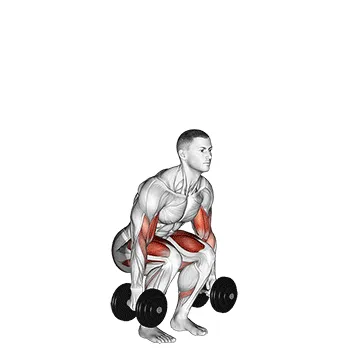
- Primary muscle
- Biceps
- Equipment
- Dumbbell
- Difficulty
- Intermediate
- Type
- Compound
Secondary muscles: Forearms
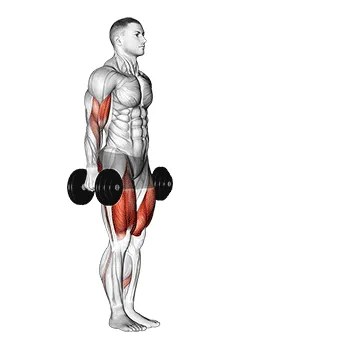
How to perform Dumbbell Biceps Curl Squat
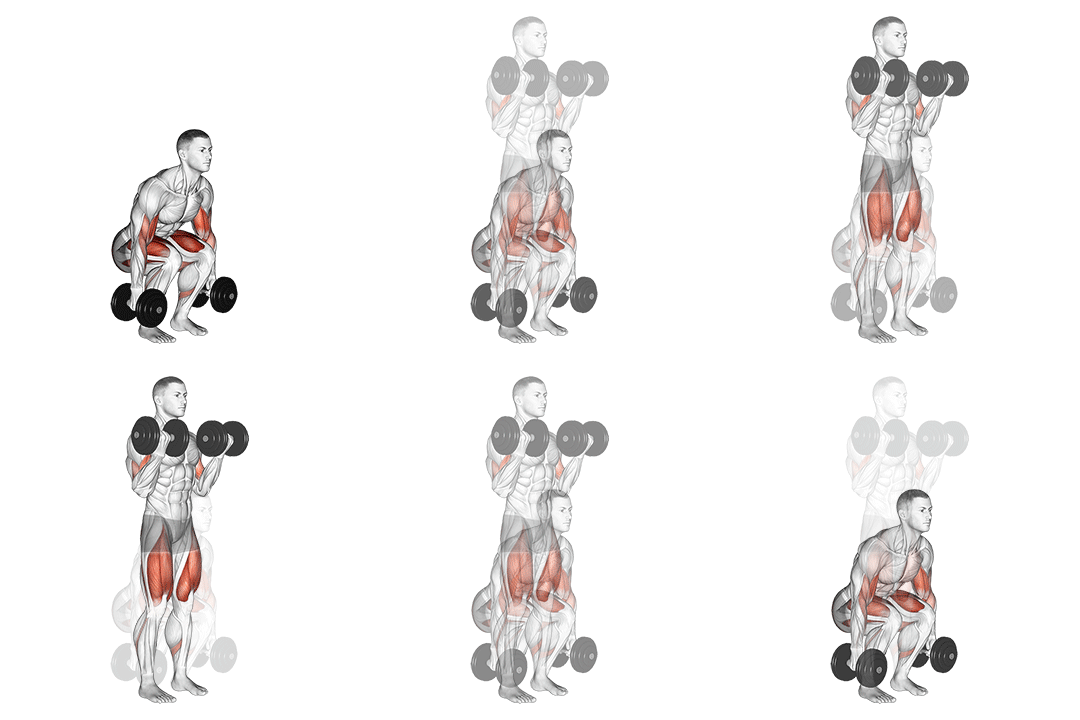
- Stand with your feet shoulder-width apart, holding a dumbbell in each hand with your palms facing forward.
- Keeping your back straight and your elbows close to your sides, exhale and curl the dumbbells up towards your shoulders.
- Pause for a moment at the top, squeezing your biceps.
- Inhale and slowly lower the dumbbells back down to the starting position.
- Repeat for the desired number of repetitions.
Ranked Dumbbell Biceps Curl Squat Alternatives
10 substitutes, ranked by how closely each one matches the Dumbbell Biceps Curl Squat on movement pattern, muscles worked, equipment and body position. The higher the score, the less you change. Open "How to perform this exercise" on a card for the steps; every card title links to that exercise's own alternatives page.
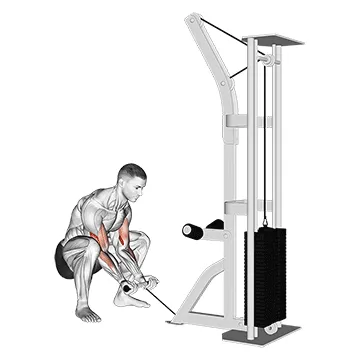
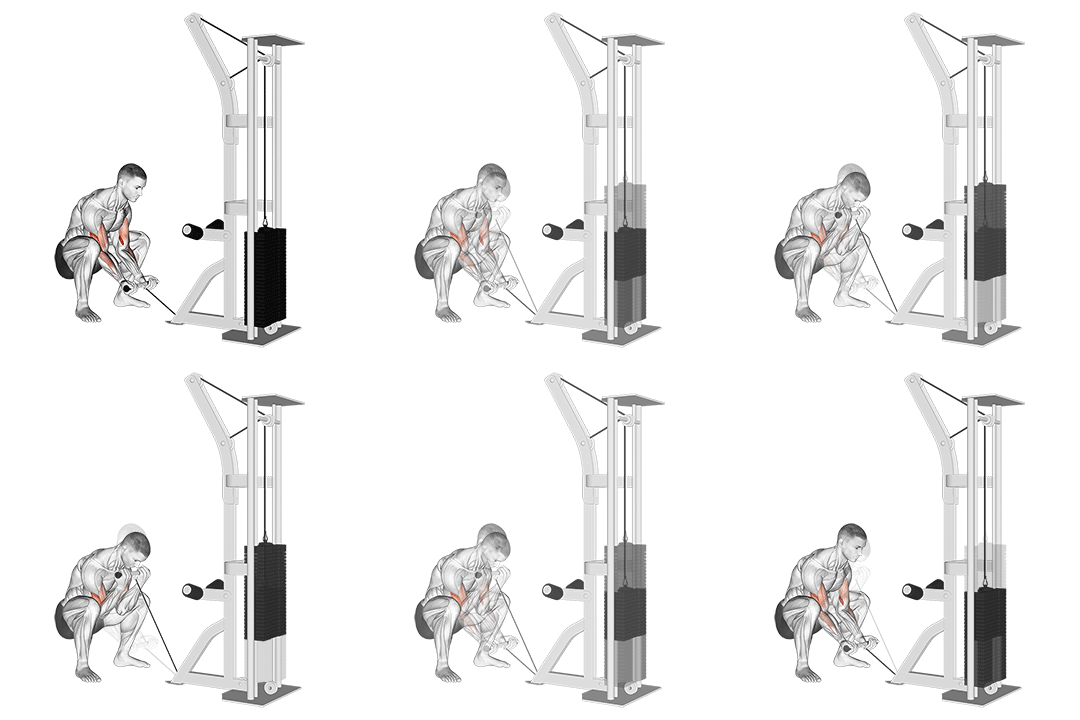
Best match 1. Cable Squatting Curl
85% match- Biceps
- Cable
- Intermediate
- Isolation
A good swap when you have a cable machine to work with, and it still works the biceps.
How to perform this exercise
- Attach a cable handle to the lowest setting on a cable machine.
- Stand facing the machine with your feet shoulder-width apart.
- Hold the cable handle with an underhand grip, palms facing up, and arms fully extended.
- Lower your body into a squat position, keeping your back straight and knees behind your toes.
- As you squat down, curl the cable handle towards your shoulders, keeping your elbows close to your sides.
- Pause for a moment at the top of the curl, squeezing your biceps.
- Slowly lower the cable handle back to the starting position, fully extending your arms.
- Repeat for the desired number of repetitions.
Sets and reps: 3 sets of 10 to 15 reps.
Why this matches
- Movement: curl, the same as the Dumbbell Biceps Curl Squat
- Primary muscle: biceps, the same as the Dumbbell Biceps Curl Squat
- Equipment: a cable, not free weights
- Body position: standing, the same as the Dumbbell Biceps Curl Squat
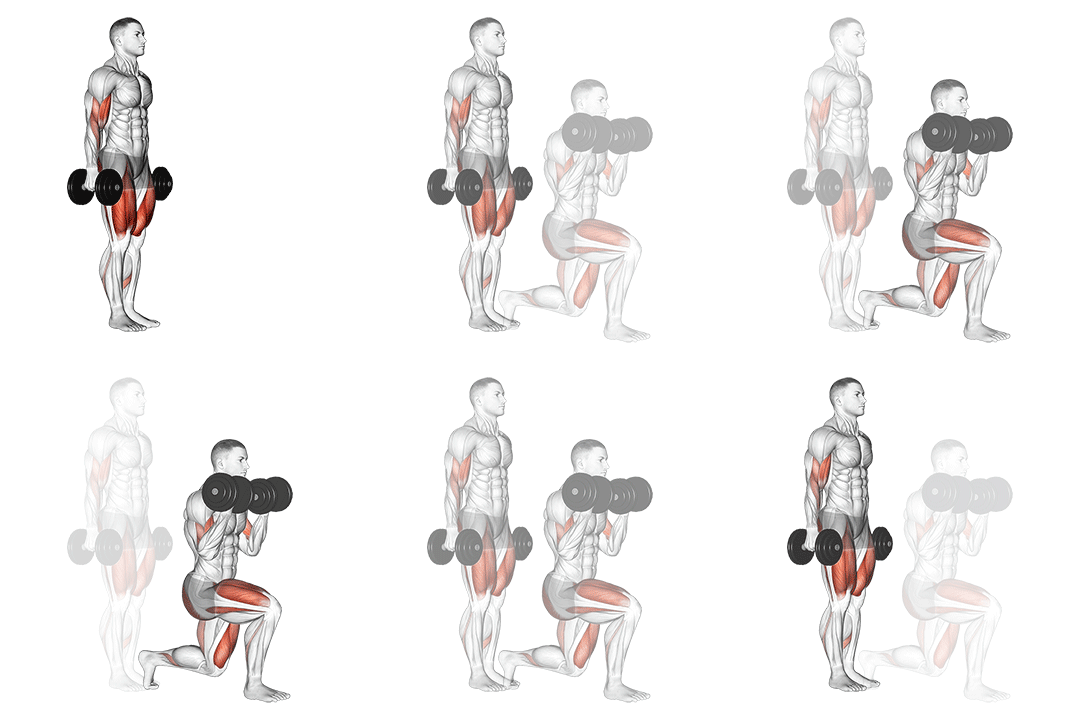
2. Dumbbell Lunge With Bicep Curl
84% match- Biceps
- Dumbbell
- Intermediate
- Compound
It still works the biceps, through a different movement.
How to perform this exercise
- Stand with your feet shoulder-width apart, holding a dumbbell in each hand with your palms facing forward.
- Take a step forward with your right foot, lowering your body into a lunge position. Your right knee should be bent at a 90-degree angle and your left knee should be hovering just above the ground.
- As you lunge forward, simultaneously curl the dumbbells towards your shoulders, keeping your elbows close to your body.
- Pause for a moment at the bottom of the lunge, then push through your right heel to return to the starting position, lowering the dumbbells back down to your sides.
- Repeat the lunge and bicep curl on the opposite side, stepping forward with your left foot.
- Continue alternating sides for the desired number of repetitions.
Sets and reps: 3 or 4 sets of 6 to 10 reps.
Why this matches
- Primary muscle: biceps, the same as the Dumbbell Biceps Curl Squat
- Equipment: free weights, the same as the Dumbbell Biceps Curl Squat
- Body position: standing, the same as the Dumbbell Biceps Curl Squat
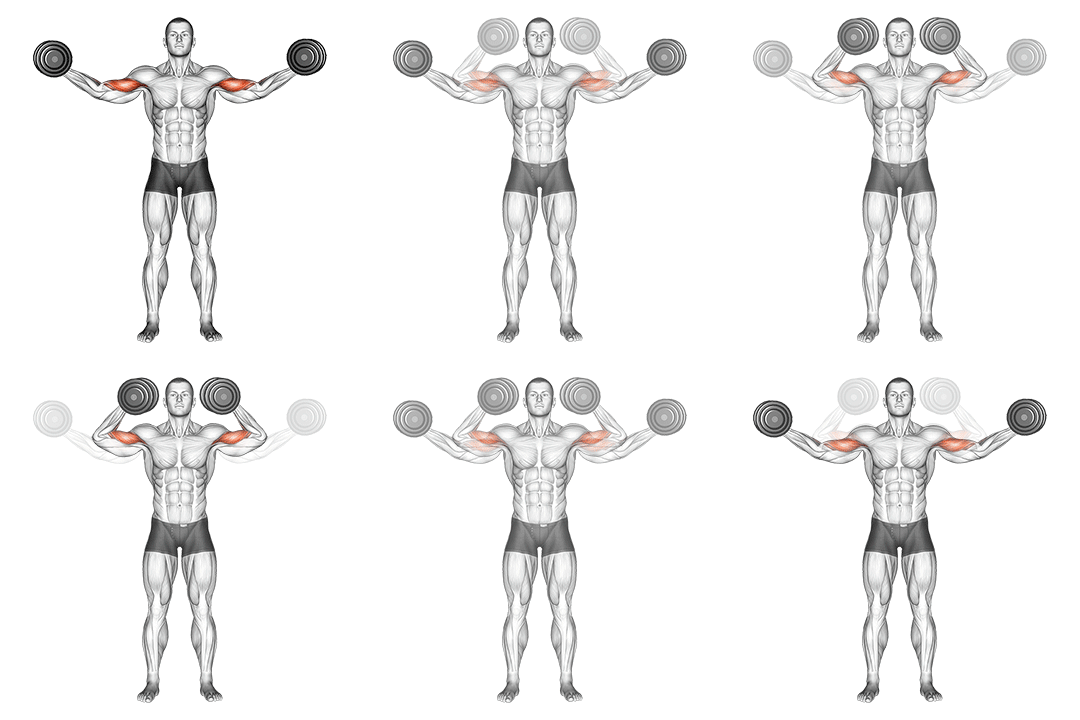
3. Dumbbell High Curl
78% match- Biceps
- Dumbbell
- Beginner
- Isolation
How to perform this exercise
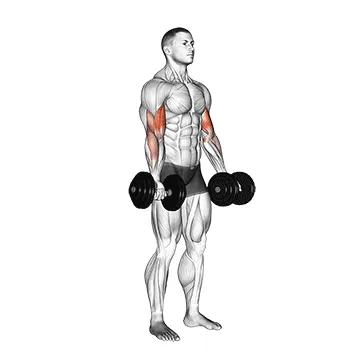
- Stand up straight with a dumbbell in each hand, palms facing forward.
- Keep your upper arms stationary and curl the dumbbells as high as possible while contracting your biceps.
- Pause for a moment at the top, then slowly lower the dumbbells back to the starting position.
- Repeat for the desired number of repetitions.
Sets and reps: 3 sets of 10 to 15 reps.
Why this matches
- Primary muscle: biceps, the same as the Dumbbell Biceps Curl Squat
- Equipment: free weights, the same as the Dumbbell Biceps Curl Squat
- Body position: standing, the same as the Dumbbell Biceps Curl Squat
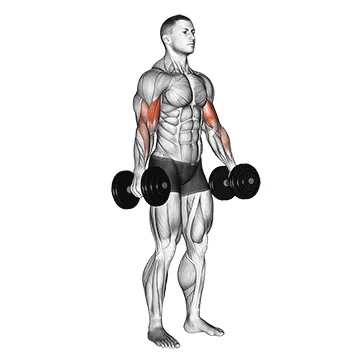
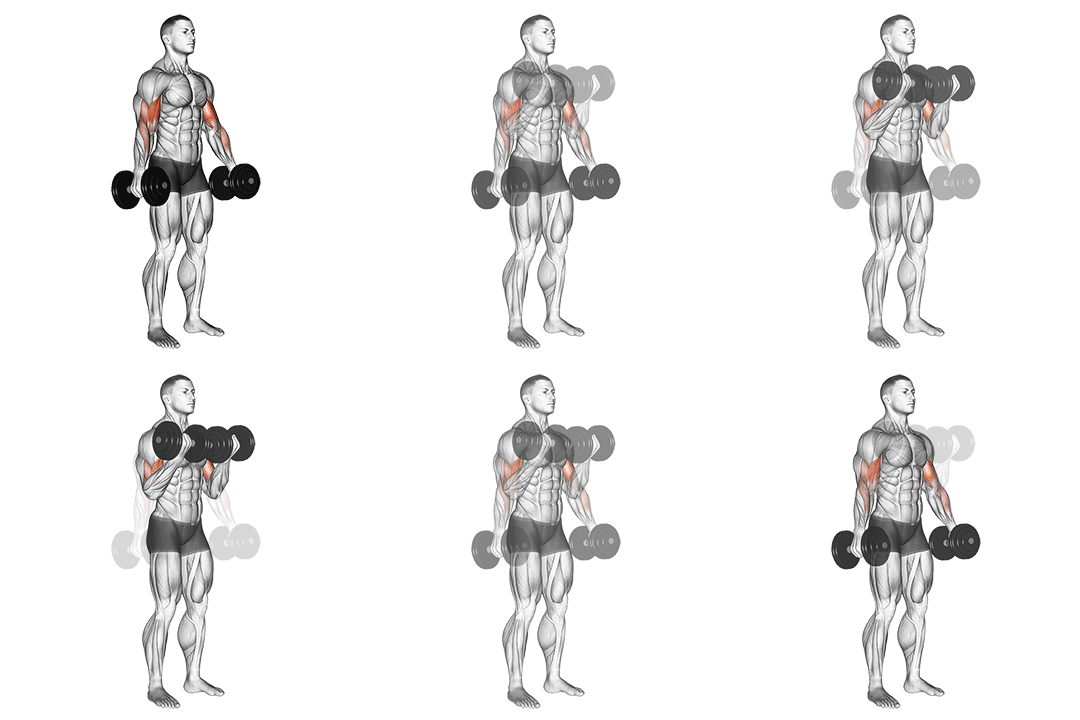
4. Dumbbell Standing Biceps Curl
78% match- Biceps
- Dumbbell
- Beginner
- Isolation
How to perform this exercise
- Stand up straight with a dumbbell in each hand, palms facing forward and arms fully extended.
- Keeping your upper arms stationary, exhale and curl the weights while contracting your biceps.
- Continue to raise the dumbbells until your biceps are fully contracted and the dumbbells are at shoulder level.
- Hold the contracted position for a brief pause as you squeeze your biceps.
- Inhale and slowly begin to lower the dumbbells back to the starting position.
- Repeat for the desired number of repetitions.
Sets and reps: 3 sets of 10 to 15 reps.
Why this matches
- Primary muscle: biceps, the same as the Dumbbell Biceps Curl Squat
- Equipment: free weights, the same as the Dumbbell Biceps Curl Squat
- Body position: standing, the same as the Dumbbell Biceps Curl Squat
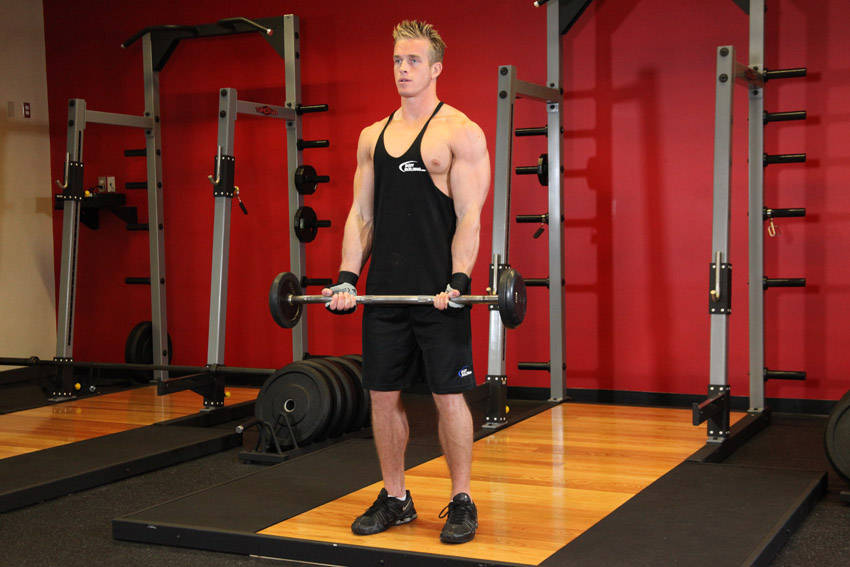
5. Ez-bar Curl
78% match- Biceps
- Ez-barbell
- Beginner
- Isolation
A good swap when you have an EZ bar to work with, and it still works the biceps.
How to perform this exercise
- Stand up straight while holding an EZ curl bar at the wide outer handle. The palms of your hands should be facing forward and slightly tilted inward due to the shape of the bar. Keep your elbows close to your torso. This will be your starting position.
- Now, while keeping your upper arms stationary, exhale and curl the weights forward while contracting the biceps. Focus on only moving your forearms.
- Continue to raise the weight until your biceps are fully contracted and the bar is at shoulder level. Hold the top contracted position for a moment and squeeze the biceps.
- Then inhale and slowly lower the bar back to the starting position.
- Repeat for the recommended amount of repetitions.
Sets and reps: 3 sets of 10 to 15 reps.
Why this matches
- Primary muscle: biceps, the same as the Dumbbell Biceps Curl Squat
- Equipment: free weights, the same as the Dumbbell Biceps Curl Squat
- Body position: standing, the same as the Dumbbell Biceps Curl Squat
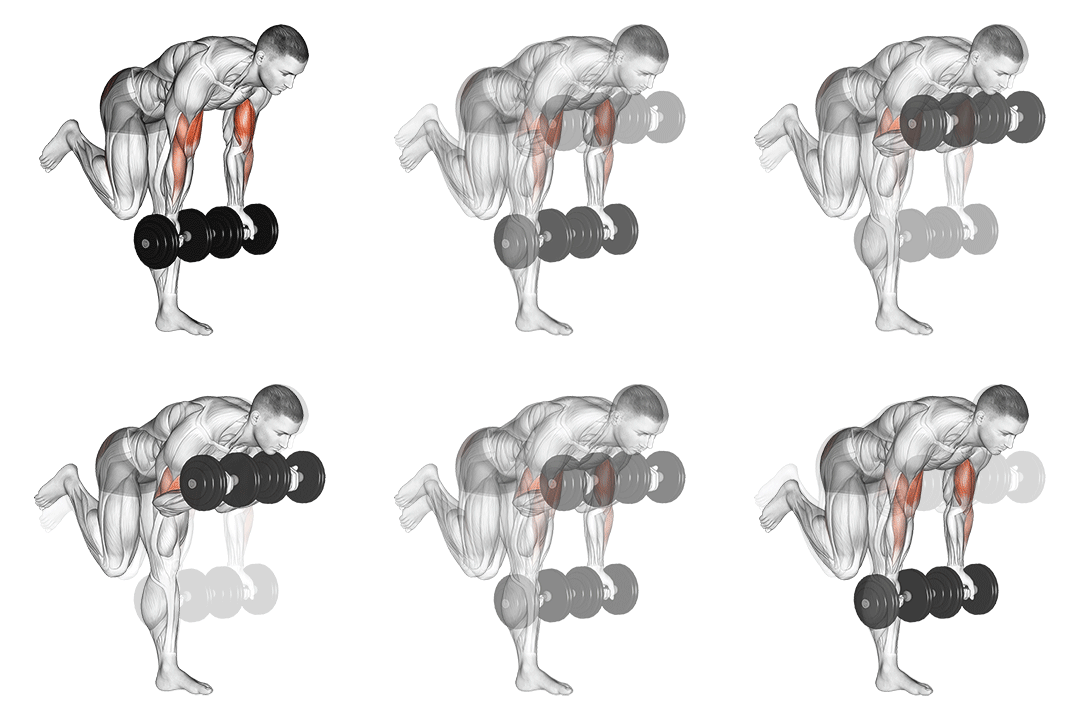
- Biceps
- Dumbbell
- Intermediate
- Isolation
How to perform this exercise
- Stand with your feet shoulder-width apart and hold a dumbbell in each hand, palms facing forward.
- Extend one leg behind you, balancing on the toes of that foot.
- Keeping your upper arms stationary, exhale and curl the weights while contracting your biceps.
- Continue to raise the weights until your biceps are fully contracted and the dumbbells are at shoulder level.
- Hold the contracted position for a brief pause as you squeeze your biceps.
- Inhale and slowly begin to lower the dumbbells back to the starting position.
- Repeat for the desired number of repetitions, then switch legs and repeat.
Sets and reps: 3 sets of 10 to 15 reps.
Why this matches
- Primary muscle: biceps, the same as the Dumbbell Biceps Curl Squat
- Equipment: free weights, the same as the Dumbbell Biceps Curl Squat
- Body position: standing, the same as the Dumbbell Biceps Curl Squat
- Balance: harder to stay steady on than the Dumbbell Biceps Curl Squat
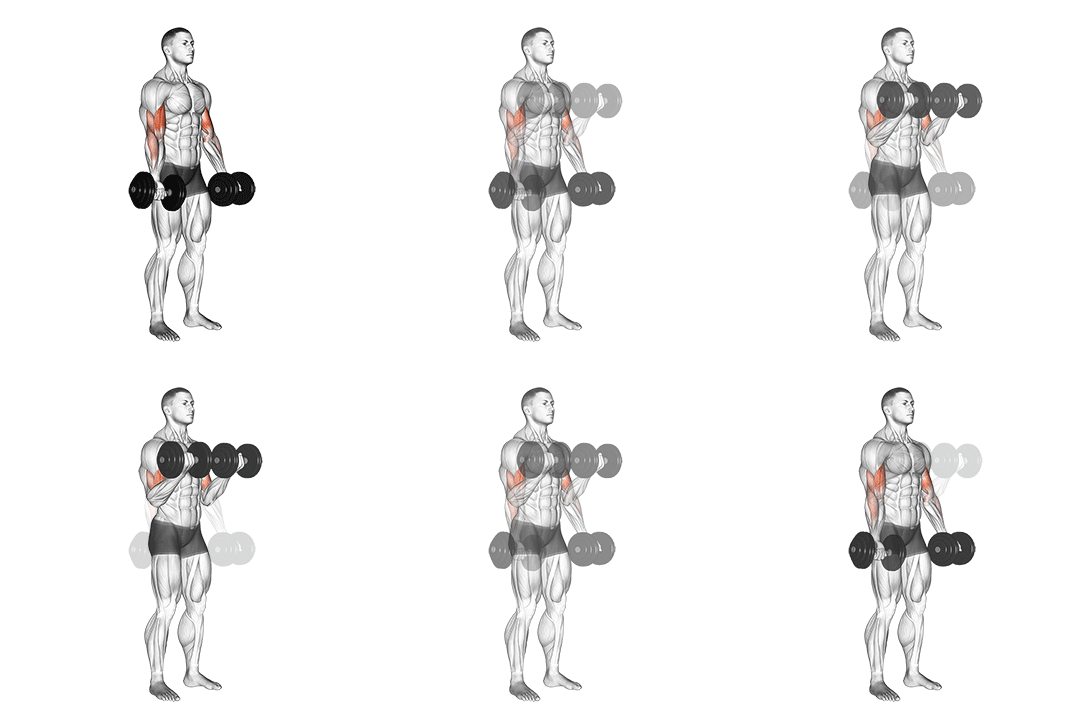
7. Dumbbell Biceps Curl
78% match- Biceps
- Dumbbell
- Beginner
- Isolation
How to perform this exercise
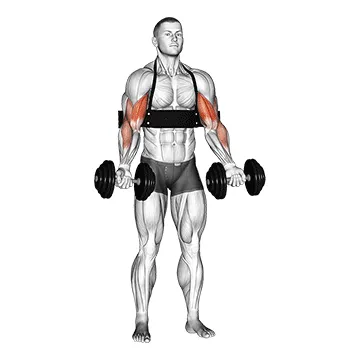
- Stand up straight with a dumbbell in each hand, palms facing forward and arms fully extended.
- Keeping your upper arms stationary, exhale and curl the weights while contracting your biceps.
- Continue to raise the weights until your biceps are fully contracted and the dumbbells are at shoulder level.
- Hold the contracted position for a brief pause as you squeeze your biceps.
- Inhale and slowly begin to lower the dumbbells back to the starting position.
- Repeat for the desired number of repetitions.
Sets and reps: 3 sets of 10 to 15 reps.
Why this matches
- Primary muscle: biceps, the same as the Dumbbell Biceps Curl Squat
- Equipment: free weights, the same as the Dumbbell Biceps Curl Squat
- Body position: standing, the same as the Dumbbell Biceps Curl Squat
- Biceps
- Dumbbell
- Beginner
- Isolation
How to perform this exercise
- Stand up straight with a dumbbell in each hand, palms facing forward.
- Keep your elbows close to your torso and your upper arms stationary.
- Exhale and curl the weights while contracting your biceps.
- Continue to raise the weights until your biceps are fully contracted and the dumbbells are at shoulder level.
- Hold the contracted position for a brief pause as you squeeze your biceps.
- Inhale and slowly begin to lower the dumbbells back to the starting position.
- Repeat for the desired number of repetitions.
Sets and reps: 3 sets of 10 to 15 reps.
Why this matches
- Primary muscle: biceps, the same as the Dumbbell Biceps Curl Squat
- Equipment: free weights, the same as the Dumbbell Biceps Curl Squat
- Body position: standing, the same as the Dumbbell Biceps Curl Squat
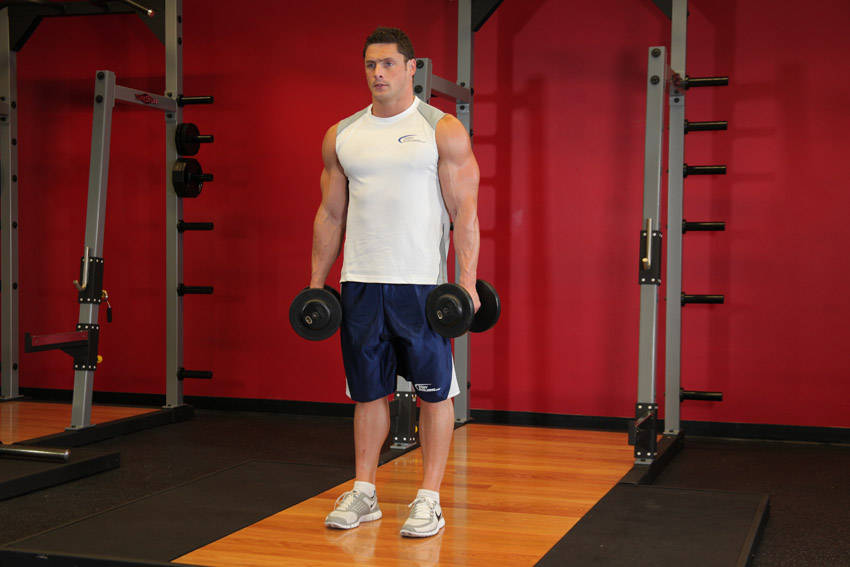
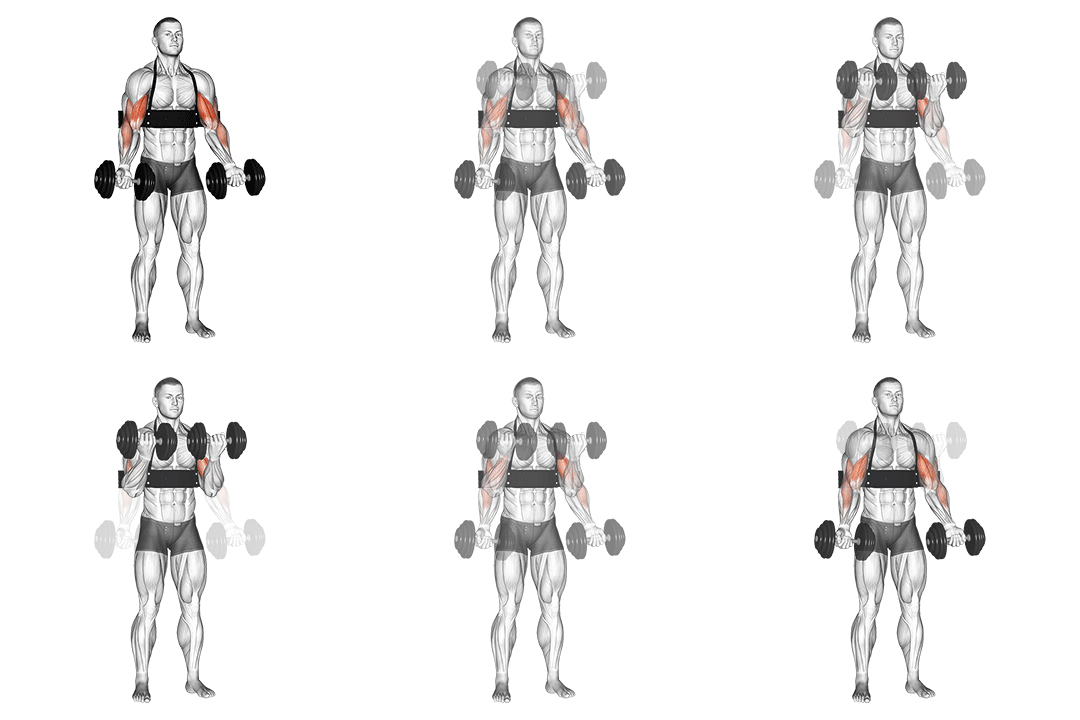
9. Standing Inner-biceps Curl
78% match- Biceps
- Dumbbell
- Beginner
- Isolation
How to perform this exercise
- Stand up with a dumbbell in each hand being held at arms length. The elbows should be close to the torso. Your legs should be at about shoulder's width apart from each other.
- Rotate the palms of the hands so that they are facing inward in a neutral position. This will be your starting position.
- While holding the upper arms stationary, curl the weights out while contracting the biceps as you breathe out. Your wrist should turn so that when the weights are fully elevated you have supinated grip (palms facing up).
- Only the forearms should move. Continue the movement until your biceps are fully contracted and the dumbbells are at shoulder level. Tip: Keep the forearms aligned with your outer deltoids.
- Hold the contracted position for a second as you squeeze the biceps.
- Slowly begin to bring the dumbbells back to the starting position as your breathe in. Remember to rotate the wrists as you lower the weight in order to switch back to a neutral grip.
- Repeat for the recommended amount of repetitions.
Sets and reps: 3 sets of 10 to 15 reps.
Why this matches
- Primary muscle: biceps, the same as the Dumbbell Biceps Curl Squat
- Equipment: free weights, the same as the Dumbbell Biceps Curl Squat
- Body position: standing, the same as the Dumbbell Biceps Curl Squat
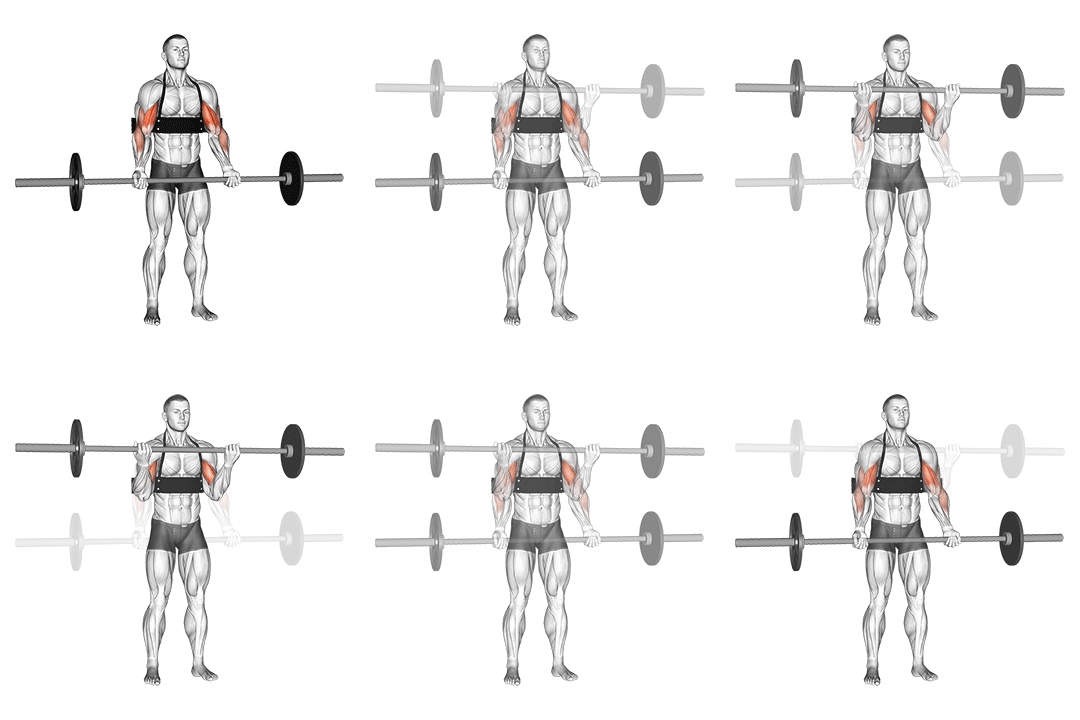
- Biceps
- Barbell
- Beginner
- Isolation
How to perform this exercise
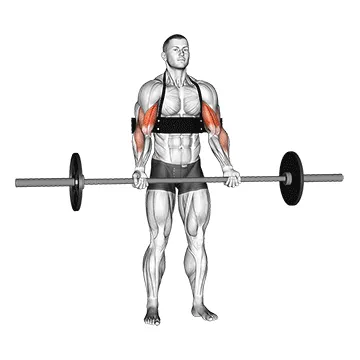
- Stand up straight with your feet shoulder-width apart and hold a barbell with an underhand grip, palms facing up.
- Place your upper arms against the arm blaster, keeping your elbows close to your torso.
- Keeping your upper arms stationary, exhale and curl the weights while contracting your biceps.
- Continue to raise the barbell until your biceps are fully contracted and the bar is at shoulder level.
- Hold the contracted position for a brief pause as you squeeze your biceps.
- Inhale and slowly begin to lower the barbell back to the starting position.
- Repeat for the desired number of repetitions.
Sets and reps: 3 sets of 10 to 15 reps.
Why this matches
- Primary muscle: biceps, the same as the Dumbbell Biceps Curl Squat
- Equipment: free weights, the same as the Dumbbell Biceps Curl Squat
- Body position: standing, the same as the Dumbbell Biceps Curl Squat
Why You Might Need a Dumbbell Biceps Curl Squat Alternative
You might substitute the Dumbbell Biceps Curl Squat for several reasons: elbow or knee pain, limited equipment, mobility restrictions, or program specificity. Replacing it lets you isolate the biceps or split the compound demands between exercises to manage fatigue. For example, performing strict curls emphasizes elbow-flexor activation (biceps brachii and brachialis) while separate squats let you focus on hip extension and quad recruitment without compromising form. If a joint flares, limit squat depth to a pain-free range and keep a neutral wrist when curling to reduce shear forces and preserve loading without sacrificing muscle tension.
Dumbbell Biceps Curl Squat FAQ
What muscles does Dumbbell Biceps Curl Squat work?
The move targets the biceps brachii, brachialis, and brachioradialis via elbow flexion, while the squat portion engages quads, glutes, and hamstrings through knee and hip extension. Keep the elbows fixed to your sides during the curl to emphasize elbow-flexor activation and avoid shoulder involvement.
Find Alternatives for Any Exercise
Search the exercise database and filter the ranked substitutes by the equipment you own.
Similarity scores compare exercise metadata such as movement pattern, muscles, equipment and body position. They are not a safety rating or a check that you own the equipment. Learn about our methodology