

10 Best Dumbbell Decline Shrug Alternatives for Trap Strength
The Dumbbell Decline Shrug is done lying face down with dumbbells. Ranked closest by our scoring: the Dumbbell Shrug, the Barbell Shrug and the Cable Shrug. Three harder versions, the Dumbbell Around Pullover, the Dumbbell Incline Shrug and the Dumbbell Pullover, are listed below as progressions rather than swaps.
Updated Ranked by our 12-factor similarity model How it works
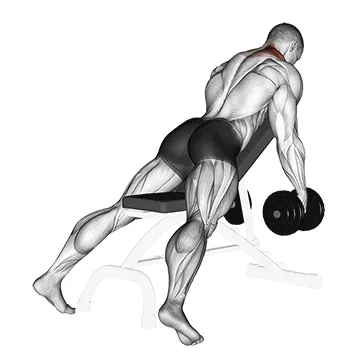
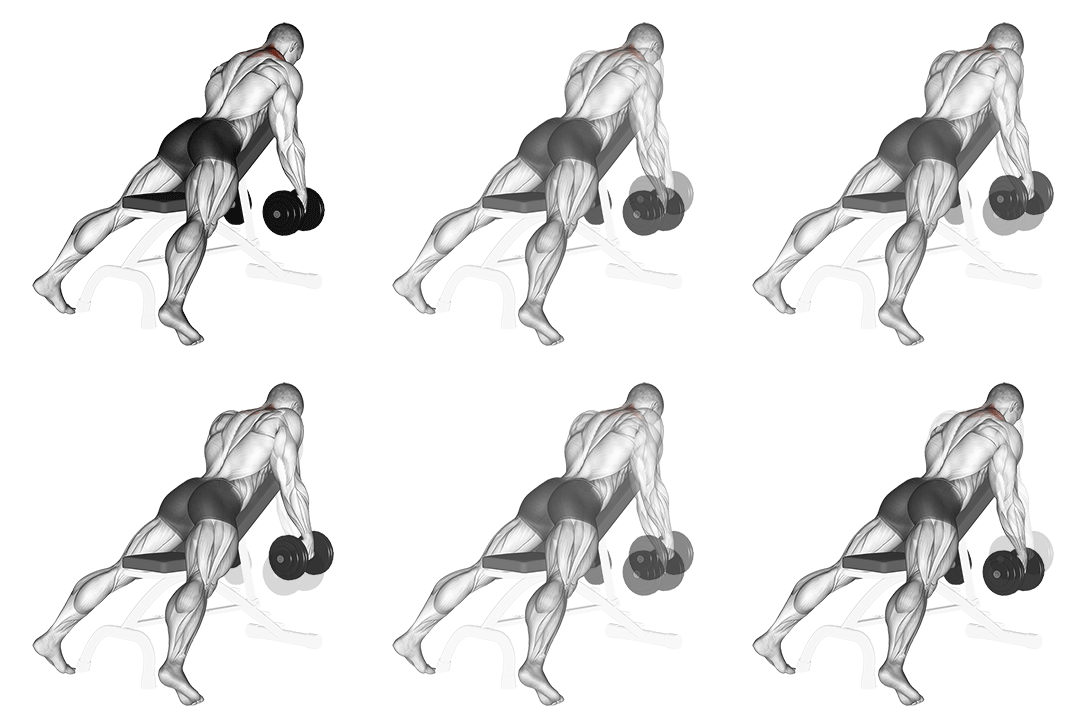
Original Exercise: Dumbbell Decline Shrug
- Primary muscle
- Traps
- Equipment
- Dumbbell
- Difficulty
- Beginner
- Type
- Isolation
Secondary muscles: Shoulders, Rhomboids
How to perform Dumbbell Decline Shrug
- Set up a decline bench at a 45-degree angle.
- Lie face down on the bench with your chest and stomach resting on it.
- Hold a dumbbell in each hand with your palms facing each other and your arms fully extended.
- Keeping your arms straight, raise your shoulders as high as possible while squeezing your shoulder blades together.
- Hold the contraction for a brief pause, then lower the dumbbells back to the starting position.
- Repeat for the desired number of repetitions.
Ranked Dumbbell Decline Shrug Alternatives
10 substitutes, ranked by how closely each one matches the Dumbbell Decline Shrug on movement pattern, muscles worked, equipment and body position. The higher the score, the less you change. Open "How to perform this exercise" on a card for the steps; every card title links to that exercise's own alternatives page. Harder versions are tagged as progressions and kept out of the top spot even when they score higher.
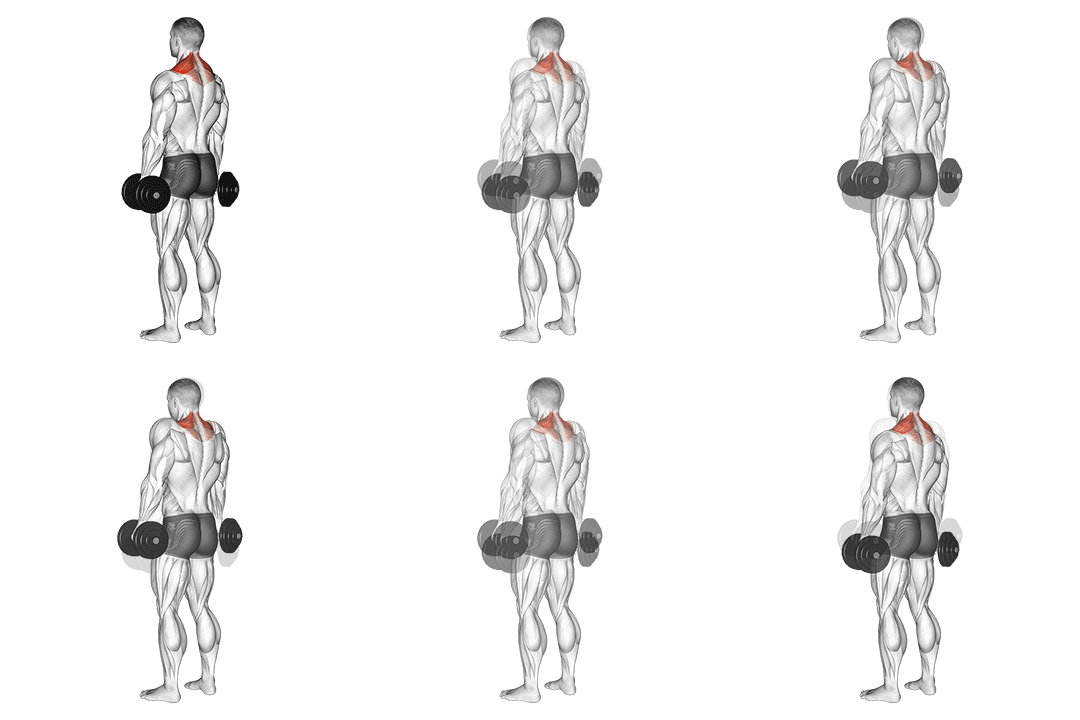
Best match 1. Dumbbell Shrug
92% match- Traps
- Dumbbell
- Beginner
- Isolation
The same equipment, done standing instead.
How to perform this exercise
- Stand with your feet shoulder-width apart and hold a dumbbell in each hand with your palms facing your body.
- Keep your arms straight and let the dumbbells hang by your sides.
- Raise your shoulders as high as possible, as if you are trying to touch your ears with your shoulders.
- Hold the contraction for a second, then slowly lower your shoulders back down to the starting position.
- Repeat for the desired number of repetitions.
Sets and reps: 3 sets of 10 to 15 reps.
Why this matches
- Primary muscle: traps, the same as the Dumbbell Decline Shrug
- Equipment: free weights, the same as the Dumbbell Decline Shrug
- Body position: standing, not lying face down
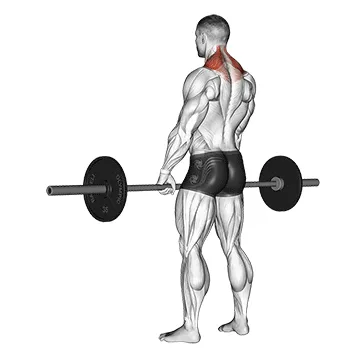
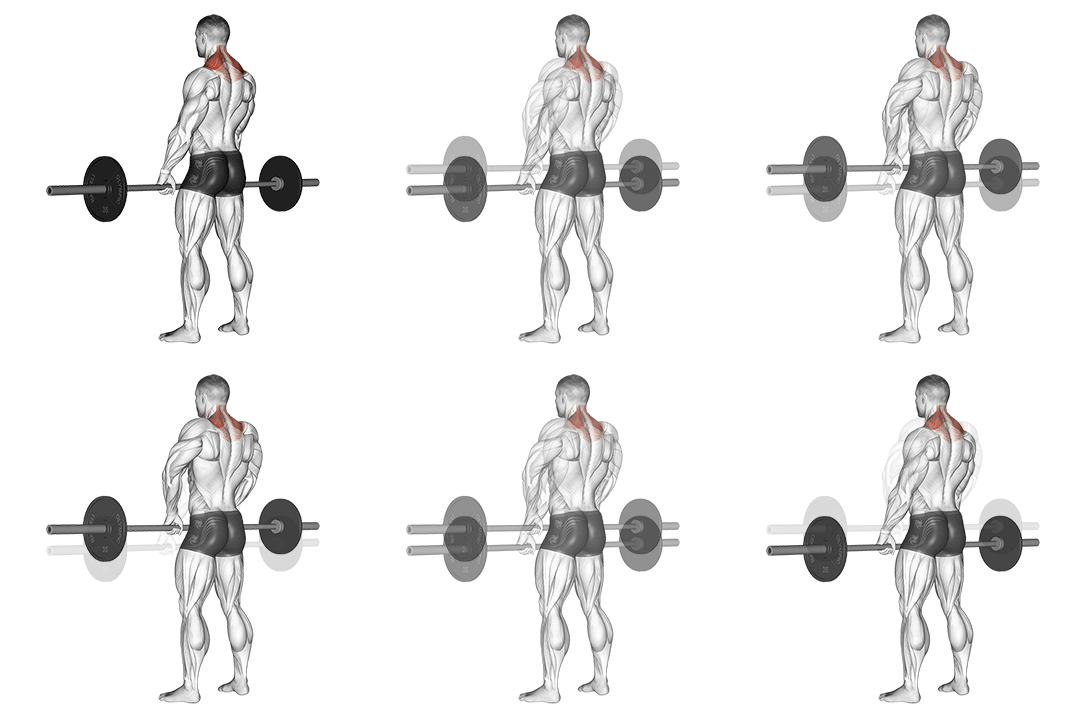
2. Barbell Shrug
84% match- Traps
- Barbell
- Beginner
- Isolation
A good swap when you have a barbell to work with, and it still works the traps.
How to perform this exercise
- Stand with your feet shoulder-width apart and hold a barbell in front of you with an overhand grip.
- Keep your arms straight and your back straight throughout the exercise.
- Lift your shoulders up towards your ears as high as possible, squeezing your traps at the top.
- Hold for a moment, then slowly lower your shoulders back down to the starting position.
- Repeat for the desired number of repetitions.
Sets and reps: 3 sets of 10 to 15 reps.
Why this matches
- Primary muscle: traps, the same as the Dumbbell Decline Shrug
- Equipment: free weights, the same as the Dumbbell Decline Shrug
- Body position: standing, not lying face down
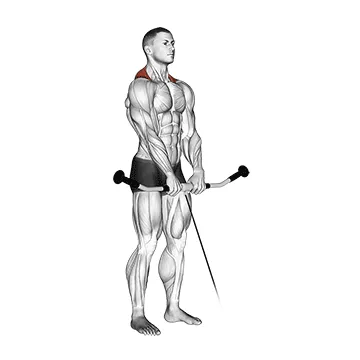
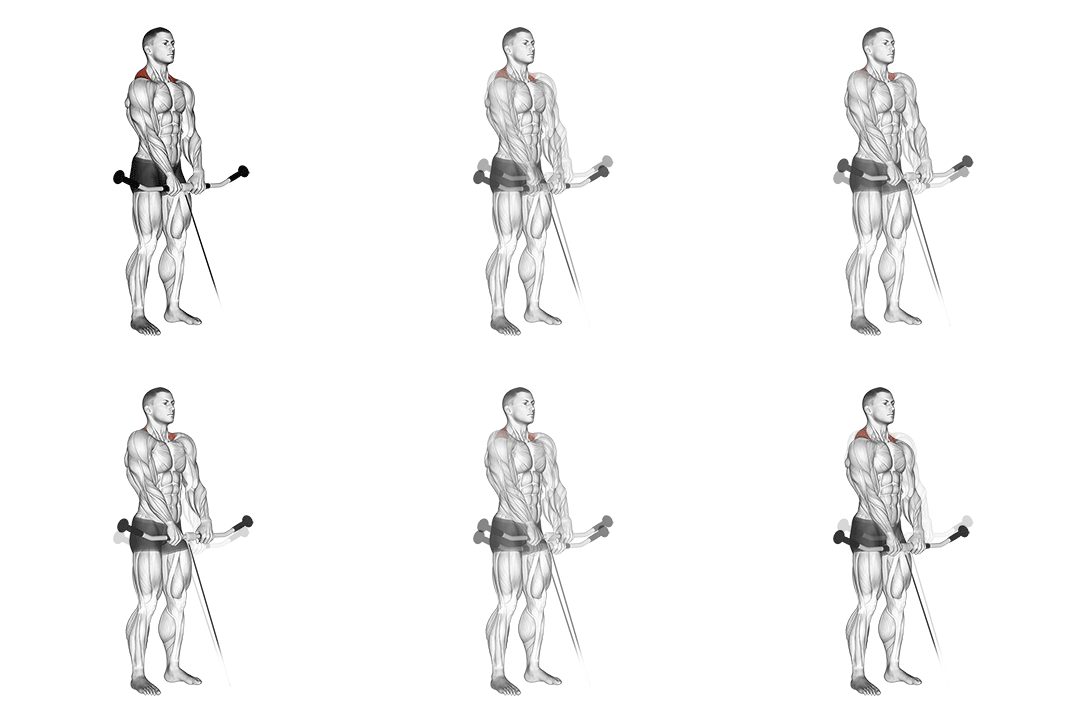
3. Cable Shrug
77% match- Traps
- Cable
- Beginner
- Isolation
A good swap when you have a cable machine to work with, and it still works the traps.
How to perform this exercise
- Stand facing the cable machine with your feet shoulder-width apart.
- Grasp the cable handles with an overhand grip and let your arms hang down in front of you.
- Keeping your arms straight, shrug your shoulders up towards your ears.
- Hold the contraction for a moment, then slowly lower your shoulders back down to the starting position.
- Repeat for the desired number of repetitions.
Sets and reps: 3 sets of 10 to 15 reps.
Why this matches
- Primary muscle: traps, the same as the Dumbbell Decline Shrug
- Equipment: a cable, not free weights
- Body position: standing, not lying face down
Progression
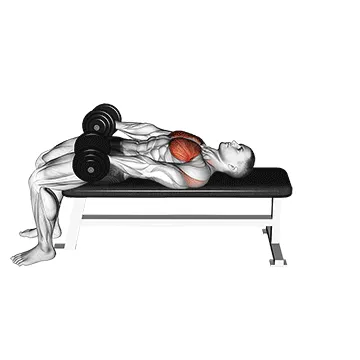
4. Dumbbell Around Pullover
67% match- Pectorals
- Dumbbell
- Intermediate
- Compound
A looser match: it uses the same equipment, but it works the pectorals rather than the traps.
How to perform this exercise
- Lie flat on a bench with your head at one end and your feet firmly on the ground.
- Hold a dumbbell with both hands and extend your arms straight above your chest.
- Keeping your arms straight, slowly lower the dumbbell behind your head in an arc motion.
- Pause for a moment at the bottom, then raise the dumbbell back to the starting position.
- Repeat for the desired number of repetitions.
Sets and reps: 3 or 4 sets of 6 to 10 reps.
Why this matches
- Primary muscle: pectorals, not traps
- Equipment: free weights, the same as the Dumbbell Decline Shrug
- Body position: lying on your back, not lying face down
- Traps
- Machine
- Beginner
- Isolation
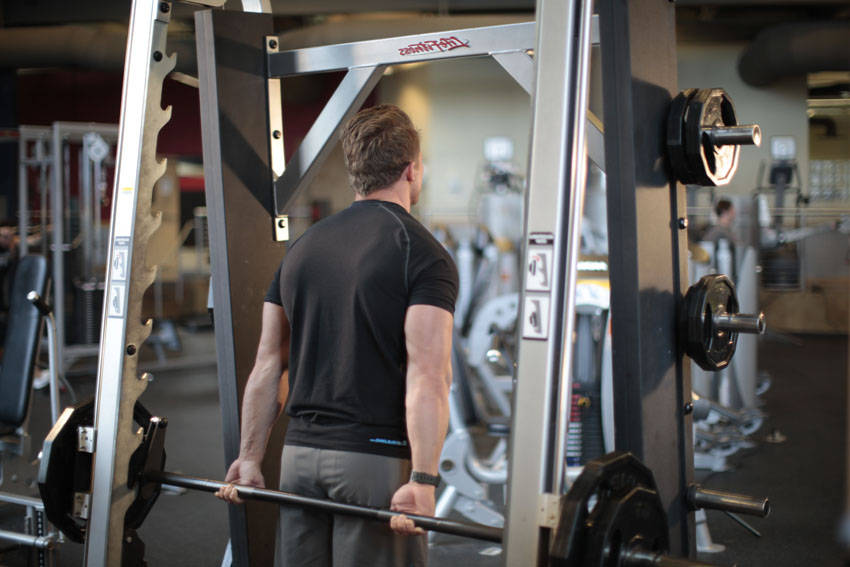
A good swap when you have a machine to work with, and it still works the traps.
How to perform this exercise
- With the bar at thigh level, load an appropriate weight.
- Stand with the bar behind you, taking a shoulder-width, pronated grip on the bar and unhook the weight. You should be standing up straight with your head and chest up and your arms extended. This will be your starting position.
- Initiate the movement by shrugging your shoulders straight up. Do not flex the arms or wrist during the movement.
- After a brief pause return the weight to the starting position.
- Repeat for the desired number of repetitions before engaging the hooks to rack the weight.
Sets and reps: 3 sets of 10 to 15 reps.
Why this matches
- Primary muscle: traps, the same as the Dumbbell Decline Shrug
- Equipment: a machine, not free weights
- Body position: standing, not lying face down
- Balance: easier to stay steady on than the Dumbbell Decline Shrug
Progression
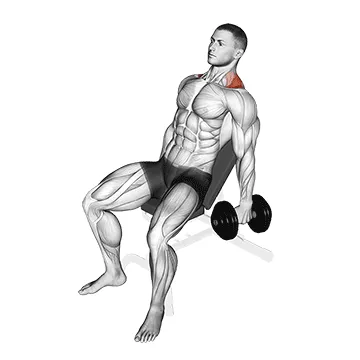
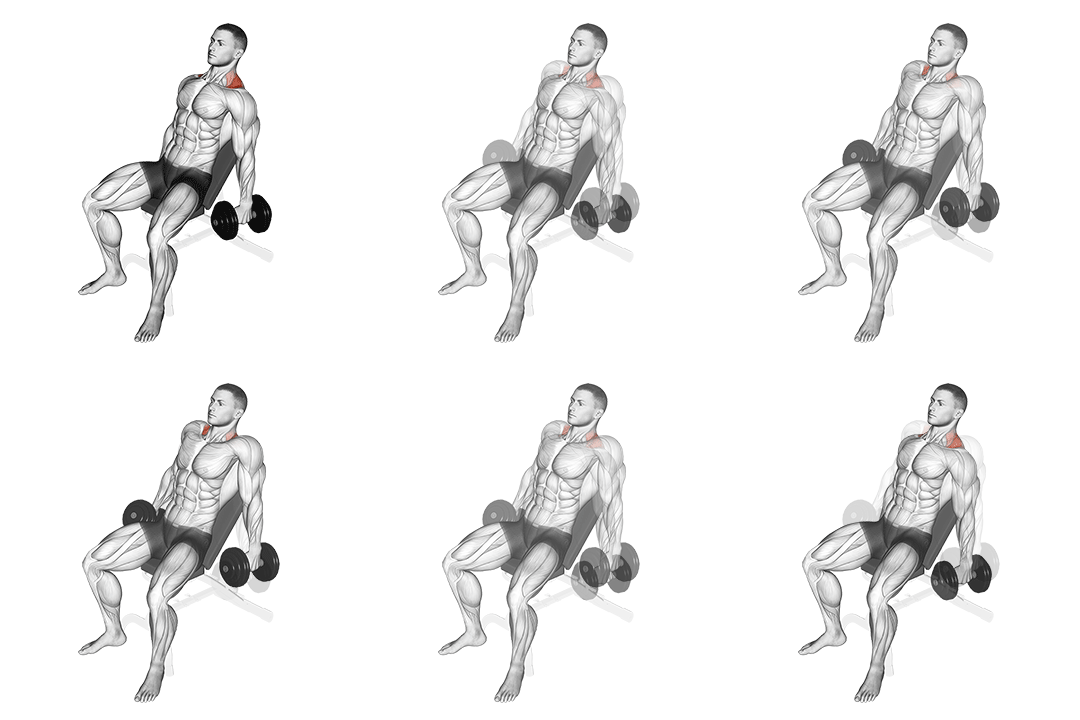
6. Dumbbell Incline Shrug
66% match- Traps
- Dumbbell
- Beginner
- Isolation
Pick this when you want a harder version that still works the traps.
How to perform this exercise
- Set an incline bench to a 45-degree angle and sit on it with a dumbbell in each hand.
- Place your feet flat on the ground and let your arms hang straight down with your palms facing your body.
- Keeping your arms straight, shrug your shoulders up towards your ears as high as possible.
- Hold the contraction for a moment, then slowly lower your shoulders back down to the starting position.
- Repeat for the desired number of repetitions.
Sets and reps: 3 sets of 10 to 15 reps.
Why this matches
- Primary muscle: traps, the same as the Dumbbell Decline Shrug
- Equipment: free weights, the same as the Dumbbell Decline Shrug
- Body position: seated, not lying face down
- Balance: easier to stay steady on than the Dumbbell Decline Shrug
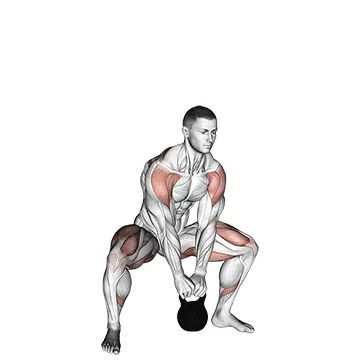
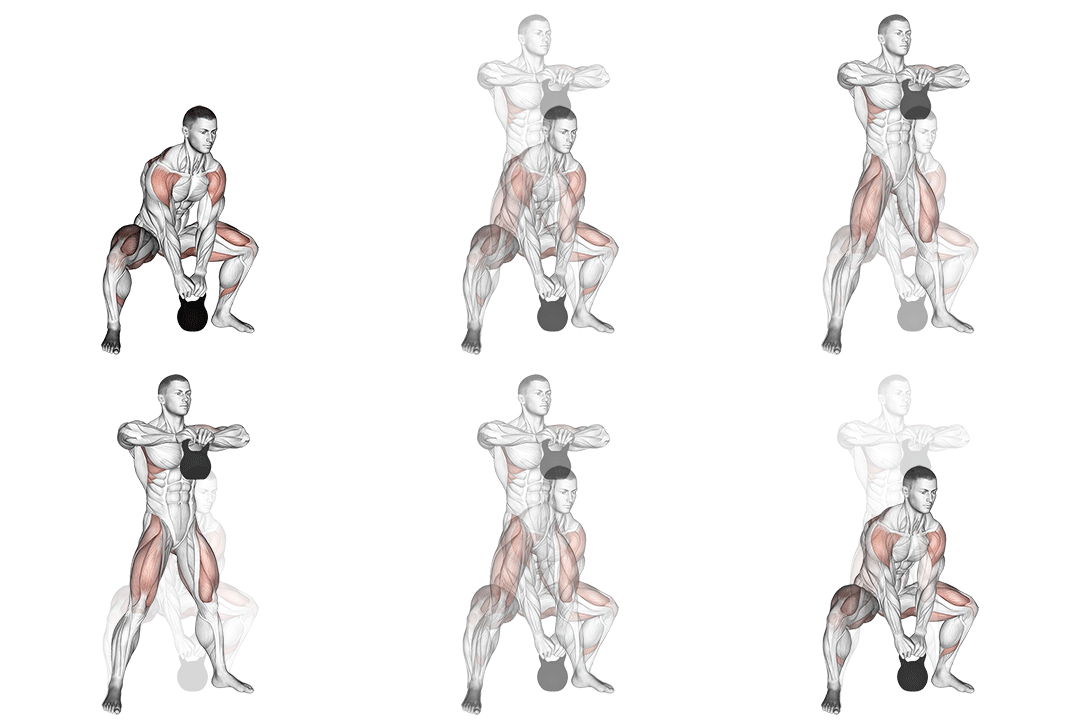
7. Kettlebell Sumo High Pull
64% match- Traps
- Kettlebell
- Advanced
- Compound
A good swap when you have a kettlebell to work with, and it still works the traps.
How to perform this exercise
- Stand with your feet wider than shoulder-width apart, toes pointing outwards.
- Hold a kettlebell with both hands in front of your body, arms extended downwards.
- Bend your knees and lower your hips into a squat position, keeping your back straight.
- Drive through your heels and explosively extend your hips and knees, pulling the kettlebell up towards your chin.
- As you pull the kettlebell up, keep your elbows high and wide, and squeeze your shoulder blades together.
- Lower the kettlebell back down to the starting position and repeat for the desired number of repetitions.
Sets and reps: 3 to 5 sets of 5 to 8 reps.
Why this matches
- Primary muscle: traps, the same as the Dumbbell Decline Shrug
- Equipment: free weights, the same as the Dumbbell Decline Shrug
- Body position: standing, not lying face down
- Balance: harder to stay steady on than the Dumbbell Decline Shrug
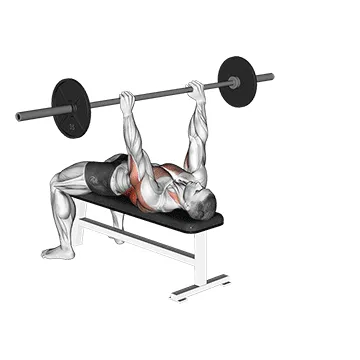
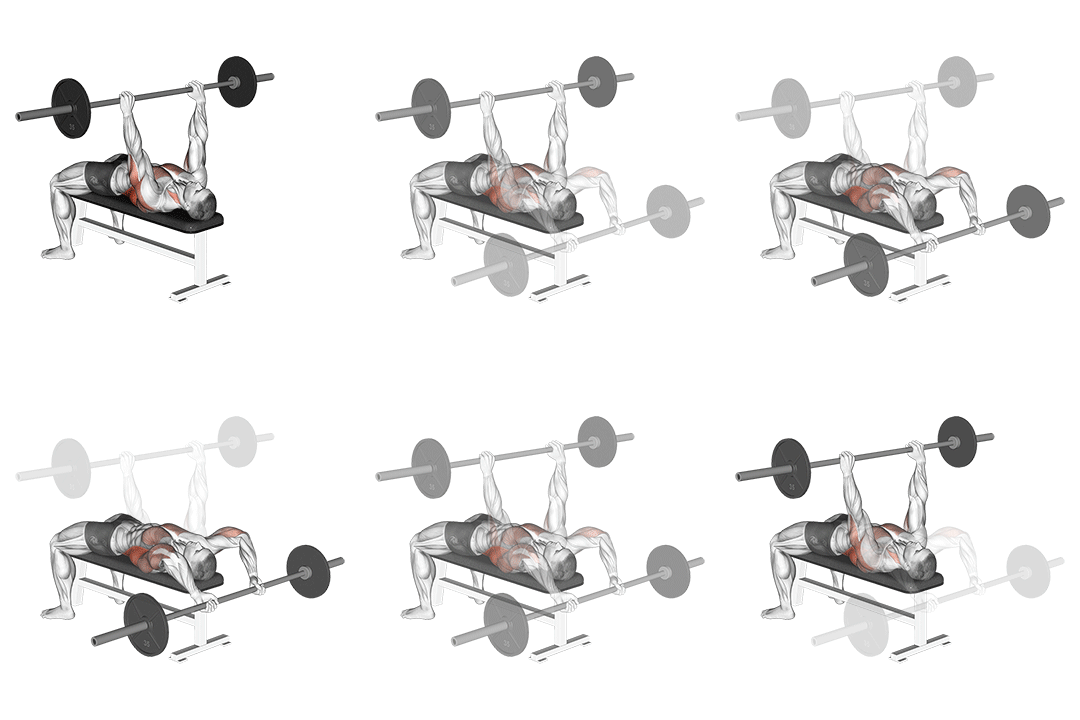
8. Barbell Bent Arm Pullover
63% match- Lats
- Barbell
- Intermediate
- Isolation
How to perform this exercise
- Lie flat on a bench with your head at one end and your feet on the floor.
- Hold a barbell with a shoulder-width grip and extend your arms straight above your chest.
- Lower the barbell behind your head while keeping your arms slightly bent.
- Pause for a moment, then raise the barbell back to the starting position.
- Repeat for the desired number of repetitions.
Sets and reps: 3 sets of 10 to 15 reps.
Why this matches
- Primary muscle: lats, not traps
- Equipment: free weights, the same as the Dumbbell Decline Shrug
- Body position: lying on your back, not lying face down
9. Hang Snatch - Below Knees
62% match- Hamstrings
- Barbell
- Advanced
- Compound
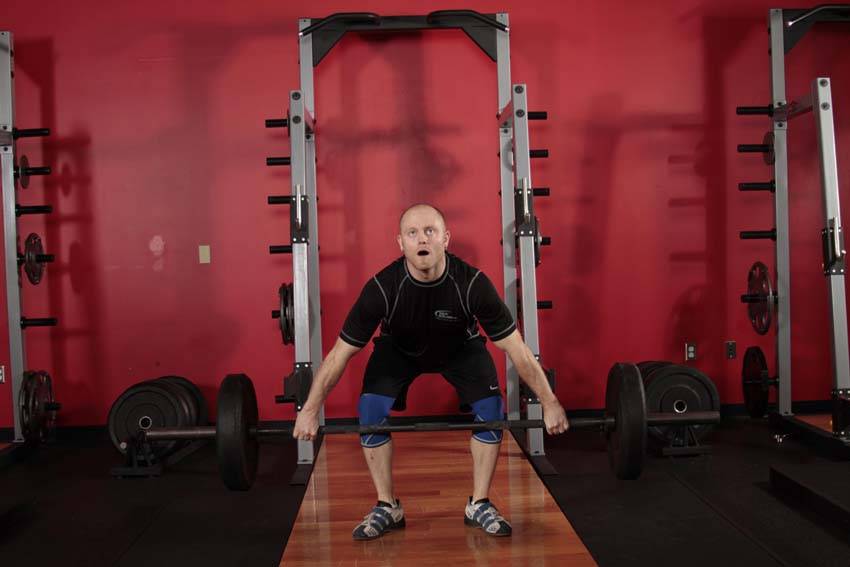
How to perform this exercise
- Begin with a wide grip on the bar, with an overhand or hook grip. The feet should be directly below the hips with the feet turned out. Your knees should be slightly bent, and the torso inclined forward. The spine should be fully extended and the head facing forward. The bar should be just below the knees. This will be your starting position.
- Aggressively extend through the legs and hips. At peak extension, shrug the shoulders and allow the elbows to flex to the side.
- As you move your feet into the receiving position, forcefully pull yourself below the bar as you elevate the bar overhead. Receive the bar with your body as low as possible and the arms fully extended overhead.
- Return to a standing position with the weight overhead, and then return the weight to the floor under control.
Sets and reps: 3 to 5 sets of 5 to 8 reps.
Why this matches
- Primary muscle: hamstrings, not traps
- Equipment: free weights, the same as the Dumbbell Decline Shrug
- Body position: standing, not lying face down
- Balance: harder to stay steady on than the Dumbbell Decline Shrug
Progression
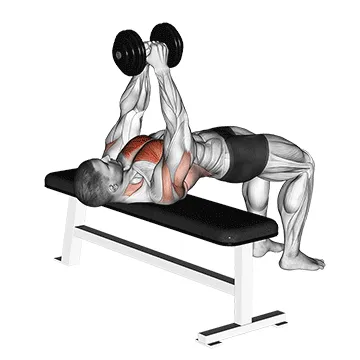
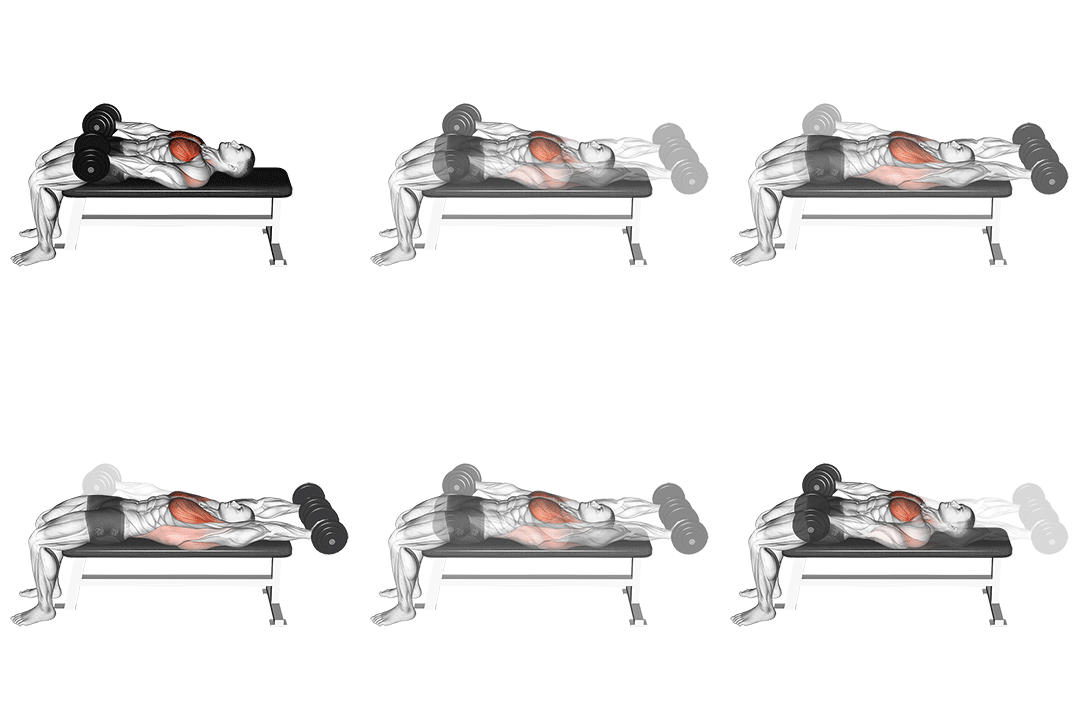
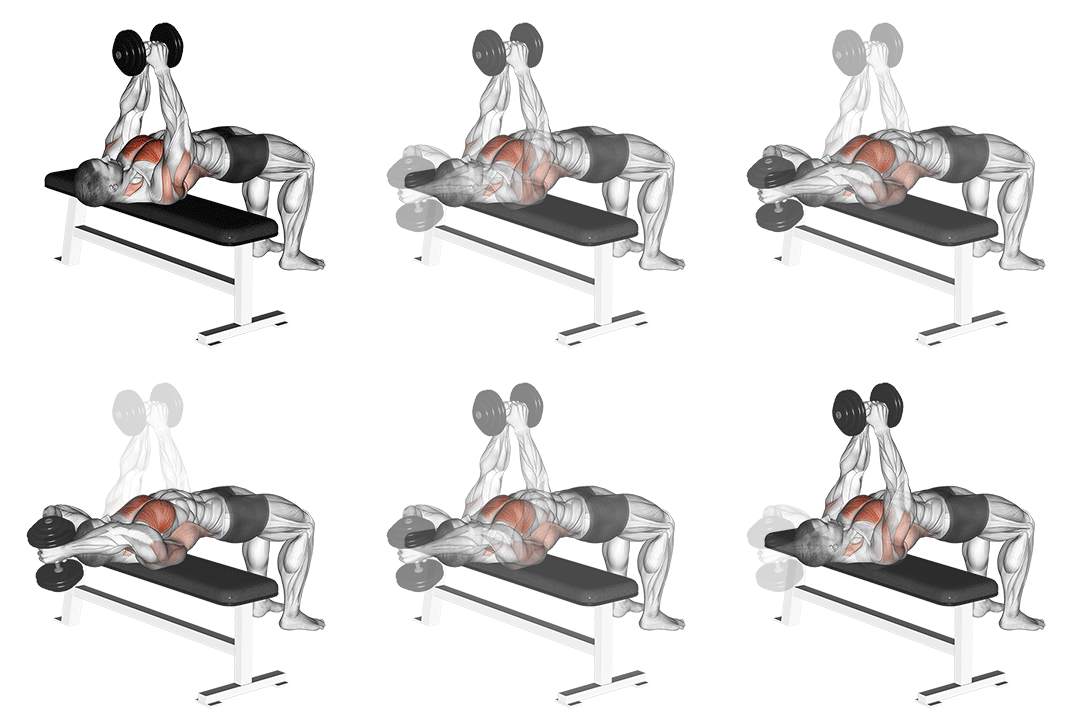
10. Dumbbell Pullover
62% match- Pectorals
- Dumbbell
- Intermediate
- Compound
How to perform this exercise
- Lie flat on a bench with your head at one end and your feet on the floor.
- Hold a dumbbell with both hands and extend your arms straight above your chest.
- Keeping a slight bend in your elbows, slowly lower the dumbbell behind your head until you feel a stretch in your chest and shoulders.
- Pause for a moment, then raise the dumbbell back to the starting position.
- Repeat for the desired number of repetitions.
Sets and reps: 3 or 4 sets of 6 to 10 reps.
Why this matches
- Primary muscle: pectorals, not traps
- Equipment: free weights, the same as the Dumbbell Decline Shrug
- Body position: lying on your back, not lying face down
Dumbbell Decline Shrug FAQ
What muscles does Dumbbell Decline Shrug V. 2 work?
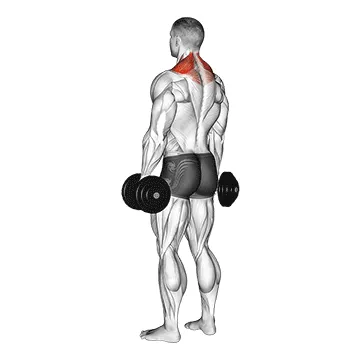
The exercise primarily targets the upper trapezius through scapular elevation, with secondary involvement from the levator scapulae and upper rhomboids. Cue a straight vertical shrug, drive the scapulae upward without shoulder rotation, to isolate the upper traps.
Find Alternatives for Any Exercise
Search the exercise database and filter the ranked substitutes by the equipment you own.
Similarity scores compare exercise metadata such as movement pattern, muscles, equipment and body position. They are not a safety rating or a check that you own the equipment. Learn about our methodology